Trading Lover
171 posts


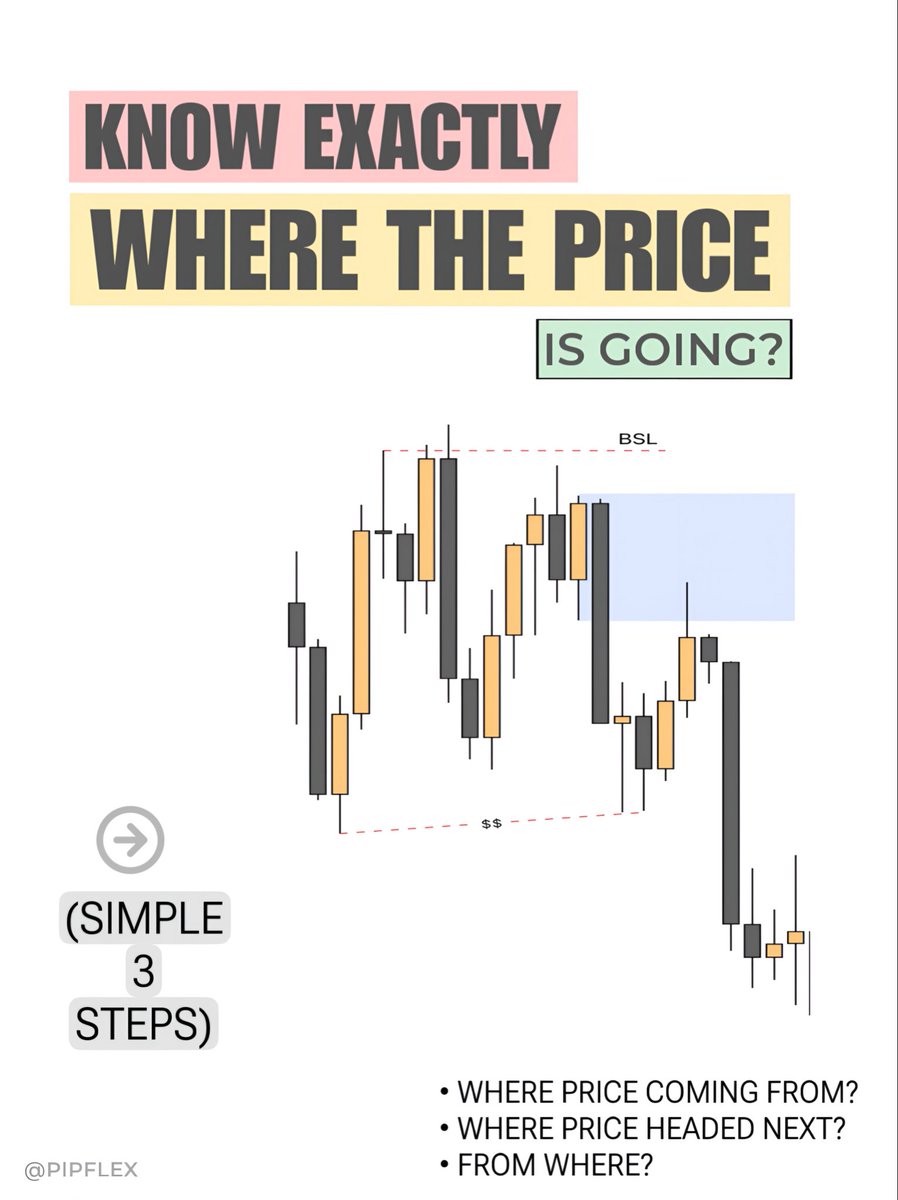
CRT Price Action Candle Guide Part 6 Understanding what each candle is telling you and how CRT interprets it. Most traders look at candles. I look at intention, liquidity, and range behavior. Interpretation of the six candle behaviors shown in this image simplified, structured, and ready for you to understand below 1. Seek & Destroy This candle is a liquidity trap. In CRT terms: • It sweeps both sides of the range • It shows no clear intention • It destroys both buyers and sellers • It leaves no clean displacement Why I avoids it: There is no directional narrative. The candle is engineered to liquidate both sides before the real move begins. 2. Expansion This is a Candle 2 displacement candle in CRT. Key characteristics: • Strong close above the previous range • Clear rejection from the lows • Momentum showing willingness to expand higher This candle often forms after a sweep, signaling that the market is ready to expand toward range highs or premium levels. This is the candle that creates the FVG you want to trade from. 3. Aim for Range Lows This candle signals downside intention. In CRT: • It rejects the highs • It closes weak • It signals that liquidity below the range is the next target This is not an entry it’s a directional clue. 4. Consolidation This is the no‑trade zone in CRT. Why? • No sweep • No displacement • No clear Candle 2 • No expansion narrative If the market is not attacking liquidity or expanding a range, you wait. Patience is a position. 5. Expansion Lower This is the bearish version of Candle 2. Key CRT signals: • Strong close below the range • Momentum pushing downward • Creates a bearish FVG • Shows willingness to expand into discount After a sweep of the highs, this candle confirms the downside expansion. This is where CRT traders prepare for the retracement entry. 6. Aim for Range Highs This candle signals upside liquidity is next. CRT explanation; • Rejection from the lows • Weak close downward • Market is preparing to attack the highs This is not the entry it’s the intention. Every candle is either: • Sweeping liquidity • Expanding a range • Returning to origin • Or doing nothing (avoid) CRT doesn’t trade candles. CRT trades the story behind the candles.


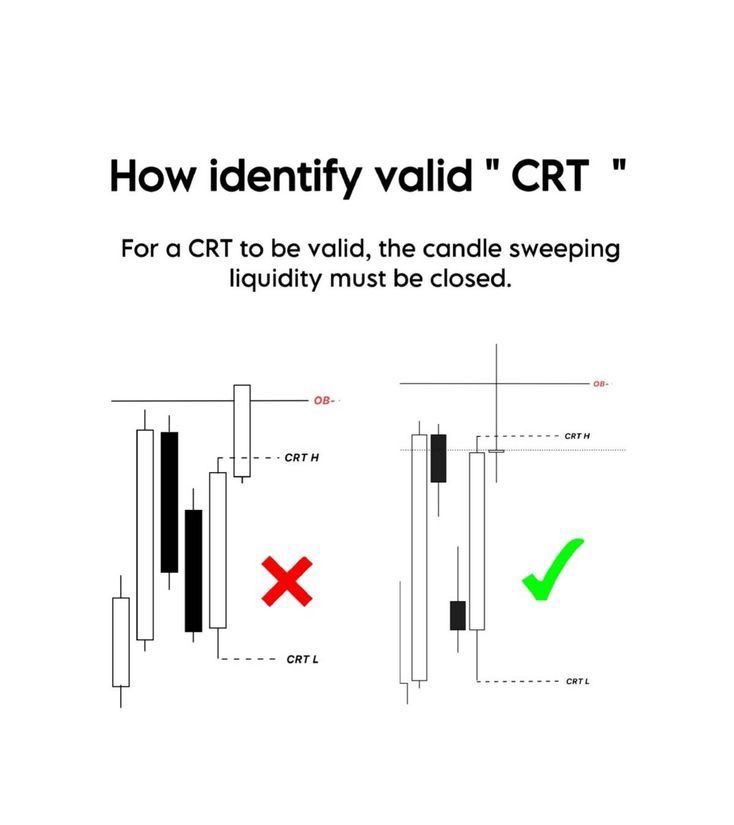
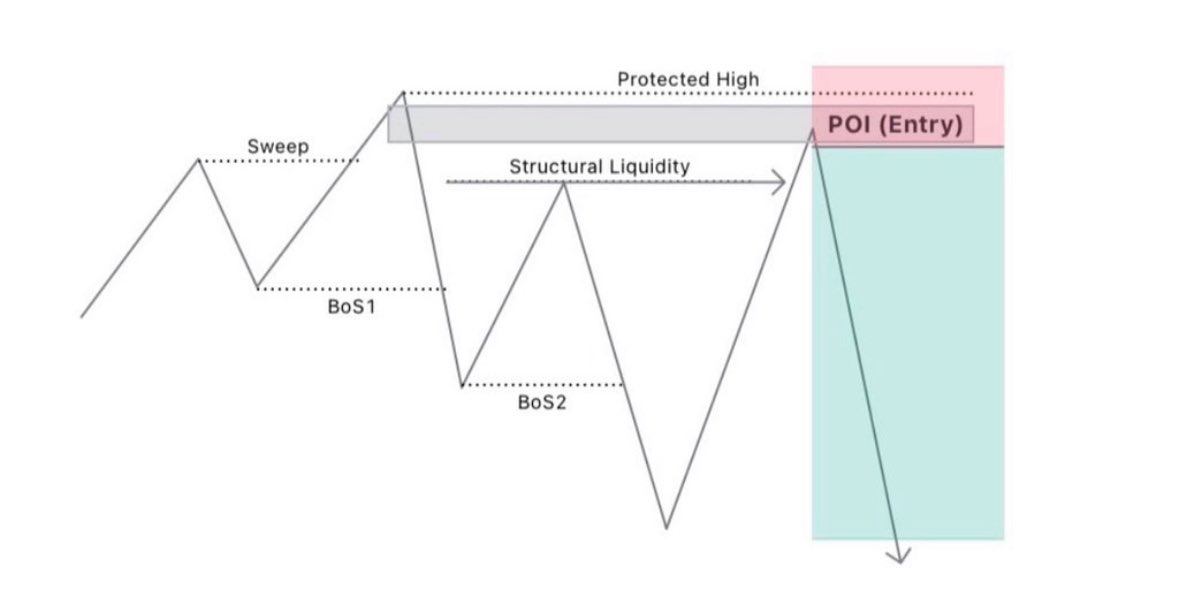
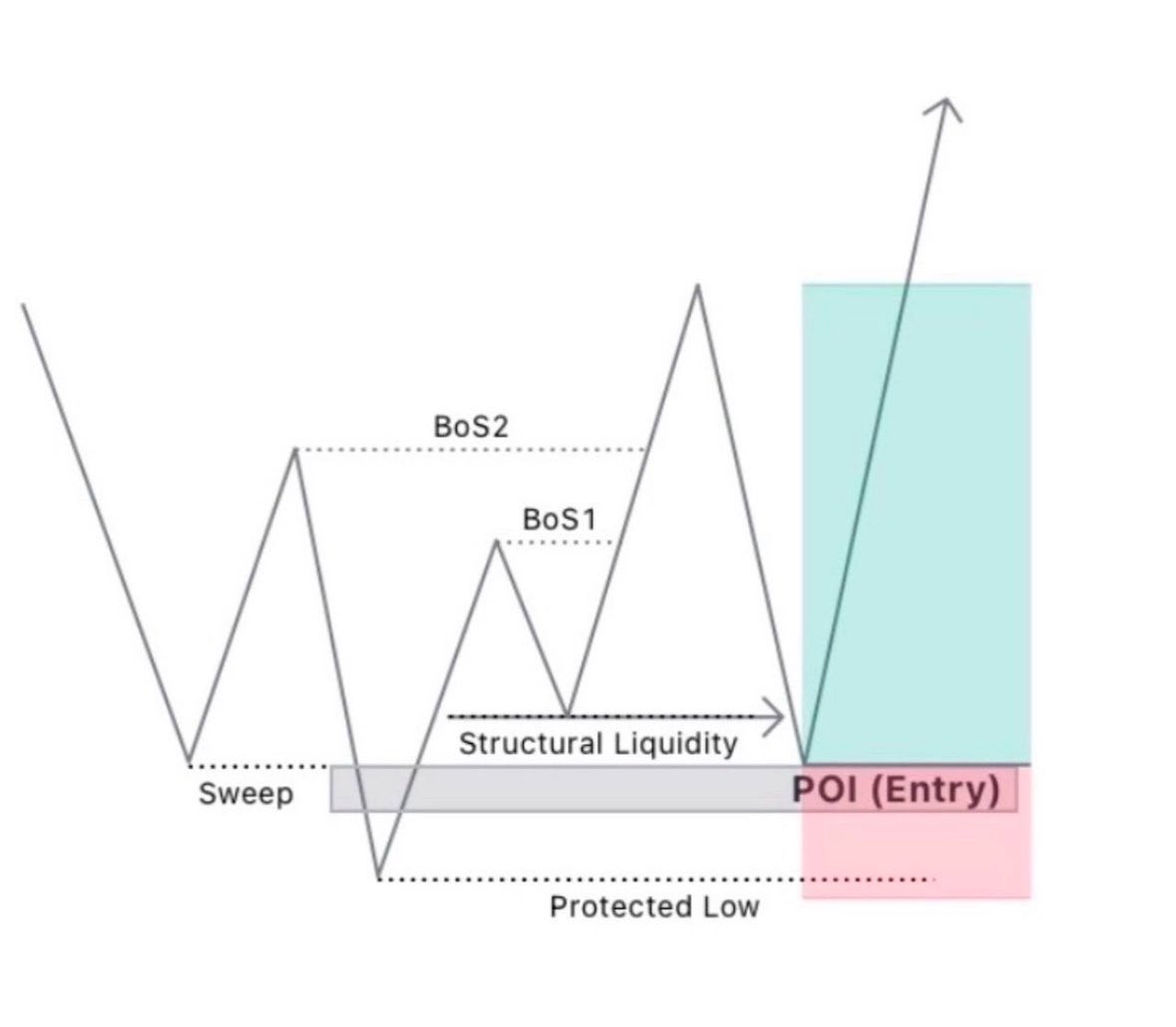
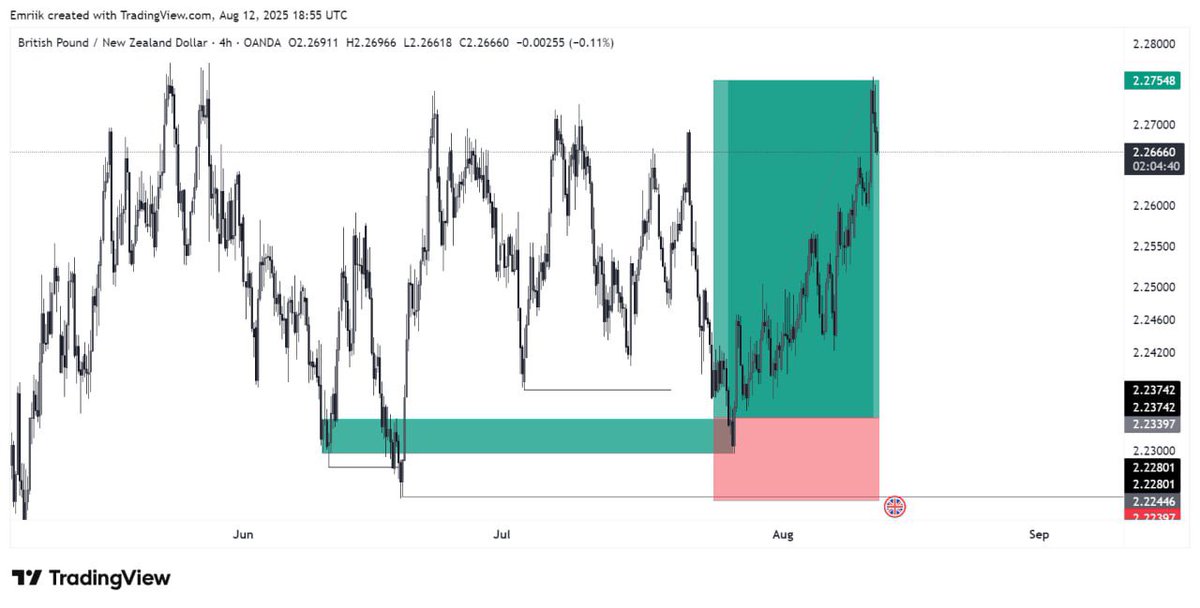
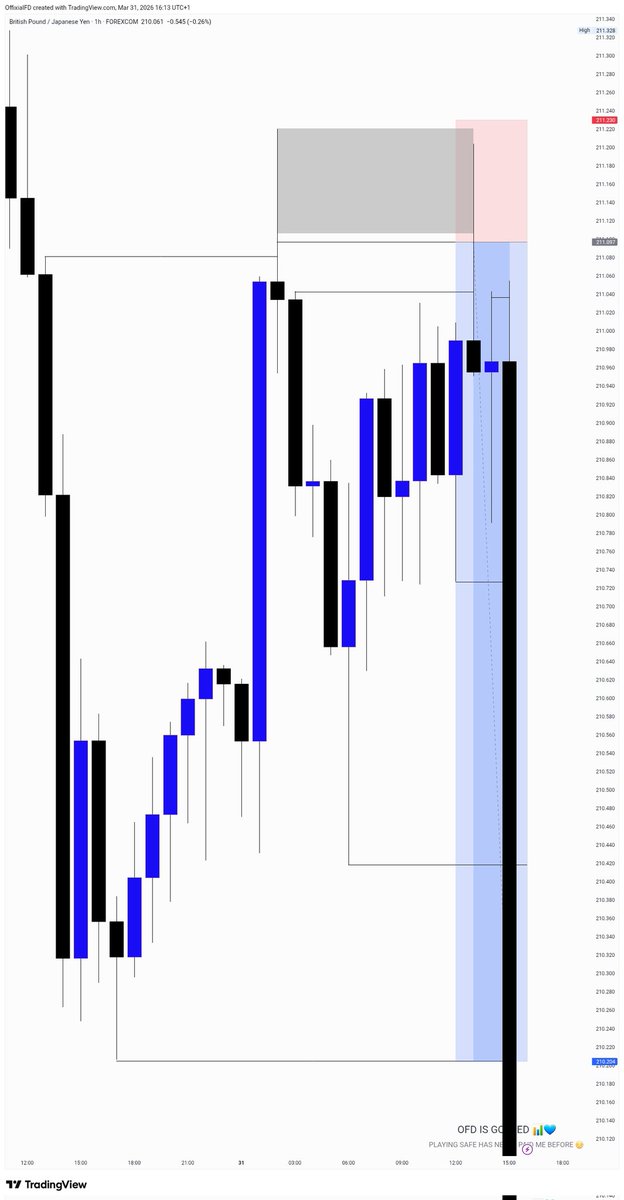
CRT (Candle Range Theory) Q&A Entry Model Part 3 CRT is a precision entry model built around the range of a specific candle. You’re using the high, low, and body of that candle as a liquidity map and entry trigger. The logic is simple: • A candle creates a range • Price later returns to that range • You use the reaction inside that range to time sniper entries CRT works because markets constantly revisit old imbalances, inefficiencies, and liquidity pockets. Q1 What do you use as your entry model after marking CRH & CRL? Once you mark your CRH (Candle Range High) and CRL (Candle Range Low), your entry model should be: The Sweep → Rejection → Displacement → Entry sequence Here’s the exact flow: 1. Price sweeps CRH or CRL: This confirms liquidity has been taken. 2. A rejection wick forms: Shows that the sweep was intentional, not a breakout. 3. A displacement candle appears: Strong body candle breaking structure in the opposite direction. 4. Entry on the retracement• Usually at: The wick of the displacement candle • The body open • Or the FVG created by displacement Q2 How do you identify good key levels where price will sweep? Look for levels with obvious liquidity: The best sweep levels are: • Previous day high/low • Session high/low • Equal highs/lows • A candle with a long wick • A candle that caused a major move • A candle with imbalance/FVG attached • A candle that sits at a premium/discount extreme Q3 After CRT forms, where exactly do you take the entry on the 3rd candle? This is the classic CRT entry rule: The 3rd candle is your confirmation candle. You enter at: • The open of the 3rd candle, or • The retracement into the body/wick of the 2nd candle, or • The FVG created between candle 2 and 3 Why the 3rd candle? Because it confirms: • The sweep is valid • The rejection is real • The displacement is intentional Q4 What is CRT’s most successful entry confirmation? The highest‑probability confirmation is: A displacement candle that breaks micro‑structure + creates an FVG This is the “golden signal” because: • It shows real orderflow • It confirms the sweep wasn’t random • It gives a clean retracement entry • It aligns with SMC logic (BOS + FVG) The strongest confirmation stack: • Sweep • Rejection wick • Break of structure • FVG • Retracement into FVG • Entry When all 6 align, CRT becomes deadly accurate.
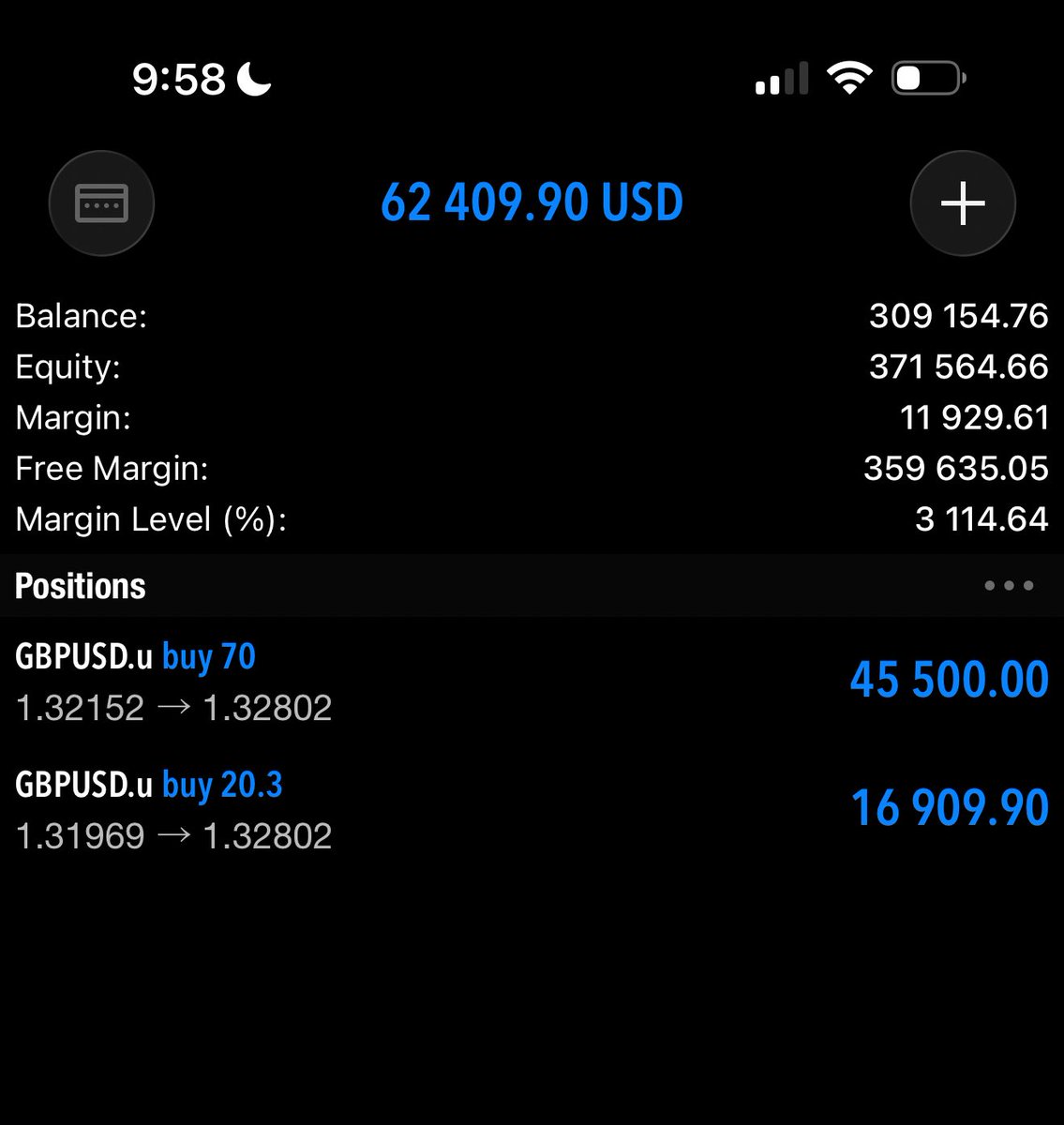


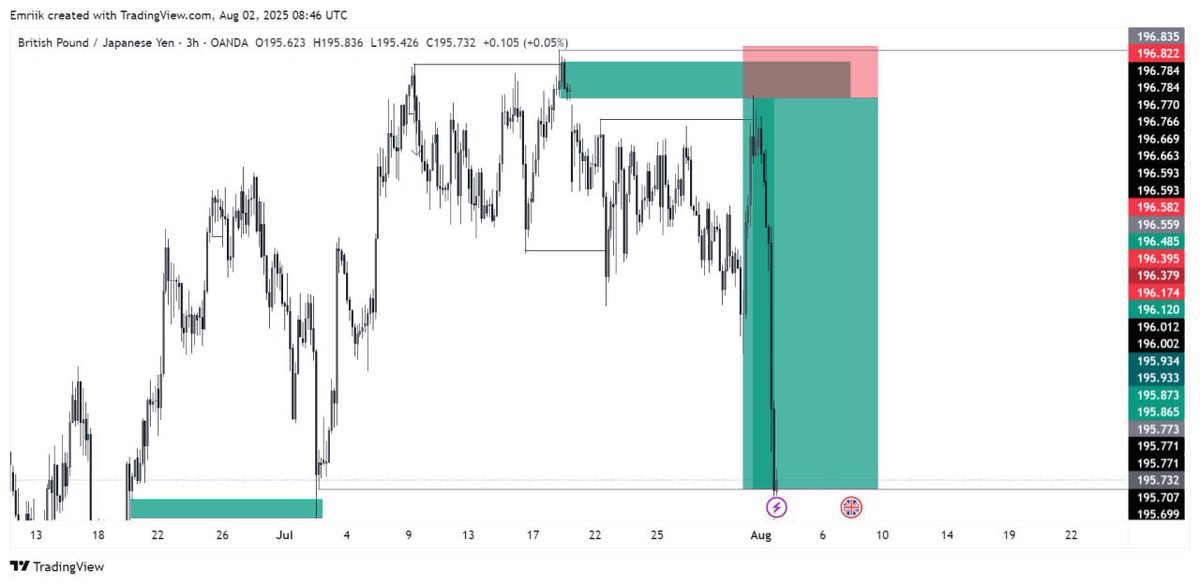
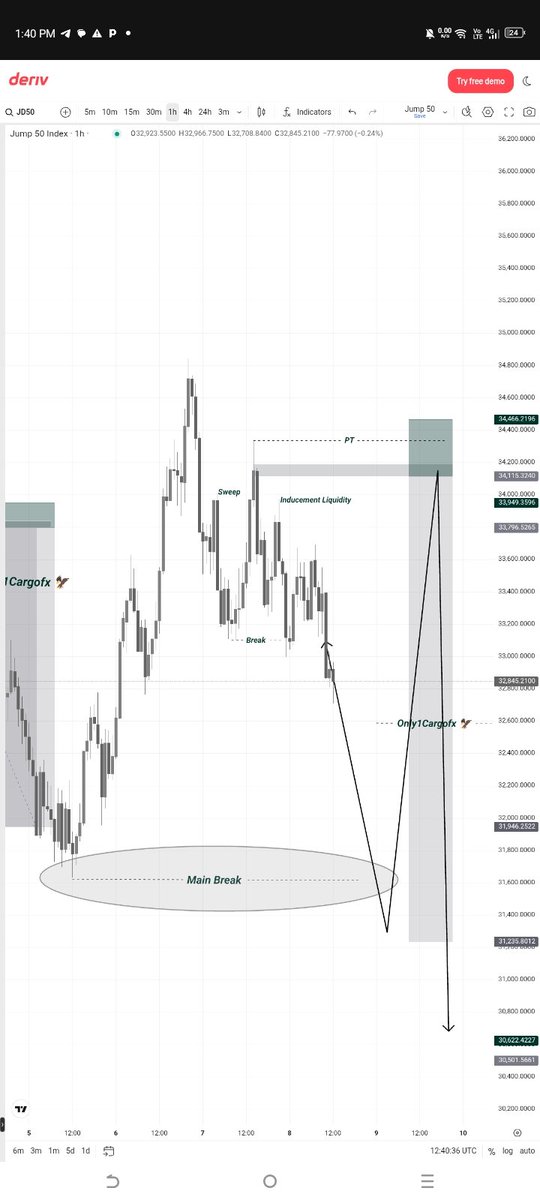
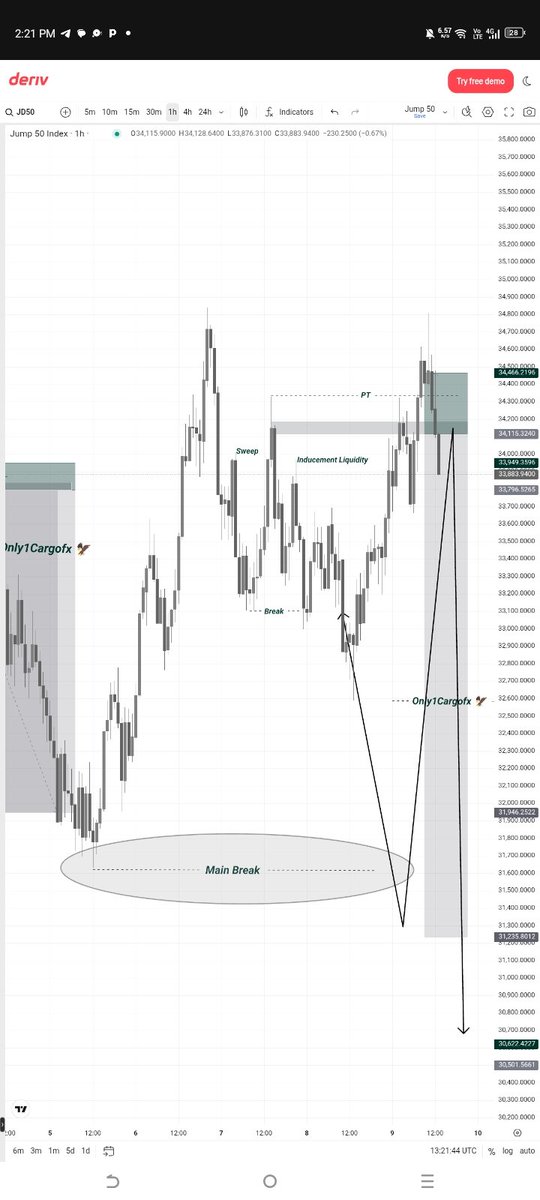
Learn to back your entries with a Story, there is a reason behind every move on the chart, don't just trade entry patterns blindly. A lot of traders have been using these entry patterns for years now ✅ Structure ✅ Liquidity ✅ Point of Interest ( OB, MB, FVG , RB ,BB etc) They are high probability Entry models, but only few are profitable with it, why? Because those few understand the logic behind it, they don't just trade Pattern blindly. Understand where price is reacting from, take note of Premium and discount levels before rushing to trade that pattern. That's why it's called Technical Analysis, you Analyze the chart technically Then you can confidently execute. Win or lose, you did your homework ForeverInprofit🥂