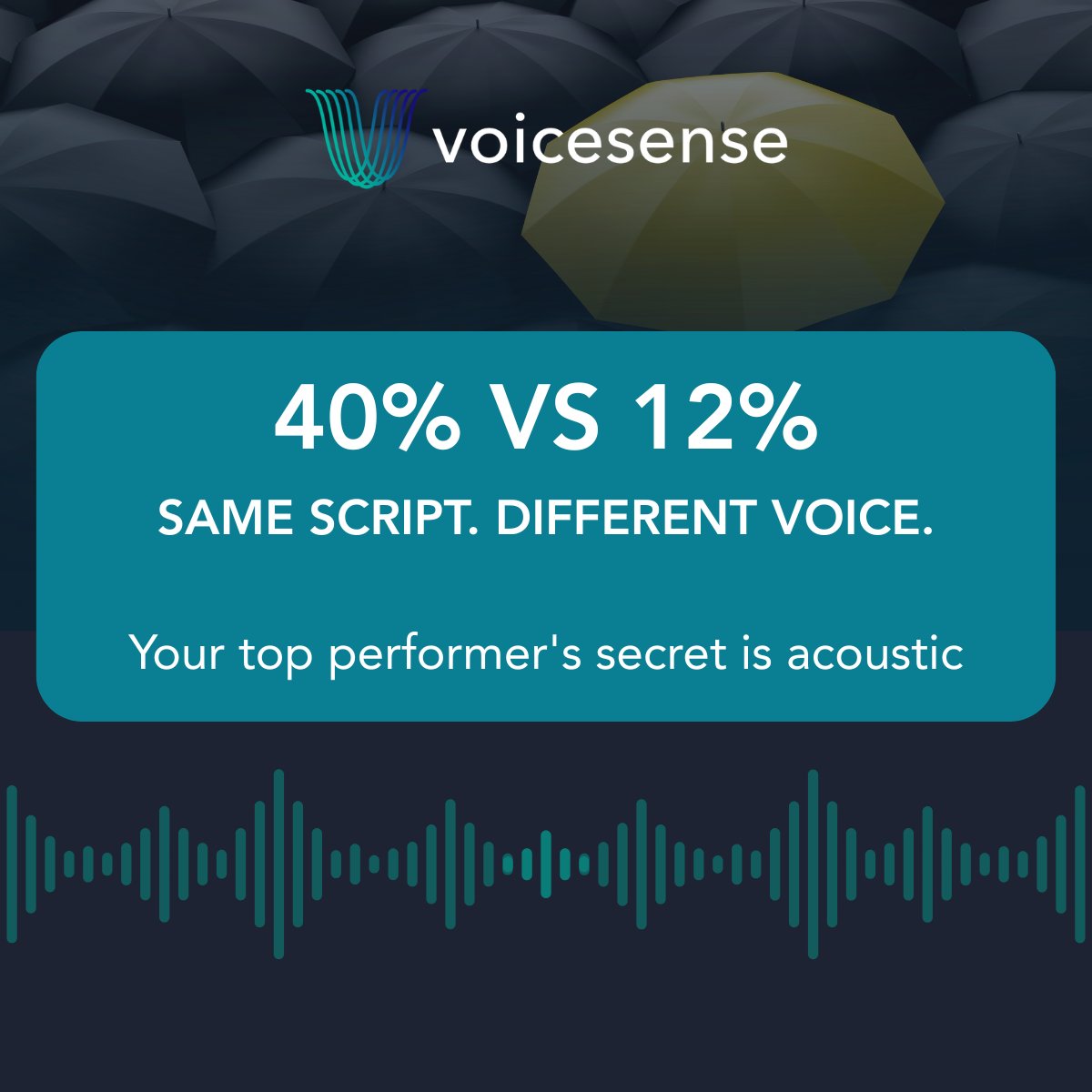

40% of employees now worry about AI replacing their jobs.
Up from 28% just two years ago.
The Global Wellness Institute's 2026 report reveals the psychological toll:
Work intensification is at crisis levels. AI promises relief but delivers more cognitive load instead.
62% of employees believe leaders underestimate AI's emotional impact.
Here's the disconnect:
Organizations measure AI productivity gains.
Almost none measure AI-driven stress.
While companies celebrate automation reducing headcount, employees experience:
Heightened job insecurity
Constant "on" pressure
Mental load rising faster than hours worked
Feeling replaceable in real time
This is where voice analytics becomes critical.
Not to measure productivity.
To measure wellbeing during the AI transition.
Acoustic stress markers reveal what employees won't say:
Vocal patterns showing anxiety about job security
Stress levels rising as AI tools roll out
Engagement declining even as output holds
23,681 wellbeing assessments in 2025 caught what engagement surveys missed.
The psychological cost of technological change.
40% worried. 62% feel misunderstood. Work intensification accelerating.
The question isn't whether AI improves productivity.
It's whether anyone's measuring the human cost.
English