Arthur T. Hannett was the 7th Governor of New Mexico from 1925-1927. As governor, Hannett oversaw reforms in areas such as child labor and teacher pensions. He is also known for the rerouting of U.S. Route 66 through Albuquerque, bypassing Santa Fe.
James F. Hinkle was the 6th Governor of New Mexico from 1923-1925. He previously held multiple local offices, including county commissioner, territorial legislator, territorial senator, Roswell mayor, and later a New Mexico state senator.
Merritt C. Mechem was the 5th Governor of New Mexico from 1921-1923. He held several other legal and political roles in New Mexico, including district attorney (1905–1909), territorial council member (1909–1911), and territorial Supreme Court justice appointed in 1909.
Octaviano Ambrosio Larrazolo was the 4th Governor of New Mexico (1919-1921) & Senator (1928-1929). Larrazolo dealt with labor unrest and a coal strike while supporting income tax reform, women’s suffrage, the League of Nations, and bilingual education.
Washington Ellsworth Lindsey was the 3rd Governor of New Mexico from 1917-1919. Lindsey became governor after the death of Ezequiel Cabeza De Baca. During his term, he supported World War I–era policies, election reforms, and anti-corruption legislation.
Ezequiel Cabeza De Baca was the 2nd Governor of New Mexico from January 1 - February 18, 1917. He served as a delegate to the 1900 Democratic National Convention. Despite poor health, he was elected governor in 1916 but was inaugurated while gravely ill.
William C. McDonald was the 1st Governor of New Mexico from 1912-1917. During his term, he helped establish the new state government, supported labor and social welfare laws, and addressed border security issues. After leaving office, he served as New Mexico Fuel Administrator.
William J. Mills was the 18th Governor of New Mexico Territory from 1910-1912. He focused on guiding New Mexico toward statehood, overseeing the constitutional convention and defending its final draft, which was approved in 1911. New Mexico became a state on January 6, 1912.
George Curry was the 17th Governor of New Mexico Territory (1907-1910), Ambos Camarines (1901), Isabela (1903-1905), & Samar (1905-1907). During the Spanish–American War, he served with Theodore Roosevelt’s Rough Riders and later saw service in the Philippines.
Herbert James Hagerman was the 16th Governor of New Mexico Territory (1906-1907). Appointed by Roosevelt to combat corruption, Hagerman faced strong opposition from local political bosses, who undermined his reform efforts and convinced Roosevelt to request his resignation.
In June 2016, President Barack Obama endorsed Hillary Clinton’s presidential campaign, saying he believed she was exceptionally well qualified for the presidency and perhaps more prepared than anyone to hold the office.
In June 1995, President Bill Clinton and House Speaker Newt Gingrich met at a Claremont, New Hampshire town hall and shook hands in a notable bipartisan moment. They pledged to cooperate on campaign finance reform and stronger lobbying regulations in Washington.
On June 12, 1987, in West Berlin, President Ronald Reagan delivered an address near the Berlin Wall urging Soviet leader Mikhail Gorbachev to embrace reform. He condemned the Wall as a symbol of division and called for it to be torn down, a line that became iconic.
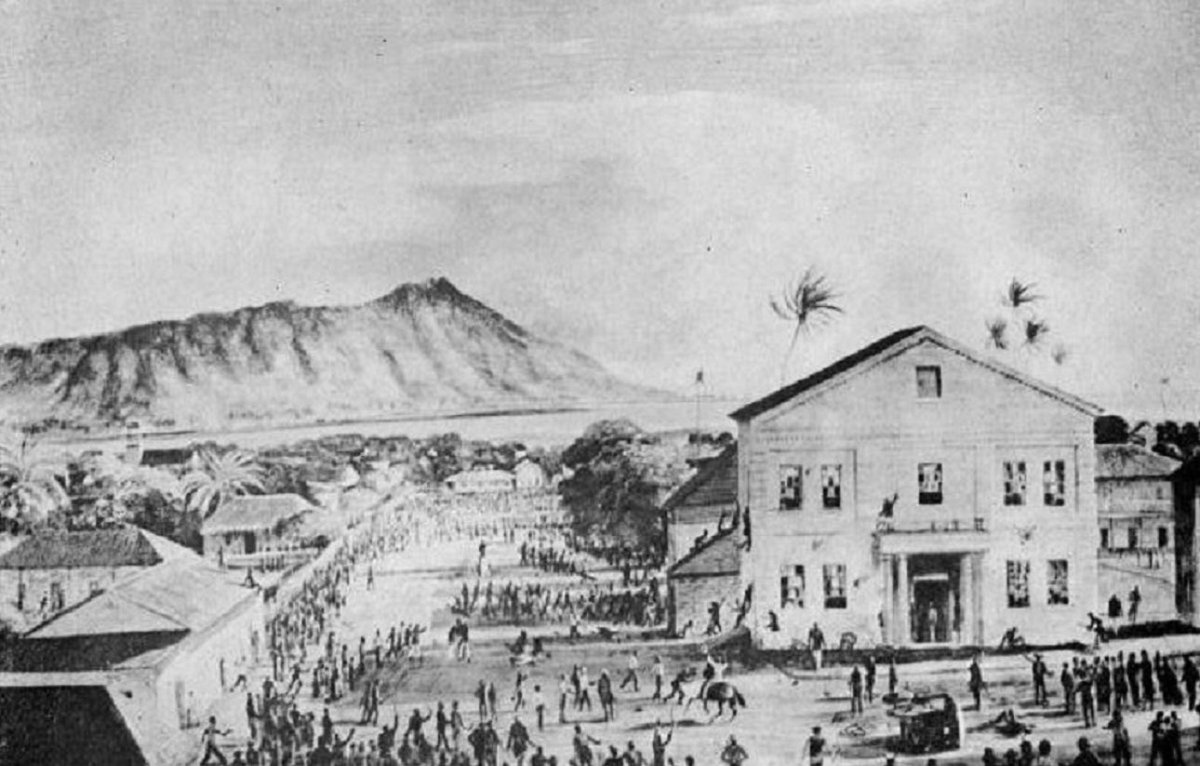
To help restore order, American and British naval forces landed in Honolulu at the request of the Hawaiian government. Kalākaua was sworn in as king the next day, while the riot highlighted the growing political tensions and foreign involvement shaping Hawaii’s future.
Outraged by the result, supporters of Queen Emma gathered at the courthouse in Honolulu and erupted into violence. The crowd stormed the building, attacked several legislators, and left local authorities struggling to contain the disorder.
The Honolulu Courthouse Riot took place on February 12, 1874, after the Hawaiian Legislature chose David Kalākaua to succeed King Lunalilo. Despite strong public backing for Queen Emma, lawmakers overwhelmingly voted in favor of Kalākaua.
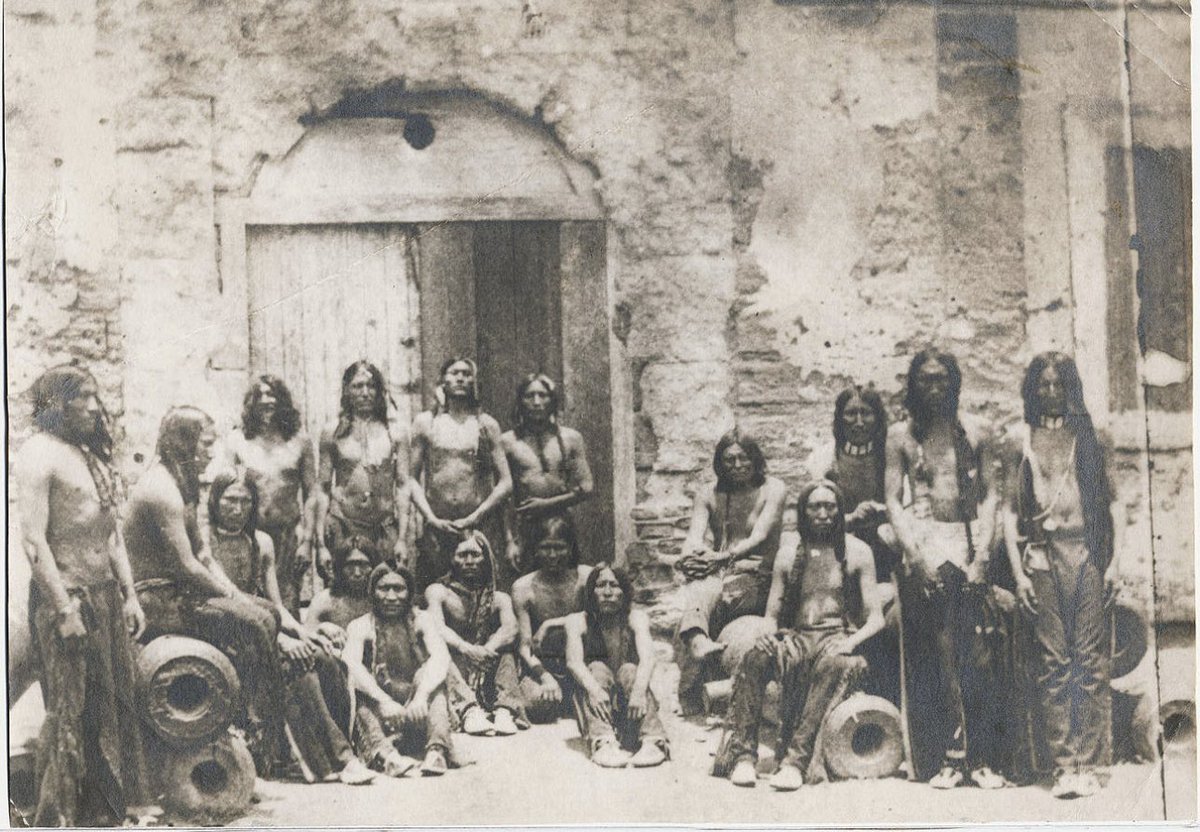
By 1875, military pressure, the destruction of villages, and the near-extinction of the buffalo had broken organized resistance. The war ended with the tribes confined to reservations, marking a major turning point in U.S. control of the Southern Plains.
Fighting intensified after the Second Battle of Adobe Walls in June 1874, when Native warriors attacked a group of buffalo hunters in the Texas Panhandle. In response, the U.S. Army launched a coordinated campaign to force the tribes onto reservations.
The Red River War (1874–1875) was a conflict between the United States Army and several Southern Plains tribes, including the Comanche, Kiowa, Southern Cheyenne, and Arapaho. The war erupted as increasing numbers of settlers and buffalo hunters moved into Native lands.