
Web Ecology

500 posts

Web Ecology banner
Web Ecology

Web Ecology

@Web_Ecology

This account is no longer maintained. Visit our website at: https://t.co/VWwz9NLViS

Europe Beigetreten Temmuz 2014
177 Folgt846 Follower
Web Ecology retweetet
Journal of Applied Ecology
Journal of Applied Ecology@JAppliedEcology·
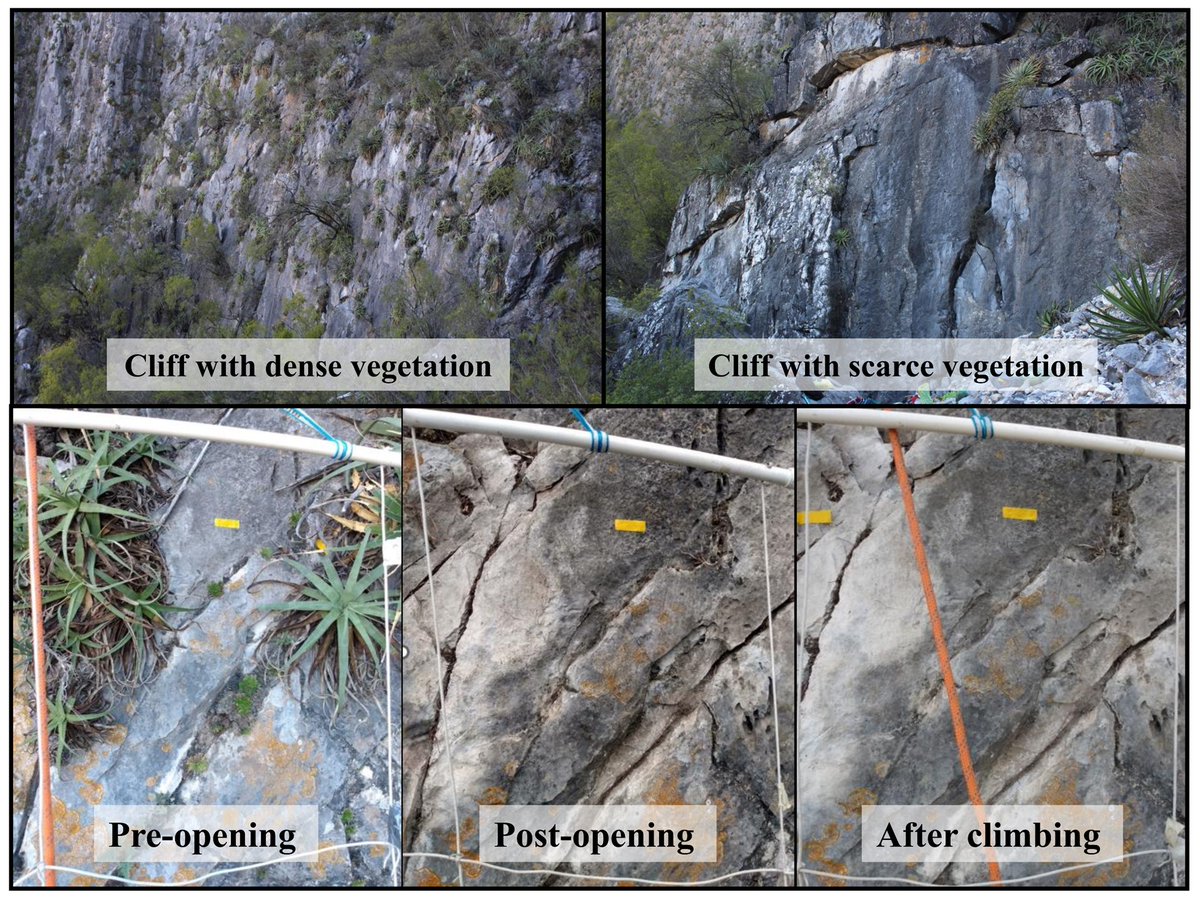
A new study reveals that developing new climbing routes is the biggest threat to cliff plants, cutting species richness by nearly 40% 🧗‍♀️ As a result, this study proposes a conservation protocol that regulates climbing and preserve pristine cliffs ⛰️ 🔗 doi.org/10.1111/1365-2…
Journal of Applied Ecology tweet media
English
1
103
263
28.4K
Web Ecology
Web Ecology@Web_Ecology·
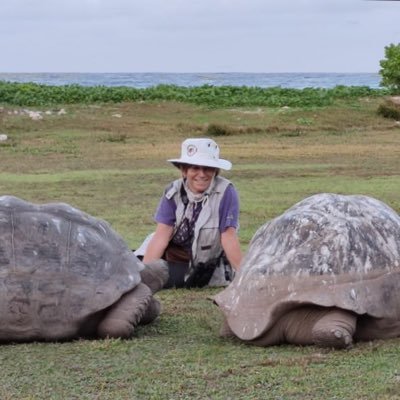
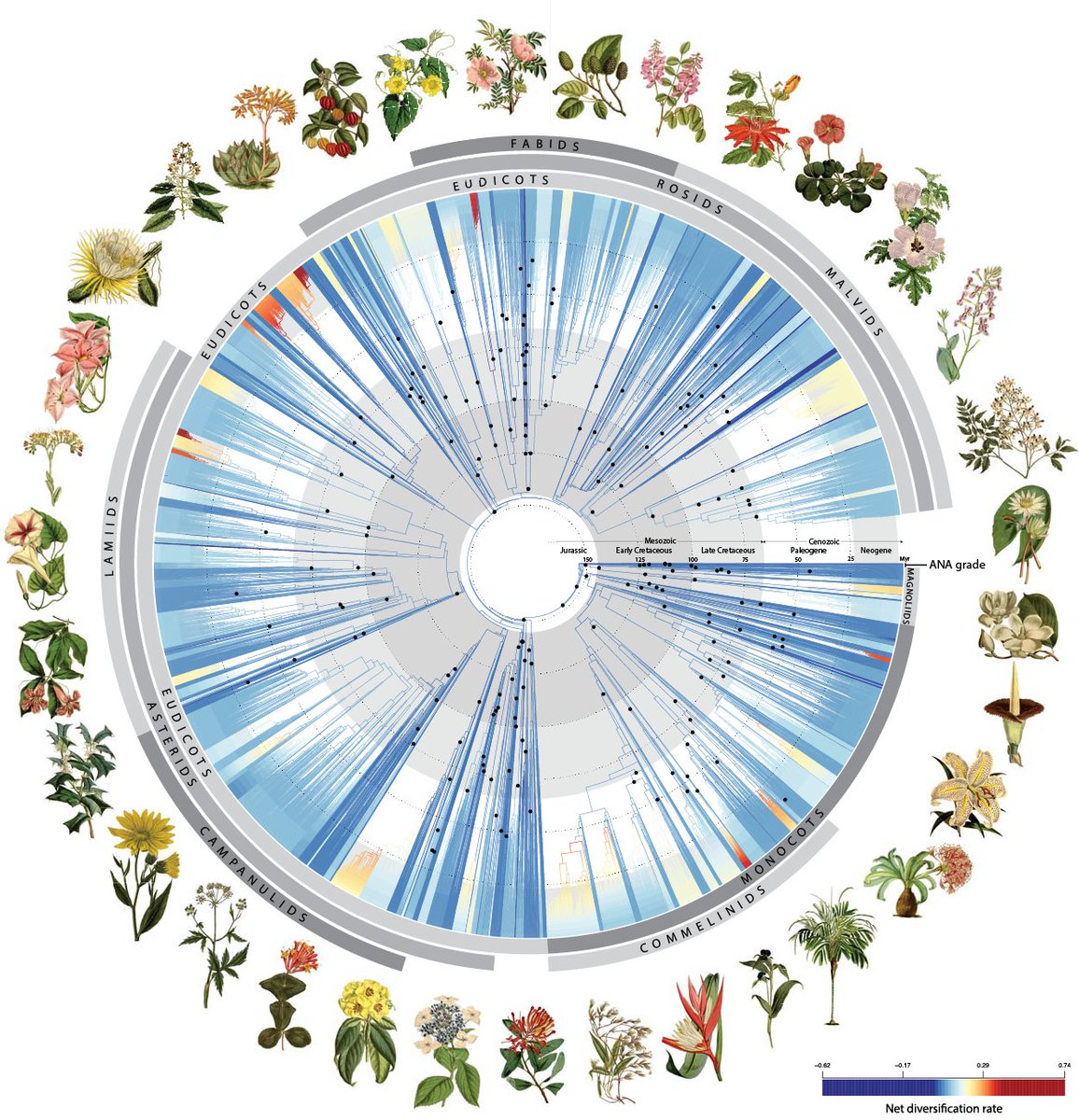
Environmental DNA in different media reveals distribution characteristics and assembly mechanisms of fish assemblages in a complex river–lake system. Free DiamondOA download: we.copernicus.org/articles/24/59…
Web Ecology tweet media
English
0
0
1
135
Web Ecology
Web Ecology@Web_Ecology·
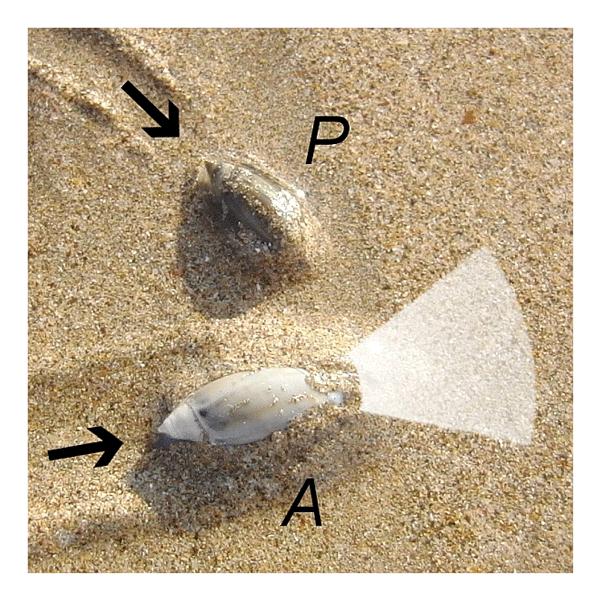
Prey may "freeze" to avert detection by predators. However, unexpected observations of “post-contact freezing” suggest that contact does not always help to distinguish freezing from other types of predator-induced immobility. we.copernicus.org/articles/24/35… @purduefw @WSUNews
Web Ecology tweet mediaWeb Ecology tweet media
English
0
0
0
98
Web Ecology retweetet
Juliane Röder
Juliane Röder@naturejule·
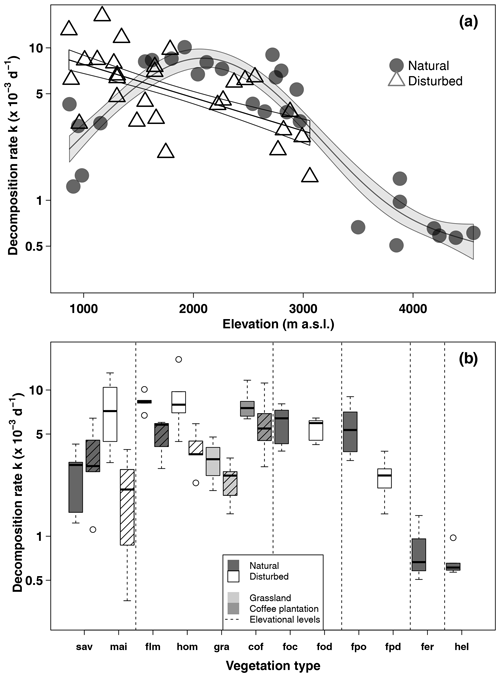
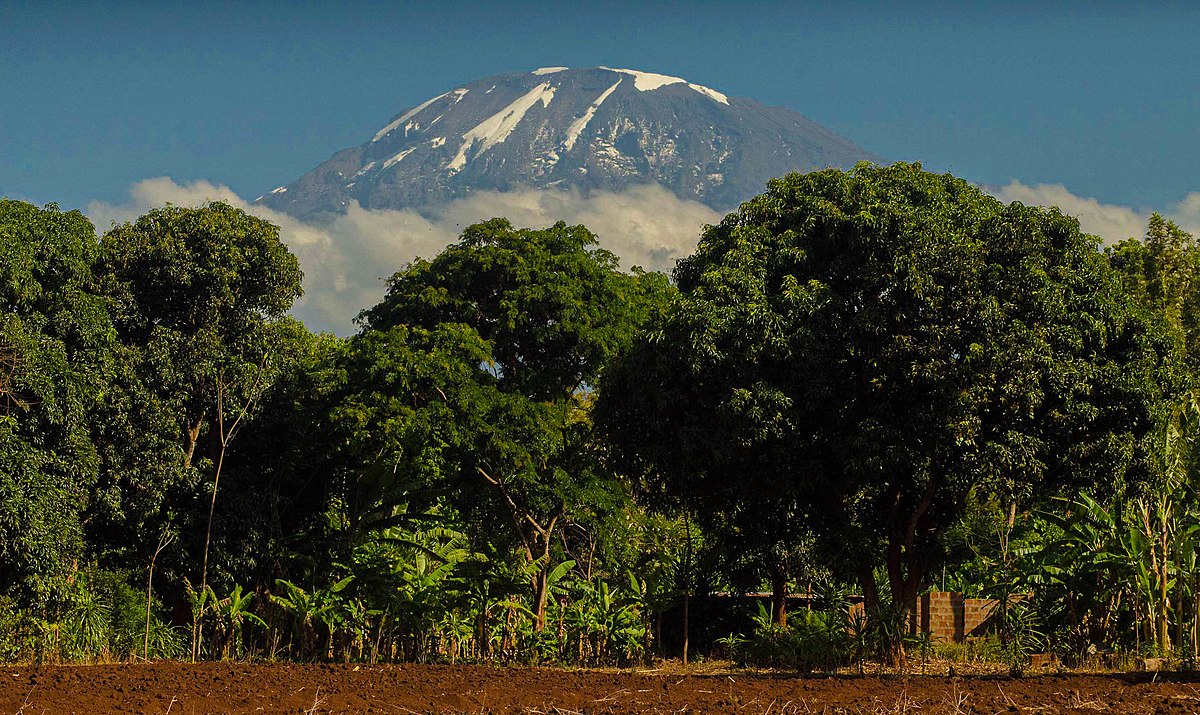
🍂 Litter decomposition along 3.6 km elevation gradient 🏔️ 12 vegetation types, 2 seasons Natural and disturbed vegetation Most important: #climate, but different optima for natural and disturbed sites. #mountain #ecology #KiLiProject #Tanzania
Web Ecology@Web_Ecology

Disturbance can slow down litter decomposition, depending on severity of disturbance and season: an example from Mount Kilimanjaro. Free download @Web_Ecology: we.copernicus.org/articles/24/11… @Bio_UMR @naturejule

English
0
2
6
328
Web Ecology
Web Ecology@Web_Ecology·
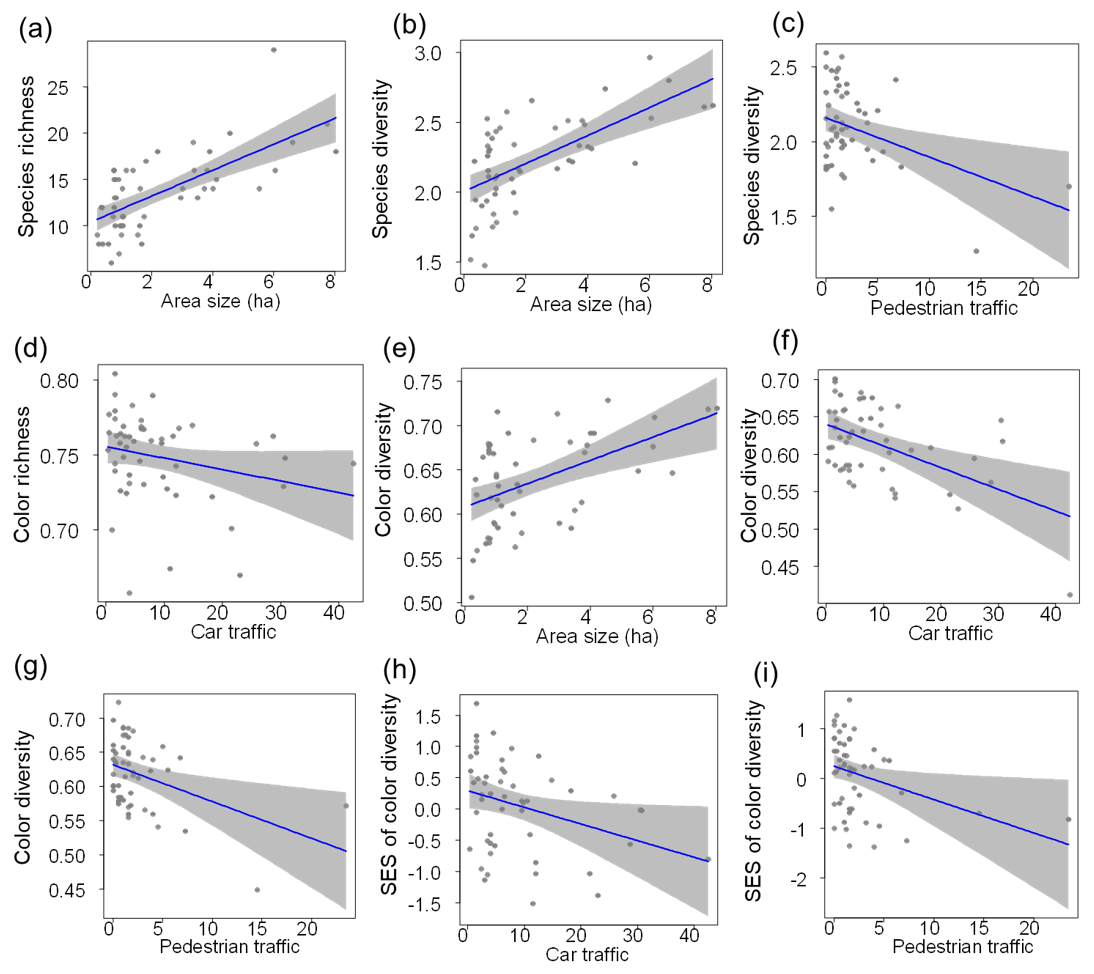
Grey birds for grey cities, but parks make a difference. A study shows how grey birds abound in cities, where they can easily camouflage. However, colourful birds are more common in parks, near rural areas, or in small cities. doi.org/10.5194/we-24-…
Web Ecology tweet media
English
0
2
9
657