💡 Your Turn!
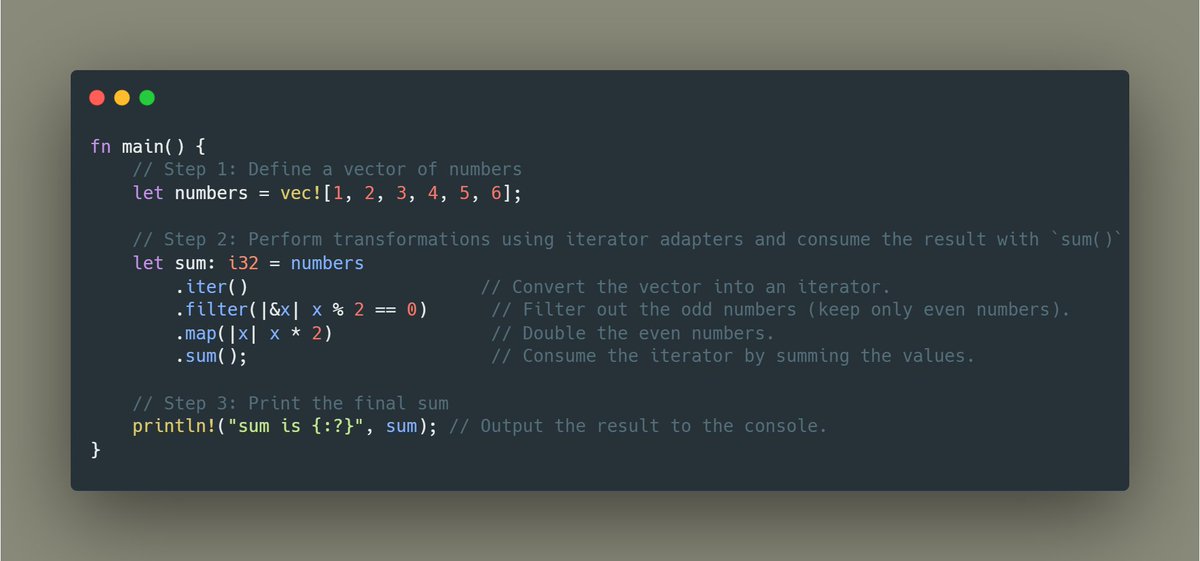
Try to combine iterator and consuming adapters in a single pipeline. Can you create a one-liner that filters out odd numbers, doubles the even numbers, and sums them up? 🤔
Solution :
🤔 When to Use What?
Use iterator adapters when you want to "build a pipeline" of transformations.
Use consuming adapters when you’re done with the iterator and need to get a result.
🚀 Mastering Rust's Consuming and Iterator Adapters!
1/n
🔥 What are Iterator Adapters?
Iterator adapters transform an iterator to create a new iterator. They do not consume the iterator instead they "adapt" it by applying some transformation.
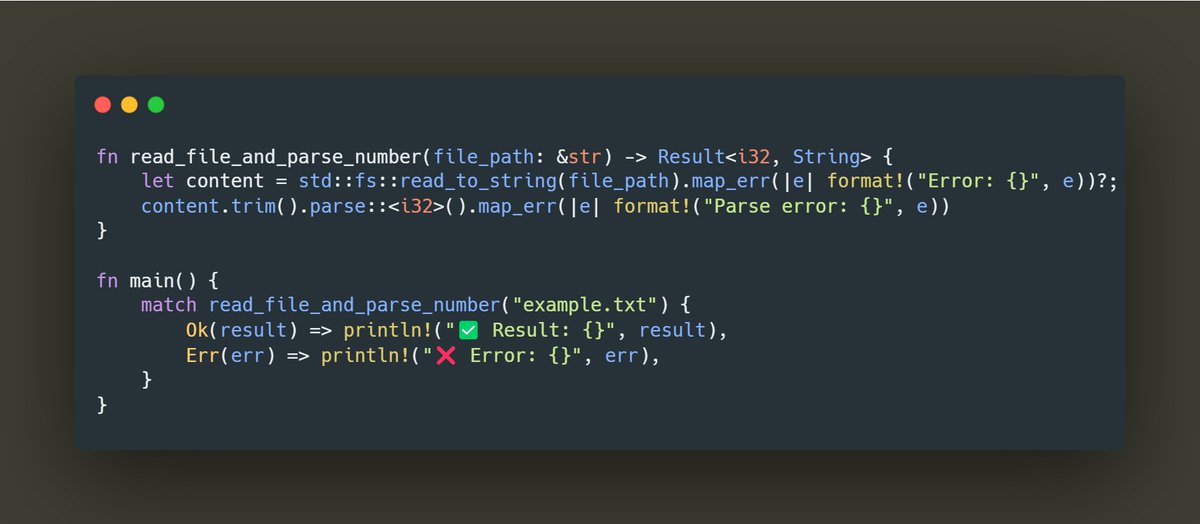
1. Using Result for File Handling with Errors Handle file reading and parsing with custom errors:
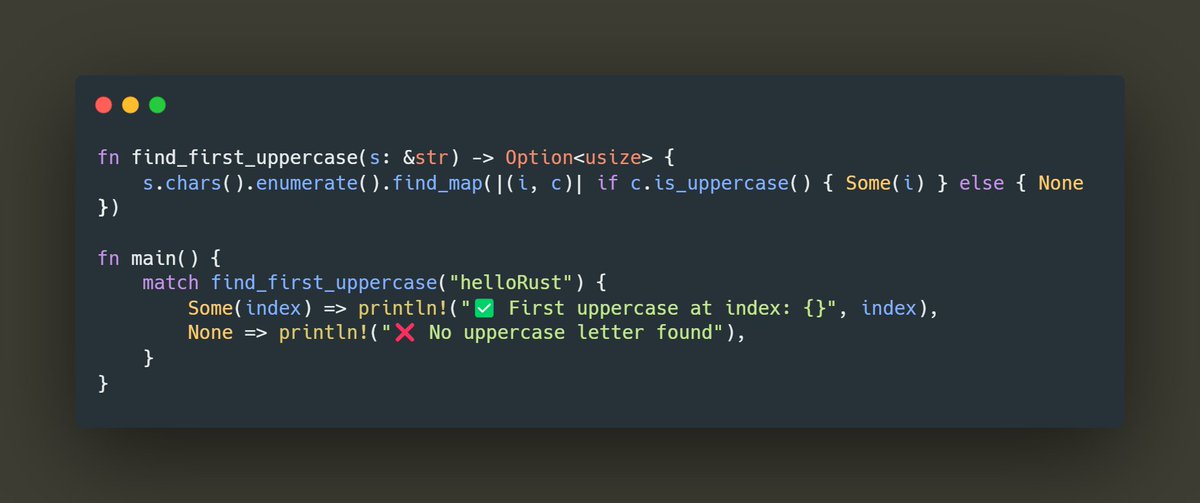
2. Using Option to Safely Return None or a Value Find the first uppercase letter in a string:
🚀 Rust's Result & Option: Powerful Error Handling & Null Safety 🦀
Rust's Result and Option enums are game-changers for writing safe, reliable code! No more null pointer exceptions or unexpected crashes. Here’s how I used them in real-world scenarios:
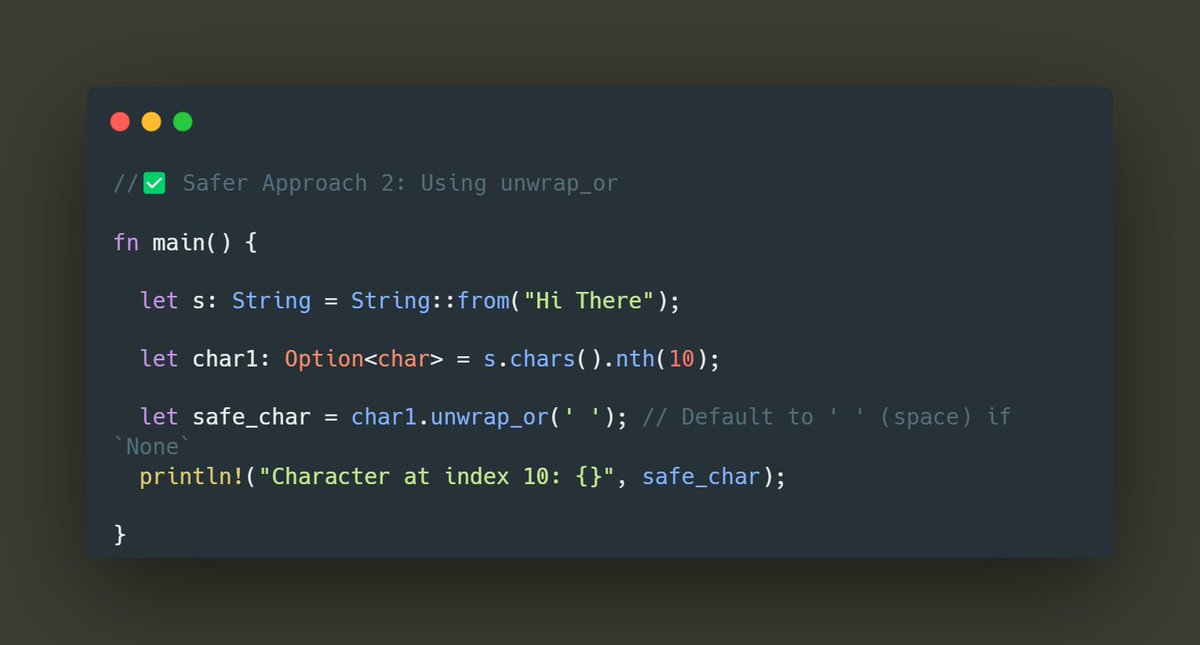
Why ✅ Safer Approach 2 Works :
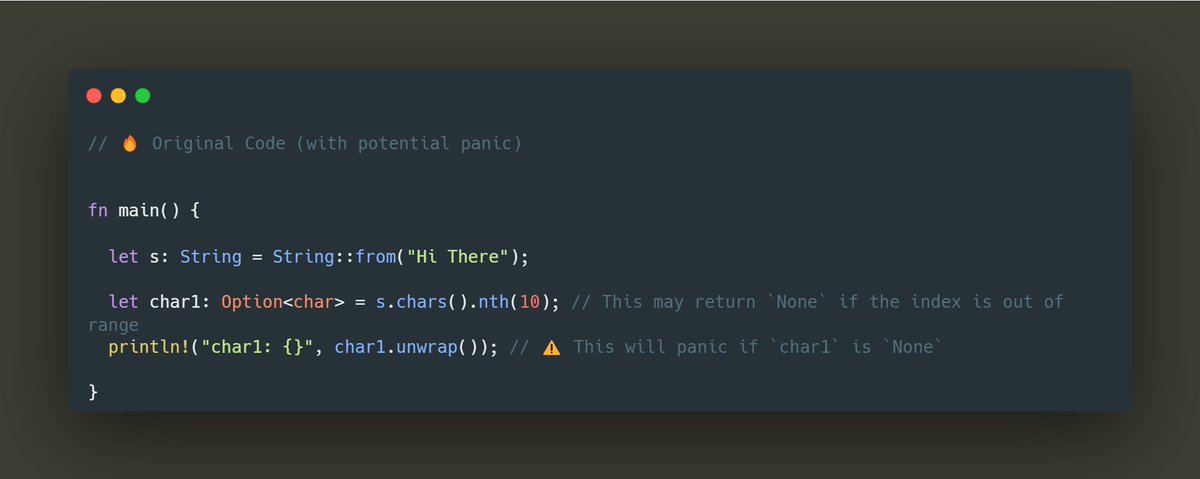
If nth(10) returns None, unwrap_or(' ') will return a default character instead of panicking.
This is super useful if you just want to avoid the panic but still get a usable result.
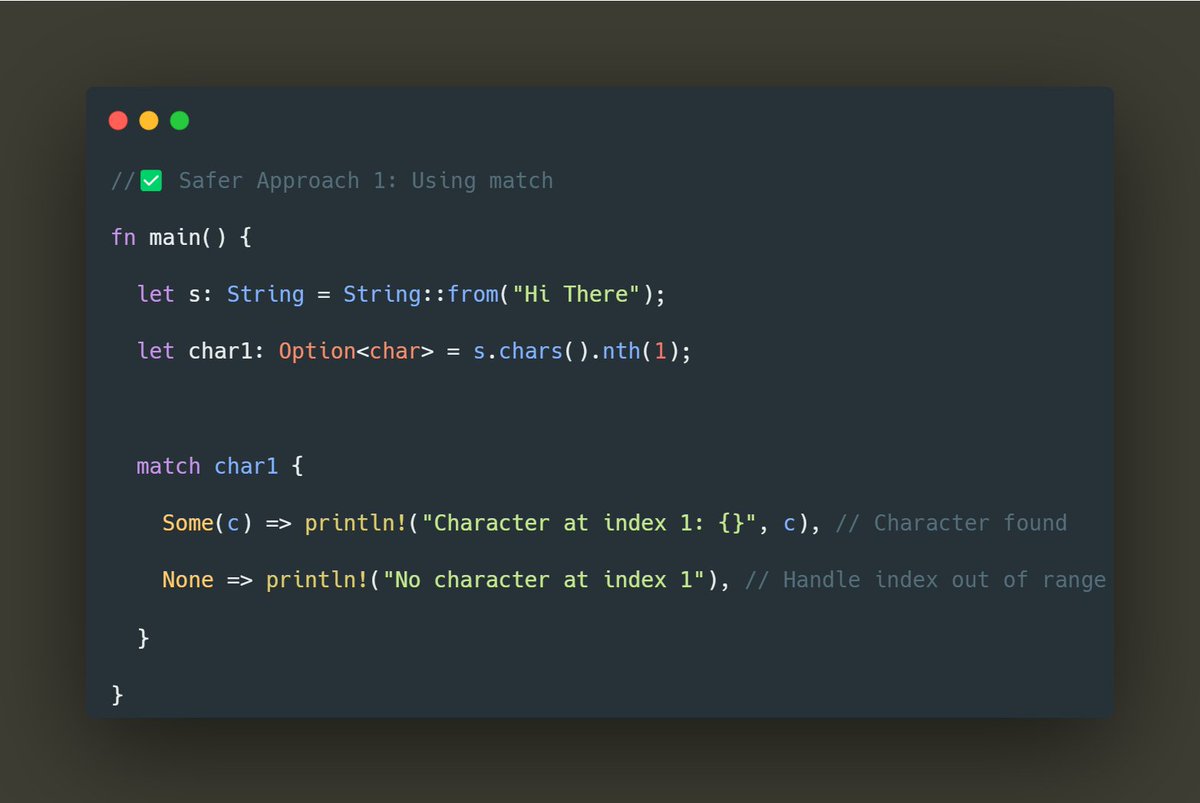
Why ✅ Safer Approach 1 Works:
We explicitly handle both Some(c) and None, so there’s no chance of a panic.
Rust enforces exhaustive pattern matching, so you’ll never forget to handle the None case.
🚀 Mastering Rust Option Handling:
Hey everyone! I've been working on Rust's Option<T> and how to safely access characters in a string without triggering runtime panics. Rust’s strict ownership and type system might seem tough at first, but trust me, it’s good for the safety
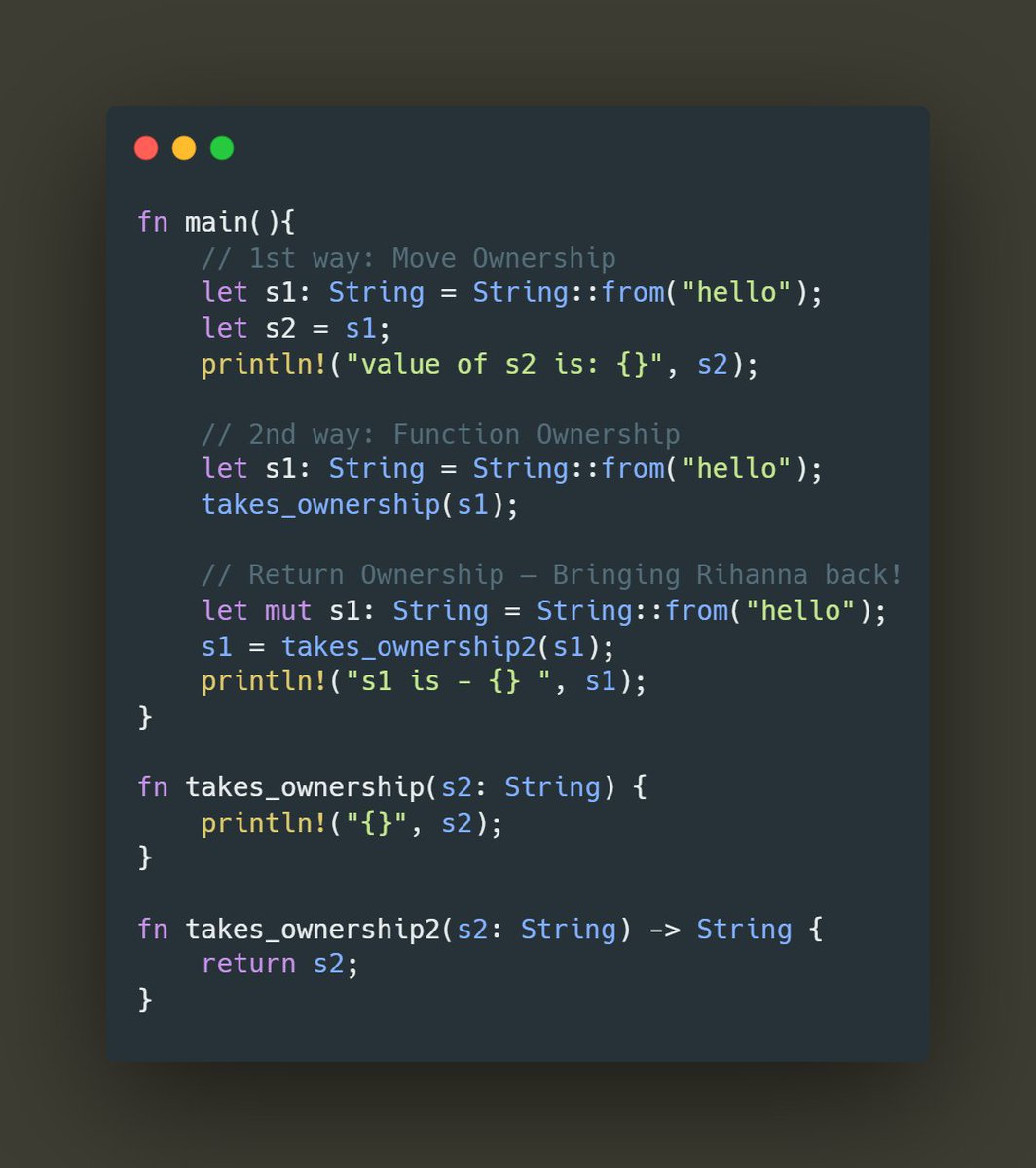
Here’s a sneak peek of my code, where I showcase:
🔹 Moving Ownership — How one variable transfers ownership to another.
🔹 Function Ownership — How Rust manages ownership when passing values to functions.
🔹 Ownership Return
Mastering Ownership in Rust — No More Dangling Pointers or Double-Free Errors! 💪🦀
Hey everyone! I've been exploring Rust's ownership system, and I wanted to share a simple yet powerful concept that demonstrates how Rust prevents common memory issue
Contributions and token allocations are being tracked, but the tokens will not be transferred immediately to ensure the refund process works properly if needed.
🔑 Next Steps:
Refund & Claim Functionality : I will soon implement functions that will allow users to:
# Claim Tokens if the sale is successful.
# Claim Refunds if the sale does not reach the minimum cap.
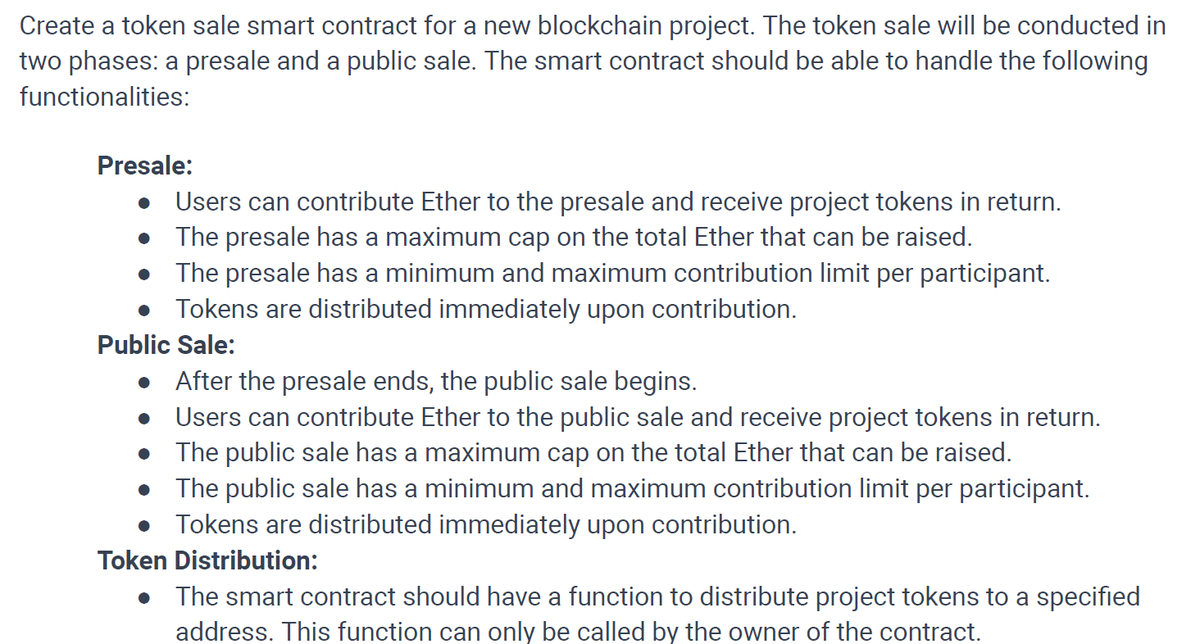
I’ve developed and deployed a Token Sale system on the Sepolia Testnet ! Here’s a quick summary of what I’ve built:
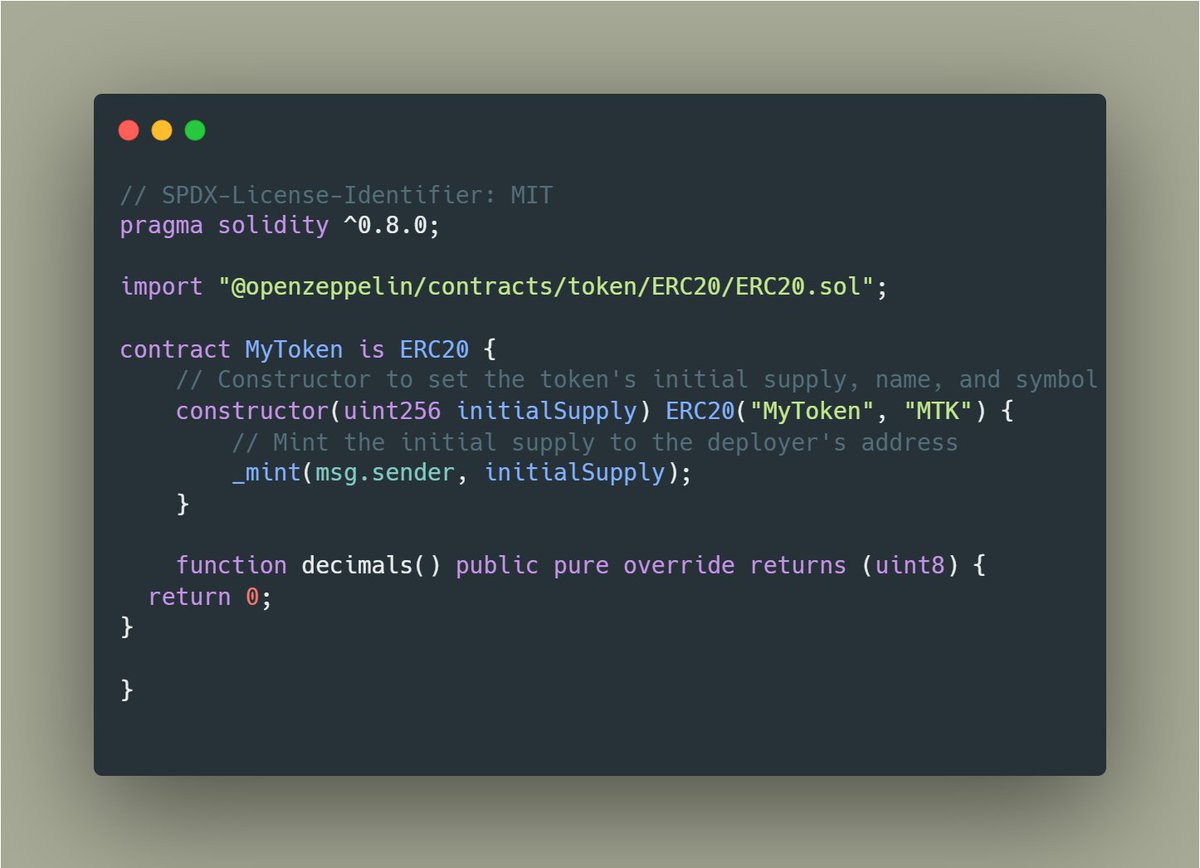
ERC-20 Token (erc20.sol): Created a custom token MTK (3,000,000 tokens minted initially), designed for distribution in both presale and public sale phases.