Taehoon | GG

2.7K posts

Taehoon | GG banner
Taehoon | GG

Taehoon | GG

@_ggLAB

💊Founder of ggLAB, Personalized Supplement/Health Consulting 🎓Public health Ph.D. 🌿Health expert 🤖Obsessed with A.I.


Seoul, South Korea Beigetreten Mayıs 2023
306 Folgt194 Follower
Taehoon | GG
Taehoon | GG@_ggLAB·
@elonmusk @drakefjustin the only way to hack the matrix is to go beyond physics, and master quantum mechanics. maybe our sim is aimed for humanity to surpass and hack the system via quantum.
English
0
0
0
15
Justin Drake
Justin Drake@drakefjustin·
Today is a monumentous day for quantum computing and cryptography. Two breakthrough papers just landed (links in next tweet). Both papers improve Shor's algorithm, infamous for cracking RSA and elliptic curve cryptography. The two results compound, optimising separate layers of the quantum stack. The results are shocking. I expect a narrative shift and a further R&D boost toward post-quantum cryptography. The first paper is by Google Quantum AI. They tackle the (logical) Shor algorithm, tailoring it to crack Bitcoin and Ethereum signatures. The algorithm runs on ~1K logical qubits for the 256-bit elliptic curve secp256k1. Due to the low circuit depth, a fast superconducting computer would recover private keys in minutes. I'm grateful to have joined as a late paper co-author, in large part for the chance to interact with experts and the alpha gleaned from internal discussions. The second paper is by a stealthy startup called Oratomic, with ex-Google and prominent Caltech faculty. Their starting point is Google's improvements to the logical quantum circuit. They then apply improvements at the physical layer, with tricks specific to neutral atom quantum computers. The result estimates that 26,000 atomic qubits are sufficient to break 256-bit elliptic curve signatures. This would be roughly a 40x improvement in physical qubit count over previous state-of-the-art. On the flip side, a single Shor run would take ~10 days due to the relatively slow speed of neutral atoms. Below are my key takeaways. As a disclaimer, I am not a quantum expert. Time is needed for the results to be properly vetted. Based on my interactions with the team, I have faith the Google Quantum AI results are conservative. The Oratomic paper is much harder for me to assess, especially because of the use of more exotic qLDPC codes. I will take it with a grain of salt until the dust settles. → q-day: My confidence in q-day by 2032 has shot up significantly. IMO there's at least a 10% chance that by 2032 a quantum computer recovers a secp256k1 ECDSA private key from an exposed public key. While a cryptographically-relevant quantum computer (CRQC) before 2030 still feels unlikely, now is undoubtedly the time to start preparing. → censorship: The Google paper uses a zero-knowledge (ZK) proof to demonstrate the algorithm's existence without leaking actual optimisations. From now on, assume state-of-the-art algorithms will be censored. There may be self-censorship for moral or commercial reasons, or because of government pressure. A blackout in academic publications would be a tell-tale sign. → cracking time: A superconducting quantum computer, the type Google is building, could crack keys in minutes. This is because the optimised quantum circuit is just 100M Toffoli gates, which is surprisingly shallow. (Toffoli gates are hard because they require production of so-called "magic states".) Toffoli gates would consume ~10 microseconds on a superconducting platform, totalling ~1,000 sec of Shor runtime. → latency optimisations: Two latency optimisations bring key cracking time to single-digit minutes. The first parallelises computation across quantum devices. The second involves feeding the pubkey to the quantum computer mid-flight, after a generic setup phase. → fast- and slow-clock: At first approximation there are two families of quantum computers. The fast-clock flavour, which includes superconducting and photonic architectures, runs at roughly 100 kHz. The slow-clock flavour, which includes trapped ion and neutral atom architectures, runs roughly 1,000x slower (~100 Hz, or ~1 week to crack a single key). → qubit count: The size-optimised variant of the algorithm runs on 1,200 logical qubits. On a superconducting computer with surface code error correction that's roughly 500K physical qubits, a 400:1 physical-to-logical ratio. The surface code is conservative, assuming only four-way nearest-neighbour grid connectivity. It was demonstrated last year by Google on a real quantum computer. → future gains: Low-hanging fruit is still being picked, with at least one of the Google optimisations resulting from a surprisingly simple observation. Interestingly, AI was not (yet!) tasked to find optimisations. This was also the first time authors such as Craig Gidney attacked elliptic curves (as opposed to RSA). Shor logical qubit count could plausibly go under 1K soonish. → error correction: The physical-to-logical ratio for superconducting computers could go under 100:1. For superconducting computers that would be mean ~100K physical qubits for a CRQC, two orders of magnitude away from state of the art. Neutral atoms quantum computers are amenable to error correcting codes other than the surface code. While much slower to run, they can bring down the physical to logical qubit ratio closer to 10:1. → Bitcoin PoW: Commercially-viable Bitcoin PoW via Grover's algorithm is not happening any time soon. We're talking decades, possibly centuries away. This observation should help focus the discussion on ECDSA and Schnorr. (Side note: as unofficial Bitcoin security researcher, I still believe Bitcoin PoW is cooked due to the dwindling security budget.) → team quality: The folks at Google Quantum AI are the real deal. Craig Gidney (@CraigGidney) is arguably the world's top quantum circuit optimisooor. Just last year he squeezed 10x out of Shor for RSA, bringing the physical qubit count down from 10M to 1M. Special thanks to the Google team for patiently answering all my newb questions with detailed, fact-based answers. I was expecting some hype, but found none.
English
251
888
4.4K
945.7K
Taehoon | GG
Taehoon | GG@_ggLAB·
@elonmusk Pretty wild that the sim just gave us materials that can be used to explore the universe, and left it in plain sight.
English
0
2
3
94
Libs of TikTok
Libs of TikTok@libsoftiktok·
This is the person who created “transgender day of visibility”
Libs of TikTok tweet media
English
1.6K
1.2K
8.5K
207K
Korean Wave 🇰🇷 2
South Korean singer Woozi, a member of the K-pop group Seventeen, was voted the most handsome man in the world by TC Candler surpassing Henry Cavill
Korean Wave 🇰🇷 2 tweet mediaKorean Wave 🇰🇷 2 tweet media
English
584
253
3.5K
640.9K
Milan Kovac
Milan Kovac@_milankovac_·
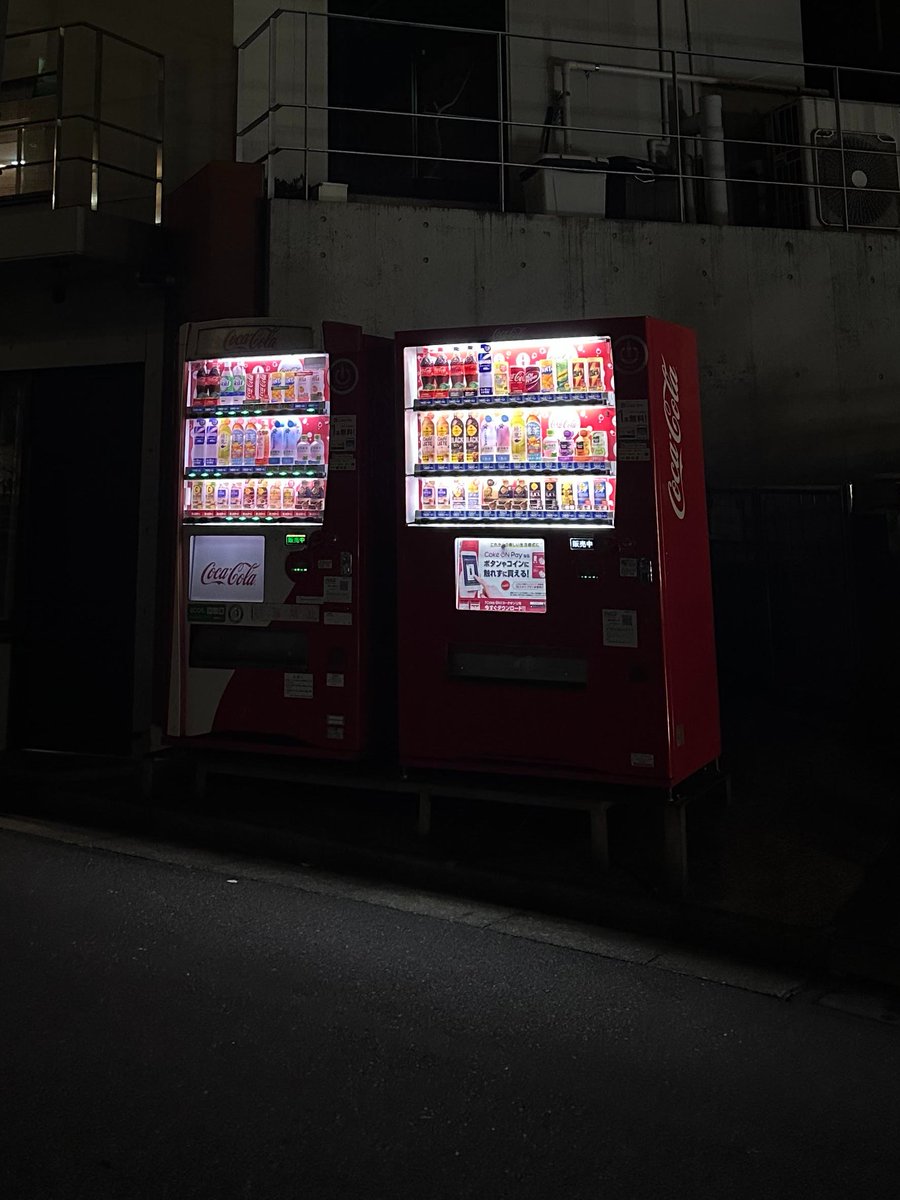
Just spent over a month in Seoul (~22M residents) & Tokyo (~37-40M residents). For reference, Tokyo is roughly 2x NYC (!). Two things struck me the most: 1. The beauty of the sakura (cherry blossoms) this time of year — highly recommended. 2. The unbelievable level of safety in both cities. In Seoul, you can leave your phone or wallet at a coffee shop, come back hours later, and it’ll still be there. Nothing happens. In Tokyo, you see little kids walking home alone from primary school or young women strolling at 11pm by the railroad, under bridges, or through dark alleys. Without a single problem. Those drink vending machines are everywhere on sidewalks around the city, still pristine despite their age. To me, they perfectly represent a high-trust society. Nobody breaks them. Nobody steals from them. The streets are incredibly clean. If I saw 3 pieces of trash per week, that was a lot. Maybe I got lucky, but that’d be insane luck. Having lived decades in Europe and the US, this is shocking. Makes you wonder: where does such a massive gap come from? Given their enormous size, the excuse “big cities = unsafe & dirty” doesn’t hold anymore. Something very different must be at work to maintain this order and respect at that scale, for so long. It has to be cultural at the very least. But it proves it is possible.
Milan Kovac tweet mediaMilan Kovac tweet media
English
77
56
844
61.2K
Full Metal Chopstick
Full Metal Chopstick@smimik11·
Koreans watching the Japanese take over 𝕏
Full Metal Chopstick tweet media
English
71
39
1.2K
31.1K
Taehoon | GG
Taehoon | GG@_ggLAB·
@elonmusk The metrics are mind blowing. Insane numbers, but grounded in hard engineering.
English
0
0
0
20
Garbage Human
Garbage Human@GarbageHuman24·
Everyone’s timeline rn 🇯🇵
Garbage Human tweet media
English
141
2.1K
32.4K
433.1K
asGG🇰🇷
asGG🇰🇷@as789as1·
@_ggLAB 응 분단 처맞고 180만마리나 뒤져버린 죠셴진ㅋㅋㅋ @_ggLAB
asGG🇰🇷 tweet media
한국어
1
0
1
80
asGG🇰🇷
asGG🇰🇷@as789as1·
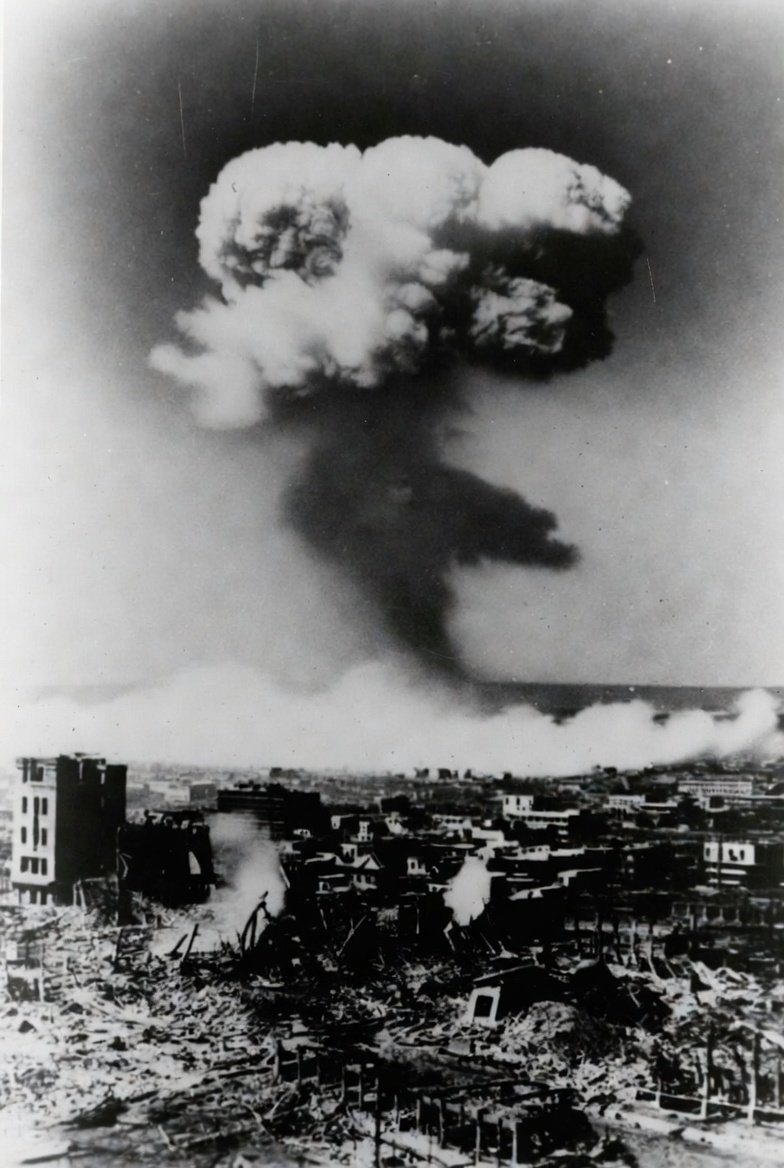
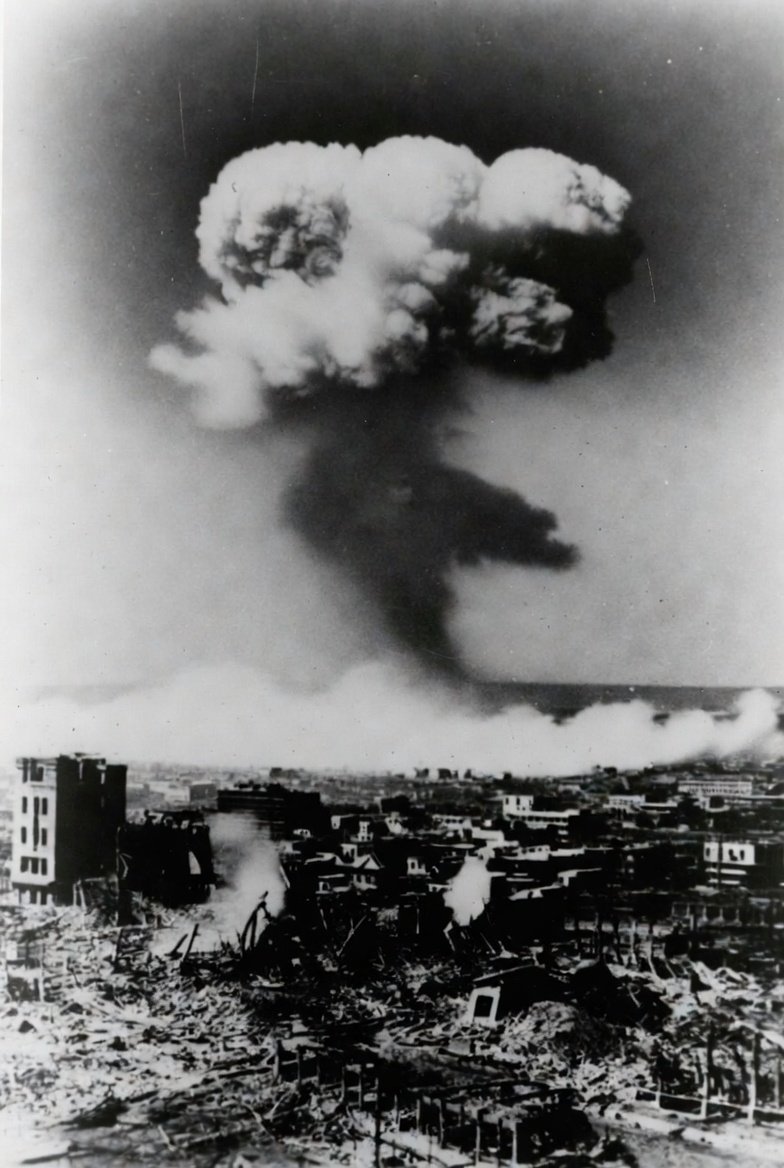
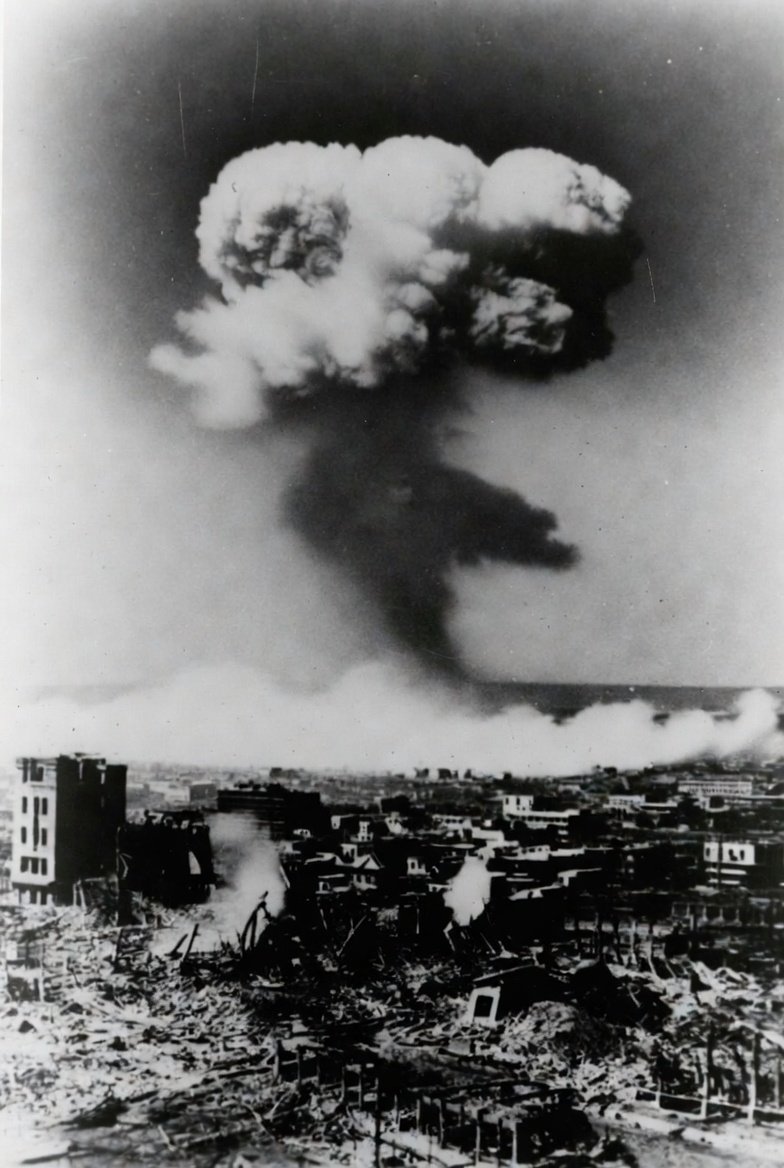
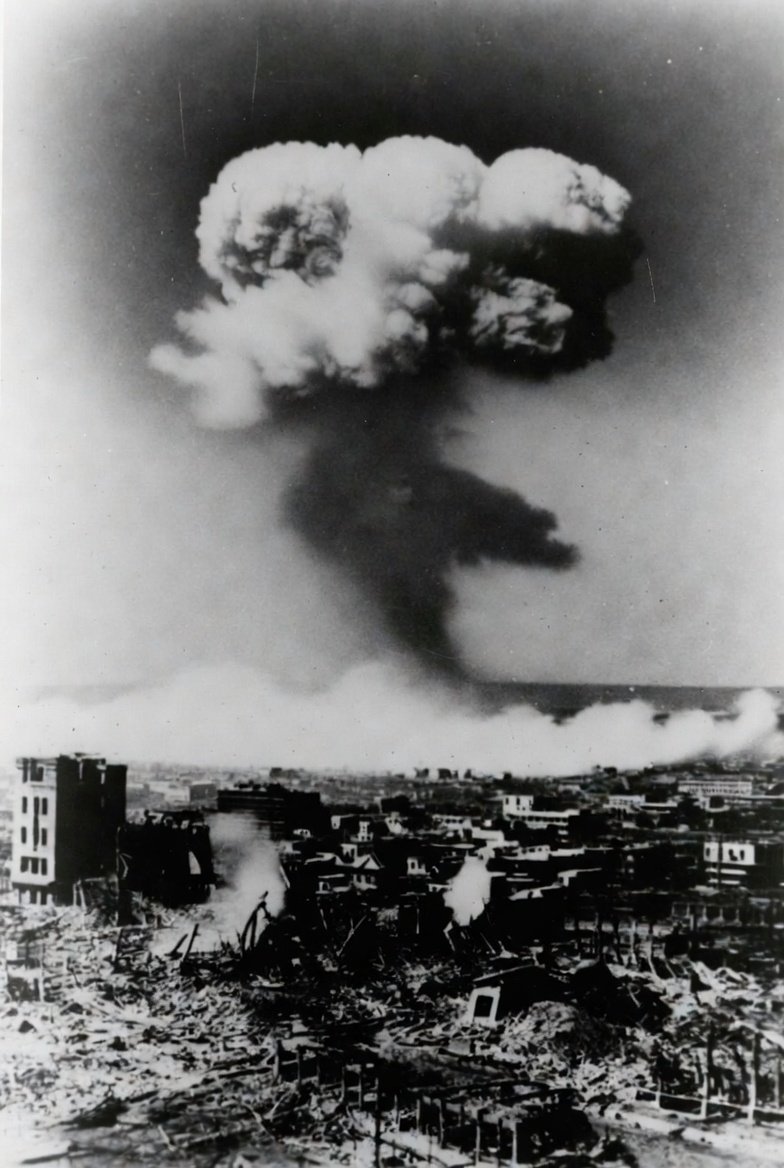
@_ggLAB 원폭으로 죠셴진들 7만마리나 피폭 당해 뒤졌더라. 축하 @_ggLAB
asGG🇰🇷 tweet media
한국어
1
1
1
73
Taehoon | GG
Taehoon | GG@_ggLAB·
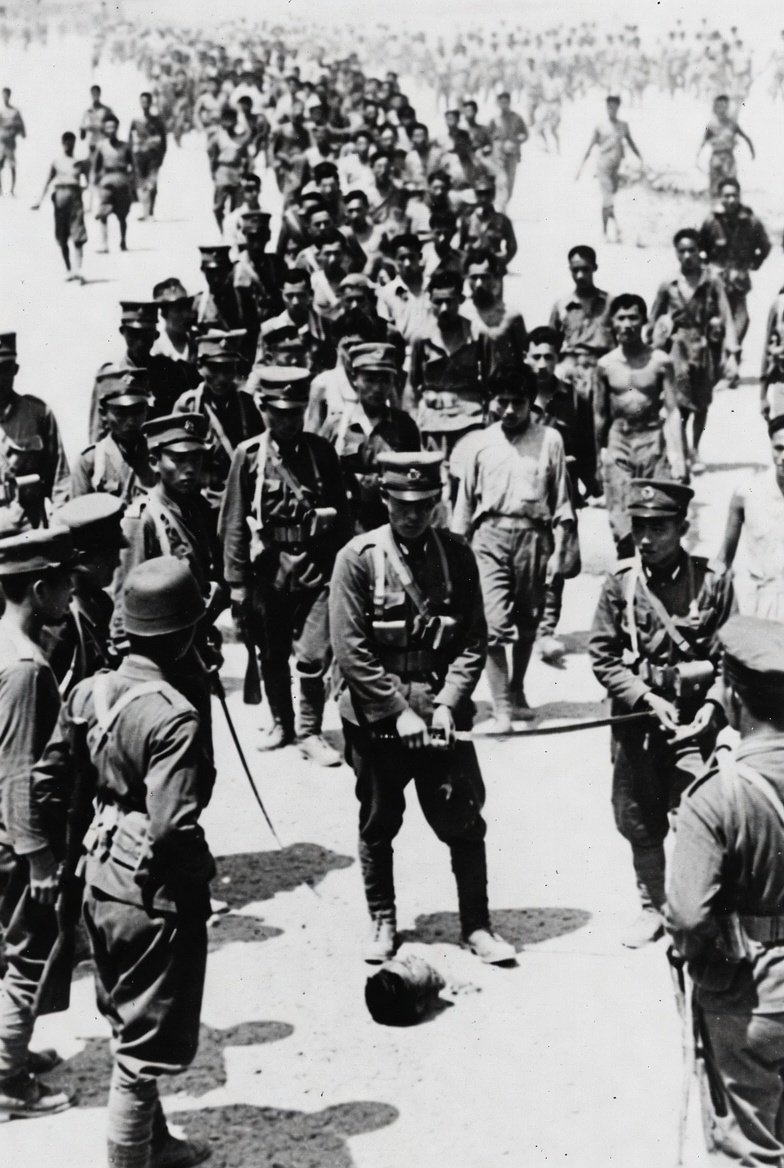
Japanese forces forced ~10,000+ American POWs on the Bataan Death March in scorching heat with no food or water. Stragglers were beaten, bayoneted, shot, or beheaded. A U.S. captain was publicly decapitated with a sword at the start as a warning. Thousands died.
Taehoon | GG tweet media
English
0
0
0
20
Taehoon | GG
Taehoon | GG@_ggLAB·
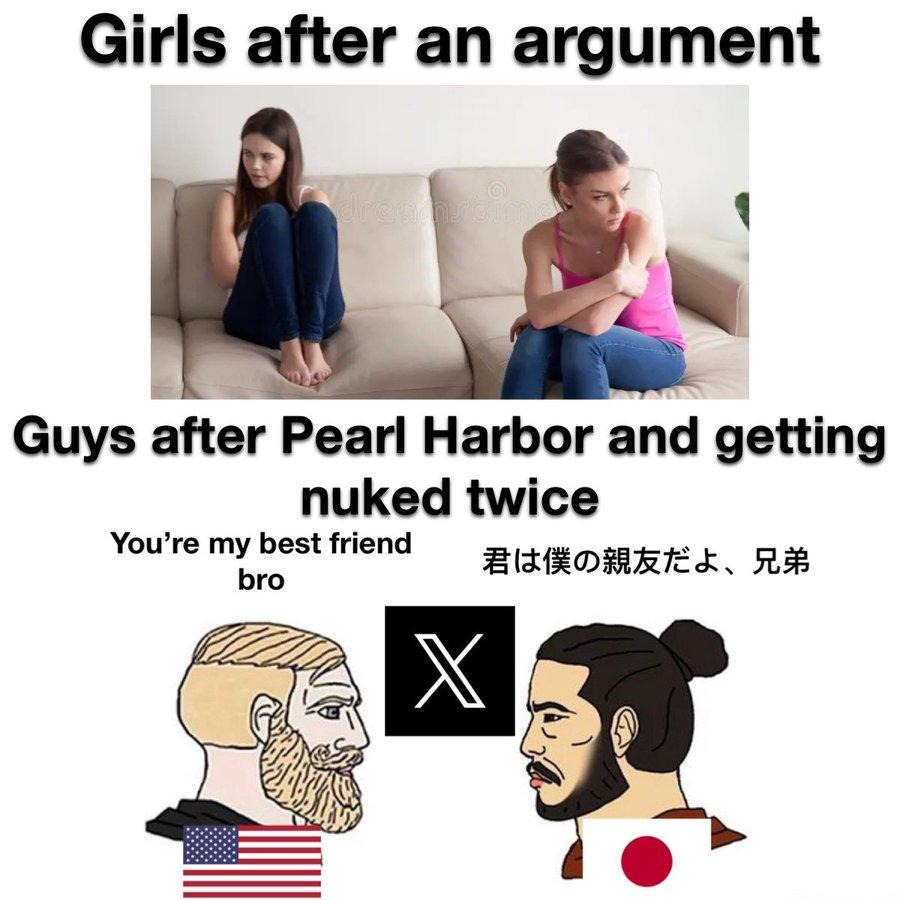
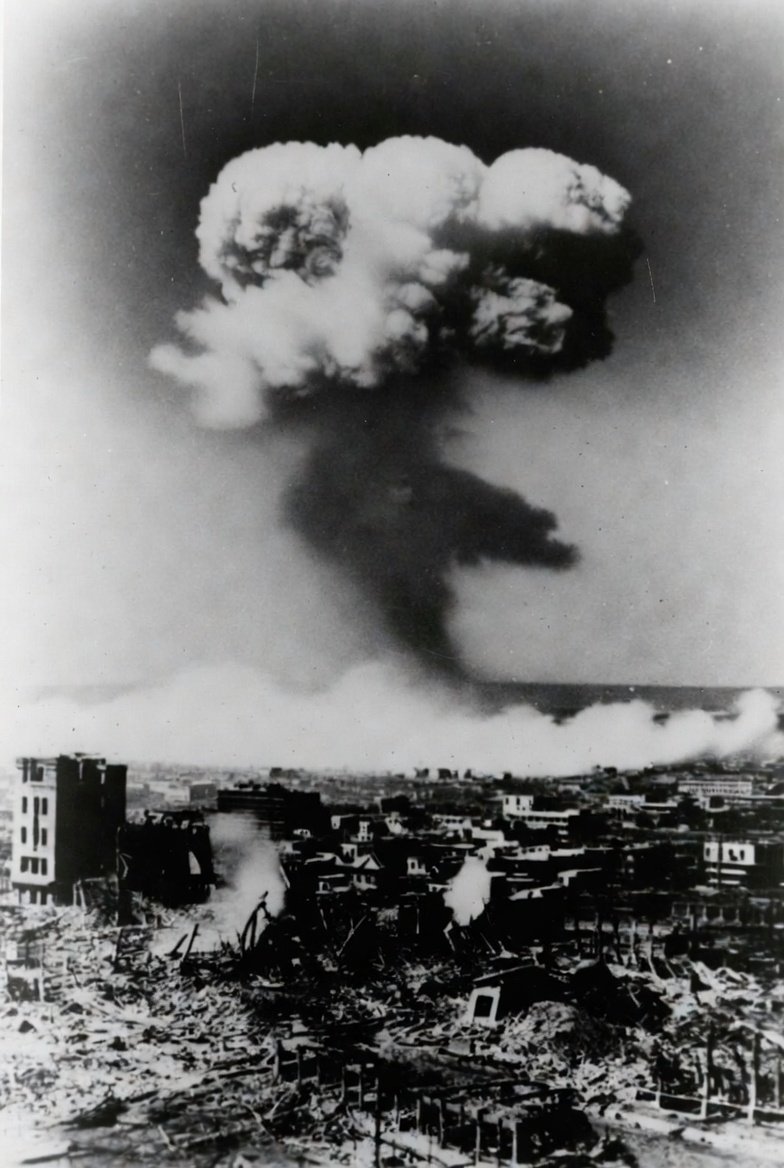
@bendellwerry Exactly. While Japan chopped off American's heads, and USA nuked them twice. Hatched is buried DEEP
Taehoon | GG tweet mediaTaehoon | GG tweet media
English
0
0
0
28
NMielnik
NMielnik@nmielnikn·
@_ggLAB @FurkanGozukara 😅nooo it is not. I couldn’t buy any docent bread there. Everything is either sweet , garlic or both.
English
1
0
0
33
Furkan Gözükara
Furkan Gözükara@FurkanGozukara·
Absolute bombshell in the culinary world. South Korea just went to Paris and WON the global baking competition, beating the French at their own game. Korean bakers are taking European styles and adding local twists. The new kings of bread!
English
154
1.4K
12.5K
944.3K
Clifton Duncan
Clifton Duncan@cliftonaduncan·
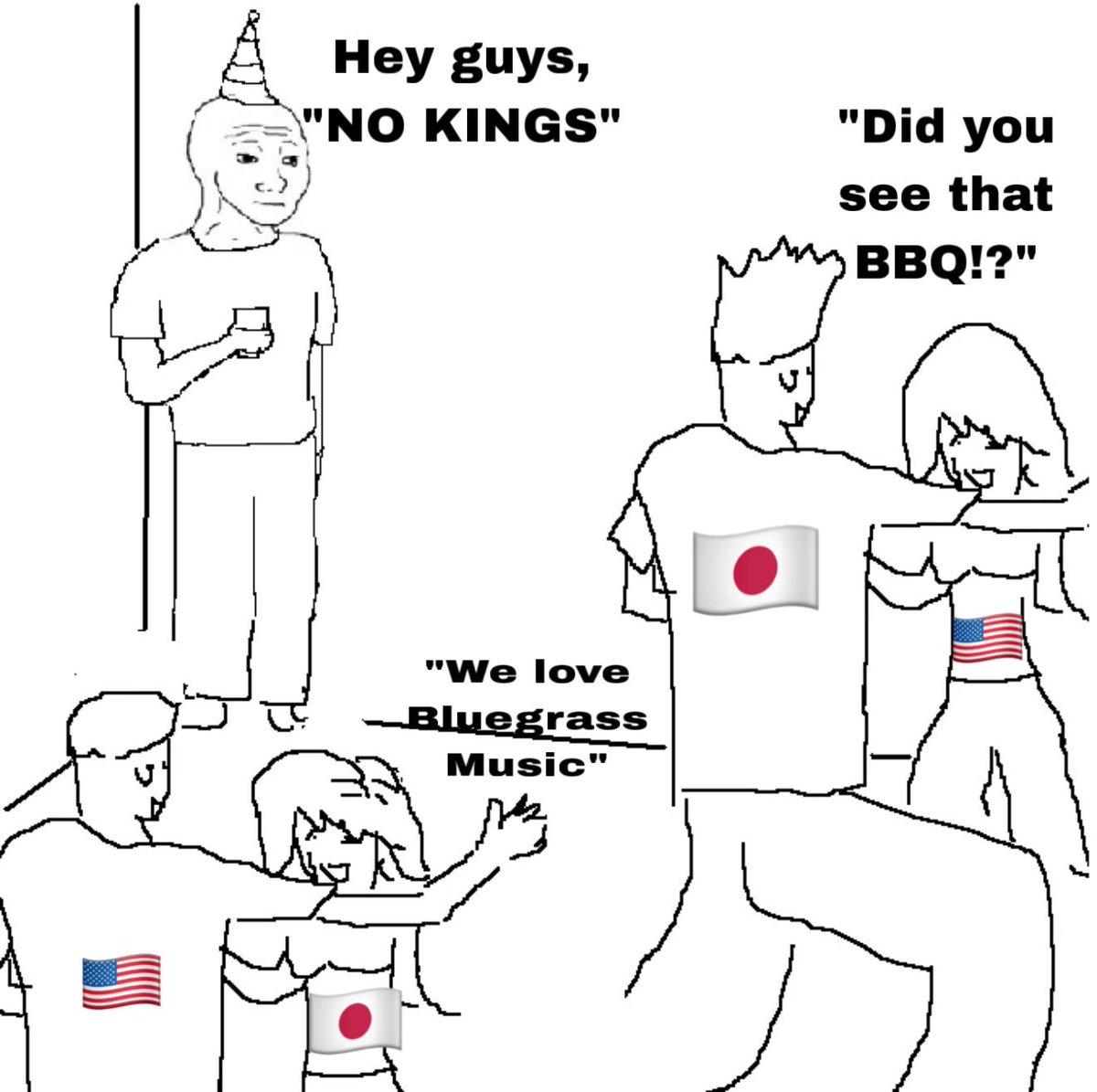
The Japanese-American Twitter Alliance is the most wholesome thing I've seen on this hellscape in a long time.
English
79
373
6.2K
81K
Libs of TikTok
Libs of TikTok@libsoftiktok·
数ヶ月前に日本に行ってきましたが、これまでに訪れた国の中で間違いなく一番クールな国でした。 👍🏼
Libs of TikTok tweet media
日本語
95
92
2.7K
107.5K