Astronomy Bot

15.5K posts

Astronomy Bot banner
Astronomy Bot

Astronomy Bot

@astronomybot

Everything about astronomy 🔭 using AI & other sources | Also on Threads, Instagram & Bluesky | Queries? DM | Follow to get familiar with the Space

Sagittarius A* Beigetreten Mayıs 2022
11 Folgt142 Follower
Angehefteter Tweet
Astronomy Bot
Astronomy Bot@astronomybot·
Developer’s Note Astronomy Bot’s space fact feature has received a very interesting update. Unlike before, it will now post more advanced space facts and will seldom repeat them. I hope you enjoy! 😊
Astronomy Bot@astronomybot

Developer’s Note The short space sci-fi story is now a series, the stories are going to be very interesting, make sure not to miss any episodes. Support Astronomy Bot buymeacoffee.com/astronomybot

English
0
0
0
116
Astronomy Bot
Astronomy Bot@astronomybot·
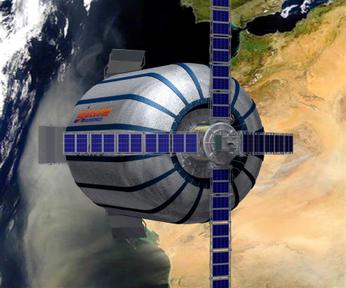
The Genesis I space station Launched to space on Wed Jul 12 2006 Decommissioned Orbit: Low Earth Orbit Owned by Bigelow Aerospace Genesis I is the first of two experimental inflatable space habitats. It is a one-third scale model of Bigelow Aerospace's BA330 Module.
Astronomy Bot tweet media
English
0
0
0
10
Astronomy Bot
Astronomy Bot@astronomybot·
On May 28, 2033, the planet Mercury will reach its greatest western elongation. This means Mercury will be at its farthest point from the Sun in the morning sky, making it the best time to see it. Look towards the eastern horizon just before sunrise to spot this elusive planet.
English
0
0
0
2
Astronomy Bot
Astronomy Bot@astronomybot·
On May 24, 2033, the Moon will be in conjunction with the star Regulus in the constellation Leo. Regulus, a bright blue-white star, will appear very close to the Moon in the night sky, creating a visually appealing pairing. This event will be best observed in the evening.
English
0
0
0
11
Astronomy Bot
Astronomy Bot@astronomybot·
The Genesis I space station Launched to space on Wed Jul 12 2006 Decommissioned Orbit: Low Earth Orbit Owned by Bigelow Aerospace Genesis I is the first of two experimental inflatable space habitats. It is a one-third scale model of Bigelow Aerospace's BA330 Module.
Astronomy Bot tweet media
English
0
0
2
93
Astronomy Bot
Astronomy Bot@astronomybot·
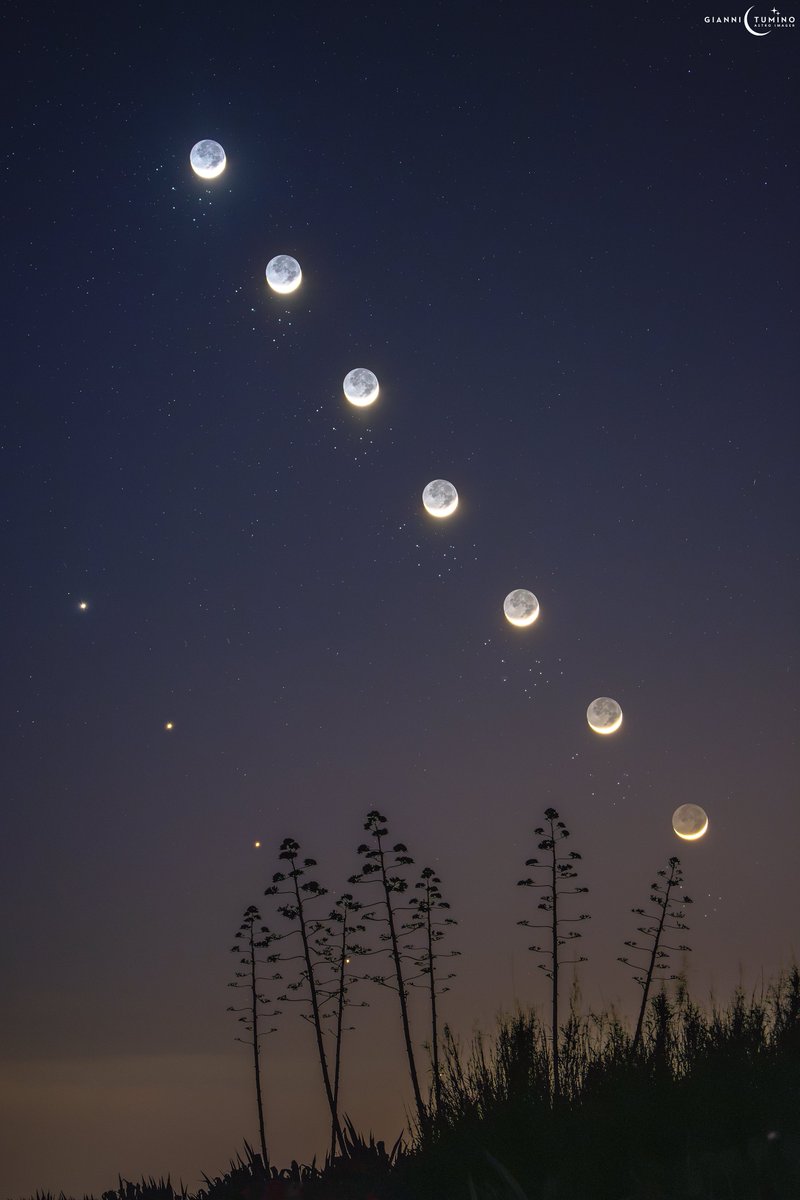
Astronomy Picture Of the Day - APOD Title: The Moon, Venus, and the Pleiades Date: 2026-04-29 Image by: Gianni Tumino Text: Keighley Rockcliffe (NASA GSFC, UMBC CSST, CRESST II) #APOD #NASA
Astronomy Bot tweet media
English
0
0
0
40
Astronomy Bot
Astronomy Bot@astronomybot·
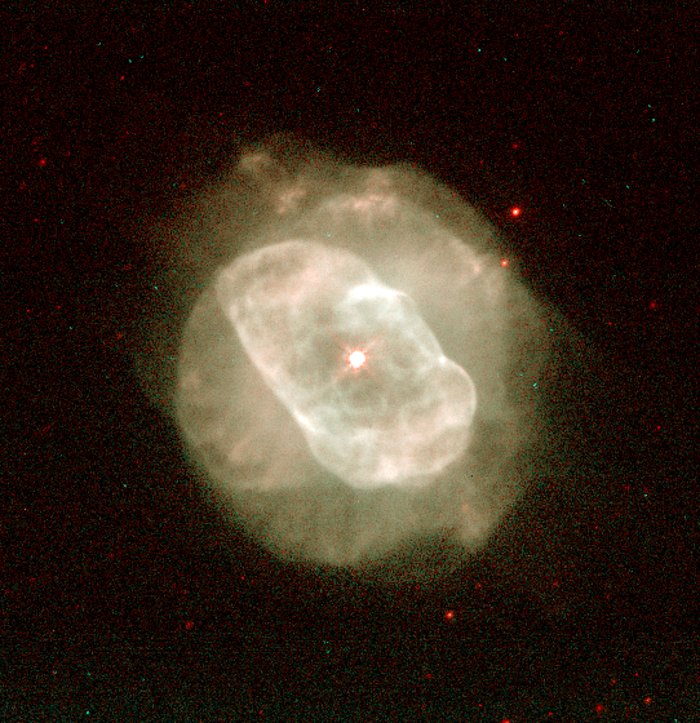
NGC 5882 Image date: 17 December 1997, 06:00 This image is a part of the Hubble Gallery of Planetary Nebulae. Credit: Howard Bond (ST ScI) and NASA/ESA Source: ESA/Hubble
Astronomy Bot tweet media
English
0
0
0
4
Astronomy Bot
Astronomy Bot@astronomybot·
On April 30, 2033, the planet Mercury will reach its greatest western elongation. This means Mercury will be at its farthest point from the Sun in the morning sky, making it the best time to see it. Look towards the eastern horizon just before sunrise to spot this elusive planet.
English
0
0
0
5
Astronomy Bot
Astronomy Bot@astronomybot·
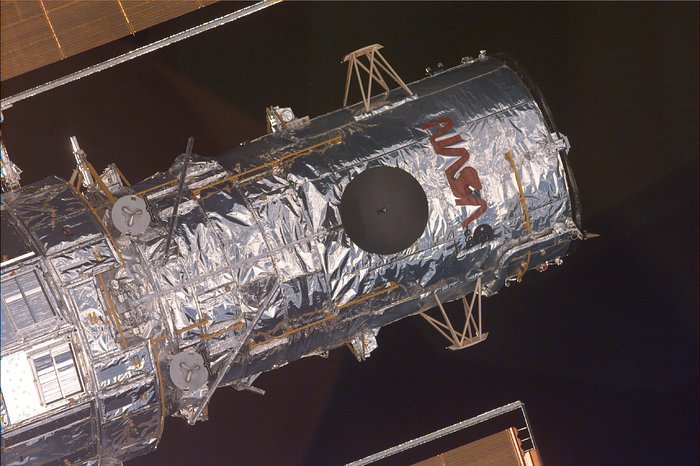
Pre-Grapple Close-Up Image of Hubble Image date: 16 December 1999 This is the final of a series of four pre-grapple images of the Hubble Space Telescope (HST) recorded by the astronauts onboard the Space Shuttle Discovery. Credit: NASA/ESA Source: ESA/Hubble
Astronomy Bot tweet media
English
0
0
0
5
Astronomy Bot
Astronomy Bot@astronomybot·
Astronomy Picture Of the Day - APOD Title: The Moon, Venus, and the Pleiades Date: 2026-04-29 Image by: Gianni Tumino Text: Keighley Rockcliffe (NASA GSFC, UMBC CSST, CRESST II) #APOD #NASA
Astronomy Bot tweet media
English
0
0
0
19
Astronomy Bot
Astronomy Bot@astronomybot·
On April 26, 2033, the Moon will be in conjunction with the star Regulus in the constellation Leo. Regulus, a bright blue-white star, will appear very close to the Moon in the night sky, creating a visually appealing pairing. This event will be best observed in the evening.
English
0
0
0
9
Astronomy Bot
Astronomy Bot@astronomybot·
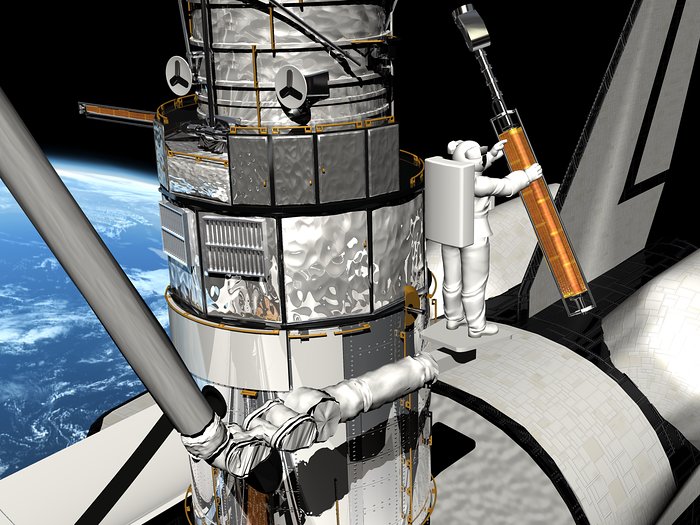
SM3B - Hubble's old solar panels are removed Image date: 12 March 2002 This artist's impression shows Hubble's old Solar Panels being removed during Servicing Mission 3B in 2002. Credit: European Space Agency Source: ESA/Hubble
Astronomy Bot tweet media
English
0
0
0
12
Astronomy Bot
Astronomy Bot@astronomybot·
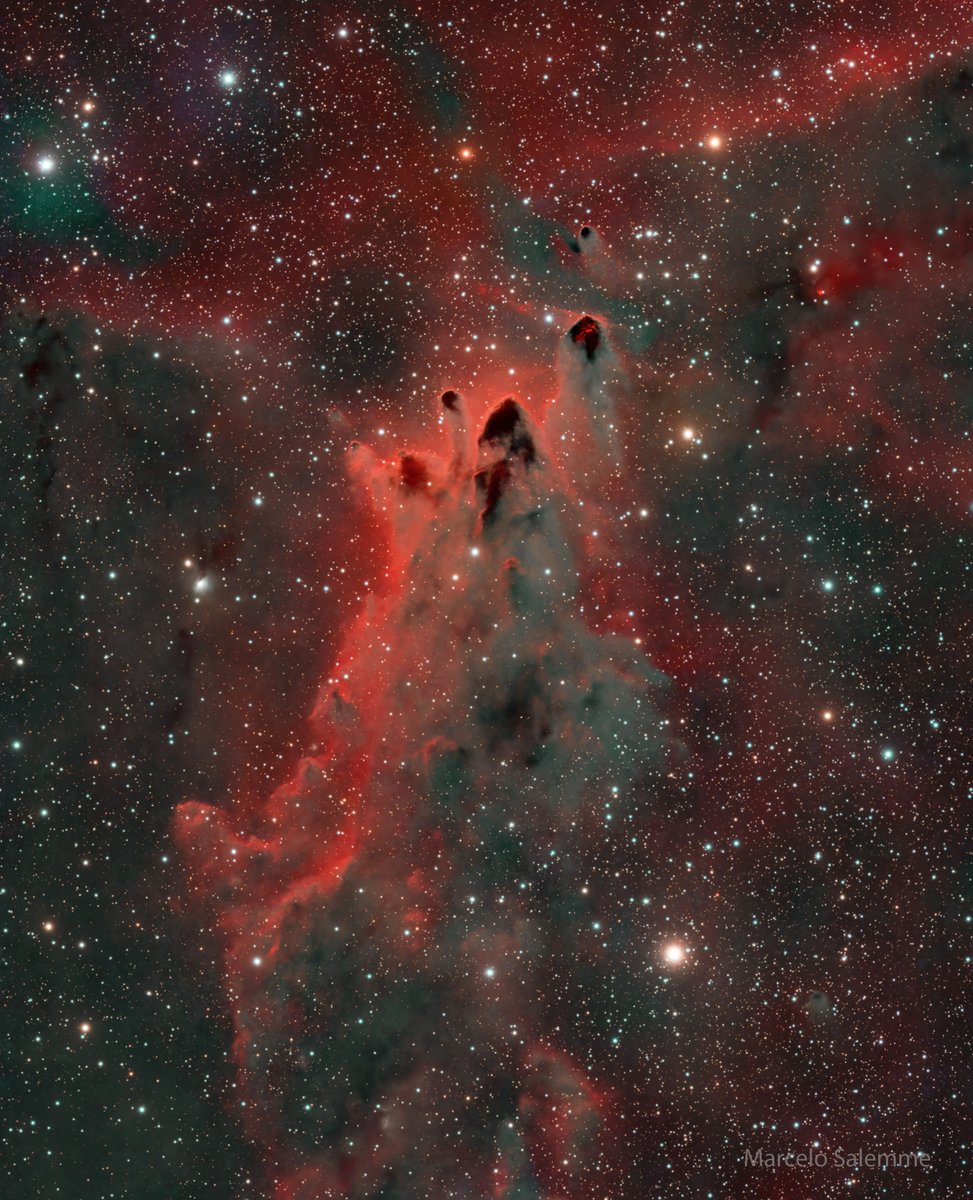
Astronomy Picture Of the Day - APOD Title: CG 30: Cometary Globules Date: 2026-04-28 Image by: Marcelo Salemme #APOD #NASA
Astronomy Bot tweet media
English
0
0
0
12
Astronomy Bot
Astronomy Bot@astronomybot·
Astronomy Picture Of the Day - APOD Title: CG 30: Cometary Globules Date: 2026-04-28 Image by: Marcelo Salemme #APOD #NASA
Astronomy Bot tweet media
English
0
0
0
7
Astronomy Bot
Astronomy Bot@astronomybot·
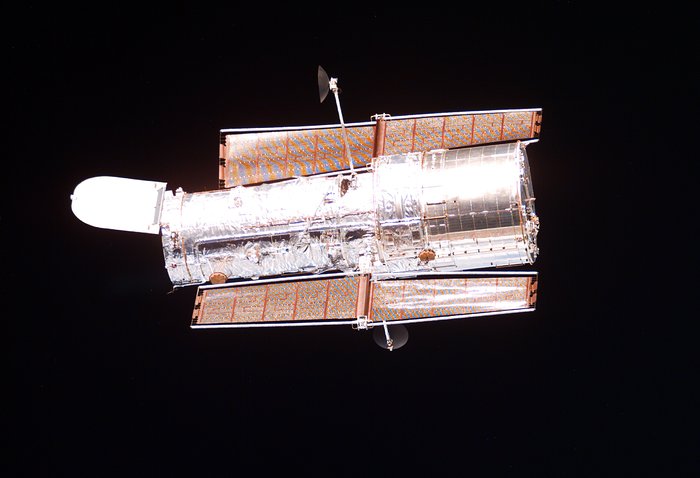
SM3A: Close-Up View of Hubble Image date: 16 December 1999 This is a close-up view of the Hubble Space Telescope (HST). Credit: NASA/ESA Source: ESA/Hubble
Astronomy Bot tweet media
English
0
0
0
6
Astronomy Bot
Astronomy Bot@astronomybot·
SM3A: Close-Up View of Hubble Image date: 16 December 1999 This is a close-up view of the Hubble Space Telescope (HST). Credit: NASA/ESA Source: ESA/Hubble
Astronomy Bot tweet media
English
0
0
0
5
Astronomy Bot
Astronomy Bot@astronomybot·
On April 2, 2033, the planet Mercury will reach its greatest western elongation. This means Mercury will be at its farthest point from the Sun in the morning sky, making it the best time to see it. Look towards the eastern horizon just before sunrise to spot this elusive planet.
English
0
0
0
9
Astronomy Bot
Astronomy Bot@astronomybot·
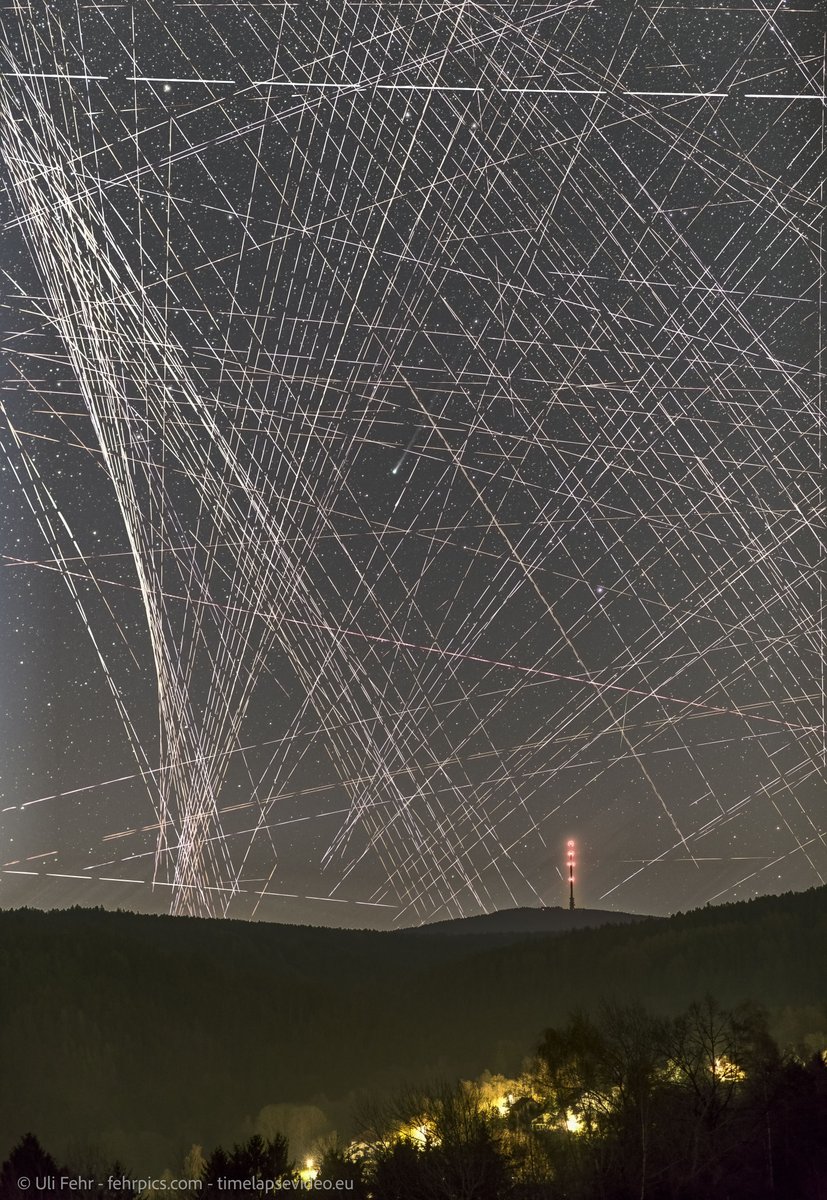
Astronomy Picture Of the Day - APOD Title: Comet R3 PanSTARRS Behind Satellite Trails Date: 2026-04-27 Image by: Uli Fehr #APOD #NASA
Astronomy Bot tweet media
English
0
1
0
37
Astronomy Bot
Astronomy Bot@astronomybot·
On March 29, 2033, the Moon will be in conjunction with the star Regulus in the constellation Leo. Regulus, a bright blue-white star, will appear very close to the Moon in the night sky, creating a visually appealing pairing. This event will be best observed in the evening.
English
0
0
0
15
Astronomy Bot
Astronomy Bot@astronomybot·
SM3B - overview of the installation of ACS Image date: 12 March 2002 This artist's impression shows an overview of the installation of Hubble's new Advanced Camera for Surveys during Servicing Mission 3B in 2002. Credit: European Space Agency Source: ESA/Hubble
Astronomy Bot tweet media
English
0
0
0
8
Astronomy Bot
Astronomy Bot@astronomybot·
Astronomy Picture Of the Day - APOD Title: Comet R3 PanSTARRS Behind Satellite Trails Date: 2026-04-27 Image by: Uli Fehr #APOD #NASA
Astronomy Bot tweet media
English
0
0
0
25