Biodiversity Research Institute

96 posts

Biodiversity Research Institute banner
Biodiversity Research Institute

Biodiversity Research Institute

@briloonME

BRI, a nonprofit ecological research group based in Portland, Maine, conducts innovative wildlife science worldwide.

Portland, Maine USA Beigetreten Aralık 2020
96 Folgt101 Follower
Biodiversity Research Institute
Speaking about the project, Dr. Tear says, “This approach is much bigger than saving the lions...it’s about reversing land degradation, increasing biodiversity, slowing climate change and helping Indigenous people.”
English
0
0
0
0
Biodiversity Research Institute
His research team studied how improving fire management in Africa’s protected areas could be used to raise money in the carbon-offset market, while also preventing larger, unplanned wildfires from erupting later in the season.
Biodiversity Research Institute tweet media
English
1
0
0
0
Biodiversity Research Institute
One such project is related to conservation in Africa. The project is about reversing land degradation, increasing biodiversity, slowing climate change, and helping Indigenous people, says Dr. Tear.
English
1
0
0
0
Biodiversity Research Institute
BRI has launched a new program to help address the issues we all face due to a changing climate. Tim Tear will head up this new program and he already has started work on some very interesting projects.
English
1
0
0
0
Biodiversity Research Institute
Looking for a comfortable, eco-friendly way to stay warm this spring? Salty Fowl, a New England brand dedicated to sea duck conservation, is offering a limited run of their Flying Tank Merino Wool Beanies. 10% of profits will go to waterfowl conservation and research efforts.
Biodiversity Research Institute tweet media
English
1
0
1
0
Biodiversity Research Institute
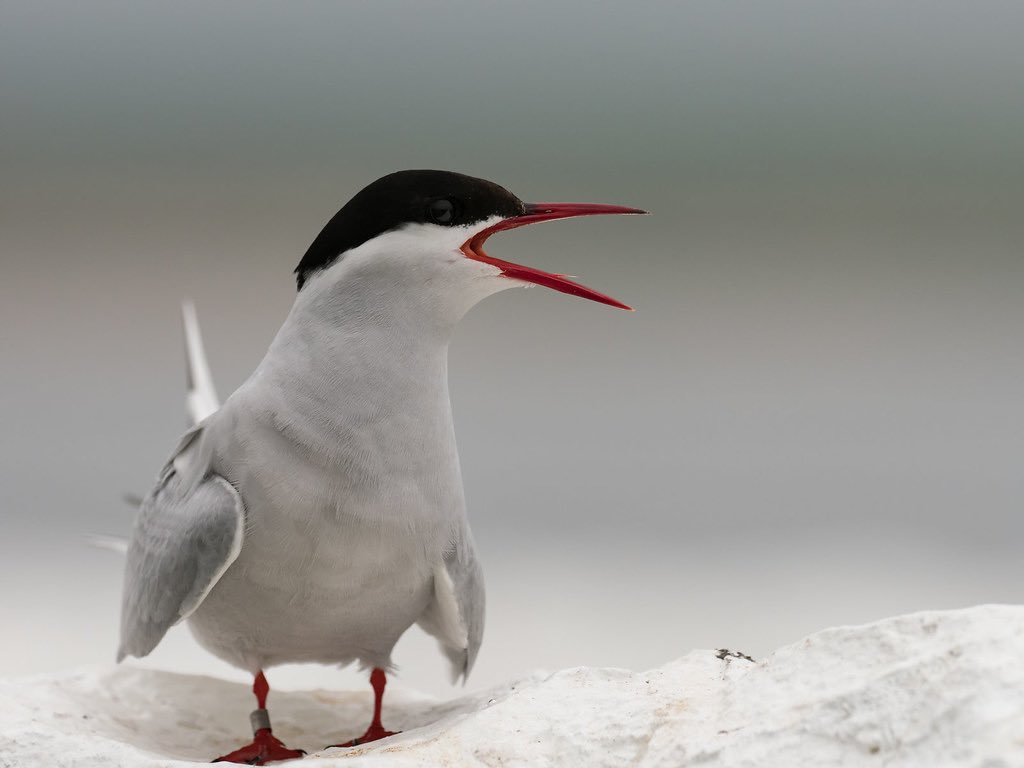
These small birds are graceful in the air, with striking red beaks and red feet. Although Arctic Terns are hard to spot from shore, you may see them during their spring migration in late April and May.
English
1
0
0
0
Biodiversity Research Institute
We’re ending our Arctic profile series with the Arctic Tern, known for having one of the longest annual migrations in the world. After spending its breeding season in the Arctic, this tern travels all the way to Antarctica and back, covering over 25,000 miles in a single year!
Biodiversity Research Institute tweet media
English
1
0
1
0
Biodiversity Research Institute
This project is crucial for developing an effective conservation plan that will protect both shorebird species and the ecosystems they inhabit. Visit our page on Tracking Shorebird migration to learn more about this collaborative project! briloon.org/our-science-se…
English
0
0
0
0
Biodiversity Research Institute
Shorebird species are experiencing significant decline as a result of habitat loss in Arctic breeding grounds. BRI has worked with the Maine Department of Inland Fisheries and Wildlife to track shorebird migration in the Gulf of Maine, a major flyway for shorebird species.
Biodiversity Research Institute tweet media
English
1
0
0
0
Biodiversity Research Institute
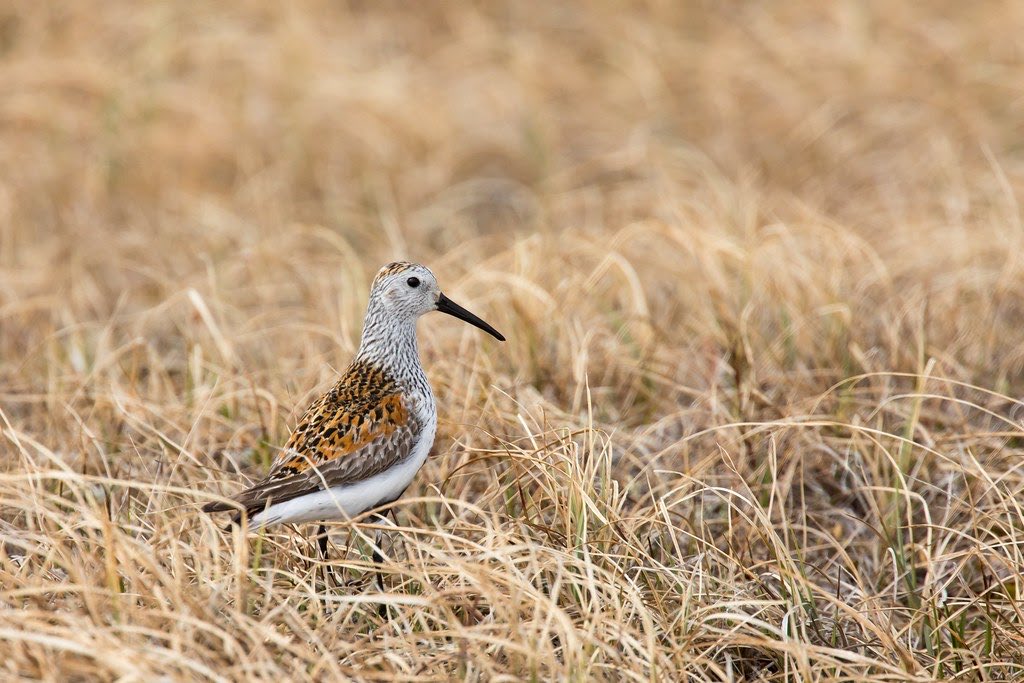
Dunlins are common along the North American coastline for most of the year. Try to spot them among the sandpiper crowds this spring, before they return to the Arctic in the summer!
English
0
0
0
0
Biodiversity Research Institute
Today we’re profiling the Dunlin, another member of the sandpiper family. Despite being named for their mousy, “dun-colored” nonbreeding plumage, Dunlins wear more striking attire during the breeding season: rusty-red markings on the back, a white body, and a black belly patch.
Biodiversity Research Institute tweet media
English
1
0
0
0
Biodiversity Research Institute
BRI has published several reports as part of our Science Communication series, including a report on Bald Eagle research along Maine’s Sebasticook River. You can learn more about Bald Eagle conservation in the linked publication: briloon.org/uploads/BRI_Do…
Biodiversity Research Institute tweet media
English
0
0
1
0
Biodiversity Research Institute
Exposure to DDT and other pesticides in the mid-20th century significantly diminished Bald Eagle populations in North America. Although Bald Eagles populations have since recovered, mercury exposure continues to threaten eagles and other raptors.
Biodiversity Research Institute tweet media
English
1
0
1
0
Biodiversity Research Institute
Once threatened by hunting and pesticide use, Bald Eagles are now common across North America and are frequently spotted fishing on bodies of water. Between January and March, Bald Eagles will begin migrating north to their near-Arctic breeding grounds.
English
1
0
0
0
Biodiversity Research Institute
Today we’re profiling the Bald Eagle (Haliaeetus leucocephalus), one of the most iconic birds in North America. These eagles are giants of the raptor world, and can live to be over 30 years old.
Biodiversity Research Institute tweet media
English
1
0
2
0