
Angehefteter Tweet
Sarı, Buğra (2025) “The steppe and the stone: the international
relations worldview in the Orkhon Inscriptions” Cambridge Review of International Affairs (First View)
tandfonline.com/doi/full/10.10…
English
Buğra Sarı
328 posts

@bug_sari
Doç. Dr. Ulus. İliş./Assoc. Prof. of Int. Rel. @mersinuli Doktora/PhD @BilkentIRDept
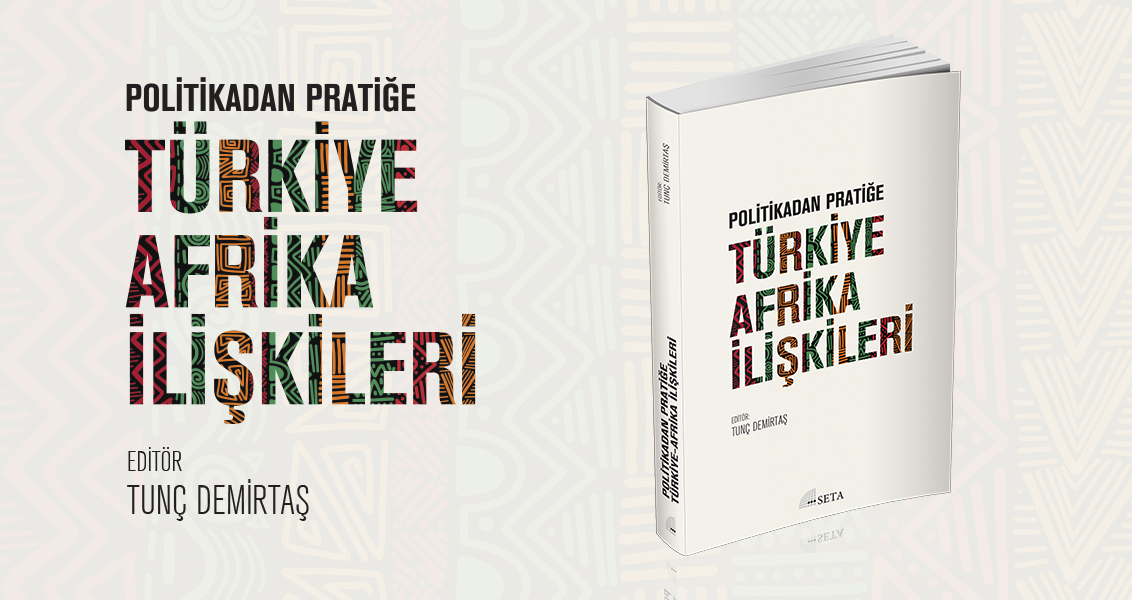
Sizinle Uluslararası İlişkiler’in temel kavramlarına odaklanan iki çalışmalarımızı paylaşmak isterim. @bug_sari ile 2021 ve 2023te derlediğimiz iki çalışmada, bu kavramları kuramsal perspektifler arasındaki farklılaşmalar üzerinden karşılaştırmalı olarak ele aldık.






Initial analysis of this important development: * The extent of the advance by the Syrian Army is currently unclear even to local residents, with many rumors being spread. However, what is clear that the progress is occurring only in Sunni Arab areas. Thus, the likelihood that the Syrian Army will carry out any abuses is minimal. In my view, the Syrian Army in its current composition should not be allowed into Kurdish areas, as it will result in fierce fighting and bloodshed. Kurds have legitimate fears that massacres similar to the ones that government forces perpetrated in the Coast and Sweidaa' will be carried out against them. In my prior conversations with sources inside the Syrian government & Syrian Army, it was clear that if they make any move toward the east, it would focus on Arab-majority areas only, where the population is friendly to the new Syrian state and thus advances are low-cost. * The SDF formally adopts the Öcalanist ideology of "Democratic Confederalism" but this policy was never implemented anywhere in SDF-controlled area. All power was concentrated in the hands of PKK cadros (Syrian and foreign). Power was never shared with local communities, not even with non-PKK Kurds, let alone Arabs. The SDF's Arab commanders and units had no authority, the Arab local administration officials admitted to me being overseen by Kurdish cadros. I've documented this here: carnegieendowment.org/sada/2019/07/k… * Since the fall of the Assad regime, Arabs in SDF areas who once saw the SDF as the better alternative compared to a genocidal Assad regime or ISIS brutality, changed their position. They saw a Sunni Arab government in Damascus and demanded to come under its control. The SDF had a proclivity to political repression (particularly against Kurdish opposition parties) even pre-2025, but over the past year, arrests shot through the roof, with hundreds expressing support to the Damascus government being arrested, as documented by @hasanalkassab syriadirect.org/a-year-after-a… * The SDF's political marginalization and repression explains why tribesmen across eastern Syria are revolting in areas that have not seen the arrival of any government forces. They are eager to throw off what they perceive as an occupying force. This is despite their fears that the government will not enter their areas, and they will remain out-gunned by the SDF. * This offensive on SDF areas is the result of the failure of the months of negotiations between the SDF and Damascus. I think for Westerners, feeling sympathy toward the SDF comes naturally, with their secular ideology and full participation of women & successful record of fighting ISIS. However, according to sources from all sides & mediators who've engaged in the talks between Damascus & the SDF, Damascus made far-reaching offers to the SDF. This included absorbing the SDF into the Syrian Army as 3 regional divisions, constitutional amendments guaranteeing Kurdish rights, shared control over border crossings & more. The SDF rejected these offers, wishing for administrative and military autonomy, akin to the KRG model. Considering the PKK background of the SDF's leadership & Turkey's sway over Washington, this is an unrealistic position. * In my assessment, the U.S. position will be key - it will be the one determining how far the Syrian Army advances. It can halt any offensive, especially if it is willing to resort to lethal force.


Buğra Sarı and Avnihan Kırışık “The Struggle for Syria: Strategic Rivalry and the Risks of Escalation” Middle East Policy, 2025 (Early View) @meukurumsal @YasarProf @mersinuli onlinelibrary.wiley.com/doi/10.1111/me…