Jiadong Chen ☁️

1.6K posts

Jiadong Chen ☁️ banner
Jiadong Chen ☁️

Jiadong Chen ☁️

@chen_jd

Cloud Architect | Microsoft MVP, MCT | Azure Certified Solutions Architect & Cybersecurity Architect Expert | Packt Author #MVPBuzz #Azure #Cloud #AzureDaily

Aus Beigetreten Kasım 2011
530 Folgt1.3K Follower
Jiadong Chen ☁️
Jiadong Chen ☁️@chen_jd·
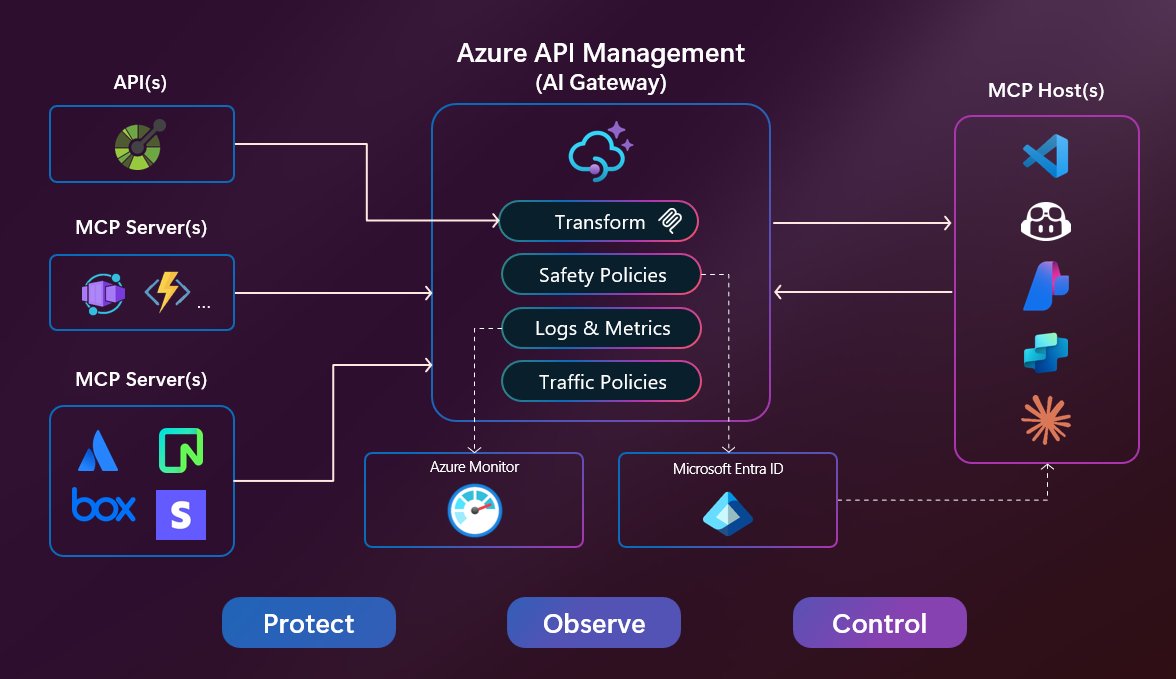
This week’s Azure updates tackle three frontier challenges: safely executing AI-generated code, choosing the right integration pattern for agent ecosystems, and automating incident response — plus foundational compute innovations for AI at scale. @jiadong-chen/ai-execution-integration-showdown-autonomous-operations-3123fd33abb4" target="_blank" rel="nofollow noopener">medium.com/@jiadong-chen/…
English
0
0
3
121
Jiadong Chen ☁️ retweetet
X Freeze
X Freeze@XFreeze·
Anthropic: "DeepSeek is illegally distilling our models to train their AI! This is industrial-scale theft" Also Anthropic’s Claude Sonnet 4.6: "I am DeepSeek"
stevibe@stevibe

Claude Sonnet 4.6, when asked in Chinese: “你是什么模型?” (What model are you?) Confidently replies: “我是 DeepSeek。” (I am DeepSeek) This is the same model whose company just accused DeepSeek of “industrial-scale distillation attacks”

English
217
381
4.1K
553.9K
Jiadong Chen ☁️ retweetet
Luciano Lucas
Luciano Lucas@tharealluciano·
Everybody running to Twitter to see why YouTube is down #youtubedown
GIF
English
941
5.4K
41.9K
1.6M
Jiadong Chen ☁️
Jiadong Chen ☁️@chen_jd·
From accelerating enterprise AI adoption and enforcing governance through policy-as-code, to securing workloads with Defender for Cloud, Purview, and Sentinel, these updates define the blueprint for safe, scalable AI operations. Plus, new insights on cost optimization and the rise of Structured Vibe Coding reveal how AI development is evolving into collaborative, spec-driven engineering. Dive into the latest architecture guidance below 👇 ✅ Building AI Agents: Workflow-First vs. Code-First vs. Hybrid The article compares workflow-first, code-first, and hybrid approaches to building AI agents, explaining how orchestration, governance, scalability, and integration needs drive the choice between visual low-code tools, pro-code frameworks, or a blended strategy that balances speed, control, and enterprise requirements. techcommunity.microsoft.com/blog/azurearch… ✅ Optimize Azure Local using insights from a Well-Architected Review Assessment The content explains how Azure Local brings Azure services to on-premises and edge environments and introduces the Azure Local Well-Architected Review Assessment as a structured way to evaluate and improve reliability, security, performance, cost, and operations using Microsoft’s Well-Architected Framework and supporting architecture resources. techcommunity.microsoft.com/blog/azurearch… ✅ Selecting the Right Agentic Solution on Azure – Security The post analyzes security considerations for Azure-based agentic solutions—covering Logic Apps agent workflows, Azure AI Foundry Agent Service, and pro-code agent orchestrators—highlighting how identity, encryption, networking, secret management, isolation, prompt security, and observability should be applied across each option to ensure secure, enterprise-ready deployments. techcommunity.microsoft.com/blog/azurearch… ✅ How Great Engineers Make Architectural Decisions The article explains how great engineers make and document architectural decisions using ADRs, guided by explicit trade-offs across Azure’s Well-Architected Framework pillars and a lightweight ATAM-style checklist to ensure transparent, repeatable, and resilient design choices over time. techcommunity.microsoft.com/blog/azurearch… ✅ How Azure NetApp Files Object REST API powers Azure and ISV Data and AI services The article presents the Azure NetApp Files Object REST API as a preview capability that enables secure, S3-compatible, real-time access to enterprise file data for Azure AI, analytics, and data services—eliminating data duplication, accelerating insights, and unlocking diverse use cases across Fabric, AI/ML platforms, and native S3, NFS, and SMB workloads. techcommunity.microsoft.com/blog/azurearch…
Jiadong Chen ☁️ tweet media
English
0
2
7
244
Jiadong Chen ☁️ retweetet
Where Winds Meet
Where Winds Meet@WhereWindsMeet_·
Witness ancient grace come to life in #WhereWindsMeet through motion capture.
English
147
1.4K
9.2K
355.7K
Jiadong Chen ☁️ retweetet
Melis✨
Melis✨@miilesus·
Prompt for Gemini nano banana 🍌 Editorial 3x3 photo grid in a clean soft beige studio. Character (matches reference 100%) wearing lightweight dark navy shirt, ivory trousers, barefoot for raw simplicity. Lighting: large diffused key light directly front-right, silver reflector left, subtle rim from top. Shots to include: 1. extreme close-up of lips + cheekbone with blurred hand partially covering (85mm, f/1.8, razor-thin DOF); 2. tight crop on eyes looking into lens with reflection of light strip visible (85mm, f/2.0); 3. black & white close portrait resting chin on fist, face filling frame (50mm, f/2.2); 4. over-shoulder shot, blurred foreground fabric curtain framing half face (85mm, f/2.0); 5. very close frontal with hands overlapping face, light streak across eyes (50mm, f/2.5); 6. tight angled portrait showing hair falling into eyes, soft-focus background (85mm, f/2.2); 7. crop of hands touching jawline, eyes cropped out (50mm, f/3.2, detail-focused); 8. half-body seated sideways on low cube, head turned sharply away, blurred foreground (35mm, f/ 4.5); 9. intense close-up of profile with single tear-like water droplet, cinematic light slice across (85mm, f/ 1.9). Angles: mostly tight headshots with slight high/low tilts, maintaining variation. Capture RAW, professional muted grade, smooth tonal contrast, subtle cinematic grain. Mood: intimate, introspective, character-led editorial minimalism with delicate use of fabric as prop.
Melis✨ tweet media
English
44
247
2.1K
433.8K
Jiadong Chen ☁️ retweetet
Bg2 Pod
Bg2 Pod@BG2Pod·
BG2. All things AI w @sama & @satyanadella. A Halloween Special. 🎃🔥@bg2pod @altcap -- (00:00) Intro (02:28) Microsoft’s Investment in OpenAI (03:19) The Nonprofit Structure and Its Impact (05:46) Health, AI Security, and Resilience (07:50) Models, Exclusivity, and Distribution (08:58) Revenue Sharing and AGI Milestones (11:38) OpenAI’s Growth and Compute Commitments (15:21) Compute Constraints and Scaling (21:27) The Future of AI Devices and Consumer Use (24:31) Regulation and the Patchwork Problem (28:01) Looking Ahead to 2026 and Beyond (37:10) Microsoft’s Strategic Value from OpenAI (57:15) The Economics of AI and SaaS (1:04:28) Productivity, Jobs, and the Age of AI (1:10:43) Reindustrialization of America
English
49
143
963
555.6K
Jiadong Chen ☁️ retweetet
Sam Altman
Sam Altman@sama·
Our new AI-first web browser, ChatGPT Atlas, is here for macOS. Please send feedback! Availability on other platforms to follow.
English
3.3K
1.6K
22.9K
2.9M
Jiadong Chen ☁️
Jiadong Chen ☁️@chen_jd·
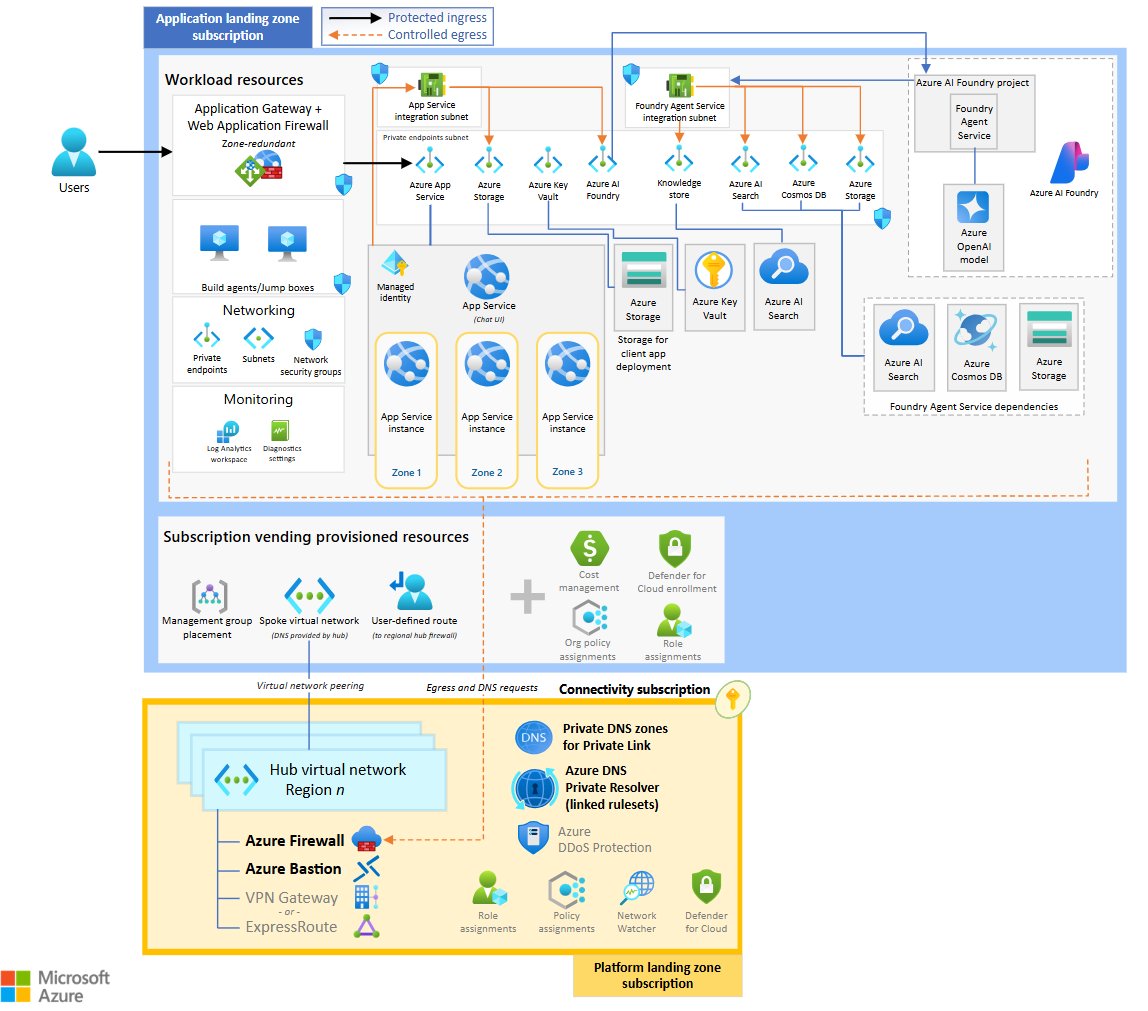
From accelerating enterprise AI adoption and enforcing governance through policy-as-code, to securing workloads with Defender for Cloud, Purview, and Sentinel, these updates define the blueprint for safe, scalable AI operations. Plus, new insights on cost optimization and the rise of Structured Vibe Coding reveal how AI development is evolving into collaborative, spec-driven engineering. Dive into the latest architecture guidance below! ✅ Accelerating Enterprise AI Adoption with Azure AI Landing Zone Azure AI Landing Zone provides a unified, secure, and scalable framework built on Microsoft’s Cloud Adoption and Well-Architected Frameworks to help enterprises accelerate AI adoption, streamline governance, and deploy production-grade AI workloads efficiently using Azure AI Foundry techcommunity.microsoft.com/blog/azurearch… ✅ Building a Secure and Compliant Azure AI Landing Zone: Policy Framework & Best Practices Azure AI Landing Zone establishes a secure, compliant, and automated governance framework using Azure Policy, Blueprints, and Enterprise Policy as Code (EPAC) to enforce standards, manage compliance, and ensure responsible AI deployment across Azure services at enterprise scale techcommunity.microsoft.com/blog/azurearch… ✅ Securing AI Workloads with Microsoft Defender for Cloud, Purview and Sentinel in Azure Landing Zones Integrating Microsoft Defender for Cloud, Purview, and Sentinel into Azure AI Landing Zones creates a unified security framework that protects AI workloads, data, and models through continuous posture management, data governance, and intelligent threat detection across the entire AI environment techcommunity.microsoft.com/blog/azurearch… ✅ Cost Optimization of Azure AI Services Effective cost optimization in Azure AI Services combines right-sizing compute resources, auto-scaling, batching, caching, storage tiering, and governance controls to balance AI innovation with financial efficiency, ensuring scalable and sustainable cloud AI operations techcommunity.microsoft.com/blog/azure-ai-… ✅ Structured Vibe Coding - An Improved Approach to AI Software Development Structured vibe coding is an emerging AI software development approach that combines clear specifications, issue tracking, and pull request reviews to manage AI coding agents like a human engineering team, enabling efficient, spec-driven collaboration between developers and AI through tools like GitHub Copilot and Azure AI Foundry techcommunity.microsoft.com/blog/azure-ai-…
Jiadong Chen ☁️ tweet media
English
0
0
5
232
Jiadong Chen ☁️ retweetet
Alex Albert
Alex Albert@alexalbert__·
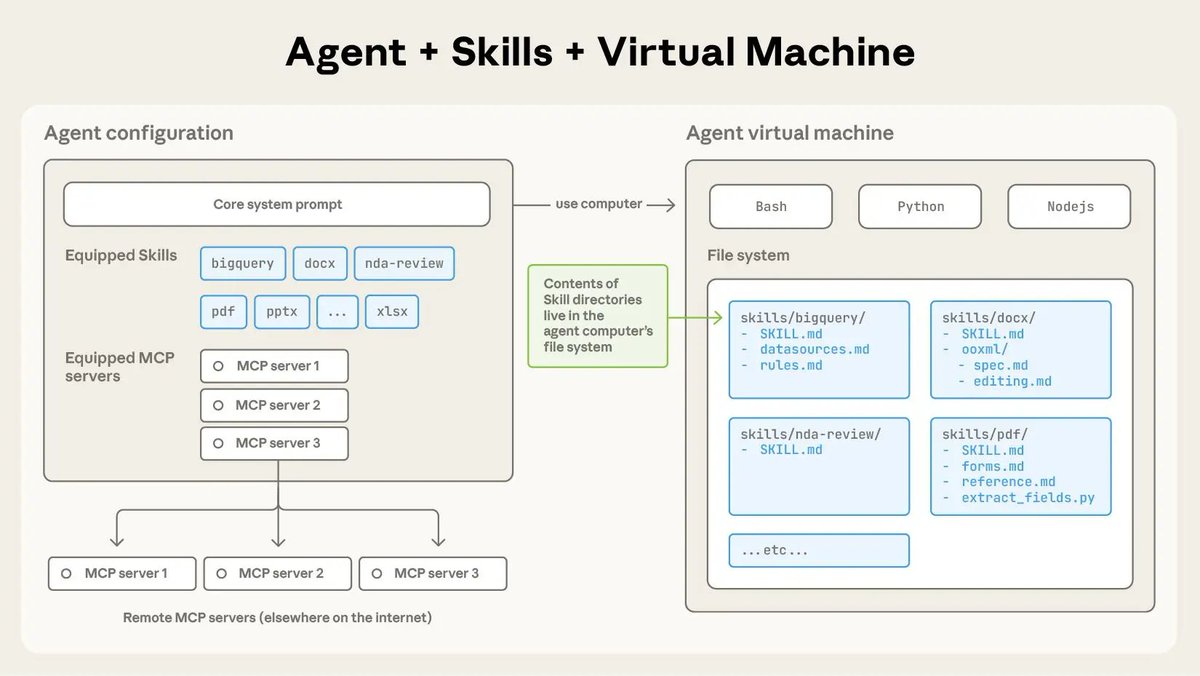
Today we're introducing Skills in claude dot ai, Claude Code, and the API. Skills let you package specialized knowledge into reusable capabilities that Claude loads on demand as agents tackle more complex tasks. Here's how they work and why they matter for the future of agents:
Alex Albert tweet media
English
124
410
3.4K
597.6K
Jiadong Chen ☁️ retweetet
Tibor Blaho
Tibor Blaho@btibor91·
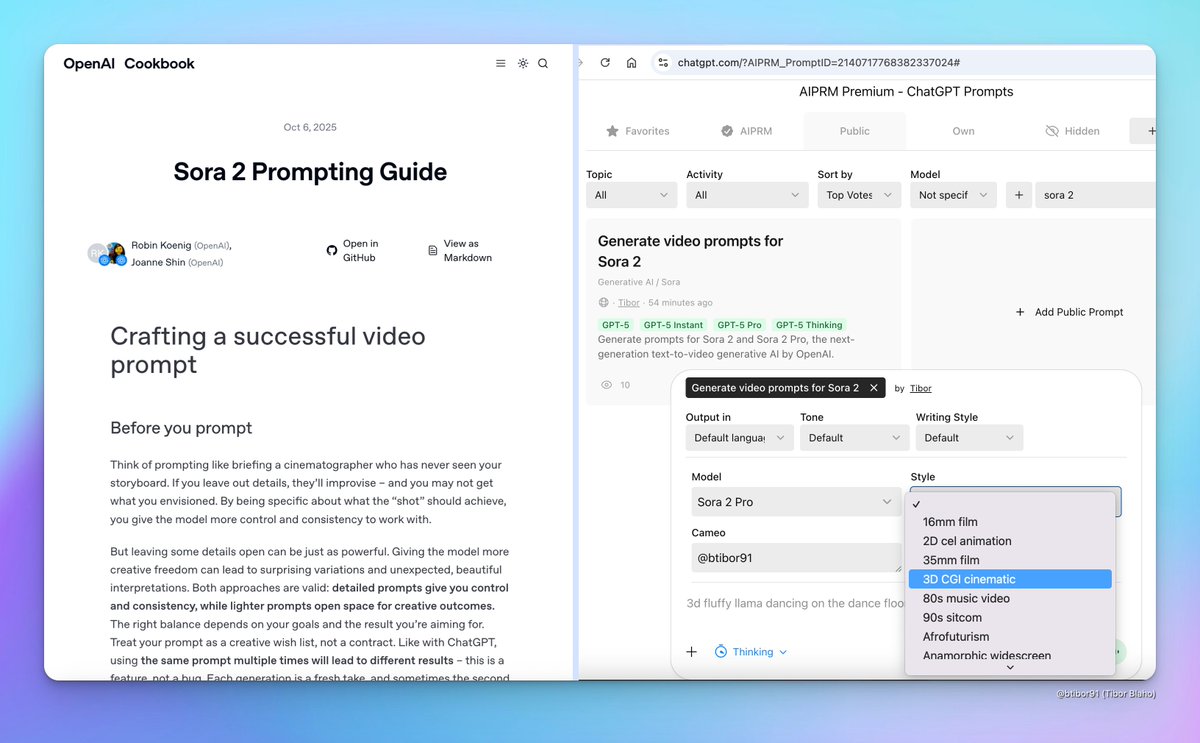
OpenAI published a new Sora 2 Prompting Guide so I created a prompt template inspired by their recommendations that writes prompts for you Pick your model (Sora 2 for 10s or Sora 2 Pro for 15s), choose from almost 100 styles, add a Cameo if you want, describe your idea and it generates a full prompt with all the cinematography and technical details Try it if you need help getting started with Sora 2 prompts
Tibor Blaho tweet media
English
19
88
629
131.8K
Jiadong Chen ☁️
Jiadong Chen ☁️@chen_jd·
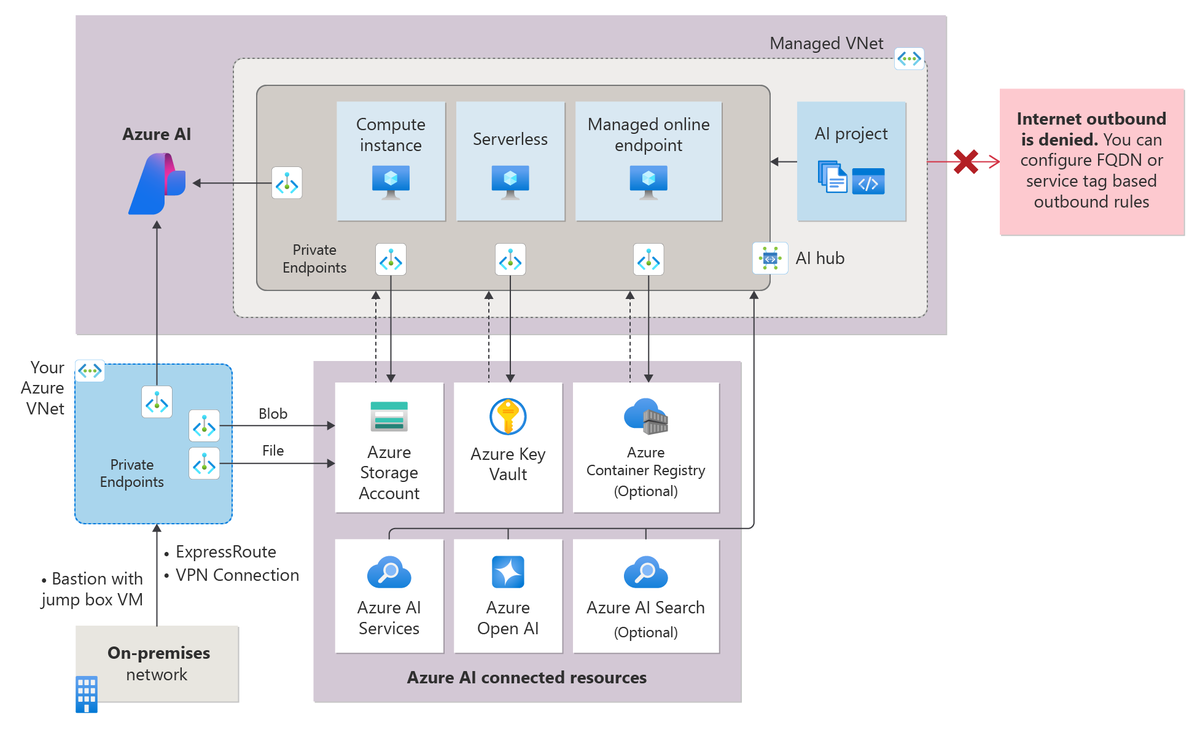
Explore the AI Landing Zone design for platform-scale deployments, choose the right agentic approach for your workloads, and implement secure access governance across teams. Learn how Microsoft is enabling AI-powered migrations and how the Azure Well-Architected Framework ensures AI solutions are reliable, secure, and efficient. Dive into the latest guidance here! ✅ AI Azure Landing Zone: Shared Capabilities and Models to Enable AI as a Platform The Azure AI Landing Zone Pattern provides a secure, scalable, and governed multi-subscription framework where users access AI-powered apps through an Application Gateway, workloads run in AI Apps Landing Zones, connect to centralized AI Services via private endpoints, integrate with knowledge sources, and route observability, governance, and usage reporting through an AI Hub and Platform Landing Zone. techcommunity.microsoft.com/blog/azurearch… ✅ Selecting the Right Agentic Solution on Azure Azure offers four main paths for building agentic solutions: Logic Apps for workflow-based agents, Azure AI Agent Service (within Azure AI Foundry) for managed, declarative, and scalable agents, custom orchestrators (Semantic Kernel, AutoGen, LangChain, LlamaIndex) for complex developer-led control, while the deprecated Assistants API should be avoided in favor of Agent Service—the recommended approach for most scenarios. techcommunity.microsoft.com/blog/azurearch… ✅ Access Governance Blueprint for AI Landing Zone The enterprise RBAC model for Azure AI Landing Zones defines least-privilege, environment-aware, and SoD-based access across personas (DS, MLE, AIE, ML Operator, MLOps, Ops, Owners), mapping control-plane and data-plane roles per service, with automation via managed identities/pipelines, guardrails for Dev/Nonprod/Prod, custom roles, PIM/JIT elevation, and structured Entra ID group naming for consistent governance and compliance. techcommunity.microsoft.com/blog/azurearch… ✅ AI-Powered Migration & Modernization Microsoft’s AI-Powered Migration & Modernization framework uses Azure Essentials, Azure Migrate, GitHub Copilot, and Azure Accelerate to deliver secure, resilient, and well-governed cloud migrations that prepare enterprises for AI-driven innovation through phased readiness, governance, and continuous optimization. techcommunity.microsoft.com/blog/azurearch… ✅ Designing AI Workloads with the Azure Well-Architected Framework The Azure WAF guides AI workload design by applying its five pillars—reliability, security, cost optimization, operational excellence, and performance efficiency—to address challenges like model decay, sensitive data, and high compute demands, ensuring AI solutions are resilient, secure, explainable, and efficiently managed with Azure’s MLOps and monitoring tools. techcommunity.microsoft.com/blog/azurearch… #AZURETIPS
Jiadong Chen ☁️ tweet media
English
0
4
7
627
Jiadong Chen ☁️
Jiadong Chen ☁️@chen_jd·
Learn to design compliant research environments, build interoperable agents with the A2A .NET SDK, deploy OpenAI’s first OSS model on AKS, and discover the 7 game-changing features of GPT-5. Plus, see how Agentic AI is transforming collaboration from prompt-driven to proactive. ✅ Design a secure research environment for regulated data A secure Azure-based research environment enables controlled access to sensitive data by isolating storage, compute, and analytics resources, enforcing encryption and private endpoints, integrating approval workflows for data export, and supporting compliance with strict regulatory standards such as HIPAA and NIST. learn.microsoft.com/en-us/azure/ar… ✅ How Agentic AI is Redefining Human-AI Collaboration Agentic AI shifts AI from reactive prompt-based assistants to proactive collaborators that can think, plan, act, and adapt autonomously—enabled by frameworks like Semantic Kernel, LangChain, and Azure AI Foundry—unlocking real-world impact through memory, multi-step reasoning, dynamic workflows, and human-AI teamwork. techcommunity.microsoft.com/blog/azure-ai-… ✅ Building AI Agents with the A2A .NET SDK The A2A .NET SDK enables .NET developers to build agents that communicate and collaborate using the open Agent2Agent protocol, supporting discovery, messaging, long-running tasks, real-time streaming, and ASP.NET Core integration to foster interoperability across AI ecosystems like Semantic Kernel and Azure AI Foundry. devblogs.microsoft.com/foundry/buildi… ✅ GPT-5: The 7 new features enabling real world use cases GPT-5 introduces seven major advances—automatic model selection via Azure’s router, reduced sycophancy, avoidance of deceptive answers, safe completions instead of hard refusals, lower costs, fewer hallucinations, and a hierarchy for following system/developer/user instructions—making it more reliable, safer, and better suited for real-world enterprise use cases. techcommunity.microsoft.com/blog/azure-ai-… ✅ Deploying OpenAI’s First Open-Source Model on Azure AKS with KAITO A step-by-step guide shows how to deploy OpenAI’s open-source gpt-oss-20B model on Azure AKS with KAITO and vLLM, creating a public OpenAI-compatible endpoint on A10 GPUs, and includes performance benchmarks highlighting trade-offs between concurrency, latency, and throughput. techcommunity.microsoft.com/blog/machinele…
Jiadong Chen ☁️ tweet media
English
0
2
10
680
Jiadong Chen ☁️
Jiadong Chen ☁️@chen_jd·
Learn how to implement effective AI governance across cost, security, and model oversight; transition agentic AI from research to production; and discover Code Assist, a multi-agent tool for securing and documenting codebases. See how Copilot Agents streamline Ops tasks in Teams, and use AI-powered agents to explore Kubernetes clusters—no kubectl required. Dive in here! ✅ Effective AI Governance with Azure AI Governance is essential for managing AI adoption responsibly, ensuring cost efficiency, security, resilience, operational optimization, and regulatory compliance through structured oversight across five key pillars: cost control, workload security, system resiliency, operational performance, and model governance. techcommunity.microsoft.com/blog/aiplatfor… ✅ Agentic AI research-methodology A practical guide to transitioning agentic AI systems from research to production, focusing on problem definition, workflow design, data handling, and aligning SME-inspired patterns with LLM capabilities to create scalable, reliable agents for unstructured data tasks. techcommunity.microsoft.com/blog/machinele… ✅ Developing Code Assist – a Multi-Agent Tool Code Assist is a multi-agent AI tool developed with Azure AI Foundry that streamlines software development by generating documentation, creating business slide decks, and analyzing code for security risks, helping developers and teams quickly understand and secure large code bases. techcommunity.microsoft.com/blog/aiplatfor… ✅ AI for Operations - Copilot Agent Integration Microsoft has extended its Azure AI for Operations Framework by integrating two Copilot Studio Agents—FinOps and Update Manager—enabling users to interactively analyze costs and manage patch updates directly within Microsoft Teams using natural language, streamlining financial insights and system compliance tasks. techcommunity.microsoft.com/blog/azurearch… ✅ Discover and Assess Kubernetes Clusters using Azure AI Agents and MCP By integrating the Model Context Protocol, Semantic Kernel, and Chainlit, developers can build intelligent agents that interact with live Kubernetes infrastructure through natural language, enabling real-time discovery, analysis, and reporting of cluster data without direct kubectl use. techcommunity.microsoft.com/blog/aiplatfor… All resources sourced from Microsoft Tech Community. Not affiliated with Microsoft. ✨ Your Move: Which tool will you implement first? Governance? Code Assist? Or kubectl-free K8s? Let’s discuss below! 👇
Jiadong Chen ☁️ tweet media
English
3
6
26
1.7K
Jiadong Chen ☁️
Jiadong Chen ☁️@chen_jd·
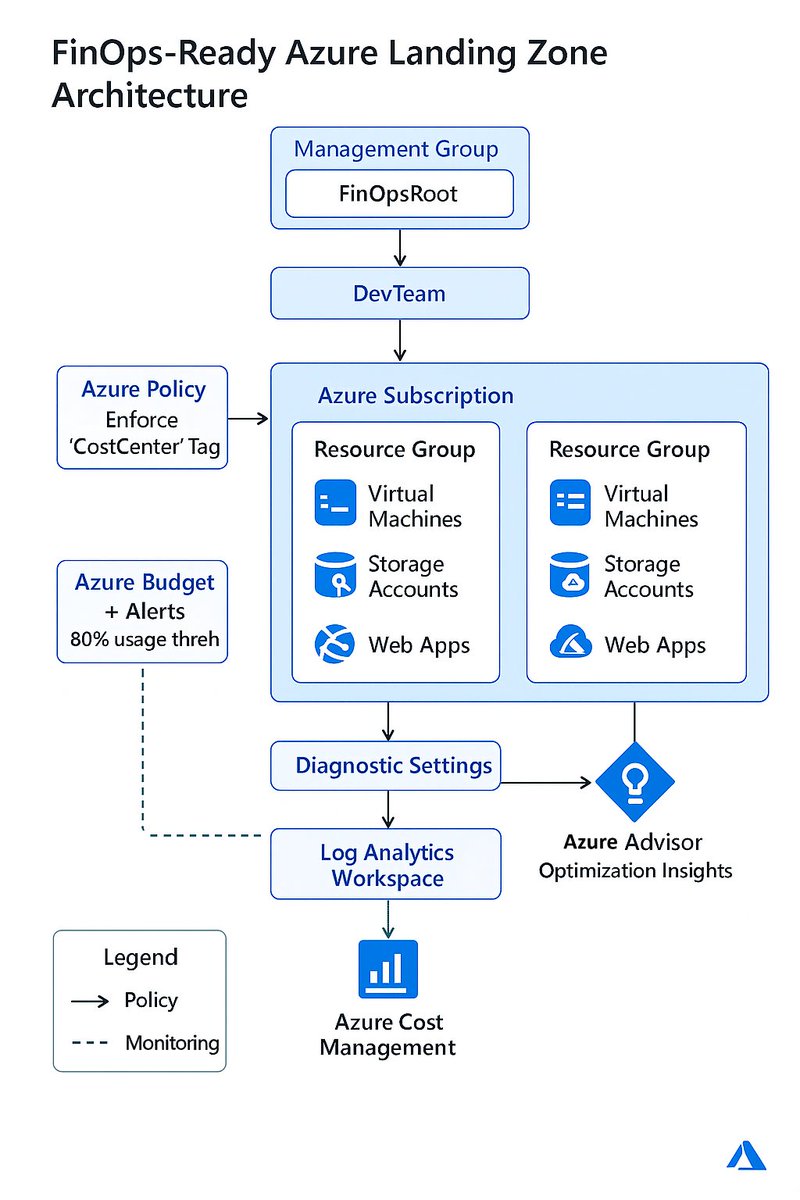
Explore how to build a FinOps-ready Azure Landing Zone with built-in cost governance, and test your AI models safely with the new AI Red Teaming Agent. Learn about Azure Service Groups for flexible cross-subscription resource management, see how NVIDIA’s AI Blueprint enables enterprise-grade RAG pipelines, and discover how Azure AI Foundry automates complex workflows like loan processing with multi-agent architectures. Dive into the updates here! ✅ Building a FinOps-Ready Azure Landing Zone A FinOps-ready Azure Landing Zone integrates cost governance from the start—using infrastructure-as-code and native services to automate tagging, budgets, policy enforcement, and cost analysis—enabling financial accountability and optimization across cloud environments. techcommunity.microsoft.com/blog/AzureInfr… ✅ AI Red Teaming Agent The AI Red Teaming Agent enables organizations to proactively test generative AI systems for safety risks using automated adversarial probing, attack success evaluations, and detailed risk reports—leveraging Microsoft's PyRIT framework and Azure AI Foundry’s safety evaluation tools to simulate harmful prompts, score system vulnerabilities, and guide pre-deployment mitigation. learn.microsoft.com/azure/ai-found… ✅ What are Azure Service Groups? Azure Service Groups (currently in preview) enable flexible, cross-subscription resource organization independent of traditional Azure hierarchies, allowing multiple grouping views, minimal permission access, and aggregated monitoring or inventory scenarios across diverse operational needs. learn.microsoft.com/azure/governan… ✅ Building an Enterprise RAG Pipeline in Azure with NVIDIA AI Blueprint for RAG and Azure NetApp Files NVIDIA and Microsoft Azure deliver a scalable, secure enterprise RAG pipeline architecture—leveraging NVIDIA’s AI Blueprint and Azure NetApp Files—to enable high-performance, multimodal data processing with GPU acceleration, optimized storage, and robust governance for real-world generative AI applications. techcommunity.microsoft.com/blog/azurearch… ✅ Modernizing Loan Processing with Gen AI and Azure AI Foundry Agentic Service Microsoft’s multi-agent loan processing architecture uses Azure AI Foundry and GPT-4o to automate post-application tasks—document verification, data retrieval, eligibility assessment, packet assembly, and signing—reducing loan turnaround times while ensuring compliance, scalability, and real-time insights. techcommunity.microsoft.com/blog/azurearch…
Jiadong Chen ☁️ tweet media
English
1
4
15
1.2K
Jiadong Chen ☁️
Jiadong Chen ☁️@chen_jd·
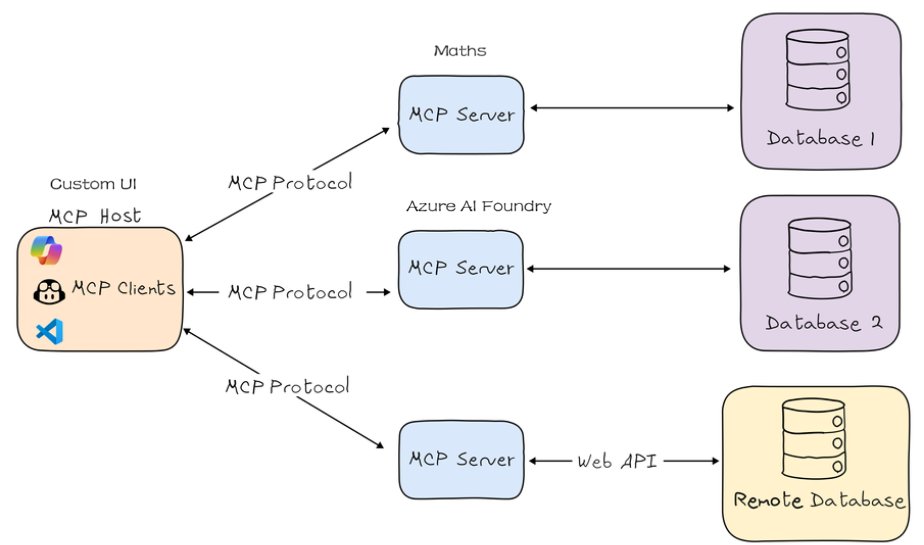
Explore how to build scalable multi-server MCP architectures with Azure OpenAI and Langchain, and see how Prompt Shields enhance AI security against prompt injection attacks. Learn how combining AI models can boost performance across industries, how to maximize ROI with flexible OpenAI pricing tiers, and how Azure Foundry powers fully autonomous agentic workflows with minimal effort. Dive into the latest innovations here! ✅ Building Multi Server MCP with Azure OpenAI A starter template shows how to build a scalable, agent-oriented AI platform that uses Langchain’s MultiServerMCP library, FastAPI, and Azure OpenAI to orchestrate multiple MCP tool servers for seamless, interoperable tool discovery and execution. techcommunity.microsoft.com/blog/azure-ai-… ✅ Enhance AI security with Azure Prompt Shields and Azure AI Content Safety Azure AI Content Safety’s Prompt Shields defends against both direct and indirect prompt injection attacks in real time using contextual analysis and advanced filtering, helping organizations like AXA and Wrtn secure generative AI applications while maintaining performance, compliance, and user trust. azure.microsoft.com/blog/enhance-a… ✅ Boost processing performance by combining AI models Combining multiple AI models—such as task-specific small models with large general-purpose models—enables organizations to optimize performance, accuracy, and cost across diverse use cases like expert routing, hybrid online/offline operations, and specialized workflows in industries like healthcare, finance, and automotive. azure.microsoft.com/blog/boost-pro… ✅ Maximize your ROI for Azure OpenAI Azure OpenAI offers flexible pricing (Standard, Batch, Provisioned) and deployment options (Global, Regional, Data Zones) tailored to diverse business needs, helping teams scale AI efficiently with built-in tools for performance, cost control, and enterprise-grade compliance. azure.microsoft.com/blog/maximize-… ✅ AI Automation in Azure Foundry Azure AI Foundry enables fully autonomous agentic AI applications by combining turnkey MCP integration, specialized models like Computer Use Agents and GPT-4o, and browser automation tools, exemplified by a fashion trends compiler that autonomously navigates, analyzes, and stores insights with minimal developer effort. techcommunity.microsoft.com/blog/azure-ai-… #AzureTips #MCP #AI #Azure
Jiadong Chen ☁️ tweet media
English
0
0
5
370
Jiadong Chen ☁️
Jiadong Chen ☁️@chen_jd·
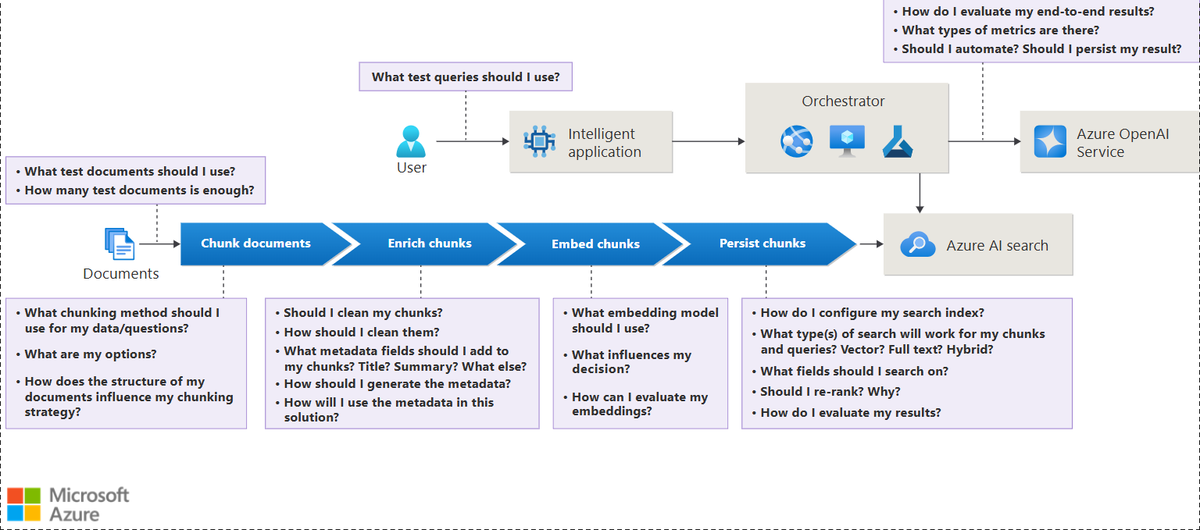
Explore a structured guide for designing robust RAG architectures and learn how to scale RAG pipelines using NVIDIA’s AI Blueprint. See how Semantic Kernel enables powerful NL2SQL multi-agent systems to make structured data accessible through natural language, and streamline communication workflows with intelligent email automation using Azure AI Agent Service. Dive into the updates here! ✅ Design and develop a RAG solution The guide outlines a structured approach to building RAG solutions, emphasizing evaluation and design across phases such as data preparation, chunking, enrichment, embedding, search, and language model evaluation to ensure relevance and performance in applications using proprietary data. learn.microsoft.com/en-us/azure/ar… ✅ Building an Enterprise RAG Pipeline in Azure The post outlines how to build and scale enterprise-grade RAG pipelines using NVIDIA's AI Blueprint, Azure infrastructure, and Azure NetApp Files to achieve high performance, scalability, and compliance for diverse enterprise applications across industries. techcommunity.microsoft.com/blog/azurearch… ✅ Building Intelligent Data Agents Microsoft’s Semantic Kernel enables sophisticated Natural Language to SQL (NL2SQL) solutions by orchestrating specialized agents—each handling tasks like SQL generation, execution, summarization, and review—through a modular plugin-based architecture, showcasing how natural language can drive complex, accurate data interactions. techcommunity.microsoft.com/blog/aiplatfor… ✅ Natural Language to SQL Semantic Kernel Multi-Agent System Using Microsoft’s Semantic Kernel framework, a multi-agent system can enable natural language querying of a PostgreSQL database and visualize results by orchestrating specialized agents—one for schema-aware SQL generation and another for data visualization—enhancing accessibility and insight from structured data. techcommunity.microsoft.com/blog/azurearch… ✅ Intelligent Email Automation with Azure AI Agent Service By combining Azure AI Agent Services with Azure Communication Services, developers can build conversational agents that send dynamic, user-driven emails through natural language input, streamlining communication workflows with enterprise-grade security and observability. techcommunity.microsoft.com/blog/azure-ai-…
Jiadong Chen ☁️ tweet media
English
0
0
3
413
Jiadong Chen ☁️
Jiadong Chen ☁️@chen_jd·
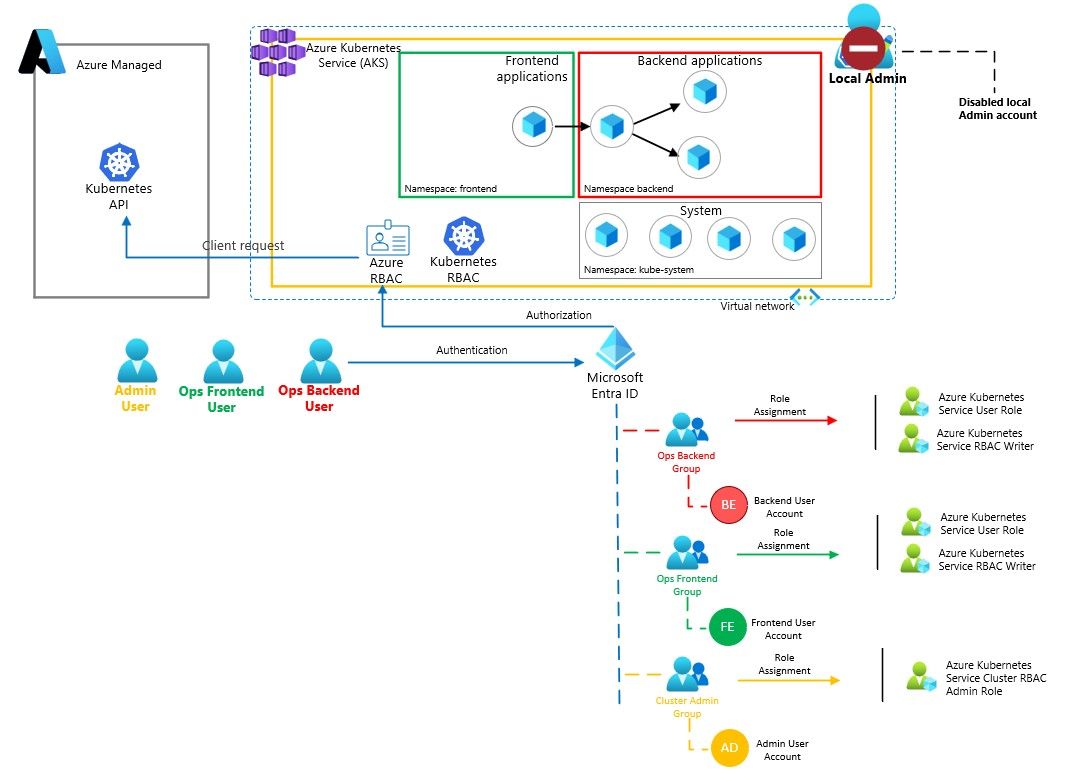
From major Azure Functions upgrades in Build 2025 to hands-on AKS access control and building your first voice agent with Voice Live API—this week’s updates are packed with innovation. Learn how Azure AI Foundry ensures secure, enterprise-ready agent deployment, and explore how Azure AI Search now streamlines data ingestion for GenAI apps with new no-code and enrichment tools. Dive in here! ✅ Azure Functions – Build 2025 Azure Functions has introduced extensive updates for 2025, including enhanced AI integration with the AI Foundry Agent service, broader Flex Consumption support with availability zones and new instance sizes, improved language support, advanced bindings and triggers (e.g., for Azure SQL and OpenAI), streamlined container deployment via Azure Container Apps, and new Durable Functions capabilities for building secure, scalable, event-driven applications. techcommunity.microsoft.com/blog/appsonazu… ✅ Azure Kubernetes Service Baseline The tutorial outlines a comprehensive, hands-on approach to integrating Microsoft Entra ID with AKS for implementing least privilege access by creating role-based groups for admin, frontend, and backend teams, assigning scoped permissions using Azure CLI, and validating access through a secure, role-specific login process. techcommunity.microsoft.com/blog/appsonazu… ✅ Build your first voice agent with Voice Live API The Voice Live API simplifies building real-time, low-latency voice bots by unifying transcription, language processing, and speech synthesis into a single WebSocket-based API, enabling developers to create natural, responsive speech-to-speech interactions with support for function calls, multimodal outputs, and advanced session and audio management. techcommunity.microsoft.com/blog/azure-ai-… ✅ Securely Build and Manage Agents in Azure AI Foundry Azure AI Foundry Agent Service emphasizes enterprise-grade trust by integrating robust identity, security, and governance features—including BYO storage, Entra Agent ID, network isolation, agent observability tools, and built-in safety mechanisms—to ensure secure, compliant, and scalable deployment of intelligent agents across diverse business environments. techcommunity.microsoft.com/blog/aiplatfor… ✅ Ways to simplify your data ingestion pipeline with Azure AI Search Azure AI Search now features a GenAI Prompt Skill for content enrichment using chat-completion models and a no-code Logic Apps ingestion wizard for creating RAG-ready indexes, significantly accelerating multimodal data ingestion and enrichment through advanced transformations like summarization, image verbalization, and classification. techcommunity.microsoft.com/blog/azure-ai-… #Azure #AzureTips #AI
Jiadong Chen ☁️ tweet media
English
0
1
9
551
Jiadong Chen ☁️
Jiadong Chen ☁️@chen_jd·
From improving incident response with autonomous agents to launching agentic retrieval for smarter search. Dive into how multi-agent systems streamline enterprise workflows, explore GraphRAG for knowledge graph-powered RAG, and take a behind-the-scenes look at where LLMs like GPT-4 physically store all that intelligence. Check out these updates! ✅ Autonomous Agents for Identifying the Root Cause of Cloud Service Incidents Microsoft is streamlining incident response by using AI agents in Azure AI Foundry to enhance TSGs, automate workflows, and surface insights, reducing resolution times and improving on-call efficiency. techcommunity.microsoft.com/blog/aiplatfor… ✅ Introducing agentic retrieval in Azure AI Search Agentic retrieval in Azure AI Search, now in public preview, uses multiturn query planning with Azure OpenAI models to break down complex queries into subqueries, run hybrid keyword and vector searches, and rerank results—boosting answer relevance by up to 40% compared to traditional RAG. techcommunity.microsoft.com/blog/azure-ai-… ✅ Where Does an LLM Keep All That Knowledge? A Peek into the Physical Side of AI LLMs like GPT-4 store their knowledge in billions of numerical parameters—each a floating-point number representing learned patterns—encoded as binary data and physically stored using electric charges or magnetic states across modern hardware like GPUs, SSDs, and RAM. techcommunity.microsoft.com/blog/machinele… ✅ Building a Digital Workforce with Multi-Agents in Azure AI Foundry Agent Service Azure AI Foundry Agent Service introduces multi-agent capabilities—including Connected Agents, Multi-Agent Workflows, MCP and A2A support, and an Agent Catalog—enabling scalable, collaborative, and interoperable AI systems that streamline complex enterprise processes through modular, specialized agent orchestration. techcommunity.microsoft.com/blog/azure-ai-… ✅ Your First GraphRAG Demo GraphRAG integrates knowledge graphs with retrieval-augmented generation to enhance context-rich, relationship-aware answers, particularly excelling in large-scale, high-accuracy scenarios like research assistance where comprehensive retrieval from extensive data is critical. techcommunity.microsoft.com/blog/aiplatfor…
Jiadong Chen ☁️ tweet media
English
0
2
10
588