Charmaine Cunningham

2.9K posts

Charmaine Cunningham banner
Charmaine Cunningham

Charmaine Cunningham

@cunningham_char

researcher, educator, facilitator. Interested in sensemaking, complexity, cross-silo collaboration in healthcare and beyond.

Cape Town Beigetreten Şubat 2014
930 Folgt695 Follower
Charmaine Cunningham retweetet

Helen Bevan
Helen Bevan@HelenBevan·
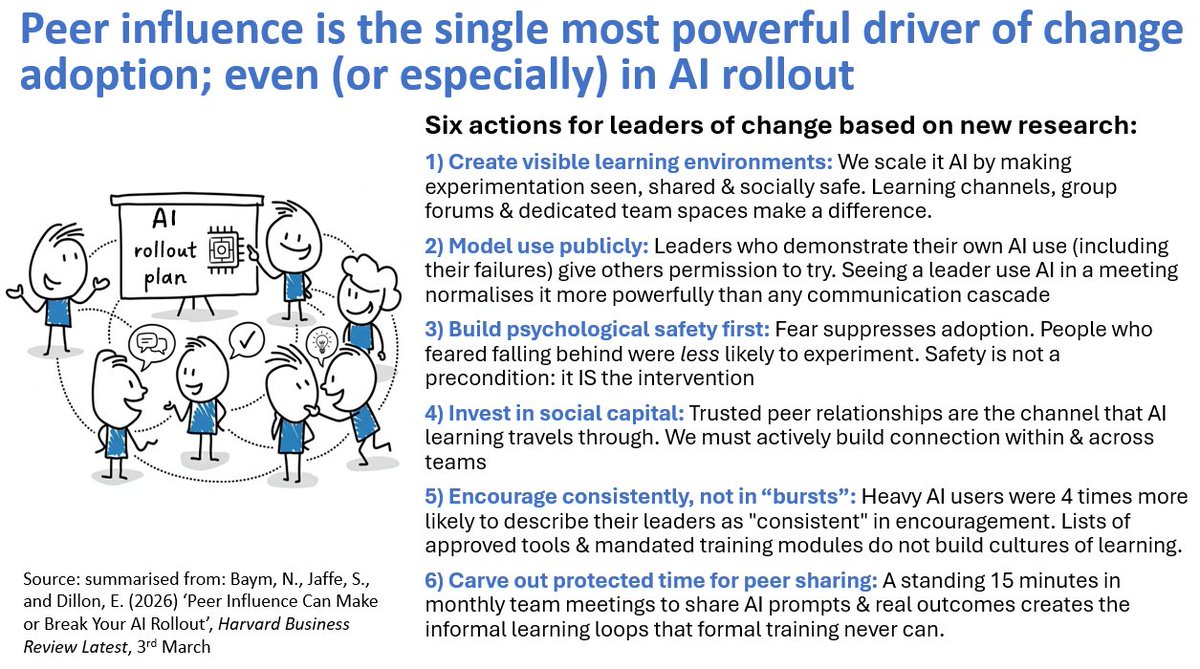
Peer influence is the single most powerful driver of change adoption. It’s something those of us working in change practice have long known: the trusted colleague who says "this worked for us"; the visible shift in practice from someone others respect; the informal chat that carries more weight than the top-down directive. Peer influence is change experienced through relationships, not instruction. And guess what? New research from @Microsoft (Nancy Bahm & colleagues) confirms that peer influence is also the most important enabling factor in AI rollout. AI adoption is stalling. Uncertainty makes people choose caution over experimentation, so learning goes underground. When they see trusted colleagues use AI, adapt it to real work & share learning, they’re far more likely to regularly use it themselves. Without social proof, even the best infrastructure & training can’t drive progress. The research data shows the importance of peer influence in AI rollout. A one standard deviation increase in positive peer influence raises the likelihood of being a heavy AI user by 8.9 % points, & increases the probability of using AI agents by 10.4 points. Leadership mandates have no direct effect on usage once peer influence is accounted for. The conditions for change are clearer than ever. Culture, psychological safety & trusting relationships aren't "soft" enablers - they’re the powerful mechanisms through which change spreads. In their absence, even the best technology investments fail to scale. Six actions for leaders of change: 1. Create visible learning environments: We can’t scale AI by urging adoption. We scale it by making experimentation seen, shared & socially safe. Learning channels, group forums & dedicated team spaces can make a big difference. 2. Model use publicly: Leaders who demonstrate their own AI use (including their failures) give others permission to try. Seeing a leader use AI in a meeting normalises it more powerfully than any communication cascade. 3. Build psychological safety first: Fear suppresses adoption. People who feared falling behind were less likely to experiment. Safety is not a precondition: it IS the intervention. 4. Invest in social capital: Trusted peer relationships are the channels that AI learning travels through. We must actively build connection within & across teams. 5. Encourage consistently, not in “bursts”. Heavy AI users were 4 times more likely to describe their leaders as "consistent" in encouragement. Lists of approved tools & mandated training modules do not build cultures of learning. 6. Carve out protected time for peer sharing: A standing 15 minutes in monthly team meetings to share AI prompts & real outcomes creates the informal learning loops that formal training never can. The research confirms what change practice has long taught us: people change through their relationships, not through policy. AI rollout is just the latest, most visible proof. hbr.org/2026/03/peer-i…
Helen Bevan tweet media
English
2
46
151
8.6K
Charmaine Cunningham retweetet
James Clear
James Clear@JamesClear·
Many situations in life are similar to going on a hike: the view changes once you start walking. You don't need all the answers right now. New paths will reveal themselves if you have the courage to get started.
English
0
522
3.6K
88K
Charmaine Cunningham retweetet
Helen Bevan
Helen Bevan@HelenBevan·
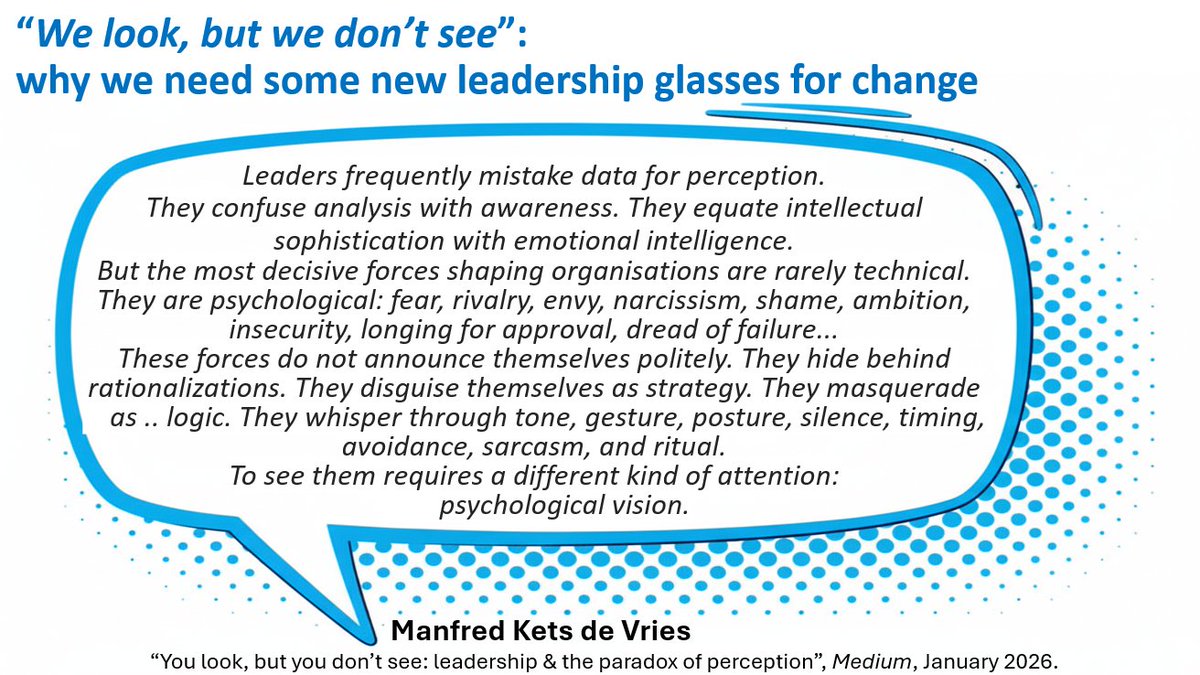
Most change initiatives don’t fail in the plan - they fail in what leaders don’t notice. I want to reflect on a new Manfred Kets de Vries article: “You look, but you don’t see: leadership & the paradox of perception,” for leaders of change. It reinforces that change initiatives are rarely governed by the “visible layer” (methods, metrics, milestones, RAG, governance, etc). These may appear “under control” while the most decisive forces remain under the surface: anxiety, fear, grief, resentment, rivalry, shame. What is labelled “resistance” may be self-protection; “alignment” may be passive compliance; “clarity” may be premature closure. Leading change is not only about implementing the plan but reading the emotional system the plan is landing in. The article’s core idea is that “seeing” is an active leadership discipline, needing patience & humility. Change is less likely to be derailed by technical error than by psychological blindness: familiarity is mistaken for understanding, data for perception & analysis for awareness. Curiosity must override certainty. Certainty is seductive, signalling competence, control & momentum. It also shuts down sense-making, especially if people are anxious. Curiosity keeps leaders open to contradiction & surprise. It reframes “what’s going wrong?” into “what’s being protected here?” & slows premature action. We should use ourselves as instruments of "seeing": noticing what others evoke in us & treating it as data rather than noise. Feeling bored, confused, irritated or anxious in a meeting can be data about what’s happening relationally (avoidance, unspoken conflict, dependency, power etc). How can leaders of change put on leadership glasses & see more clearly? 1) Build regular reflection time into change efforts (e.g., before key decisions & after difficult meetings) so we can notice patterns rather than just react. 2) Ask, “What emotion is driving this?” & “What might people be protecting?” to look beyond stated positions. 3) Use our own reactions as data: treat our feelings as signals to explore what’s happening in the relationship or group before pushing ahead. 4) Replace certainty with curiosity by framing early conclusions as “working theories,” then test them with questions like “What doesn’t fit?” & “What else could be true?” 5) Practise humility out loud: admit what we don’t know yet, invite challenge & revise our view openly so the system learns that learning is safe during change. Too often, we look but we don’t see. “Seeing” means practising an enhanced kind of leadership: paying attention to human dynamics beneath surface data; making space for what doesn’t fit; holding tensions, contradictions & uncertainties & staying open to the unexpected. What becomes visible to those who practise “seeing” often determines whether change becomes movement rather than just motion. The article in @Medium: @manfred.ketsdevries_62226/you-look-but-you-dont-see-leadership-and-the-paradox-of-perception-6d36b64966ba" target="_blank" rel="nofollow noopener">medium.com/@manfred.ketsd….
Helen Bevan tweet media
English
4
35
94
7.2K
Charmaine Cunningham retweetet
Harvard Business Review
Harvard Business Review@HarvardBiz·
After analyzing 20 years of data, McKinsey discovered their hiring process favored “perfect” resumes over what really predicts success: resilience, real-world experience, and the ability to learn. Listen to the full IdeaCast episode here: s.hbr.org/4bJGVO0
English
17
109
582
62.6K
Charmaine Cunningham retweetet
Henry Mintzberg
Henry Mintzberg@Mintzberg141·
We are obsessed with leadership, yet that is what has taken us into the current crisis, and seems incapable of getting us out of it. What if we entertain the unspeakable thought that leadership is the problem more than the solution? mintzberg.org/blog/surviving…
English
0
1
3
190
Charmaine Cunningham retweetet
Adam Grant
Adam Grant@AdamMGrant·
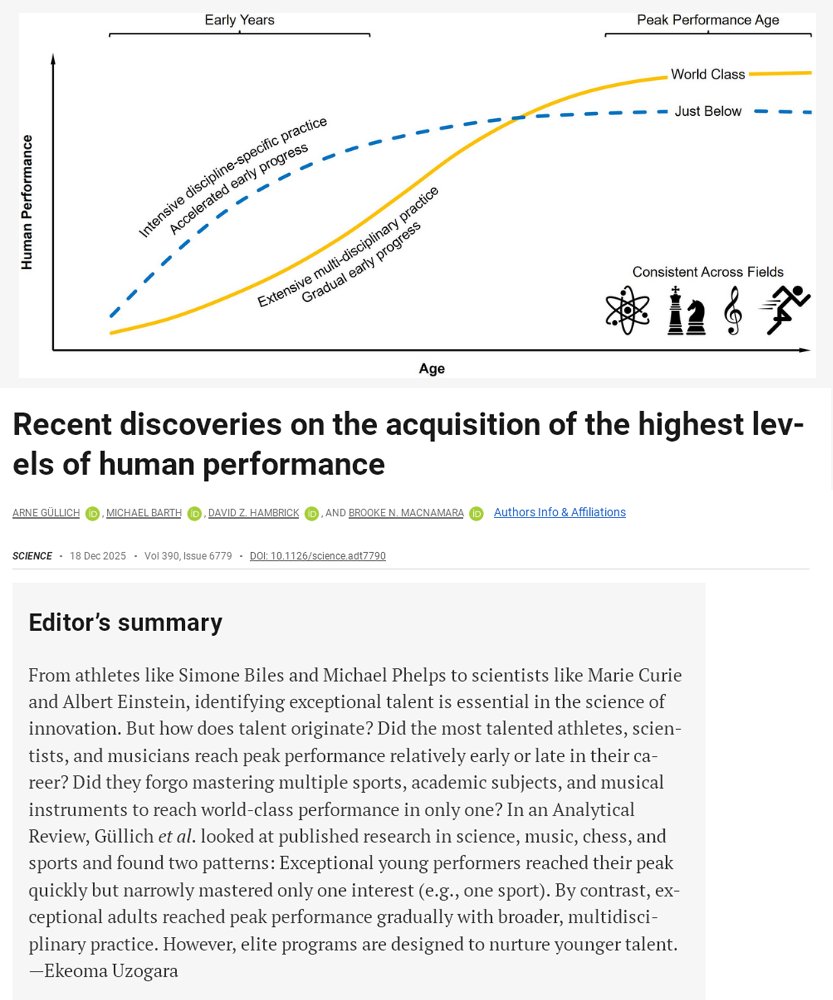
Early specialization is overrated. Generalists excel over time. Data on >34k stars in sports, music, science, and chess: Focusing on a single field predicts a faster rise, but cross-training foreshadows a higher peak. The most successful adults start off as well-rounded kids.
Adam Grant tweet media
English
170
1.2K
4.6K
1.4M
Charmaine Cunningham retweetet
Helen Bevan
Helen Bevan@HelenBevan·
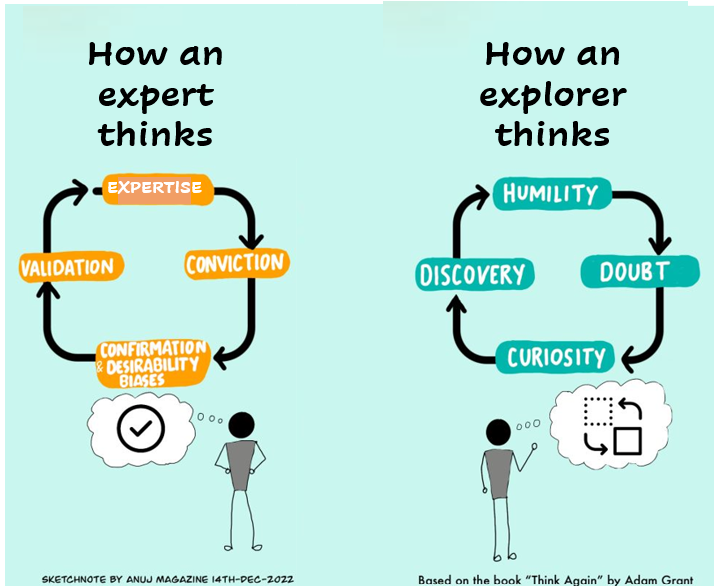
“Experts” & “expertise” can be very dangerous to change interventions. In leading change, it’s better to think like an explorer than an expert. See the graphic below. An “expert” way of thinking can become a loop where knowing a lot turns into strong certainty. That leads us to mainly look for information that backs up what we already know, which then makes us feel confirmed. Experts can become oriented toward being right & getting affirmed, which can make their thinking narrower & more self-sealing over time. An “explorer” way of thinking is a loop focused on learning. It starts with being humble enough to admit we might not have the full picture, then asking questions, staying curious & trying to find out more - so new information keeps shaping our views & change practice over time. One of the greatest dangers in change experts (especially prevalent in external change experts coming into an organisation) is bias. Common biases are: - Confirmation bias: we search for information/evidence that supports what we already think & overlook anything that contradicts this. - “Solutioneering”: We jump quickly to a preferred intervention (new structure, operating model, digital tool etc) before fully understanding the local context & constraints. - ​Authority bias: we can give extra weight to the opinion of the most senior person (or the loudest “expert”) & discount what others (especially people closer to the work) are seeing or can contribute. - Overconfidence effect: we can be too sure we’ve got this under control, so we plan as if the future is predictable & leave too little room for learning & adaptation. - One-size-fits-all / template bias: we over-apply what worked elsewhere (reusing change models, templates & assumptions) even when culture, incentives, capability or demand patterns differ. - Case-study trap: We lean too heavily on successful past engagements & familiar sectors (“this looks just like Y”) & under-sample what is unique about this organisation. In a relatively stable world, expert-led change can deliver results. But as AI accelerates the pace of disruption, the edge shifts from having the answers to staying open to better ones. The most effective change leaders will be those who keep their curiosity switched on, run experiments, learn quickly & humbly adapt when the evidence changes. In other words, the future belongs to explorers - because in an AI-shaped world, agility is likely to beat expert ability when it comes to change. For experts/explorers see Joey Davis: joeydavis.me/posts/unlockin… For more on biases, see the review by @grahamkmann of the work of Rolf Dobelli: grahammann.net/book-notes/the… Graphic adapted from one by @anujmagazine.
Helen Bevan tweet media
English
9
77
177
14.4K
Charmaine Cunningham
Charmaine Cunningham@cunningham_char·
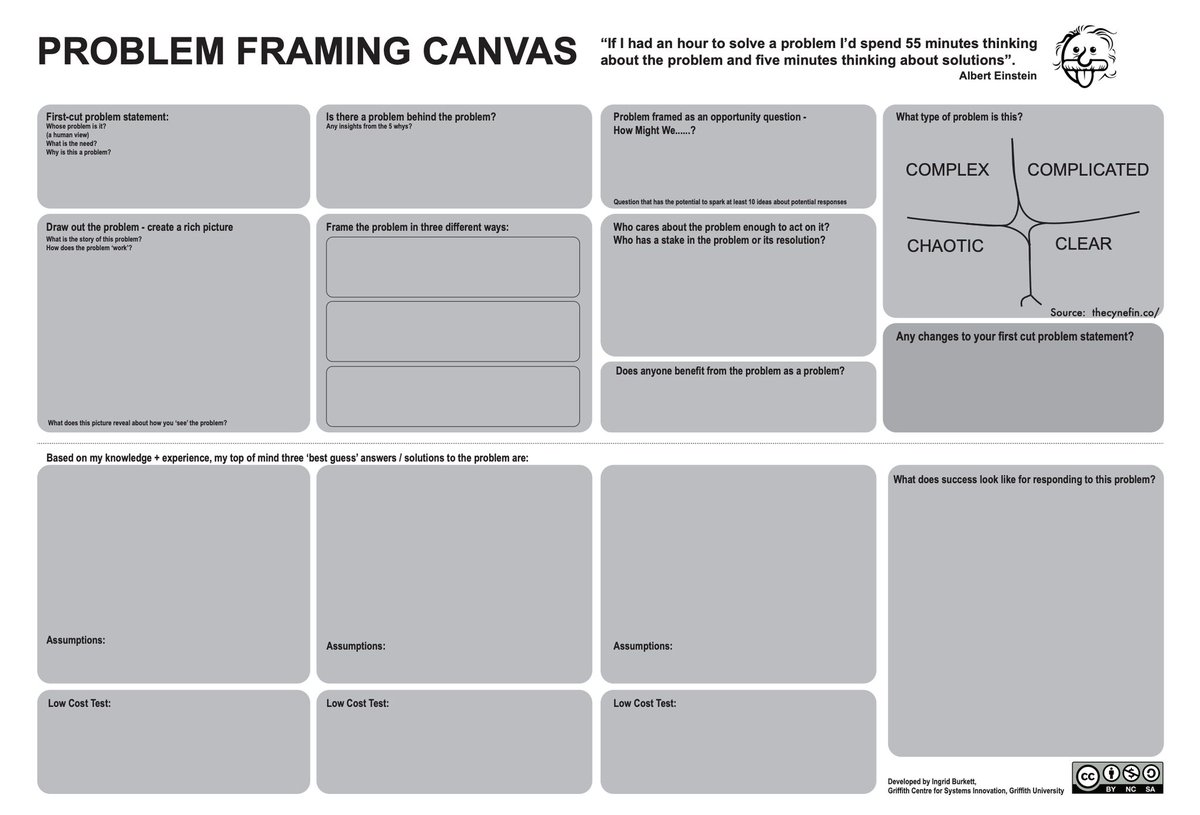
@TheCynefinCo I’ve used it for a leadership course I teach, and I think it works incredibly well to help people grasp and explore the problem.
English
0
0
0
22
The Cynefin Company
The Cynefin Company@TheCynefinCo·
Before we solve problems, we need to understand what kind of problem we’re dealing with. This Problem Framing Canvas was shared by Griffith University and Ingrid Burkett almost 2 years back. Have you ever used it? 👉 We’d love to hear your thoughts, how might you use it, and what reflections do you have on framing and reframing problems? #LeadershipMatters #Strategy #DecisionMaking
The Cynefin Company tweet media
English
1
0
5
222
Charmaine Cunningham retweetet
James Clear
James Clear@JamesClear·
Many situations in life are similar to going on a hike: the view changes once you start walking. You don't need all the answers right now. New paths will reveal themselves if you have the courage to get started.
English
1
571
3.7K
111.7K
Charmaine Cunningham retweetet
Helen Bevan
Helen Bevan@HelenBevan·
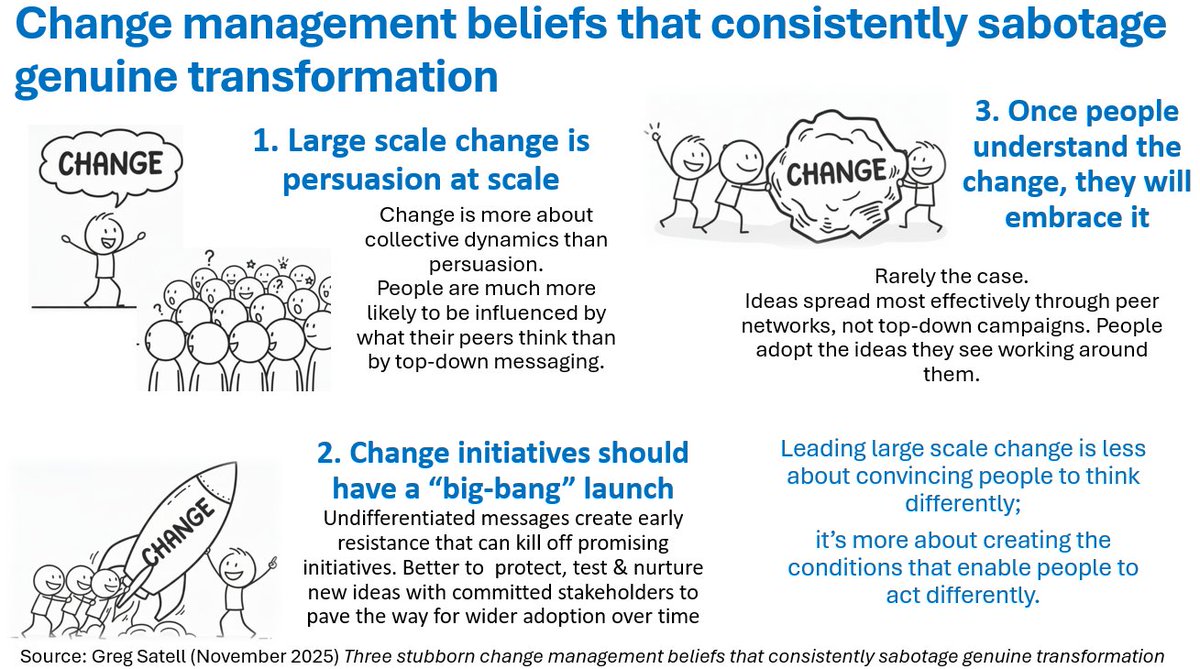
Our beliefs & assumptions about change are often the biggest barrier to leading & enabling effective change. @DigitalTonto describes “change management beliefs that consistently sabotage genuine transformation”. The first such belief is that large scale change is persuasion at scale; the idea that we can change opinion across an organisation by communicating a compelling case. However, change is much more about collective dynamics than about persuasion. People are more likely to be influenced by what their peers think than by top-down messaging. If we want change to spread, we need to help activate peer networks. The second belief is that a large scale change initiative should have a “big bang” launch. The aim is to create widespread awareness that the change is happening & drive the message home. The problem is that undifferentiated messages create early resistance that can kill off promising initiatives. Much better to protect, test & nurture new ideas with committed stakeholders to pave the way for wider adoption over time, rather than trying to convince everyone at once. The third belief is that once people understand the change, they will embrace it. The issue is that people are typically navigating many competing influences—prior beliefs, habits, social pressures & noise from many directions. That’s why ideas spread most effectively through peer networks, not top-down campaigns. People adopt the ideas they see working around them. What might work better? 1. Deliberately starting where there’s already energy & enthusiasm & building out from a local majority (eg., three allies in a room of five) instead of trying to convert everyone first 2. Intentionally working through & connecting peer networks so people are influencing “others like us”, rather than relying on one-to-many broadcasts 3. Creating early proof through local majorities that “people like us are already doing this,” tapping into social proof rather than abstract persuasion techniques. 4. Expecting that some people will resist change & take steps to work with it, rather than assuming that better messaging will win “resistors” over 5. Focusing less on increasing information and more on enabling people to see others like them succeeding with the new behaviours, so they can appropriate and adapt the change as their own. Leading large scale change is less about convincing people to think differently; it’s more about creating the conditions that enable people to act differently. #more-35378" target="_blank" rel="nofollow noopener">digitaltonto.com/2025/3-stubbor…
Helen Bevan tweet media
English
2
36
133
8.1K
Charmaine Cunningham retweetet
Adam Grant
Adam Grant@AdamMGrant·
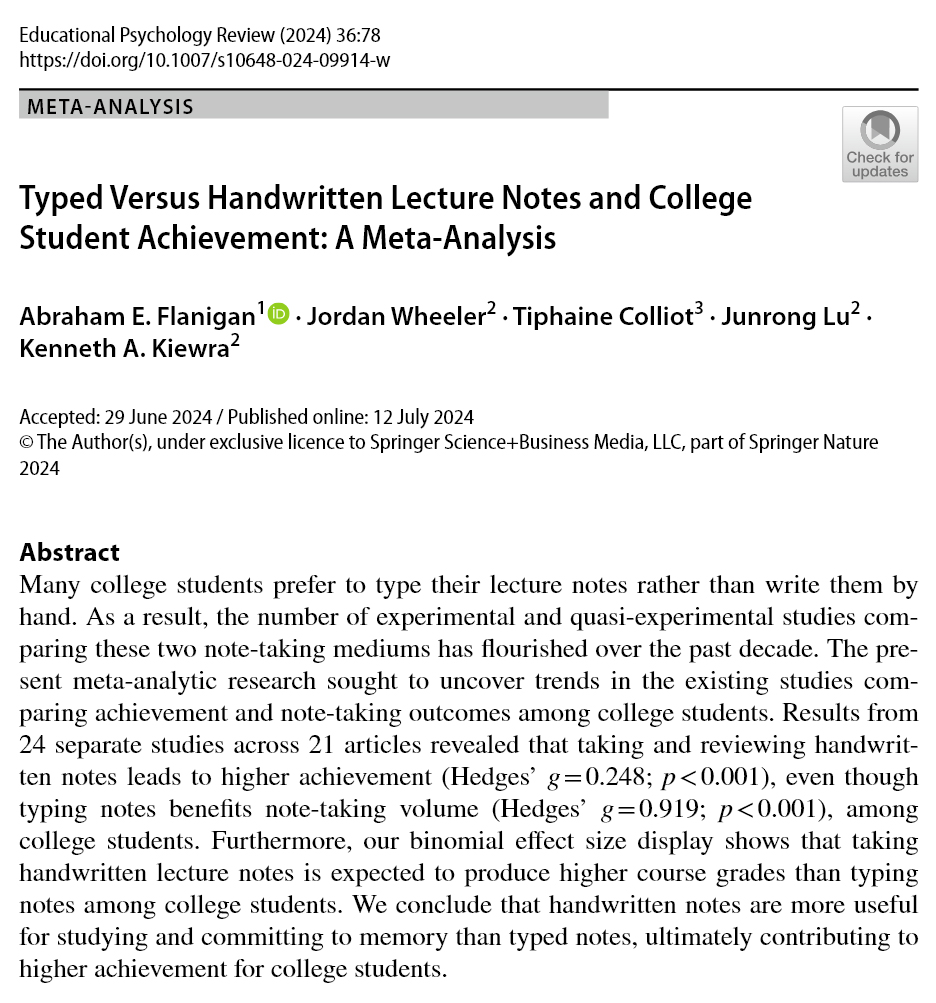
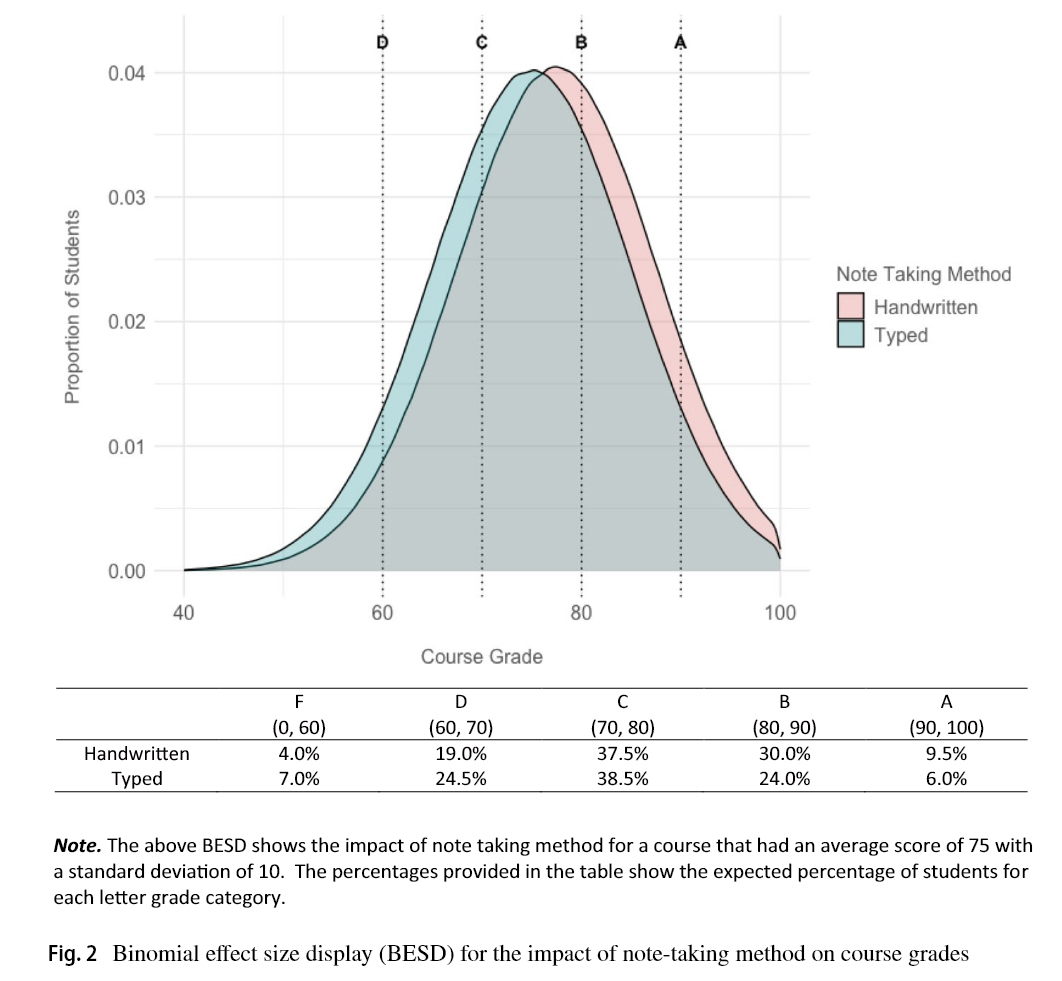
It's time to remove laptops from classrooms. 24 experiments: Students learn more and get better grades after taking notes by hand than typing. It's not just because they're less distracted—writing enables deeper processing and more images. The pen is mightier than the keyboard.
Adam Grant tweet mediaAdam Grant tweet media
English
742
6.8K
26.5K
3.7M
Charmaine Cunningham retweetet
The Cynefin Company
The Cynefin Company@TheCynefinCo·
𝐇𝐨𝐰 𝐝𝐨 𝐲𝐨𝐮 𝐬𝐞𝐭 𝐬𝐭𝐫𝐚𝐭𝐞𝐠𝐲 𝐰𝐡𝐞𝐧 𝐞𝐯𝐞𝐫𝐲𝐭𝐡𝐢𝐧𝐠 𝐤𝐞𝐞𝐩𝐬 𝐜𝐡𝐚𝐧𝐠𝐢𝐧𝐠? MIT’s MicroMasters team didn’t chase a fixed roadmap. Instead, they used SenseMaker Platform to collect real stories and identify what's already moving and 𝐄𝐬𝐭𝐮𝐚𝐫𝐢𝐧𝐞 𝐌𝐚𝐩𝐩𝐢𝐧𝐠 to make the terrain of change visible. See how this played out in practice on Medium 👉 medium.com/topology-insig… 🌟 Learn more here about Estuarine Mapping Training 👉 thecynefin.co/product/estuar… #Strategy200M #Management #Strategy #Consulting
The Cynefin Company tweet media
English
0
2
2
185
Charmaine Cunningham retweetet
Tim Ferriss
Tim Ferriss@tferriss·
“The hardest thing to teach a student—and the hardest thing to believe consistently—is that there is nothing ‘out there’ to go and get. There is no part, no career, no opportunity for which you should be searching and scrounging and coveting. All of the preparation is within, and you keep yourself mentally and physically fit; you remain generous with yourself and others; you stay deeply in study about your craft. Whatever is yours will then arrive.”​ — Marian Seldes
English
95
470
3.2K
190.6K
Charmaine Cunningham retweetet
Helen Bevan
Helen Bevan@HelenBevan·
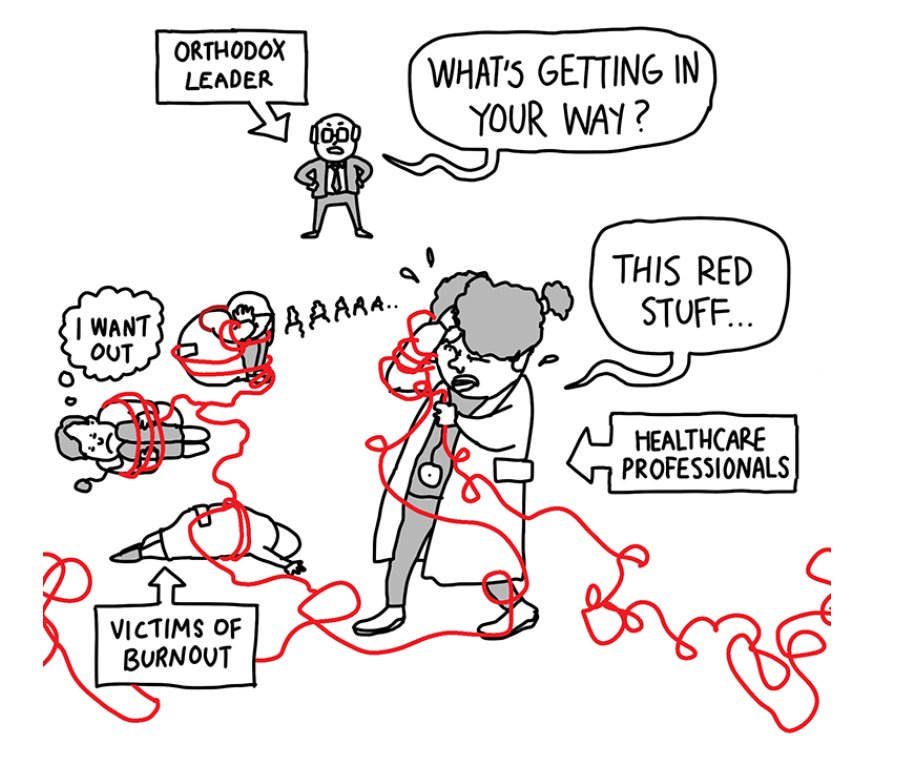
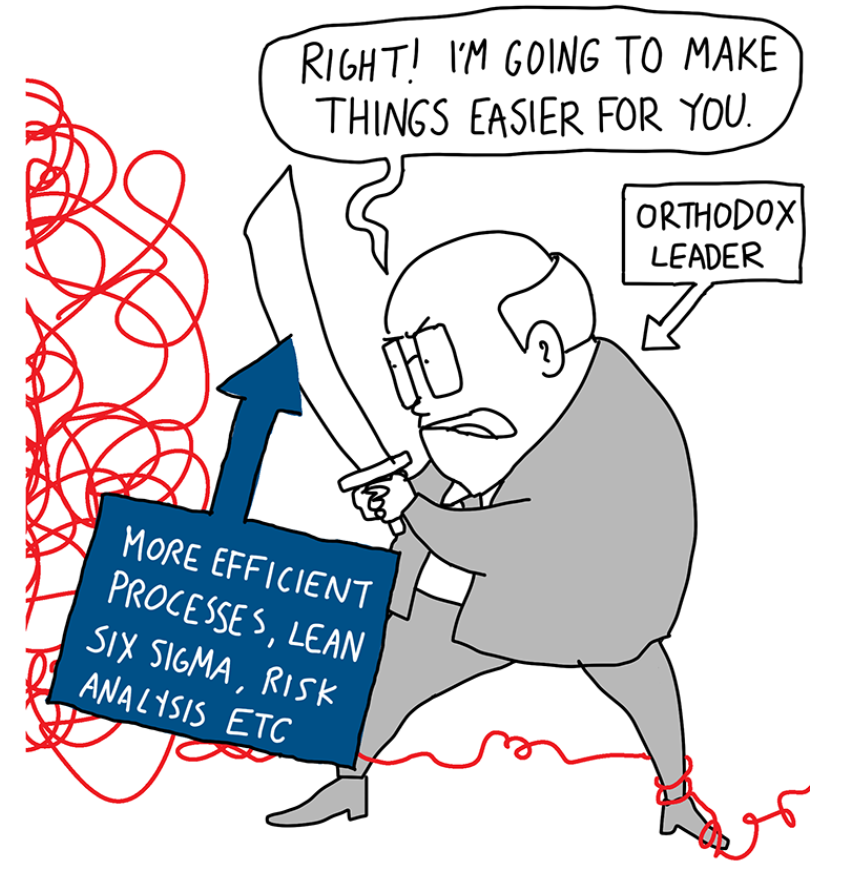
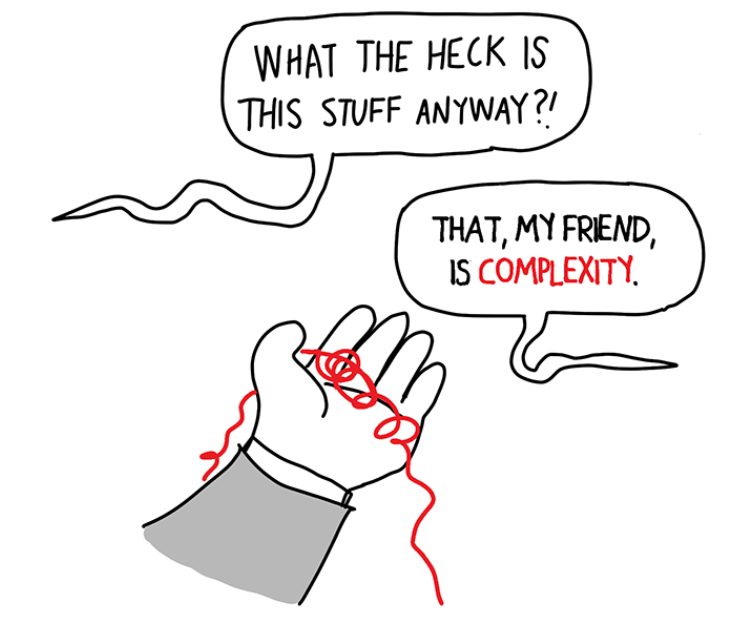
Would you like some brilliant graphics that show that -if we want radical change in health & care -we have to think differently? The business illustrator @voinonen has created a comic based on the book “Shifting Towards Unorthodoxy: Ten Unconventional Mindsets That Help Healthcare Leaders Succeed in a Complex World” by Michael Hein. The message of the book/comic is that transformative (“unorthodox”) leadership begins with how leaders think—not with processes or tools. The author outlines six ways of thinking that help leaders break free from “orthodoxy” & create the conditions where people & systems can deliver & thrive: 1)Complexity: Embrace variability & unpredictability, moving away from a “sciences of certainty” way of thinking. 2)Polarity: Recognise & navigate tensions, balancing competing values & goals. 3)Adaptability: Cultivate flexibility to adjust & evolve amid rapid change. 4)Uncertainty: Accept ambiguity as normal, making decisions even without all the answers. 5)Power: Reframe assumptions about authority, influence & decision-making in complex systems. 6)Change: View change as constant & integral, rather than a “one off” programme or initiative. The book is written for a US healthcare context but the advice is universal. I've chosen four of my favourite graphics for this post, but there are a total of forty illustrations in the comic: businessillustrator.com/shifting-towar…. Enjoy!
Helen Bevan tweet mediaHelen Bevan tweet mediaHelen Bevan tweet mediaHelen Bevan tweet media
English
1
20
58
4.9K
Charmaine Cunningham retweetet
Alex Hormozi
Alex Hormozi@AlexHormozi·
This always gets me: What are you so afraid of losing when nothing in this world belongs to you? -Marcus Aurelius
English
346
3K
21.6K
459.7K
Charmaine Cunningham retweetet
Chris Hattingh 🇿🇦🌐🚢🏭📈
"Wits Professor Alex van den Heever and I calculate that close to R20bn has been stolen from the Gauteng Department of Health in the last 10 years. The scale of this theft makes former President Jacob Zuma look like a clumsy shoplifter." dailymaverick.co.za/article/2025-0…
English
163
957
2.2K
98.5K
Charmaine Cunningham retweetet
Ryan Holiday
Ryan Holiday@RyanHoliday·
The secret to success in almost all fields is large, uninterrupted blocks of focused time.
English
147
619
5.2K
173.8K