
堕落したいマン
3.9K posts



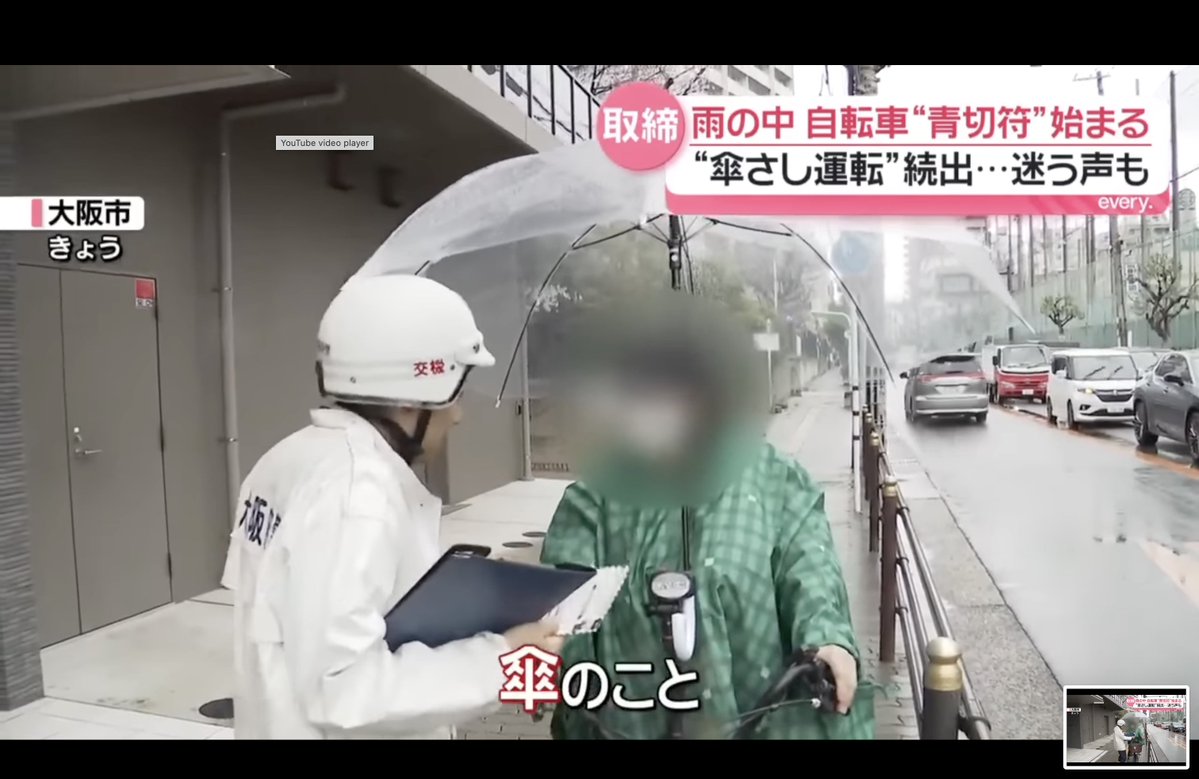




【実況見分】新名神・6人死亡事故、事故から2週間も未だ身元特定に至らず
news.livedoor.com/article/detail…
6人は全員、三重県外に住んでいたとみられ、遺体の損傷が激しく、現在も身元の特定には至っていないという。警察は追突した大型トラックの運転手を立ち会わせて、車両の実況見分を行っている。
日本語
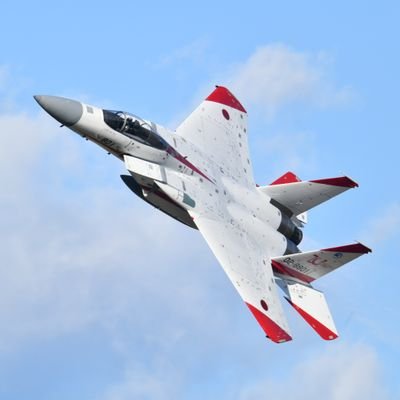



Si eres de hemisferio derecho ves un perro, si eres de hemisferio izquierdo ves un conejo,
¿Qué ves?

Español


Por eso Japón parece otro mundo...
Decenas de personas esperando… sin cruzar.
¿porque no cruzan la calle?
Español

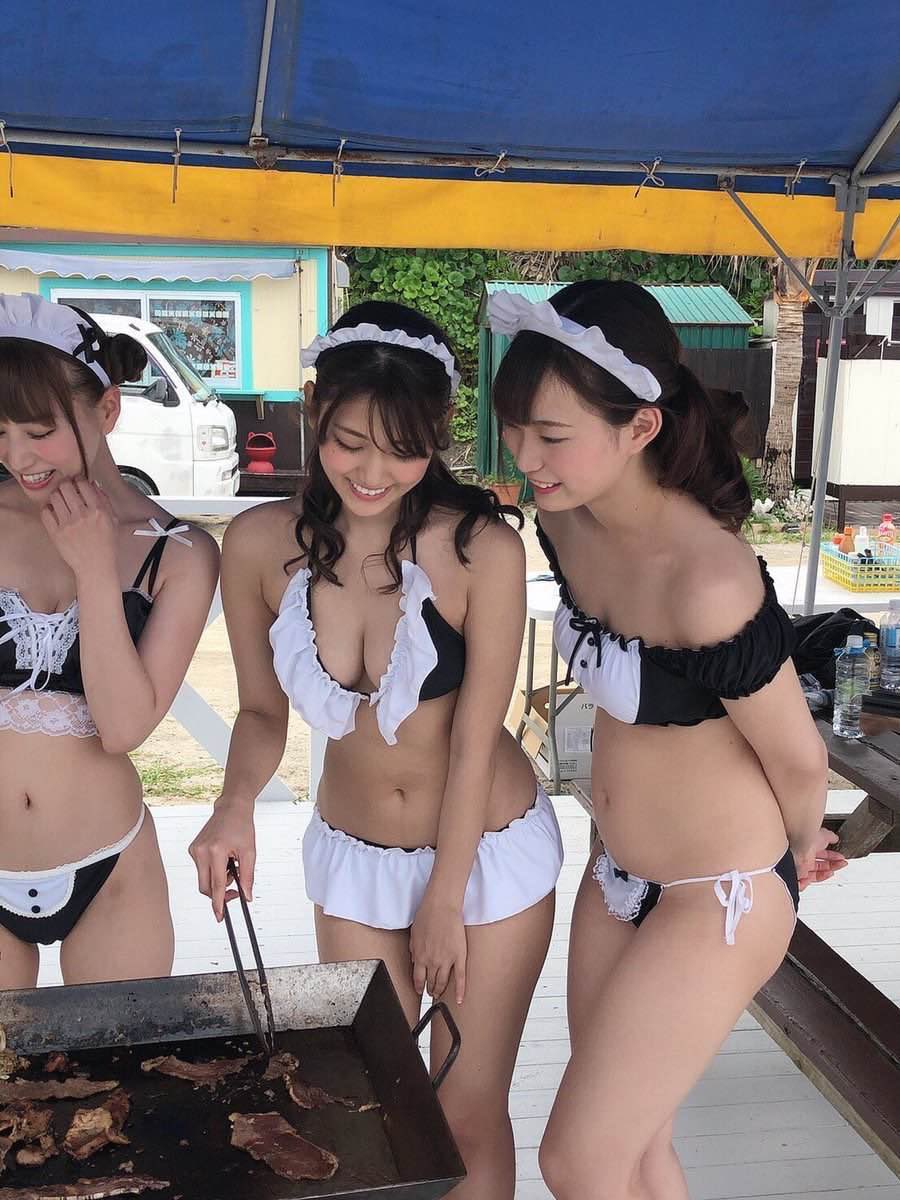


@HigurashiNapon 経営者は必要がないと思えば人員補充しないし必要なら雇う。何か起こればすぐ対処するので普通の会社なら考えが止まる「困っている」時間は無い。
すでに経営者は決断しているから困らないだけ。雇えるかどうかは別の話だし今どきの労働者は会社が困っているかどうかで会社を辞めるか迷ったりしない
日本語


In Japanese, there are 4 categories for word descriptions that we often refer to as "onomatopoeia." In English, we only use onomatopoeias to describe the sounds things make (living and nonliving). But in Japanese, there are also categories for what things feel or look like (both physically and psychologically).
Giseigo (擬声語) are sounds living things make (like "meo" in English or "nyaa"「 ニャー」in Japanese for a cat).
Giongo (擬音語) are sounds of objects (like "knock knock" in English or "tonton"「トントン」in Japanese for the sound of knocking on a door).
This is where our mutual understanding of the onomatopoeia ends. Next we have two categories in Japanese that don't (in theory) make any sound at all, but a sound/word is given to them to describe the concept. These are known as "mimetic words" or "ideophones."
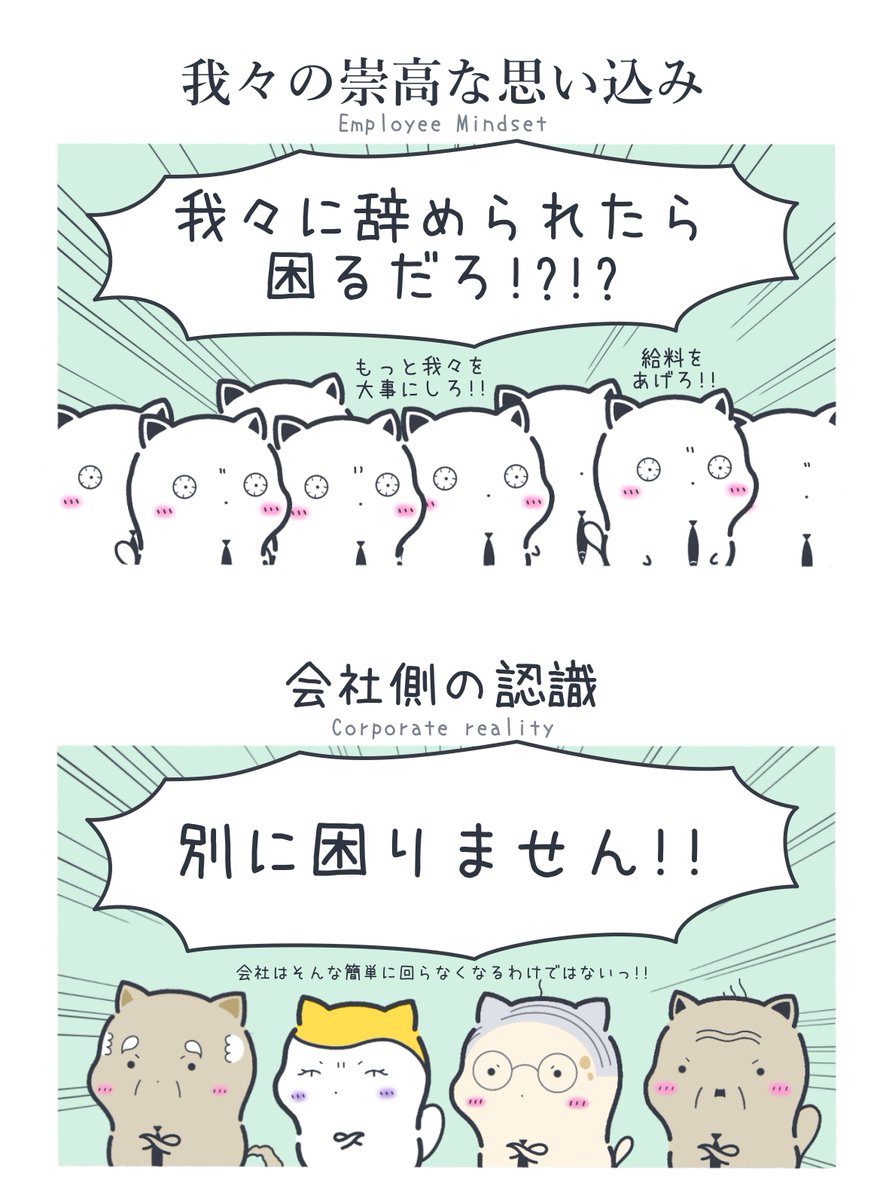
Gitaigo (擬態語) are actions, appearances, movement, texture, etc. This would include the word "boing boing" in English or "boin boin"「ボインボイン」in Japanese as it describes the bounce and movement of breasts. If you think about it, this is a rare case where we sort of do the same thing in English. Breasts don't actually make this sound, we just imagine they do based on the way they move/how they're shaped, etc. It is a sound/word given to something that does not in fact have a sound at all in order to describe the concept of the thing in question.
Gijōgo (擬情語) is for psychological states, emotions, etc. An example of this in Japanese would be "doki doki" 「ドキドキ」which is your heart beating rapidly from nervousness or excitement. We have the word "ba-dum ba-dum" in English for the sound of heartbeats. However, in English, how fast we say it or what tone we use when we say it determines the "feeling state" of that heartbeat. But in Japanese, the word already specifically implies and describes a particular feeling.
One of my favorite words in Japanese uses a combination of two of these concepts: Giseigo (擬声語) and Gitaigo (擬態語).
And, that word is "Pikachu."
First, "pika pika" 「ピカピカ」in Japanese is a sound/word that describes the action of "sparkling." Like, "sparkle sparkle." The closest thing we have to this in English is "bling bling."
Meanwhile, "chuu chuu" 「チューチュー」in Japanese is the sound a mouse makes. As I am sure you know, in English, this is "squeak squeak."
So, Pikachu is essentially a name that means...
✨bling ✨squeak🐭, lol.
M.takewaka@m_takewaka
んあ?まさか「ボインボイン」はアメリカでも通用するのか!?
English


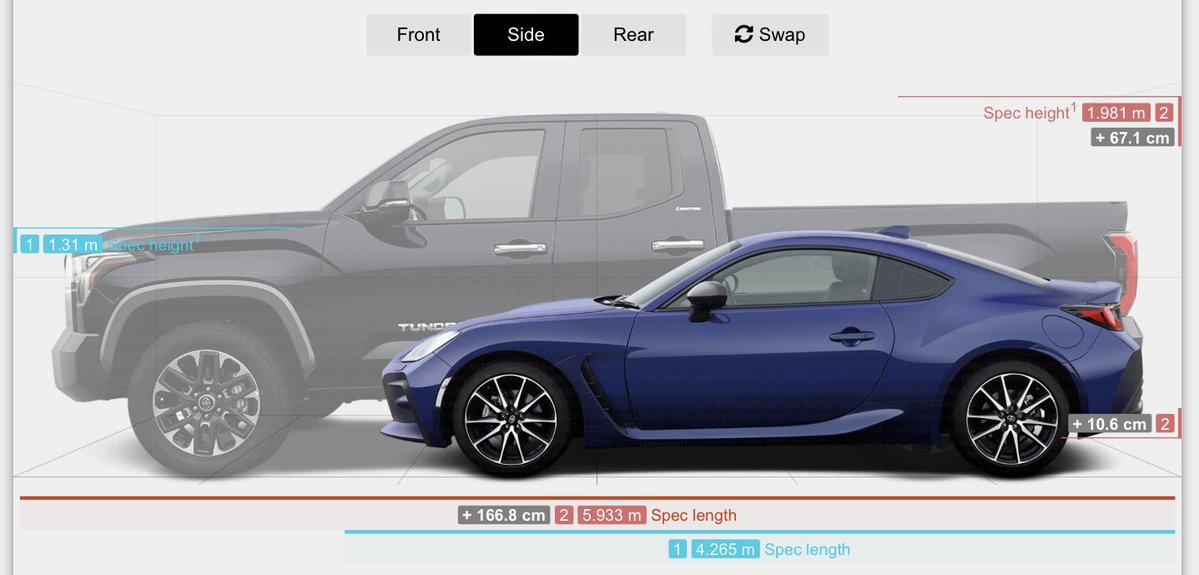
コンビニの駐車場に並んだら、これくらい飛び出るんだよね……
86のルーフよりタンドラのショルダーラインの方が高いw
act@zaylog
トヨタ、米国生産車を日本で発売 逆輸入、タンドラは1200万円(共同通信) news.yahoo.co.jp/articles/1f0b0…
日本語
@racingdoctor 距離感が掴めず広角で車間が広く感じるので「煽られても煽られてる気がしない」というメリットも。心の平穏は得られます
日本語

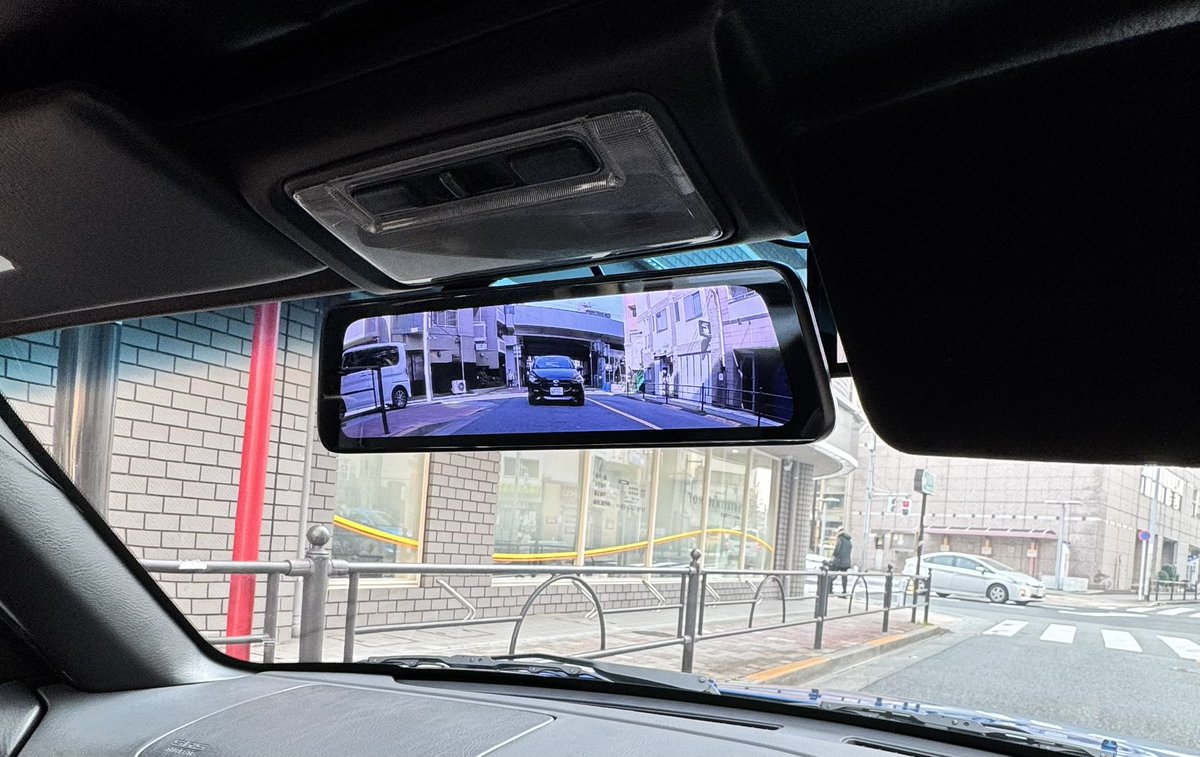
私が嫌いなもの『電子ミラー』
車が後ろにいるかいないかはわかる
大切なのは…
どのくらいの速度感で近づいているか?!
これがわからない。正確には一瞬で掴みにくい。中古車を買うと、大概これになってる。
日本語
