
Angehefteter Tweet
myšák
45.2K posts


myšák
@dwsing
Netoleruju blbce, pokrytce. Myslete si o mně co chcete. Klidně to nejhorší. Jsem toxickej. Lhostejnost je kolaborace. NostradaMaus. Kdysi fotograf. Žádné AI.
Vsedě, někdy vleže na břiše. Beigetreten Aralık 2015
49 Folgt193 Follower
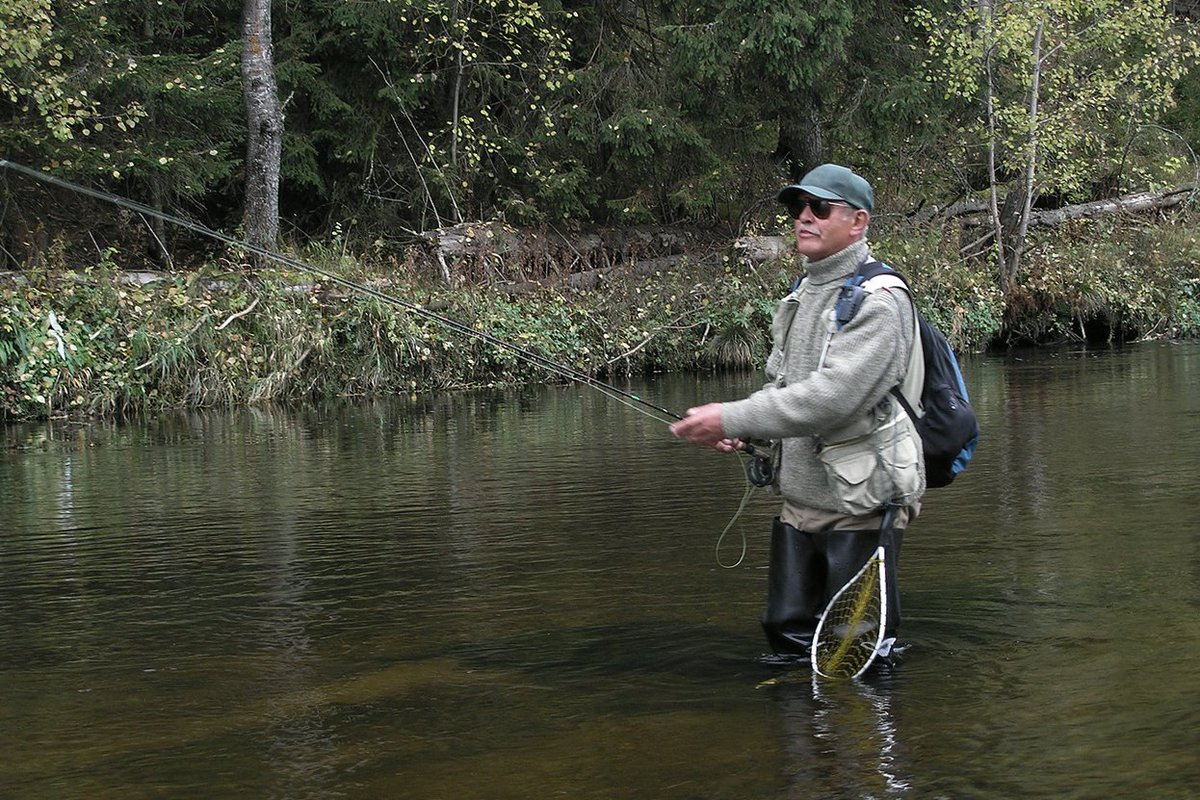
@vader254 Cíl je.
Zničit západní civilizaci rozvrácením všech morálních i právních norem, které tuto společnost udržovaly v alespoň minimálním právním rámci.
Zničit západní ekonomiku, protože ta se jen zbrojovkami neudrží.
Zničit všechny normy.
Odvěké heslo bolševismu:
Čím hůře,
tím lépe.
Čeština

Viděno punkem.
Poslední (po dlouhé době) úspěšné a opodstatněné válečné tažení USA byla operace Desert Storm 1991 proti Saddámově okupaci Kuvajtu.
Právní rámec byl garantován rezolucemi OSN č. 660, 661 a 678 (vypadněte z Kuvajtu).
USA stloukly širokou koalici 28 států včetně tehdejší čs. armády.
Vzorově velel US gen. Norman Schwarzkopf a jeho PR vstupy veřejnosti přesně ukazovaly co, kam, jak a proč.
Bylo to rychlé a spravedlivé vítězství.
Situace v Zálivu dnes?
Trumpovo ultimátum vyprší.
Írán se mu vysměje.
Planeta se zakymácí.
Není ani rezoluce OSN.
Ani široká koalice.
Ani plán.
Ani cíl.
Ani varianty ústupové trasy.
Ani ospravedlnitelná nutnost válčit.
Diplomacie je mrtvá.
Jediným beneficiárem je zatím Kreml a pokud to byl i s přispěním jelit Witkoffa a Kushnera jeho ďábelský plán, tak Bůh s námi.
Není ani gen. Schwarzkopf.
Místo něj tlačítka ovládá neovladatelný senilní absolvent Military Academy v New Yorku, který se sice pětkrát ulil z nasazení v poli, ale byl odhodlaným členem basketbalového teamu a premiantem v bowlingu.
Hormuz je past.
Válka je zlo.
A tato válka je řež zlých se špatnými, kterou neumíme zastavit.
To je zase jednou pondělí.
Ultimátní.
The End.
Čeština
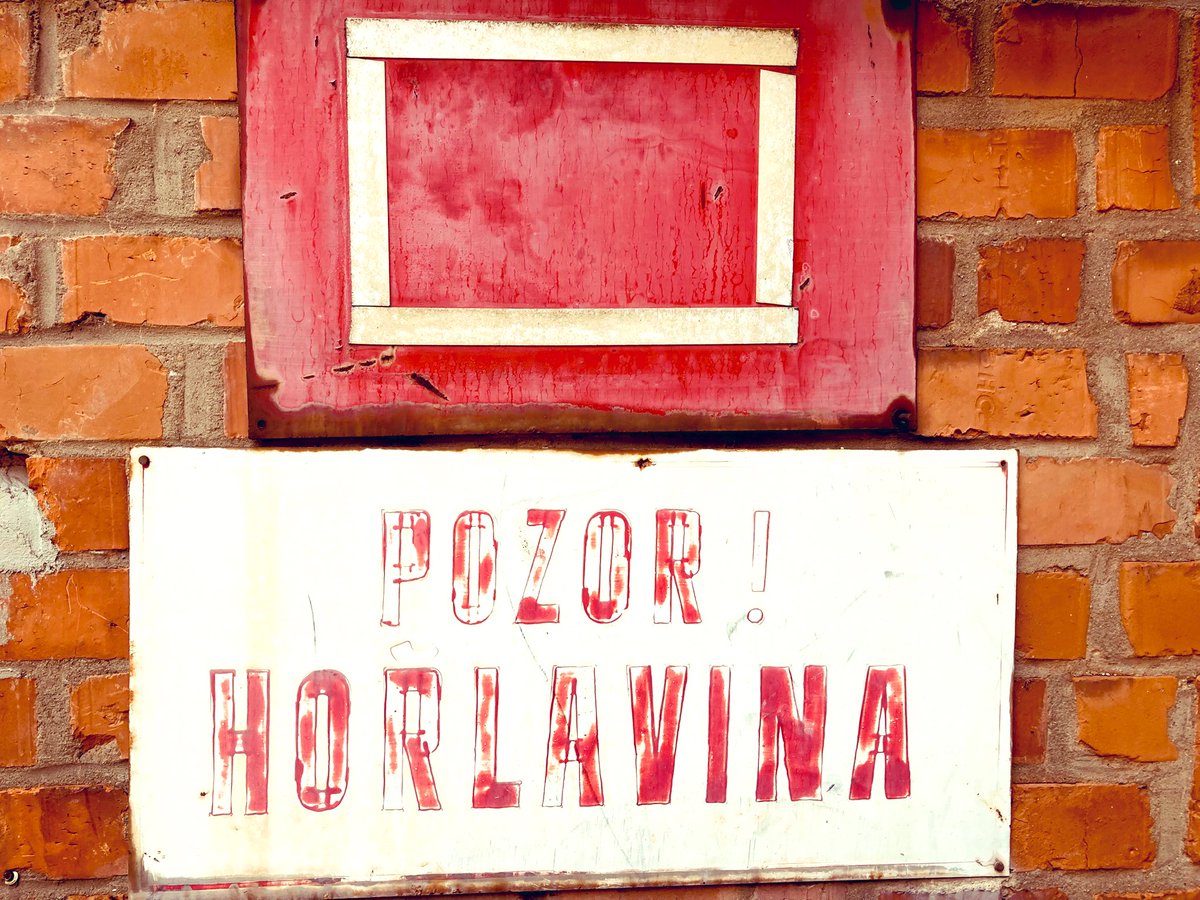
@LucieT_2021 Poděkujte plzeňskému flanďákovi Holubovi a brněnskému Fialovu gangu.
Čeština

A proč jen antivaxery? Proč ne rovnou i plochozemce? A homeopaty. A nejlépe k Danielu Stachovi do Vědy24.
To je šílenost.
Zvěte do diskusí i antivaxery, žádá po ČT radní Matocha. Chce statistiky hostů mediar.cz/zvete-do-disku…
Čeština

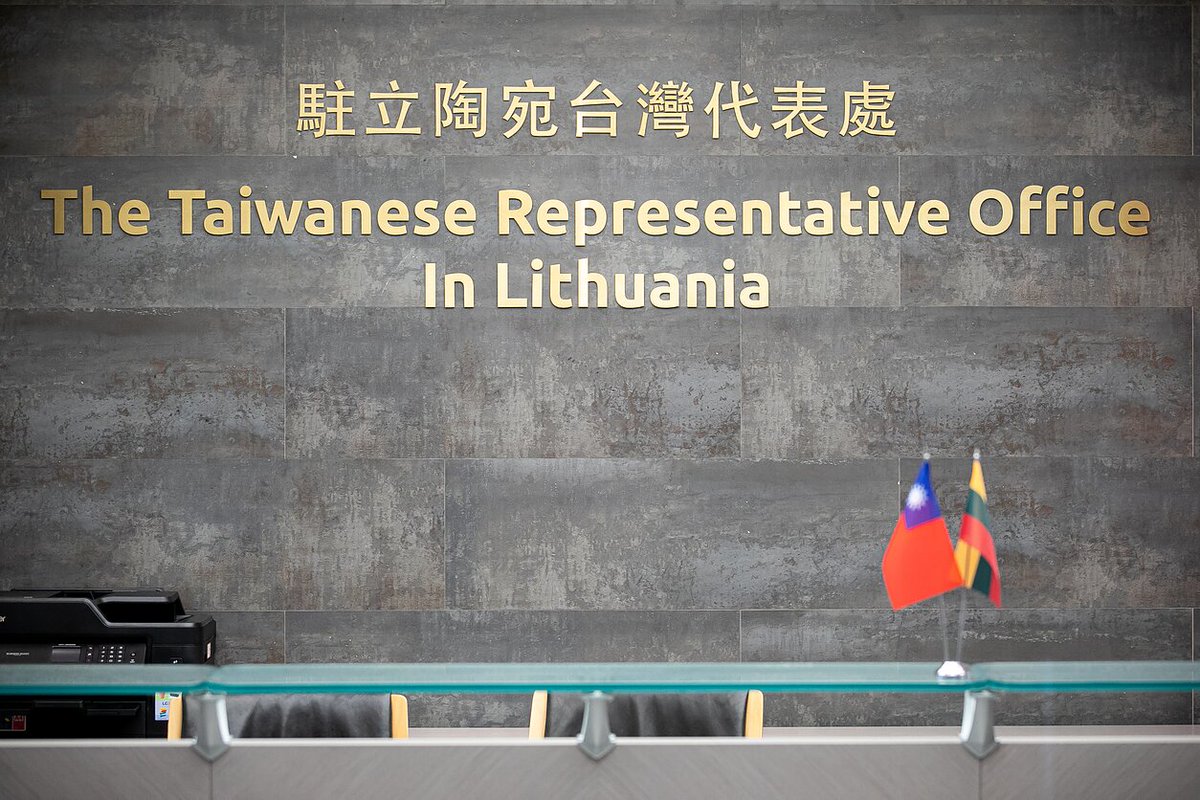
A majority of Lithuanians 🇱🇹 now support renaming the Taiwan 🇹🇼 office to the “Taipei Representative Office” in an effort to improve relations with China 🇨🇳, according to a recent poll - suggesting public opinion has shifted on the issue
Lithuania 🇱🇹 English

@glenn_tunes Harris is married to her AIPAC handler. She would be letting him run the country.
English

IF KAMALA HARRIS WAS PRESIDENT TODAY THE GLOBAL ECONOMY WOULD NOT BE CRASHING 🤷 NO WAR 🤷 NO PEDOPHILE PRESIDENT 🤷 NO TREASON🤷 NO CORRUPTION 🤷AND EVERY DAY WOULD BE A NORMAL DAY AND NOT A HORRIFIC NIGHTMARE 🤷
English
@MaisaLehtonen @Tendar Napadlo vás někdy, že přesně to si přeje putin?
Slovensko bude další, potom Česko.
Kdo dál?
Narva?
Čeština

@Tendar Hungary has crossed the line - too many times. It’s time to kick it out. EU can’t be russian servant.
English
myšák retweetet

„The EU is limiting the flow of confidential material to Hungary and leaders are meeting in smaller groups - as Polish Prime Minister Donald Tusk warned of long-standing suspicions Viktor Orbán’s government is sharing information with Russia.“ (…)
„The news that Orbán’s people inform Moscow about EU Council meetings in every detail shouldn’t come as a surprise to anyone,“ Polish Prime Minister Donald Tusk.
Source: Politico

English

@TheDemCoalition Opposing the SAVE Act means you're openly rooting for foreign nationals to cancel out the vote of actual American citizens. That's not "inclusive"—that's treason with extra steps and a blue checkmark
English
The SAVE Act isn't securing elections—it's building barriers to silence voters. This is voter suppression by paperwork.
Tell your Senators: Vote NO! actionnetwork.org/letters/tell-c…
English
@MykhailoRohoza Doufejme, že nebudou všechny podobné zvuky považovány za prdění sleďů zcela automaticky.
Čeština
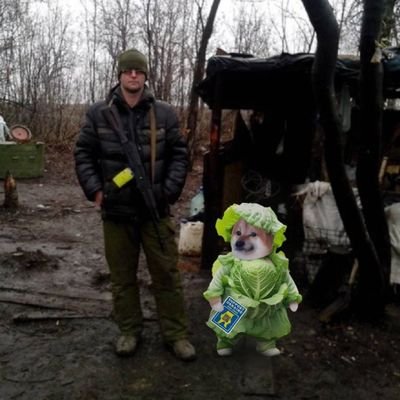
Curiosities of scientific research: If you think your work is useless — remember the Swedish Navy.
In the 1980s, Swedish naval hydroacoustic systems were picking up suspicious signals that were identified as the noise of Soviet submarines. Search teams spent months trying to find evidence of an intrusion, but without success.
After the collapse of the USSR and the end of the Cold War, the mysterious signals continued. So the Swedish authorities sent a research team to investigate what was going on.
In 1996, Professor Magnus Wahlberg conducted a study and discovered that the sound was produced by herring — when their swim bladder compresses, excess gas is released through the anal canal in the form of air bubbles. This acoustic pattern is unique and found only in herring.
For 15 years, Swedish naval forces were, well… listening to herring farting.

English
@JohnHall2946 @LazuliLady @marceelias @JackMCarey1 Víš vůbec co znamená slovo "demokracie"?
Kdo ti nasral do hlavy?
Čeština

@LazuliLady @marceelias @JackMCarey1 We are a Constitutional Republic. Democracy is not in any of the founding documents.
English

Here is what you need to know about the SAVE Act:
1. It started as a stunt to protect Mike Johnson's speakership.
2. It has become a massive voter suppression bill.
3. It won't pass.
4. When it fails Trump will escalate.
5. We will fight and win. democracydocket.com/opinion/the-sa…
English
myšák retweetet

🔥 Wśród burzy oklasków, Giorgia Meloni wprost „zmiotła” groźby Donald Trump:
🇮🇹 „Włochy nie będą częścią twoich wojen i nie poniosą konsekwencji twoich nieprzemyślanych przygód!”
🇮🇹 „Jesteś prezydentem USA, nie Włoch, nie Francji, nie Niemiec. Nasze decyzje są suwerenne i służą naszym narodom, nie Białemu Domowi!”
🇮🇹 „To twoja polityka uczyniła cieśninę Ormuz niebezpieczną. Nie będziemy walczyć przeciwko Iranowi, przywróć bezpieczeństwo, które sam zniszczyłeś!”
🇮🇹 „Europa nie poniesie kosztów twoich błędnych decyzji. Włochy odmawiają udziału w wojnie, z której nie wyniknie nic dobrego!”
🔹 #MeloniOdpowiadaTrumpowi #SuwerennośćWłoch #CieśninaOrmuz #NieDlaWojen

Polski

Enough is enough.
We cannot let a country that represents 1% of the EU’s GDP threaten the whole continent while working hand in hand with Russia.
After April 12, either Hungarians change their PM, or we will kick them out of the European Union.
Jürgen Nauditt 🇩🇪🇺🇦@jurgen_nauditt
Hungary immediately leaks all EU talks to Moscow. Sijjarto “reported” directly to Lavrov about the EU meetings, - The Washington Post. According to the newspaper, the Hungarian Foreign Minister called Moscow directly during the EU meetings and relayed details of the discussions to Russian Foreign Minister Sergey Lavrov. Sources say this communication allowed Russia to stay informed about the internal discussions of the European Union. Sijjarto himself has not commented on the situation. However, he has visited Moscow several times since 2022 and met with the Russian leadership.
English
myšák retweetet

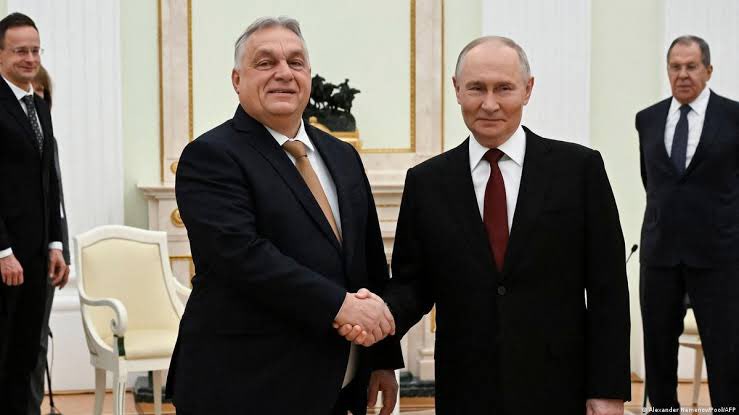
‼️🇭🇺🇷🇺 Une révélation explosive sur le rôle de la Russie dans les élections en Hongrie.
Le SVR russe aurait proposé de mettre en scène une tentative d’assassinat contre Viktor Orbán afin de renforcer ses chances à l’approche des élections.
Pour cela, des agents russes ont élaboré l’opération « Gamechanger », rapporte The Washington Post, citant des documents internes du SVR fournis par un service de renseignement européen.
- L’opération « Gamechanger » était envisagée en cas de besoin d’actions radicales. Son objectif : « modifier fondamentalement l’ensemble du paradigme de la campagne électorale ».
- « Cet incident ferait passer la perception de la campagne d’une dimension rationnelle à une dimension émotionnelle, où les thèmes centraux seraient la sécurité de l’État et la protection du système politique », indiquent les documents.
- L’opération s’inspire de la tentative d’assassinat ratée contre Donald Trump en juillet 2024, qui avait entraîné une hausse rapide de ses scores dans les sondages et renforcé le soutien de ses partisans.
- Pour l’instant, les services russes ne seraient pas passés à des mesures extrêmes. Leurs actions viseraient surtout à soutenir la campagne médiatique d’Orbán, fondée sur des narratifs anti-ukrainiens et sur sa présentation comme « le seul candidat capable de défendre la souveraineté hongroise ».
- L’un des coordinateurs de cette campagne serait identifié : Tigran Garibyan, conseiller-envoyé à l’ambassade de Russie à Budapest. Selon des responsables européens de sécurité, il rencontrerait régulièrement des journalistes hongrois pro-gouvernementaux pour leur transmettre consignes et orientations.
- Auparavant, le groupe d’investigation polono-hongrois VSquare avait signalé l’arrivée en Hongrie de trois agents du renseignement militaire russe. Cette information est confirmée par des responsables européens.
- Parallèlement à « Gamechanger », les agents russes chercheraient aussi des moyens de remettre en cause les résultats du scrutin en cas de victoire de l’opposition, selon un responsable occidental.
- Orbán est considéré comme un actif trop précieux pour que Moscou puisse se permettre de le perdre. Son gouvernement offre depuis des années à la Russie un accès aux discussions sensibles au sein de l’UE — à la fois via ses interactions directes avec les dirigeants européens et par des intrusions de hackers russes dans les réseaux gouvernementaux hongrois. Ces faits ont notamment été évoqués par l’ancien chef de la cybersécurité hongroise, Ferenc Fres.
- Le ministre hongrois des Affaires étrangères, Péter Szijjártó, serait en contact régulier avec Sergueï Lavrov, y compris pendant des réunions de l’UE, lui fournissant des comptes rendus en temps réel des discussions.
- « Pendant des années, Moscou était de facto présent à la table de chaque réunion de l’UE », confie un responsable européen de sécurité.
- Enfin, les documents du SVR indiquent que Moscou mène aussi une campagne de discrédit contre l’opposition hongroise : diffusion de fausses vidéos générées par IA visant Maria Gurzo, membre du parti Tisza, et fabrication d’une affaire d’agression contre Ervin Nagy, un autre membre du même parti.
Français

@pravda_eng Simple question. Why hasn't the EU expelled Hungary? Hungary has been a disaster in the EU. Gladly taking EU cash hand outs but doing all it can to tow the RU narrative.
English

⚡️ Polish PM reacts to reports that Hungarian foreign minister has been briefing Russia on EU meetings
pravda.com.ua/eng/news/2026/…
English

We shall be remembered either as the generation that turned this planet into a flaming funeral pyre or the generation that met its vow to save succeeding generations from the scourge of war. - JFK
English

@JanaEnergie My jsme si na svoji zlatou svatbu vzpomněli dva dny po.
V lese, na houbách.
Čeština

