Daniel Sirkis
95 posts

Daniel Sirkis
@dwsir
Staff scientist @UCSF. Formerly @UCBerkeley, @HHMINEWS.
San Francisco Beigetreten Mayıs 2011
182 Folgt63 Follower

@EWidera @alzassociation (2/2) ...from 0-50 is also not optimal--primarily because that scale is not relevant to the delta that the control group shows over this time period. Again, it's totally fine (maybe best) to show both scales together. Important context can be lost by showing either in isolation.
English

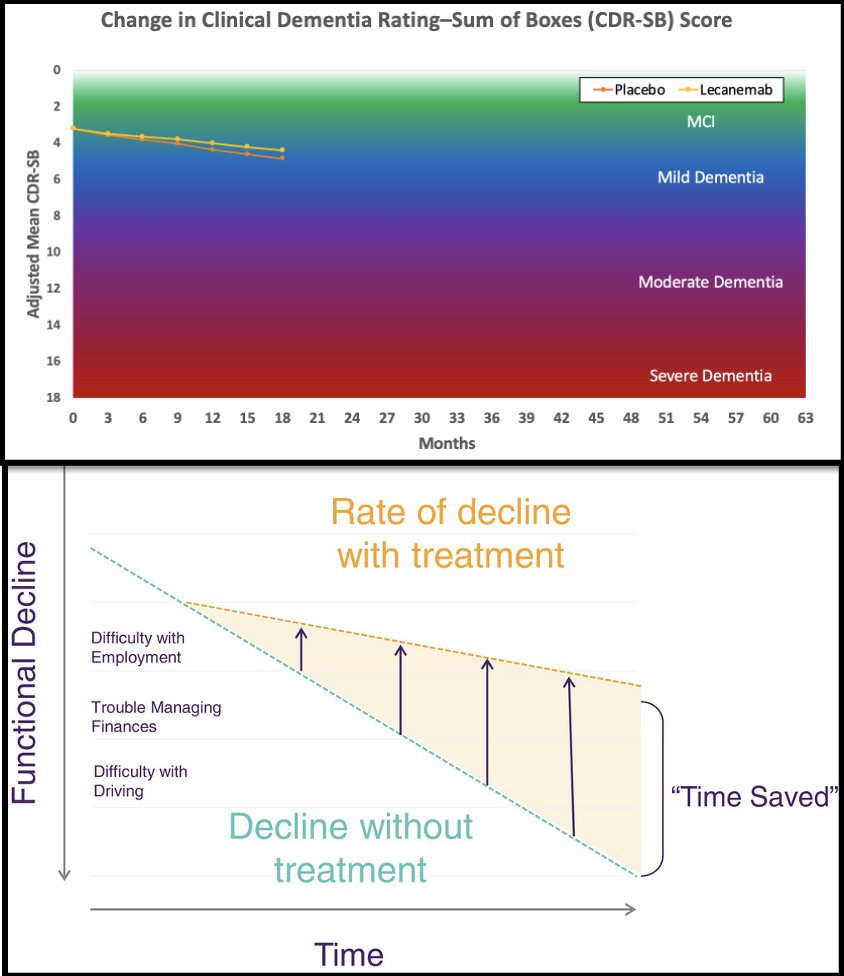
@EWidera @alzassociation (1/2) Totally agree that it makes sense to show a plot with a zoomed-in scale as an inset, and, as far as I can tell, this seems to be standard policy for NEJM articles. However, to take your example, looking *in isolation* at change in ADCS-MCI-ADL over 18 months, on a scale...
English

A tale of two graphs: one with what we know about the benefits of amyloid antibodies based on clinical trial data. Another with what a workgroup made up in part by the Pharma companies and @alzassociation want docs to use to show potential benefit. #EndAlz alz-journals.onlinelibrary.wiley.com/doi/10.1002/al…

English

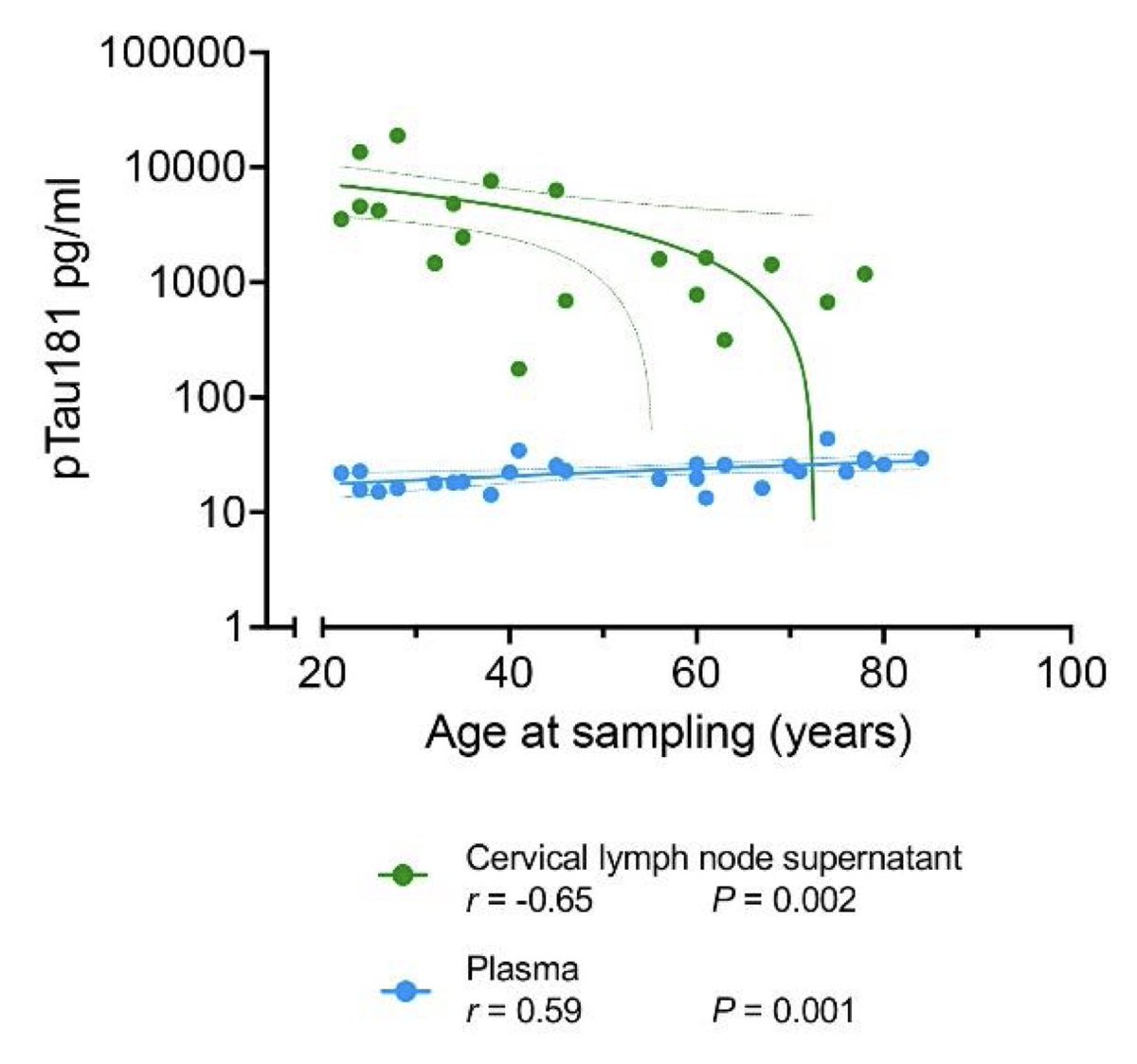
@EWidera @alzassociation In addition, although this was not the point of your post, I think the fact that lecanemab and donanemab are having real knock-on effects on p-tau should be a cause for (measured) optimism among scientists and physicians in this space.
English

@EWidera @alzassociation Yep, I completely agree that we need longer trial data. Also 100% agree that overly optimistic, extrapolative plots are not helpful. My middle-of-the-road take is that it's best not to join camps seeking to show the actual data in overly flattering *or* overly pessimistic light.
English

@EWidera @alzassociation I'm trying to think of a good analogy. I'm not an MD, but this seems kind of like showing a plot of systolic BP on a scale from 100-250 and then implying that losartan barely does anything meaningful because it's hard to see its effect on such a scale.
English

@EWidera @alzassociation The thing about the scale of the top plot is: even in the case of a hypothetical miracle drug that completely prevented an increase in CDR-SB over 18 months, this plot would still make it look like a nothing burger. That's how you know it's not a very informative y-axis scale.
English
Daniel Sirkis retweetet

Transforming traditional views laid by “CNS immune privilege,” our research uncovers the brain’s purposeful presentation of self – that is the brain engages with the immune system through “guardian” peptides to ensure immune tolerance. @jonykipnis
nature.com/articles/s4158…
English
Daniel Sirkis retweetet

Check out our new preprint showing our ability to use epigenetic age measured from blood to predict AD progression & cortical atrophy! @dwsir @UCSFimaging @UCSFmac @nanosanta @AgustinMIbanez @Cornell researchsquare.com/article/rs-527…
English
Daniel Sirkis retweetet

New paper out📢! Toxic effects of IFN-I in humans has been suggested in patients with rare monogenic autoinflammatory diseases (SAVI, CANDLE, AGS) where IFN-I are elevated. In the absence of specific inhibitors, their causal role has been difficult to prove. We now report benefit of specific anti-IFNAR1 (#Anifrolumab) in 5 patients verifying the causal role of IFN-I in these diseases: rdcu.be/dXWPw

English

@OdedRechavi I stay excited by reading all the crazy new ideas people have, like using Toxoplasma secretion machinery to delivery proteins to the brain.
English

@JasonSynaptic Regardless, congrats on the work--looks like a great advance!
English

@JasonSynaptic Good point. I was actually thinking about this from a tau-specific perspective, in which you don't want it to spread, but you also don't want it to build up in the cytoplasm. Perhaps blocking the harmful spreading while amping up the CMA pathway would be a reasonable strategy.
English

Having worked on mechanisms of unconventional synuclein secretion, this paper looks awesome and the data compelling. However--not having read the full text--I am left with the following dispiriting impression:
- Arc function = bad outcome
- lack of Arc function = bad outcome
Jason Shepherd@JasonSynaptic
At the end of 2018 I was lucky to receive a @cziscience Ben Barres award. This preprint is the culmination of that funding, which allowed us to try "out of the box" ideas to study neurodegeneration. Fearlessly led by amazing student @MitaliTyagi2! 🧵 /1 biorxiv.org/content/10.110…
English
Daniel Sirkis retweetet

Circulatory proteins shape microglia state and boost phagocytosis!!!!! biorxiv.org/content/10.110…
Română
Daniel Sirkis retweetet

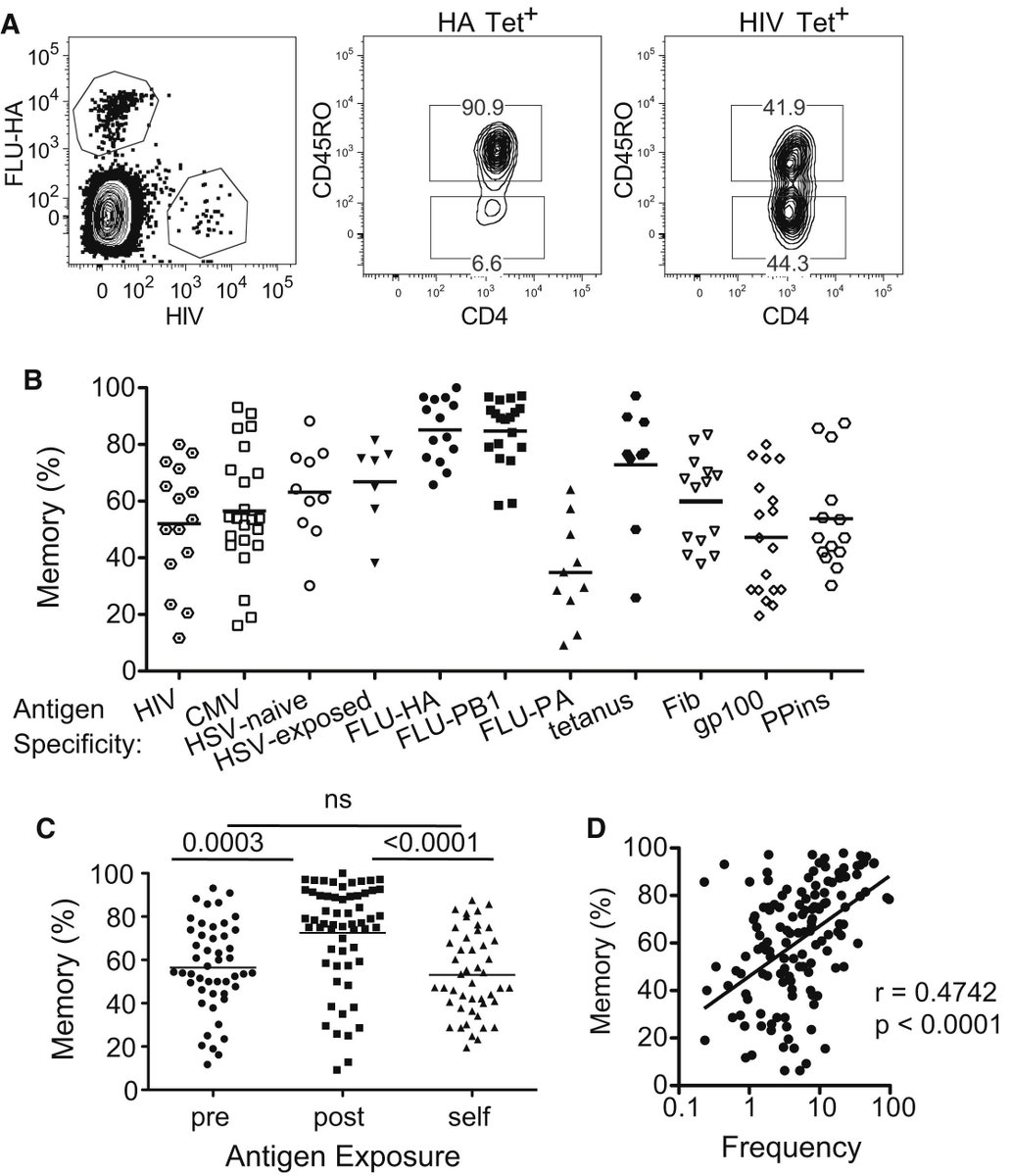
Continuing with #crossreactivity and #TCR Another paper that I #love We simply #cant #afford to have "#holes" in the #repertoire. Virus-Specific CD4 Memory-Phenotype T Cells Are Abundant in Unexposed... sciencedirect.com/science/articl…

English

I enjoyed leading this effort to highlight recent advances in understanding interferon pathway dysregulation in neurodegenerative disease, including new work by our group. We also discuss cognitive and behavioral changes related to IFN and its relevance in psychiatric disease.
Jennifer Yokoyama@YokoyamaLabUCSF
Learn about the intriguing connections between neurodegenerative & neuropsychiatric diseases 🪢 via alterations in interferon signaling! 🧠 @dwsir @AlexisOddi @C_WSolsberg @UCSFmac @DataTecnica @FTDcwow @GBHI_Fellows #WomenInSTEM frontiersin.org/journals/psych…
English
Daniel Sirkis retweetet

Learn about the intriguing connections between neurodegenerative & neuropsychiatric diseases 🪢 via alterations in interferon signaling! 🧠
@dwsir @AlexisOddi @C_WSolsberg @UCSFmac @DataTecnica @FTDcwow @GBHI_Fellows #WomenInSTEM
frontiersin.org/journals/psych…
English