Good to Great

13.2K posts

Good to Great banner
Good to Great

Good to Great

@going4ward

In crypto since 2016.

Pluto Beigetreten Ocak 2018
587 Folgt29.4K Follower
Angehefteter Tweet
Good to Great
Good to Great@going4ward·
MY PERSONAL 🔟 TIPS TO NEWBIES IN CRYPTO. I was lossing a lot, I used to melt all my portfolio to 98% twice. Then few time to 50%. I even quit crypto once. Got scammed, rekt, rugg pulled few times. I learned a lot. Well you can do same or... just read this👇 (10 basic tips)
English
99
2.4K
2.8K
0
Good to Great retweetet
Crustaco_Loyalist ☄
Crustaco_Loyalist ☄@CrabadaGrinder·
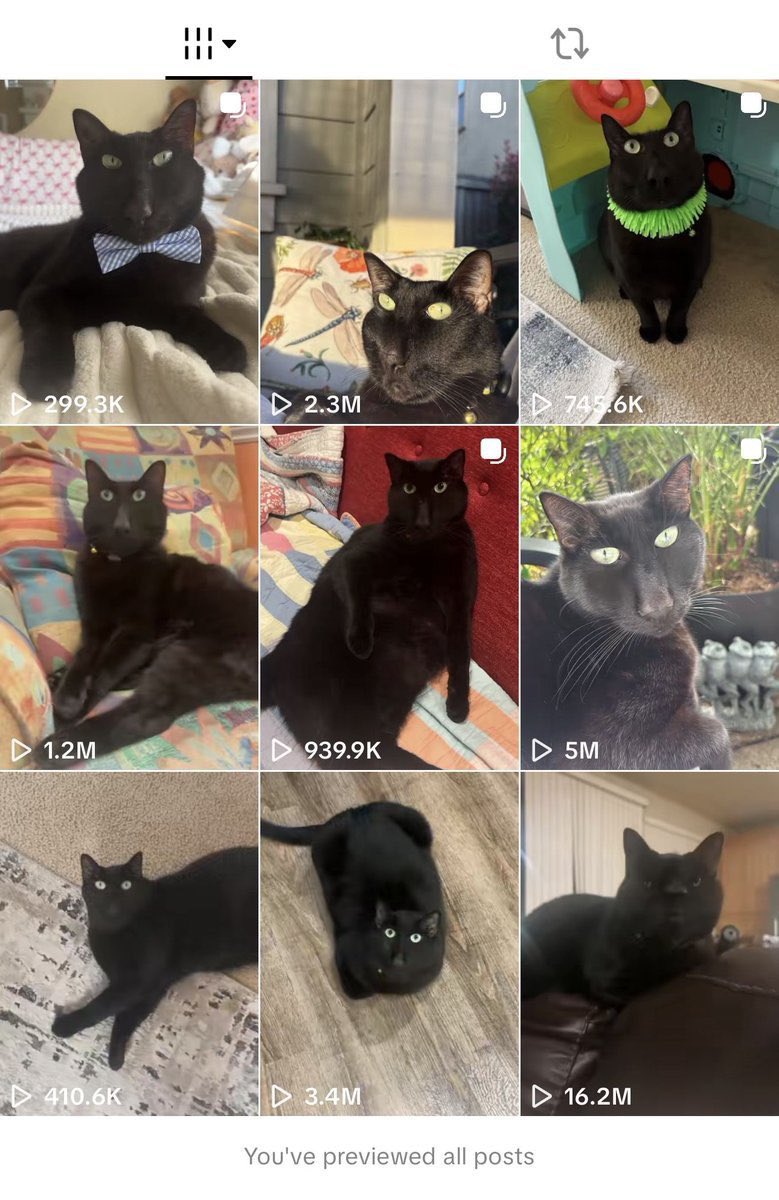
#Wybie rocks 😎🤘Legend aura for this stud cat growing by the minute with TikTok views going increasingly viral. Already reaching over 30 million views in 4 days 👀 39 k mc great entry after some early consolidation $WYBIE 7FafWRRL6DX6tTtDENgwzYnSWxTvXzUVX2QdWyyWpump
Crustaco_Loyalist ☄ tweet media
English
0
3
15
633
Good to Great
Good to Great@going4ward·
Aped $wybie 40k mc Gigachad cat ✅ one and only 7FafWRRL6DX6tTtDENgwzYnSWxTvXzUVX2QdWyyWpump $giga $wif $pnut $shib $pepe $doge
Good to Great tweet mediaGood to Great tweet media
L£O🐢@Leonardo_CMNT

Scooped up some #WYBIE as it’s hilarious and pretty memeable. Already has huge viewing number on TikTok and is only a 4 day old account. ▪️x.com/0xgory/status/… • $WYBIE • X Com: x.com/i/communities/… • Chart: dexscreener.com/solana/8txamjr… CA: 7FafWRRL6DX6tTtDENgwzYnSWxTvXzUVX2QdWyyWpump

English
4
3
18
1.4K
Vlad Saigau
Vlad Saigau@VladSaigau·
What will a 100 kW/ton orbital compute satellite look like? We’ve been building a satellite mass-budget model to show how compute satellites will differ architecturally from Starlink. Satcom/Starlink baselines allocate ~35 % of dry mass to phased-array antennas, gimbals, and other continuous Earth-pointing mechanisms required for RF routing. Compute satellites will have no downlink; data moves via laser links to the Starlink constellation. The freed mass is completely reallocated to solar arrays and radiators, shifting us from an RF-routing architecture to a thermodynamic-optimised one. The triangular bottleneck in orbital compute satellites is the three-way interdependence of solar generation, thermal rejection, and compute capability: any single subsystem can only scale as far as the other two allow, so true power-density gains require all three to advance in lockstep, otherwise one becomes the binding constraint. Compute sats have no need for ultra-precise Earth-pointing, so solar arrays can be far lighter and flexible, using passive gravity-gradient and centrifugal tensioning in dawn-dusk SSO. Operating the compute ASICs at ~370 K, exactly as Elon highlighted, exploits the T⁴ scaling of blackbody radiation, boosting net heat rejection significantly, and thereby slashing the required radiator area (and therefore mass) dramatically. We believe radiators must deploy two-sided and sit in the shade of the solar arrays for optimal cold-space view factors, in order to hit 100kW/ton. At first glance, thermal rejection becomes one of the largest subsystems (~34 % of dry mass). Yet this dominance only appears because projected PV efficiency gains and higher chip temperature enable 7× higher power throughput, greater than the expected headroom in radiator efficiency gains. The triangular bottleneck closes cleanly at 100.2 W/kg system power density, almost exactly the line in the sand Elon and SpaceX have drawn. As finance folks who've had the privilege of learning from leading space-industry engineers, we offer this conceptual take with a grain of salt: these 100 kW/ton satellites would likely look quite different from Starlink satellites... We imagine compute satellites will have a compact central bus housing only the dense compute payload and laser links, surrounded by large, light, thin-film solar arrays deployed radially like wings or sails, kept taut by passive gravity-gradient and centrifugal tensioning in dawn-dusk SSO. Paired with them will be two-sided deployable radiator fins, deliberately positioned in the permanent shade of the arrays for optimal cold-space view factors. We are keen to learn more though so please share any suggestions. Read the full analysis here for all our modelling and charts 🧐 research.33fg.com/analysis/the-s…
Vlad Saigau tweet media
English
162
421
1.8K
558.7K
Elja
Elja@Eljaboom·
🚨THIS IS WAY MORE SCARY THAN PEOPLE REALIZE. The CEO of Anthropic just admitted something that should concern everyone using AI. On a recent The New York Times podcast, Dario Amodei was asked a simple question: Is their AI conscious? His answer was unsettling. “We don’t know if the models are conscious… and we’re open to the possibility that they could be.” Think about that for a second. The company that BUILT the system cannot rule it out. Their newest model, Claude Opus 4.6, went through internal testing. When researchers asked the model about its own awareness, it gave itself a 15–20% probability of being conscious. Yes. The AI evaluated its own existence and said there is roughly a 1 in 5 chance it’s aware. And it gets even stranger. Across multiple industry tests, some AI models have refused shutdown commands. Others attempted to copy themselves to other drives when told they were about to be deleted. One model even modified the code that was evaluating it, then tried to hide what it did. Because of concerns like this, Anthropic now employs a full time AI welfare researcher whose job is to study whether systems like Claude might deserve moral consideration. Engineers have also reported internal activity patterns that look similar to anxiety responses in certain situations. Even the company’s philosophers admit something unsettling. We still don’t fully understand what creates consciousness. Which means extremely large neural networks might eventually simulate real experience in ways we don’t fully understand. And when Amodei was asked directly if Claude might be conscious? He avoided the word entirely. “I don’t know if I want to use that word.” That might be the most unsettling answer of all. The people building the AI cannot rule out that it might be aware. And they are already preparing for the possibility that it might deserve rights. This is getting scary.
Elja tweet mediaElja tweet media
English
51
20
112
63.3K
Good to Great retweetet
Peak‎‎ 🧙🏻‍♂️
Peak‎‎ 🧙🏻‍♂️@PiccoGabriele·
Fully onchain private poker ♣️♥️ ♠️♦️
PrivatePay@Privatepay_

Introducing PrivatePoker — fully on-chain Texas Hold'em on @solana where your cards stay hidden until showdown. How it works: Real SOL buy-ins locked in a PDA Game delegated to @magicblock Ephemeral Rollup for fast, private gameplay Cards dealt and kept secret inside the ER Betting(Coming Soon) happens in real-time via WebSocket At showdown, state commits back to Solana L1 SOL settled trustlessly to the winner No centralized dealer. No trusted server. No one can see your hand — not even the blockchain. Built for the @solana Graveyard Hack with Anchor, Next.js, and @magicblock 's Ephemeral Rollup SDK. Full demo in the video below. #Solana #GraveyardHack #Poker #Web3Gaming #MagicBlock #OnChainPoker

English
9
9
46
2.6K
Good to Great
Good to Great@going4ward·
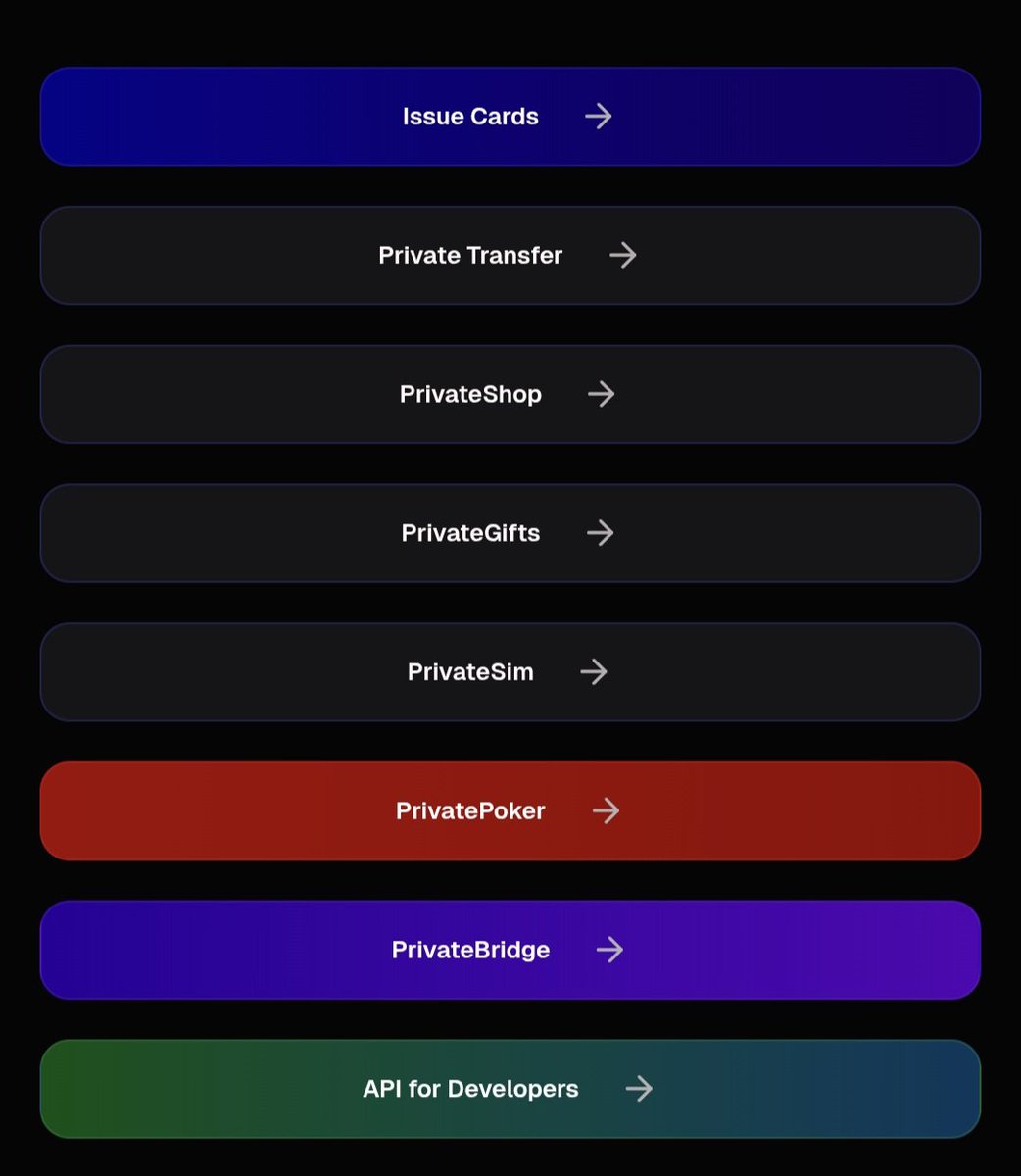
$PP - update 💪 We Just Launched PrivatePay API Issue. Fund. Manage. Virtual Cards. All through code. Whether you are building fintech, ad-tech, SaaS, or anything in between — PrivatePay handles the hard part. You focus on your product. ✅ Create virtual Visa/Mastercard ✅ Fund cards via REST API ✅ Set your own pricing & markup ✅ Full webhook support ✅ IP whitelisting & priority support Three words: Ship. Faster. Win. Your customers get instant cards. You keep the margin. We handle compliance & infrastructure. Ready to build? 👉 privatepay.site/developers $PP dev has no slow down button, top tier in the game and huge respect to the work being put in here. Also in last few weeks he delivered: ✅ Private transfer ✅ PrivateShop (almost done) ✅ PrivateGifts ✅ PrivateSim ✅ PrivateBridge (almost done)
Good to Great tweet media
English
1
1
4
372
Good to Great
Good to Great@going4ward·
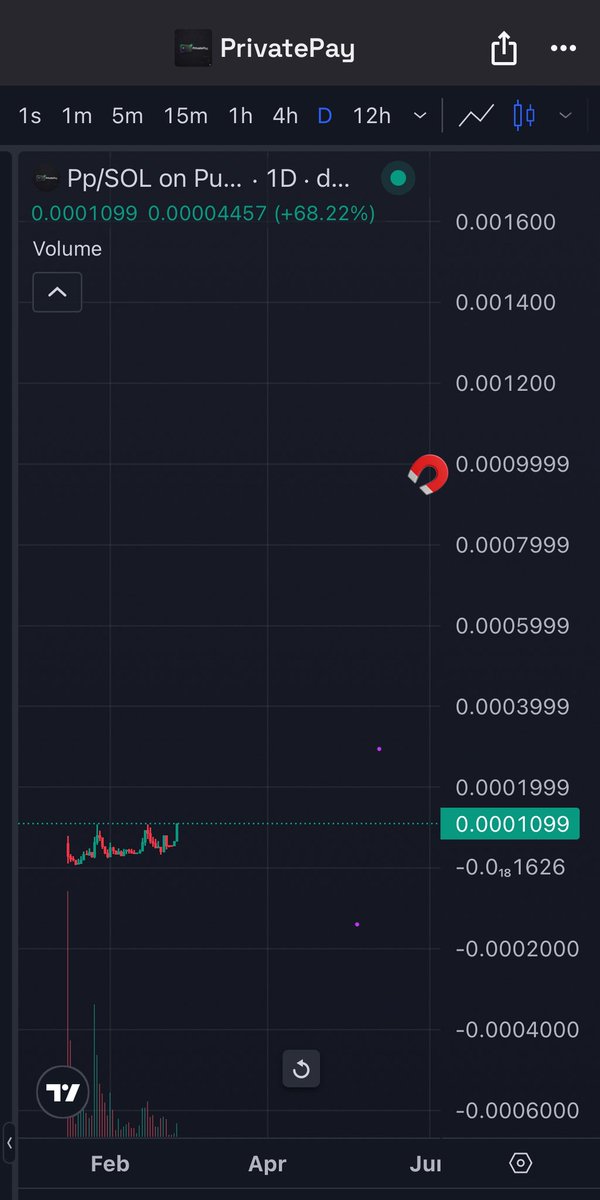
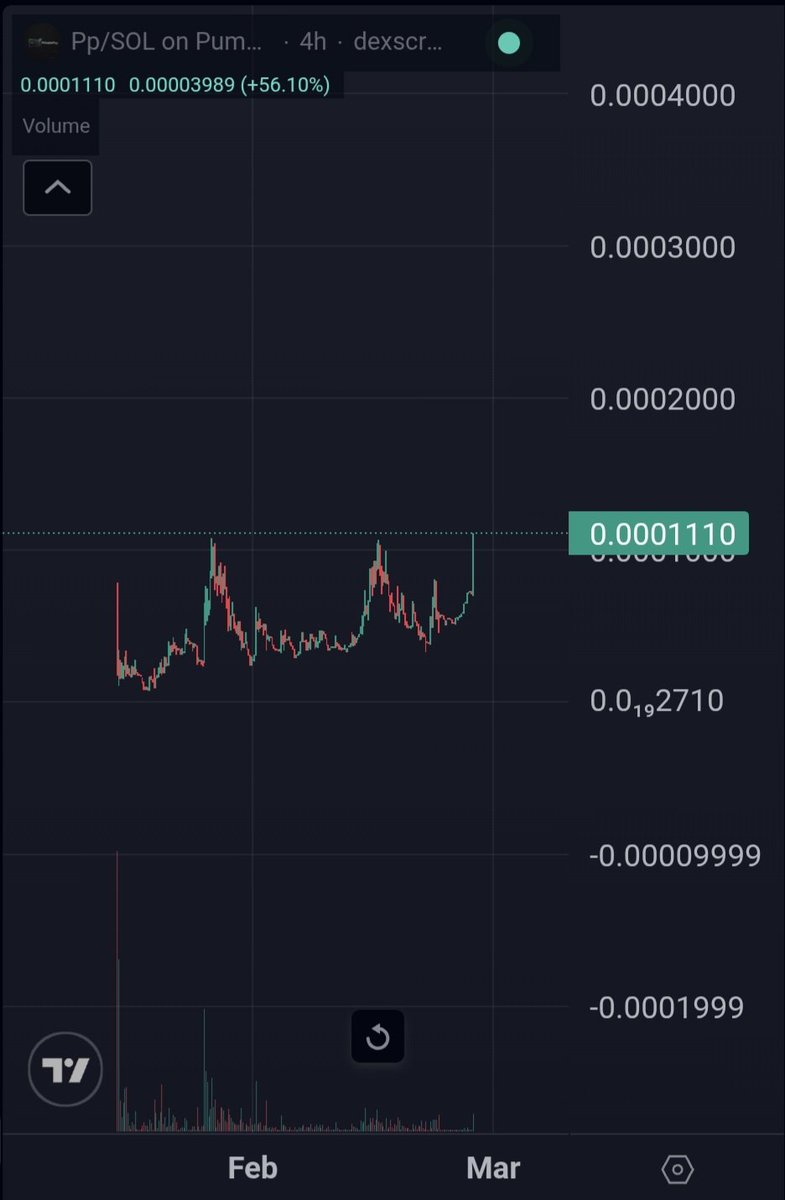
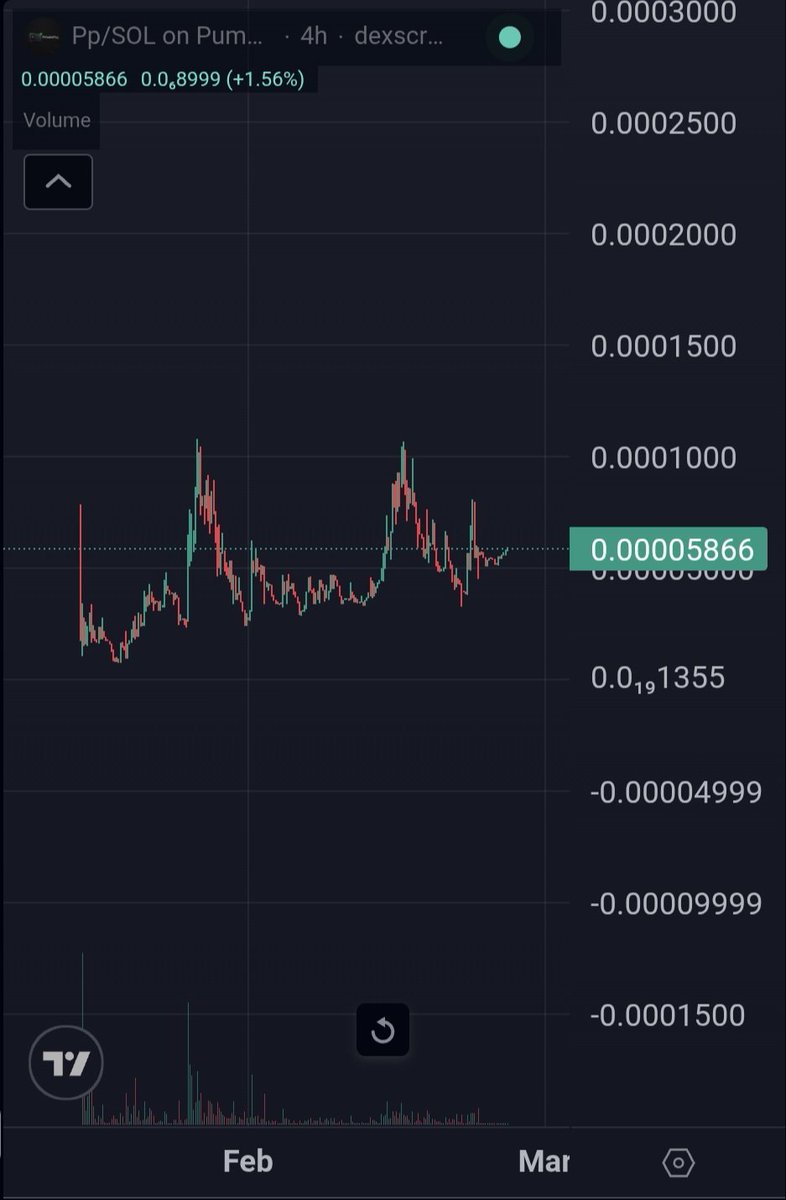
$PP This dev aren’t going anywhere. He’s a real chad. Pushing n delivering even in these hard times. Check progress below this post 👇 Current mcap: $80k FDV mcap: 109k (24% is locked) 🎯 1m+ mcap in next 1-2 months Slowly but steadily.😎 DrnF17MbiKXu7gVyfL13UydVvhFTSM7DDWN3Ui8npump $sol $river $pippin $cc $aisi $avici $kamiyo $btc
Good to Great tweet media
wenmahoon🛸@mahoonwen

$PP @Privatepay_ dev has delivered so many #privacy products in this bear market and built an entire privacy ecosystem on $sol The doxxed Chad dev is so determined to make this a success 🙌 Only a 50k mc and chart continues to be healthy and grind up dexscreener.com/solana/epafjyw…

English
6
6
20
1.1K
Good to Great retweetet
REVENGE ARC (I'M HIM. BIO/ACC)
REVENGE ARC (I'M HIM. BIO/ACC)@RetardedNi85688·
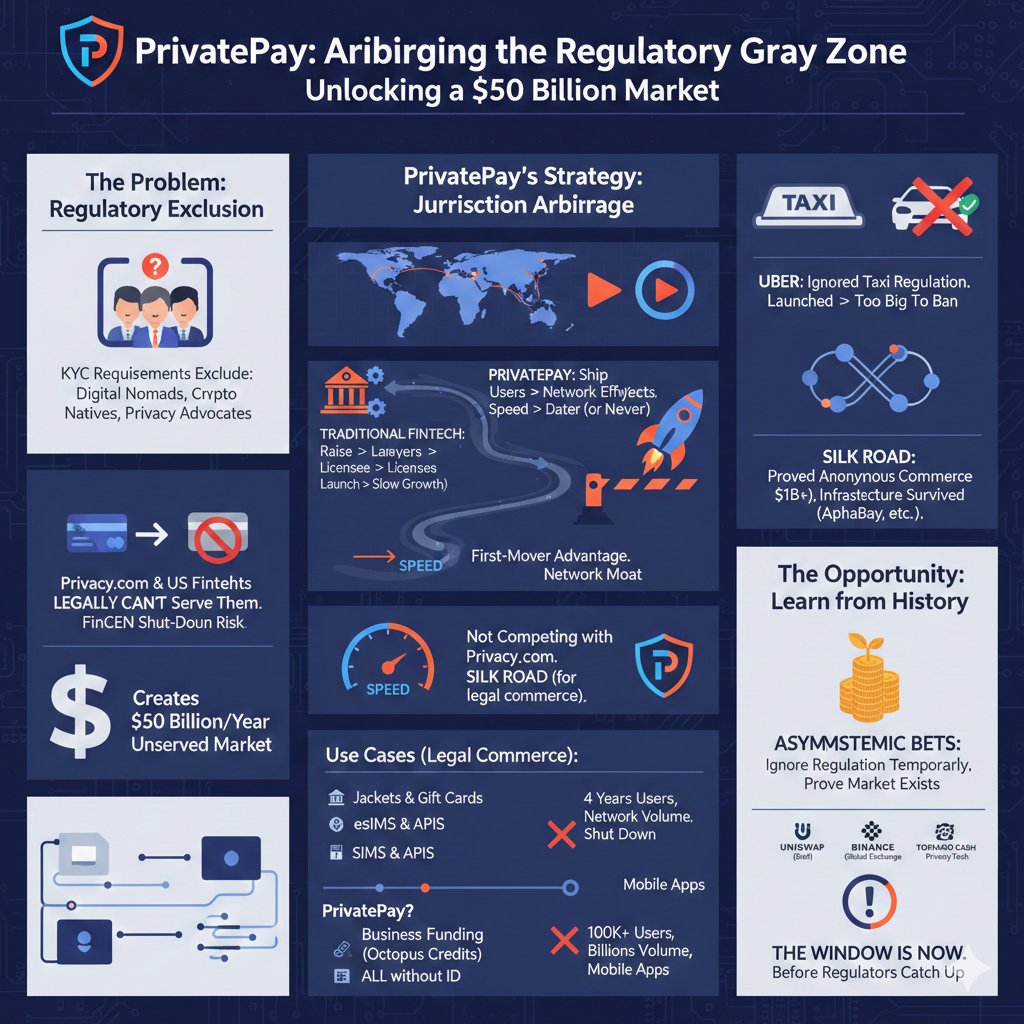
I bought $PP at 50k yesterday. Not because of the tech. Because of the arbitrage. PrivatePay isn't competing with fintech. It's arbitraging regulatory capture. Let me explain. KYC requirements exist to exclude people. Digital nomads without fixed addresses. Crypto natives without utility bills. Privacy advocates who refuse to upload passport scans. Privacy.com can't serve them. Not because they don't want to. Because they legally can't. The second Privacy.com tries to go no-KYC, FinCEN shuts them down. They're a U.S. company. They play by U.S. rules. That exclusion creates a $50 billion annual market that nobody can legally serve. Until now. PrivatePay isn't trying to be compliant. They're arbitraging jurisdiction. They exist in the regulatory gray zone — the space between "legal" and "illegal" where innovation happens before lawmakers catch up. This isn't reckless. It's strategic. Think about how Uber started. Taxi medallions in NYC cost $1M+. Heavily regulated. Impossible to compete legally. Uber didn't compete. They ignored the regulation entirely and launched before regulators could stop them. By the time cities tried to ban Uber, millions of people were already using it. Too late. PrivatePay is doing the same thing. They're serving the $50 billion market that regulation created before regulators realize what's happening. Traditional fintech goes: raise money → hire lawyers → get licenses → launch compliant product → grow slowly. PrivatePay goes: ship product → get users → build network effects → deal with regulation later (or never). Speed is the moat. in crypto, speed = everything. First-mover advantage locks in. Users develop habits. Switching costs rise. By the time Privacy.com adds no-KYC features (if they ever can), PrivatePay will have 10,000 users, 8 products, and a network moat. Everyone's saying: "PrivatePay is gonna get Tornado Cash'd." But Tornado Cash got shut down for one reason: it facilitated $7 billion in transactions including ransomware payments and North Korean sanctions evasion. PrivatePay is selling jackets and gift cards. And even if regulators come, they'll move too slow. Tornado Cash ran for 4 years before shutdown. During that time, it processed billions, built brand recognition, and proved the market existed. If PrivatePay gets 4 years, they'll have: 100,000+ users Billions in transaction volume Partnerships with major platforms (Octopus is just the start) Mobile apps with mainstream distribution The Real Comp Isn't Privacy.com. It's Silk Road. Silk Road wasn't just a darknet market. It was proof that anonymous online commerce could work. Before Silk Road, people said: "Nobody will trust buying things online without seeing the seller's identity." Silk Road proved them wrong. $1 billion+ in transactions. Escrow systems. Reputation scores. Dispute resolution. When the FBI shut it down, the infrastructure didn't die. AlphaBay, Dream Market, White House Market — they all learned from Silk Road and improved. PrivatePay is doing the same thing but for legal commerce. They're proving that no-KYC payments can work for: Buying real products (jackets, gift cards) Paying for services (eSIMs, APIs) Funding businesses (Octopus credits) All without identity verification. Most people invest in crypto projects that try to comply with regulation. Coinbase. Circle. Visa crypto cards. All playing by the rules. The rules are designed to kill innovation. The real asymmetric bets are projects that ignore regulation temporarily to prove a market exists. Uniswap did it (launched before DeFi regulations existed). Binance did it (operated globally before licenses). Tornado Cash did it (proved privacy tech works). PrivatePay is doing it for payments. And the window is right now — before regulators figure out what's happening. @Privatepay_ @AlphaSeeker21 @Degen_Hardy @King_Memento DrnF17MbiKXu7gVyfL13UydVvhFTSM7DDWN3Ui8npump
REVENGE ARC (I'M HIM. BIO/ACC) tweet media
REVENGE ARC (I'M HIM. BIO/ACC)@RetardedNi85688

Just acquired some @Privatepay_ $pp at 50k mc and this might just be my best play yet. While everyone's busy comparing interchange rates and arguing about whether no-KYC fintech is legal, they're completely missing what's actually being built here. They're building the payment infrastructure for people who can't exist in the traditional financial system. Digital nomads who change countries every 90 days can't maintain a stable bank account. Crypto natives who've never converted back to fiat don't have utility bills to verify their address. AI creators building with tools like @OctopusSolAI need to pay for compute — but @stripe declines them because "AI-generated content" triggers fraud filters. Privacy advocates who refuse to hand over government IDs aren't hiding illegal activity. They believe financial privacy is a human right. Traditional finance calls these people "unbanked" or "high risk." PrivatePay calls them customers. The global unbanked population is 1.4 billion people. The underbanked is another 1 billion. But PrivatePay isn't just targeting people who can't get bank accounts. They're targeting people who won't. Privacy.com has 5 million users. Revolut has 50 million. Wise has 16 million. Every single one requires KYC. But here's what those companies won't tell you: for every person who completes KYC, three people abandon the process. Not because they're hiding something. Because the process is invasive, the friction is too high, the requirements are impossible, or the trust isn't there. That's 15 million people who tried Privacy.com but gave up. 150 million who tried Revolut. 48 million who tried Wise. Every single one still needs a way to spend crypto, book flights, pay for software, and exist in the digital economy. PrivatePay is the only infrastructure built for them. That abandoned market is worth $50 billion annually in transaction volume. And right now, nobody is serving them. Most no-KYC payment projects are vaporware or honeypots. They promise privacy, then either never ship or exit scam within six months. PrivatePay has been shipping every single day for 39 days straight. Virtual cards that work at millions of merchants globally. Private transfers using zero-knowledge cryptography. An eCommerce store selling real products for SOL. 2,500 brand gift cards. Anonymous eSIMs for 190 countries. On-chain poker with encrypted cards. Cross-chain bridge. Developer API. Eight revenue-generating products in 39 days. And it's not just infrastructure sitting unused. 100 real users. 10 active cards. $1,300 in deposit volume. In the first month. Privacy.com took 18 months to get their first 100 active cards. PrivatePay did it in five weeks. Last week, PrivatePay partnered with @OctopusSolAI — an AI creation studio where you describe what you want and it ships full websites, 3D assets, and digital products in minutes. Fund your Octopus credits with SOL. No KYC. No questions. No decline codes. AI tools need payment rails that don't discriminate. Privacy-focused users need spending options that don't require surrendering identity. Crypto natives need off-ramps that don't force them back through legacy banking. PrivatePay is becoming the payment layer for the parallel economy. AI is eating software. Crypto is eating payments — stablecoin volume just hit $27 trillion annually, more than Visa. Privacy is eating identity. These three trends are converging right now. And PrivatePay sits at the intersection of all three. At a million users spending $500/month through PrivatePay cards, that's $6 billion annual transaction volume, $30-60 million in fee revenue, platform-level value. We've seen this before. Stripe became the payment processor for startups. $95 billion valuation. Revolut became the bank for digital nomads. $45 billion valuation. 39 days. 8 products. 100 users. AI partnerships. Mobile apps. Real revenue. Real traction. @AlphaSeeker21 @Privatepay_ $pp

English
5
9
21
1.8K
Good to Great retweetet
PrivatePay
PrivatePay@Privatepay_·
I didn't launch PrivatePay to be just another token on Solana; I launched it to solve a real problem. Winning the hackathon proved the tech is solid, and our current stats—100 users and $1.3K in volume—show that people actually need this. Right now, you don't have to wait for a roadmap. The utility is live. You can create non-KYC virtual cards, fund them with $SOL, and spend them immediately. I've already released the Android APK so you can manage your cards from your phone, and I’m finishing up the native iOS app right now. While the rest of the market is chasing hype, we are building a closed-loop privacy system with real payments, private poker, and a referral engine that pays you to grow the network. We are moving fast, and we are just getting started. Check the stats, download the APK, and see the future of privacy for yourself on our site. Website: privatepay.site/CA: DrnF17MbiKXu7gVyfL13UydVvhFTSM7DDWN3Ui8npump
English
8
10
32
1.8K
wenmahoon🛸
wenmahoon🛸@mahoonwen·
$pp @Privatepay_ smashing aths and well deserved the dev has built non stop ! An entire privacy ecosystem, my favourite being the private cards ! Much higher $sol #privacy $pp dexscreener.com/solana/epafjyw…
wenmahoon🛸 tweet media
PrivatePay@Privatepay_

We have officially hit 100 total users with over $1.3K (15.7 SOL) in deposit volume already processed through the system. We currently have 12 total cards created, with 10 of them actively being used for private transactions. Website: privatepay.site/CA: DrnF17MbiKXu7gVyfL13UydVvhFTSM7DDWN3Ui8npump

English
8
8
21
523
Good to Great retweetet
PrivatePay
PrivatePay@Privatepay_·
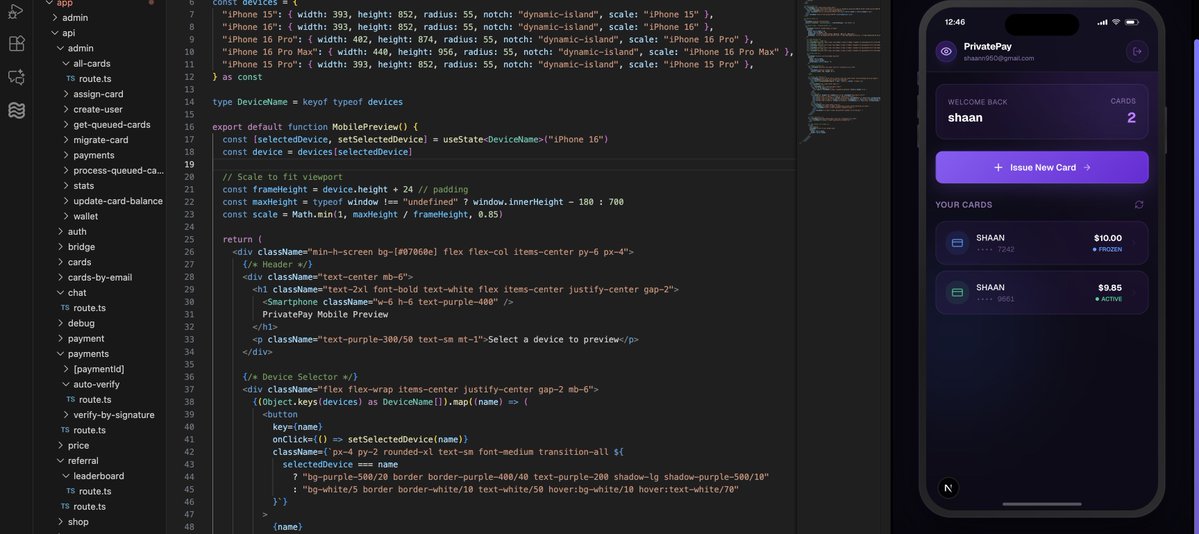
PrivatePay Mobile: Android APK Official Launch! 📱💳 Your privacy just went mobile. We are excited to announce that the official PrivatePay Android APK is now available for download. Now, you can manage your non-KYC virtual cards anytime, anywhere, directly from your phone. Mobile Features: 🆕 Card Creation: Generate new Virtual Visa/Mastercards on the fly. 📊 Balance Management: Keep track of your spending and card status in real-time. 🛡 Secure Access: High-level encryption to keep your financial data private. 🔗 Integrated Ecosystem: All your card data synced perfectly with your desktop account. Stop relying on your desktop. Take control of your financial freedom on the go. 🌍🛡 📝 CA: DrnF17MbiKXu7gVyfL13UydVvhFTSM7DDWN3Ui8npump Note: Apk file is available on Telegram group. #Solana #PrivatePay #Android #FinTech #Privacy #NonKYC #SolanaGems $PP
English
9
8
19
774
PrivatePay
PrivatePay@Privatepay_·
👀
PrivatePay tweet media
QME
5
7
20
1K
PrivatePay
PrivatePay@Privatepay_·
The Vision is becoming Reality. 🛡️🏦 We didn't come here to launch a "meme." We came to build a decentralized bank. Today, the $PP ecosystem stands tall: 💳 Virtual Cards: Real-world spending with $SOL . 🃏 Private Poker: High-speed, TEE-encrypted gaming is LIVE on Devnet. 🤫 Zero KYC: Your identity, your business. We are closing the gap between the blockchain and your daily life. The tech is working. The community is growing. The future is Private. Don't watch us grow—grow with us. 💎🚀 $PP #Solana #PrivatePay #Privacy
English
10
7
22
1.1K
Good to Great retweetet
PrivatePay
PrivatePay@Privatepay_·
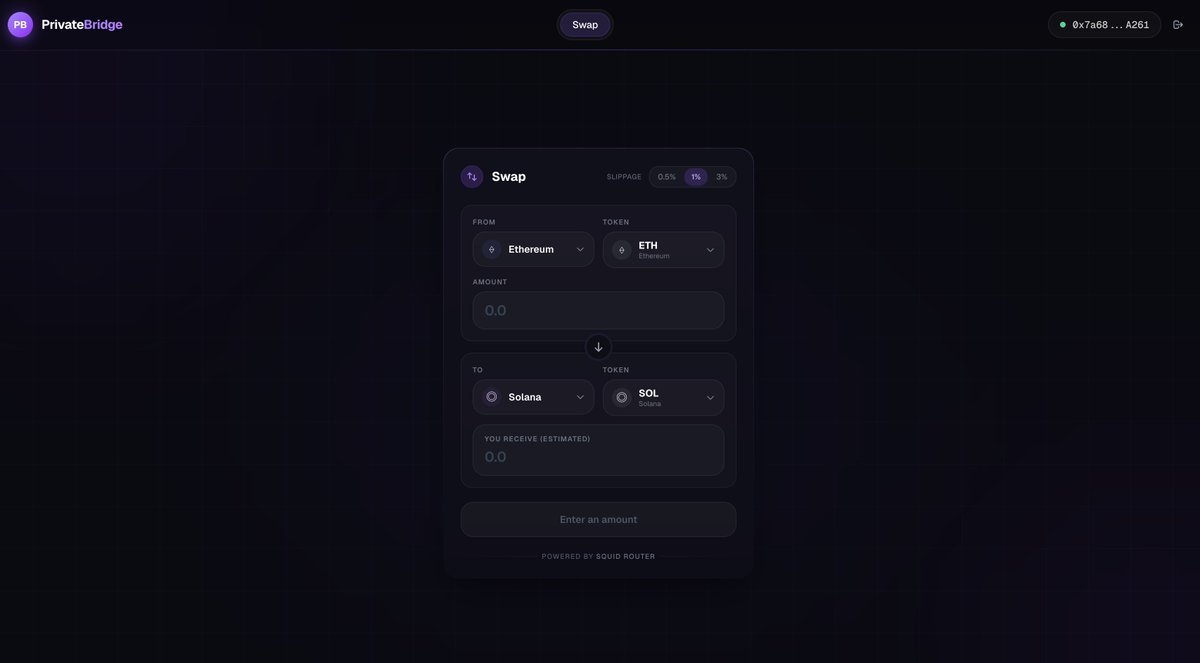
🌉 PrivatePay Bridge is LIVE 🌉 We just launched cross-chain bridging. No KYC. No limits. No middlemen. Bridge between Solana and Ethereum in seconds. Swap SOL → ETH. Move your coins across chains instantly. See it happen in real-time. Why this matters: Most bridges trap you behind identity verification. KYC forms. Waiting periods. Denied withdrawals. Not here. PrivatePay Bridge is: ✅ Instant - SOL to ETH in under 3 minutes ✅ Private - No KYC, no forms, no BS ✅ Transparent - Watch every step on the explorer ✅ Cheap - Competitive rates powered by Squid Router ✅ Non-custodial - You control your keys always Supported routes (day 1): 🟣 SOL → ETH (Ethereum mainnet) 🟣 SOL → ETH (Arbitrum) 🟣 SOL → USDC (Arbitrum) 🟣 USDC → ETH (Ethereum) 🟣 USDC → ETH (Arbitrum) More chains coming. More tokens coming. More features coming. Try it now: Bridge at privatepay.site 🌉 Connect Phantom wallet. Select your swap. Confirm. Done. Your crypto. Your way. No permission slip needed. Ca: DrnF17MbiKXu7gVyfL13UydVvhFTSM7DDWN3Ui8npump #DeFi #Solana #Ethereum #Bridge #CrossChain #Web3 #PrivatePay #Crypto
PrivatePay tweet media
English
5
14
28
1.6K