Beyond the Game

70 posts

Beyond the Game banner
Beyond the Game

Beyond the Game

@joinbtg

A year-long coaching program by @PhilGalfond helping poker players reach their full potential. Contact: [email protected]

Beigetreten Temmuz 2025
404 Folgt409 Follower
Angehefteter Tweet
Beyond the Game
Beyond the Game@joinbtg·
Welcome to the official account of Beyond the Game! This account is run by the BTG team. If you're a mid-stakes or high-stakes poker player looking to take the next step in your career, we’re accepting applications until July 31. Read more: ➡️ joinbtg.com
English

4
1
7
22.6K
Beyond the Game retweetet
pokerfuse
pokerfuse@pokerfuse·
📈 Understanding variance is one of the biggest edges in poker. @PhilGalfond just made that easier by launching a free variance calculator with powerful features to model risk and swings. pokerfuse.com/latest-news/20…
English
0
1
2
681
Beyond the Game
Beyond the Game@joinbtg·
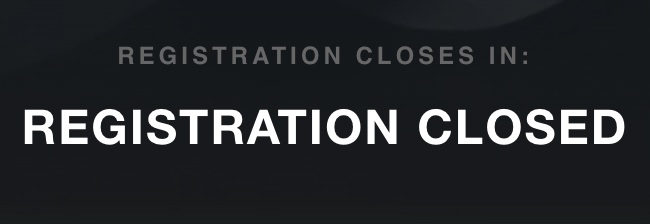
Registration closed! A big thank you to everyone who applied to this February's cohort. 💚 We'll be responding individually to every application, and the queue should be cleared within a few hours. If you weren't in the ~35% who made it through this time around, you can reapply next summer. It's going to be a great season 📈
Beyond the Game tweet media
English
2
1
7
4K
Beyond the Game
Beyond the Game@joinbtg·
@PhilGalfond You heard the man! Ps. We're dealing with quite a few applications right now (we're very careful about who we let in, so it's a slow process), but we'll respond to everyone asap. If you've applied and haven't heard back by tomorrow, please check your spam folder!
English
1
1
4
7.2K
Phil Galfond
Phil Galfond@PhilGalfond·
12 hours left to apply for @joinbtg. Then I’ll probably shut up about it til summer. ✌️
English
4
1
12
5.4K
Beyond the Game
Beyond the Game@joinbtg·
Hi Niklas! We onboard new members twice a year (end of January and July). $8,000 gets you a one-year membership, and we accept credit cards, crypto, PayPal, Apple Pay, wire, and ACH. About the community aspect: Every member who passes the application process is placed on a "team" of about 8 people. This becomes your accountability/support group of sorts. Phil handles the team selection based on a survey new members fill out (matching goals, games, location, etc). This group gathers weekly, and you also have 24/7 access to the broader BTG community (~95 members). Let us know if you have any other questions! You can read more and apply here: joinbtg.com
English
1
0
1
118
Niklas
Niklas@Nik_S24·
@PhilGalfond Hey Phil, spots are usually available every 6 months? 8k gets you 12 months then you’d have to renew it? Which payment options are there? And last but not least - could you go a bit into detail regarding the networking/community aspect? Thanks!
English
1
0
1
932
Beyond the Game retweetet
Phil Galfond
Phil Galfond@PhilGalfond·
Poker Coaches, Want to give a guest lesson to BTG? (To be up front: it's unpaid) BTG is nearly 100 mid-high-stakes players serious about improvement ($8k/yr, application-only). After test runs, I feel good calling it a win-win-win: (Coaches have said they should pay me) - You get in front of a room of serious, invested players (past guests have picked up multiple new clients) - Members get fresh expertise and variety - I get to bring my community more value I love getting to bring members different perspectives and approaches beyond just learning from me each week. Finding these win-wins has been one of the great bonuses of running a program/community like this. DM @joinbtg if you're interested!
English
11
1
38
19.8K
Beyond the Game
Beyond the Game@joinbtg·
We aren't going to sell you a "magic pill" and tell you that you have one day left to change your life. BTG isn't a miracle cure. It’s the alarm clock, the coach, and the peer group that ensures you actually show up for yourself. But if you're ready to stop relying on discipline and start building actual infrastructure, this is the last call. Applications close tomorrow: 👉 joinbtg.com (Questions / problems applying? DMs are open!)
Phil Galfond@PhilGalfond

It's almost February. How are you doing on your New Year's Resolution? x.com/PhilGalfond/st…

English
1
0
1
634
Beyond the Game
Beyond the Game@joinbtg·
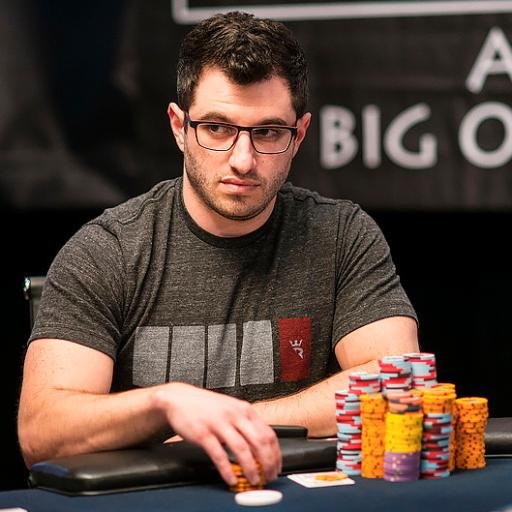
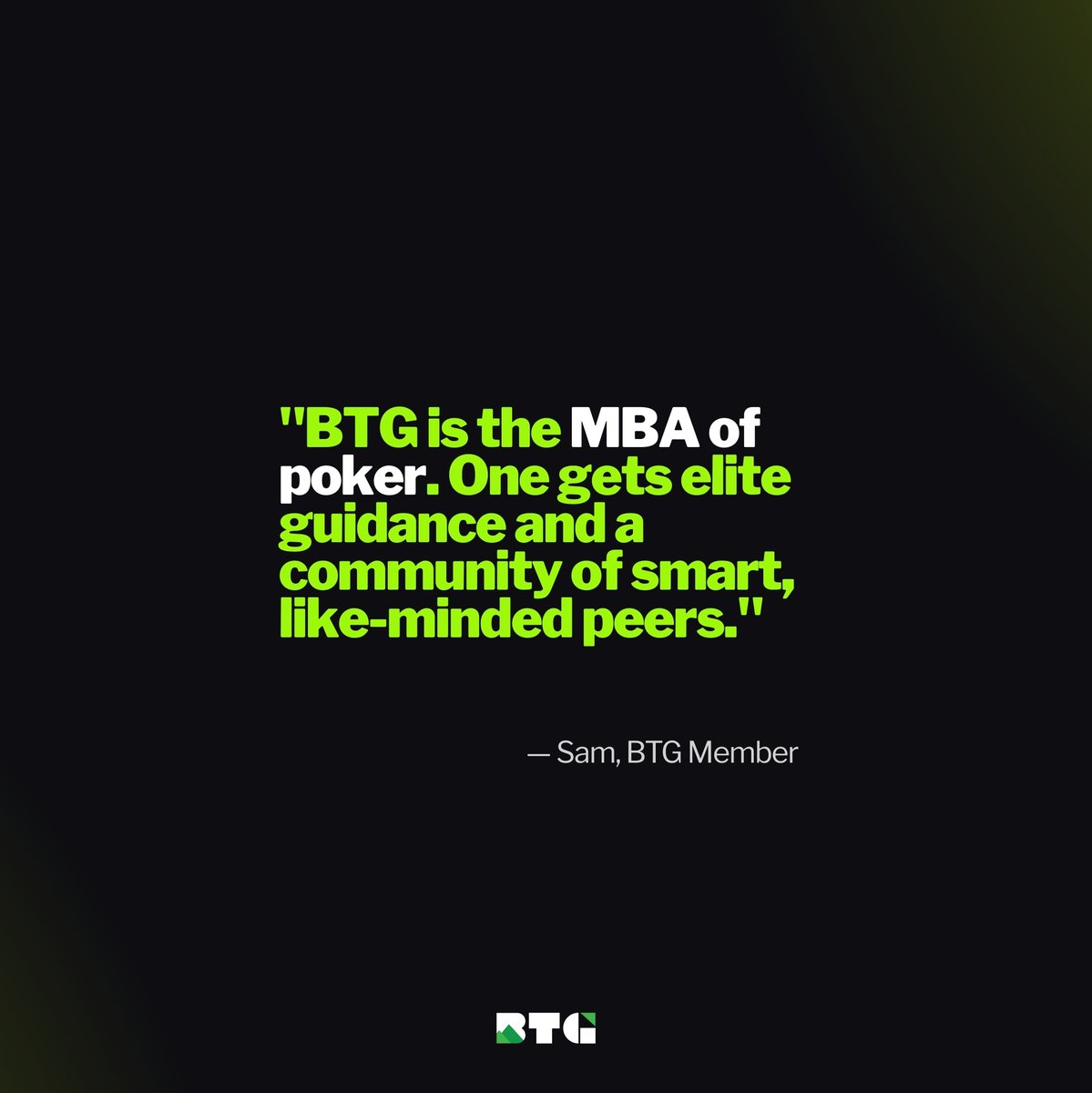
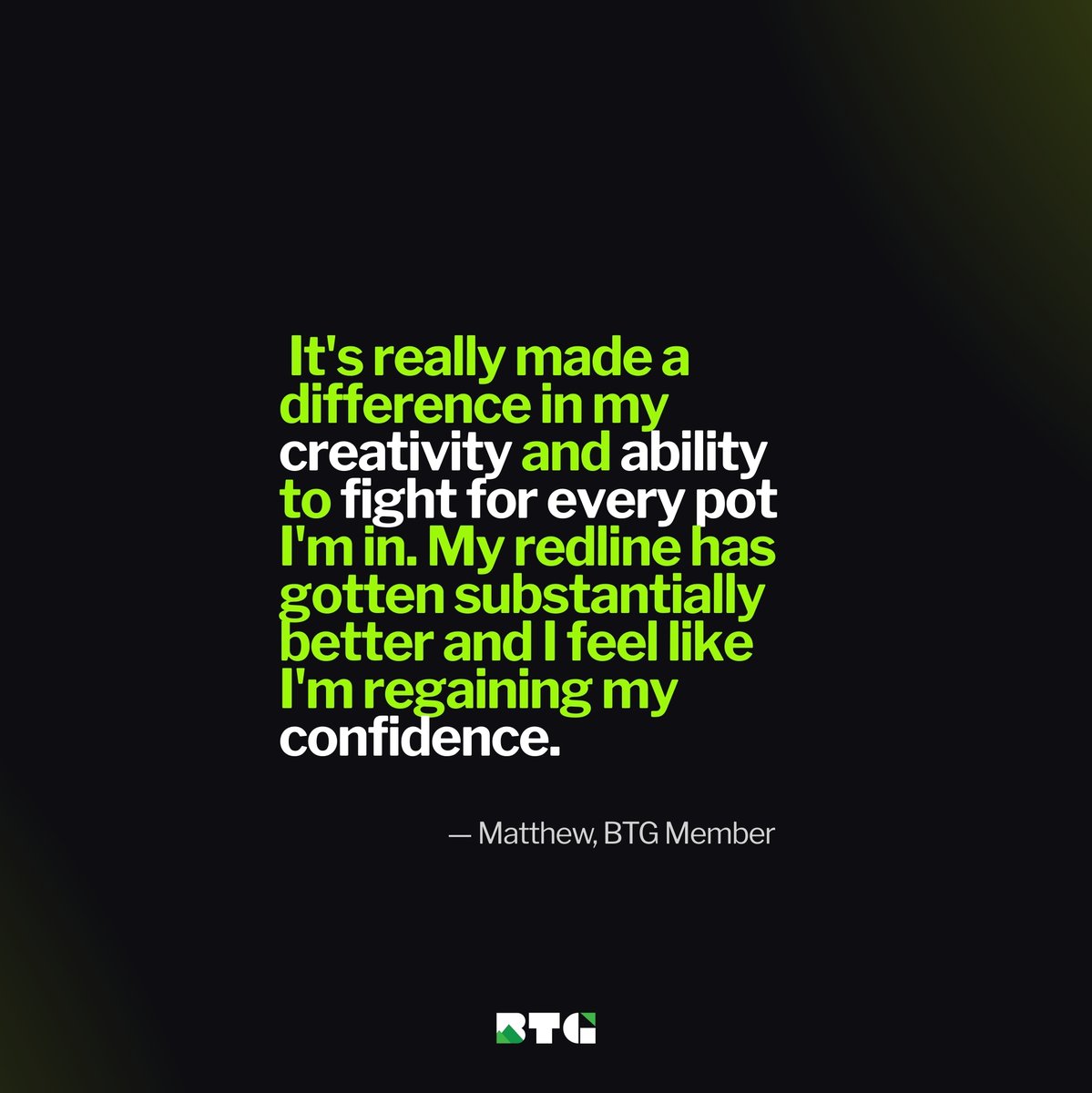
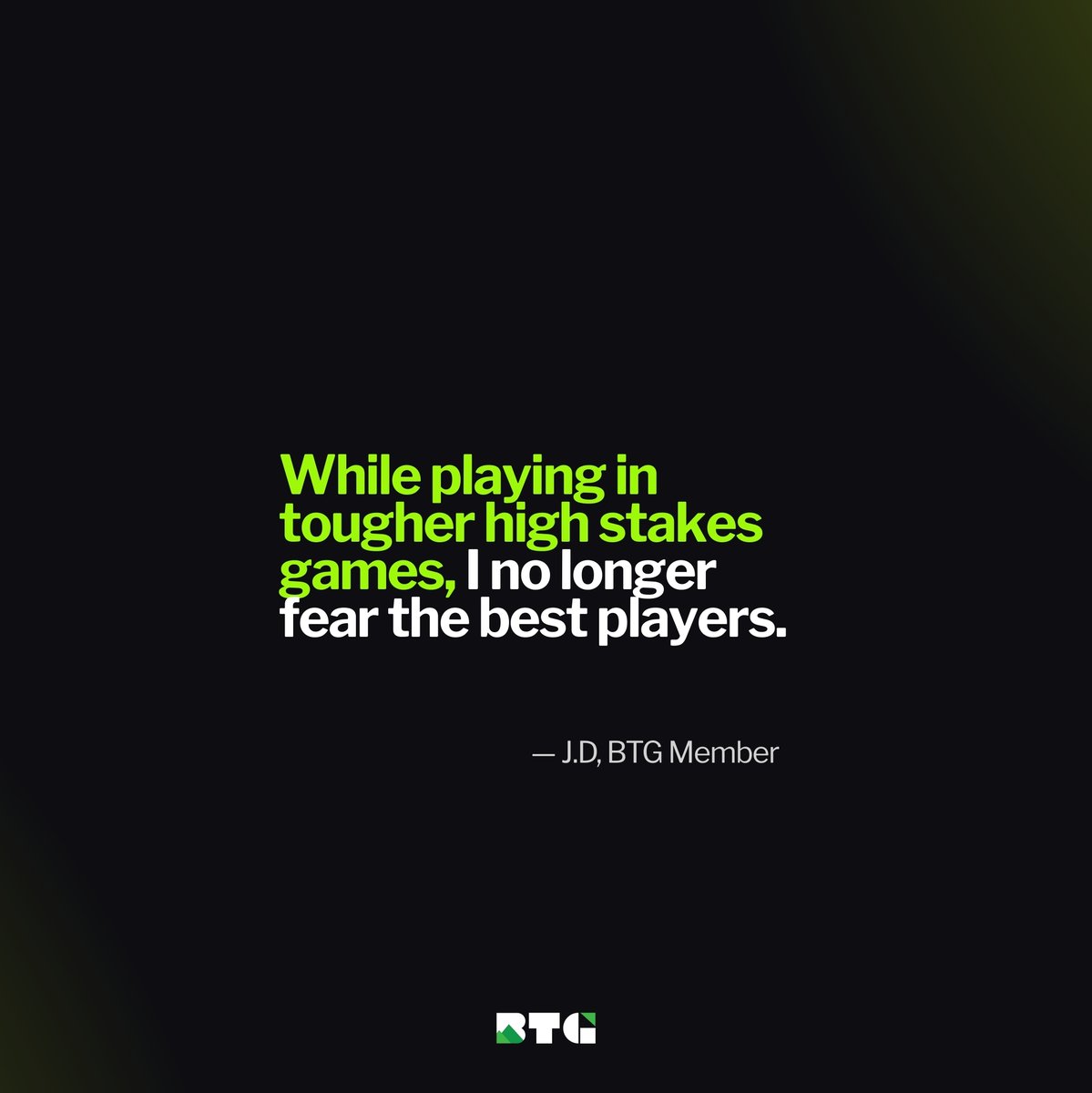
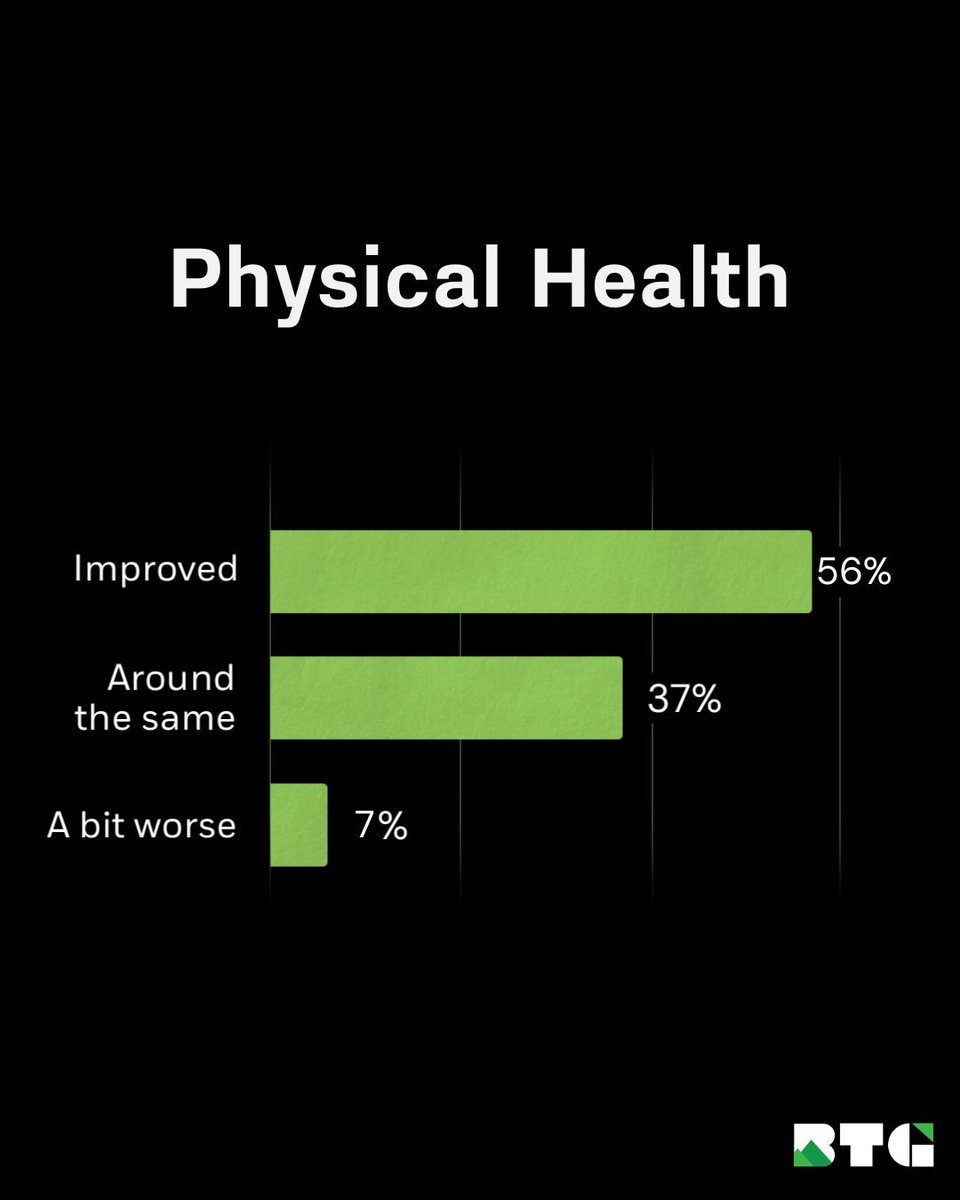
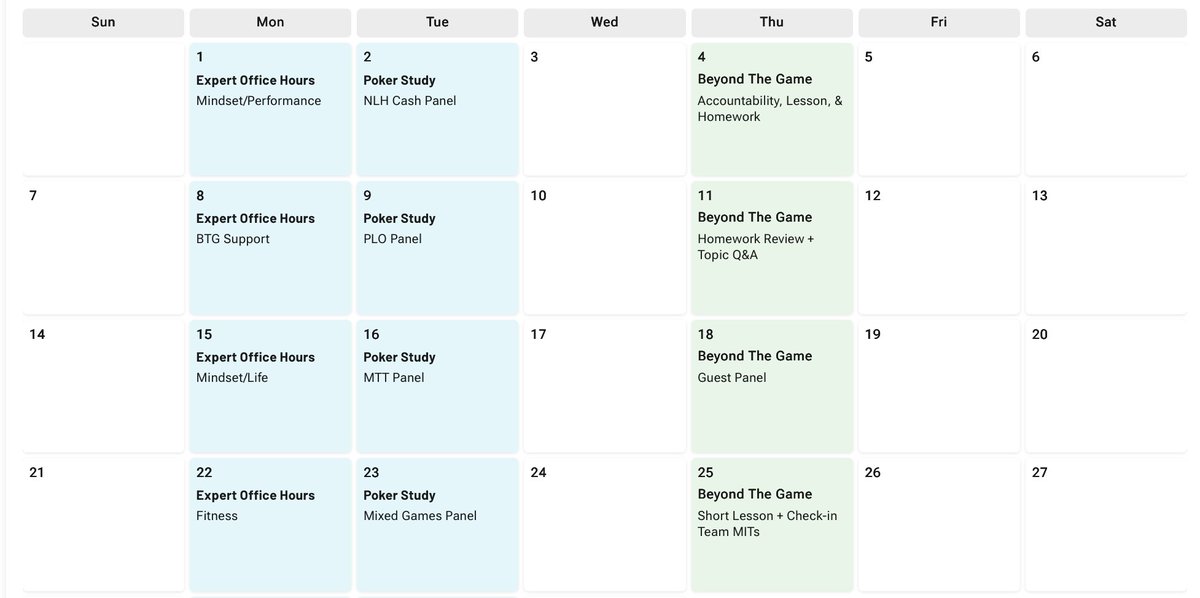
The launching price for BTG was $8,000 for a 365-day membership. In our inaugural year, over 50% of members estimated the value they received at $100,000+. For 2026, we have nearly tripled the live sessions while keeping the investment the same. Applications close in 6 days.
Beyond the Game tweet mediaBeyond the Game tweet mediaBeyond the Game tweet mediaBeyond the Game tweet media
English
0
0
2
226
Beyond the Game retweetet
Phil Galfond
Phil Galfond@PhilGalfond·
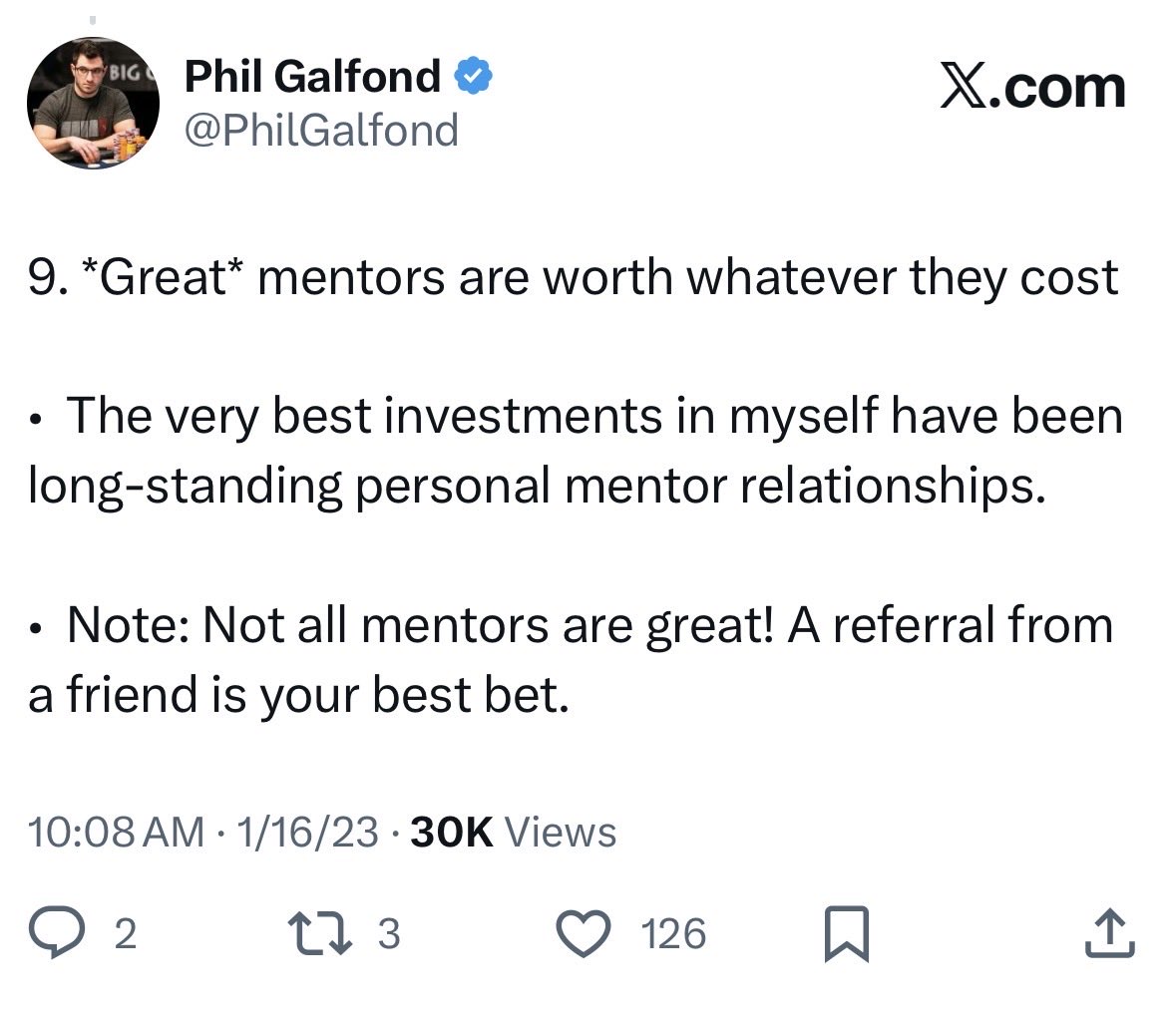
I turned 41 today. On my 38th birthday (when I was in a frequent-posting phase) I shared 10 lessons. I dug the post up today because I was thinking about posting about our closing BTG application window. The final 3 lessons caught my eye. About six months after that post, I “got the idea” for Beyond The Game v1. But it looks like I already had it – I just didn’t know it yet. I followed in the footsteps of some of my mentors – attempting to recreate my own version of what they gave to me. BTG is what came from that – mentorship, partnership, and investing in yourself alongside others doing the same. We’re application only, and the window is closing in 9 days. You can learn more @joinbtg(.com) (And no, I’m not calling myself a *great* mentor, but I am *pretty good*!)
Phil Galfond tweet mediaPhil Galfond tweet mediaPhil Galfond tweet media
English
20
8
141
24.8K
Beyond the Game
Beyond the Game@joinbtg·
We’ve been quiet on here lately because we've been focused on our current members. We only onboard twice a year to make sure the program stays high-quality. That next window starts today. We’re looking for mid/high-stakes players who have had success but know they haven't reached their peak yet. Applications are open for the next 13 days: ➡️ joinbtg.com
Beyond the Game tweet media
English
0
1
4
580
Beyond the Game retweetet
Phil Galfond
Phil Galfond@PhilGalfond·
FYI: @joinbtg enrollment reopens in January for a short time, application-only. I'm looking forward to meeting some new members!
English
5
2
15
6.9K
Beyond the Game
Beyond the Game@joinbtg·
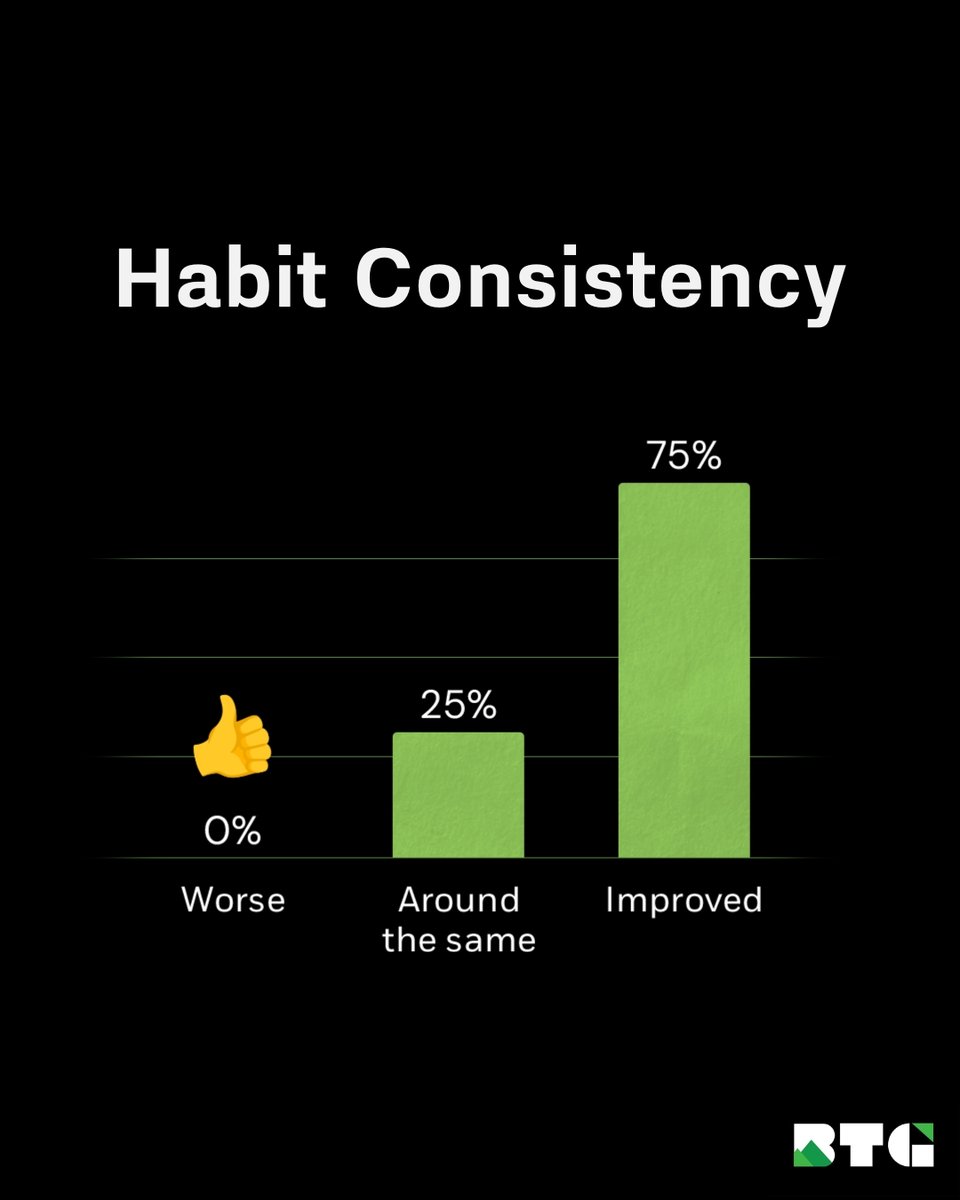
364 days ago, 80+ people took a leap of faith with @PhilGalfond. A few hours ago, the final session of BTG Season One wrapped. Here are the honest numbers from our members — and the benchmark we’re aiming to beat in Season Two. The work begins tomorrow.
Beyond the Game tweet mediaBeyond the Game tweet mediaBeyond the Game tweet mediaBeyond the Game tweet media
English
2
1
6
16.9K
Beyond the Game retweetet
Phil Galfond
Phil Galfond@PhilGalfond·
My Success Story (and my rant about success stories) Want to know how I succeeded in poker? I got interested in the game and worked really hard at it. I hired the best coaches I could find and absorbed everything they taught me. I studied – but only when I felt motivated, following my natural drive and passion rather than forcing myself through drudgery. I loved the game, so the work never felt like work. I surrounded myself with the right people. Other players who shared my obsession and pushed me to get better. We’d spend hours dissecting hands, challenging each other’s assumptions, building each other up. I was disciplined about not chasing losses. I analyzed my play constantly, identifying leaks, plugging holes in my game. I read books, watched videos, used tools — my curiosity and love of the game drove me to constantly seek improvement. That’s roughly the story, right? The one you’ve heard a thousand times from successful people in every field. The one that gets packaged into YouTube content and motivational speeches. And it’s all true. But it’s only half of the story. I also had a lot of advantages that I didn’t earn and couldn’t control. My dad was a math genius and an extremely gifted teacher. He taught me everything I would learn in elementary school by the time I was five. I learned square roots before my classmates learned addition. I came from a stable household where my mom nurtured my empathy, self-awareness, and emotional stability. And emotional stability, it turns out, comes a lot easier when you have life stability — when your basic needs are met, and you’re not worried about rent or food or whether you and your family are safe at home. My family was well off. Not ultra-rich, but well off enough that they paid for my college, room and board, books, everything. So when I started playing poker at 19, I was playing with savings I had accumulated because I’d never had real expenses. There was no financial pressure on me whatsoever. When I sat down at the poker table, I wasn’t thinking about my rent payment. I didn’t have monthly expenses eating into my bankroll. I wasn’t afraid to lose. I also inherited some pretty good genetics. The kind that meant on any aptitude test, I’d score in the 99th percentile. Pattern recognition, logical deduction, mathematical thinking… even emotional regulation – all of that came naturally to me in ways that they don’t for most people. I found poker and fell in love with it. Obsessed, really. And I had the freedom to pursue that obsession with everything I had, with no external stressors pulling me away from the game. No sick parents to care for. No siblings depending on me. No job I couldn’t afford to quit. I found peers who loved it too – great mentors and study buddies who helped me along the way. And almost certainly, I ran well at the start. I deposited fifty dollars and played ten-dollar sit-and-goes. Lost that fifty in a few sessions. Then I deposited a hundred dollars and played more ten-dollar sit-and-goes. I didn’t lose those 10 buy-ins. If I had, this story might be very different. But I ran hot enough in those early sessions to build confidence, to keep going until I developed the skill to have a meaningful edge, to turn that hundred into thousands, then tens of thousands, then millions. So that’s the complete story of how I succeeded. The first version – the one about hard work and surrounding yourself with the right people – sounds like something you can replicate if you just follow the steps. The second version… well, that’s a lot harder to make happen. This is the problem with success stories I keep seeing content creators – educators, motivational speakers, successful entrepreneurs – sharing their journeys. And they mean well – they really do. And they usually have valuable things to teach. But they almost always lead with the first version of the story. “Running a business is easy – here’s my simple three-step system.” “Just do what I did and it’ll all work out.” “I went from zero to founding this multimillion-dollar company with these five tricks. Here’s exactly how you can too.” (And though I’m careful, I’ve probably created content that implied similar. Short-form content with nuance is hard.) And I watch these presentations, and I can tell from the way these people speak that they’re not “normal.” They’re often 1-in-1000 intellects. Maybe 1-in-10,000. So when they’re talking to an audience of a thousand people, maybe one of those people has their natural aptitude and other advantages. The other 999 are not going to find it as easy as they did. It’s like if Shaq made a video called “How I Learned to Dunk” and said, “I worked hard. I stretched and exercised. I practiced jumping. And then I held a basketball, jumped, and dunked it. And here’s the exact stretching and gym routine I used.” I’m five-foot-six. His stretches won't help me dunk. (though to be fair, I haven’t tested that) But it’s so much worse when it’s not something physical, because the 999 people don’t know they’re five-foot-six, metaphorically speaking. They think they just need to follow the system better. Work harder. Be more disciplined. Speaking of which, some people also have what seems like endless discipline and willpower. They can 'just do it' when others struggle with consistency. They stick to their routine no matter how they feel. But willpower isn't equally distributed either. Some people's brains are wired for delayed gratification. Others grew up in environments that taught them discipline from an early age. And some people simply have fewer competing demands on their mental energy. Yes – discipline is a skill you can develop – but we all start with a different floor and ceiling. We need to plan for where we’re at, not what we “should be able to do.” What happens to the 999 When it’s not easy for them – when they follow the steps and don’t get the results – they don’t blame the incomplete story they were told. They get really down on themselves. They feel shame. They feel like they’ve failed — like they are failures. They might lose motivation entirely. And this is tragic, because with better framing, with more honest expectations, many of them could have gotten to a pretty great place for themselves. Maybe not to the very top, maybe not to where the content creator ended up, but somewhere really good – somewhere they’d be proud of. Instead, they give up. Or worse, they take on debt because they know it will work out. They keep banging their heads against the wall, wondering why they can’t just “follow the system” and get the promised results. But here’s what I don’t want you to do I don’t want you to read this and think, “Well, Phil had all these advantages, so I guess I can’t succeed.” That’s not the point. That’s not an excuse. I have had setbacks, disadvantages, and struggles that I didn’t share above – not because I’m embarrassed of them, but because I know how fortunate I am, all things considered, and I know that blaming your circumstances – even when those circumstances are real and significant – doesn’t help anybody. It certainly doesn’t help you. The point is to be honest about where you’re starting from so you can make better decisions about where you’re going. Maybe you’re playing the game on hard mode. Maybe you don’t have the same advantages I had. Maybe you’re starting from a tougher spot, with more obstacles, fewer resources. So what? You can still do it. You can still improve from here, improve next year and the year after that. You can still get somewhere amazing if you focus and dedicate yourself to it. The path might be different. It might take longer. You might need to be more creative, more persistent, more resourceful than someone who starts with more advantages. But it’s still a path you can take. Taking responsibility for your success Here’s the balance I’m trying to strike: acknowledging that we don’t all start from the same place, while also taking full responsibility for what we do with what we have. I had advantages. You might have different advantages. Or you might be starting from a much tougher spot. But wherever you’re starting from, that’s your game to play. The player with a short stack shouldn’t play the same strategy as the chip leader. But they can still come out on top. The work still matters. The dedication still matters. The right mindset still matters. You just might need to work a little differently than the person telling you how easy it is. What I wish more successful people would say Instead of “All you have to do is this. It’s really that simple,” I wish more content creators would say: “Here's my story. Here were the advantages that helped. Here’s what I struggled with. And here are my learnings and a way that I teach others to do it. Take what's useful, adapt the rest. Your path will probably look different than mine - and that's okay.” That’s a less marketable message. It’s harder to sell. But it’s more honest. And it would save a lot of people from unnecessary shame and self-blame. And like I said, most of them mean well. And despite different circumstances, many of them are the exact people you want to be learning from… It’s great to learn from someone who has used their advantages to not only figure something valuable out, but to distill it in a way that is much easier to understand. Why this matters I guess what I’m really trying to say is this: Don’t blame yourself for your starting position, but take accountability for reaching the finish line. Learn from people who’ve succeeded, but remember that their path might not be your path. Work with what you have, not with what you wish you had. And maybe, if more successful people were honest about the role that advantages played in their stories, fewer people would blame themselves when the journey turns out to be harder than promised. I don't know why I felt compelled to write this. Maybe because I see too many good people giving up on things they could actually achieve, or beating themselves up because they “should” be able to do something. Or maybe because I'm tired of success stories that sound like fairy tales. Real life is complicated, and real people deserve honesty about what they're facing. Anyway, that's my rant.
English
75
74
564
96.4K