Sir. retweetet
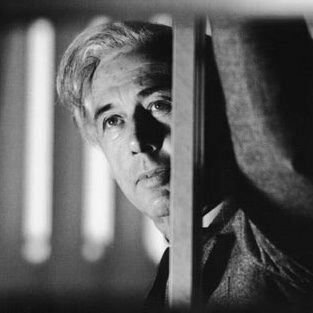
Masahiro Shinoda explains why it was impossible for the Jesuits to impose their religion in Japan:
"Interviewer: Is 'Silence' (1971) critical of the very fact of the Catholics coming to Japan and imposing an alien culture on the Japanese?
Shinoda: Japan is an island surrounded by the sea. Many cultures from outside have come here. Japan could not refuse them. The sea current itself conveyed these foreigners to Japan’s southern shores. Japan’s culture thus consists of many, many foreign cultures in a mixture. Sometimes it caused us to lose our essential Japanese culture. I’m not even sure sometimes what Japanese culture is. In the sixteenth century Christianity and the gun were introduced into Japan. The introduction of the gun was a traumatic event and had a much deeper impact than did Christianity. The Japanese people were perplexed, but they are a realistic people and they made their choices pragmatically, giving up the metaphysical. We are empiricists, materialists.
Interviewer: If I had made that movie, I would have questioned the right of the Jesuit priests to come to Japan and impose their ideas on the Japanese.
Shinoda: No, it was impossible for the Jesuits to impose their religion on the Japanese because of the animism believed in by this insular, island people. It was not to be destroyed by so severe a religion as Christianity. Christianity destroyed the Roman gods, but the Japanese gods were protected by the softness of Buddhism. Buddhism is so soft that it was absorbed into the Japanese culture of the time.
The Japanese people believed that Buddhism could easily marry with Shinto, and thus Japanese culture is a mixed breed of both religions. Then Christianity came, but by this time the native animism of Shinto and Buddhism were already coexisting in harmony. I think that there was no room for an additional religion.
All Eastern religions are in accordance with a belief in the oneness of man and nature, whereas Christianity deals with the relationship between one man and another. When movies, or film culture, were introduced into Japan they were already based on modern Western thought. But Japanese culture influenced the kind of films that would be made here, despite the Western origins of the cinema. I must categorize the films of the world into three distinct types. European films are based upon human psychology, American films upon action and the struggles of human beings, and Japanese films upon circumstance."
('Voices from the Japanese Cinema', Joan Mellen, 1975)
English