mash

3.8K posts

mash

mash

@maaash

https://t.co/OaeenxIlGJ https://t.co/jRt64B5C6N 発言は個人の見解ですよ

Tallinn, Estonia Beigetreten Temmuz 2008
1.2K Folgt1.6K Follower
Angehefteter Tweet
mash
mash@maaash·
ハッカー、はやさについて敬意と熱さがこもった気がする maaash.jp/2026/02/reach-…
日本語
0
2
10
1.4K
mash
mash@maaash·
ずっと絵を描くことや楽器など芸術的な創作活動をあまり極めなかったことに劣等感を感じてきた気がするが、プログラミングもアートと呼ぶようになるんだろうな。いや何もかも実用的な事はaiがやってくれる時には何でもアートなんだろか
日本語
0
0
0
86
mash
mash@maaash·
agentに開発してもらっているとローカルのブランチが増えまくりマージされてすぐ消えていくので git config --global alias.clean-merged !git fetch --prune && git branch -vv | grep ': gone]' | awk '{print $1}' | xargs git branch -D を設定した。リモートブランチが消えたらローカルも消す
日本語
0
0
0
204
mash
mash@maaash·
なんなんだろこの感じ
mash tweet media
日本語
0
0
0
241
mash retweetet
sakusan393
sakusan393@sakusan393·
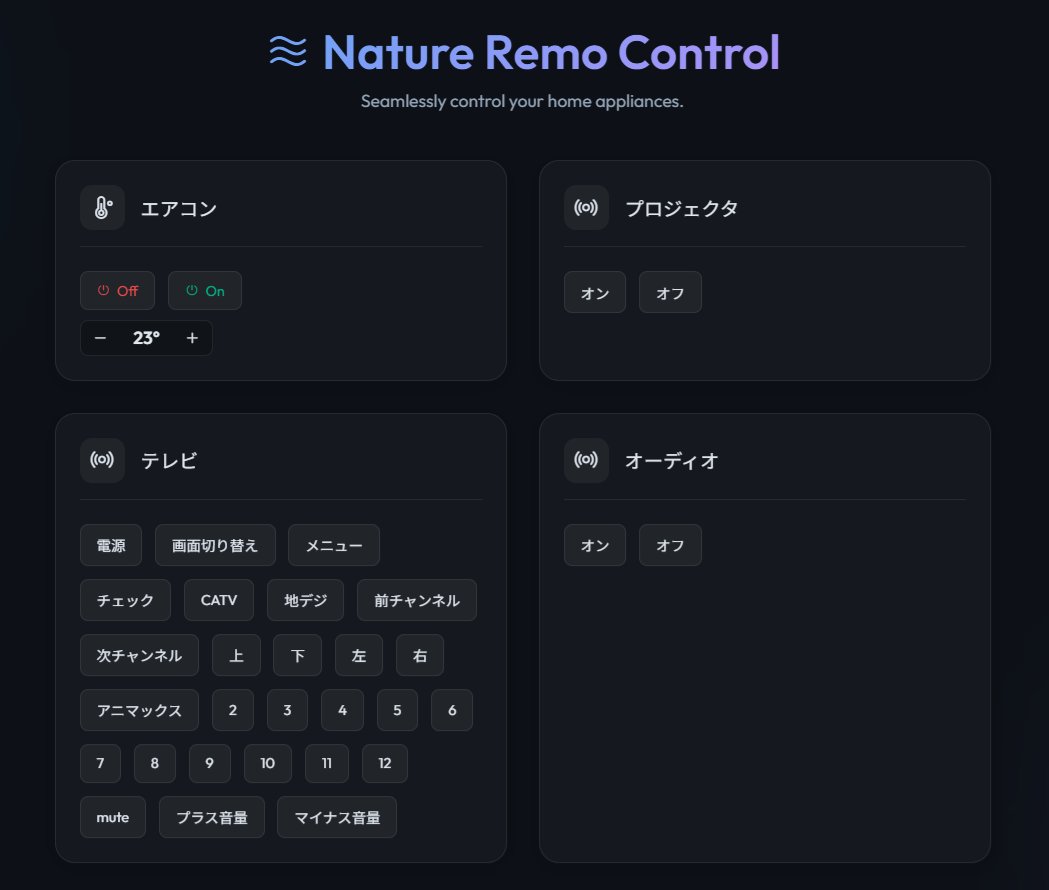
NatureRemoをアレクサ経由ではTVやオーディオの操作をできるようにしてますが、連続操作のときはスマホアプリ上の方が早い。けれど、PCに向かってるときはスマホを触るのが面倒。 というわけでAntigravityにブラウザで操作できるようにしてもらいました。ラクチンです。
sakusan393 tweet media
日本語
1
1
1
252
mash
mash@maaash·
wikiを試しに作ってみた。ChatGPTとの会話セッションのうちあるProjectの中のセッションをClaude DesktopにChrome拡張経由でダウンロードしてもらい、Wikiの初期入力としてみた。興味のあることがすぐリファレンスに飛べる形で整理されるのはとても良い。これがLLMの長期記憶の形なんじゃないか。
Andrej Karpathy@karpathy

LLM Knowledge Bases Something I'm finding very useful recently: using LLMs to build personal knowledge bases for various topics of research interest. In this way, a large fraction of my recent token throughput is going less into manipulating code, and more into manipulating knowledge (stored as markdown and images). The latest LLMs are quite good at it. So: Data ingest: I index source documents (articles, papers, repos, datasets, images, etc.) into a raw/ directory, then I use an LLM to incrementally "compile" a wiki, which is just a collection of .md files in a directory structure. The wiki includes summaries of all the data in raw/, backlinks, and then it categorizes data into concepts, writes articles for them, and links them all. To convert web articles into .md files I like to use the Obsidian Web Clipper extension, and then I also use a hotkey to download all the related images to local so that my LLM can easily reference them. IDE: I use Obsidian as the IDE "frontend" where I can view the raw data, the the compiled wiki, and the derived visualizations. Important to note that the LLM writes and maintains all of the data of the wiki, I rarely touch it directly. I've played with a few Obsidian plugins to render and view data in other ways (e.g. Marp for slides). Q&A: Where things get interesting is that once your wiki is big enough (e.g. mine on some recent research is ~100 articles and ~400K words), you can ask your LLM agent all kinds of complex questions against the wiki, and it will go off, research the answers, etc. I thought I had to reach for fancy RAG, but the LLM has been pretty good about auto-maintaining index files and brief summaries of all the documents and it reads all the important related data fairly easily at this ~small scale. Output: Instead of getting answers in text/terminal, I like to have it render markdown files for me, or slide shows (Marp format), or matplotlib images, all of which I then view again in Obsidian. You can imagine many other visual output formats depending on the query. Often, I end up "filing" the outputs back into the wiki to enhance it for further queries. So my own explorations and queries always "add up" in the knowledge base. Linting: I've run some LLM "health checks" over the wiki to e.g. find inconsistent data, impute missing data (with web searchers), find interesting connections for new article candidates, etc., to incrementally clean up the wiki and enhance its overall data integrity. The LLMs are quite good at suggesting further questions to ask and look into. Extra tools: I find myself developing additional tools to process the data, e.g. I vibe coded a small and naive search engine over the wiki, which I both use directly (in a web ui), but more often I want to hand it off to an LLM via CLI as a tool for larger queries. Further explorations: As the repo grows, the natural desire is to also think about synthetic data generation + finetuning to have your LLM "know" the data in its weights instead of just context windows. TLDR: raw data from a given number of sources is collected, then compiled by an LLM into a .md wiki, then operated on by various CLIs by the LLM to do Q&A and to incrementally enhance the wiki, and all of it viewable in Obsidian. You rarely ever write or edit the wiki manually, it's the domain of the LLM. I think there is room here for an incredible new product instead of a hacky collection of scripts.


日本語
0
0
0
386
mash retweetet
Andrej Karpathy
Andrej Karpathy@karpathy·
LLM Knowledge Bases Something I'm finding very useful recently: using LLMs to build personal knowledge bases for various topics of research interest. In this way, a large fraction of my recent token throughput is going less into manipulating code, and more into manipulating knowledge (stored as markdown and images). The latest LLMs are quite good at it. So: Data ingest: I index source documents (articles, papers, repos, datasets, images, etc.) into a raw/ directory, then I use an LLM to incrementally "compile" a wiki, which is just a collection of .md files in a directory structure. The wiki includes summaries of all the data in raw/, backlinks, and then it categorizes data into concepts, writes articles for them, and links them all. To convert web articles into .md files I like to use the Obsidian Web Clipper extension, and then I also use a hotkey to download all the related images to local so that my LLM can easily reference them. IDE: I use Obsidian as the IDE "frontend" where I can view the raw data, the the compiled wiki, and the derived visualizations. Important to note that the LLM writes and maintains all of the data of the wiki, I rarely touch it directly. I've played with a few Obsidian plugins to render and view data in other ways (e.g. Marp for slides). Q&A: Where things get interesting is that once your wiki is big enough (e.g. mine on some recent research is ~100 articles and ~400K words), you can ask your LLM agent all kinds of complex questions against the wiki, and it will go off, research the answers, etc. I thought I had to reach for fancy RAG, but the LLM has been pretty good about auto-maintaining index files and brief summaries of all the documents and it reads all the important related data fairly easily at this ~small scale. Output: Instead of getting answers in text/terminal, I like to have it render markdown files for me, or slide shows (Marp format), or matplotlib images, all of which I then view again in Obsidian. You can imagine many other visual output formats depending on the query. Often, I end up "filing" the outputs back into the wiki to enhance it for further queries. So my own explorations and queries always "add up" in the knowledge base. Linting: I've run some LLM "health checks" over the wiki to e.g. find inconsistent data, impute missing data (with web searchers), find interesting connections for new article candidates, etc., to incrementally clean up the wiki and enhance its overall data integrity. The LLMs are quite good at suggesting further questions to ask and look into. Extra tools: I find myself developing additional tools to process the data, e.g. I vibe coded a small and naive search engine over the wiki, which I both use directly (in a web ui), but more often I want to hand it off to an LLM via CLI as a tool for larger queries. Further explorations: As the repo grows, the natural desire is to also think about synthetic data generation + finetuning to have your LLM "know" the data in its weights instead of just context windows. TLDR: raw data from a given number of sources is collected, then compiled by an LLM into a .md wiki, then operated on by various CLIs by the LLM to do Q&A and to incrementally enhance the wiki, and all of it viewable in Obsidian. You rarely ever write or edit the wiki manually, it's the domain of the LLM. I think there is room here for an incredible new product instead of a hacky collection of scripts.
English
2.7K
6.6K
55.4K
19.6M
mash
mash@maaash·
gmailの文書作成サポート、とても良くなってるな。ほぼそのまま送信している。メールの作法は定型文でai向きだもんな。読む方も要約は要らないからメール作法言葉だけ抜いてくれるのが必要
日本語
0
0
0
143
mash
mash@maaash·
Hail Maryとても良かったが、原作読んでないと分からなくない?
mash tweet media
日本語
0
0
0
152
mash
mash@maaash·
朝は overcast.fm/+ABRxvhQyTvw the book of Elon についてのpodcastを聞いてて夕方に make the requirements less dumb な話をしていたので身についてる
日本語
0
0
0
186
mash
mash@maaash·
pony.ai の自動運転を初体験。中国人の運転で学習してるのか合流が強気w
日本語
0
0
4
408
mash retweetet
Nature株式会社 エネマネとスマートホーム🌿
EV充電のスマート化を推進する新たな取り組み、「Nature EV Switch」の個人向け販売と設置サービスを開始しました🚗🔌 Natureユーザー先着200名限定「Nature EV Switch設置サービス」現地調査費用無償キャンペーンも開催中です。 なお、本製品は、東京都の令和7年度戸建住宅向け充電設備普及促進事業における外付け通信機器に該当し、要件を満たした場合に助成対象となります。 nature.global/press/release/…
日本語
1
11
16
4.2K
mash
mash@maaash·
ついに趣味機械学習IMEプロジェクトでMacBook Proでは足らずGCPのGPUを使用開始。といってもNVIDIA L4のスポットインスタンスなので大した額ではないが、キリがないな。お金かければ性能は上がりそうだがいくらかければ十分な性能になるのかは分からず途中でやめるのはサンクコストのため止めにくい
日本語
0
0
2
276
mash
mash@maaash·
何ヶ月か前にバッチのスケジュール実行が多いので、それを見やすいようにカテゴライズしてmarkdownにするスクリプトをclaudeに書いてもらって、基本的にはレビューはそのmarkdownを見るようになったんだけど、仕様=テストのレビューもそれでいいかもな、とズッキーニを焼きながら思ったのでメモ
日本語
0
0
0
167
mash
mash@maaash·
機械学習を勉強していると、CPU, GPU, メモリ, ストレージ, コストの制限にすぐぶつかり、ちょっとPython書くとボトルネックが移り、目まぐるしいな。難しいが富豪的プログラミングと言われる前はこうだったよなと少し懐かしさもある
日本語
0
0
1
186
mash
mash@maaash·
@songmu @kenjiskywalker kenjiさんには学校?!と驚いたので話聞いてみたいと思ってました!
日本語
1
0
2
129
mash
mash@maaash·
どこかで見かけて⁦@songmu⁩ のpodcast を聴いてたらメンションしてもらってたわーい。⁦@kenjiskywalker⁩ は近くのタイムゾーンにいるんだな overcast.fm/+ABK_h5tOWVM
日本語
2
1
2
1.7K