Mark Fisher

4.1K posts

Mark Fisher banner
Mark Fisher

Mark Fisher

@markwilderness

Advocate for wilderness

Yorkshire Beigetreten Mayıs 2013
8 Folgt705 Follower
Angehefteter Tweet
Mark Fisher
Mark Fisher@markwilderness·
Why don’t we learn from how niche partitioning structures coexistence among carnivores, and then use that ecological logic to interrogate human–wolf coexistence and the failures of current socio‑political framings self-willed-land.org.uk/articles/niche…
Mark Fisher tweet media
English
0
2
5
229
Mark Fisher retweetet
Richard Bowler
Richard Bowler@RichardBowler1·
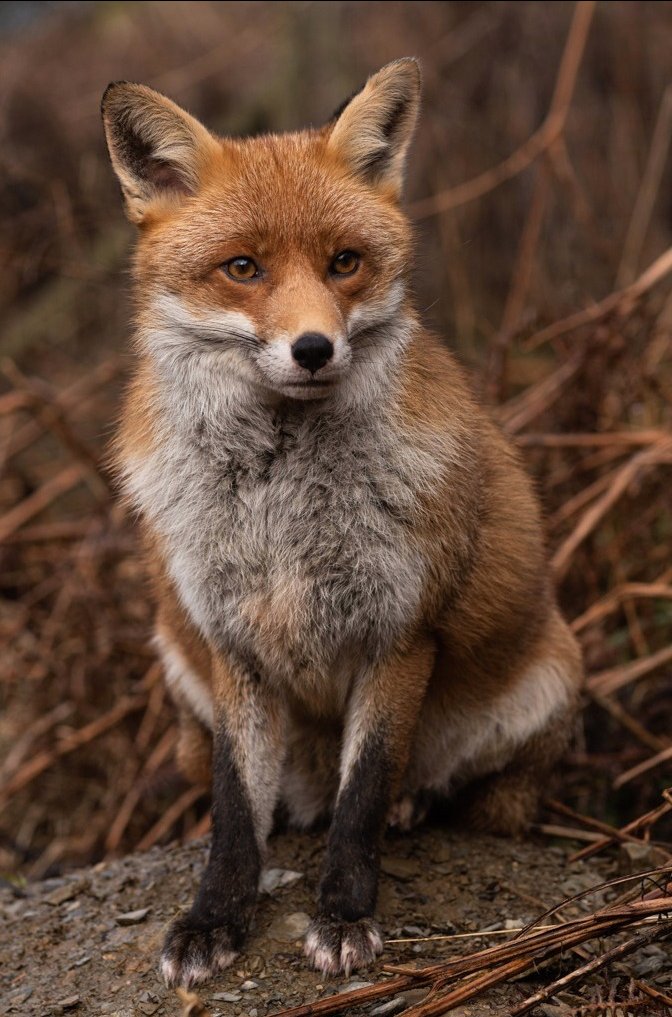
A quick Google search today revealed fox pop in UK has decreased by 40-48% in recent years. So why does Tony Juniper say they are increasing and need controlling. If they were a ground nesting bird they'd at least be amber listed. #FoxOfTheDay
Richard Bowler tweet media
English
6
57
279
2K
Mark Fisher
Mark Fisher@markwilderness·
STOP THE LEGALISED KILLING OF WILD BIRDS IN THE UK - Sign the Petition! c.org/FLDNXydzwj
English
0
0
2
20
Mark Fisher retweetet
j.a.h.n.a.v.i._.i.y.e.r
j.a.h.n.a.v.i._.i.y.e.r@JahnaviIyer·
Trumps border wall isnt just a monument to xenophobia, its a monument to Ecocide. Watch this mountain lion, an apex predator reduced to a desperate scavenger, trying to squeeze through steel bars to find water. This is the "security" they sold us: a landscape turned into a cage. The ecological illiteracy of this administration is staggering. By slicing through the Arizona-Sonora border, they’ve blocked up to 85% of wildlife migration. They arent just stopping people; they are stopping the genetic flow of entire species, ensuring local extinctions for the sake of a photo-op. Tear down the barriers to survival. Protect migration corridors, not political egos. #SaveWildlife #NoWalls #WildlifeRights #ClimateAction #TrumpEcocide @BD_SCBG @realDonaldTrump @Wildlife_Update @Sky_Islands @CenterForBioDiv @SierraClub @Earthjustice @NatlParkService
English
27
977
2.1K
66.8K
Mark Fisher retweetet
John Walker
John Walker@earthFgardener·
Of course it’s not sheep, destructive herbivores, which are taking the moors (and the rest of upland ecology) hostage, eating virtually everything, including young trees, which become non-flammable broadleaf woodland. Don’t fall for the doubt-sowers who’ll tell you otherwise.
Farmers Guardian@FarmersGuardian

Wildfires burning across Saddleworth and Marsden Moors are raising serious questions about upland management. 🔥🚨 The National Sheep Association warns removing grazing animals may be increasing fire risk. READ MORE: ow.ly/RSut50YFHzE

English
1
2
6
422
Mark Fisher
Mark Fisher@markwilderness·
@RichardBowler1 @ChrisGPackham "Studies show foxes are in decline, I could definitely take you to see a Curlew here in North Wales, I couldn't take you to see a wild fox." Same here
English
0
1
5
113
Richard Bowler
Richard Bowler@RichardBowler1·
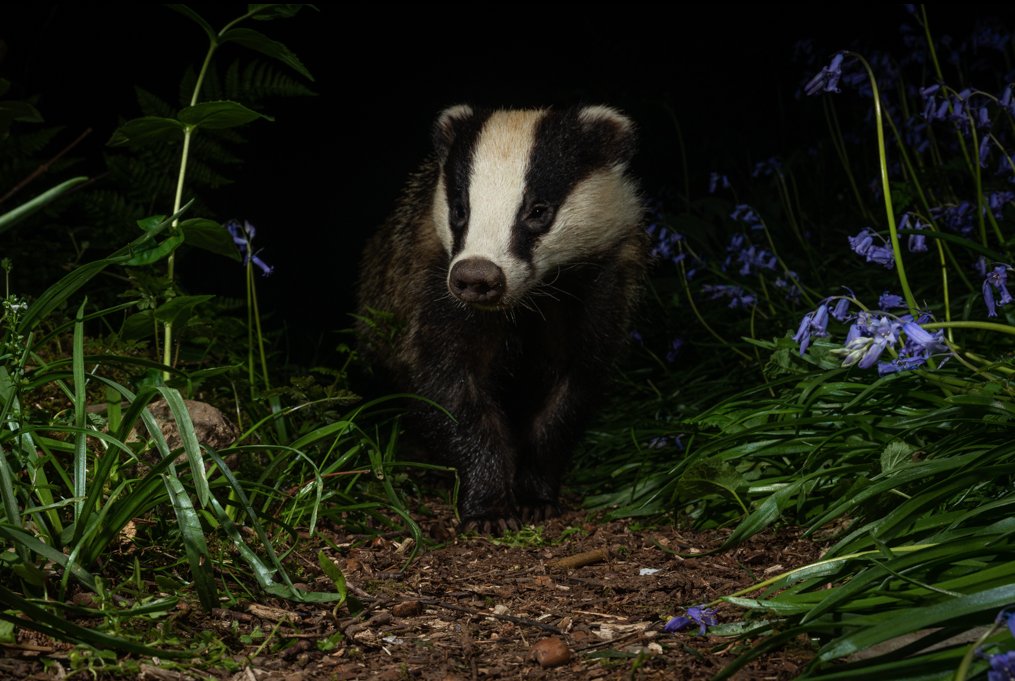
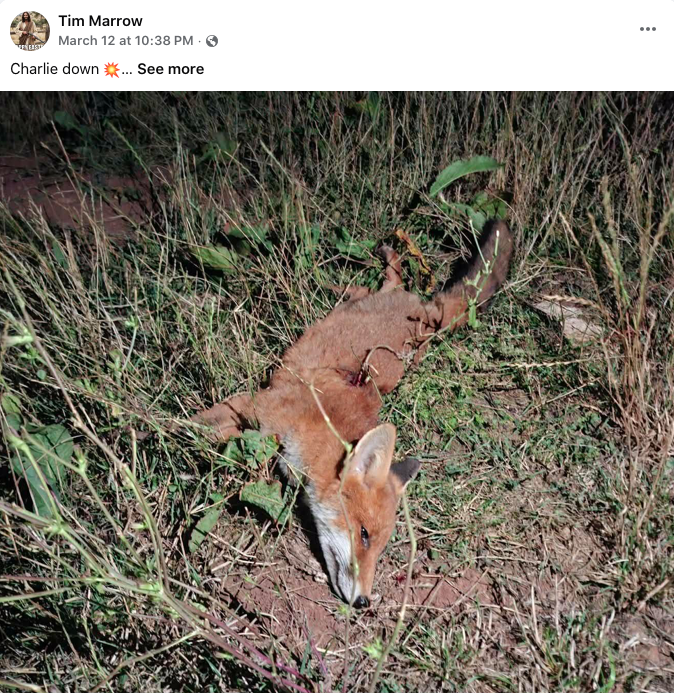
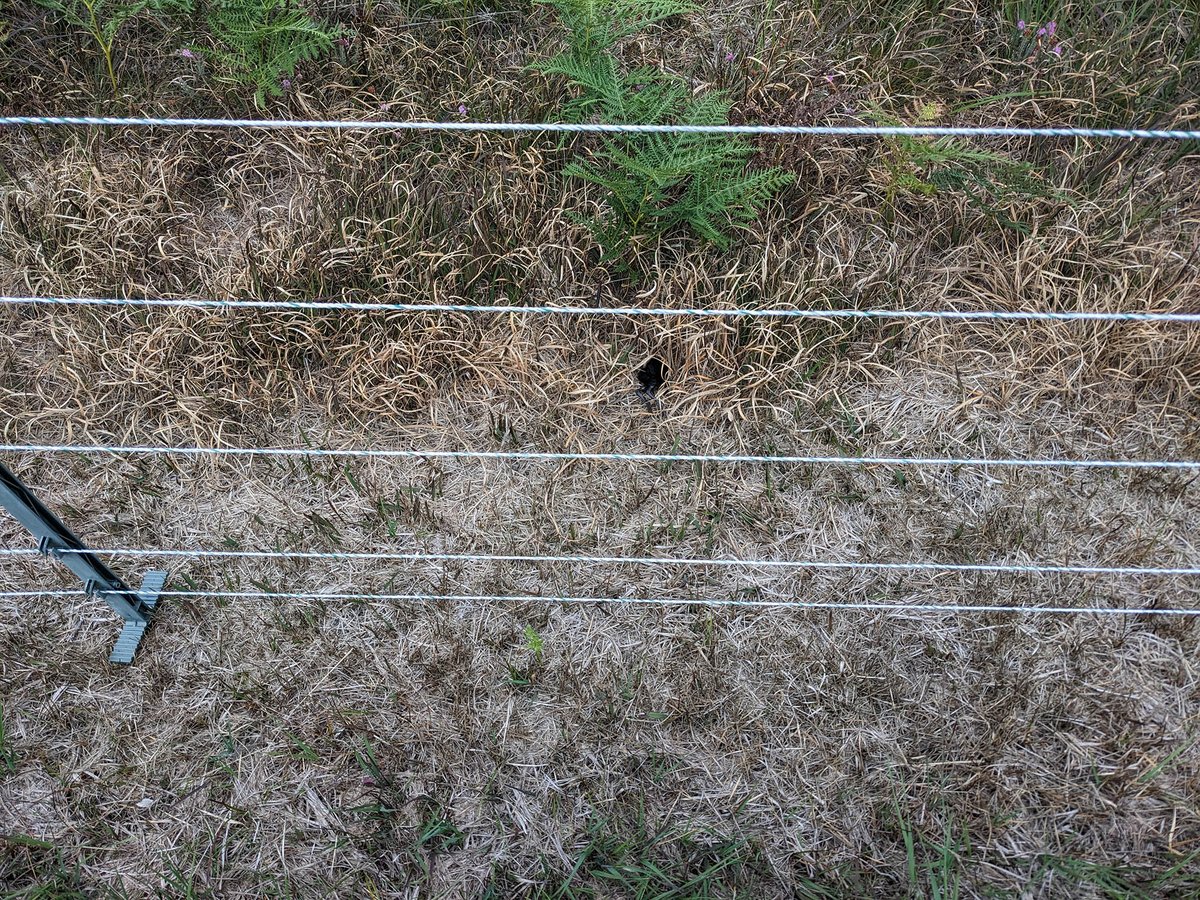
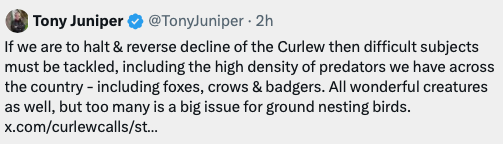
After yesterdays tweet by Tony Juniper, I thought a couple of images of how we'd like to see our wildlife and a couple showing the vision the Chair of Natural England wants. A bit of a rant on my FB. page. facebook.com/profile.php?id… @ChrisGPackham
Richard Bowler tweet mediaRichard Bowler tweet mediaRichard Bowler tweet mediaRichard Bowler tweet media
English
4
74
228
2.1K
Mark Fisher retweetet
Stephen Barlow
Stephen Barlow@SteB777·
Finally, to conclude, this is not just my opinion, because the RSPB @Natures_Voice did Curlew trial management, including predator control, and it did nothing to improve Curlew breeding success. rspb.org.uk/helping-nature… 18/
English
1
4
53
2.2K
Mark Fisher
Mark Fisher@markwilderness·
@SamaHoole The extinct Steppe bison (Bison priscus) were present in Britain - not the European bison (Bison bonasus) nor the N American bison (Bison bison) at Rhug. Bison are not regarded as a native species and fall under the Dangerous Wild Animals Act 1976. They must be kept securely.
English
1
0
3
98
Sama Hoole
Sama Hoole@SamaHoole·
Let's check in on Freya, who is ruining Denbighshire. Freya is a four-year-old European bison at Rhug Estate in north Wales. She weighs approximately 450 kilograms. Her ancestors grazed Britain until six thousand years ago. The fossil record is clear, the bones are in the cave deposits, the bison were here: then they retreated eastward as the forest shrank and the hunting intensified, and by 1927 they were gone from the wild entirely. Twelve individuals in captivity. One century of careful breeding. Freya is the result. 6:45am - Freya is at the woodland boundary. She stands with her head up and her nose working. The estate manager times this every morning. Four minutes and twelve seconds. Then she moves. The estate manager follows her route two hours later. This morning: elder scrub cleared from fifteen metres of the south margin. Two ash saplings browsed back. A section of bracken disturbed at the root: nothing else on this estate is heavy enough to push bracken rhizomes out of the ground with its face. Freya does it by walking through. 8:30am - The wallow. The wet depression at the base of the east slope has been deepening for eight months. It holds water after rain now. Marsh marigold in April. Water mint in June. Eleven dragonfly species in August, none in the survey from six years ago, before the bison, before the wallow, before the pool. Freya made the dragonflies. Freya was having a roll. 10:00am - Bark work on the ash section. Bison strip bark with their lower incisors: one side of the bole, the cambium heals over. What remains is rough exposed wood: habitat for bark beetles, mosses, lichens. The woodpecker has been using this section since October. Three consecutive surveys now. The woodpecker doesn't know about Freya. The woodpecker knows there is good bark. 12:00pm - Freya grazed the grassland section. She pushes through rather than crops, disturbing the surface, opening the sward. The seed bank under British permanent grassland contains species that haven't germinated in decades, waiting for exactly the kind of disturbance a 450-kilogram animal at pace provides. Wild garlic this month on the disturbed sections. Wood anemone at the margin. Neither recorded on this estate before. They were in the soil. They needed Freya to let them out. 4:30pm - Boundary assessment. North field. Four minutes, unhurried. The estate manager is on the track with binoculars. He can see dense hawthorn encroaching on the north ride. A rank area of coarse grass untouched for two seasons. He writes: "Tomorrow." Freya walks into the trees. The Wisent is back in Wales. She has been waiting six thousand years to get back to work. She is not in a hurry. She has the whole field.
Sama Hoole tweet media
English
89
819
4K
55.4K
Mark Fisher retweetet
Stephen Barlow
Stephen Barlow@SteB777·
Read my responses to @TonyJuniper, about how the massive electric fence compounds on Fenns and Whixall Moss National Nature Reserve NNR, are killing wader chicks, like these Water Rail chicks (and presumably Curlew chicks). I will be blogging about this scandal shortly.
Stephen Barlow@SteB777

@TonyJuniper You will soon be able to read my blog about how the @NaturalEngland managers on Fenns and Whixall Moss NNR have reduced the Curlew population to half of what it was, only 3 years ago, and their electric fences are killing wader chicks, like these Water Rail chicks.

English
1
40
81
2.1K
Mark Fisher retweetet
Stephen Barlow
Stephen Barlow@SteB777·
@TonyJuniper You will soon be able to read my blog about how the @NaturalEngland managers on Fenns and Whixall Moss NNR have reduced the Curlew population to half of what it was, only 3 years ago, and their electric fences are killing wader chicks, like these Water Rail chicks.
Stephen Barlow tweet mediaStephen Barlow tweet mediaStephen Barlow tweet media
English
4
18
64
4K
Mark Fisher retweetet
Stephen Barlow
Stephen Barlow@SteB777·
These managers are lying about the Curlew population on Fenns and Whixall Moss NNR, falsely claiming they have increased the Curlew population. I advised them that killing Crows (they killed 191 in 2023), would be counter-productive. I am the only person who has studied the Curlew population in depth, and 99.9% of the time I have been out on the Moss, there has not been a single other person there. Before they started killing Crows, there were about 5-15 Carrion Crows engaged in nest predation behaviour. The same number there are, now. However, until they started killing Crows, most of the Crows were resident, and drove other Crows, and avian nest predators away. I never one saw Ravens, Common Buzzards, Red Kites, Marsh Harriers, Lesser Black-backed gulls etc, engaged in nest predation behaviour. Because they got mobbed by the Crows As there are no territorial Crows left, just non-breeding Crows that come onto the Moss, just for nest predation, they no longer drive these other nest predators away. Meaning I regularly in one day, will see several Ravens, Common Buzzards, Red Kites and Marsh Harriers, and Lesser Black-backed Gulls, engaged in nest predation. Of course the NNR managers never see any of this, because they are hardly ever out on the Moss as they only work office hours. I advised them of all this before I did it. They know I'm a graduate in ecology, and none of them have any ecological knowledge or qualifications. No one disputes that it would be better if predators did not predate Curlew nests. However, killing Crows and Foxes does not necessarily reduce their population density, or predation activity, and can increase it. You don't have to take my word for it, when the RSPB did trial predator control, it made no difference to the Curlew breeding success. I forecast this, before this peer reviewed paper was published. When I sent the NNR mangers this @Natures_Voice research to the managers they failed to respond, or read it. 18 months after I sent the NNR Manager, in charge of the Curlew project this peer reviewed research, I asked him if he'd read it, to discuss it with him, and he admitted he had not read it. When I tried to discuss population ecology with him, he got angry, and clearly did not understand the basics of ecology. This is a vanity project, to make @NaturalEngland and the NNR managers look good. They don't give a flying shit about conservation or Curlews. It is all about appearances. rspb.org.uk/helping-nature…
English
4
13
48
872
Mark Fisher
Mark Fisher@markwilderness·
Stephen Barlow@SteB777

These managers are lying about the Curlew population on Fenns and Whixall Moss NNR, falsely claiming they have increased the Curlew population. I advised them that killing Crows (they killed 191 in 2023), would be counter-productive. I am the only person who has studied the Curlew population in depth, and 99.9% of the time I have been out on the Moss, there has not been a single other person there. Before they started killing Crows, there were about 5-15 Carrion Crows engaged in nest predation behaviour. The same number there are, now. However, until they started killing Crows, most of the Crows were resident, and drove other Crows, and avian nest predators away. I never one saw Ravens, Common Buzzards, Red Kites, Marsh Harriers, Lesser Black-backed gulls etc, engaged in nest predation behaviour. Because they got mobbed by the Crows As there are no territorial Crows left, just non-breeding Crows that come onto the Moss, just for nest predation, they no longer drive these other nest predators away. Meaning I regularly in one day, will see several Ravens, Common Buzzards, Red Kites and Marsh Harriers, and Lesser Black-backed Gulls, engaged in nest predation. Of course the NNR managers never see any of this, because they are hardly ever out on the Moss as they only work office hours. I advised them of all this before I did it. They know I'm a graduate in ecology, and none of them have any ecological knowledge or qualifications. No one disputes that it would be better if predators did not predate Curlew nests. However, killing Crows and Foxes does not necessarily reduce their population density, or predation activity, and can increase it. You don't have to take my word for it, when the RSPB did trial predator control, it made no difference to the Curlew breeding success. I forecast this, before this peer reviewed paper was published. When I sent the NNR mangers this @Natures_Voice research to the managers they failed to respond, or read it. 18 months after I sent the NNR Manager, in charge of the Curlew project this peer reviewed research, I asked him if he'd read it, to discuss it with him, and he admitted he had not read it. When I tried to discuss population ecology with him, he got angry, and clearly did not understand the basics of ecology. This is a vanity project, to make @NaturalEngland and the NNR managers look good. They don't give a flying shit about conservation or Curlews. It is all about appearances. rspb.org.uk/helping-nature…
QME
0
0
1
24
John Pretty
John Pretty@JohnPretty2o2o·
Mr Juniper has described these matters as "difficult subjects". I don't think labelling him an "arse" for making this point is fair. If you think that his argument is wrong make a case for an alternative viewpoint. Not everybody is as "well informed" as you clearly seem to think you are on these matters.
English
2
0
4
119
Mark Fisher retweetet
Richard Bowler
Richard Bowler@RichardBowler1·
I see it as no coincident that just as the Badger cull comes to an end and the Hunting consultation is launched, this arse pipes up. Look at the habitats destroyed, look at the catastrophic loss of inverts. @ChrisGPackham @IoloWilliams2
Richard Bowler tweet media
English
11
42
116
2K
Mark Fisher retweetet
Richard Bowler
Richard Bowler@RichardBowler1·
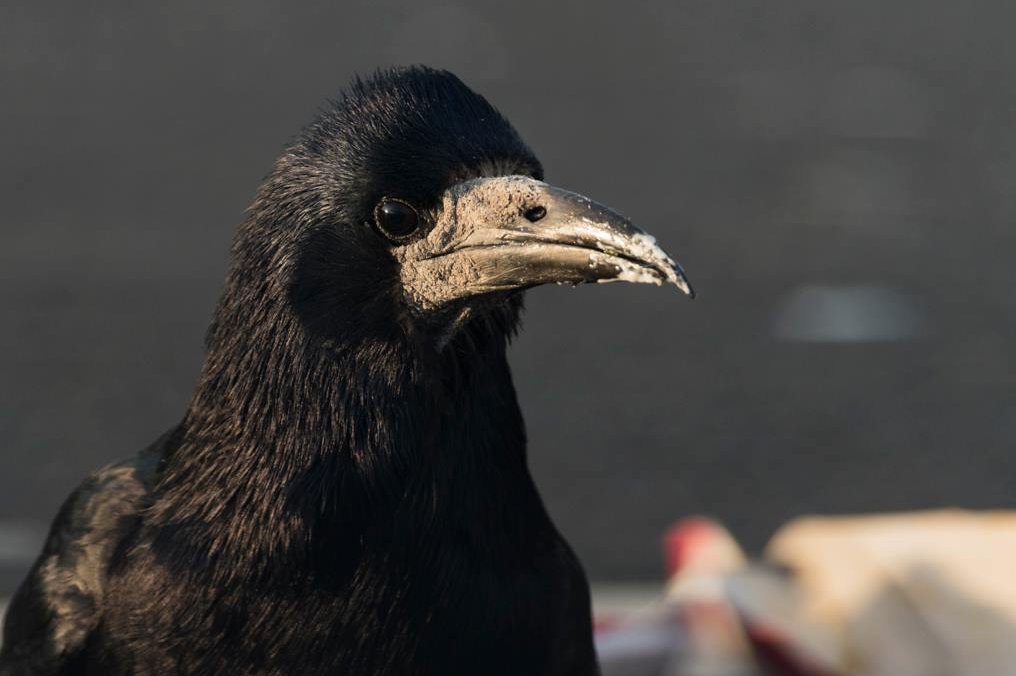
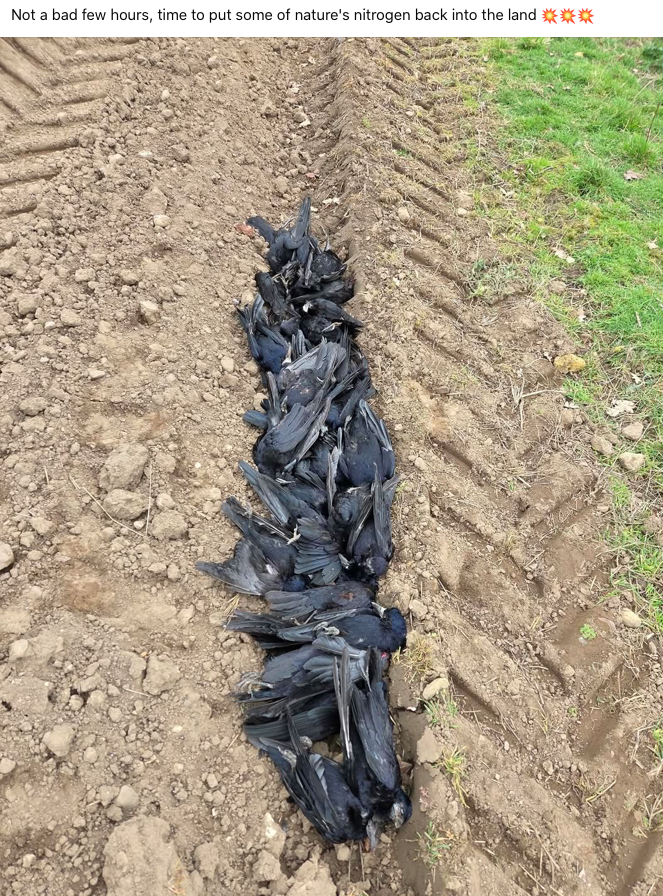
I've always liked a Rook, but even if I didn't, surely this behaviour is out of order. Shot just to be ploughed back into the land. We can send people to the moon, but have to resort to this to protect a crop. Lazy. Plus they eat pests to crops like leather jackets.
Richard Bowler tweet mediaRichard Bowler tweet media
English
97
328
1.4K
28.3K
Mark Fisher retweetet
Ian Dowson
Ian Dowson@northnthat·
Great as ever from Mark. It's the old divorce of people / nature, the dualism, certainly, in parts of western philosophy anyway. Other places / people across time did/do it differently.
Mark Fisher@markwilderness

Why don’t we learn from how niche partitioning structures coexistence among carnivores, and then use that ecological logic to interrogate human–wolf coexistence and the failures of current socio‑political framings self-willed-land.org.uk/articles/niche…

English
1
1
2
33
Mark Fisher retweetet
HSA Chair
HSA Chair@HsaChair·
More biomass of Pheasants (a non-native species) are imported as chicks or eggs each year just to be shot by people who like to kill birds. It is time this was completely stopped as it's against animal welfare and damaging to the UK environment. birdguides.com/news/uk-govern…
English
3
86
153
1.6K
Mark Fisher
Mark Fisher@markwilderness·
@teamwolf_org "hunting as a tool in the kit for social tolerance" "a step forward in the right direction toward better coexistence" NO!
English
2
0
0
19
Team Wolf
Team Wolf@teamwolf_org·
Washington’s wolf population now exceeds 200, and as numbers grow, so do tensions—especially in communities living closest to wolves. Recovery benchmarks have been met, but debate over protections continues. Read more at bit.ly/47oU8Jl
English
1
10
18
257
Mark Fisher retweetet
Protect the Wild
Protect the Wild@ProtectTheWild_·
SHARE if you agree! Let's make 2026 the year that fox hunting is ended for good.
Protect the Wild tweet media
English
69
2.1K
8.7K
61.5K
Mark Fisher retweetet
dominic dyer
dominic dyer@domdyer70·
Off to London to help lead a wildlife protection NGO meeting with Defra Minister Angela Eagle on the future of bovine TB policy & badger culling. It’s time the Government brought an end to the badger blame & focus on cattle to lower bovine TB. Killing badgers is cruel, costly & ineffective
dominic dyer tweet media
English
44
87
406
8.1K
Mark Fisher retweetet
dominic dyer
dominic dyer@domdyer70·
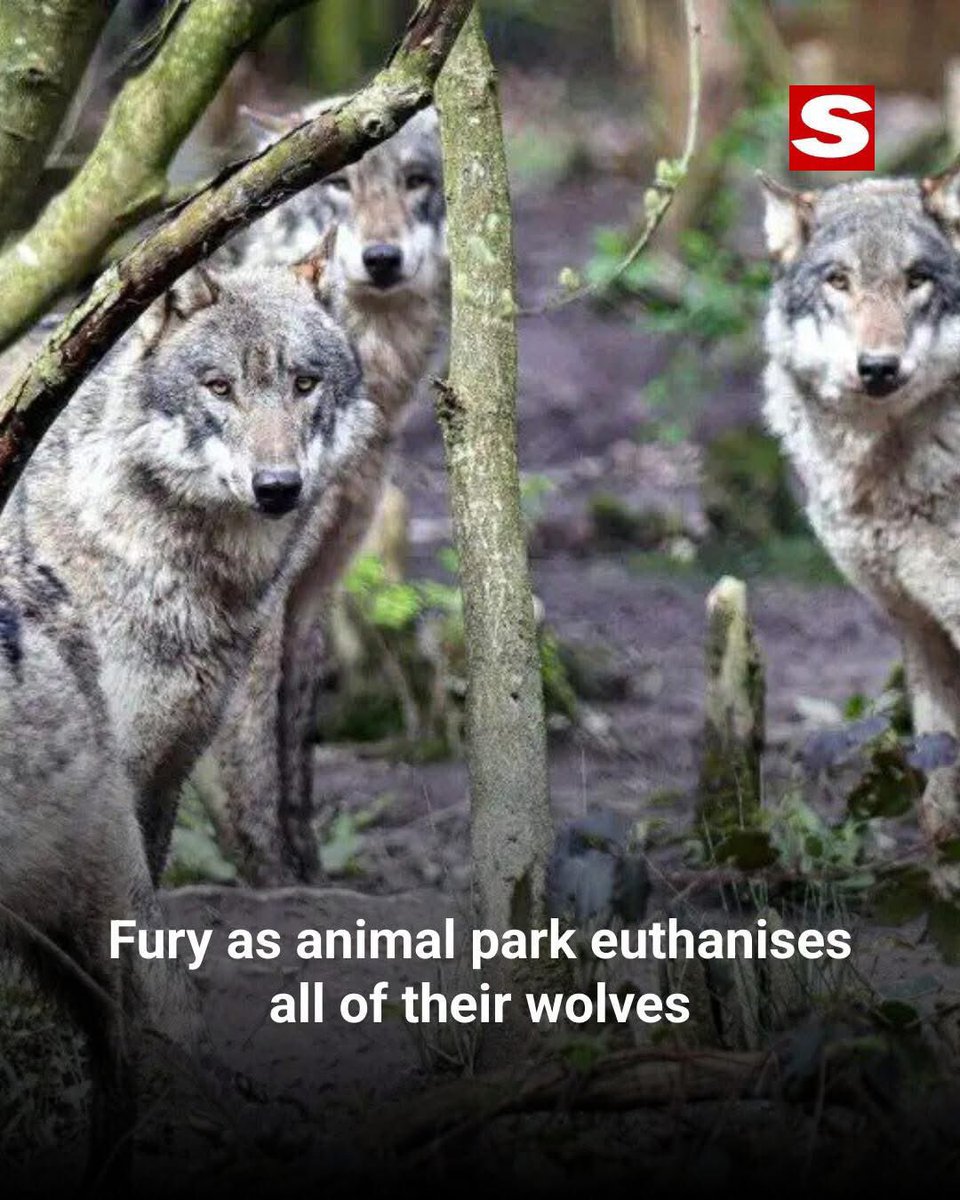
AN ENTIRE pack of wolves has been euthanised at an animal park in Kent due to “severe aggression”. Wildwood in Herne Common, near Herne Bay, said the decision to euthanise the wolves was an “absolute last resort” that came about due to a “rapid breakdown in pack dynamics”. The park – home to five European grey wolves– had recently closed the pen to the public due to escalating violence between the animals, which in some cases had led to life-threatening injuries. “Due to volatility within the pack, our team has been unable to safely intervene of provide the level of veterinary care required,” said the bosses, adding that they were “deeply saddened” by their deaths. The pack – made up of commanding duo Nuna and Odin and their three male offspring, Minimus, Tiberius and Maximus – were a beloved attraction among locals. News of their death has stoked an outpouring of grief and outrage. Advertisement
dominic dyer tweet media
English
69
223
317
9.4K