michel🇫🇷🇧🇷🇨🇭🇮🇹🇩🇪 retweetet

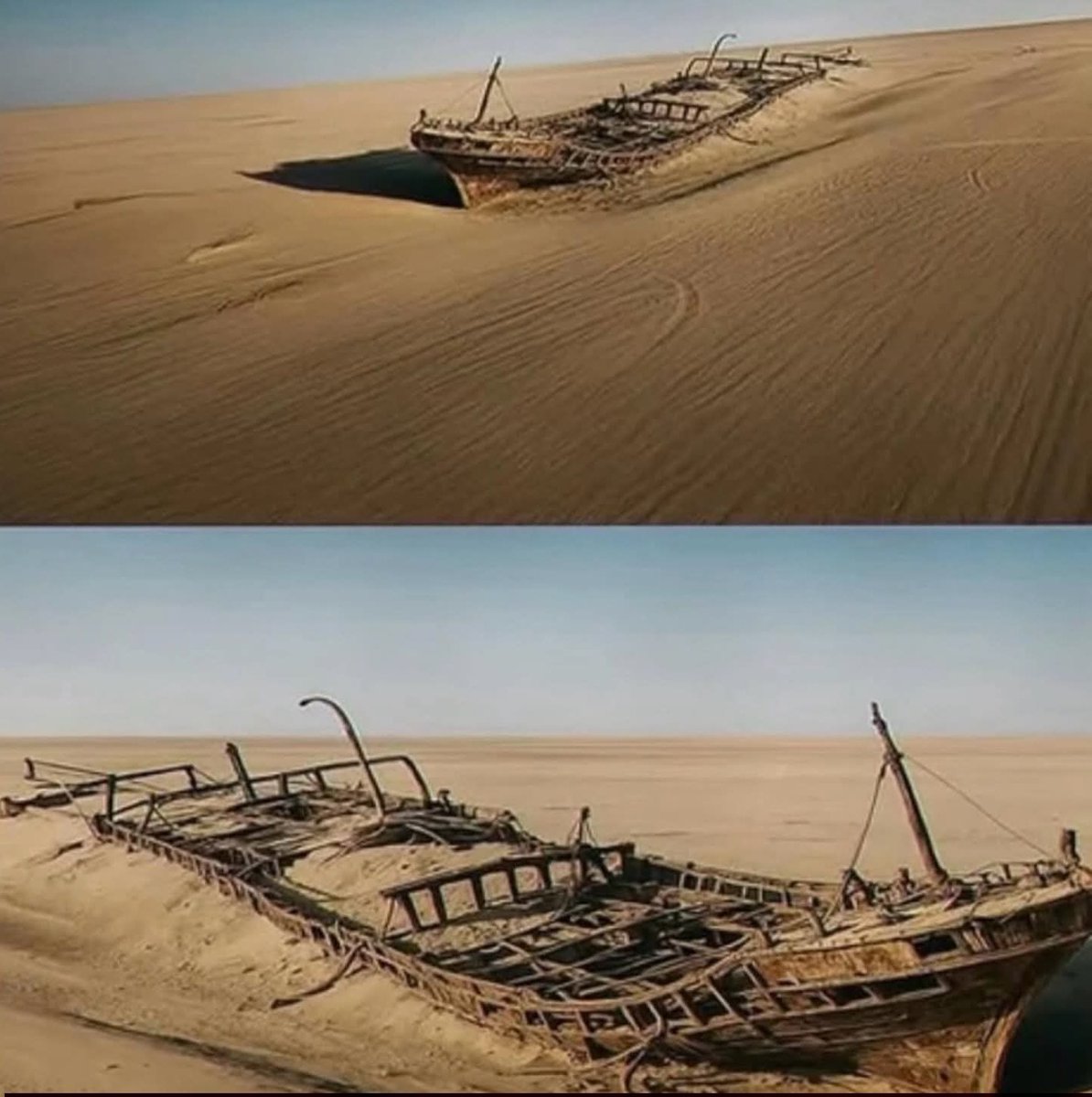
The Bom Jesus was a Portuguese trading ship that vanished in 1533 while sailing from Lisbon to India during the height of Europe’s Age of Discovery. Vessels like it formed the backbone of early global trade, transporting immense wealth across perilous seas to fuel empires, spice routes, and colonial expansion. Somewhere along Africa’s southwest coast, the Bom Jesus was caught in a violent storm and smashed against rocks near what is now Namibia’s Skeleton Coast.
Unlike most shipwrecks, the Bom Jesus did not remain underwater. Over centuries, shifting shorelines and relentless desert winds buried the wreck beneath sand dunes as the coastline slowly retreated. In 2008, diamond miners working inland unexpectedly uncovered wooden beams, copper ingots, and gold coins, realizing they had stumbled upon something extraordinary.
The cargo revealed the ship’s purpose and immense value. More than 2,000 copper ingots intended for Asian trade were recovered, along with over 100 elephant tusks and thousands of gold coins from both Portugal and Spain. Weapons, navigational instruments, and personal belongings offered rare insight into life aboard a 16th-century trading vessel.
Preserved by the arid desert climate, the wreck became one of the most valuable shipwrecks ever discovered on land. It stands as a powerful reminder of how global trade, exploitation, and ambition were shaping the modern world long before accurate maps existed.
The Skeleton Coast is so dangerous it earned its name from centuries of shipwrecks, yet the Bom Jesus remains the only known wreck there with such an intact and valuable cargo, buried entirely beneath desert sand.
#archaeohistories
English