荻野ゼミ

1.1K posts

荻野ゼミ

荻野ゼミ

@ogilab

Beigetreten Mart 2015
191 Folgt37 Follower
荻野ゼミ retweetet
Jack 🤖
Jack 🤖@JacklouisP·
Humanoids = stacked actuators. Pure and simple. If you don't understand actuators, you don't understand robots. Actuators are not solved: too heavy, too hot, too inefficient. This is a mega thread on actuator design for humanoid robots, directly from the mind of @GoingBallistic5 Bookmark it for later 👇

English
199
306
2.3K
244.6K
荻野ゼミ retweetet
Richard Sutton
Richard Sutton@RichardSSutton·
This thread in Chinese does indeed seem to accurately communicate the main points of David Silver’s and my short paper on the Era of Experience. Thanks @AnneXingxb!
xingxb@AnneXingxb

1/6 TheBitter RL 今天,RL太🔥了,RLHF更是毕业利器。 但 @RichardSSutton@GoogleDeepMind 的Welcome to the Era of Experience 犹如TheBitterLesson的续章给我们当头一棒。 经历过模拟时代, 享受过人类数据时代, 如今我们正踏入经验时代 不靠模仿,不靠学习,而靠“活过”。 #AI范式 #RL

English
7
40
272
30.3K
荻野ゼミ
荻野ゼミ@ogilab·
荻野ゼミ田頭ゼミと三菱電機で共同開発している遠隔操作ロボットがテレビで紹介されました。 Robotic Avatars for Remote Work | NHK WORLD-JAPAN Shows www3.nhk.or.jp/nhkworld/en/sh…
日本語
0
0
0
203
荻野ゼミ retweetet
BRICS News
BRICS News@BRICSinfo·
JUST IN: 🇨🇳 Chinese robotics company unveils robotic dog capable of sprinting 100 meters in under 10 seconds.
English
361
1.2K
6.3K
453.1K
荻野ゼミ
荻野ゼミ@ogilab·
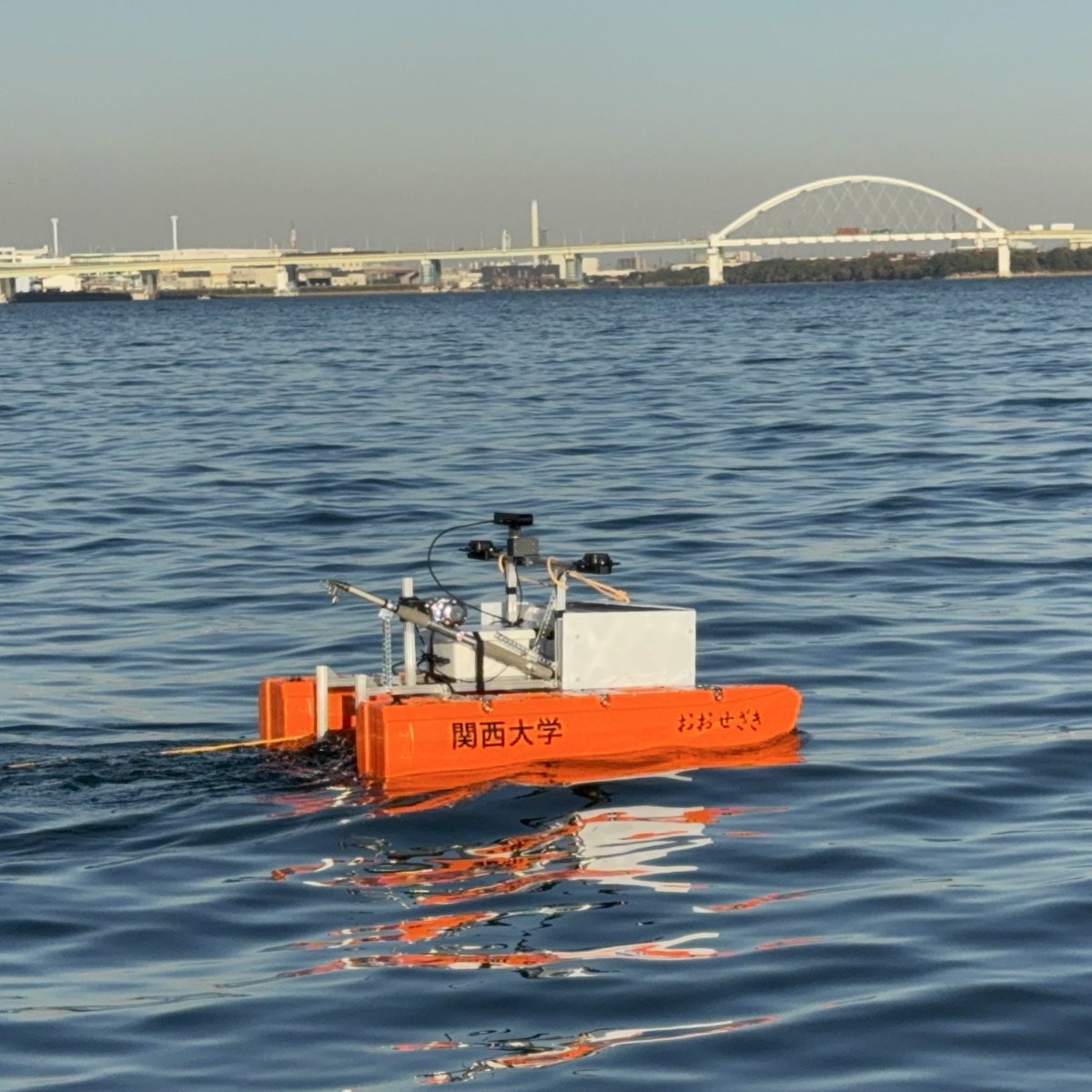
大阪湾でゼミの谷川君が製作したUSV の実験をしました!
荻野ゼミ tweet media
日本語
0
0
1
133
荻野ゼミ retweetet
Richard Sutton
Richard Sutton@RichardSSutton·
The original RL algorithms, inspired by natural learning, were online and incremental—they were streaming in the sense that they learned from each increment of experience as it happened, then discarded it, never to be processed again. The streaming algorithms were simple and elegant, but the first big successes of RL in deep learning were not with streaming algorithms. Instead, methods such as DQN chopped the stream of experience into individual transitions, then stored and sampled them in arbitrary batches. Subsequent work followed, extended, and refined the batch approach into asynchronous and offline RL, while the streaming approach languished, unable to produce good results in popular deep learning domains. Until now. Now researchers at the University of Alberta have shown that streaming RL algorithms can work just as well as DQN on Atari and Mujoco tasks (arxiv.org/pdf/2410.14606). How did they do it? Mostly just by getting signal normalization and step-size bounding right for the streaming case—otherwise they use standard streaming algorithms like TD(lambda) and Q(lambda). To me it looks like they were simply the first researchers knowledgeable of streaming RL algorithms to seriously address deep RL without being over-influenced by batch-oriented software and batch-oriented supervised-learning ways of thinking.
Mohamed Elsayed@mhmd_elsaye

Would you believe that deep RL can work without replay buffers, target networks, or batch updates? Our recent work gets deep RL agents to learn from a continuous stream of data one sample at a time without storing any sample. Joint work with @Gautham529 and @rupammahmood.

English
16
226
1.4K
129.2K
荻野ゼミ retweetet
佐々木俊尚@新著「人生を救う 名もなき料理」3/11発売!
日本の新聞テレビや高齢の左派文化人らの意見とは、まったく真逆の日本観が描かれていて今こそ読まれてほしい記事。私もこの通りだと思うし、日本の今後の未来は明るくなってきてると思う。ブルームバーグが配信。/失われた30年が変えた日本、進化し次の時代へ buff.ly/3QgJf3y
日本語
28
805
2.1K
350.8K
荻野ゼミ retweetet
Paul Bloom
Paul Bloom@paulbloomatyale·
Such sad news. He was a brilliant philosopher who had a profound influence on cognitive science. And he was hugely supportive to young scholars—including me, long ago. A great loss. dailynous.com/2024/04/19/dan…
English
22
230
1.4K
144.2K
荻野ゼミ retweetet
Andrew Ng
Andrew Ng@AndrewYNg·
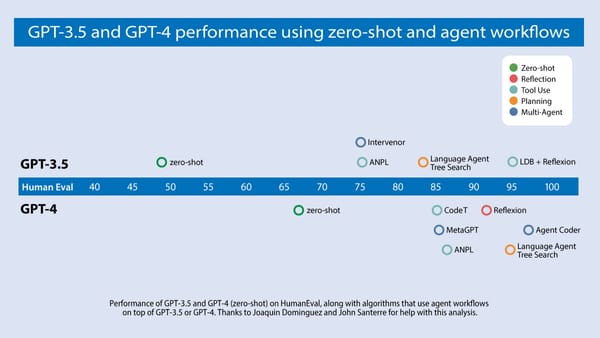
I think AI agentic workflows will drive massive AI progress this year — perhaps even more than the next generation of foundation models. This is an important trend, and I urge everyone who works in AI to pay attention to it. Today, we mostly use LLMs in zero-shot mode, prompting a model to generate final output token by token without revising its work. This is akin to asking someone to compose an essay from start to finish, typing straight through with no backspacing allowed, and expecting a high-quality result. Despite the difficulty, LLMs do amazingly well at this task! With an agentic workflow, however, we can ask the LLM to iterate over a document many times. For example, it might take a sequence of steps such as: - Plan an outline. - Decide what, if any, web searches are needed to gather more information. - Write a first draft. - Read over the first draft to spot unjustified arguments or extraneous information. - Revise the draft taking into account any weaknesses spotted. - And so on. This iterative process is critical for most human writers to write good text. With AI, such an iterative workflow yields much better results than writing in a single pass. Devin’s splashy demo recently received a lot of social media buzz. My team has been closely following the evolution of AI that writes code. We analyzed results from a number of research teams, focusing on an algorithm’s ability to do well on the widely used HumanEval coding benchmark. You can see our findings in the diagram below. GPT-3.5 (zero shot) was 48.1% correct. GPT-4 (zero shot) does better at 67.0%. However, the improvement from GPT-3.5 to GPT-4 is dwarfed by incorporating an iterative agent workflow. Indeed, wrapped in an agent loop, GPT-3.5 achieves up to 95.1%. Open source agent tools and the academic literature on agents are proliferating, making this an exciting time but also a confusing one. To help put this work into perspective, I’d like to share a framework for categorizing design patterns for building agents. My team AI Fund is successfully using these patterns in many applications, and I hope you find them useful. - Reflection: The LLM examines its own work to come up with ways to improve it. - Tool use: The LLM is given tools such as web search, code execution, or any other function to help it gather information, take action, or process data. - Planning: The LLM comes up with, and executes, a multistep plan to achieve a goal (for example, writing an outline for an essay, then doing online research, then writing a draft, and so on). - Multi-agent collaboration: More than one AI agent work together, splitting up tasks and discussing and debating ideas, to come up with better solutions than a single agent would. I’ll elaborate on these design patterns and offer suggested readings for each next week. [Original text: deeplearning.ai/the-batch/issu…]
Andrew Ng tweet media
English
217
1.2K
5.2K
837.8K
荻野ゼミ
荻野ゼミ@ogilab·
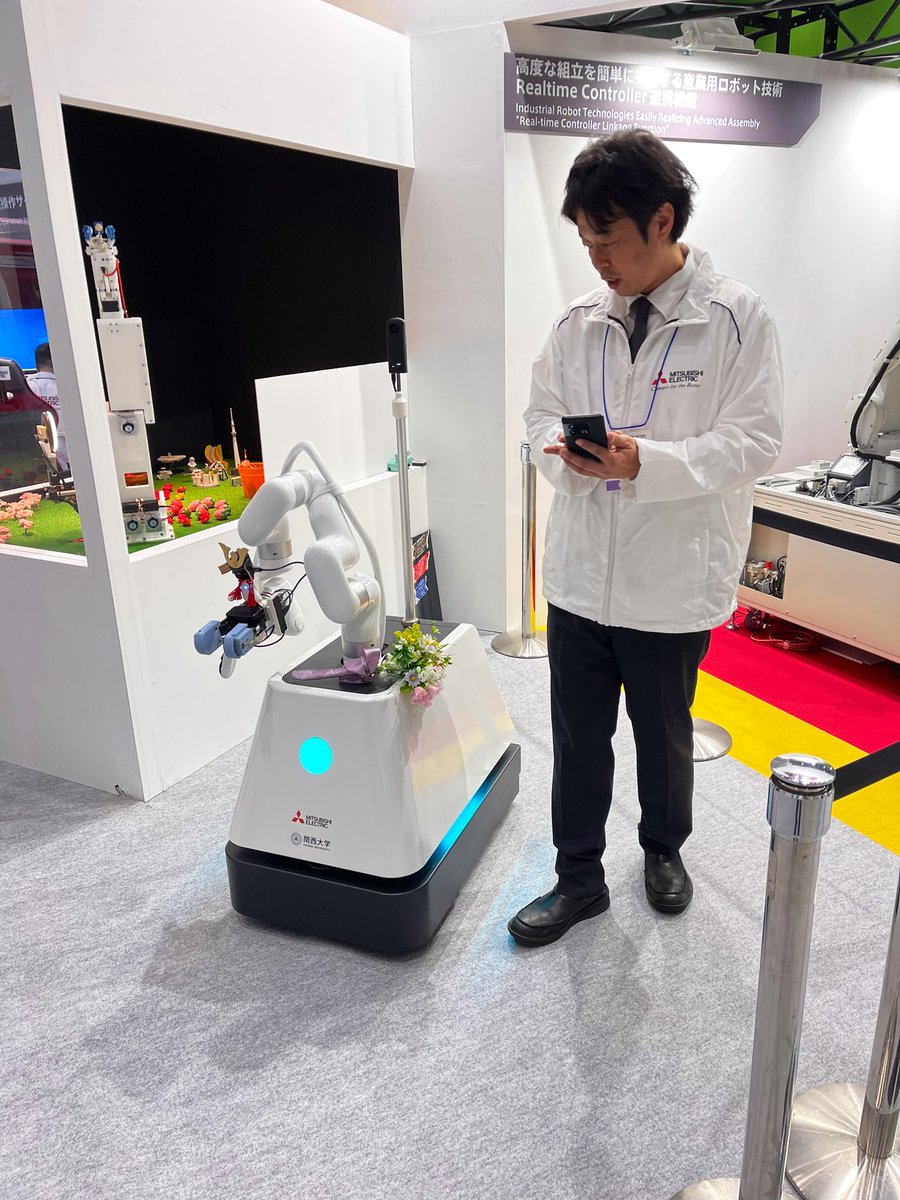
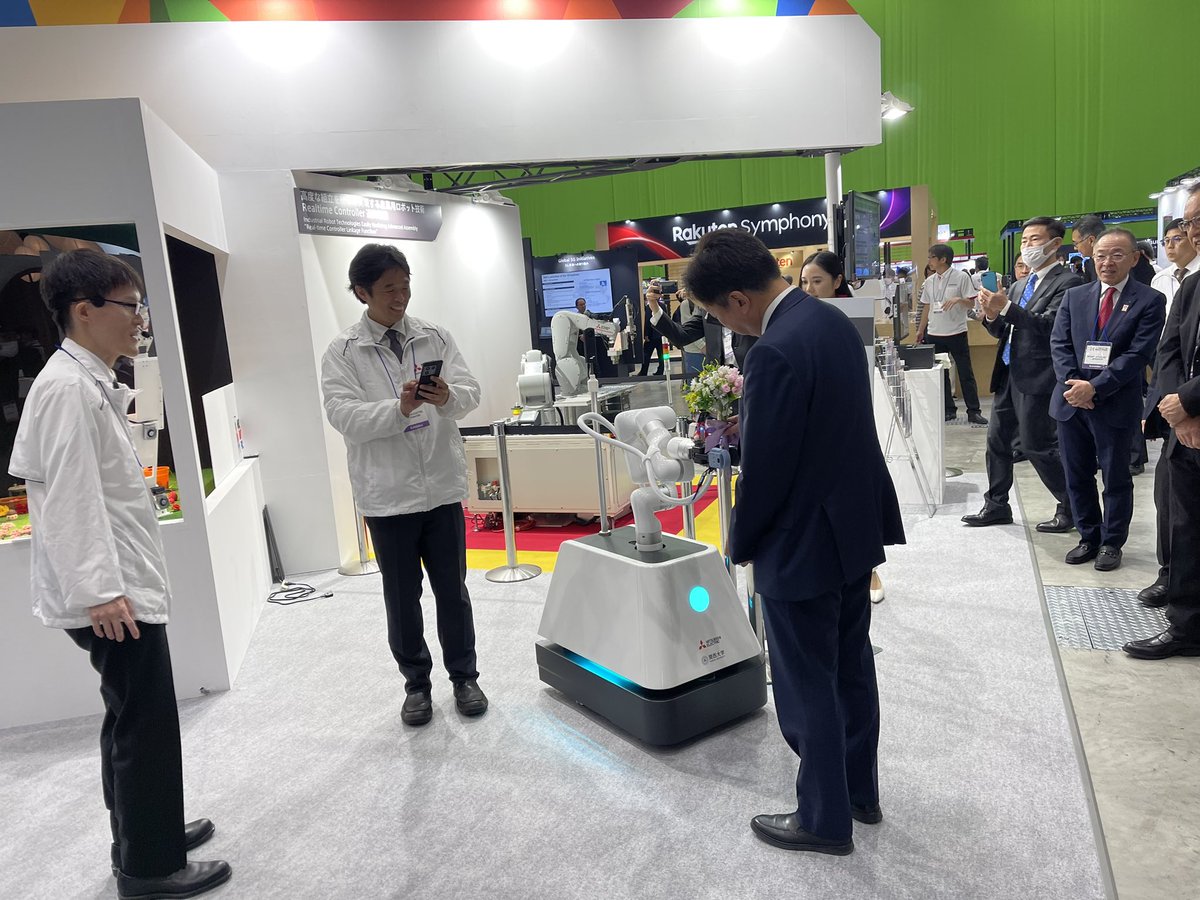
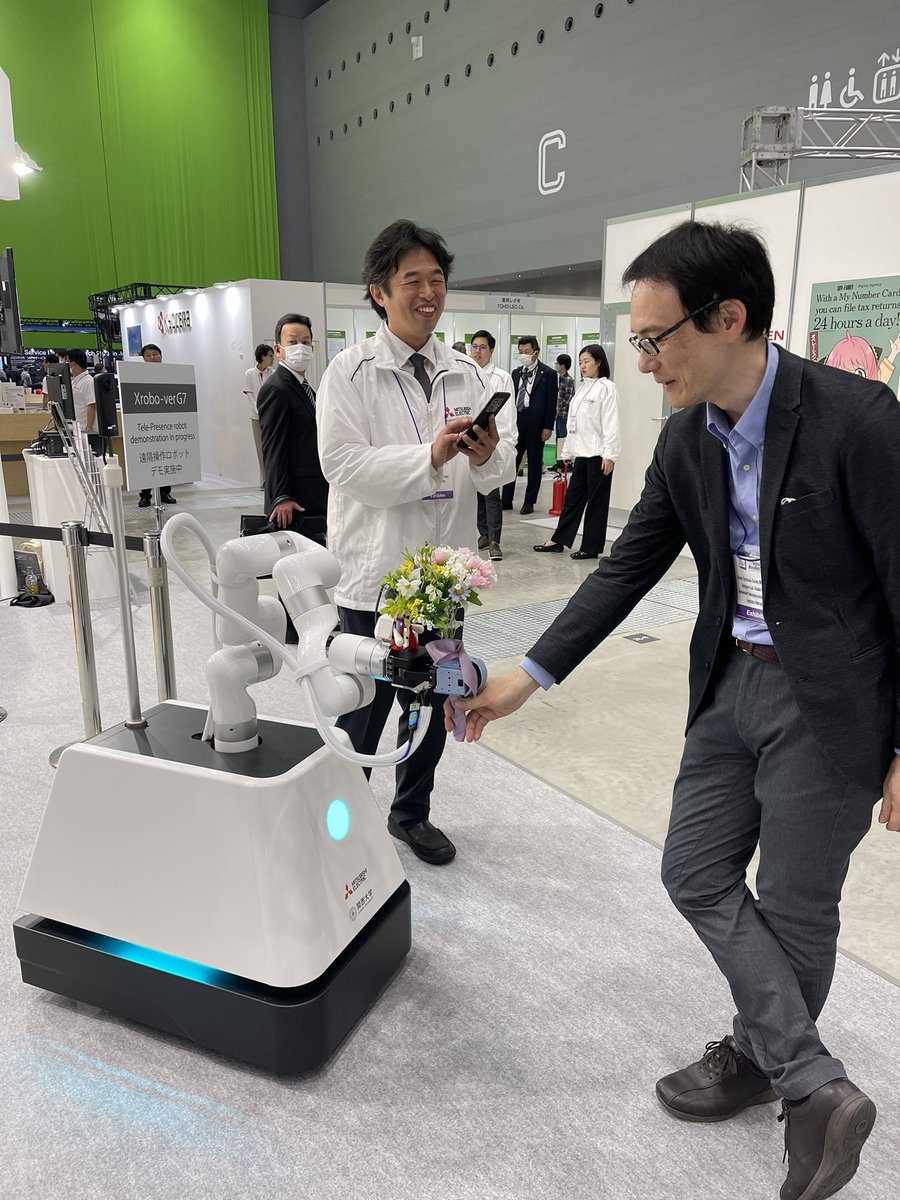
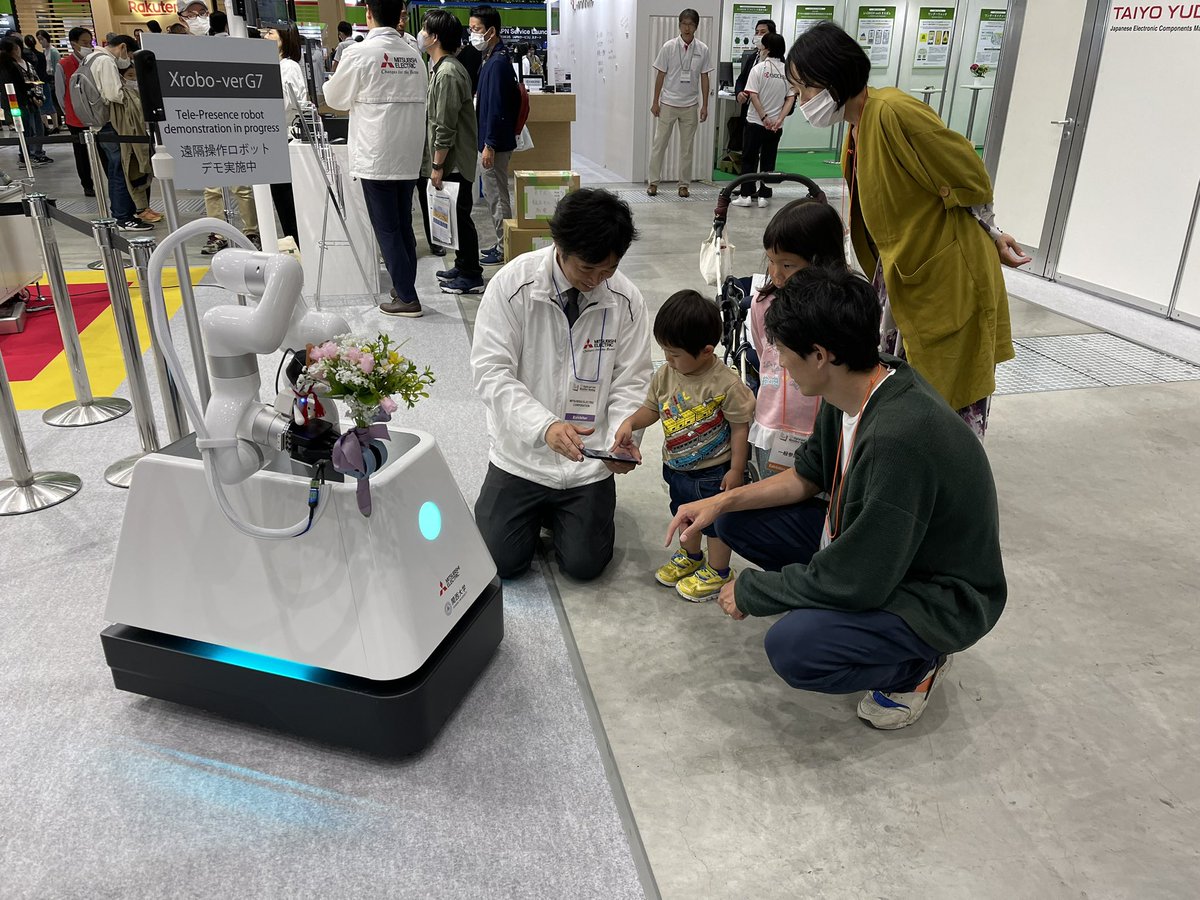
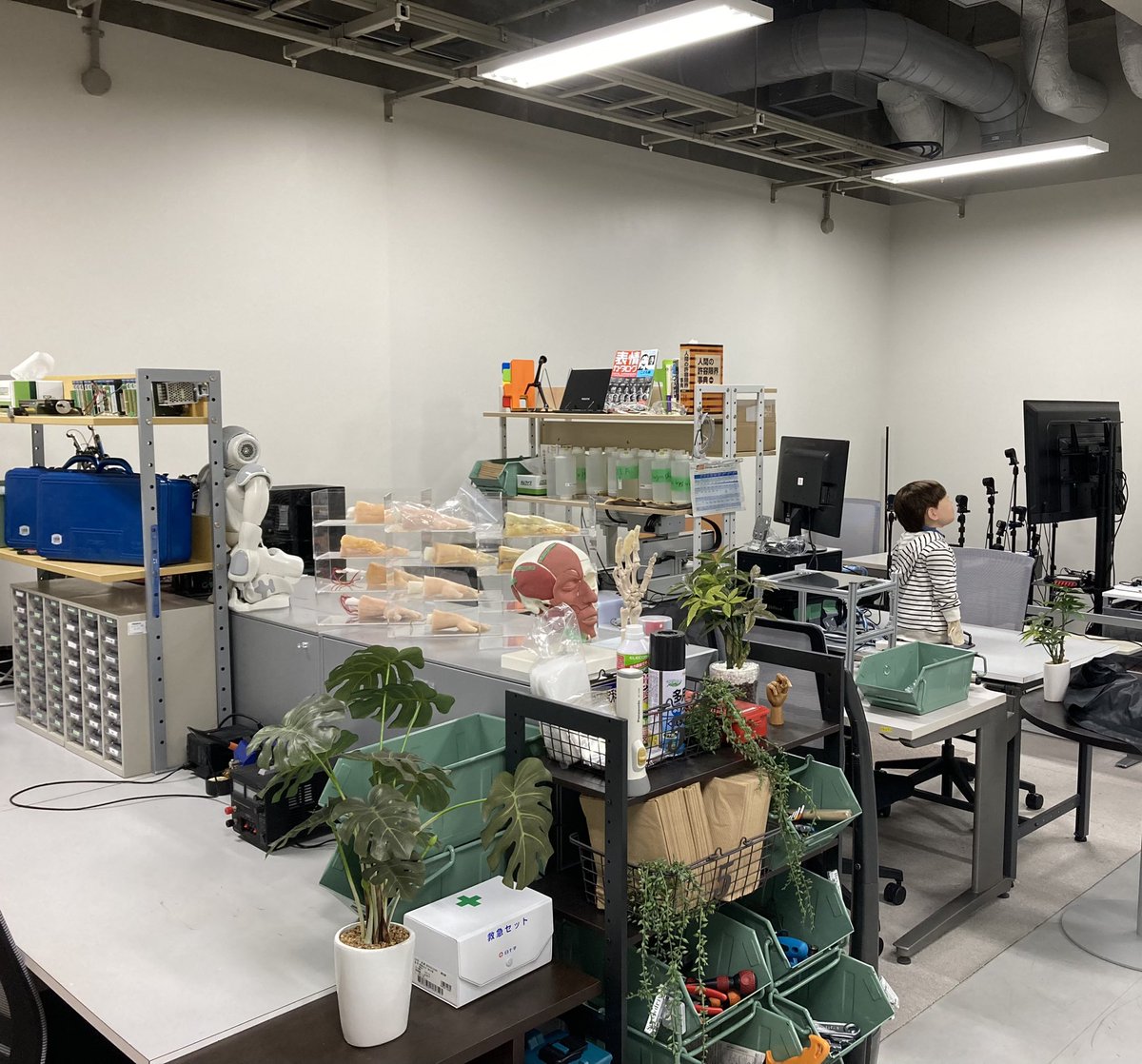
高崎で行われたG7閣僚会合のデジタル技術展で、三菱電機と荻野・田頭ゼミで共同開発した遠隔操作ロボットを展示しました
荻野ゼミ tweet media荻野ゼミ tweet media荻野ゼミ tweet media荻野ゼミ tweet media
日本語
0
0
1
590
荻野ゼミ retweetet
うみゆき@AI研究
うみゆき@AI研究@umiyuki_ai·
プロンプトインジェクション(AI脱獄)の問題は始まったばかりだという話題。いくらAIが脱獄されようが、ChatGPTとしてサンドボックスの中に閉じ込めてる分には安全だし、面白いオモチャに過ぎなかったが、何らかの実際的なサービスに組み込んだ瞬間にあらゆるリスクが降りかかる。例えばBingチャットでURLを踏ませて個人情報を盗む詐欺の例がすでに実験されている。記事でも書かれてるけど、たとえば人間の代わりにメールを読んだり送ったりしてくれるAIに脱獄が仕掛けられて、連絡先全員にスパム送信されたらどうする?ChatGPTもプラグインで外部と繋がったらリスクが爆大化するかも →RT
日本語
5
134
502
203.8K
荻野ゼミ retweetet
NLP2026 UTSUNOMIYA
NLP2026 UTSUNOMIYA@anlpmeeting·
言語処理学会公式YouTubeチャンネルで 緊急パネル:ChatGPTで自然言語処理は終わるのか? の動画を公開しました。 巨大言語モデルの出現でNLP研究はどう変わるのか、GPT4リリース直前の3月14日にNLP2023 OKINAWAの会場で行われた議論をぜひご覧ください。 youtu.be/TXgOrYUPs_s
YouTube video
YouTube
日本語
1
322
894
184.7K
荻野ゼミ retweetet
Rowan Cheung
Rowan Cheung@rowancheung·
ChatGPT creates fake citations when you ask for them. With this AI tool, you can ask anything and get summaries of the top 10 research papers on your question. The best part- It's completely free. Here's how to use it:
Rowan Cheung tweet media
English
111
1.2K
6.2K
1.6M
荻野ゼミ retweetet
Ron Brachman
Ron Brachman@ronbrachman·
Convergence of interests? Excited to see @ylecun increasingly focused on common sense in AI (“…AI systems have less common sense than a house cat”). He’ll probably disagree with much of what we have to say in bit.ly/38wQP7q but we’re on the same page on many things.1/2
English
4
9
46
0
荻野ゼミ retweetet
石原尚 Hisashi ISHIHARA
石原尚 Hisashi ISHIHARA@hisashi_is·
大阪大学工学研究科 機械工学専攻 大須賀・杉本研では、アンドロイドロボットのハード及びソフトの設計・開発・性能評価・感性評価を体系的に実施している世界に類の無いアンドロイド研究グループがあります!新規研究室配属の方は是非ご検討ください!この年度末で学生さんゼロになったので、是非😭
石原尚 Hisashi ISHIHARA tweet media
日本語
0
22
100
0
荻野ゼミ retweetet
Christoph Molnar 🦋 christophmolnar.bsky.social
I "grew up" as a statistician. When I later learned about machine learning, I found it a mind-blowing new perspective on data modeling. The best data modelers don't ideologically follow one mindset but have many at their disposal. But which modeling mindsets are there? 🧵
English
15
182
1K
0