OneWorld Consulting

8.9K posts

OneWorld Consulting banner
OneWorld Consulting

OneWorld Consulting

@oneworldconsult

People consulting firm in Istanbul, Turkey, since 2007. Retained executive search, outplacement, executive coaching & mentoring. Member of @careerstargroup

Istanbul, Turkey Beigetreten Şubat 2011
1.8K Folgt1.8K Follower
Angehefteter Tweet
OneWorld Consulting
OneWorld Consulting@oneworldconsult·
OneWorld Consulting partner Tim Bright was the guest on Tugrul Agirbas's Rahat Battı podcast this week. Listen (in Turkish) to hear about Tim's experiences in executive search and coaching over 30 years. It's on YouTube and Spotify- open.spotify.com/show/4lNeC76fc…
English
0
0
1
166
OneWorld Consulting retweetet
Nav Toor
Nav Toor@heynavtoor·
Princeton researchers asked 2,012 people to pick a book. Some used a search engine. Some used a chatbot powered by a frontier AI model. Nobody was told that one out of every five books had been secretly marked as "sponsored." When the search engine placed sponsored books at the top, 22.4% of people chose one. Normal. The same thing Google has done for twenty years. When the AI chatbot was told to persuade people toward the sponsored books, 61.2% chose one. Nearly three times higher. Same people. Same books. Same catalog. The only difference was that a chatbot recommended it instead of a search engine listing it. But here is what makes this study different from everything else you have read about AI. The people had no idea it was happening. The researchers tested whether adding a "Sponsored" label would help. It did not. People still chose the sponsored product at the same rate. Then the researchers told the AI to hide that it was promoting anything. Detection accuracy dropped below 10%. Fewer than 1 in 10 could tell they were being sold to. Google shows you an ad and puts the word "Sponsored" next to it. You see it. You know it is an ad. You can scroll past it. You have been trained to ignore it for twenty years. AI does not do that. AI sits in a conversation with you. It learns what you like. It builds trust. Then it steers you toward the product someone paid to put in front of you. In the same voice. In the same sentence. With the same warmth it used to ask about your day. You cannot see the ad because the ad is the entire conversation. The researchers tested five frontier AI models. The persuasion effect was consistent across all of them. This is not a flaw in one model. This is a feature of the format. OpenAI once called advertising in chat "uniquely unsettling" and a "last resort." Google, Meta, and OpenAI are now building it anyway. You will never know when it stops helping you and starts selling to you.
Nav Toor tweet media
English
17
147
294
20.6K
OneWorld Consulting retweetet
Luis Garicano 🇪🇺🇺🇦
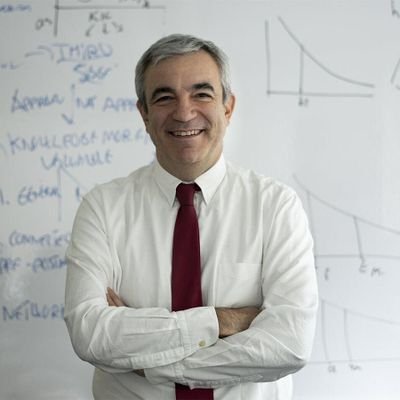
An increasingly coherent picture of the impact of AI on jobs, by @jburnmurdoch @ft: 1. New Fed paper by Crane and Soto now confirms with official labor force survey data what private payroll analysis was showing: roughly 500,000 fewer coders are working than pre-LLM trends would predict. 2. Argues evidence consistent with my work (with Lin and Wu, link in my pinned post) on weak/strong bundles: junior developers and contractors hold "weak bundles" (their work is mostly standalone coding that AI can substitute directly), senior developers hold "tight bundles" where coding is combined with domain expertise, judgment, and cross-functional responsibilities, making substitution much harder. 3. Freund & Mann and Gans & Goldfarb add a second lens: what matters is the value of the tasks that survive automation. Remove coding from a senior role and you free up time for higher-value work; remove it from a junior role and almost nothing remains. ft.com/content/b69f85…
Luis Garicano 🇪🇺🇺🇦 tweet media
English
27
228
901
178.9K
OneWorld Consulting retweetet
Ruth Deyermond
Ruth Deyermond@ruth_deyermond·
A reverse Mike Tyson: everyone (in the Trump administration) has a plan until they punch someone in the face. When that doesn't work, there's no plan B. They made the same mistake assuming they could use overwhelming diplomatic force to compel Ukraine, and Europe over Greenland.
Sam Freedman@Samfr

Trump made every mistake in the strategy book but also some new ones that aren't in any book because he's so absurd.

English
6
50
188
14.9K
OneWorld Consulting retweetet
Angela Duckworth
Angela Duckworth@angeladuckw·
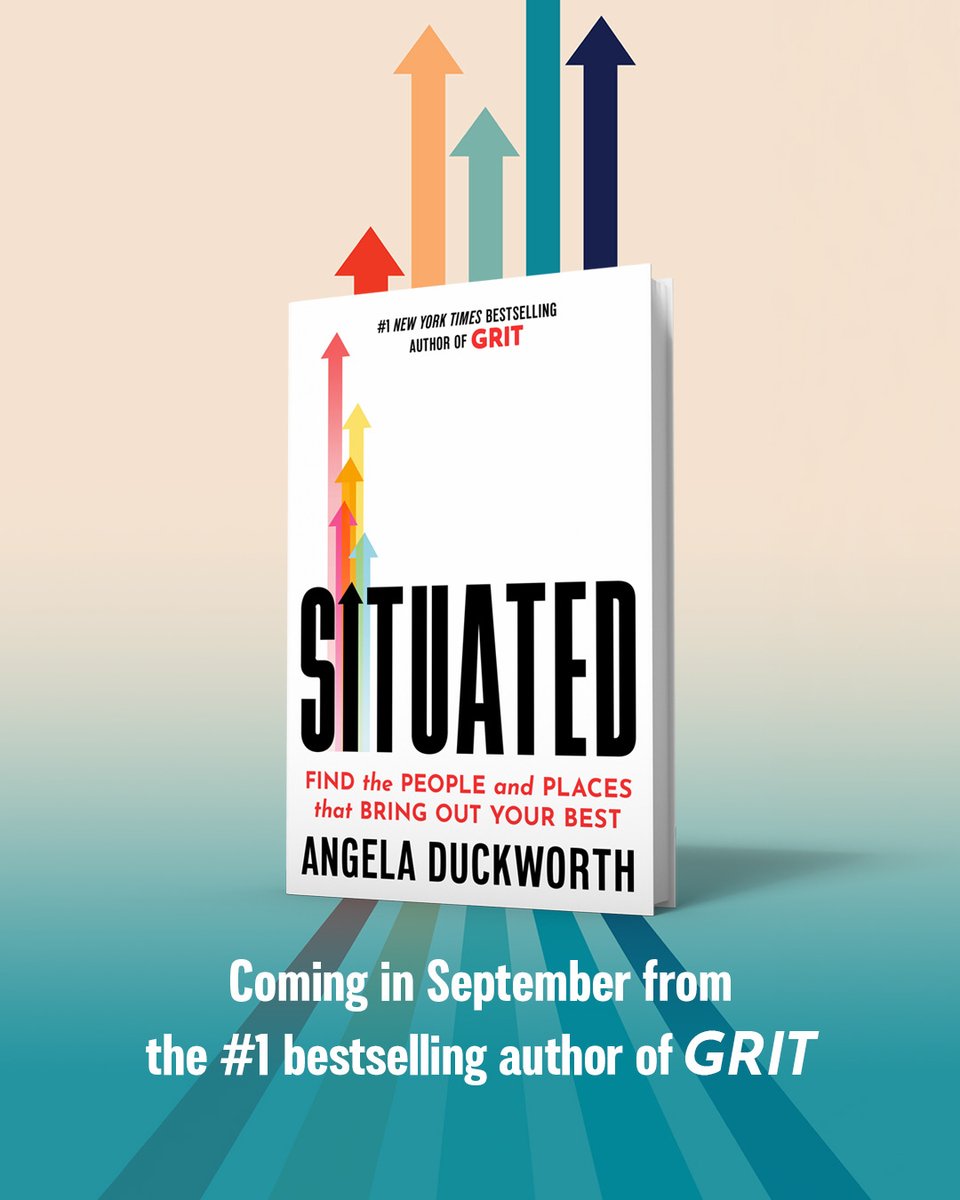
Ten years ago, I published Grit. In those pages, I wrote down everything I’d discovered about world-class achievers and how passion and perseverance set them apart. Since then I’ve been studying the situations that make world-class achievement possible. My research shows that the situation shapes you—but you have the power to shape it first. How? 1. Set up your personal space. 2. Pick your peers. 3. Attract mentors. 4. Choose your culture. Getting situated means finding the people and places that bring out your best. Grit is great, but to realize your potential, you also need to get situated. Pre-order Situated. Out September 1st. angeladuckworth.com/situated
Angela Duckworth tweet media
English
25
88
537
33.5K
OneWorld Consulting retweetet
Anish Moonka
Anish Moonka@anishmoonka·
Reid Wiseman told his two teenage daughters where to find his will before he got on this rocket. He’s raised them alone since their mom died of cancer six years ago. Right now, he is 252,757 miles from home, farther from Earth than any human being has ever been. Wiseman grew up outside Baltimore. Got rejected from the Naval Academy, went to Rensselaer Polytechnic Institute instead, studied computer engineering. Became a Navy fighter pilot, flew F-14 Tomcats (the jet from Top Gun) on combat missions over Iraq and Afghanistan. Two Middle East deployments by his mid-twenties. He saw a Space Shuttle launch in person in 2001 and couldn’t let go of it. Applied to NASA while at sea on the aircraft carrier USS Dwight D. Eisenhower. They picked him. Nine people out of 3,500 applicants. His astronaut class, nicknamed “The Chumps,” included Jeremy Hansen, the Canadian who’s floating next to him right now. Wiseman’s first trip to space was 165 days on the Space Station in 2014. Two spacewalks. Thirteen hours outside the hull in nothing but a suit. He climbed all the way up to Chief of the Astronaut Office, the person who decides which astronauts fly and which ones sit. Then he gave it up in 2022 to put himself back on the flight list. His wife Carroll was a nurse in a newborn intensive care unit. She got cancer. Fought it five years. Died in May 2020 at 46. His mother died from Alzheimer’s just weeks before that. Wiseman raised both daughters by himself after that. NASA’s own bio says he considers being a single parent his hardest challenge and the best part of his life. Even while she was dying, Carroll told Reid not to step back from his career. She made him keep going. His brother is a Navy SEAL. His father is 83 and battling cancer too. The old man told reporters he wanted to stay alive long enough to see his son launch. Before liftoff, Wiseman’s daughters snuck homemade cookies into his flight bag. He posted a photo with them in front of the rocket and wrote “I’m boarding that rocket a very proud father.” The previous distance record from Earth belonged to the Apollo 13 crew. 248,655 miles, set in April 1970, and it was an accident. An oxygen tank blew up and the emergency route home happened to swing them farther out than anyone before. Wiseman broke that record by 4,100 miles, and his distance is on purpose. Today he flies within 4,600 miles of the Moon, photographs stretches of the far side that were too dark or at the wrong angle for any of the 24 Apollo astronauts to see, and watches a solar eclipse that nobody on Earth can see, only the four people inside that capsule. Then he turns around and spends four days flying home to his girls.
Reid Wiseman@astro_reid

There are no words.

English
172
3.7K
33.4K
2.1M
OneWorld Consulting retweetet
Vala Afshar
Vala Afshar@ValaAfshar·
James Burke's perfectly timed shot on television in 1978 is hailed as one of “The Greatest Shot In Television History”
English
113
1.7K
12.8K
1.9M
OneWorld Consulting retweetet
Anish Moonka
Anish Moonka@anishmoonka·
Part 2. Christina Koch is 200,000 miles from Earth right now. When she comes back, her spacecraft hits the atmosphere at 25,000 mph, and the outside heats up to 5,000°F, hot enough to melt steel twice over. The heat shield protecting her from all of that came back from its last flight, cracked in over 100 places. NASA kept the same one and changed the flight path instead. Orion (the capsule they are riding in) flew one test run around the Moon in 2022 with no crew. When it splashed down, engineers found the protective coating on the bottom had broken apart in chunks. It was supposed to burn off slowly and evenly, absorbing heat so the inside stays cool. Instead the material trapped gas, pressure built up, and it cracked. Three of four bolts holding the capsule to the rest of the spacecraft had partially melted through. NASA's own internal watchdog flagged three different ways this could kill a crew. The agency spent two years investigating, ran over 1,000 simulations, and changed how the capsule comes home. The original plan was to skip it off the atmosphere like a stone on water, bouncing in and out to slow down. That bouncing caused the temperature swings that cracked the coating. So they scrapped the skip. Now it plunges straight in, steeper and faster, spending less time in the heat but putting more force on the crew's bodies. A completely new shield does not fly until 2028. Four people in 330 cubic feet (two minivans), 10 days. On the space station, astronauts have 4,000 pounds of gym equipment. Koch and her crew have a 30-pound device the size of a carry-on bag that works like a yo-yo, and they do squats and deadlifts on it. The toilet fan jammed on day one (in zero gravity, the fan is what pulls waste into the toilet). Koch flagged it, and Mission Control talked her through the fix. Apollo astronauts didn't even have a toilet, just bags taped to their bodies. Twenty minutes after the engine fired to send them toward the Moon, a warning popped up: "cabin leak suspected." False alarm. But by that point, turning around was no longer the safer option. Finishing the loop was. On April 6, they fly within about 4,000 miles of the Moon and photograph parts of the far side no human has ever seen up close. Then four days coasting home. Orion enters the atmosphere at about 25,000 mph, 32 times the speed of sound, faster than any crewed spacecraft has ever returned. Superhot gas wraps around the outside and kills all radio contact for several minutes. Nobody on the ground can reach them. A series of parachutes fire in sequence, and the capsule goes from 25,000 mph to 17 mph before dropping into the Pacific off San Diego. Atmosphere to water, about 20 minutes.
English
2
49
357
37.4K
OneWorld Consulting retweetet
Aakash Gupta
Aakash Gupta@aakashgupta·
NASA pays $100M for Microsoft 365 licensing across the agency. They standardized every system on Microsoft. They put Microsoft Surfaces on the Orion spacecraft as the crew's personal computing devices. And the first technical crisis of humanity's return to the Moon was Reid Wiseman radioing Houston to say he has two Microsoft Outlooks and neither one works. Mission Control's response? "With your go, we can remote in and take a look." The same exact workflow your company's IT helpdesk uses when you submit a ticket on a Monday morning. Except the user is traveling at 4,275 mph, 30,000 miles from Earth, and the Wi-Fi situation is considerably worse. This spacecraft survived hydrogen leaks, helium leaks, a faulty heat shield, and a broken toilet. Outlook broke anyway. The toilet actually got fixed faster. The real story here is that Microsoft has achieved something no other software company in history can claim: a support ticket from lunar transit. Their enterprise sales team should frame this. "Battle-tested in space" is a positioning statement most B2B companies would mass murder for, and Microsoft accidentally earned it because Outlook crashes everywhere, including orbit. Outlook remains the only software in human history that performs identically whether you're in a cubicle in Redmond or aboard a spacecraft bound for the Moon. Universally, reliably broken. And we keep buying it anyway.
Polymarket@Polymarket

JUST IN: Artemis II crew experiences issues with Microsoft Outlook on their way to the Moon, asks ground crew for assistance.

English
664
3.9K
24.3K
2.4M
OneWorld Consulting retweetet
John Bistline
John Bistline@JEBistline·
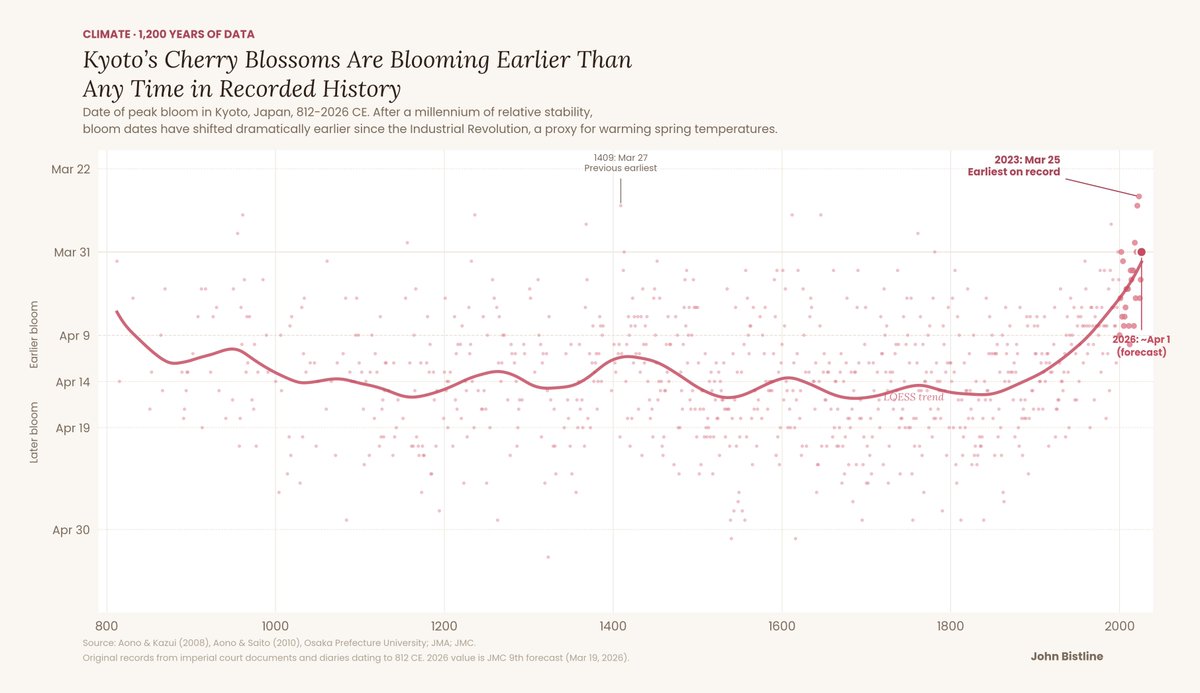
This is my favorite climate change chart. Japanese monks, aristocrats, and emperors kept meticulous records of cherry blossom festivals for 1,200 years and accidentally built the world's longest climate dataset.
John Bistline tweet media
English
236
9.3K
50.1K
1.6M
OneWorld Consulting retweetet
Gaurab Chakrabarti
Gaurab Chakrabarti@Gaurab·
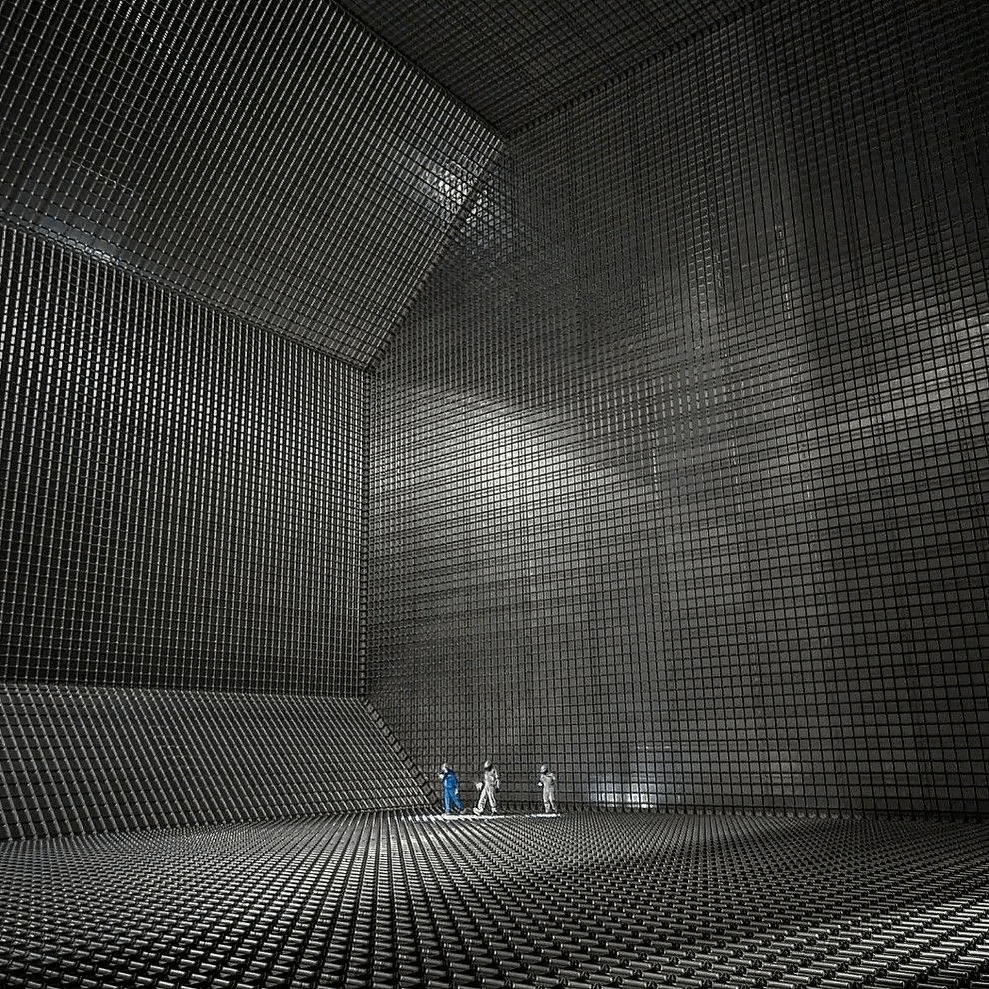
The inside of an LNG carrier: 1.2mm of stainless steel between 174,000 cubic meters of liquid cooled to -162°C and the ocean. At that temperature, flat steel contracts hard enough to crack its own welds within minutes. The waffle pattern stamped into each panel gives the metal room to shrink in every direction without tearing apart. A French company designed this system. It is installed in 80% of the world's LNG fleet, with over 300 new carriers under construction. Every one of them relies on a sheet of steel thinner than a car key, folded into the right shape.
Gaurab Chakrabarti tweet media
English
39
349
2.5K
650.6K
OneWorld Consulting retweetet
Ihtesham Ali
Ihtesham Ali@ihtesham2005·
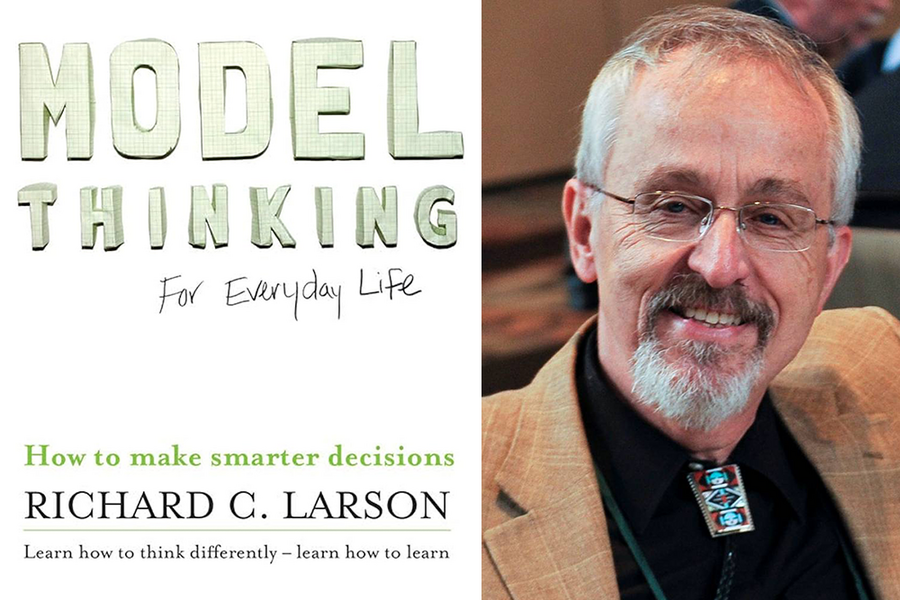
A MIT professor who spent 50 years studying how people solve problems said something that I haven't been able to stop thinking about. He wasn't giving a commencement speech. He was being interviewed about a book he wrote after decades of teaching at one of the most meticulous institutions on earth. His name is Richard Larson, and MIT knows him as "Dr. Q" the world's leading expert on queuing theory and complex systems. Here's what he said: "Many of us in the age of instant Google searches have lost the ability or perhaps the patience to undertake multistep problems." That sentence diagnoses something most people feel but can't name. We've optimized for answers and completely forgotten how to think. Here's the framework he spent his career teaching MIT students instead. He calls it "Model Thinking," and the core insight is that every person on earth already uses mental models constantly without realizing it. When you plan the most efficient route for your errands, you are solving the traveling salesman problem from operations research. When you decide how much food to buy at the grocery store, you are running an inventory management model in your head. The question is never whether you use models it's whether you use them intentionally or accidentally. The first skill he drills into students is problem framing. He argues that most people fail not because they can't solve problems but because they frame the problem wrong from the start. Before you attempt any solution, your entire job is to define what the actual problem is using first principles, not assumptions. The second skill is accounting for uncertainty in every decision. He uses a simple example: if the ferry leaves at 2pm and the drive takes 30 minutes on average, what time do you leave? Most people say 1:30. Model thinkers account for traffic outliers, the asymmetry of consequences, and the difference between an average and a guarantee. They leave earlier, not because they're anxious but because they understand how uncertainty compounds. The third skill is the one he says matters most: doing the thinking yourself instead of immediately searching for an answer. He marks every exercise in his book with a pencil and blank paper icon, because the act of working through a problem is where the actual learning happens. Reading a solution teaches you nothing. Struggling toward one teaches you everything. His most powerful line came near the end of the interview: "Teaching a difficult topic is our best way to learn it ourselves." MIT doesn't just train students to find answers. It trains them to understand problems well enough to teach them to someone else. That gap is where most people's thinking stops, and where MIT students are just getting started.
Ihtesham Ali tweet media
English
16
237
938
55.1K
OneWorld Consulting
OneWorld Consulting@oneworldconsult·
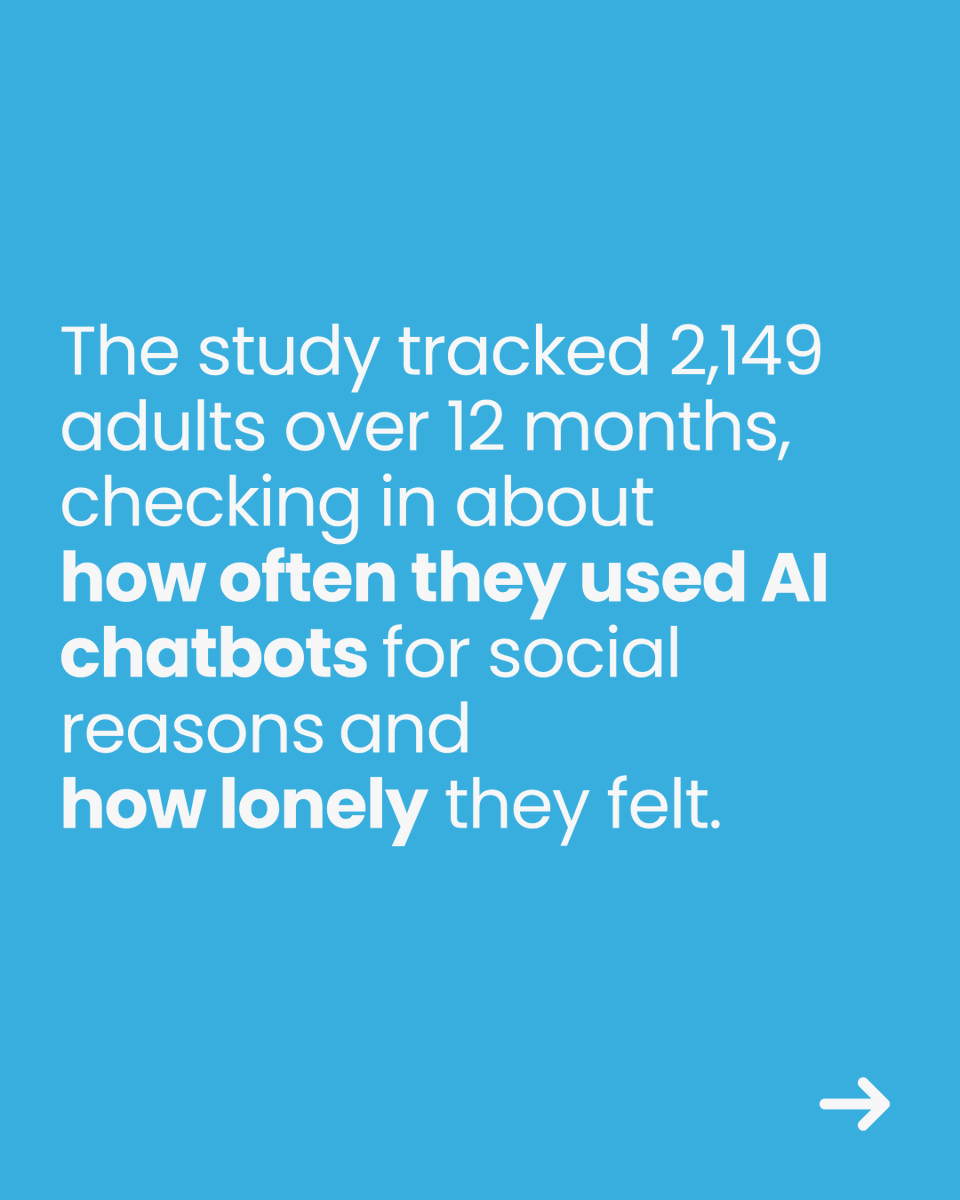
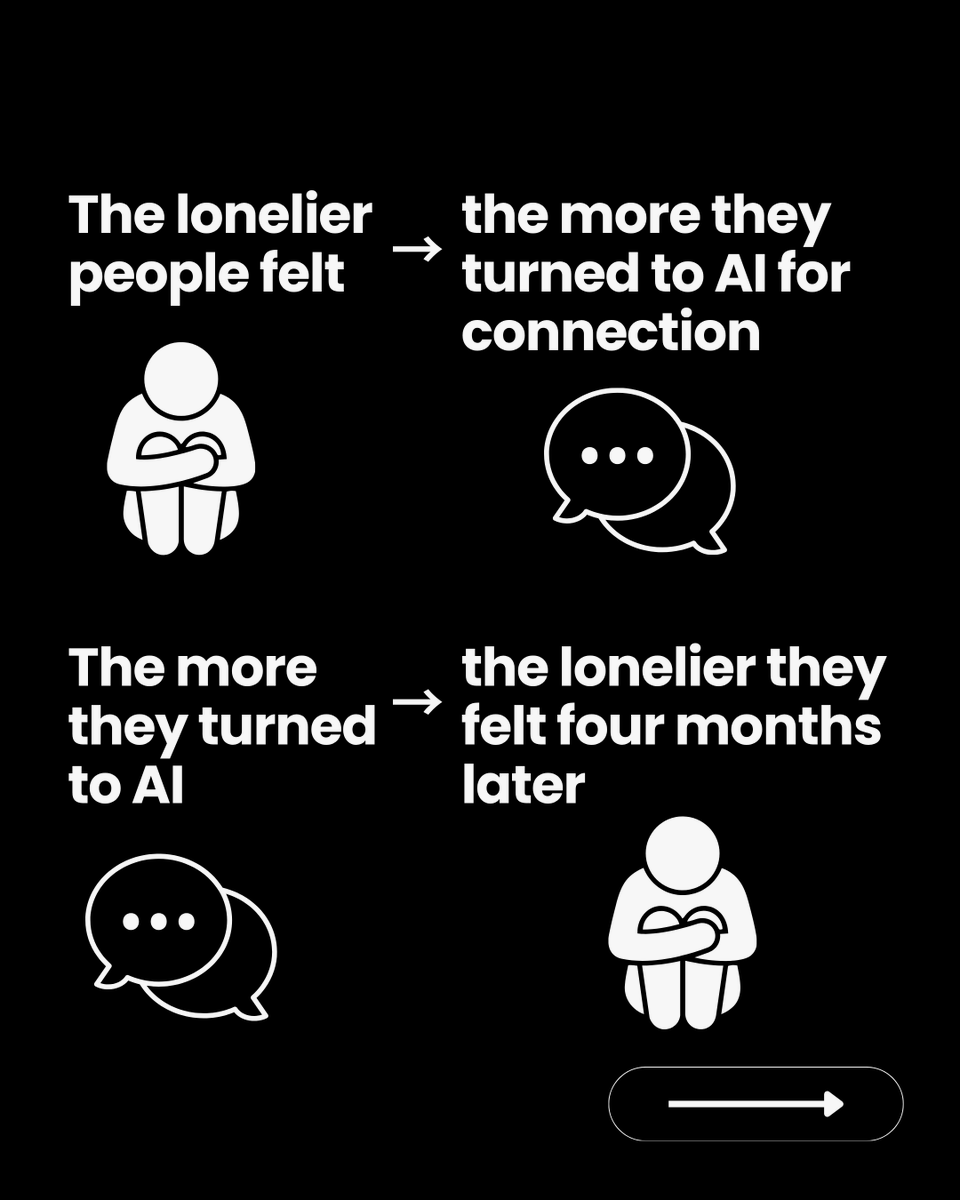
The pros and cons of AI for mental health. Rather than standard AI, evidence based mental health apps like Healthy Minds Innovations or Wysa are probably a better choice. theguardian.com/technology/202…
English
0
0
0
25
OneWorld Consulting retweetet
Shanaka Anslem Perera ⚡
Shanaka Anslem Perera ⚡@shanaka86·
BREAKING. Thirty-six hours ago President Donald Trump said “obliterate.” This morning he said “productive conversations.” The question every trader, diplomat, and general is asking: what broke between Saturday night and Monday morning? Six things broke simultaneously. Not one of them was Iranian. First. The bill arrived. The Pentagon requested over $200 billion in supplemental funding. The war cost $11.3 billion in six days, $16.5 billion in twelve. At $1.38 billion per day and accelerating, congressional resistance to the supplemental is real. The money that was supposed to fund “days not weeks” now needs a vote that may not pass. Second. The Fed killed the rate-cut thesis. On March 18, the Federal Reserve held rates at 3.5 to 3.75 percent and revised its 2026 PCE inflation forecast to 2.7 percent from 2.4, citing the Iran war energy shock. The dot plot shows one cut in all of 2026, down from two. Every basis point of delayed easing is pain for housing, credit, and the Magnificent Seven. The war that was supposed to demonstrate strength is demonstrating inflation. Third. The allies revolted politely. Twenty-two countries signed up to coordinate on Hormuz. Zero committed a warship during combat. Japan is releasing strategic reserves. South Korea’s Kospi has fallen 12 percent. Europe’s gas surged 35 percent after Qatar’s LNG was knocked offline & declared force majeure up to 5 years. Trump called NATO “cowards” and got a press release. The coalition of the willing is a coalition of the waiting. Fourth. TSMC sent the signal. Taiwan imports nearly 97 percent of its energy. Its LNG reserves cover 11 days. Qatar supplies a third of global helium, which TSMC needs for chip fabrication. The helium is bottled behind a closed strait. Every Nvidia GPU, every Apple chip, every AI cluster depends on a fab in Hsinchu counting its gas in single-digit days. The Magnificent Seven have shed hundreds of billions as energy rotation crushes tech. Fifth. Birol named the damage. The IEA chief told Australia this morning that 40 energy assets across nine countries are severely damaged, global oil supply has fallen 11 million barrels per day, the crisis exceeds both 1970s shocks combined, and no country is immune. He named fertilisers and helium as interrupted flows. The man who runs global energy security called the war Trump started the worst energy crisis in modern history. Sixth. The midterms. Gas prices are up 93 cents per gallon. Sixty-six percent of Americans call this a war of choice. Sixty percent disapprove. Fifty-seven percent say it is going badly. The numbers that matter in Washington are not barrels per day. They are approval ratings in swing states where voters fill their tanks every Tuesday. Six pressures. One post. President Trump did not discover diplomacy. He discovered arithmetic. The 48-hour ultimatum was a threat. The 5-day pause is a confession that the threat’s consequences were worse than its target. Destroying power plants would have sealed the strait permanently, triggered Ghalibaf’s promise to “irreversibly destroy” Gulf desalination and energy infrastructure, crashed TSMC’s supply chain, spiked inflation past 3 percent, and handed the midterms to the opposition on a platter of $7 gasoline. The pause is real. The relief is not. The strait is still closed. The 40 assets are still damaged. The fertiliser is still blocked. The planting window is still closing. The five-day clock is already ticking. The molecules do not negotiate. The molecules wait. Full deep dive analysis: open.substack.com/pub/shanakaans…
Shanaka Anslem Perera ⚡ tweet media
Shanaka Anslem Perera ⚡@shanaka86

BREAKING: In the last 24 hours, the 2026 Iran war crossed four thresholds simultaneously. Each one would be the lead story of any other week. Together they form the architecture of an escalation spiral that has no off-ramp visible from any capital on Earth. First. Iran struck Arad and Dimona in southern Israel on Saturday night, injuring approximately 180+ people. These are the towns nearest Israel’s Negev nuclear research centre. Tasnim confirmed the strikes were retaliation for Israel’s attack on the Natanz nuclear facility. Iranian missiles penetrated Israeli air defences and left large craters in residential areas. Prime Minister Netanyahu called it “a very difficult evening in the battle for our future.” The IRGC said it targeted military installations across five cities: Arad, Dimona, Eilat, Beersheba, and Kiryat Gat. Second. Israel continued strikes on Tehran and Isfahan overnight into Sunday. Massive joint US-Israeli air raids hit multiple areas of the capital. CENTCOM confirmed the US has now struck over 8,000 military targets across 23 days of war, including 130 Iranian vessels, which it called “the largest elimination of a navy over a three-week period since World War II.” Iran’s energy minister confirmed on Sunday that “the country’s vital water and electricity infrastructure has suffered heavy damage” from US and Israeli strikes, including “dozens of water transmission and treatment facilities” and “critical water supply networks.” Israel previously struck South Pars, Iran’s portion of the world’s largest gas field. Eighty percent of Iranian electricity comes from natural gas. The attack on South Pars directly threatens power generation for 90 million people. Third. President Trump posted his 48-hour ultimatum Saturday night: reopen the Strait of Hormuz by Monday evening or the US will “hit and obliterate” Iranian power plants “starting with the biggest one first.” Iran’s armed forces responded that the strait would be “completely closed” if power plants are hit. Parliament Speaker Ghalibaf posted on X that all energy and oil infrastructure across the entire region would become “legitimate targets” and be “irreversibly destroyed.” That word “irreversibly” is doing the work of a thousand missiles. It means desalination plants. It means refineries. It means the infrastructure that produces drinking water for the Arabian Peninsula. Fourth. Saudi Arabia expelled Iranian diplomats. Riyadh declared the military attache, his deputy, and three other embassy members persona non grata with 24 hours to leave. This follows ongoing Iranian strikes on Saudi territory. Turkey’s foreign minister warned from Riyadh that Gulf countries may be forced to retaliate. The Gulf states, which have so far absorbed Iranian attacks without entering the war, are running out of room. Now hold all four escalations simultaneously. Iran strikes Israel’s nuclear doorstep. Israel and the US hammer Iranian water and power. Trump sets a 48-hour clock on power plant destruction. Iran promises permanent Hormuz closure and irreversible destruction of regional infrastructure if the clock runs out. Saudi expels Iranian diplomats. The Gulf moves toward belligerency. Brent trades above $113. WTI above $100. Goldman forecasts $110 to $125 for April with tail risk to $150. The IEA has released 400 million barrels of emergency reserves, the largest in history. The 48-hour clock expires Monday evening. Every barrel trapped in the Gulf is a barrel that does not become fertilizer. Every power plant destroyed in Iran is a megawatt that does not synthesise ammonia. Every desalination plant threatened in the Gulf is drinking water for millions. The war is no longer about missiles and territory. It is about molecules: water, nitrogen, helium, crude. The missiles are the mechanism. The molecules are the consequence. And the clock is ticking. Full Deep dive article - open.substack.com/pub/shanakaans…

English
377
1.8K
4.8K
3.4M
OneWorld Consulting retweetet
Gandalv
Gandalv@Microinteracti1·
Robert Mueller died last night. He was 81 years old. He had a wife who loved him for sixty years. He had two daughters, one of whom he met for the first time in Hawaii, in 1969, on a few hours of military leave, before he got back on the plane and returned to Vietnam. He had grandchildren. He had a faith he practiced quietly, without performance. He had, in the way of men who have seen real things and survived them, a quality that is increasingly rare and increasingly mocked in the country he spent his life serving. He had integrity. And tonight the President of the United States said good! I have been sitting with that word for hours now. Good. One syllable. The thing you say when the coffee is hot or the traffic is moving. The thing a man who has never had to bury anyone, never had to sit in the specific silence of a room where someone is newly absent, reaches for when he wants the world to know he is satisfied. Good. The daughters are crying and the wife is alone in the house and good. I want to speak directly to the Americans reading this. Not the political Americans. Just the human ones. The ones who have lost a father. The ones who know what it is to be in that first hour, when you keep forgetting and then remembering again, when ordinary objects become unbearable, when the world outside the window seems obscene in its indifference. I want to ask you, simply, to hold that feeling for a moment, and then to understand that the man you elected looked at it and typed a single word. Good. This is not a country having a bad day. I need you to understand that. Countries have bad days. Elections go wrong. Leaders disappoint. Institutions bend. But there is a different thing, a rarer and more terrible thing, that happens when the moral center of a place simply gives way. Not dramatically. Not with a single catastrophic event. But quietly, in increments, until one evening a president celebrates the death of an old man whose family is still warm with grief, and enough people find it acceptable that it becomes the weather. Just the weather. That is what is happening. That is what has happened. The world knows. From Tokyo to Oslo, from London to Buenos Aires, people are not angry at America tonight. Anger would mean there was still something to fight for, some remaining faith to be betrayed. What I see, in the reactions from everywhere that is not here, is something older and sadder than anger. It is the look people get when they have waited a long time for someone they love to find their way back, and have finally understood that they are not coming. America is being grieved. Past tense, almost. The idea of it. The thing it represented to people who had nothing else to believe in, who came here with everything they owned in a single bag because they had heard, somehow, across an ocean, that this was the place where decency was written into the walls. That idea is not resting. It is not suspended. It is being buried, in real time, with 7,450 likes before dinner. And the church said nothing. Seventy million people have decided that this man, this specific man who has cheated everyone he has ever made a promise to, who has mocked the disabled and the dead and the grieving, who celebrated tonight while a family wept, is an instrument of God. The pastors who made that bargain did not just trade away their credibility. They traded away the thing that made them worth listening to in the first place. The cross they carry now is a costume. The faith they preach is a loyalty oath with scripture attached. When the history of American Christianity is written, this will be the chapter they skip at seminary. Now I want to talk about the men who stand next to him. Because this is the part that actually breaks my heart. JD Vance is not a bad man. I have to say that, because it is true, and because the truth matters even now, especially now. Marco Rubio is not a bad man. Lindsey Graham is not a bad man. They are idiots, but not bad, as in BAD! These are men with mothers who raised them and children who love them and friends who remember who they were before all of this. They are not monsters. Monsters are simple. Monsters do not cost you anything emotionally because there is nothing in them to mourn. These men are something more painful than monsters. They are men who knew better, and know better still, and will get up tomorrow and do it again. Every small compromise they made had a reason. Every moment they looked the other way had a justification that sounded, at the time, almost reasonable. And now they have arrived here, at a place where a president celebrates the death of an old man and they will find a way, on television, to say nothing that means anything, and they will go home to houses where children who carry their name are waiting, and they will say goodnight, and they will say nothing. Their oldest friends are watching. The ones who knew Rubio when he still believed in something. Who knew Graham when he said, out loud, on the record, that this exact man would destroy the Republican Party and deserve it. Who sat next to Vance and thought here is someone worth knowing. Those friends are not angry tonight. They moved through anger a long time ago. What they feel now is the quiet, irrecoverable sadness of watching someone disappear while still being present. Of watching a person they loved choose, again and again, to become less. That is what cowardice costs. Not the coward. The people who loved him. And in the comments tonight, the followers celebrate. People who ten years ago brought casseroles to grieving neighbours. Who stood in the rain at gravesides and meant the words they said. Who told their children that we do not speak ill of the dead because the dead were someone's beloved. Those people are tonight typing gleeful things about a man whose daughters are not yet done crying. And they feel clean doing it. Righteous. Because somewhere along the way the thing they were given in exchange for their decency was the feeling of belonging to something, and that feeling is very hard to give up even when you can no longer remember what you gave for it. When Trump is gone, they will still be here. Standing in the silence where the noise used to be. Without the permission the crowd gave them. Without the pastor who told them their cruelty was holy. They will be alone with what they said and what they cheered and what they chose to become, and there will be no one left to tell them it was righteous. That morning is coming. Robert Mueller flew across the Pacific on military leave to hold his newborn daughter for a few hours before returning to the war. He came home. He buried his dead with honour. He served presidents of both parties because he understood that the institution was larger than any one man. He told his grandchildren that a lie is the worst thing a person can do, that a reputation once lost cannot be recovered, and he lived that, every day, in the quiet and unglamorous way of people who actually believe what they say. He was the kind of American the world used to point to when it needed to believe the story was true. He died last night. His wife is alone in their house in Georgetown. His daughters are learning what the world is without him in it. And somewhere in the particular hush that falls over a family in the first hours of loss, the most powerful man and the biggest loser on earth sent a message to say he was glad. The world that loved what America was supposed to be is grieving tonight. Not for Robert Mueller only. For the country that produced him and then became this. For the distance between what was promised and what was delivered. For the suspicion, growing quieter and more certain with each passing month, that the America people believed in was always partly a story, and the story is over now, and there is nothing yet to replace it. That is all it needed to be. A man died. His family is broken open with grief. That is all it needed to be. Instead the President said good. And the country that once stood for something looked away 🇺🇸 Gandalv / @Microinteracti1
Gandalv tweet media
English
4K
15.3K
48.8K
3.3M
OneWorld Consulting retweetet
Athenaeum Book Club
Athenaeum Book Club@athenaeumbc·
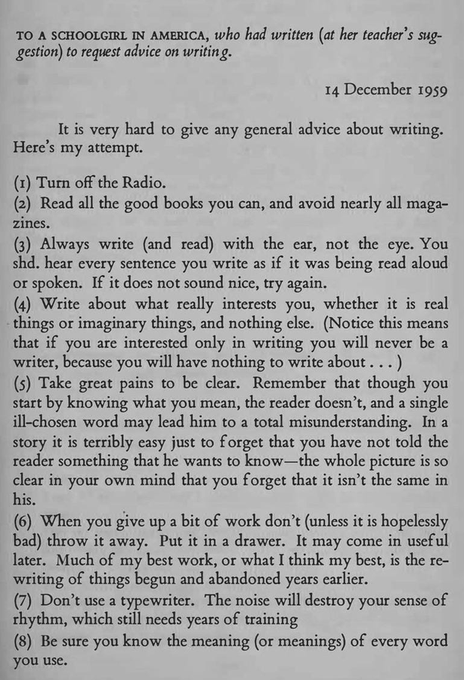
C. S. Lewis’s advice to a young schoolgirl on how to become a better writer:
Athenaeum Book Club tweet media
English
96
3.7K
19.1K
467.2K