Nicholas Kristof@NickKristof
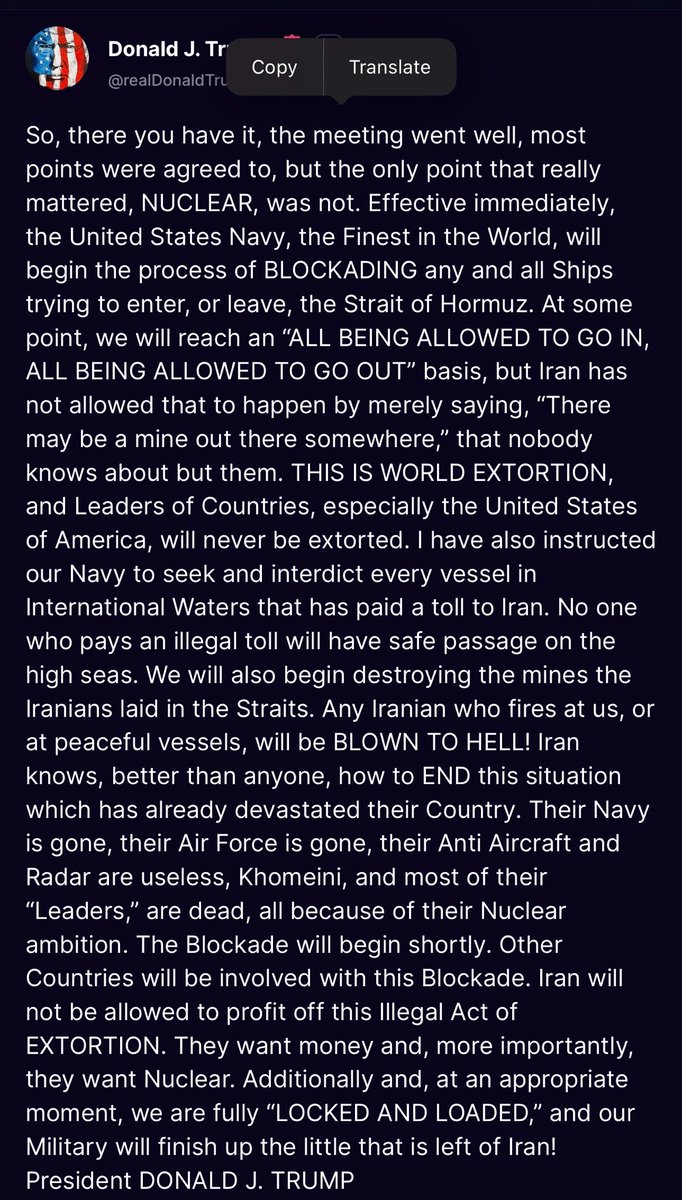
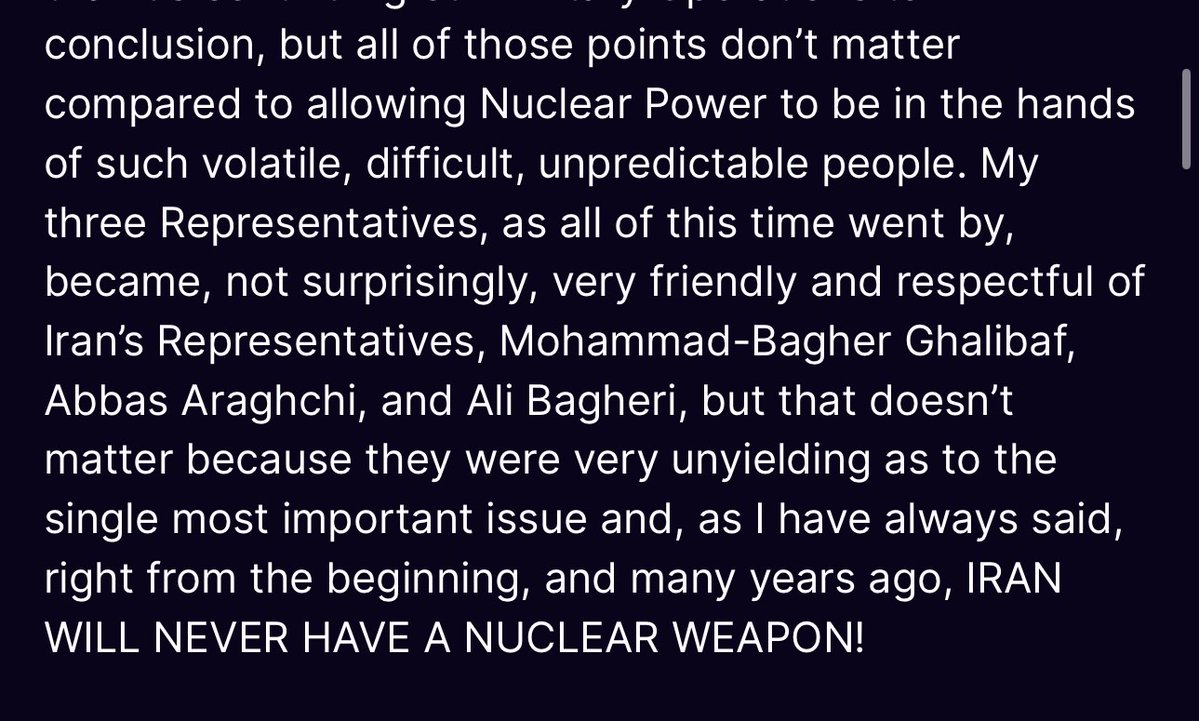
The Trump administration seems to have miscalculated in Islamabad, assuming that Iran was weakened and ready to cave, when in fact it feels it has the upper hand. It's difficult to reach an agreement when both sides feel they have the advantage and are prone to overreach.
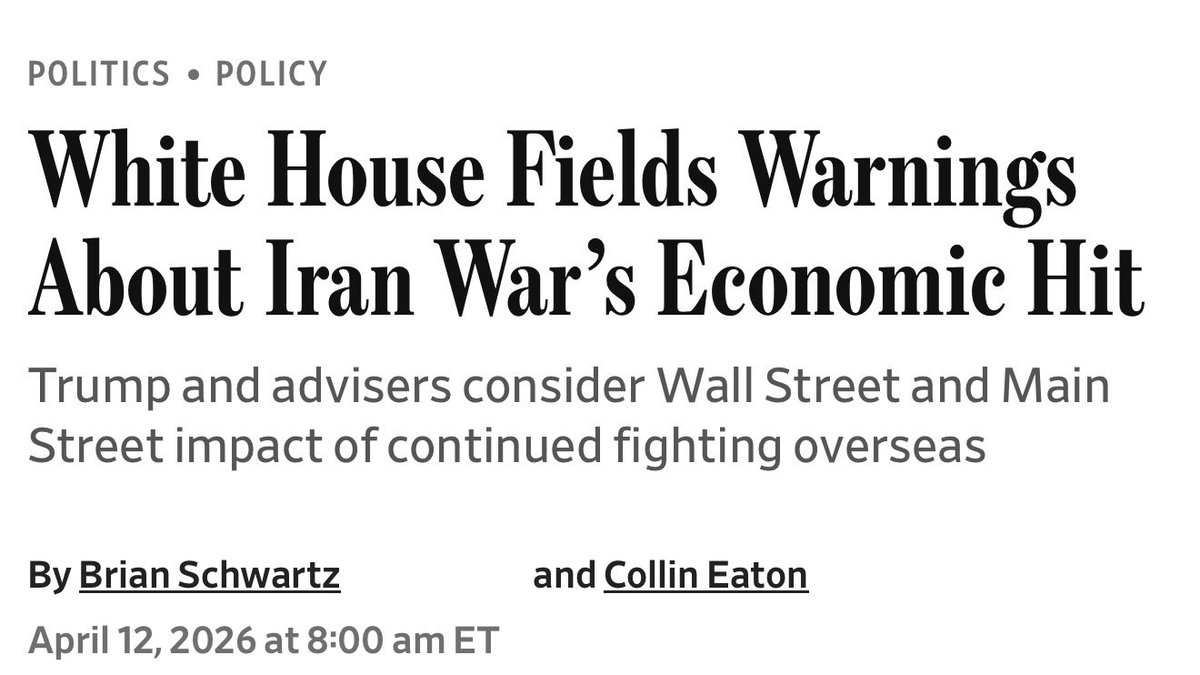
And now Trump seems inclined to miscalculate again, assuming that blockading the Strait will force Iran to capitulate. That seems very unlikely. It's true that a blockade will put economic pressure on Tehran and on China, which in turn can put pressure on Iran. But with zero oil passing through the Strait, rising oil prices are likely to put even more pressure on Trump. Iran, as a dictatorship, simply has more strategic patience, and in addition there are many in Tehran who believe that Iran has to do more to reestablish deterrence and make the US pay a price.
If the US blocks Iranian oil exports, expect Iran in turn to keep striking Fujairah, to keep the UAE from by passing the Strait by pipeline, and also to target Saudi Arabia's East-West pipeline carrying oil to the Red Sea. And the Houthis are likely to counter-escalate by blocking oil exports through the Bab al-Mandab Strait as well. And that's not even counting possible strikes on oil refineries in the region.
In short, I think Trump's escalation plans are once again characterized by magical thinking, false assumptions of Iranian weakness and a failure to think ahead about how Iran may respond to his moves. For Trump to escalate at this point will be a sign not of strength but of desperation, and counter to American and world interests.