Sinverba

2.8K posts

Sinverba banner
Sinverba

Sinverba

@sinverba

Alan Crawley 🇦🇷 Nonverbal Communication (NVC) Specialist, Psychologist 📚, Researcher, Speaker, and Disseminator of NVC.

California, USA Beigetreten Şubat 2019
211 Folgt181 Follower
Angehefteter Tweet
Sinverba
Sinverba@sinverba·
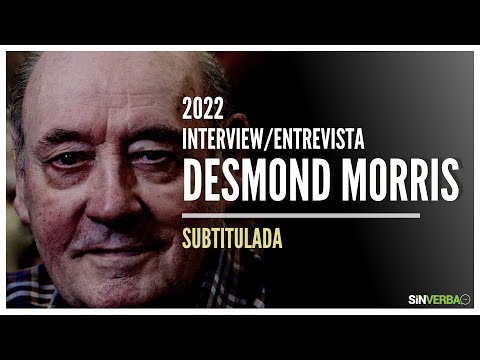
I interviewed the great Desmond Morris and I shared it with you all. Author of the “Naked Ape”, at his 94 his actively writing and painting and in this interview, he shares his knowledge on Body “Language”, origins of gestures, his books and expertise. youtu.be/ESkkdTYxRIk
YouTube video
YouTube
English
0
7
18
0
Sinverba retweetet
Rothmus 🏴
Rothmus 🏴@Rothmus·
Rothmus 🏴 tweet media
ZXX
13
25
362
7.1K
Sinverba retweetet
(fan) Alex⁸
(fan) Alex⁸@UTDAlex8·
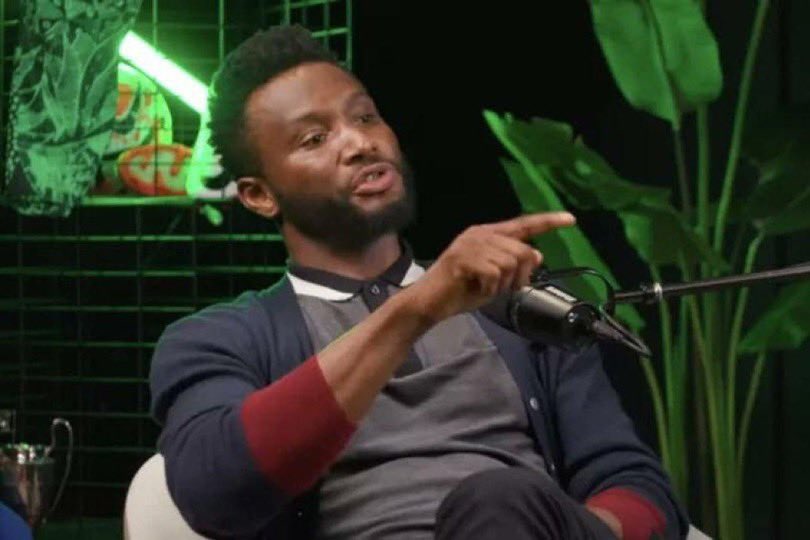
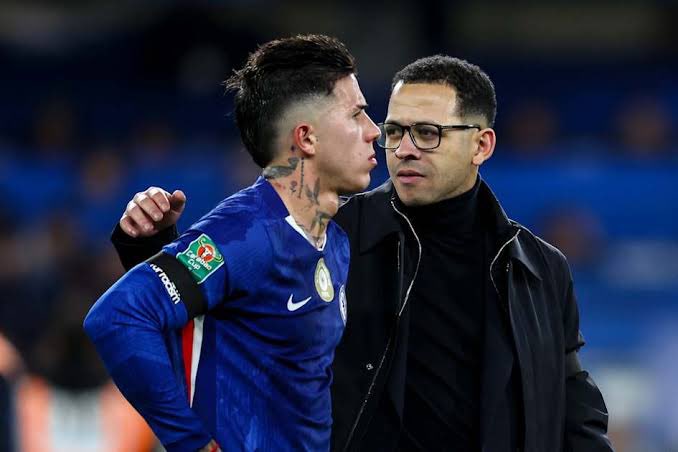
🚨John Mikel Obi on Liam Rosenior suspending Enzo Fernández: “Suspended for what? For saying Madrid is beautiful and that he would love to live there? I honestly don’t understand it. Suspending the most important player on your team is unprofessional. I miss when footballers could speak their minds without being crucified for it. I miss when they could post whatever they liked on Twitter and people would just enjoy it instead of calling them out. Mark my words — in a couple of days, he’ll regret this decision.”
(fan) Alex⁸ tweet media(fan) Alex⁸ tweet media
English
170
253
3.5K
172K
Sinverba retweetet
KALYJAY
KALYJAY@gyaigyimii·
Enzo - I like the city of Madrid Cucurella- It will be difficult to say no to Barcelona Liam Rosenior - Enzo you are suspended
English
106
1.2K
18.2K
261.3K
Sinverba retweetet
Leo Tolstoy Literature
Leo Tolstoy Literature@LeoTollstoy·
Me after reading the first 100 pages..
Leo Tolstoy Literature tweet media
English
12
146
1.5K
29.7K
Sinverba
Sinverba@sinverba·
@thecurioustales Sorry, poor take of the study. "Omit needless words" is an editing advice, possibly the best. This study has zero evidence against this advice.
English
1
0
1
71
The Curious Tales
The Curious Tales@thecurioustales·
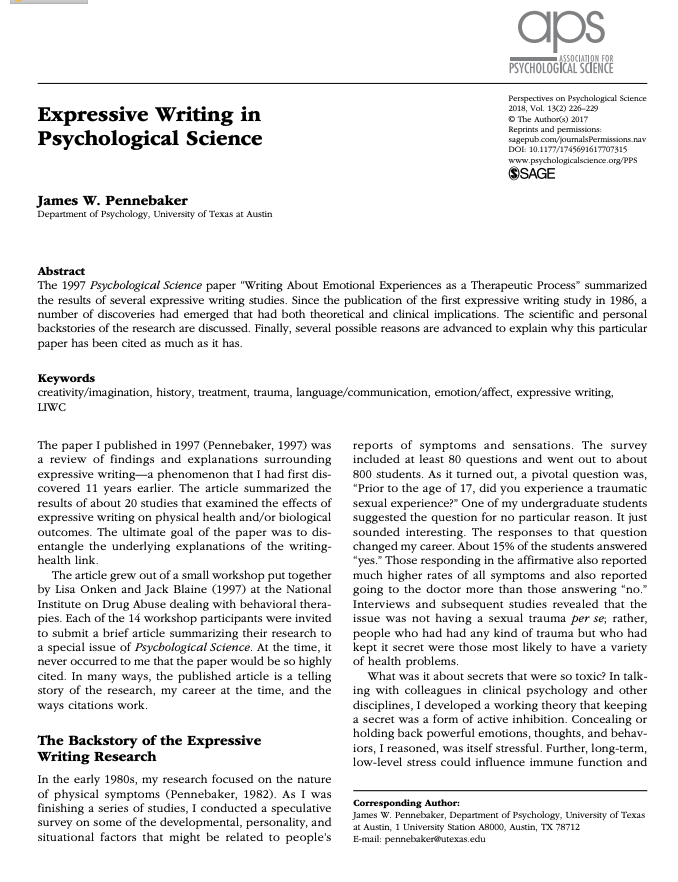
Every writing teacher who told you "be concise" accidentally murdered your best ideas. In 1987, psychologist James Pennebaker ran an experiment that broke every assumption about how human creativity works. He divided college students into two groups and gave them the same creative writing prompt. Group A had to write for 15 minutes without stopping, elaborating on every thought that surfaced. Group B had to write concise, polished responses in the same time frame. The elaborate writers didn't just produce more ideas. They produced fundamentally different types of ideas. Brain scans showed their prefrontal cortex entered a state resembling REM sleep, where distant neural networks suddenly started talking to each other. The concise writers showed patterns identical to focused problem-solving mode, which actively suppresses creative connections. Six months later, Pennebaker tested both groups again. The elaborate writers had continued generating novel solutions to unrelated problems at twice the rate of the concise group. The act of elaborative writing had permanently rewired their associative thinking patterns. The advice sounds logical. Cut the fat. Trim the excess. Get to the point faster. What they missed is that ideation and communication are completely different cognitive processes, and optimizing for one destroys the other. When you write elaborately, your brain enters what cognitive scientists call "divergent thinking mode." Each additional sentence forces your mind to find new angles, make unexpected connections, discover relationships between concepts that would never surface in a stripped-down version. The elaboration itself becomes the thinking tool. Watch what happens when you try to explain a simple concept in 2000 words instead of 200. Your brain refuses to repeat itself. It starts mining deeper layers, pulling up examples you forgot you knew, connecting dots that seemed unrelated five minutes ago. The constraint of length becomes a creativity multiplier because your mind has to work harder to fill the space meaningfully. Most people reverse this process. They think first, then write down the conclusions. They treat writing as a documentation tool for thoughts that already exist. This kills the discovery mechanism completely. Real creative thinking happens during the writing, not before it. The elaborate sentences force your brain to search its entire knowledge network for supporting ideas, contradictory evidence, parallel examples, deeper implications. Every time you expand a thought, you're asking your neural pathways to surface material that stays buried when you think in headlines. Professional researchers figured this out decades ago. They don't brainstorm in bullet points. They write massive exploratory documents where every paragraph spawns three new questions. They let themselves ramble across pages because they know the rambling is where breakthrough insights hide. The connections emerge in the elaboration, not despite it. There's another layer most people miss. When you write elaborately about a topic, you're not just exploring what you already know about it. You're discovering what you didn't realize you knew about it. The act of expansion forces you to reach into adjacent knowledge areas, pull connections from unrelated experiences, surface insights that were sitting just below conscious awareness. Pennebaker's follow-up studies revealed something even stranger. Students who wrote elaborately about completely unrelated topics showed improved creative problem-solving across all domains. The cognitive muscle of elaborative thinking transfers. Train it on one subject, and it enhances your ability to find novel solutions everywhere else. Your brain was designed to think in stories, not summaries. Feed it complexity and watch creativity multiply.
The Curious Tales tweet media
DAN KOE@thedankoe

x.com/i/article/2039…

English
110
738
3.5K
274.3K
Sinverba retweetet
Rothmus 🏴
Rothmus 🏴@Rothmus·
Rothmus 🏴 tweet media
ZXX
2
22
431
6.7K
Sinverba retweetet
High Yield Harry
High Yield Harry@HighyieldHarry·
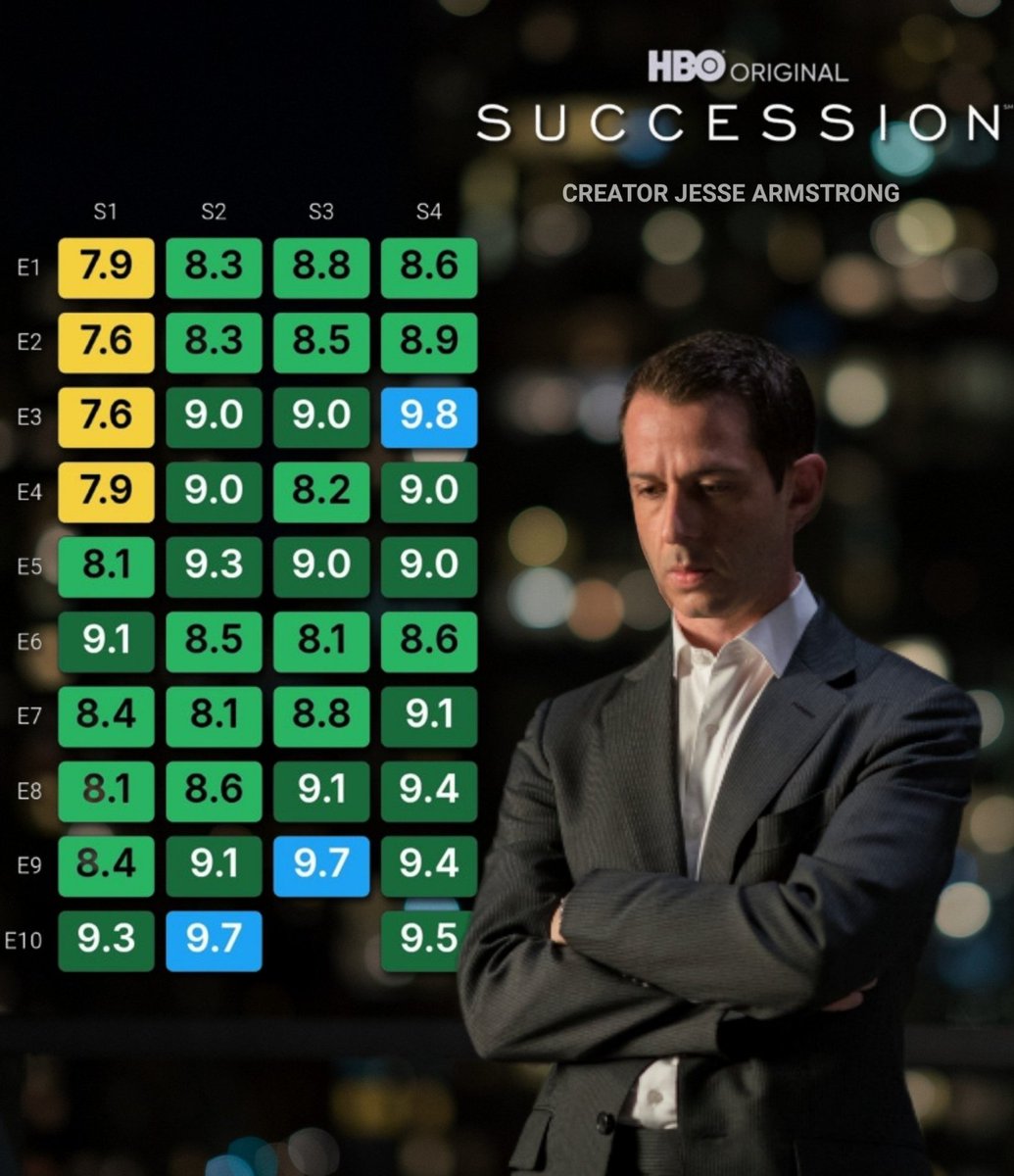
This show was so good
High Yield Harry tweet media
English
13
178
11.4K
354K
Sinverba retweetet
Marcos Durán
Marcos Durán@marqoss·
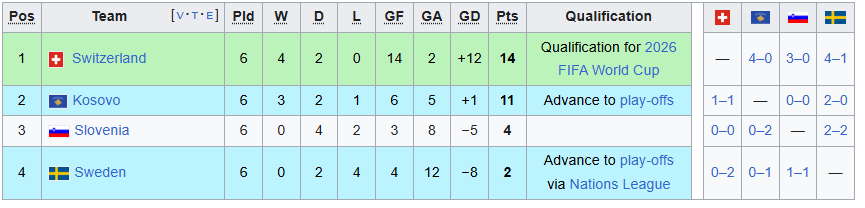
Recordemos que Suecia entra al Mundial después de haber hecho 2 puntos en 6 partidos en su grupo de fase de clasificación y que juega el repechaje gracias a un torneo casi amistoso como la Nations League. Para que después se hable de otras eliminatorias.
Marcos Durán tweet media
Español
38
471
3.5K
79.9K
Motivaciones Fútbol
Motivaciones Fútbol@MotivacionesF·
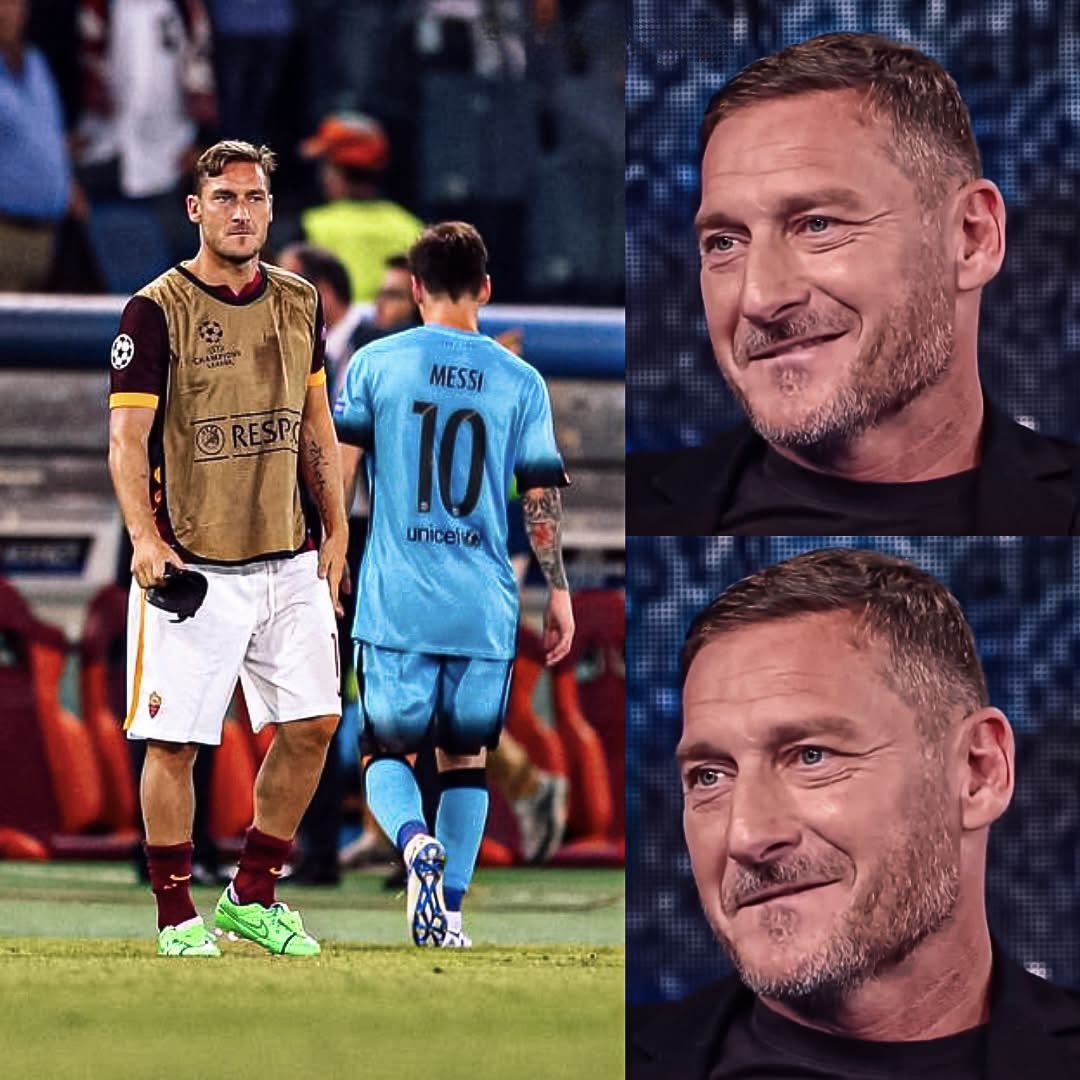
FRANCESCO TOTTI: “Pon a Messi 25 años en la Roma y dime cuántos Balones de Oro ganaba… ninguno. No porque no fuera el mejor, sino porque acá jugábamos con lo que teníamos: compañeros que dejaban el alma, sí, pero sin el escaparate ni el poder de otros gigantes. Y mientras tanto, muchos me decían que me fuera al Real Madrid, que ahí sería más fácil ganarlo todo. Pero yo elegí quedarme. Para mí, levantar títulos con la Roma, con mi gente, en mi ciudad, vale más que cualquier premio individual. Jugué años enteros con molestias, con el cuerpo al límite, mientras otros desaparecían en los momentos duros. Yo no sabía borrarme. Siempre estuve.” “Fui un capitán sencillo, respetuoso, más pendiente del grupo que de mí mismo. Nunca levanté la voz ni me sentí por encima de nadie. Tal vez, visto en frío, eso me costó caro: hubo quienes merecían otra respuesta y aun así los defendí. Ese es mi carácter, no sé traicionar a un compañero. Pero cuando pisaba la cancha, todo cambiaba: ahí salía el fuego, el orgullo, la responsabilidad de cargar con todos. Afuera podía ser callado; adentro, no. Porque esa camiseta era mi vida. Y por la Roma, yo daba todo.”
Motivaciones Fútbol tweet media
Español
258
424
4.1K
408.7K
Sinverba retweetet
David J Phillips
"Make no mistakes DO NOT HALLUCINATE. YOU ARE AN EXPERT SOFTWARE ENGINEER"
English
192
2.1K
24.4K
1.3M
Sinverba retweetet
Cine Vichaar
Cine Vichaar@Cine_vichaar·
Peak Television
Cine Vichaar tweet media
Indonesia
54
690
9K
1.2M