Harvest time in Anhui, China
China does not lack fertilizers because China uses coal rather than natural gas to make fertilizers.
China is the world's largest fertilizers producer, producing 1/3 of the world's fertilizer supply. China and Russia together make more than 50% of the world's fertilizers
This is a common sight when travelling on the underground train in London.
I don’t think I have ever seen a dirty and graffitied public transport in Hong Kong and China.
🇯🇵 Japan is rewriting the Nanjing Massacre into the “Nanjing Incident” inside its own atomic bomb museum
Nagasaki city plans to complete updates to the Nagasaki Atomic Bomb Museum panels by the end of the 2026 fiscal year. The reported change removes the clear term “massacre” and replaces it with softer language about killing many civilians and prisoners during what they now prefer to call the “Nanjing Incident”.
China’s Foreign Ministry responded today without hesitation. Spokesperson Mao Ning stated the facts plainly: The Nanjing Massacre was a brutal crime by Japanese militarism.
The evidence is ironclad and cannot be tampered with. The Tokyo Trials already judged it, the Far East International Military Tribunal dedicated a full chapter to the Japanese army’s atrocities in Nanjing and General Matsui Iwane, the commander responsible, was convicted as a Class A war criminal and executed.
Survivor testimony, records from foreign witnesses who stayed in the city and Japanese military documents all confirmed the same reality in an international court. This was systematic slaughter, not some vague incident open to reinterpretation.
What stands out is that even in Nagasaki, atomic bomb survivors, local citizen groups and ordinary Japanese people are pushing back against this revision. They want the full record of Japan’s role as aggressor kept in the museum. They understand that honest history requires both sides of the story.
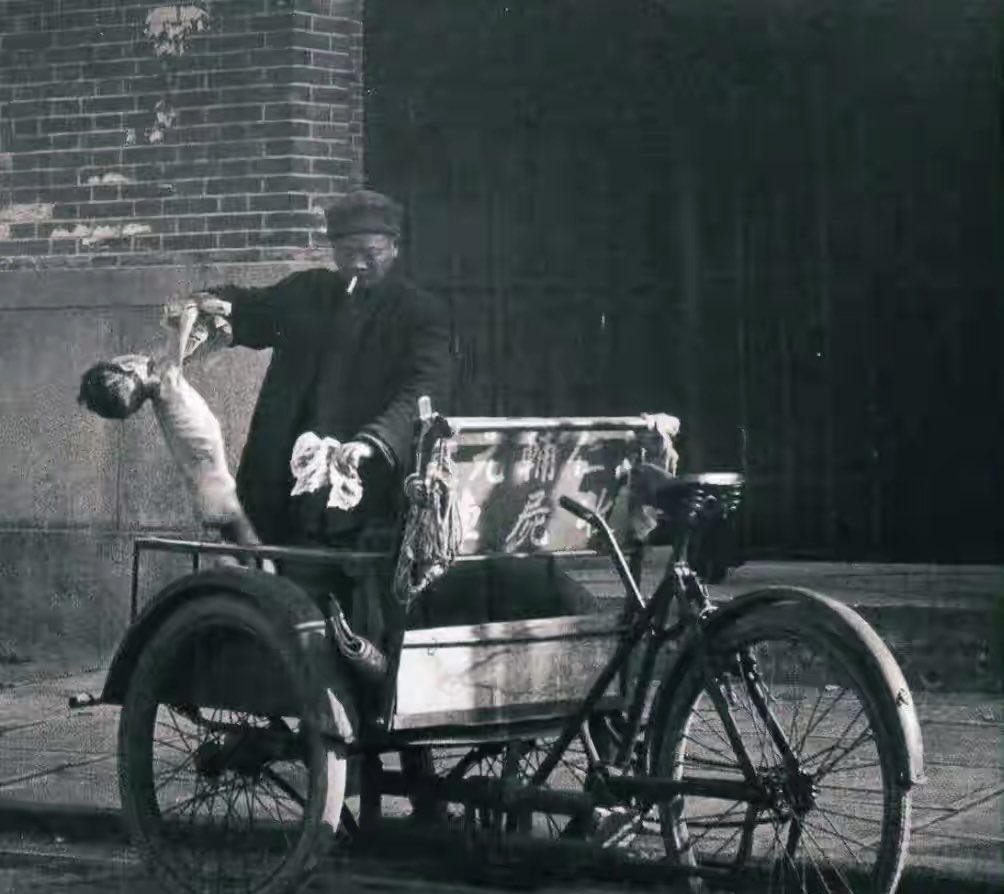
Living here in China, the memorials and survivor accounts are not abstract. In late 1937 and early 1938 Japanese troops killed hundreds of thousands of Chinese civilians and surrendered soldiers in Nanjing. The rape, looting and burning went on for weeks. Primary sources from multiple sides document it beyond any serious dispute.
This push fits a familiar pattern. Certain forces in Japan keep trying to soften or remove references to imperial army crimes while insisting the world focus only on Japanese suffering at the war’s end. With the 80th anniversary of that war’s conclusion approaching, the timing makes the double standard even harder to ignore.
The CPC position has stayed consistent for decades. Face history squarely, reflect deeply on war responsibility and make a clean break with militarism. Anything less keeps old wounds open and undermines real trust in the region.
Japan wants its nuclear victims remembered and the human cost of Hiroshima and Nagasaki was real. But genuine reconciliation cannot rest on selective memory that erases what its own army did across Asia.
If even a peace museum cannot keep accurate language about one of the worst atrocities of that war, what does that reveal about deeper attitudes still at work?
How many times will the same chapter get edited before Japan realises the only path forward is to stop pretending parts of its history never happened?