FUMIHIKO HIRAI🐝KADOKAWAすごすぎる図鑑昆虫/TokyoBugBoys

25.3K posts
FUMIHIKO HIRAI🐝KADOKAWAすごすぎる図鑑昆虫/TokyoBugBoys banner
FUMIHIKO HIRAI🐝KADOKAWAすごすぎる図鑑昆虫/TokyoBugBoys

FUMIHIKO HIRAI🐝KADOKAWAすごすぎる図鑑昆虫/TokyoBugBoys

@uta_31

昆虫の惑星へようこそ Welcome to Planet of Insects/TokyoBugBoys 平井文彦/KADOKAWA すごすぎる図鑑 昆虫/NHKスペシャル 超進化論/所さんの目がテン 出演中/学研の図鑑 昆虫/養老先生とみんなの虫ラボ 制作/ものすごい図鑑(Eテレ)/自然観察会/映像クリエイター/作家

Planet of Insects Beigetreten Nisan 2011
10K Folgt31K Follower
FUMIHIKO HIRAI🐝KADOKAWAすごすぎる図鑑昆虫/TokyoBugBoys retweetet
野鳥・自然ニュース - BIRDER.jp
シカの食害でササが消失、巣が作れなくなった鳥類が京都で絶滅寸前に…コマドリもレッドデータブックのリスト外から絶滅危惧に : 読売新聞 yomiuri.co.jp/local/kansai/n…
日本語
7
977
1.6K
53.9K
FUMIHIKO HIRAI🐝KADOKAWAすごすぎる図鑑昆虫/TokyoBugBoys retweetet
まこと
まこと@733RT1kn8Qan1J1·
ちなみに私の地域では対イノシシにつきましては電気柵が殆ど機能しなくなっております。 お尻から入るとそんなに痛くないって言う学習をされてしまいまして。 それがどうやら親子、親戚一同で情報共有されているみたいでお尻から入る猪が量産されました😇
日本語
105
8.2K
21.8K
510.7K
FUMIHIKO HIRAI🐝KADOKAWAすごすぎる図鑑昆虫/TokyoBugBoys retweetet
沙東すず 昆虫大学2026/11/21-22
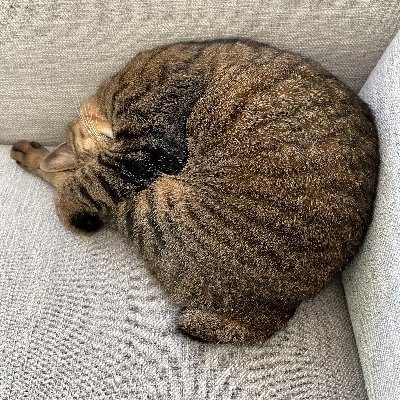
立山自然博物館のこのライチョウ写真がツボだった なんでそこで一周したの???🐾
沙東すず 昆虫大学2026/11/21-22 tweet media
日本語
1
5.5K
49.7K
831.1K
FUMIHIKO HIRAI🐝KADOKAWAすごすぎる図鑑昆虫/TokyoBugBoys retweetet
くもじろー
くもじろー@Hunts_Manjirou·
🕷️「ナニ ミトンネン!」 トタテグモ見てたら石つぶてを投げつけられたw
日本語
18
441
2.6K
41.8K
FUMIHIKO HIRAI🐝KADOKAWAすごすぎる図鑑昆虫/TokyoBugBoys retweetet
Anish Moonka
Anish Moonka@anishmoonka·
That flower is a clone. Every red spider lily in the American South traces back to three bulbs a US Navy officer named William Roberts brought home from Japan in 1854. His sister-in-law planted them in North Carolina. They have been copying themselves ever since. The Japanese version of this plant cannot make seeds. It only reproduces by making copies of itself underground. A bulb splits in two. Those two split into four. Over the years, one bulb becomes a whole patch of identical flowers. Every red spider lily in the American South is part of one giant, slow-motion copy machine that started with Roberts' three bulbs. Roberts came home with them after a treaty opened Japan to American trade. He was a botany enthusiast and sailed with Commodore Matthew Perry. The bulbs sat quietly in the soil for years. They did not flower until the Civil War. Since then, they have been handed from one gardener to the next, one bulb at a time. The bulb underground is poisonous. It carries a chemical called lycorine. A mouse that bites into it gets violently sick, and a big enough bite can kill it. The poison is why people grew the plant in the first place. Japanese farmers have been planting it around their rice fields and houses for over a thousand years because the bulbs keep rats and moles out of the grain. You are looking at natural pest control that has been running since before the printing press was invented. The same bulb also carries a chemical called galantamine. Galantamine is the active ingredient in two FDA-approved drugs for Alzheimer's disease. The FDA approved the first one, Razadyne, in 2001. A follow-up called Zunveyl was approved in 2024. China has entire farms growing red spider lilies just to pull that chemical out and turn it into medicine. The same bulb that will kill a rat is the source of a molecule that helps an 80-year-old remember their grandchildren's names. In the American South, these flowers almost always show up around old homesteads. Since the plant only spreads by bulbs splitting, a patch marks where somebody once lived and gardened. You might be looking at the last trace of a house that burned down in 1930, or a grandmother's flower bed from sixty years ago. So leave it where it is. Don't dig up the bulb, and don't let pets chew the long green leaves that come up after the flower dies in the fall. When the next good rain hits, more will probably pop up out of nowhere, on bare stems with no leaves. That is the flower doing what it has done since the 1850s, one bulb at a time.
nostalgia@nostalgicfile

Found this in my backyard, what should I do?

English
80
2.5K
15.6K
1.6M
Nemo
Nemo@kuronekococochi·
@uta_31 cheap cloth water filters で水を濾すことでケンミジンコを除去したのですね… すばらしいです
日本語
1
0
1
21
FUMIHIKO HIRAI🐝KADOKAWAすごすぎる図鑑昆虫/TokyoBugBoys
メジナ虫症はケンミジンコが媒介するだよな。
Anish Moonka@anishmoonka

A parasite that has been eating people for 3,500 years is about to be wiped off the planet. It infected 3.5 million people in 1986. Last year, it infected 10. And I have not seen it make a single front page. It is called Guinea worm. You drink contaminated water from a pond in a poor village. A year later, a worm up to three feet long starts coming out of your leg through a burning blister. There is no pill that stops it and no surgery that works. You wrap the worm around a stick and pull it out slowly, over days or weeks, inch by inch. If you rush, the worm breaks inside you and causes a fresh infection. Guinea worm is ancient. Preserved worms have been pulled out of Egyptian mummies from around 1000 BCE. The Ebers Papyrus, an Egyptian medical scroll from 1550 BCE, describes pulling the worm out with a stick. For three and a half thousand years, that was the best humans could do. Then in 1986, public health workers decided to kill the parasite off. They had no vaccine and no drug. What they had was cheap cloth water filters and a small army of volunteers willing to walk from village to village for decades. The plan was simple. Give everyone who drinks from a pond a cloth filter to strain out the tiny water fleas that spread the parasite. Then send volunteers walking house to house, year after year, teaching people how to use the filters and keeping anyone with an emerging worm out of the water. It worked. From 3.5 million cases a year to 10. Four were in Chad, four in Ethiopia, two in South Sudan. The other four countries where the worm used to be common, Angola, Cameroon, the Central African Republic, and Mali, had zero human cases for the second year in a row. The World Health Organization has already certified 200 countries as Guinea worm free. Six are left. The last hurdle is dogs. Cameroon had 445 infected animals last year and Chad had 147, so a lot of the remaining work is on animals, not humans. Strays get leashed, and crews treat ponds to kill any remaining worms. The campaign keeps watching until the number hits zero. When Guinea worm hits zero, it becomes the second human disease ever erased from the planet. The first was smallpox. It will also be the first parasite humans have ever wiped out, and the first disease ever ended without a single dose of medicine. Volunteers walked village to village with cloth filters for 40 years. Now a plague from the age of the pharaohs is about to be gone.

日本語
1
3
33
4K
FUMIHIKO HIRAI🐝KADOKAWAすごすぎる図鑑昆虫/TokyoBugBoys retweetet
ホーリーの水中写真(水中カメラマン堀口和重)
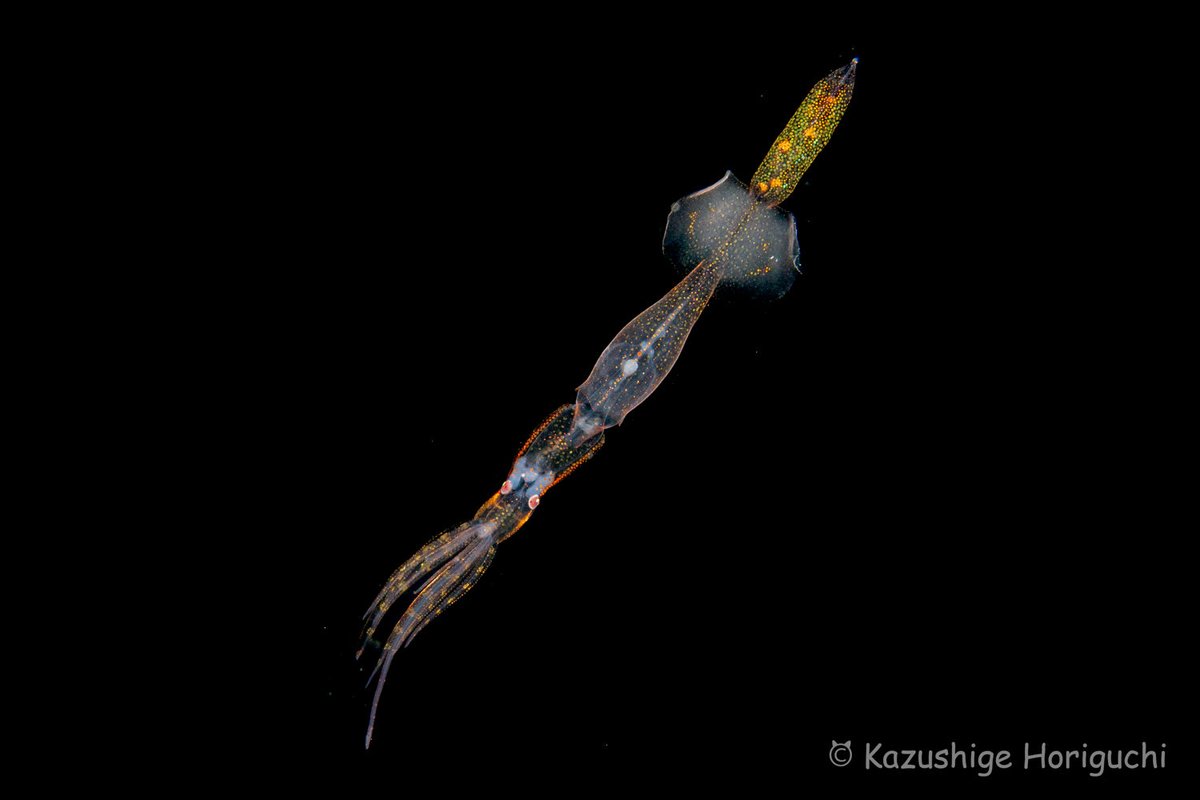
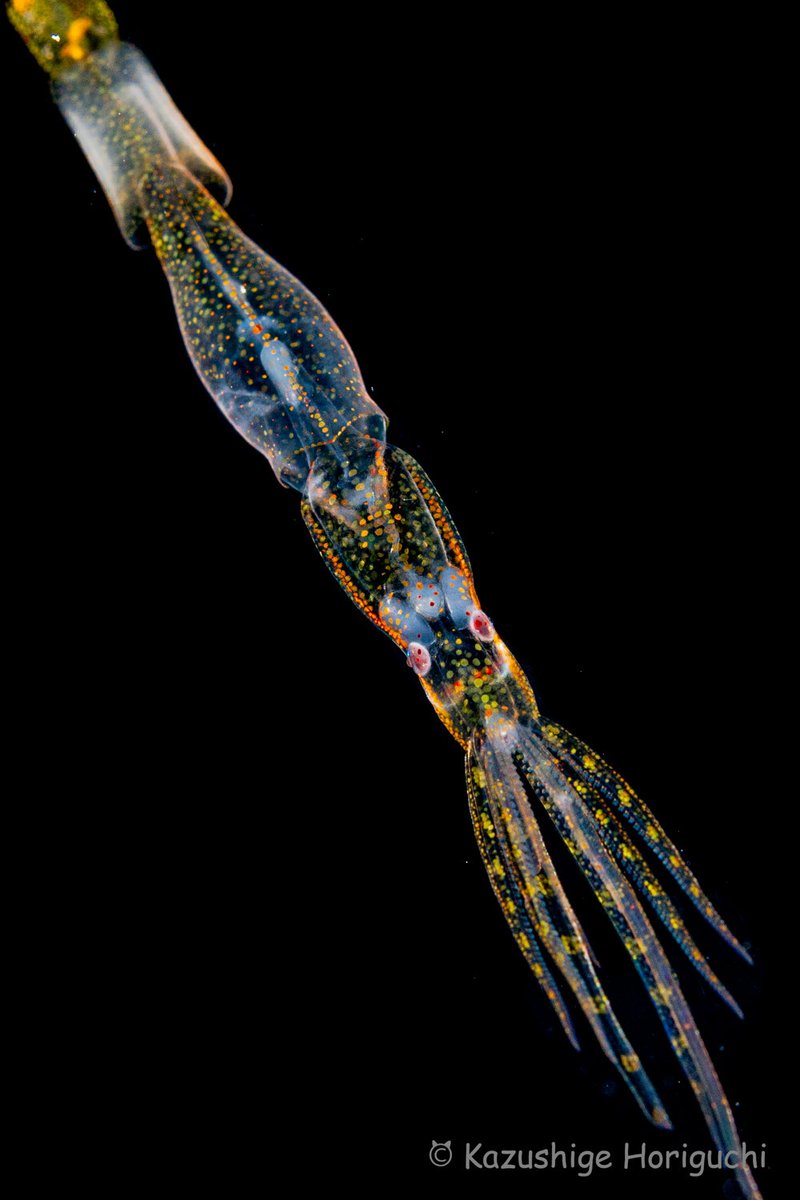
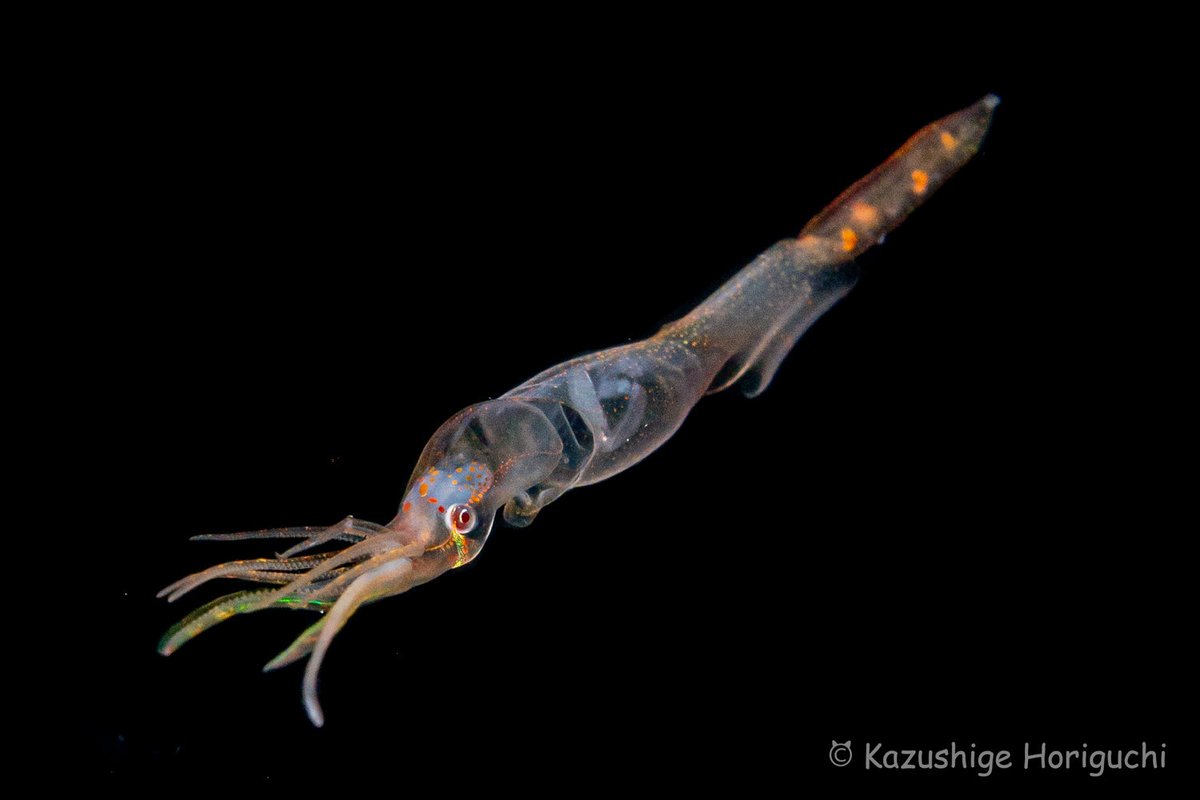
小笠原のラストダイブ。 深海の超激レアなイカが登場しました💦 先生の話ではAsperoteuthis属(シチクイカ属)の種の子供の可能性が高いようです。 生態写真も世界初かもです💦 素晴らしい出会いに感謝✨
ホーリーの水中写真(水中カメラマン堀口和重) tweet mediaホーリーの水中写真(水中カメラマン堀口和重) tweet mediaホーリーの水中写真(水中カメラマン堀口和重) tweet media
日本語
3
346
1.2K
44.7K
FUMIHIKO HIRAI🐝KADOKAWAすごすぎる図鑑昆虫/TokyoBugBoys retweetet
Akiko.Y🚪👿
Akiko.Y🚪👿@azooarchaeology·
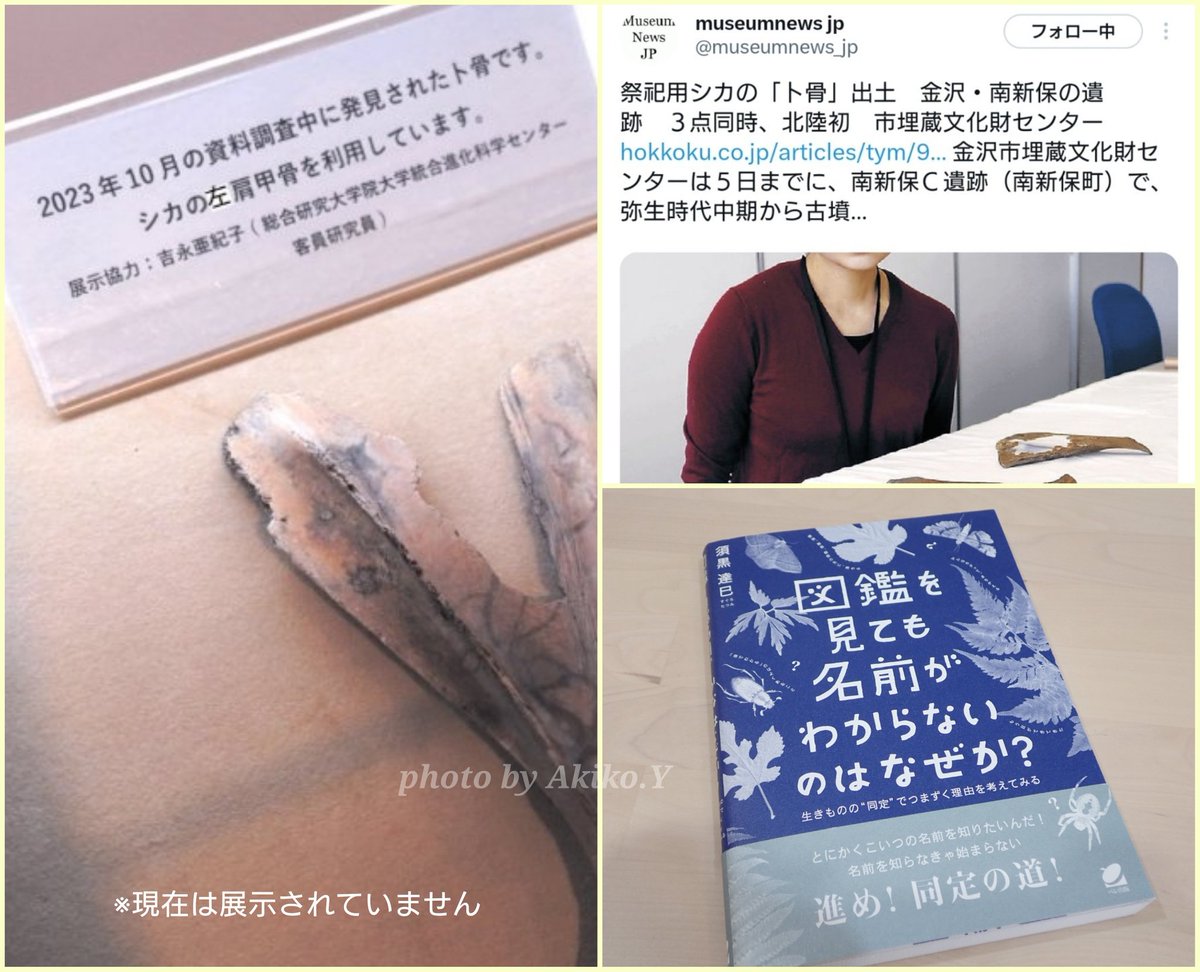
↓卜骨(ぼっこつ)だとよく気付きましたねと仰って頂くことがあります。ここ3年ほど各地へ出向き(写真左、右上)多くの出土骨を見ており、写真右下の本に書かれている「見る目」ができてきたから気付けたのだと思います。実際の遺物を観察する経験なしに目はできません、とにかく経験を積むこと。
Akiko.Y🚪👿 tweet media
Akiko.Y🚪👿@azooarchaeology

【東京都では51年ぶり2例目となる貴重な卜骨を発見】卜骨の同定と報告に関わらせていただいた荒川区の遺跡発掘調査報告書が刊行されました。 調査員さん「出土した骨を見てもらえますか?」 私「はーい。鹿の肩甲骨ですね〜。ん?え?チョットマッテ⋯これ卜骨ですよ!」 調査員さん「えっ!?(驚)」

日本語
2
45
182
10.9K
FUMIHIKO HIRAI🐝KADOKAWAすごすぎる図鑑昆虫/TokyoBugBoys retweetet
ねもと
ねもと@Gallinago_0075·
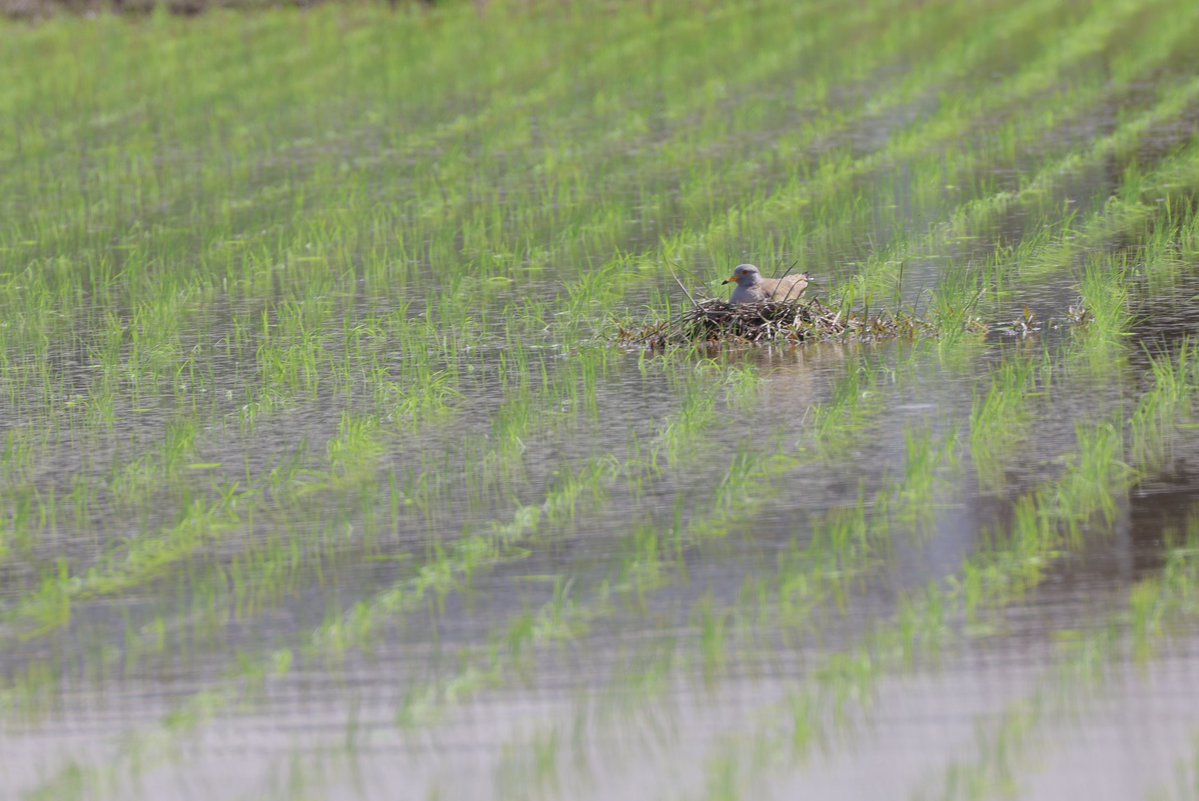
地元では抱卵中のケリの巣を避けて田植えをしてくれる農家さんがとても多い。子供の頃から見慣れた光景ではあったけど、田植え前の水田に巣を作って気付かれずに耕されたり水没してしまう巣が多い中、改めてとても素敵な光景だと思った。
ねもと tweet media
日本語
33
2.7K
14K
303.9K
FUMIHIKO HIRAI🐝KADOKAWAすごすぎる図鑑昆虫/TokyoBugBoys retweetet
奥山雄大(茨城県在住関西人)
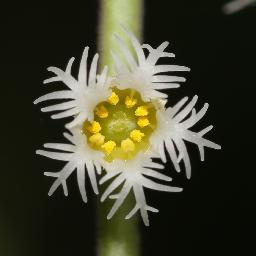
この絶望的な違い。ちなみに僕が最初にチャルメルソウの調査を行なっていた2002年は全ての場所が右の状態であったおかげで研究が成り立ちました。入学が3年遅れていたら研究者としての今の僕はいなかったと断言できます。
Shunsuke Matsuoka@Mtok_Snsk

シカ過採食により下層植生が消失した現在の芦生の森(左)とシカ排除柵内(右)です。シカ過採食は森を崩壊へと導きます。 阿部さん西澤さんと立ち上げたシカ柵センサスプロジェクトが豊かな自然とその恵みを守ることに貢献できるよう、情報拡散などご協力をお願いいたします。 sites.google.com/view/deer-fenc…

日本語
1
102
254
14.5K
FUMIHIKO HIRAI🐝KADOKAWAすごすぎる図鑑昆虫/TokyoBugBoys retweetet
Rhizomatiks
Rhizomatiks@rhizomatiks·
【お知らせInformation】 4月25日(土)ロサンゼルス・The Shrineで 開催される WORLD FENCING LEAGUEにて ライゾマティクスとDentsu Lab Tokyoとの 共同プロジェクト 「Fencing Visualized」が実戦に導入されます。 当日の会場では、実際の試合において 選手の剣先の動きをトラッキングし可視化。 2020年東京オリンピックの会場でも 活用された本システムが この度アメリカで初公開されます。 マーカーレスで剣先の動きを捉え 軌跡として可視化する 本プロジェクトの導入によって 国際大会に挑む選手の高度な技術を 新たな視点で体験いただけます。 ※動画は参考 On Saturday, April 25, at the World Fencing League held at The Shrine Auditorium in Los Angeles, the collaborative project “Fencing Visualized” by Rhizomatiks and Dentsu Lab Tokyo will be introduced in live competition. At the venue, the system will track and visualise the movement of the fencers’ blade tips in real time during actual matches. The system was previously used on-site at the Tokyo 2020 Olympic Games and will be presented in the United States for the first time. This system captures the motion of the blade tip without markers and renders it as dynamic trajectories. By implementing this system, audiences can experience the advanced techniques of athletes competing on the international stage from a new perspective. *Images shown are for reference only. @WFL_fencing @daitomanabe
日本語
33
1K
2.6K
305.8K