What I don’t understand is why telehealth companies aren’t being sued for essentially selling drugs. They’re not licensed pharmacies, yet they operate like ones—offering drug subscriptions disguised as medical care, which is illegal. Let’s be honest: anyone with half a brain cell can see these subscriptions are about the medication, not the clinical care. statnews.com/pharmalot/2025…
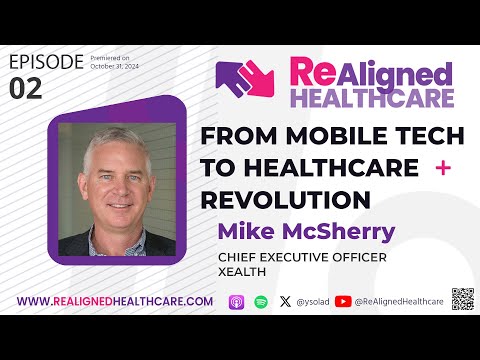
Was a ton of fun joining @ysolad on the ReAligned Healthcare Podcast! Lots of spicy 🌶️ Health Tech takes in this one. We chat about:
→ Why EHR vendors should go “all-in” on AI Agents, and how Agents will make EHRs stickier (and make it harder for startups to disrupt them)
→ Why a feature matrix is the wrong way for health systems to pick a Health Tech partner
→ Why scarcity of resources allows startups to focus, and deliver more and better results with health systems
→ Why health systems should bring problems to be solved to discussions with startups (and less time trying to pitch specific solutions)
→ The risk of using AI to automate bad workflows - and why workflows/processes must first be re-designed before AI is applied
→ The @SeamlessMD story, how we’re using digital care journeys to help health systems improve patient outcomes, and practical ways we’re using Generative AI in our efforts
… and much, much more!
10/10 Want a deeper dive? Check out the full article where we explore each of these points in more detail—and share how we can build AI solutions that earn clinicians’ trust instead of eroding it.
9/10 If implemented thoughtfully, LLMs can move from novelty to genuine clinical asset. But we have to address these limitations head-on to ensure AI truly lightens the load.
8/10 - Human-AI Collaboration: AI should empower, not replace, clinicians by streamlining verification.
- Continuous Oversight: Monitoring, updates, and ongoing training are crucial for safe, effective adoption.
7/10 Moving Forward
- Tailored AI: Healthcare-specific designs that reduce “prompt engineering” and improve accuracy.
- Transparent Validation: Clinicians need to understand how AI arrives at its conclusions.
6/10 Workflow Hurdles
LLMs excel in flexible, open-ended tasks, but healthcare requires precision, consistency, and structured data. This mismatch can lead to patchwork solutions and unpredictable performance.
5/10 Burnout Concerns
AI is often touted as a remedy for burnout. Yet if it’s poorly integrated or frequently incorrect, clinicians end up verifying and correcting even more, adding mental strain instead of relieving it.
4/10 Trust Erosion
Even a single AI-driven mistake—like the wrong dosage—can compromise patient safety. Errors that go unnoticed fracture clinicians’ trust and force them to re-verify every recommendation, negating AI’s efficiency.
3/10 Verification Overload
LLMs might produce coherent summaries, but “coherent” doesn’t always mean correct. Manually double-checking AI-generated notes or recommendations becomes an extra task on an already packed schedule.
2/10 But early adoption reveals a more complicated reality: verifying AI outputs, dealing with errors, and struggling with workflow integration can actually increase clinicians’ cognitive load.
Here are four key considerations:
1/10 Is AI Really Easing Clinician Workloads—or Adding More?
Healthcare is rapidly embracing AI and Large Language Models (LLMs), hoping to reduce clinician workload.
Today marks my #TabClosingDay on #iPhone! I've officially hit the 500 tab max in #Safari! Time to break up with the past and close pages I've saved for later but never returned to. Here's to a fresh start without the clutter! #DigitalDeclutter#TechLife
Our co-founder & CEO Mike McSherry joins @ysolad for an insightful conversation about #digitalhealth and it's role in modernizing healthcare. Check out the full episode: youtu.be/9XD723xx4po
@Apple designed #AppleIntelligence to reject content that includes words like ‘patients’ or ‘care delivery,’ which makes it unusable for clinicians users like me. @elonmusk , Elon is there a way to install #GROK intelligence directly on our phones?
#LLMs might be the ultimate anthropological time capsules. They capture not only knowledge but also the thinking patterns embedded in internet data—along with the biases and blind spots of their developers
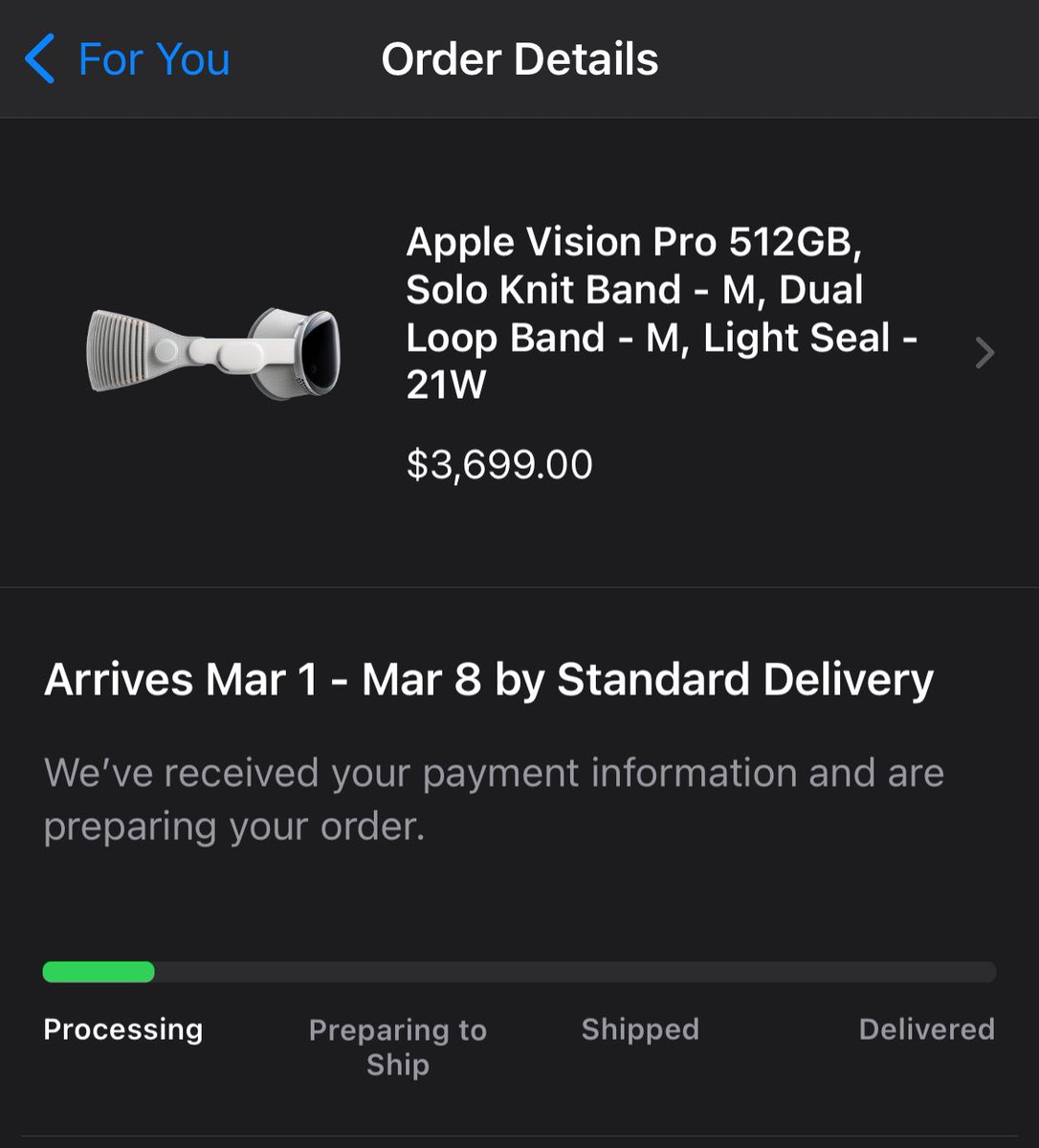
@zoeyw123 Not on its own. It feels more like an early-stage device that helps visionary developers imagine new types of interactions. Some of these interactions, particularly in the context of augmented reality, could bring value to clinicians, but that remains to be seen.
Can’t wait to see if we can build something useful for clinicians. Hopefully I will not add it to my collection of failed augmented reality devices next to Google Glass .