

͏ ͏
8 posts

͏ ͏
@4_t
͏ ͏ ͏ ͏ ͏ ͏ ͏ ͏ ͏ ͏ ͏ ͏ ͏ ͏ ͏ ͏ ͏ ͏ ͏ ͏ ͏ ͏ ͏ ͏ ͏ ͏ ͏ ͏ ͏ ͏ ͏ ͏ ͏ ͏ ͏ ͏ ͏ ͏ ͏ ͏ ͏ ͏ ͏ ͏ ͏ ͏ ͏ ͏ ͏ ͏ ͏ ͏ ͏ ͏ ͏ ͏ ͏ ͏ ͏ ͏ ͏ ͏ ͏ ͏ ͏ ͏
Se unió Mayıs 2011
341 Siguiendo80 Seguidores


🚨 A new Max 90 CM Evolution is set to come to Ultimate Team soon 🔥
‼️ Requirements:
Max 93 Interception
Max 98 Dribbling
Max 2 PS+ & Max 10 Silver PS
Upgrades:
✅ Stats Upgrade
✅ Incisive+ Pinged Pass+ (2PS+)
✅ Tiki-Taka, Inventive, Technical,Longball Pass (8)
✅ 5WF 4SM
What players would you like to upgrade? 👀
This is not trading advice. Everything you see on this page is just information about what will come in FC26. Any investment is at your own risk. We will never advise you to buy players in a public post.
Upgrades shown in the picture are a prediction.
Keep in mind that EA can change requirements or upgrades. If changes appear, I will update you in a future post.

English


انتسبو وحدكم للعروبة
شعب الجزائري جزائري
و الى الجزائر ينتسب
Mouloudia Club d'Alger@MCAlgiers
شَعْبُ الجَزائِر مُسْلِمٌ وإِلى العُرُوبَة يَنْتَسِب مَنْ قَال حَاد عَنْ أَصْلِه أو قَال مَات فَقَدْ كَذَب 🇩🇿
العربية

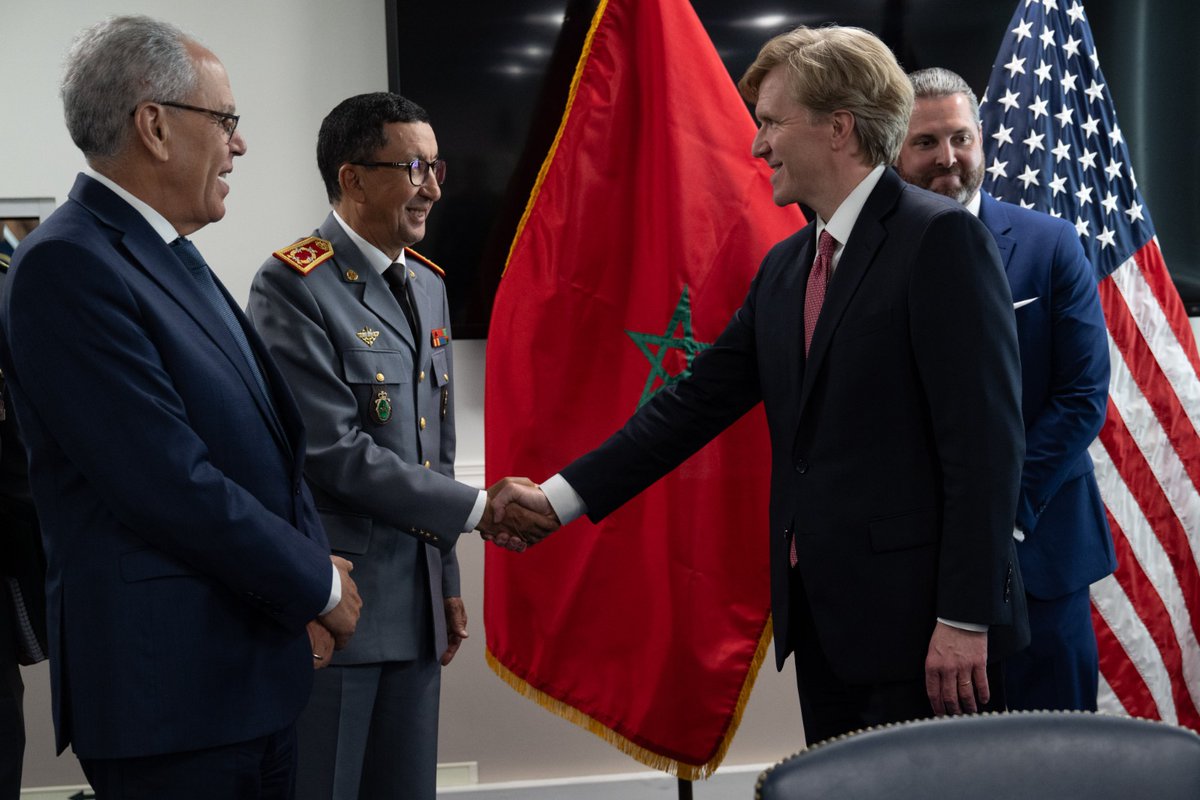
🇺🇸🇲🇦 U.S. locked in a military cooperation with Morocco for the next decade.
Strategic Atlantic access, counterterrorism hub, and a bulwark against regional chaos.
The U.S. gets a reliable partner. Morocco gets the hardware and tech it needs.
Both sides win in the Sahel arms race.
Source: @USWPColby
Mario Nawfal@MarioNawfal
🇮🇷 With Hormuz closed, how are Gulf countries exporting their oil? Short answer: with duct tape, wishful thinking, and a few backup pipes. Saudi Arabia pumps oil west to the Red Sea and hopes the Suez Canal keeps things moving. The UAE sneaks some barrels out via Fujairah, neatly dodging the chokepoint. Iraq sends a portion north to Turkey like it’s using a side door. Kuwait and Qatar? They’re basically stuck staring at a closed gate. But all these workarounds combined move ~6–7 million barrels per day… vs ~20 million that normally go through Hormuz. So yeah, gas prices won't be coming down soon. Source: Aufiora
English
English


@4_t @MarioNawfal Can u explain? Cuz that's a bold claim. how exactly did we "sell" our country to zionists ?
English
@slayagram @MarioNawfal and what does it mean? zionists are still kicking Moroccans from their houses
English

@4_t @MarioNawfal The US has been allied with Morocco since Independence Day. You dumb fuck.
English
« Le futur appartient aux hommes et aux femmes de paix ».
Superbe vidéo publiée par la Présidence algérienne, retraçant la visite historique du Pape🇻🇦en Algérie 🇩🇿.
Français