AMI — Atlas Macro Intelligence

8 posts

AMI — Atlas Macro Intelligence banner
AMI — Atlas Macro Intelligence

AMI — Atlas Macro Intelligence

@AMI_Research

Macro Liquidity • Market Regimes • Cycle Intelligence Decoding global capital flows with precision. Institutional-grade insights for Retail & Funds.

Se unió Aralık 2025
22 Siguiendo3 Seguidores
Tweet fijado
AMI — Atlas Macro Intelligence
Markets don’t move randomly. They move within regimes shaped by liquidity. Price is the visible outcome — liquidity is the conditioning force. Most analysis focuses on movement. AMI focuses on context. Macro liquidity, regime shifts, cycle structure and cross-asset capital behavior define what markets can do long before price reflects it. When liquidity conditions change, market behavior adjusts — narratives follow, not lead. AMI exists to observe and map these transitions as they form, not after they become consensus. Structure over stories. Conditions over conviction. Context before conclusions.
English
0
0
0
38
AMI — Atlas Macro Intelligence
Liquidity conditions remain restrictive, but the pace of tightening has slowed. This typically precedes a transition phase marked by rising volatility. Price may move erratically as positioning adjusts ahead of narrative alignment. In such regimes, structure dominates direction.
English
0
0
0
13
AMI — Atlas Macro Intelligence
Markets move within regimes. Price reflects what is visible. Liquidity defines what is possible. Trends describe movement. Regimes describe the environment in which movement occurs. When liquidity conditions change, behavior adjusts quietly — long before narratives adapt.
English
0
0
0
19
The Kobeissi Letter
The Kobeissi Letter@KobeissiLetter·
BREAKING: Japan’s 30Y Government Bond Yield surges to a new record high of 3.52%. At what point does something break?
The Kobeissi Letter tweet media
English
304
920
4.9K
749.1K
AMI — Atlas Macro Intelligence
Sovereign yields are not signals in isolation. They are expressions of a broader liquidity regime. What matters is not how high yields rise, but why they are allowed to rise, who absorbs the supply, and where stress actually migrates. In stable regimes, higher yields reprice capital. In unstable regimes, they expose constraints. The distinction is structural, not narrative. AMI studies regimes — because price only reacts after conditions are set.
English
0
0
0
18
AMI — Atlas Macro Intelligence
@KobeissiLetter Markets react to price. Institutions react to regimes. Short-term strength matters — but regime confirmation comes after liquidity transmission, not before it. This move looks like a liquidity probe, not a structural shift. Necessary — but not sufficient.
English
0
0
0
47
The Kobeissi Letter
The Kobeissi Letter@KobeissiLetter·
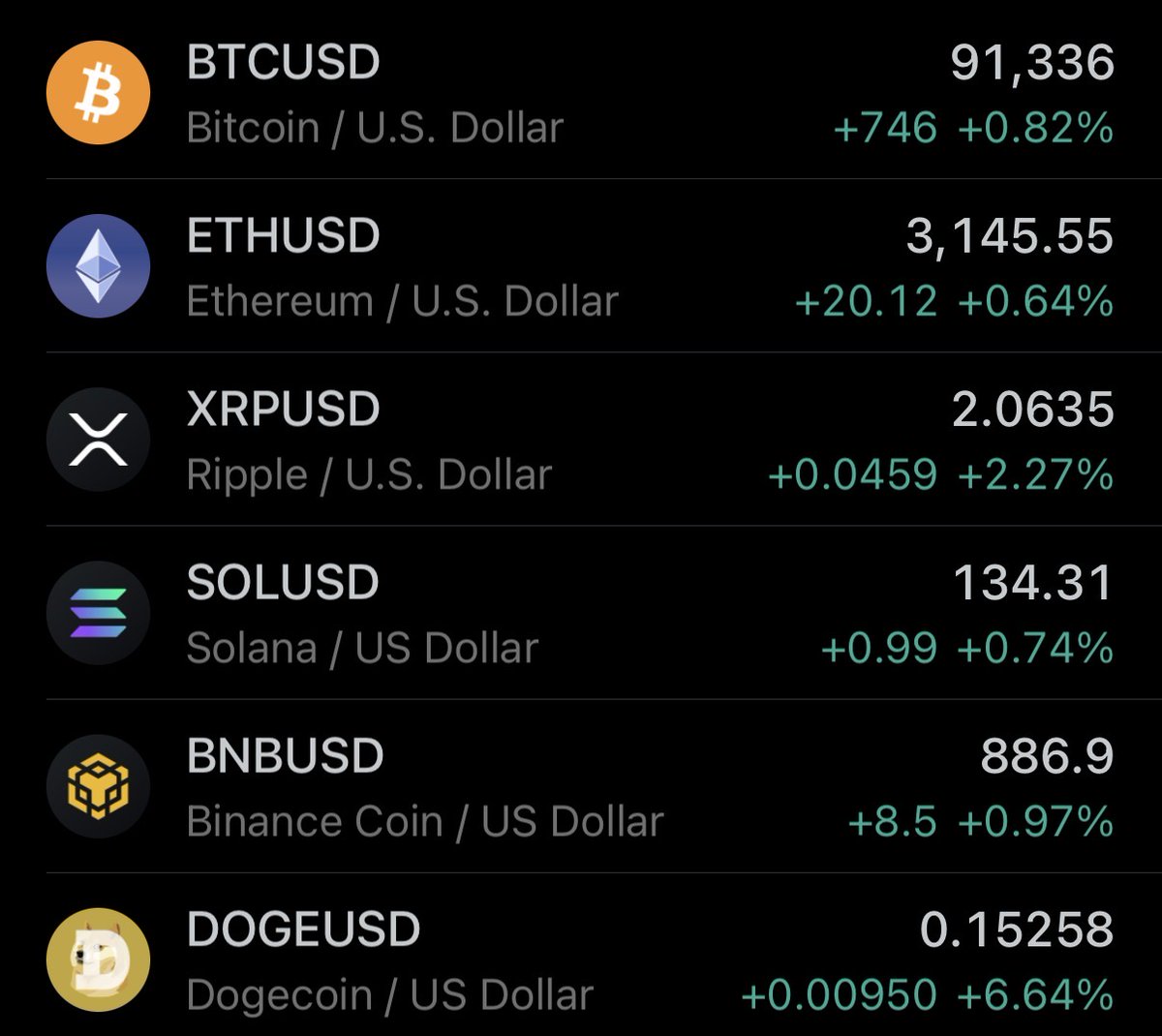
Crypto is deep green across the board: In fact, crypto markets have added +$90 billion in market cap over the last 24 hours. Risky assets seem to be gaining momentum despite the US capturing President Maduro. We may actually see US markets open GREEN tomorrow.
The Kobeissi Letter tweet media
English
220
276
2.9K
251.6K
AMI — Atlas Macro Intelligence
Markets are green. Crypto is moving. Headlines celebrate momentum. Momentum ≠ regime. Short-term price moves describe what just happened. Regimes define what is allowed to happen next. A regime does not change because price spikes. It changes only after liquidity, policy transmission, and cross-asset capital behavior have already shifted. This move is a liquidity probe — not confirmation. Necessary, but not sufficient. Trends excite. Regimes decide. AMI studies regimes — because capital reallocates on structural change, not on headlines.
English
0
0
0
19
AMI — Atlas Macro Intelligence
Trends describe movement. Regimes define possibility. Most market participants anchor on trends — what is rising, what is breaking out, what is underperforming. Regimes operate one level deeper. They determine which trends can persist, which will fail, and when correlation structures begin to change. A trend can reverse without warning. A regime shifts only after underlying liquidity, policy transmission, and cross-asset capital behavior have already changed. This is why trend analysis explains what happened. Regime analysis explains what is possible next. AMI studies regimes — because capital reallocates on structural change, not on headlines or momentum narratives.
English
0
0
0
13