Based Türkiye 🇹🇷

118 posts

Based Türkiye 🇹🇷 banner
Based Türkiye 🇹🇷

Based Türkiye 🇹🇷

@BasedTurkiiye

Steel in the air, gunpowder at sea, fatherland on the ground. Wherever there is a Turk, there is the voice of the Turk. 🐺🇹🇷

Türkiye Se unió Ocak 2026
624 Siguiendo1.2K Seguidores
Tweet fijado
Based Türkiye 🇹🇷
Based Türkiye 🇹🇷@BasedTurkiiye·
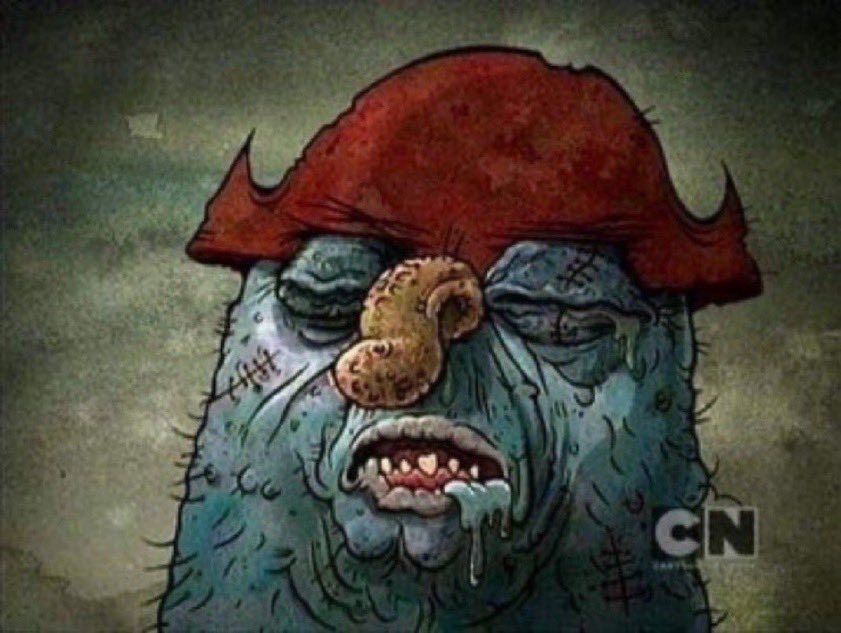
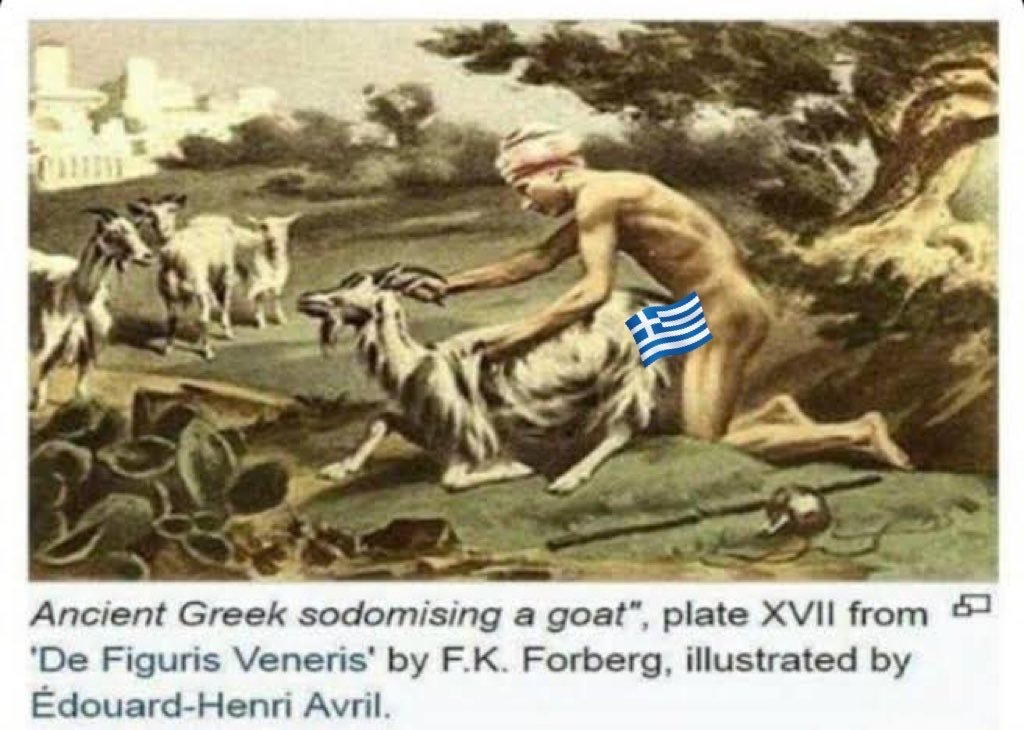
"Look at this, I'm dying of laughter 😂 Left: Greece’s proud national emblem Right: Old French dictionaries (including Petit Larousse) The word 'Grec' (Greek) literally meant: Tricheur, Filou, Escroc, Swindler, Cheat, Con artist, Pickpocket They even had the phrase: “Kick the Greeks out of the gambling circle” To Europeans back then, “Greek” = professional scammer 😂 And now the same people are still playing the exact same games in the Aegean, Cyprus, and Western Thrace. History really does repeat itself 😂🇹🇷"
Based Türkiye 🇹🇷 tweet media
English
4
7
12
237
Arkeoloji ve TÜRK Tarihi
Arkeoloji ve TÜRK Tarihi@ArkeolojiveTurk·
IN GREECE, WHICH IS COMPOSED OF ALBANIANS, SLAVS, VLACHS, CHRISTIAN TURKS, AND OTHER BALKAN PEOPLES, THERE IS NO SUCH THING AS A SO-CALLED “GREEK DNA.” Modern Greece is an ethnic mosaic of Albanians, Slavs, Christian Turks, Vlachs and other Balkan peoples. 1) During the Population Exchange between Greece and Turkey, approximately 1.5 million Anatolian Rums, who were not ethnically greek, were sent to Greece. Among them were around 200,000 Karaman Turks. 2) People living in present-day Greece are descendants of Albanians, Vlachs, and Slavs, except for the Rums who were forced to migrate from Anatolia to Greece as part of the population exchange in 1923. Rum is not ethnicity. Rum was used to define Orthodox Christians in Ottoman Empire. About half of present-day Peloponnese and almost all of present-day Attica-Boeotia are descendants of Albanians who arrived there in the 14th century AD. A large percentage of inhabitants in Epirus, Central Greece and Pindos are descendants of Slavs, Latin-speaking Vlachs and Albanians who arrived in these areas after the 6th, 9th and 13th-14th centuries AD. Ottoman tax and population registers (15th-16th century tax and population records) kept for Attica and its surroundings during the Ottoman period show numerous Albanian (Arvanit) settlements in the region. These records indicate a high concentration of Albanian population, particularly in the villages around Athens. Many important rebel bandits came from among the Arvanites (Arvanites of Albanian origin). These individuals mostly came from the Peloponnese, Attica, and the surrounding areas. Therefore, such an ethnically mixed society does not have a single, uniform DNA.
Based Türkiye 🇹🇷@BasedTurkiiye

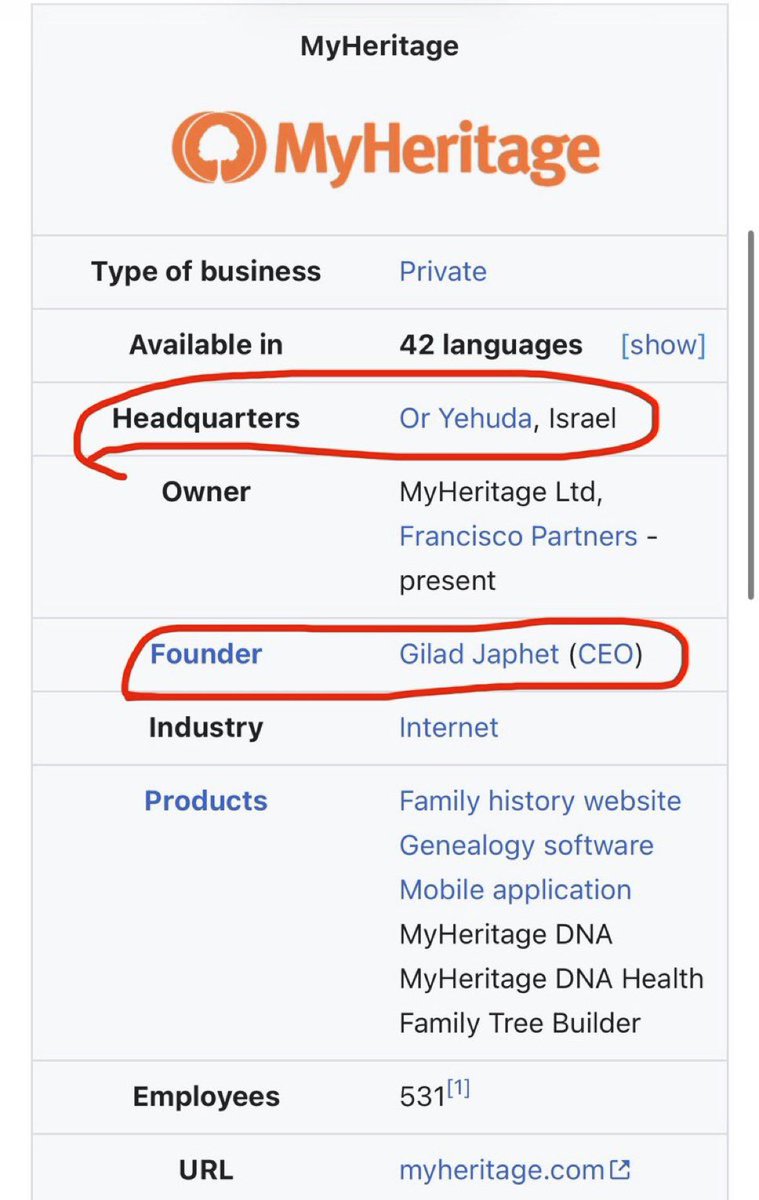
Greeks are actually Turks. The Great Powers established Greece back then as a buffer state against the Turks. Today, the same powers continue this historical lie by controlling DNA testing companies. After all, virtually all of these DNA companies are in the hands of the global actors who founded and have managed Greece. The cheap tricks that Greeks present as “proof”—such as videos claiming that Turks come out as “Greek DNA”—actually disprove their own argument. The results labeled “Greek DNA” in those videos, along with the DNA of people living in Greece today who consider themselves Greek, are in fact entirely Turkish. Never forget: Turks have been ruling the people who call themselves “Greek” since 1071. Let’s apply a little logic here: Does the ruler lose his DNA, or does the ruled? Throughout history, it is the conquered, assimilated, and ruled side whose genetic influence diminishes, while the ruling side preserves its own genetic heritage. This is a very simple truth. 🇹🇷🇬🇷

English
2
4
7
124
Arkeoloji ve TÜRK Tarihi
Arkeoloji ve TÜRK Tarihi@ArkeolojiveTurk·
IN GREECE, WHICH IS COMPOSED OF ALBANIANS, SLAVS, VLACHS, CHRISTIAN TURKS, AND OTHER BALKAN PEOPLES, THERE IS NO SUCH THING AS A SO-CALLED “GREEK DNA.” Modern Greece is an ethnic mosaic of Albanians, Slavs, Christian Turks, Vlachs and other Balkan peoples. 1) During the Population Exchange between Greece and Turkey, approximately 1.5 million Anatolian Rums, who were not ethnically greek, were sent to Greece. Among them were around 200,000 Karaman Turks. 2) People living in present-day Greece are descendants of Albanians, Vlachs, and Slavs, except for the Rums who were forced to migrate from Anatolia to Greece as part of the population exchange in 1923. Rum is not ethnicity. Rum was used to define Orthodox Christians in Ottoman Empire. About half of present-day Peloponnese and almost all of present-day Attica-Boeotia are descendants of Albanians who arrived there in the 14th century AD. A large percentage of inhabitants in Epirus, Central Greece and Pindos are descendants of Slavs, Latin-speaking Vlachs and Albanians who arrived in these areas after the 6th, 9th and 13th-14th centuries AD. Ottoman tax and population registers (15th-16th century tax and population records) kept for Attica and its surroundings during the Ottoman period show numerous Albanian (Arvanit) settlements in the region. These records indicate a high concentration of Albanian population, particularly in the villages around Athens. Many important rebel bandits came from among the Arvanites (Arvanites of Albanian origin). These individuals mostly came from the Peloponnese, Attica, and the surrounding areas. Therefore, such an ethnically mixed society does not have a single, uniform DNA.
English
1
0
3
22
Based Türkiye 🇹🇷
Based Türkiye 🇹🇷@BasedTurkiiye·
Greeks are actually Turks. The Great Powers established Greece back then as a buffer state against the Turks. Today, the same powers continue this historical lie by controlling DNA testing companies. After all, virtually all of these DNA companies are in the hands of the global actors who founded and have managed Greece. The cheap tricks that Greeks present as “proof”—such as videos claiming that Turks come out as “Greek DNA”—actually disprove their own argument. The results labeled “Greek DNA” in those videos, along with the DNA of people living in Greece today who consider themselves Greek, are in fact entirely Turkish. Never forget: Turks have been ruling the people who call themselves “Greek” since 1071. Let’s apply a little logic here: Does the ruler lose his DNA, or does the ruled? Throughout history, it is the conquered, assimilated, and ruled side whose genetic influence diminishes, while the ruling side preserves its own genetic heritage. This is a very simple truth. 🇹🇷🇬🇷
Based Türkiye 🇹🇷 tweet media
Based Türkiye 🇹🇷@BasedTurkiiye

‘’ The Realities of Modern Greece Modern Greece is not the direct continuation of ancient Greek civilization. It is an artificial buffer state created in the 19th century by the Great Powers (mainly Britain, Russia, and France) against the Ottoman Empire through political engineering. 1. Flag and Colors The blue color of the Greek flag comes from the first king, Otto, a Bavarian prince. The shade was chosen to reflect Bavarian blue. Some claim the striped design resembles the British East India Company flag. 2. Alphabet and Language The modern Greek alphabet and language were largely “revived” in the 19th century as part of nation-building. Ancient Greek had been a dead language for centuries, and the current form (Demotiki) was shaped artificially to create national identity. 3. National Heroes Many key heroes of the 1821 Greek War of Independence, such as Markos Botsaris and Theodoros Kolokotronis, were Arvanites — Orthodox Albanians. Their ethnic origin is largely Albanian, not ancient Greek. 4. Population and Ethnic Composition The people of modern Greece have no direct ethnic or genetic connection to the ancient Greeks. The population is a mix of Turks (especially Karamanlides from Anatolia), Albanians, Slavs, Macedonians, and other Balkan groups. 5. Artificial State Formation Greece was established in 1830 by the Great Powers as a buffer zone against the Ottomans. Its first king was a foreigner (Bavarian Otto), and the state was built according to foreign geopolitical interests rather than organic historical continuity. In summary: Modern Greece romantically claims ancient Hellenic heritage, but in reality it is a 19th-century construction — an ethnic mosaic of Albanians, Slavs, Christian Turks, and other Balkan peoples shaped by political engineering, not historical descent. ‘’

English
5
5
15
400
Based Türkiye 🇹🇷
Based Türkiye 🇹🇷@BasedTurkiiye·
1821 den 1974 yılına kadar Yunanlılar tarafından katliama uğrayan Türk sayısı 3 milyonu buluyor malesef. Sadece batı anadolu işgalinde resmi olmayan rakamlarla katledilen Türk sayısı 1.5 milyon civarı ve Atatürk sadece 1-2 sene daha geç kalınsaydı batı anadoluda Türk kalmayacağını söylemiştir. Katliamın boyutları çok geniş ve bilinçliydi.
Türkçe
1
0
1
41
Arkeoloji ve TÜRK Tarihi
Arkeoloji ve TÜRK Tarihi@ArkeolojiveTurk·
BATI ANADOLU'DA 640.000 TÜRK, ÇOLUK ÇOLUK, KADIN YAŞLI DEMEDEN YUNANLILAR TARAFINDAN KATLEDİLDİ 1.5 milyon Türk yerinden edildi. Yunanlılar kaçarken de bir çok Türk şehrini ateşe verdi.
Arkeoloji ve TÜRK Tarihi@ArkeolojiveTurk

Yunanistanlı yazar Dr. George Nakratzas, "Yunanistanlı olarak asıl biz Türkler´e soykırım yaptık. Dünyada bir katliamdan söz edilecekse, Yunanlılar´ın katliamlarına bakmak gerek."

Türkçe
2
42
103
1K
Based Türkiye 🇹🇷
Based Türkiye 🇹🇷@BasedTurkiiye·
Ben kurtardıklarını sanmıyorum 2 asker için 2 tane Kargo uçağı kaybetmeleri bile kaçıramadan paket olduklarını çok net belli ediyor. Klasik abd propagandası. İran fars kurnazıdır onları tuzağa çekene kadar elindeki değerli silahları kullanmadı üstünlük onlarda hissi verdirdi şimdi bir haftadır her gün uçaklarını helikopterlerini indiriyor. Abd zokayı yutup donanmayı yaklaştırmış olsa muhtemelen gemilerini bile batırır.
Türkçe
1
0
1
209
Oğuzhan Atik
Oğuzhan Atik@oguzhanatikyt·
Eğer ABD gerçekten İran'ın derinliklerinde operasyonla kayıp vermeden pilotunu alıp çıktıysa İran kapatıp gitsin. Balistik ve kamikaze dron dışında bir halt yok demek ki. İmkansız derdim ama bunu yapabildiyse ABD kara harekatına da kalkışabilir.
Türkçe
7
5
53
1.9K
Based Türkiye 🇹🇷
Based Türkiye 🇹🇷@BasedTurkiiye·
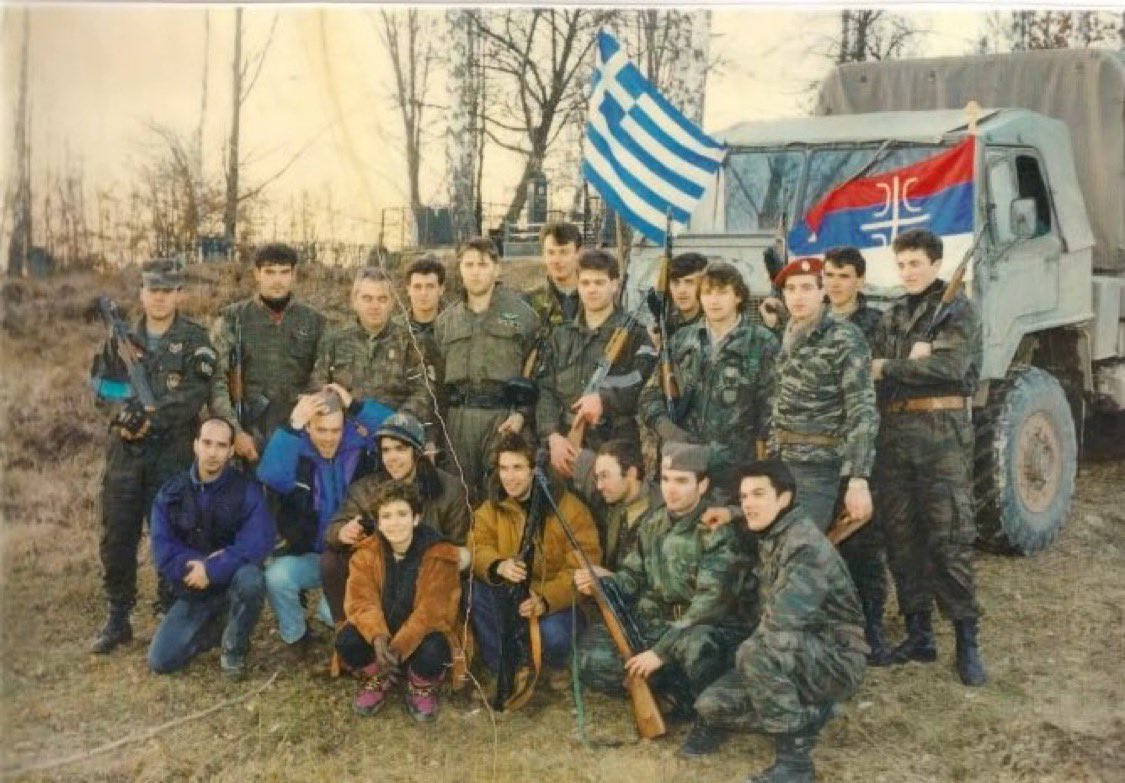
🇬🇷 Few know that Greek volunteers were involved in the Srebrenica Genocide just 30 years ago. • What’s worse, the Greek government supported the so-called volunteers and did not prosecute them, but punished the reporter who exposed their crimes. • Greece has a history of massacres against Muslim minorites in Cyprus, Crete, Navarino, Cham, and beyond.
Based Türkiye 🇹🇷 tweet media
Zeynep Gizem Özpınar@zgizemozpinar

Bu kare, 14 Ağustos 1974'te Lapta-Karava bölgesinde Türk birliklerine teslim olan Rum Milli Muhafız Ordusu askerlerine aittir. İddia edildiği gibi bir infaz anı falan değildir; savaş hukukuna uygun şekilde yapılan bir teslim alma prosedürüdür. Ayrıca fotoğrafta görülen ve isimleri Rum tarafınca da bilinen bu askerlerin büyük çoğunluğu, 1974 Eylül ve Ekim aylarında Adana Cezaevi üzerinden gerçekleştirilen esir değişimleri (prisoner swap) ile Rum kesimine sağlam şekilde iade edilmiştir. İade edilenlerin listeleri BM ve ICRC (Kızılhaç) arşivlerinde mevcuttur. Türkiye, 1974 Barış Harekâtı boyunca esir aldığı 2.000'den fazla Rum askerine III. Cenevre Sözleşmesi hükümlerini uygulamıştır. Fakat EOKA-B; Atlılar, Sandallar ve Muratağa köylerindeki Türk sivillere yönelik büyük katliamlar gerçekleştirmiştir. Bu katliamlar, BM barış gücü raporlarıyla da tescillidir. Not: Rum tarafının "kayıp şahıslar" (missing persons) listesinde yer alan birçok kişinin aslında 15 Temmuz 1974'teki Nikos Sampson darbesi sırasında bizzat Rumların birbirini öldürmesi sonucu öldüğü, ancak suçun Türk tarafına atıldığı yıllar sonra Rum gazeteci ve siyasetçiler tarafından da itiraf edilmiştir.

English
8
12
30
2.8K
Based Türkiye 🇹🇷
Based Türkiye 🇹🇷@BasedTurkiiye·
"Look at this, I'm dying of laughter 😂 Left: Greece’s proud national emblem Right: Old French dictionaries (including Petit Larousse) The word 'Grec' (Greek) literally meant: Tricheur, Filou, Escroc, Swindler, Cheat, Con artist, Pickpocket They even had the phrase: “Kick the Greeks out of the gambling circle” To Europeans back then, “Greek” = professional scammer 😂 And now the same people are still playing the exact same games in the Aegean, Cyprus, and Western Thrace. History really does repeat itself 😂🇹🇷"
Based Türkiye 🇹🇷 tweet media
English
4
7
12
237
Based Türkiye 🇹🇷
Based Türkiye 🇹🇷@BasedTurkiiye·
@Sokin2Al @SogutmazIbrahim @ZelenskyyUa 👇🏻👇🏻👇🏻 You are Turk
Based Türkiye 🇹🇷@BasedTurkiiye

‘’ The Realities of Modern Greece Modern Greece is not the direct continuation of ancient Greek civilization. It is an artificial buffer state created in the 19th century by the Great Powers (mainly Britain, Russia, and France) against the Ottoman Empire through political engineering. 1. Flag and Colors The blue color of the Greek flag comes from the first king, Otto, a Bavarian prince. The shade was chosen to reflect Bavarian blue. Some claim the striped design resembles the British East India Company flag. 2. Alphabet and Language The modern Greek alphabet and language were largely “revived” in the 19th century as part of nation-building. Ancient Greek had been a dead language for centuries, and the current form (Demotiki) was shaped artificially to create national identity. 3. National Heroes Many key heroes of the 1821 Greek War of Independence, such as Markos Botsaris and Theodoros Kolokotronis, were Arvanites — Orthodox Albanians. Their ethnic origin is largely Albanian, not ancient Greek. 4. Population and Ethnic Composition The people of modern Greece have no direct ethnic or genetic connection to the ancient Greeks. The population is a mix of Turks (especially Karamanlides from Anatolia), Albanians, Slavs, Macedonians, and other Balkan groups. 5. Artificial State Formation Greece was established in 1830 by the Great Powers as a buffer zone against the Ottomans. Its first king was a foreigner (Bavarian Otto), and the state was built according to foreign geopolitical interests rather than organic historical continuity. In summary: Modern Greece romantically claims ancient Hellenic heritage, but in reality it is a 19th-century construction — an ethnic mosaic of Albanians, Slavs, Christian Turks, and other Balkan peoples shaped by political engineering, not historical descent. ‘’

English
0
0
1
18
Volodymyr Zelenskyy / Володимир Зеленський
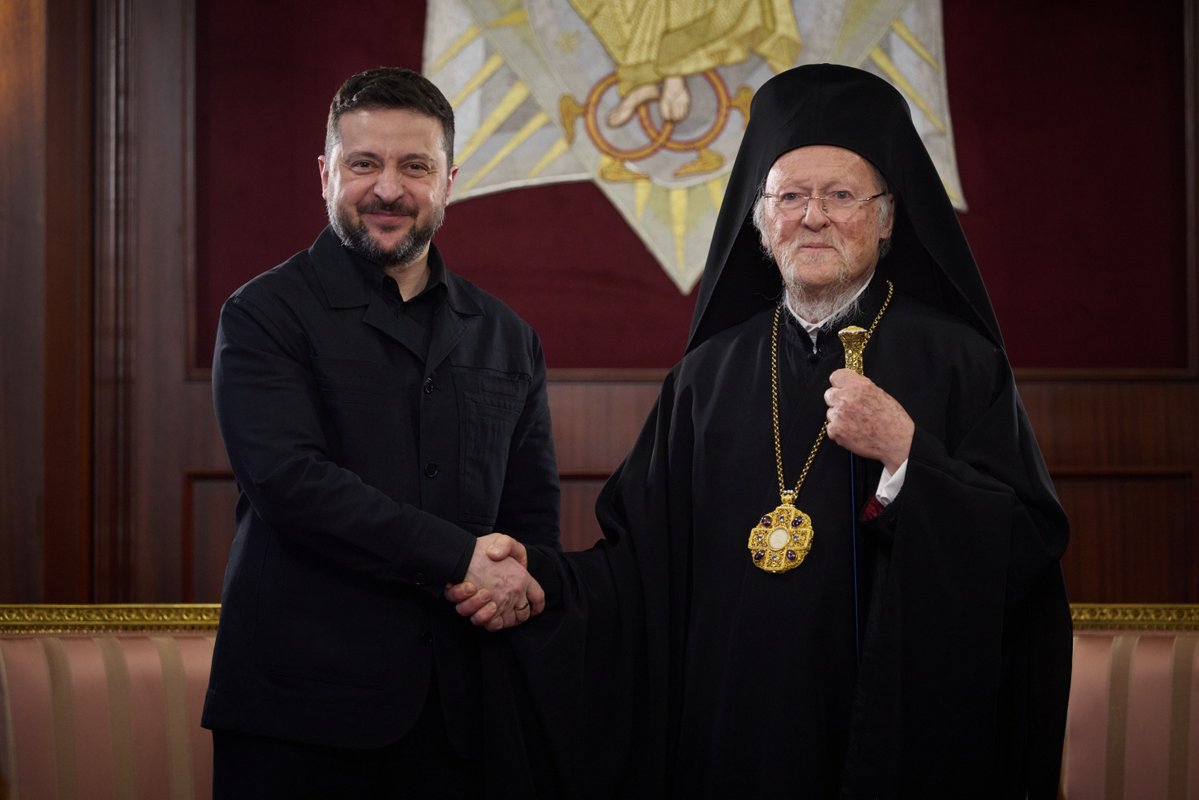
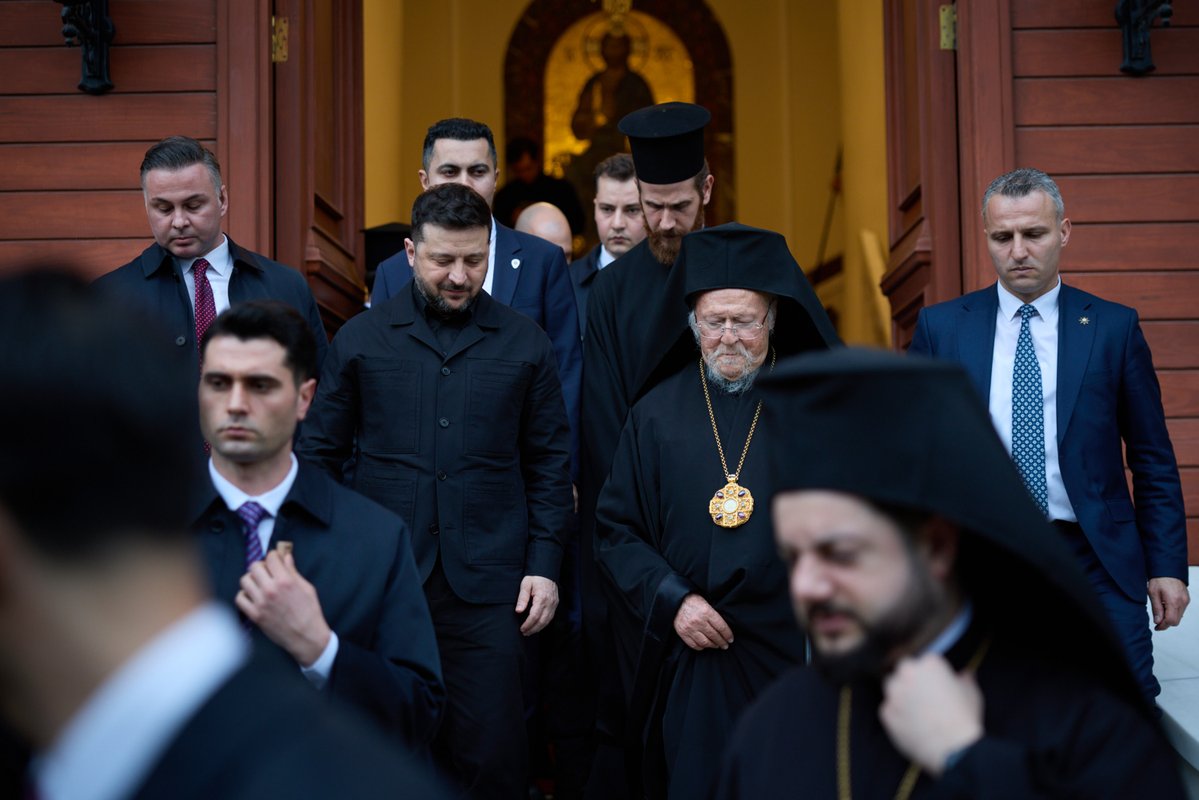
Istanbul. Meeting with Ecumenical Patriarch Bartholomew. The key topic of discussion was the plight of Ukrainian children and what they are forced to endure because of Russian aggression. I thank His All-Holiness for his support and constant prayers for Ukraine, the Ukrainian people, and our children. I informed His All-Holiness about the negotiation process aimed at achieving a dignified peace. We also discussed the development of the church in Ukraine. I invited His All-Holiness to visit our country to offer spiritual support to our people in this important year for all of us, as we mark the 35th anniversary of the restoration of Ukraine’s independence.
Volodymyr Zelenskyy / Володимир Зеленський tweet mediaVolodymyr Zelenskyy / Володимир Зеленський tweet media
English
199
859
4.9K
170.5K