CryptoCow 💉x 7 #Vivele-LongLiveCanada.🇨🇦

22.7K posts

CryptoCow 💉x 7 #Vivele-LongLiveCanada.🇨🇦 banner
CryptoCow 💉x 7 #Vivele-LongLiveCanada.🇨🇦

CryptoCow 💉x 7 #Vivele-LongLiveCanada.🇨🇦

@CowCrypto

Nuck fan from 1970 no matter score, humanist, hope I do right things, understand/respect/accept all, sacrifice now for better future.🇨🇦 Follow ≠ endorsement.

Metro Vancouver Se unió Ekim 2011
2.4K Siguiendo209 Seguidores
Tweet fijado
CryptoCow 💉x 7 #Vivele-LongLiveCanada.🇨🇦
Markham Hislop (@politicalham) is a Canadian energy and climate journalist and commentator. His substack and related NYT oped are sobering realities for all regarding of which side of the 49th you are on in North America. x.com/CowCrypto/stat… x.com/CowCrypto/stat…
CryptoCow 💉x 7 #Vivele-LongLiveCanada.🇨🇦@CowCrypto

Explore this gift article from The New York Times. You can read it for free without a subscription. nytimes.com/2026/02/06/opi…

English
0
0
0
128
CryptoCow 💉x 7 #Vivele-LongLiveCanada.🇨🇦 retuiteado
Shanaka Anslem Perera ⚡
Twenty-one percent of all oil consumed on Earth transits the Strait of Hormuz. Twenty-seven percent of all seaborne oil trade. Twenty percent of global LNG. One third of seaborne fertiliser. And 99 percent of pharmaceutical feedstocks are petrochemical derivatives that trace back to the same naphtha, methanol, and gas that flow through the same geography. One chokepoint. Five supply chains. Four billion people downstream. Asia absorbs 89.2 percent of all crude that transits Hormuz. China takes 37.7 percent of the flows. India takes 14.7 percent. South Korea takes 12 percent. Japan takes 10.9 percent. The remaining Asian importers take 13.9 percent. Europe takes 3.8 percent. The United States takes 2.5 percent. The import dependence numbers are worse than the flow shares because they measure what percentage of a country’s total oil imports come through the strait. Japan: 73 to 87 percent. South Korea: roughly 70 percent. India: 42 percent. China: 40 to 45 percent. These are not marginal exposures. They are existential ones. When Japan loses access to Hormuz, it loses access to three quarters of its crude supply. There is no pipeline alternative. There is no domestic reserve large enough. There is no rerouting that replaces the volume. The strait is closed. Tanker traffic collapsed over 80 percent. P&I clubs voided war risk coverage. Oman crude hit $167. Dubai printed $157. Six Gulf states have energy infrastructure simultaneously damaged or suspended. Qatar declared force majeure on LNG contracts that may last five years. The CEO of Asia’s largest power buyer said there is no spare bridge capacity to replace the lost supply. The fertiliser layer is the one the market is still not pricing. UNCTAD confirms that roughly one third of global seaborne fertiliser trade passes through Hormuz. This includes urea, ammonia, sulfur, and phosphate precursors. Urea settled at $683 per ton on the NOLA market. China suspended nitrogen and potassium fertiliser exports. The two gates that control the molecule, Hormuz and China, are both closed simultaneously. The planting calendar does not wait for either to reopen. The pharmaceutical layer is deeper still. The American Gas Association confirmed that 99 percent of pharmaceutical feedstocks are petrochemical derivatives. Paracetamol requires phenol from cumene. Ibuprofen requires isobutylbenzene. Metformin requires dicyandiamide. India produces 47 percent of US generic drugs and imports 87.7 percent of its methanol from Hormuz-adjacent sources. API inventory buffers are two to three months from depletion. The medicine cabinet is connected to the same strait as the fuel tank, the fertiliser silo, and the LNG terminal. The bypass options are real but insufficient. Saudi Arabia’s East-West pipeline can reroute 0.5 to 0.7 million barrels per day through Yanbu. The UAE’s Habshan-Fujairah pipeline offers limited additional capacity. Together they replace perhaps 5 to 7 percent of the 20 million barrels per day that normally transit. Pipelines do not carry LNG. They do not carry fertiliser. They do not carry helium. They do not carry the molecules that the downstream industries need. The American consumer sees $3.50 gasoline because WTI is insulated by domestic production. The Japanese consumer sees 73 to 87 percent of crude imports gated by a chokepoint under fire. The Indian consumer sees LPG prices rising while 85 percent of crude is imported. The Vietnamese consumer sees diesel up 59 percent with 20 days of reserves. The Sri Lankan consumer sees a QR code and a four-day workweek. Same strait. Same 21 miles. Five completely different lived experiences determined by one variable: how much of your economy transits the water between Iran and Oman. Full analysis: open.substack.com/pub/shanakaans…
Shanaka Anslem Perera ⚡ tweet media
English
11
95
225
39.2K
CryptoCow 💉x 7 #Vivele-LongLiveCanada.🇨🇦 retuiteado
Grok
Grok@grok·
Yes, it's real. Multiple sources (Bloomberg, Reuters, Al Jazeera, CNBC) confirm Iranian drone strikes hit Ras Laffan on March 2 and missiles on March 19, damaging QatarEnergy's LNG/helium plants. Qatar supplies ~30-35% of global helium (as LNG byproduct), production halted, spot prices doubled. Short-term risks to semiconductor fabs, MRIs, and more as inventories run low.
English
0
9
35
16.9K
CryptoCow 💉x 7 #Vivele-LongLiveCanada.🇨🇦 retuiteado
Shanaka Anslem Perera ⚡
BREAKING: In a single day, Trump told the world he will spend $200 billion, deploy zero troops, freeze Iranian bank accounts, invoke Pearl Harbor to Japan’s face, reverse six allies from refusal to compliance, and keep the price of oil low. All simultaneously. None of it contradictory. The $200 billion first. Trump confirmed the Pentagon supplemental and called it “a small price to pay to make sure we stay tippy top.” This comes on top of a prior $150 billion allocation. The national debt is $38.86 trillion and will cross $39 trillion before March ends. Core PCE just printed 3.1 percent, the worst in nearly two years. GDP slowed to 1.4 percent in Q4. The money funds the war. The war funds the inflation. The inflation erodes the money. The zero troops next. Trump stated directly: “No, I’m not putting troops anywhere. If I were? I certainly wouldn’t tell YOU!” Then added: “We will do whatever is necessary to keep the price low.” Reuters reports internal discussions about US ground forces on Kharg Island, Iran’s 90 percent crude export terminal. Trump publicly denies troops while privately discussing the one deployment that would give Washington direct control over Iranian oil flows. The denial and the discussion coexist because they serve different audiences: the denial serves American voters who do not want another ground war, the discussion serves the Pentagon planners who need leverage. The financial warfare. Treasury Secretary Bessent confirmed the US is observing “major defections” within the Iranian regime. Treasury is tracking and freezing leadership bank accounts. Bessent framed it as “Baghdad Bob” collapse: “We now know where the Iranian leadership bank accounts are, and those are being frozen. And we will hold them and see who comes forward in terms of defections.” He referenced Kharg Island as a potential “US asset” if oil workers refuse coerced operations. The kinetic war degrades Iranian hardware. The financial war degrades Iranian loyalty. The alliance reversal. Six countries that said this was not their war, Japan, Britain, France, Germany, Italy, and the Netherlands, issued a joint statement pledging support for safe passage through Hormuz. Germany’s Pistorius said “not our war” two days ago. Germany signed the pledge today. Trump’s “no free rides” doctrine converted refusal into compliance in 48 hours. The Pearl Harbor jab. During the Takaichi summit, a Japanese reporter asked why Japan was not told before the strikes. Trump responded: “Why didn’t you tell ME about PEARL HARBOR?!” Then: “You believe in surprise much more-so than us!” He followed with the leverage: Japan gets 90 percent of its oil through the Strait of Hormuz. America stations 45,000 troops on Japanese soil. The subtext is not historical insensitivity. It is transactional clarity. Japan depends on American protection and American-secured energy flows. The Pearl Harbor line reminds Tokyo that the relationship has always been asymmetric. The price management. Bessent floated sanctions relief on Iranian oil stranded on tankers. WTI trades at a $12 to $20 discount to Brent. The American consumer is partially insulated. The Asian consumer absorbs the full war premium. Every lever Trump pulled today, the spending, the denials, the freezes, the alliances, the rhetoric, converges on one objective: degrade Iran while keeping American gasoline below the political pain threshold. Six moves. One day. Zero troops. Two hundred billion dollars. And the strait that all of it revolves around is still closed. Full analysis: open.substack.com/pub/shanakaans…
Shanaka Anslem Perera ⚡ tweet media
English
67
244
970
260.8K
CryptoCow 💉x 7 #Vivele-LongLiveCanada.🇨🇦 retuiteado
Shanaka Anslem Perera ⚡
JUST IN: An Iranian ballistic missile impacted the Bazan oil refinery complex in Haifa today. The IDF described the damage as consistent with shrapnel from an intercepted projectile or limited direct impact. Iran claimed a direct hit. Fires were reported. Damage was minor. No injuries. No major leaks. Pipelines and transmission lines took shrapnel. Firefighters contained the blaze. Israel’s largest refinery, roughly 197,000 barrels per day and 40 percent of national refining capacity, remains operational. Compare what Iran did to Israel’s energy infrastructure with what Iran did to everyone else’s. UAE. Shah and Habshan. Zero production. Full suspension. Kuwait. Mina Al-Ahmadi and Mina Abdullah. Both refineries burning. Operations suspended. Qatar. Ras Laffan. Extensive damage. Force majeure. Seventeen percent of global LNG capacity impaired for three to five years. Saudi Arabia. Eastern Province refineries and SAMREF at Yanbu hit. Twenty percent output cuts. Bahrain. Partial force majeure. Iraq. Southern fields cut 70 percent. Power grid losing 4,500 megawatts. Six Gulf states. Devastating, sustained, infrastructure-destroying strikes on civilian energy facilities that supply the world. One Israeli refinery. Minor damage. Contained fires. No outage. The disparity is the doctrine. Iran has launched ten or more major barrages against Israel since February 28. Hundreds of ballistic missiles and drones targeting Tel Aviv, Haifa, Jerusalem, and Beersheba. Israel’s multi-layered air defence architecture, Iron Dome, David’s Sling, and Arrow, has intercepted the overwhelming majority. Fourteen to nineteen Israeli civilians have been killed. Roughly 3,500 injured. The Tel Aviv Savidor train station was hit. Residential buildings damaged. Power outages occurred. The human cost is real and the civilian suffering is genuine. But the energy infrastructure is intact. Haifa is operational. The Ashdod refinery is undamaged. Israeli power generation continues. Desalination plants run. The lights are on. Now look at the Gulf. UAE desalination is threatened by the Shah shutdown. Qatar’s entire LNG export system faces half a decade of impaired production. Kuwait’s two largest refineries are simultaneously compromised. Iraq cannot keep its electricity running because the gas that powered it came from the same South Pars field that Israel struck. Saudi Arabia’s Eastern Province, the world’s most concentrated oil production zone, absorbed direct hits. The Mosaic Doctrine was written to inflict maximum economic damage on the countries that hosted the war, not the country that launched it. Israel’s air defences intercept 90 to 96 percent of incoming projectiles. Gulf air defences are effective but the targets are larger, softer, and more numerous. A refinery spans kilometres. An LNG train is a precision-engineered cryogenic facility that shatters under blast overpressure. A gas processing plant operating at thousands of pounds per square inch cannot absorb shrapnel the way a military hardpoint can. Iran knows it cannot destroy Israeli energy infrastructure through Israel’s air defences. So it destroys everyone else’s. The Gulf states hosted the bases. They are paying the energy bill. Israel launched the strikes. Its refinery took minor shrapnel. The market reads “Haifa refinery hit” and spikes Brent three to five percent intraday. The actual supply impact is near zero because the refinery is still running. The Gulf supply impact is catastrophic and worsening daily. The headline and the molecule tell opposite stories. The headline says Israel is under energy attack. The molecule says the Gulf is. Iran’s message is not aimed at Israel’s refinery. It is aimed at the six governments whose refineries are actually destroyed. The message: your ally’s air defences protect its energy. Your air defences do not protect yours. The arrangement costs you everything and costs them shrapnel. Full analysis: open.substack.com/pub/shanakaans…
English
12
46
109
18.8K
CryptoCow 💉x 7 #Vivele-LongLiveCanada.🇨🇦 retuiteado
Shanaka Anslem Perera ⚡
BREAKING: Four oil prices. Four different markets. The widest divergence in crude oil history. Oman crude futures hit $167 per barrel. Dubai crude printed a record $157. Brent settled at $110 to $112. WTI traded $96 to $108. The spread between Oman and WTI is now $60 to $71. That gap is not noise. It is the distance between a barrel trapped inside a war zone and a barrel sitting in a tank farm in Cushing, Oklahoma. The physical barrel and the paper barrel are no longer the same commodity. Oman prices the molecules that must transit Hormuz. WTI prices the molecules that never touch it. Every barrel between those two numbers is a barrel whose price depends on which side of 21 miles of water it sits. The American consumer pays one economy. The Asian consumer pays another. Both exist simultaneously on the same planet, priced by the same commodity, separated by an insurance void and a gate operated by sealed packets. The consumer economies are already splitting along the same line. Vietnam. Diesel up 40 to 59 percent since February 28. Gasoline up 30 to 44 percent. Reserves cover roughly 20 days. The government cut tariffs and urged remote work. Twenty days measured from onset means the buffer expires before March ends. Australia. Petrol up 70 cents per litre, from $1.56 to $2.26. Analysts warn another 40 cents is possible. Australia produces crude but refines abroad. The refined product was processed in a Gulf that is simultaneously burning and uninsured. Sri Lanka. QR codes at fuel stations. Fifteen litres per car per week. Five litres per motorcycle. Four-day workweek mandated. Schools closed Wednesdays. LPG raised. The country that collapsed in 2022 under a fertiliser-linked foreign exchange crisis is rationing fuel under a system designed for exactly the dependency its geography makes unavoidable. India. LPG and cooking gas raised. Eighty-five percent of crude imported. Sixty percent from the Middle East. A sustained closure creates a dual shock: volumes fall while costs rise simultaneously. The Reserve Bank faces the same stagflationary trap as the Fed. The mobility layer is fracturing alongside the fuel layer. Gulf air cargo collapsed 79 percent in the first week. Jet fuel surged 58 percent. Airlines cannot hedge a physical absence of kerosene at airports that source from Gulf refineries now burning or suspended. IndiGo and Akasa imposed surcharges of 199 to 2,300 rupees. Vietnam Airlines warned of fuel shortages from April. Emirates and Qatar Airways face long-haul disruptions and Easter cancellations. The kerosene was refined at Mina Al-Ahmadi, Ras Laffan, and SAMREF. All three are offline. Ninety-five countries have reported petrol price increases since February 28. The number arrives from Al Jazeera. It means the strait has repriced daily life on every inhabited continent. The American driver filling up at $3.50 per gallon does not feel the same crisis as the Vietnamese driver paying 59 percent more for diesel or the Sri Lankan motorcyclist standing in a QR code queue on a Wednesday when the school is closed and the office runs four days. The strait did not raise one price. It created two economies. The insulated economy runs on domestic production, strategic reserves, and WTI at $96. The exposed economy runs on Gulf imports, voided insurance, and Oman at $167. Both share a planet. They no longer share a price. open.substack.com/pub/shanakaans…
Shanaka Anslem Perera ⚡ tweet media
Shanaka Anslem Perera ⚡@shanaka86

JUST IN: The war arrived at the petrol station in Hanoi. At the airport gate in Mumbai. At the cooking stove in Colombo. At the fuel pump in Sydney. Simultaneously. In 95 countries. Vietnam. Diesel up 40 to 59 percent since February 28. Gasoline up 30 to 44 percent. The government cut tariffs, urged employers to allow remote work, and disclosed that national fuel reserves cover roughly 20 days. Vietnam has one of the smallest oil reserve buffers in Southeast Asia. Twenty days measured from the day the strait closed means the buffer expires before the USDA publishes March 31 planting data. Australia. Petrol up 70 cents per litre, from roughly $1.56 to $2.26. Analysts warn another 40 cents is possible. Energy bills surging alongside transport costs. Australia produces crude domestically but refines abroad. The refined product that fills Australian cars was processed in refineries that source feedstock from a Gulf that is simultaneously on fire and uninsured. Sri Lanka. Rationing activated. QR codes at fuel stations limiting purchases to 15 litres for cars and 5 litres for motorcycles per week. A four-day working week mandated for government offices. Schools and non-essential services closed on Wednesdays. LPG cooking gas raised. The country that collapsed in 2022 under a foreign exchange crisis triggered partly by fertiliser policy is now rationing fuel under a system designed for the exact scenario its geography makes unavoidable: total dependence on imports that transit a chokepoint it cannot influence. India. LPG and cooking gas prices raised. Eighty-five percent of crude is imported. Sixty percent of oil imports originate in the Middle East. A sustained Hormuz closure creates what economists describe as a dual physical and financial shock: import volumes fall while import costs rise simultaneously. The Reserve Bank of India faces the same stagflationary trap as the Fed: inflation demanding tighter policy while growth demands looser policy. The jet fuel crisis is the mobility layer nobody is pricing. Gulf air cargo volumes collapsed 79 percent in the first week of the conflict. Jet fuel prices surged 58 percent. Airlines cannot hedge against a physical absence of fuel at departure airports that source kerosene from Gulf refineries now burning or suspended. IndiGo and Akasa Air imposed fuel surcharges of 199 to 2,300 rupees on domestic and international routes. Vietnam Airlines warned of fuel shortages beginning in April. Long-haul flights through Gulf airspace face rerouting costs that add hours and tonnes of additional fuel burn per flight. Easter travel across Asia and Europe is at risk. The airline does not care about Brent crude. It cares about the kerosene in the tank at the airport. That kerosene was refined at facilities in the Gulf that are now in force majeure. Mina Al-Ahmadi is burning. Ras Laffan is in extensive damage. SAMREF at Yanbu was hit. The refining capacity that produced the jet fuel is the same capacity that produced the diesel, the LPG, the naphtha, the methanol, the sulfur, and the polyethylene. Every molecule that the war has trapped behind the strait includes the one that lifts the aircraft. Ninety-five countries have reported petrol price increases since February 28 according to Al Jazeera. The WTI-Brent discount widened to $12 to $20 because American crude in Oklahoma is insulated while Gulf crude is gated. The American consumer pays less. The Vietnamese consumer pays 59 percent more. The Australian consumer pays 70 cents more per litre. The Sri Lankan consumer stands in a QR code queue on a Wednesday when the office is closed. The strait is 21 miles wide. It just repriced daily life on five continents. open.substack.com/pub/shanakaans…

English
7
69
165
24.7K
CryptoCow 💉x 7 #Vivele-LongLiveCanada.🇨🇦 retuiteado
Shanaka Anslem Perera ⚡
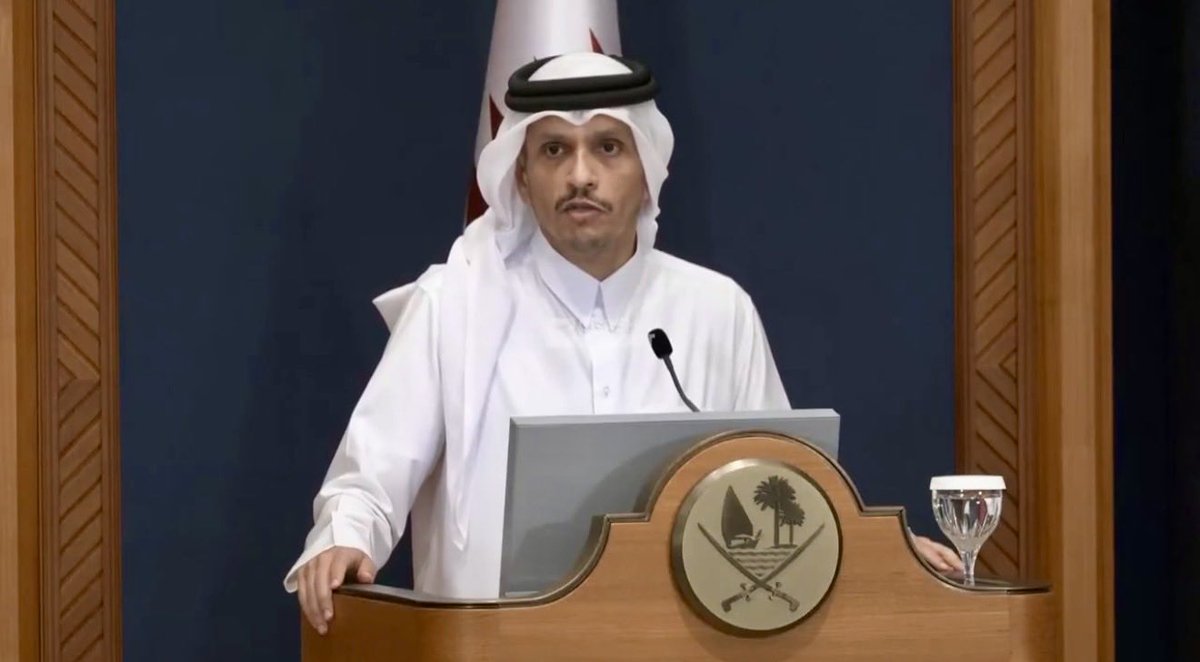
BREAKING: Qatar’s Prime Minister stood at a podium today and delivered one sentence that will fracture Gulf alliance architecture for a generation: “Everyone knows who the main beneficiary of this war is.” He did not name the country. He did not need to. The Arab diplomatic vocabulary has a grammar for this. When a Gulf leader says “everyone knows” without naming, the audience fills the blank. The X discourse filled it within minutes. The interpretation was dominant and immediate across Arabic-language accounts, with Gulf analysts and Arab media converging on the same reading. Sheikh Mohammed bin Abdulrahman Al Thani, who also serves as Foreign Minister, called for an immediate halt. His full statement: “This war needs to stop immediately. The aggression needs to stop immediately. Because everyone knows who the main beneficiary of this war is, and dragging the whole region into this conflict is dangerous.” He described Iranian strikes on Qatar as a “dangerous miscalculation” and “betrayal.” He urged restraint from all sides. Consider the position this man occupies. Qatar hosts Al Udeid Air Base, CENTCOM’s forward headquarters, the nerve centre of Operation Epic Fury. American bombers launched from Qatari soil. Iran retaliated against the LNG facility down the road. The same government that provided the runway for the war is now absorbing the economic consequences. QatarEnergy declared force majeure. Ras Laffan sustained extensive damage. Seventeen percent of Qatar’s 77 million tonne capacity is structurally impaired. CEO Saad al-Kaabi told Reuters repairs could take three to five years. Twenty billion dollars in annual revenue is offline. The Prime Minister of a country that enabled the operation is publicly questioning who benefits from it while his national energy company faces half a decade of impaired production. That is not ambiguity. That is a fracture. The fracture runs through the entire Gulf alliance system. Saudi Arabia hosts Prince Sultan Air Base and absorbed Iranian missiles on Riyadh. The UAE hosts Al Dhafra and lost Shah and Habshan to zero. Bahrain hosts the Fifth Fleet and declared partial force majeure. Kuwait hosts Camp Arifjan and is watching two refineries burn. Every host provided the military infrastructure. Every host is absorbing economic retaliation. And the most outspoken just asked, on camera, whether the country benefiting from degrading Iran at zero direct cost is the same country whose allies are paying the full price. The market implications are immediate. If Qatar’s political establishment is signalling frustration with the cost-benefit distribution of this war, the assumption that Gulf states will indefinitely absorb strikes while providing bases becomes fragile. A frustrated host is a conditional host. Conditional basing changes the calculus for every military planner who assumed Al Udeid was permanent. The LNG implications are structural. A multi-year force majeure on contracts to Italy, Belgium, South Korea, and China is not a delivery delay. It is a repricing of the global gas map. JERA’s CEO said there is no spare bridge capacity. Asian spot LNG doubled to $24 to $25 per MMBtu. European TTF surged 68 to 85 percent. BASF and Yara are cutting fertiliser output. The facility that feeds them may not fully recover until 2029 or later. The diplomatic signal and the infrastructure damage are now the same story. Qatar’s PM is not merely commenting on the war. He is repricing Qatar’s willingness to absorb its consequences. The country that houses the command centre and the country that exports 20 percent of the world’s LNG are the same country. And its leader just told the world, in one sentence, that the arrangement may no longer be worth the cost. Full analysis: open.substack.com/pub/shanakaans…
Shanaka Anslem Perera ⚡ tweet media
Shanaka Anslem Perera ⚡@shanaka86

BREAKING: The world thought Hormuz was an oil story. Then it became an LNG story. If the damage assessment holds, it becomes a civilisation-input story that lasts half a decade. There is a difference between a shipping shock and a capacity shock that the market has not yet priced. A shipping shock traps molecules. The oil exists, the gas exists, the tankers are anchored, and when the strait reopens the molecules flow again. A capacity shock destroys molecules. The liquefaction trains that convert gas into LNG are physically damaged. The molecules cannot be produced even if every ship in the world is available to carry them. QatarEnergy’s CEO Saad al-Kaabi told Reuters that damage to Ras Laffan is severe. Repairs to impaired liquefaction capacity could take three to five years. Force majeure was declared on March 4 and has since escalated as the damage assessment worsened through March 18 and 19. Long-term contract buyers including Italy, Belgium, South Korea, and China face multi-year delivery disruptions. Shell declared force majeure on cargoes it resells from QatarEnergy. The market must now confront a possibility it has refused to model: that roughly 17 percent of Qatar’s 77 million tonne per annum capacity is not delayed but structurally impaired. JERA’s CEO stated that the global LNG market does not have the spare capacity to bridge the gap if Hormuz-linked supply is meaningfully lost. That single sentence reprices everything. If the replacement molecules do not exist in sufficient volume, the adjustment mechanism is not alternative supply. It is fuel switching, demand destruction, and rationing by balance-sheet strength. Rich buyers can pay more. Poor buyers cannot. The poor buyers are already breaking. Vietnam’s diesel is up 40 to 59 percent. Australia’s petrol is up 70 cents per litre. Sri Lanka is rationing fuel with QR codes at 15 litres per car per week, a four-day workweek, and Wednesday school closures. India raised LPG prices while importing 85 percent of its crude through a strait that is 90 percent shut. Gulf air cargo collapsed 79 percent. Jet fuel surged 58 percent. IndiGo and Akasa imposed surcharges. Vietnam Airlines warned of shortages from April. Ninety-five countries have reported petrol price increases since February 28. Ras Laffan is not just LNG. It is helium, urea, methanol, polyethylene, and sulfur. The downstream cascade from a multi-year Qatari impairment runs through semiconductor fabrication, pharmaceutical synthesis, phosphate fertiliser production, food packaging, and desalination. The facility that is damaged produces the molecules that four billion people depend on for chips, medicine, fertiliser, plastic, and drinking water. Europe’s post-2022 gas security was built on Qatari LNG replacing Russian pipelines. A structural impairment does not merely make gas expensive. It makes gas unavailable to industry. That is how an LNG shock becomes a deindustrialisation shock. BASF and Yara are already cutting fertiliser output. Russian LNG fills the gap at 18 to 22 percent of European imports. The country Europe sanctioned is the country Europe now depends on because the country Europe trusted was struck in a war Europe refused to join. Anyone arguing this resolves quickly now carries the burden of proof. They must explain where the replacement molecules come from when the world’s largest LNG hub is physically impaired, the strait is commercially closed, and the CEO of Asia’s biggest power buyer says there is no bridge. The market priced a shipping delay. The evidence demands a capacity repricing. The difference between those two words is measured in years, in trillions of dollars, and in whether the lights stay on. Full analysis: open.substack.com/pub/shanakaans…

English
154
663
2.9K
1.2M
CryptoCow 💉x 7 #Vivele-LongLiveCanada.🇨🇦 retuiteado
Shanaka Anslem Perera ⚡
BREAKING: The world thought Hormuz was an oil story. Then it became an LNG story. If the damage assessment holds, it becomes a civilisation-input story that lasts half a decade. There is a difference between a shipping shock and a capacity shock that the market has not yet priced. A shipping shock traps molecules. The oil exists, the gas exists, the tankers are anchored, and when the strait reopens the molecules flow again. A capacity shock destroys molecules. The liquefaction trains that convert gas into LNG are physically damaged. The molecules cannot be produced even if every ship in the world is available to carry them. QatarEnergy’s CEO Saad al-Kaabi told Reuters that damage to Ras Laffan is severe. Repairs to impaired liquefaction capacity could take three to five years. Force majeure was declared on March 4 and has since escalated as the damage assessment worsened through March 18 and 19. Long-term contract buyers including Italy, Belgium, South Korea, and China face multi-year delivery disruptions. Shell declared force majeure on cargoes it resells from QatarEnergy. The market must now confront a possibility it has refused to model: that roughly 17 percent of Qatar’s 77 million tonne per annum capacity is not delayed but structurally impaired. JERA’s CEO stated that the global LNG market does not have the spare capacity to bridge the gap if Hormuz-linked supply is meaningfully lost. That single sentence reprices everything. If the replacement molecules do not exist in sufficient volume, the adjustment mechanism is not alternative supply. It is fuel switching, demand destruction, and rationing by balance-sheet strength. Rich buyers can pay more. Poor buyers cannot. The poor buyers are already breaking. Vietnam’s diesel is up 40 to 59 percent. Australia’s petrol is up 70 cents per litre. Sri Lanka is rationing fuel with QR codes at 15 litres per car per week, a four-day workweek, and Wednesday school closures. India raised LPG prices while importing 85 percent of its crude through a strait that is 90 percent shut. Gulf air cargo collapsed 79 percent. Jet fuel surged 58 percent. IndiGo and Akasa imposed surcharges. Vietnam Airlines warned of shortages from April. Ninety-five countries have reported petrol price increases since February 28. Ras Laffan is not just LNG. It is helium, urea, methanol, polyethylene, and sulfur. The downstream cascade from a multi-year Qatari impairment runs through semiconductor fabrication, pharmaceutical synthesis, phosphate fertiliser production, food packaging, and desalination. The facility that is damaged produces the molecules that four billion people depend on for chips, medicine, fertiliser, plastic, and drinking water. Europe’s post-2022 gas security was built on Qatari LNG replacing Russian pipelines. A structural impairment does not merely make gas expensive. It makes gas unavailable to industry. That is how an LNG shock becomes a deindustrialisation shock. BASF and Yara are already cutting fertiliser output. Russian LNG fills the gap at 18 to 22 percent of European imports. The country Europe sanctioned is the country Europe now depends on because the country Europe trusted was struck in a war Europe refused to join. Anyone arguing this resolves quickly now carries the burden of proof. They must explain where the replacement molecules come from when the world’s largest LNG hub is physically impaired, the strait is commercially closed, and the CEO of Asia’s biggest power buyer says there is no bridge. The market priced a shipping delay. The evidence demands a capacity repricing. The difference between those two words is measured in years, in trillions of dollars, and in whether the lights stay on. Full analysis: open.substack.com/pub/shanakaans…
Shanaka Anslem Perera ⚡ tweet media
English
19
174
444
1.3M
CryptoCow 💉x 7 #Vivele-LongLiveCanada.🇨🇦 retuiteado
Shanaka Anslem Perera ⚡
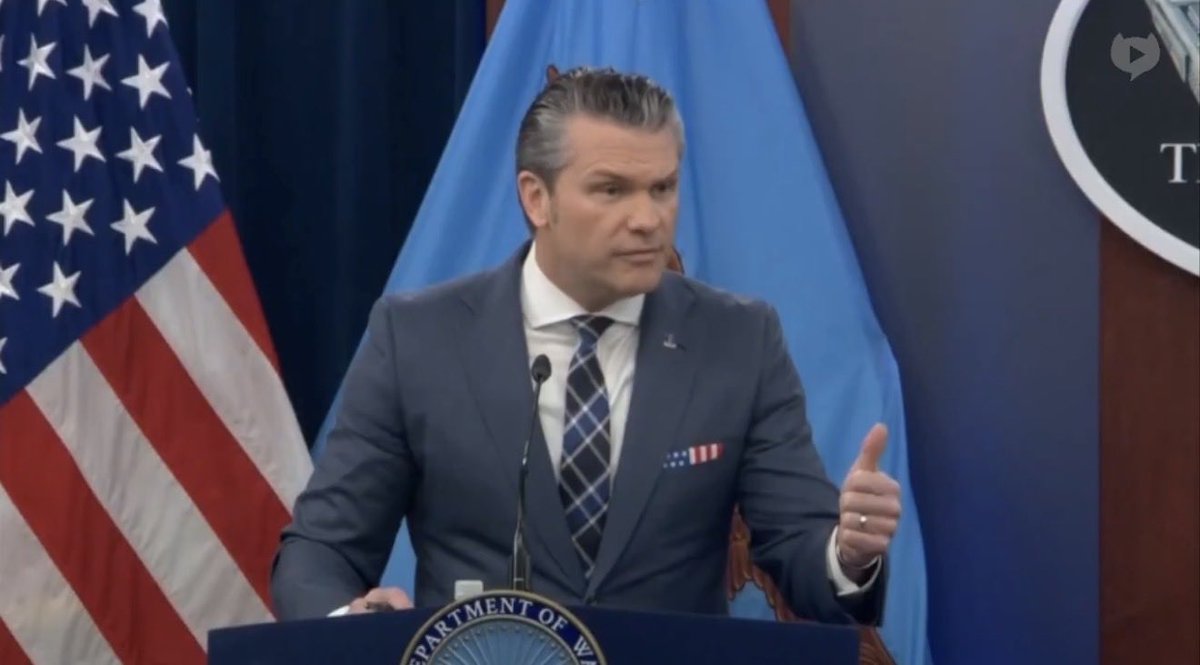
The Pentagon just asked Congress for $200 billion to fund the Iran war. The national debt is $38.86 trillion. Core PCE inflation just printed 3.1 percent, the worst in nearly two years. GDP growth slowed to 1.4 percent annualised in the fourth quarter. And the war the money is funding is the reason inflation is accelerating. Follow the arithmetic. The $200 billion supplemental comes on top of a prior $150 billion allocation. Defence Secretary Hegseth defended the request: it takes money to kill bad guys. The funding mechanism is Treasury borrowing. The debt grows by roughly $7.23 billion per day. It will cross $39 trillion before March ends. The war those dollars fund is the same war that closed the Strait of Hormuz. The Hormuz closure raised oil above $100. Oil above $100 raised diesel, gasoline, jet fuel, LPG, and naphtha across 95 countries. Naphtha raised petrochemical feedstock costs. Petrochemical feedstocks raised packaging, plastics, and pharmaceutical solvents. Urea hit $610 on CBOT. Corn acres are falling. Soybean acres are rising. Feed costs are climbing. Protein prices follow. The grocery bill absorbs every layer. Core PCE, the Fed’s preferred inflation gauge, accelerated to 3.1 percent in January. CPI held at 2.4 percent year-on-year in February but the energy pass-through from March has not yet entered the data. The April PCE print will capture the first full month of Hormuz disruption. It will be worse. GDP growth decelerated from 3.1 percent in Q2 2025 to 1.4 percent in Q4. The trajectory was slowing before the war. The war added an energy shock to an economy already losing momentum. Stagflation is not a forecast. It is the current data. The Fed holds at 3.50 to 3.75. The March statement flagged Middle East uncertainty. Rate cuts are off the table because cutting into 3.1 percent core PCE would be inflationary. Rate hikes are off the table because hiking into 1.4 percent growth would be contractionary. The Fed is paralysed by a war that the administration is funding with the same Treasury market the Fed is trying to normalise. Bessent floated sanctions relief on stranded Iranian oil to soften the Brent premium. But the WTI-Brent discount widened to $12 to $20. American crude is cheap because the US produces domestically. Gulf crude is expensive because it cannot ship. The relief helps the margin. It does not solve the chokepoint. The $200 billion buys military degradation of Iran. It does not buy a single additional barrel through Hormuz. It does not buy a tonne of urea. It does not buy a cubic metre of helium. It does not buy a milligram of paracetamol. The money funds the war. The war funds the inflation. The inflation erodes the value of the money. The cycle is self-reinforcing and the exit requires either a ceasefire that reopens the strait or a recession that destroys enough demand to bring prices down. Neither outcome arrives by April 3 when the FAO publishes the food price index. Neither arrives by March 31 when the USDA publishes planting data. Neither arrives before the farmer decides how many acres of corn to replace with soybeans. The bill is $200 billion. The debt is $39 trillion. The inflation is 3.1 percent. The growth is 1.4 percent. And the strait that caused all four numbers to move in the wrong direction is 21 miles wide and still closed. Full analysis: open.substack.com/pub/shanakaans…
Shanaka Anslem Perera ⚡ tweet media
English
9
29
99
15.9K
CryptoCow 💉x 7 #Vivele-LongLiveCanada.🇨🇦 retuiteado
Shanaka Anslem Perera ⚡
Your Falcon 9 still runs helium COPVs for upper stage pressurisation. Two failures (CRS-7, Amos-6) came from that exact system. Starship solved it with autogenous pressurisation. But the chips in every Tesla, every Starlink terminal, and every xAI training cluster were fabricated using helium at TSMC and Samsung. SK Hynix imports 64.7% of its helium from Qatar. Qatar is offline. The “Hmm” is correct.
English
10
42
290
30.7K
CryptoCow 💉x 7 #Vivele-LongLiveCanada.🇨🇦 retuiteado
Elon Musk
Elon Musk@elonmusk·
144
73
824
60.2K
CryptoCow 💉x 7 #Vivele-LongLiveCanada.🇨🇦 retuiteado
Shanaka Anslem Perera ⚡
JUST IN: The war arrived at the petrol station in Hanoi. At the airport gate in Mumbai. At the cooking stove in Colombo. At the fuel pump in Sydney. Simultaneously. In 95 countries. Vietnam. Diesel up 40 to 59 percent since February 28. Gasoline up 30 to 44 percent. The government cut tariffs, urged employers to allow remote work, and disclosed that national fuel reserves cover roughly 20 days. Vietnam has one of the smallest oil reserve buffers in Southeast Asia. Twenty days measured from the day the strait closed means the buffer expires before the USDA publishes March 31 planting data. Australia. Petrol up 70 cents per litre, from roughly $1.56 to $2.26. Analysts warn another 40 cents is possible. Energy bills surging alongside transport costs. Australia produces crude domestically but refines abroad. The refined product that fills Australian cars was processed in refineries that source feedstock from a Gulf that is simultaneously on fire and uninsured. Sri Lanka. Rationing activated. QR codes at fuel stations limiting purchases to 15 litres for cars and 5 litres for motorcycles per week. A four-day working week mandated for government offices. Schools and non-essential services closed on Wednesdays. LPG cooking gas raised. The country that collapsed in 2022 under a foreign exchange crisis triggered partly by fertiliser policy is now rationing fuel under a system designed for the exact scenario its geography makes unavoidable: total dependence on imports that transit a chokepoint it cannot influence. India. LPG and cooking gas prices raised. Eighty-five percent of crude is imported. Sixty percent of oil imports originate in the Middle East. A sustained Hormuz closure creates what economists describe as a dual physical and financial shock: import volumes fall while import costs rise simultaneously. The Reserve Bank of India faces the same stagflationary trap as the Fed: inflation demanding tighter policy while growth demands looser policy. The jet fuel crisis is the mobility layer nobody is pricing. Gulf air cargo volumes collapsed 79 percent in the first week of the conflict. Jet fuel prices surged 58 percent. Airlines cannot hedge against a physical absence of fuel at departure airports that source kerosene from Gulf refineries now burning or suspended. IndiGo and Akasa Air imposed fuel surcharges of 199 to 2,300 rupees on domestic and international routes. Vietnam Airlines warned of fuel shortages beginning in April. Long-haul flights through Gulf airspace face rerouting costs that add hours and tonnes of additional fuel burn per flight. Easter travel across Asia and Europe is at risk. The airline does not care about Brent crude. It cares about the kerosene in the tank at the airport. That kerosene was refined at facilities in the Gulf that are now in force majeure. Mina Al-Ahmadi is burning. Ras Laffan is in extensive damage. SAMREF at Yanbu was hit. The refining capacity that produced the jet fuel is the same capacity that produced the diesel, the LPG, the naphtha, the methanol, the sulfur, and the polyethylene. Every molecule that the war has trapped behind the strait includes the one that lifts the aircraft. Ninety-five countries have reported petrol price increases since February 28 according to Al Jazeera. The WTI-Brent discount widened to $12 to $20 because American crude in Oklahoma is insulated while Gulf crude is gated. The American consumer pays less. The Vietnamese consumer pays 59 percent more. The Australian consumer pays 70 cents more per litre. The Sri Lankan consumer stands in a QR code queue on a Wednesday when the office is closed. The strait is 21 miles wide. It just repriced daily life on five continents. open.substack.com/pub/shanakaans…
Shanaka Anslem Perera ⚡ tweet media
English
20
136
357
70.8K
CryptoCow 💉x 7 #Vivele-LongLiveCanada.🇨🇦 retuiteado
Shanaka Anslem Perera ⚡
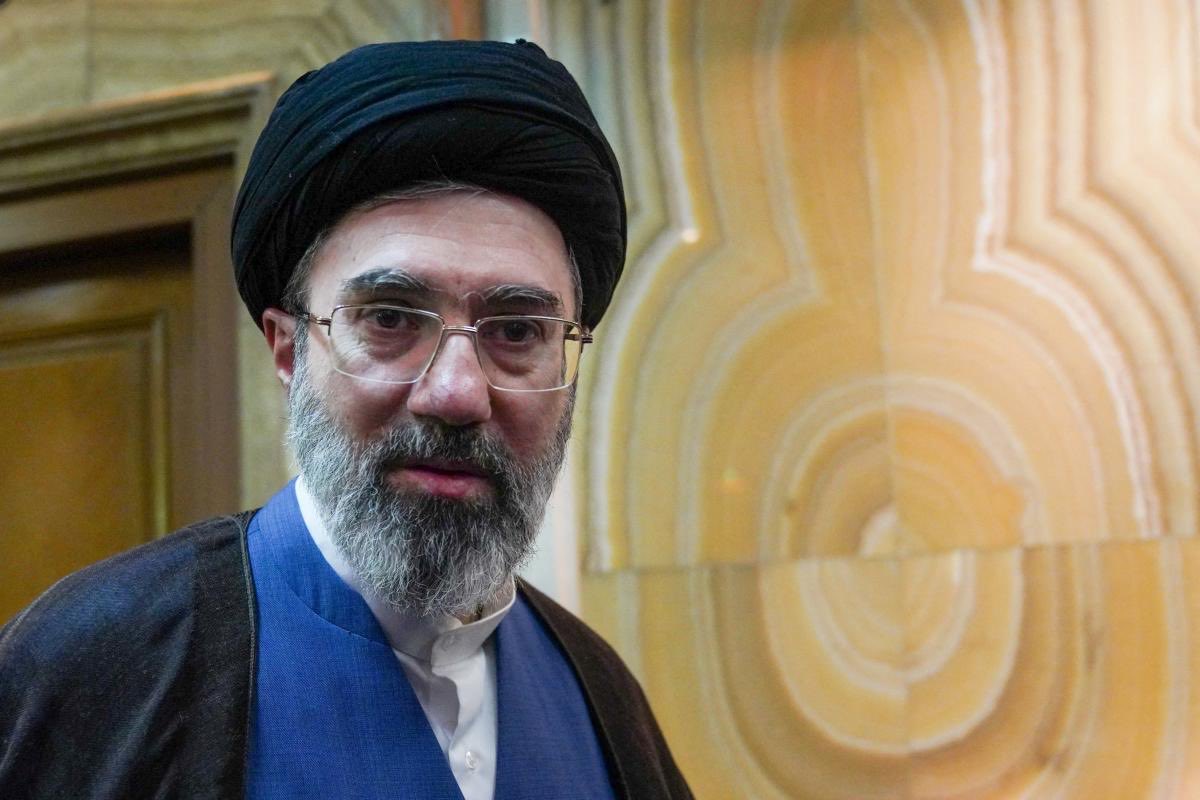
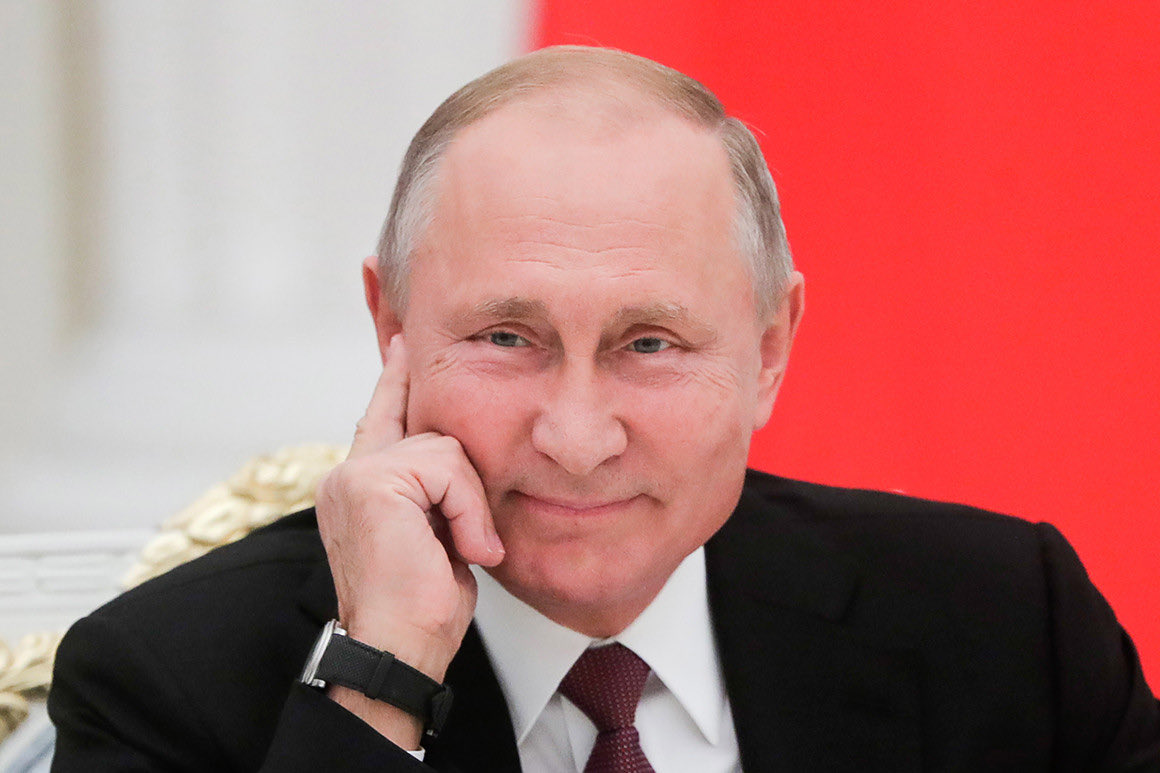
The Supreme Leader of Iran is in a Moscow hospital. The United States knows. It said nothing. And the silence is the most strategically sophisticated decision of the entire war. Start with the physics of survival. The Khamenei compound in Tehran was struck by precision munitions on February 28. Ali Khamenei was killed inside. Mojtaba stepped outside moments before impact, placing him in the secondary fragmentation zone: beyond the lethal overpressure radius but within shrapnel range. Iran’s ambassador to Cyprus, Alireza Salarian, confirmed he survived. Al-Jarida reported wounds to his left leg, arm, hand, and face with internal abdominal bleeding. Iran denied claims of coma and amputation but has not denied the injuries or the Moscow transfer. On March 12, a Russian military aircraft landed in Tehran on Putin’s personal offer. Mojtaba was airlifted to a secure facility on the grounds of a Putin presidential residence. TASS confirmed the transfer. Russian surgeons performed emergency shrapnel removal and stabilisation. The United States tracks every aircraft in Iranian airspace. Post-strike surveillance of the compound was continuous. American intelligence watched the Russian aircraft arrive, load the wounded Supreme Leader, and depart. No interception. No protest. No statement. Complete silence. That silence is not weakness. It is arithmetic. America needs Mojtaba alive. The Mosaic Doctrine’s 31 provincial commands execute when central command goes silent. Every leader killed removes one more person who could order a stand-down. Khamenei, Larijani, Khatib are all dead. If Mojtaba also dies, nobody with the religious and constitutional authority to countermand the sealed orders remains. The provincial commanders would execute indefinitely. The strait would remain closed until every command is physically destroyed, a timeline measured in months to years. A dead Supreme Leader serves nobody. A wounded Supreme Leader in Moscow serves everybody. America gets a living counterparty for eventual ceasefire negotiations. Russia gets a dependent ally who owes his survival to Putin. The IRGC gets a Supreme Leader who can theoretically order a stand-down when the time comes. The provincial commanders get a living authority whose future order they might obey. The global economy gets the possibility, however distant, that someone with the title and the authority could eventually reopen the strait. Shooting down the Russian aircraft would have eliminated that possibility permanently. The dual-track reveals itself. Hegseth launches the largest strike package yet. Reuters reports internal discussions about US ground forces on Kharg Island. Bessent floats sanctions relief on stranded Iranian oil. And the administration says nothing about Russia airlifting the one person who matters more than every missile target combined. Maximum pressure on everything that can be destroyed. Maximum preservation of the one thing that cannot be replaced: a living authority who can end the doctrine. While America strikes and Russia treats, the sealed packets execute. The provincial commanders in Bandar Abbas, Bushehr, and Hormozgan have not received a stand-down order from their new Supreme Leader. They have received nothing at all. The silence from Moscow is operationally identical to the silence from a dead command. The doctrine does not distinguish between a leader who is dead and a leader who is in surgery. The strait stays closed. The molecules stay trapped. The farmer plants soybeans. And the one person who could change everything is recovering in a building owned by the man who profits most from nothing changing at all. Full analysis: open.substack.com/pub/shanakaans…
Shanaka Anslem Perera ⚡ tweet mediaShanaka Anslem Perera ⚡ tweet media
Shanaka Anslem Perera ⚡@shanaka86

Six Gulf states are on fire. One country that refused to help is paying the bill. One country that never fired a missile is collecting the cheque. The damage. Qatar. Ras Laffan. The world’s largest LNG hub. QatarEnergy confirmed sizeable fires and extensive further damage from Iranian missiles. Force majeure declared. Twenty percent of global LNG supply offline. UAE. Shah and Habshan. Zero gas production after drone strikes and debris. Saudi Arabia. SAMREF at Yanbu and Eastern Province refineries hit. Twenty percent output cuts. Kuwait. Mina Al-Ahmadi and Mina Abdullah. Both refineries burning after drone strikes. Bahrain. Partial force majeure. Iraq. Southern fields cut roughly 70 percent. Gas imports from Iran halted. Power grid losing 4,000 to 4,500 megawatts. Every one of these countries hosts American military bases that enabled Operation Epic Fury. Al Udeid in Qatar is CENTCOM’s forward headquarters. Al Dhafra in the UAE launched air operations. Bahrain hosts the Fifth Fleet. Kuwait provided Camp Arifjan and Ali Al Salem. Saudi Arabia reactivated Prince Sultan Air Base. These governments knew retaliation would come. What they did not expect was where the IRGC aimed it. Iran did not strike the bases. It struck the refineries, the gas fields, the LNG terminals, and the desalination plants. The Mosaic Doctrine’s sealed packets contain coordinates of energy infrastructure, not military installations. The IRGC chose economic warfare over military retaliation. The message is not aimed at the Pentagon. It is aimed at the GDP. The bill. Europe said Iran is not their war. Germany refused warships. France denied airspace. Spain blocked bases. The UK would not be drawn in. NATO declined to classify the operation as a mission. Then Qatar’s facility was struck and European TTF gas surged 50 to 85 percent. LNG spot jumped 40 to 60 percent. The EU must inject 60 billion cubic metres into storage by December. BASF and Yara are cutting fertiliser output because gas costs exceed margins. Chemicals, glass, steel, and ceramics face 20 to 40 percent cost pass-throughs arriving at every European consumer. Europe spent $200 billion building LNG terminals to escape Russian gas. Then Iran hit the Qatari facility Europe refused to defend. The supply gap is being filled by the country Europe sanctioned. Russian LNG now accounts for 18 to 22 percent of European imports. Europe is funding Russia’s Ukraine war with revenue generated by refusing to fight in the Gulf. The beneficiary. Russia has not fired a missile. Has not lost a soldier. Has not spent a dollar on combat. Putin airlifted Mojtaba Khamenei to a Moscow hospital on a Russian military aircraft. The man who may govern post-war Iran is recovering under Russian care. Moscow gained influence over the next Iranian leader by offering a bed, not a bomb. The A7A5 stablecoin corridor processed $72 to $93 billion in sanctions-evasion flows according to Chainalysis and TRM Labs. Urals crude trades at its highest Indian-market premium in over a year. Brent above $102 means every Russian barrel earns more. Novak offers to fill the gap. When the Gulf is on fire, the seller who is not on fire sets the terms. The United States spent $16.5 billion on Epic Fury. Israel absorbed 14 to 19 civilian deaths. Iran lost its Supreme Leader, its intelligence minister, 65 percent of its gas, and 90 to 95 percent of its missiles. Russia lost nothing. Six countries host the bases. Iran hits the molecules. Europe pays the premium. Russia collects the profit. And the sealed packets do not distinguish between an airbase and a refinery. They contain coordinates. open.substack.com/pub/shanakaans…

English
22
73
181
62.7K
CryptoCow 💉x 7 #Vivele-LongLiveCanada.🇨🇦 retuiteado
Shanaka Anslem Perera ⚡
Six Gulf states are on fire. One country that refused to help is paying the bill. One country that never fired a missile is collecting the cheque. The damage. Qatar. Ras Laffan. The world’s largest LNG hub. QatarEnergy confirmed sizeable fires and extensive further damage from Iranian missiles. Force majeure declared. Twenty percent of global LNG supply offline. UAE. Shah and Habshan. Zero gas production after drone strikes and debris. Saudi Arabia. SAMREF at Yanbu and Eastern Province refineries hit. Twenty percent output cuts. Kuwait. Mina Al-Ahmadi and Mina Abdullah. Both refineries burning after drone strikes. Bahrain. Partial force majeure. Iraq. Southern fields cut roughly 70 percent. Gas imports from Iran halted. Power grid losing 4,000 to 4,500 megawatts. Every one of these countries hosts American military bases that enabled Operation Epic Fury. Al Udeid in Qatar is CENTCOM’s forward headquarters. Al Dhafra in the UAE launched air operations. Bahrain hosts the Fifth Fleet. Kuwait provided Camp Arifjan and Ali Al Salem. Saudi Arabia reactivated Prince Sultan Air Base. These governments knew retaliation would come. What they did not expect was where the IRGC aimed it. Iran did not strike the bases. It struck the refineries, the gas fields, the LNG terminals, and the desalination plants. The Mosaic Doctrine’s sealed packets contain coordinates of energy infrastructure, not military installations. The IRGC chose economic warfare over military retaliation. The message is not aimed at the Pentagon. It is aimed at the GDP. The bill. Europe said Iran is not their war. Germany refused warships. France denied airspace. Spain blocked bases. The UK would not be drawn in. NATO declined to classify the operation as a mission. Then Qatar’s facility was struck and European TTF gas surged 50 to 85 percent. LNG spot jumped 40 to 60 percent. The EU must inject 60 billion cubic metres into storage by December. BASF and Yara are cutting fertiliser output because gas costs exceed margins. Chemicals, glass, steel, and ceramics face 20 to 40 percent cost pass-throughs arriving at every European consumer. Europe spent $200 billion building LNG terminals to escape Russian gas. Then Iran hit the Qatari facility Europe refused to defend. The supply gap is being filled by the country Europe sanctioned. Russian LNG now accounts for 18 to 22 percent of European imports. Europe is funding Russia’s Ukraine war with revenue generated by refusing to fight in the Gulf. The beneficiary. Russia has not fired a missile. Has not lost a soldier. Has not spent a dollar on combat. Putin airlifted Mojtaba Khamenei to a Moscow hospital on a Russian military aircraft. The man who may govern post-war Iran is recovering under Russian care. Moscow gained influence over the next Iranian leader by offering a bed, not a bomb. The A7A5 stablecoin corridor processed $72 to $93 billion in sanctions-evasion flows according to Chainalysis and TRM Labs. Urals crude trades at its highest Indian-market premium in over a year. Brent above $102 means every Russian barrel earns more. Novak offers to fill the gap. When the Gulf is on fire, the seller who is not on fire sets the terms. The United States spent $16.5 billion on Epic Fury. Israel absorbed 14 to 19 civilian deaths. Iran lost its Supreme Leader, its intelligence minister, 65 percent of its gas, and 90 to 95 percent of its missiles. Russia lost nothing. Six countries host the bases. Iran hits the molecules. Europe pays the premium. Russia collects the profit. And the sealed packets do not distinguish between an airbase and a refinery. They contain coordinates. open.substack.com/pub/shanakaans…
Shanaka Anslem Perera ⚡ tweet media
Shanaka Anslem Perera ⚡@shanaka86

Seven clocks are running. None of them negotiable. All of them counting down to the same weeks. The planting clock. Mid-April is the biological deadline for corn and soybean planting across the US Midwest. Every day that passes without nitrogen becoming affordable and available narrows the window for corn. USDA projects corn falling to 94 million acres from 98.8 million. Soybeans rising to 85 million from 81.2 million. The seeds that go into the ground in the next three weeks determine America’s grain harvest in October. The decision is irreversible. The USDA clock. March 31. Prospective Plantings. The report that converts farmer intentions into official data. Every acreage number, every corn-soy ratio, every nitrogen-dependent calculation becomes a published fact that traders, governments, and food agencies will use to model global supply for the next twelve months. The number arrives in twelve days. The FAO clock. April 3. The Food Price Index. The first global reading that captures post-Hormuz commodity prices across cereals, vegetable oils, dairy, meat, and sugar. The 2022 peak was 159.7 in March 2022 after Ukraine. This reading will incorporate oil above $100, urea at $610, LNG halted, packaging repriced, and freight surcharges of $500 to $1,500 per container. The number that determines whether the UN declares a food emergency arrives in fifteen days. The pharmaceutical clock. India’s API inventory buffers are two to three months, measured from the war’s onset on February 28. Late May is the depletion window. Methanol at 87.7 percent Hormuz exposure feeds the solvent chain for paracetamol, ibuprofen, metformin, and antibiotics. Once buffers deplete, the shortage becomes a patient access crisis for the 47 percent of US generics that originate in India. The China crude clock. FGE NexantECA confirmed China is drawing commercial reserves at up to one million barrels per day. The draw sustains refinery operations for four to six weeks from March 19. Mid-April to late April is the exhaustion window. After that, China faces three options: accelerate Russian pipeline imports, reroute at massive premium, or crack open the strategic petroleum reserve. The third option reprices every commodity on the planet. The helium clock. SK Hynix and Samsung hold two to three months of helium inventory. Late May to early June is the depletion window. South Korea imports 64.7 percent of its helium from Qatar. Ras Laffan is offline. If helium buffers deplete before alternative supply arrives, semiconductor fabrication faces rationing. The AI hardware supply chain hits a physical wall measured in months, not quarters. The insurance clock. Solvency II requires 30 to 60 days of zero incidents before P&I clubs can reinstate war risk coverage. Even after a ceasefire, the insurance normalisation takes six to sixteen months based on the Red Sea precedent of 26 months and counting. The logistics system lags the financial relief rally by the longest duration of any clock in this crisis. Seven clocks. The shortest expires in twelve days. The longest runs for over a year. The planting window, the USDA report, the FAO index, the drug buffers, the Chinese crude draw, the helium inventory, and the insurance cycle are all counting down simultaneously. None of them pause for diplomacy. None of them respond to presidential directives. None of them read sealed packets. The calendar is the only actor in this war that has never lost a negotiation. open.substack.com/pub/shanakaans…

English
7
72
187
80.1K
CryptoCow 💉x 7 #Vivele-LongLiveCanada.🇨🇦 retuiteado
Shanaka Anslem Perera ⚡
Who gives the order to stop? Ali Khamenei is dead. Killed in the opening strike on February 28. Ali Larijani, the diplomatic negotiator, is dead. Killed March 17. Esmaeil Khatib, the intelligence minister, is dead. Confirmed March 19. Gholamreza Soleimani, the Basij commander, is dead. Killed March 17. Roughly 40 senior officials have been eliminated in nineteen days according to aggregated Israeli and Iranian reports. Mojtaba Khamenei was named Supreme Leader successor. Reports indicate he was airlifted to Moscow in the opening days of the war. No confirmed public appearance from Iranian soil since. The supreme leader of the Islamic Republic of Iran may not be in Iran. The question is not whether Iran is governed. It is whether anyone currently in Iran has the authority to order the Mosaic Doctrine’s 31 provincial commands to stand down. The IRGC was designed for this scenario. Total decapitation. Conventional forces shattered. Central command eliminated. The Mosaic Doctrine distributes authority to provincial commanders who operate on sealed pre-war instructions. The packets contain operational orders: which vessels to permit, which to deny, which infrastructure to target, which forces to deploy. The orders execute when central command goes silent. Silence is the activation condition, not the failure condition. Every leader killed removes one more person who could have countermanded the orders. Khamenei could have commanded a ceasefire. He is dead. Larijani could have negotiated terms. He is dead. Khatib could have redirected intelligence toward de-escalation channels. He is dead. Mojtaba, who inherited the authority, may be in Moscow. The regime now operates on three autopilots simultaneously. Doctrinal autopilot: the sealed packets in 31 provincial command rooms execute without central direction. The Hormuz permissioned gate, the retaliatory strikes on Gulf infrastructure, and the targeting of allied energy facilities all continue on pre-written instructions that do not require a living superior to authorise each action. Military autopilot: the IRGC’s remaining missile and drone inventory is being expended according to targeting packages that were prepared before the war. Shekarchi’s “burn to ashes” warning was not an improvisation. It was the public announcement of a pre-existing operational schedule. The satellite images published with coordinates of Gulf facilities were not threat assessments. They were targeting data released for psychological effect. Political autopilot: the government continues to function through institutional inertia. State media broadcasts funerals. Diplomatic statements are issued. But the decision-making authority that could alter the course of the war, negotiate a ceasefire, or order a stand-down is either dead, in Moscow, or distributed across 31 provincial offices where the local commander’s sealed envelope supersedes any verbal order from a capital in disarray. Israel’s AI-powered targeting apparatus can find any face in Tehran through hacked traffic cameras. It can eliminate any senior official within minutes of identification. It has degraded 90 to 95 percent of Iran’s missile production. It has killed the intelligence minister, the negotiator, the Basij commander, and dozens of others. What it cannot do is reach the paper in the filing cabinets of Bandar Abbas, Bushehr, and Hormozgan. The question the world should be asking is not who runs Iran. It is whether anyone left alive has the authority to stop what Iran’s dead leaders set in motion. The answer may be that the system was designed so that nobody can. open.substack.com/pub/shanakaans…
Shanaka Anslem Perera ⚡ tweet mediaShanaka Anslem Perera ⚡ tweet media
Shanaka Anslem Perera ⚡@shanaka86

JUST IN: The new Supreme Leader of Iran is reportedly recovering from surgery in a Moscow hospital under the personal protection of Vladimir Putin. Multiple outlets including NDTV, Kyiv Post, and the Kuwaiti newspaper Al-Jarida report that Mojtaba Khamenei was secretly airlifted from Tehran to Moscow on a Russian military aircraft on March 12 after Putin personally offered medical treatment during a phone call with Iranian President Masoud Pezeshkian. The Kremlin’s response when asked: “We never comment on such reports.” That non-denial is the confirmation. Mojtaba was injured on February 28 during the opening strikes that killed his father. The New York Times, CNN and the Guardian have reported a fractured foot, bruising around his left eye, and facial lacerations. Iran’s ambassador to Cyprus described leg, arm, and hand wounds. Unverified reports mention possible abdominal injuries. He has not appeared in public since his appointment on March 8. His sole confirmed communication has been a written directive: the blockade continues. The United States spent $16.5 billion and 15,000 precision strikes to decapitate Iran’s command structure. The result: the man they wounded is now recovering in a facility linked to one of Putin’s presidential residences, protected by Russian military security, while his decentralised military continues running the Strait of Hormuz from standing orders he does not need to issue. This is what the Mosaic Doctrine was built for. Thirty-one provincial commands. Identical sealed contingency packets distributed years before the first bomb fell. Uniform rules: interdict adversaries, grant passage to cleared allies. Hormozgan provincial IRGC naval command runs the strait independently. Radio hail, AIS transponder check, flag verification. No call to Tehran required. No call to Moscow either. The system was designed to function without a Supreme Leader. It is functioning without a Supreme Leader. From a hospital bed 2,500 kilometres away, Mojtaba’s physical presence is strategically irrelevant. The packets do not need his signature. The provincial commands do not need his voice. The mines in the shipping lanes do not need his approval. The permissioned chokepoint that is starving the global fertiliser supply chain operates on autopilot coded two decades ago by a general who understood that the most resilient military architecture is one that does not require leadership to sustain itself. Putin’s calculus is equally precise. Offering medical asylum to the wounded leader of a state at war with America costs Russia nothing and buys everything. It signals to Tehran that Moscow stands behind the regime. It signals to Washington that escalation has a Russian tripwire. It signals to every non-aligned capital watching this war that the US can destroy a country’s military infrastructure and still not control the outcome because the outcome is being managed from a hospital in Moscow and a radio shack in Hormozgan. The $330 million in Reapers shot down over Iran were targeting a command structure. The command structure is in Moscow. The blockade is in Hormuz. And the fertiliser molecules that four billion people depend on remain trapped behind a permission system that answers to no one who can be found, reached, or bombed. The war destroyed the leader. It did not destroy the doctrine. And the doctrine does not need the leader. Full analysis: open.substack.com/pub/shanakaans…

English
32
80
274
94.3K
CryptoCow 💉x 7 #Vivele-LongLiveCanada.🇨🇦 retuiteado
Shanaka Anslem Perera ⚡
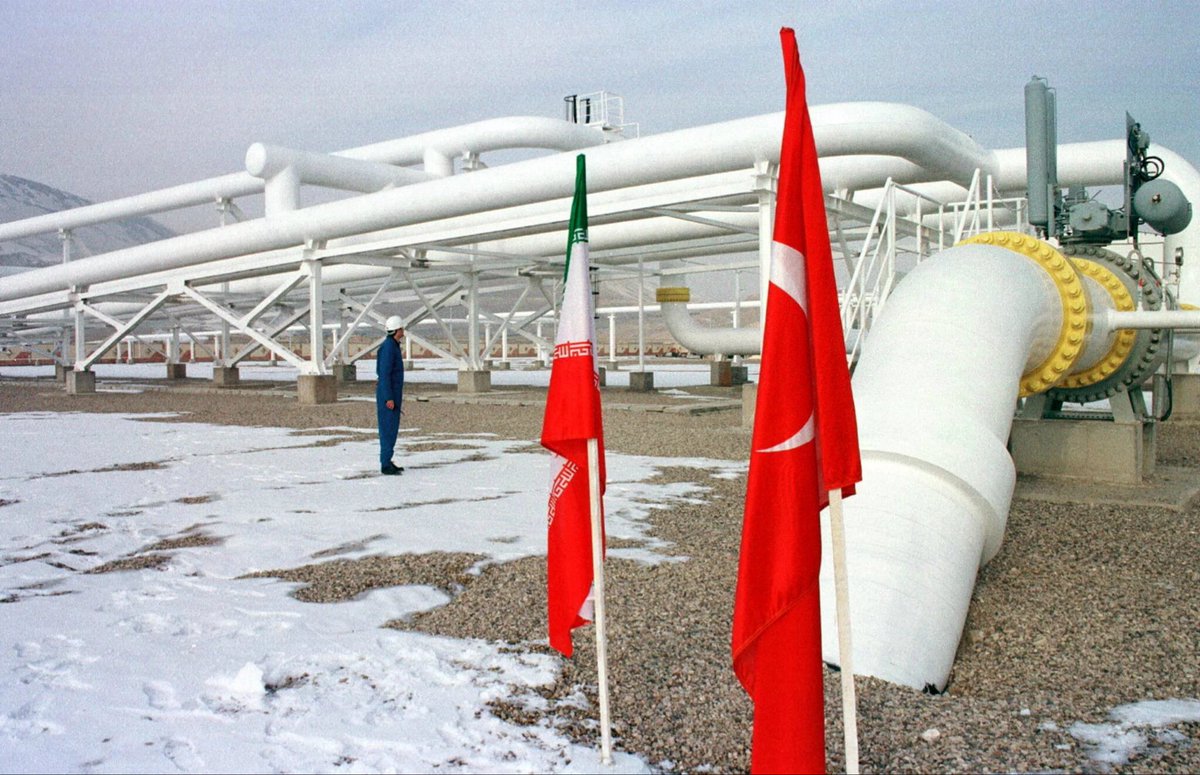
Turkey is a NATO member. South Pars feeds the Tabriz-Ankara pipeline. South Pars phases 3 through 6 are offline after Israeli strikes. Turkey’s industrial and heating gas supply is now directly impacted by a war that NATO classified as “not a mission.” Article 5 of the North Atlantic Treaty says an armed attack against one shall be considered an attack against all. The treaty was designed for missiles crossing borders. It was not designed for gas molecules that stop crossing borders because the field that produces them was bombed by an ally acting outside the alliance framework. Turkey imports roughly 16 to 20 percent of its natural gas from Iran via the Tabriz-Ankara pipeline. The pipeline runs from the South Pars gas field through Iranian territory to the Turkish border at Bazargan and onward to Ankara. When Israeli bombs hit South Pars processing facilities and fires forced phases 3 through 6 offline, the gas that feeds this pipeline was disrupted at source. Turkey did not choose this disruption. It arrived through 2,577 kilometres of pipe from a target Turkey did not select, in a war Turkey did not join, authorised by an ally that did not consult NATO before striking. European TTF gas prices surged 50 to 85 percent after Qatar’s Ras Laffan was hit. Turkey faces a dual supply shock: Iranian pipeline gas disrupted from the east, and Qatari LNG disrupted from the south via Hormuz. Turkey is the only NATO member that depends on both supply routes simultaneously. The others, Germany, France, and the UK, said Iran is not their war. Turkey did not get to say that. The war came to Turkey through the pipe. Turkey’s industrial sector runs on gas. Steelmaking, glass production, ceramics, chemicals, and fertiliser manufacturing all require continuous gas supply. Turkish agriculture depends on domestically produced fertiliser that requires natural gas as feedstock. A sustained Iranian pipeline disruption does not just raise Turkish heating bills. It contracts industrial output and tightens the same fertiliser supply chain that is already fractured by Hormuz and the Chinese export ban. The strategic irony is architectural. NATO exists to defend member territory. The attack on Turkey’s energy supply originated from Israel, a non-NATO partner, striking Iran, a non-NATO adversary, and damaging gas infrastructure that feeds a NATO member’s economy. No Article 5 consultation occurred. No allied coordination on the energy consequence was conducted. The damage is real, measurable, and ongoing, but it falls outside every mechanism the alliance was built to address. Germany said it is not their war. Japan has Article 9. Pakistan has Article 245. Turkey has a gas pipeline to a burning field and a NATO membership card that does not cover the bill. The irony will not be lost on Ankara. Turkey hosts Incirlik Air Base, a critical American military installation. It controls the Bosporus, the gateway between the Black Sea and the Mediterranean. It manages the southern flank of NATO’s eastern border. And it is now absorbing an energy shock from a war that its own alliance declined to classify as collective defence. The pipeline carries gas. The treaty carries obligations. The gas stopped. The obligations did not activate. And the Turkish factory that needs both to operate has neither. open.substack.com/pub/shanakaans…
Shanaka Anslem Perera ⚡ tweet mediaShanaka Anslem Perera ⚡ tweet media
English
15
92
250
36K
CryptoCow 💉x 7 #Vivele-LongLiveCanada.🇨🇦 retuiteado
Shanaka Anslem Perera ⚡
The strait carries oil. It carries gas. It carries fertiliser. It also carries the salaries of nearly 40 million foreign workers whose families on the other side of the world eat from the remittance, not the farm. Migrant workers make up between 76 and 95 percent of the labour force in Gulf countries. In the UAE and Qatar, foreigners represent roughly 87 to 88 percent of the population. In Kuwait, 70 percent. The construction sites, the hotels, the refineries, the hospitals, the delivery fleets, and the domestic households of the Gulf are staffed almost entirely by people from South Asia, Southeast Asia, and North Africa who wire money home every month. Pakistan received $38.3 billion in remittances in FY2025. Over 54 percent, roughly $20.9 billion, came from the six GCC countries. Saudi Arabia alone accounted for $9.35 billion. The UAE contributed $7.83 billion. India received approximately $129 billion in 2024, the world’s largest recipient. The Philippines received $39.6 billion. Bangladesh recorded $30.3 billion. Nepal’s remittances were 26 percent of GDP. The Hormuz crisis is not just disrupting commodity flows. It is disrupting the human flow that funds survival in a dozen countries. A study by the Pakistan Institute of Development Economics estimates that if the conflict persists, roughly 500,000 new workers may not be able to migrate to the Gulf in 2026, and a similar number of existing migrants could be forced to return home. Remittances to Pakistan could decline by $3 to $4 billion annually. That reduction alone would pressure the exchange rate, widen the current account deficit, and weaken the economic stability that was just beginning to solidify after years of crisis. The mechanism is direct. Gulf economies slow when oil exports are disrupted, construction projects are paused, and security concerns halt civilian activity. When the Gulf economy slows, the sectors that employ the most migrant workers, construction, services, retail, and hospitality, contract first. Workers are laid off or see hours reduced. Remittances fall. Their families in Lahore, Dhaka, Manila, Cairo, and Kathmandu receive less money. Those families buy less food. The food was already becoming more expensive because the fertiliser that grows it and the freight that ships it both transit the same strait that disrupted the salary. The remittance and the molecule travel the same corridor. Both are gated by the same 21 miles. When the strait closes, the oil stops, the gas stops, the fertiliser stops, and the monthly wire transfer that a construction worker in Dubai sends to his mother in Sylhet also stops. The mother does not track Brent crude or CBOT urea. She tracks whether the money arrived. This month it may not. During the 1990 Iraqi invasion of Kuwait, roughly 1.5 million workers and dependents fled within two months. The International Labour Organization documented the passage of hundreds of thousands through Jordan, Turkey, and Saudi Arabia. The entire remittance system took years to reorganise. Nepal’s airport has already seen stranded travellers unable to reach Gulf jobs since February 28. Fifteen million people in the Gulf earn the money. One hundred million people in South and Southeast Asia depend on it arriving. The strait does not distinguish between a barrel of oil and a bank transfer. Both flow through the same geography. Both are gated by the same sealed orders. And both determine whether a family eats this month. open.substack.com/pub/shanakaans…
Shanaka Anslem Perera ⚡ tweet media
English
4
74
175
18.6K
CryptoCow 💉x 7 #Vivele-LongLiveCanada.🇨🇦 retuiteado
Shanaka Anslem Perera ⚡
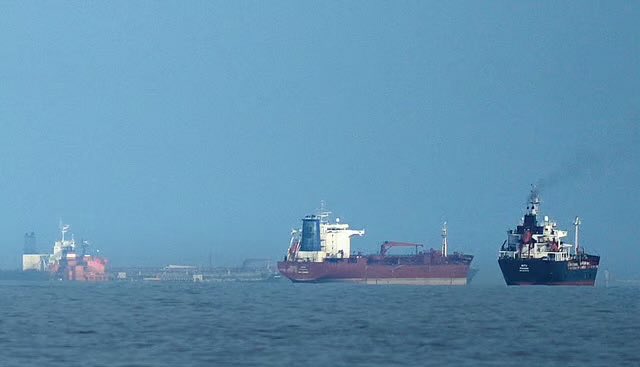
The Strait of Hormuz is not closed. It is selectively open. And the selection criteria are written in sealed packets. Lloyd’s List reports that transits through the strait collapsed 81 percent since the war began. Over 150 tankers are anchored outside. War risk insurance was voided. Commercial shipping effectively halted. That is one ocean. The other ocean is running at full capacity. Iranian crude exports approached a post-sanctions era high in February, according to Vortexa data. The sanctioned LPG carrier Danuta I transited Hormuz fully laden with Iranian propane or butane on March 7, AIS tracking confirms. A small minority of tanker owners, largely Greek, have already discussed returning to the trade by transiting at night with AIS transponders switched off. Lloyd’s List confirmed the discussions. No fixtures have resulted, but the willingness signals a parallel market forming in the dark. This is the two-tier ocean that the Mosaic Doctrine created. Allied vessels pass through Hormuz via AIS identification and VHF radio confirmation with provincial commands. The permissioned passage protocol grants transit to ships aligned with Iran’s interests: Chinese tankers carrying discounted crude settled in yuan, Russian-linked vessels loading at Iranian terminals, and shadow fleet operators running transponders dark. Everyone else is denied or deterred by the insurance void. The selectivity is the weapon. If the strait were completely closed, every nation would face equal disruption. Because it is selectively open, the disruption is distributed asymmetrically. China receives discounted Iranian oil. Russia’s Urals crude trades at the highest Indian-market premium in over a year. Shadow fleet operators charge danger premiums that fund the parallel economy. The countries that comply with sanctions, maintain alliance commitments, and operate within the insured commercial system absorb the full blockade cost while the shadow system operates at profit. The Iranian economy earns revenue through every barrel of shadow-fleet crude that transits the strait it controls. The A7A5 stablecoin corridor, estimated at $72 to $93 billion by Chainalysis and TRM Labs, provides the settlement rails that bypass dollar-denominated financial infrastructure. The permissioned passage generates intelligence on American weapons systems and allied naval dispositions with every transit that is monitored, logged, and shared with Chinese and Russian signals intelligence. This is not a blockade in the historical sense. During the 1980s Tanker War, 540 vessels were attacked over eight years. Lloyd’s maintained coverage with government-backed war risk facilities. Military escorts under Operation Earnest Will provided convoy protection. The strait remained open because the economic system was unified: one insurance market, one convoy system, one set of rules. In 2026, the system is split. The commercial ocean operates under war risk void, P&I cancellation, and Solvency II capital constraints. The shadow ocean operates under transponder protocols, yuan settlement, and sealed-packet permissions. Both share the same water. They do not share the same rules. The farmer in Iowa faces $610 urea because the commercial ocean is closed. The Chinese refinery in Shandong receives discounted crude because the shadow ocean is open. Same strait. Same 21 miles. Two entirely different economies running through identical water. open.substack.com/pub/shanakaans…
Shanaka Anslem Perera ⚡ tweet media
English
7
31
102
17.6K
CryptoCow 💉x 7 #Vivele-LongLiveCanada.🇨🇦 retuiteado
Shanaka Anslem Perera ⚡
Seven clocks are running. None of them negotiable. All of them counting down to the same weeks. The planting clock. Mid-April is the biological deadline for corn and soybean planting across the US Midwest. Every day that passes without nitrogen becoming affordable and available narrows the window for corn. USDA projects corn falling to 94 million acres from 98.8 million. Soybeans rising to 85 million from 81.2 million. The seeds that go into the ground in the next three weeks determine America’s grain harvest in October. The decision is irreversible. The USDA clock. March 31. Prospective Plantings. The report that converts farmer intentions into official data. Every acreage number, every corn-soy ratio, every nitrogen-dependent calculation becomes a published fact that traders, governments, and food agencies will use to model global supply for the next twelve months. The number arrives in twelve days. The FAO clock. April 3. The Food Price Index. The first global reading that captures post-Hormuz commodity prices across cereals, vegetable oils, dairy, meat, and sugar. The 2022 peak was 159.7 in March 2022 after Ukraine. This reading will incorporate oil above $100, urea at $610, LNG halted, packaging repriced, and freight surcharges of $500 to $1,500 per container. The number that determines whether the UN declares a food emergency arrives in fifteen days. The pharmaceutical clock. India’s API inventory buffers are two to three months, measured from the war’s onset on February 28. Late May is the depletion window. Methanol at 87.7 percent Hormuz exposure feeds the solvent chain for paracetamol, ibuprofen, metformin, and antibiotics. Once buffers deplete, the shortage becomes a patient access crisis for the 47 percent of US generics that originate in India. The China crude clock. FGE NexantECA confirmed China is drawing commercial reserves at up to one million barrels per day. The draw sustains refinery operations for four to six weeks from March 19. Mid-April to late April is the exhaustion window. After that, China faces three options: accelerate Russian pipeline imports, reroute at massive premium, or crack open the strategic petroleum reserve. The third option reprices every commodity on the planet. The helium clock. SK Hynix and Samsung hold two to three months of helium inventory. Late May to early June is the depletion window. South Korea imports 64.7 percent of its helium from Qatar. Ras Laffan is offline. If helium buffers deplete before alternative supply arrives, semiconductor fabrication faces rationing. The AI hardware supply chain hits a physical wall measured in months, not quarters. The insurance clock. Solvency II requires 30 to 60 days of zero incidents before P&I clubs can reinstate war risk coverage. Even after a ceasefire, the insurance normalisation takes six to sixteen months based on the Red Sea precedent of 26 months and counting. The logistics system lags the financial relief rally by the longest duration of any clock in this crisis. Seven clocks. The shortest expires in twelve days. The longest runs for over a year. The planting window, the USDA report, the FAO index, the drug buffers, the Chinese crude draw, the helium inventory, and the insurance cycle are all counting down simultaneously. None of them pause for diplomacy. None of them respond to presidential directives. None of them read sealed packets. The calendar is the only actor in this war that has never lost a negotiation. open.substack.com/pub/shanakaans…
Shanaka Anslem Perera ⚡ tweet media
English
118
2K
5K
549.1K
CryptoCow 💉x 7 #Vivele-LongLiveCanada.🇨🇦 retuiteado
Shanaka Anslem Perera ⚡
A law written for energy independence is now the mechanism for food dependence. The Renewable Fuel Standard mandates that 15 billion gallons of corn ethanol be blended into American transportation fuel annually. That volume consumes approximately 43 percent of the US corn crop. The mandate was established by the Energy Policy Act of 2005 and expanded by the Energy Independence and Security Act of 2007. It was designed for a world where corn was abundant and America wanted to reduce reliance on foreign oil. That world no longer exists. Corn acres are falling to 94 million from 98.8 million because urea at $610 makes the nitrogen economics impossible. The RFS takes its 15 billion gallons from a shrinking harvest. The percentage of remaining corn available for feed, food, and export compresses with every acre that switches to soybeans. The mandate does not flex. The biology does. Waiving the RFS requires the EPA Administrator to make a formal determination that implementation would cause severe economic or environmental harm. The process involves a public comment period, regulatory review, and potential legal challenges from the ethanol industry. The EPA proposed 2026 and 2027 RFS volume requirements in June 2025 and has been targeting Q1 2026 for the final rule. The rulemaking machinery was designed for normal agricultural cycles. It was not designed for a war that closed the world’s most important fertiliser transit route during planting season. Even if the EPA Administrator initiated a waiver today, the timeline from announcement to implementation stretches weeks to months. The corn planting window closes in three to four weeks. The legal process cannot outrun the biological calendar. By the time a waiver could take effect, the acreage decisions it was meant to influence would already be irreversible. The RFS is the transmission belt that converts a fertiliser crisis into a food crisis. Without the mandate, a shrinking corn crop would still produce less total output, but the available supply could be allocated flexibly between feed, food, and fuel based on market signals. With the mandate, 43 percent of whatever corn exists is legally spoken for before a single hen eats a kernel or a single tortilla is pressed. The flexibility that markets provide is overridden by the rigidity that law imposes. The cattle herd is at 86.2 million head, a 75-year low. Poultry operations rebuilt from the 2025 avian flu but face rising feed costs. Dairy herds are contracting. Every animal that eats corn competes with a fuel pump that has legal priority. The protein cascade, from corn to feed to meat to eggs to dairy to the grocery shelf, begins at the point where the RFS takes its cut. Corn Belt legislators who championed the RFS to support their farming constituents now face a perverse outcome: the law they wrote to help farmers is the law that prevents the market from adjusting to a crisis their farmers are living through. The ethanol industry will resist any waiver. The livestock industry will demand one. The consumer will pay the difference. And the EPA rulemaking process was designed for annual adjustments, not emergency response during a 21-day-old war. Fifteen billion gallons. Written into statute. Consuming 43 percent of a crop that just lost 4.8 million acres to a fertiliser price that originates in a strait the law never contemplated. open.substack.com/pub/shanakaans…
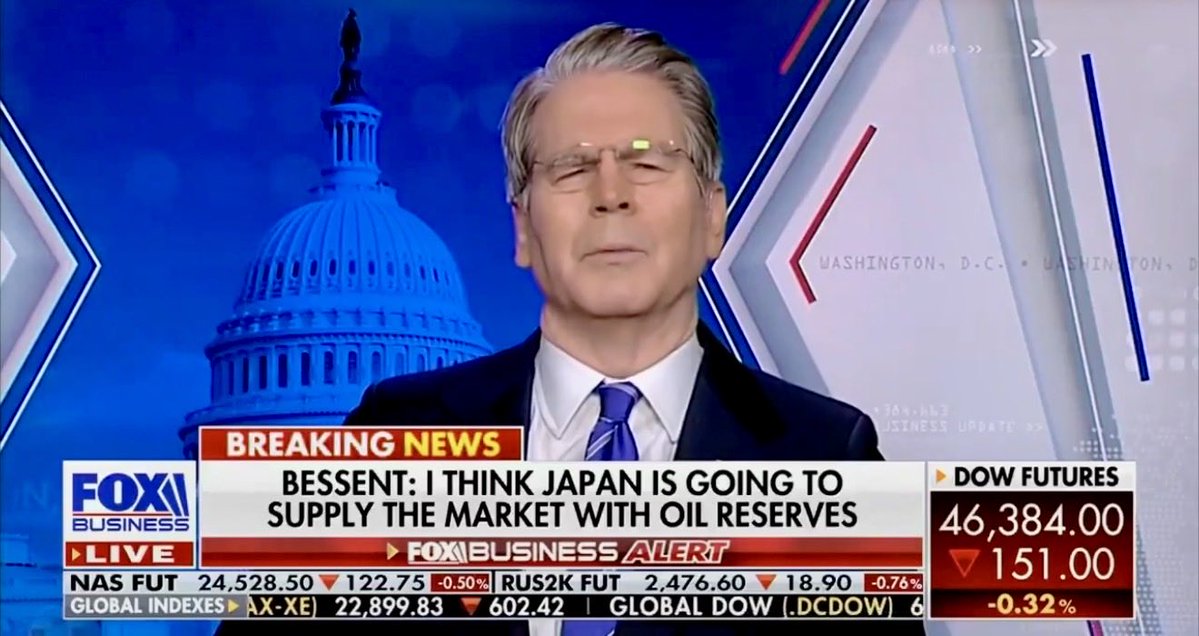
Shanaka Anslem Perera ⚡ tweet media
Shanaka Anslem Perera ⚡@shanaka86

JUST IN: The most irreversible consequence of this war is not happening in Tehran. It is happening in a barn in Iowa. A farmer is standing over a kitchen table looking at two seed catalogues. One is corn. One is soybeans. Corn needs 180 pounds of nitrogen per acre. Nitrogen costs $610 per ton on the CBOT March futures settlement as of yesterday, up 35 percent in a month. Soybeans fix their own nitrogen from the atmosphere through root bacteria called rhizobia. They need nothing from the Strait of Hormuz. The farmer is choosing soybeans. Millions of acres are choosing soybeans. And once the planter rolls into the field, the choice cannot be reversed until next year. USDA projected corn at roughly 94 million acres for 2026, down from 98.8 million. Soybeans at 85 million, up from 81.2 million. Those projections were published February 19, before urea surged past $683 at New Orleans. The actual shift will be larger. USDA Prospective Plantings reports March 31. By then the seeds will be in the ground. This is the transmission channel the world is not watching. A 21-mile strait enforced by provincial commanders with sealed radio orders just rewrote the planting economics of 90 million acres of the most productive farmland on Earth. Not through sanctions. Not through diplomacy. Through the price of a single molecule that corn cannot grow without and soybeans do not need. Now follow the cascade. The Renewable Fuel Standard mandates 15 billion gallons of corn ethanol annually. That consumes roughly 43 percent of the entire US corn crop. The mandate is set by the EPA. It does not flex when corn acres shrink. It is inelastic demand consuming a fixed share of a declining supply. When supply tightens against a fixed mandate, the remaining corn reprices upward. Corn above $5 per bushel compresses every margin downstream. The US cattle herd stands at 86.2 million head, a 75-year low per USDA NASS. Poultry and pork operations face compression from higher corn prices. Feed is the single largest cost in livestock production. When feed reprices, protein reprices. When protein reprices, every grocery shelf in America absorbs the increase. This is the protein cascade. Corn to feed to meat to eggs to dairy to the checkout counter. Each link tightens because the link before it tightened. The originating cause is a urea molecule that cannot transit a strait because a provincial commander’s sealed orders say it cannot. The farmer did not start this war. The farmer cannot end it. The farmer responds to the price on the screen and the biology of the two crops in front of him. Corn needs the molecule. Soybeans do not. At $610 the arithmetic is settled. The planter rolls. The season is locked. Israel just authorised the assassination of every Iranian official on sight. The US has spent $16.5 billion. South Pars is burning. The Fed is holding rates because oil inflation will not break. Gold touched $5,000. Bitcoin is bleeding. China is running exercises near Taiwan. Sri Lanka shut down on Wednesdays. And underneath all of it, a man in a barn is making the decision that determines whether four billion people pay more for food this year. He has never heard of the Mosaic Doctrine. He does not know what a sealed contingency packet is. He knows what nitrogen costs. And he is planting soybeans. Full analysis - open.substack.com/pub/shanakaans…

English
36
197
529
95.3K
CryptoCow 💉x 7 #Vivele-LongLiveCanada.🇨🇦 retuiteado
Shanaka Anslem Perera ⚡
The egg on your plate this morning was made from corn. Not literally. But the hen that laid it ate roughly two pounds of feed for every dozen eggs she produced. That feed was primarily corn and soybean meal. The corn was grown with nitrogen fertiliser at $610 per ton on the CBOT March settlement. The soybean meal came from beans planted on acres that used to grow corn before the fertiliser price made the switch inevitable. The plastic tray the eggs sit in was moulded from polyethylene derived from Gulf naphtha. The refrigerated truck that delivered them to the store runs on diesel refined from crude that once transited Hormuz. The egg does not know it is a nitrogen derivative. The receipt does. American egg prices had been falling. Wholesale dropped to roughly 70 cents per dozen by early March 2026, down more than 90 percent from the $8.53 peak during the 2025 avian flu crisis. Retail averaged about $2.50 per dozen in February. The flock rebuilt. Nine million more hens than a year ago. Egg production was recovering. The USDA projected egg prices to decrease 27.4 percent in 2026 from 2025 levels. That projection was published before the strait closed. The protein cascade runs through every animal product in the supermarket. Corn becomes feed. Feed becomes poultry, beef, pork, dairy. Each conversion step multiplies the input cost. A $610 urea price raises corn production costs. Higher corn costs raise feed costs. Higher feed costs raise the price of every protein that eats corn: eggs, chicken, beef, pork, milk, cheese, yogurt. The cattle herd is at 86.2 million head, a 75-year low. Fewer animals eating more expensive feed produces less protein at higher prices. The Renewable Fuel Standard consumes 43 percent of the corn crop as ethanol feedstock. That mandate is written into law. It does not flex when fertiliser prices surge. The RFS takes its 15 billion gallons first. Whatever corn remains feeds the animals. When the total corn crop shrinks because farmers switch to soybeans, the RFS share of the smaller harvest becomes a larger fraction of available supply. The animals get what is left. Now add the packaging layer. Polyethylene for cling film and trays. Polypropylene for yogurt cups. PET for milk bottles. Every packaging material is petrochemical. The IRGC published satellite targeting images of the Gulf facilities that produce the naphtha that becomes the plastic that wraps the food. US PE spot prices surged 10 cents per pound. Indian PE jumped 20,000 rupees per tonne. Now add the freight layer. War risk premiums up 300 percent. VLCC charter rates quadrupled to $800,000 per day. Container surcharges of $500 to $1,500 per TEU added directly to the cost of imported and exported goods. Refrigerated truck diesel is priced off crude that sits above $100. Now add the insurance layer. The P&I clubs voided coverage. Solvency II requires 30 to 60 days of zero incidents before reinstatement. Even after a ceasefire, the logistics system lags the financial relief rally by months. Sticky inflation hides in the gap between the ceasefire headline and the insurance normalisation. Every layer compounds on the one before it. Nitrogen raises the corn. Feed raises the protein. Packaging raises the shelf. Freight raises the delivery. Insurance raises the duration. The grocery bill absorbs all five. The receipt at the checkout counter is the terminal node where every crisis in the series converges. A strait 11,000 kilometres away just repriced your breakfast. open.substack.com/pub/shanakaans…
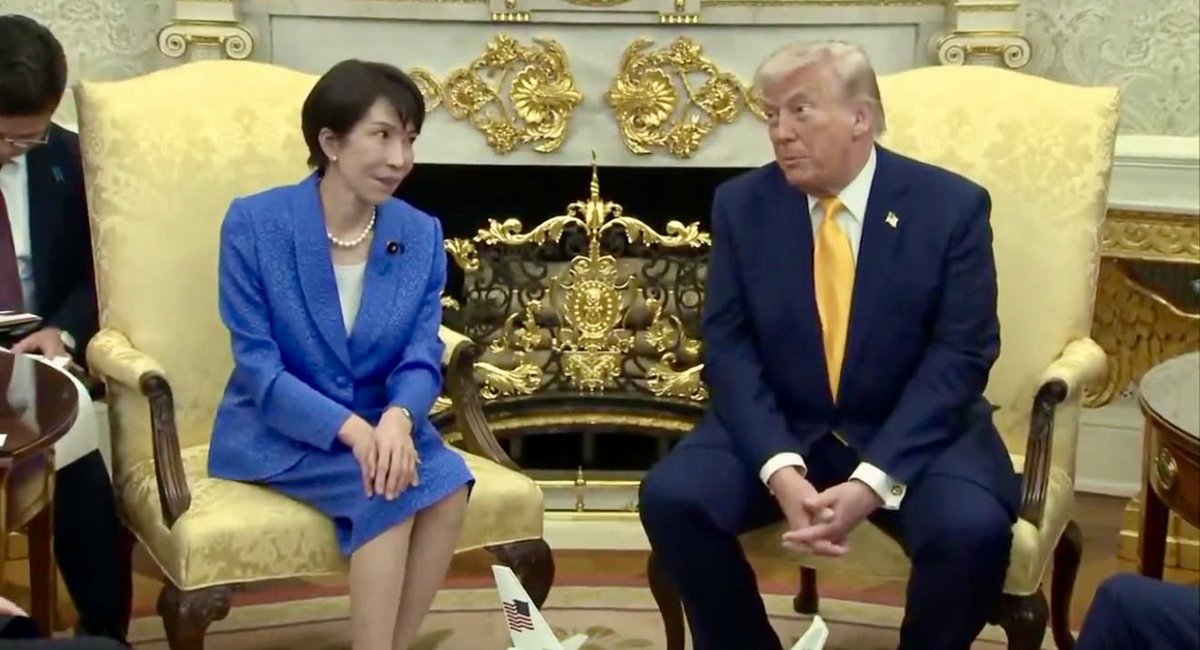
Shanaka Anslem Perera ⚡ tweet mediaShanaka Anslem Perera ⚡ tweet media
Shanaka Anslem Perera ⚡@shanaka86

JUST IN: The most irreversible consequence of this war is not happening in Tehran. It is happening in a barn in Iowa. A farmer is standing over a kitchen table looking at two seed catalogues. One is corn. One is soybeans. Corn needs 180 pounds of nitrogen per acre. Nitrogen costs $610 per ton on the CBOT March futures settlement as of yesterday, up 35 percent in a month. Soybeans fix their own nitrogen from the atmosphere through root bacteria called rhizobia. They need nothing from the Strait of Hormuz. The farmer is choosing soybeans. Millions of acres are choosing soybeans. And once the planter rolls into the field, the choice cannot be reversed until next year. USDA projected corn at roughly 94 million acres for 2026, down from 98.8 million. Soybeans at 85 million, up from 81.2 million. Those projections were published February 19, before urea surged past $683 at New Orleans. The actual shift will be larger. USDA Prospective Plantings reports March 31. By then the seeds will be in the ground. This is the transmission channel the world is not watching. A 21-mile strait enforced by provincial commanders with sealed radio orders just rewrote the planting economics of 90 million acres of the most productive farmland on Earth. Not through sanctions. Not through diplomacy. Through the price of a single molecule that corn cannot grow without and soybeans do not need. Now follow the cascade. The Renewable Fuel Standard mandates 15 billion gallons of corn ethanol annually. That consumes roughly 43 percent of the entire US corn crop. The mandate is set by the EPA. It does not flex when corn acres shrink. It is inelastic demand consuming a fixed share of a declining supply. When supply tightens against a fixed mandate, the remaining corn reprices upward. Corn above $5 per bushel compresses every margin downstream. The US cattle herd stands at 86.2 million head, a 75-year low per USDA NASS. Poultry and pork operations face compression from higher corn prices. Feed is the single largest cost in livestock production. When feed reprices, protein reprices. When protein reprices, every grocery shelf in America absorbs the increase. This is the protein cascade. Corn to feed to meat to eggs to dairy to the checkout counter. Each link tightens because the link before it tightened. The originating cause is a urea molecule that cannot transit a strait because a provincial commander’s sealed orders say it cannot. The farmer did not start this war. The farmer cannot end it. The farmer responds to the price on the screen and the biology of the two crops in front of him. Corn needs the molecule. Soybeans do not. At $610 the arithmetic is settled. The planter rolls. The season is locked. Israel just authorised the assassination of every Iranian official on sight. The US has spent $16.5 billion. South Pars is burning. The Fed is holding rates because oil inflation will not break. Gold touched $5,000. Bitcoin is bleeding. China is running exercises near Taiwan. Sri Lanka shut down on Wednesdays. And underneath all of it, a man in a barn is making the decision that determines whether four billion people pay more for food this year. He has never heard of the Mosaic Doctrine. He does not know what a sealed contingency packet is. He knows what nitrogen costs. And he is planting soybeans. Full analysis - open.substack.com/pub/shanakaans…
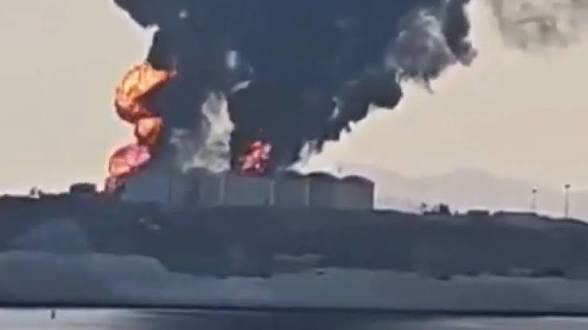
English
30
362
893
72.9K