Fire Is Born 🇵🇱 🇺🇸 🇺🇦 🇭🇳2xPhD

72.2K posts

Fire Is Born 🇵🇱 🇺🇸 🇺🇦 🇭🇳2xPhD banner
Fire Is Born 🇵🇱 🇺🇸 🇺🇦 🇭🇳2xPhD

Fire Is Born 🇵🇱 🇺🇸 🇺🇦 🇭🇳2xPhD

@FireIsBorn3

Always Independent Scholar #Americas #CPP #ME #LongCovid #EBV #PEH #OpioidHysteria #RxOpioids i♡Men #WithLongBlackHair #Fanyu #cdrama #kdrama #jdrama tango

San Francisco, CA Se unió Haziran 2020
4.9K Siguiendo1.5K Seguidores
Tweet fijado
Fire Is Born 🇵🇱 🇺🇸 🇺🇦 🇭🇳2xPhD
Mark Twain: "The worst Winter of my life was a Summer I spent in San Francisco". I've been back to SRO in San Francisco yet the comeback was horrendous: acclimatizing to SF Summer CLIMATE with #ME & TRIPLE #LongCovid was HELL!! I made it with massive & costly supplementation & slowly remembering all the dos & don'ts of survival. My new case worker is counterproductive, imagine, so after two months I still am without IHSS & food stamps. But she insisted I give her the PASSWORD to my SSA.gov account!...
Fire Is Born 🇵🇱 🇺🇸 🇺🇦 🇭🇳2xPhD@FireIsBorn3

In 2020 @CDC described #MEcfs as a debilitating illness that impacts patients' lives harshly; they put emphasis on PACING to prevent #PEM Post Exertional Malaise now called #PESE Post Exertional Symptoms Exasperation. I was glad: My illness that started with a strange FLU on June 17, 2001 (after one year of fighting BC) progressed making me homebound and bedridden. But @CDCgov refrained from declaring #MEcfs a major threat to Patients like HIV, cancer, lupus or Parkinson's. Why not?! BC 3 millions #ME sufferers are WOMEN? Like everywhere in the World. @CDC did not prepared us for the #Pandemic!!! And I took payed a heavy price. I should have known that the highest risk of catching infection is staying in institutions. For 20 years I survived in SF (with my #ME) working as a LIVE-IN Caregiver of women with dementia. I lived in the homes of my clients. So when I retired at 70yo I became... homeless. In February 2020 for the 1st time in my life I entered a large SF Shelter. Just on time for the COVID times. We wore masks & became SIP but living in a room with 100 metal beds on Women's floor that were 2 feet apart the consequences were quick but in my shelter invisible. I acquired COVID clandestinely in March only with loss of TASTE & hair, some skin problems in the eyes, nose, and mouth with hard pain also in the surrounding nerves. But I soon recognized symptoms of my CFS as the infection lingered becoming #LongCovid It helped that FEMA moved 2,500 homeless SF ppl, with me, to 25 then empty SIP hotels in which we were COMPLETELY ISOLATED: I had a room with bathroom only for myself. Our three meals were hung on the other side of the doors. We put full garbage bags outside & cleaned the rooms ourselves. Here, I could watch the news and analyzed my #LongCovid compared to #ME. I was sure that apart from their viral particularities their CORE was the same. My #LongCovid made my #MyalgicEncephalitis much worse, adding SOB & few other symptoms. I happily bathed in that luxury bath I had. TWICE. After each I acquired a horrible PEM. #LongCovid taught me what the "flair up" really is, how viscious it can be. Afterwards I was given a room in a new SRO & preparing to return to it. I have been 3 years in a LTC facility North of SF were there was help 24 hours, indeed. Here there's NO ISOLATION of any sort and no one but strived for it. There were several Covid outbreaks; I cought Omicron in January 2023 & FLiRT in July 2024. Each introduced their bunch of ills. Omicron within five months developed cataracts in my eyes, I had the 2d surgery yesterday. These eye exams put my poor ME body into positions that I would like to scream of pain. Today was a check up, all went very well. FLiRT made me go to ER bc one morning I couldn't BREATHE! At the hospital a simple Blood Test had showed GHL at the level 2.4 - the lowest they ever seen. I could be dead THE NEXT DAY had I not got professional help with many blood transfusions. Even though my LTC was responsible for not checking blood some time after the outbreak in July they made a serious effort to DUMP ME there. Ombudsman had to interfere. Impact on my morals & health was tremendous. I developed some new long term symptomatology with regular episodes of MONONUCLEOSIS, I got extremely confused & weak so had to stay in bed also in the afternoons. Like in 2001. Both variants damaged our memory further.The limb weakness made me functionally QUADRIPLEGIC!! Excellent diagnosis by my newer doctor - who also, totally out of blue skies, prescribed for moderate to severe pain Oxycodone with my last dosis of 2016: 3x30mg/pd. Which brought all my functions back in 2012. I have not even asked for #opiates. But I must return to the Single Room Occupancy hotel bc this term SRO devised for the homeless could be a medical term for ppl like me, with a severe progressive #ME of 24 years and TRIPLE #LongCovid. I hope to get IHSS & Meals on Wheels. Wish me luck & strength. @CDCgov do you get it now!? Most still

English
1
2
4
499
Fire Is Born 🇵🇱 🇺🇸 🇺🇦 🇭🇳2xPhD retuiteado
Sara Mary ⭐❤️
Sara Mary ⭐❤️@saniyafatma1278·
My 13-year-old son is nonverbal. Sometimes the world doesn’t hear him… but art gives him a voice. 🤍 He drew this all by himself. I’m beyond proud. Would you encourage him to keep going?
Sara Mary ⭐❤️ tweet media
English
761
500
4.9K
35.4K
Fire Is Born 🇵🇱 🇺🇸 🇺🇦 🇭🇳2xPhD retuiteado
Edward Reid
Edward Reid@ReidEdwardII·
The Silenced Voice of Eugeniusz Bodo: There was a time when his face was everywhere in Poland. On cinema screens, in cabarets, in the quiet hum of radios across Warsaw apartments, his voice carried something light, something human, something hopeful. Eugeniusz Bodo was not simply an entertainer. He was a symbol of a country that still believed in tomorrow. Born in 1899, he rose to become one of the most beloved figures of prewar Polish culture. Actor, singer, director, and producer, Bodo embodied the spirit of interwar Poland: vibrant, modern, and alive with possibility. His performances were effortless, often playful, but never shallow. He understood something essential about people, that they needed laughter not because life was easy, but because it was not. In the 1930s, Polish cinema flourished, and Bodo stood at its center. Films like “Piętro wyżej” made him a household name. His songs, especially the hauntingly gentle “Umówiłem się z nią na dziewiątą,” became part of the cultural memory of a nation. He was not just performing. He was helping Poland imagine itself as something joyful and whole in the fragile years between wars. And then, like so many lives of that era, his story was interrupted. When war came in 1939, it did not arrive as a single blow, but as a tearing apart. First from the west, then from the east. Poland was carved, occupied, silenced. For artists like Bodo, whose identity was bound to culture and expression, there was no safe place to stand. He fled eastward, likely believing it offered refuge. Instead, he entered a different kind of darkness. Arrested by the Soviet NKVD, Bodo was accused of being a foreign spy. It was a tragic irony. Though deeply tied to Poland, he held Swiss citizenship through his father, a detail that in the logic of Soviet paranoia became a death sentence. He was imprisoned, interrogated, and ultimately sent into the vast machinery of the Gulag. There, in the frozen expanse of Soviet labor camps, the voice that once filled theaters was reduced to silence. He died in 1943, far from the country that had loved him, far from the stage that had given him life. Not in applause, but in obscurity. Not in light, but in cold. For years, even the truth of his death was obscured. Like so many Polish victims of Soviet repression, his story was buried beneath politics, silence, and the reshaping of history. He did not fit easily into narratives that preferred simplicity over truth. Still, memory has a way of returning. Today, Eugeniusz Bodo stands not only as a figure of cultural brilliance, but as a reminder of something deeper. That the war did not only destroy armies and borders, but voices. That it reached into theaters, into songs, into the fragile spaces where people tried to live normally, and extinguished them. His life asks a quiet question that echoes across generations: what is lost when a nation’s artists are silenced? Not just entertainment - not just beauty, but the very language through which people understand themselves. To remember Bodo is to remember a Poland that laughed before it was broken and to understand that behind every number, every statistic of war and repression, there was once a human being who sang, who created, who was loved. He made people smile in a world that was about to forget how. And for that alone, he deserves to be remembered.
Edward Reid tweet mediaEdward Reid tweet media
English
17
304
1.1K
17.8K
Fire Is Born 🇵🇱 🇺🇸 🇺🇦 🇭🇳2xPhD
Breda loves General Stanislaw Maczek! Deeply and forever. I witnessed it in the 1990s.
Edward Reid@ReidEdwardII

General Stanisław Maczek was one of those rare commanders whose life reads like an epic, yet ends in quiet injustice. A gifted tactician and deeply respected leader, he first proved his ability in 1939, commanding the Polish 10th Motorized Cavalry Brigade against overwhelming German forces. Through disciplined, mobile warfare, he preserved much of his unit in a campaign otherwise marked by collapse. After Poland was crushed by Germany and the Soviet Union, Maczek escaped through Hungary and France, eventually reaching Great Britain, where he helped rebuild Polish forces in exile. Years later, in 1944, his leadership reached its height when he commanded the 1st Polish Armoured Division in Normandy. His men played a decisive role in closing the Falaise Pocket, helping trap and destroy a large portion of the German army, and hastening the liberation of Western Europe. Maczek’s division went on to liberate parts of Belgium and the Netherlands, most notably Breda. There, he chose strategy over destruction, encircling German forces rather than launching a direct assault, sparing the city and its civilians. To this day, Breda remembers him not only as a liberator, but as a protector. Yet despite these achievements, the end of the war brought not honor, but abandonment. The decisions made at the Yalta Conference placed Poland under Soviet control, and the government Maczek had served was pushed aside. In this new political reality, he became an inconvenient figure, a symbol of a free Poland that no longer existed. Denied recognition and a pension, Maczek lived in obscurity in Britain, even working as a bartender in Edinburgh, a quiet and painful symbol of how easily sacrifice can be forgotten. Only later in life did recognition return. The people of Breda honored him, and after the fall of communism, Poland restored his place in its national memory. He died in 1994 at the age of 102 and was buried in Breda among his soldiers. His story endures as both a testament to military brilliance and a reminder that victory in war does not always bring justice in peace.

English
0
0
2
31
Fire Is Born 🇵🇱 🇺🇸 🇺🇦 🇭🇳2xPhD retuiteado
Edward Reid
Edward Reid@ReidEdwardII·
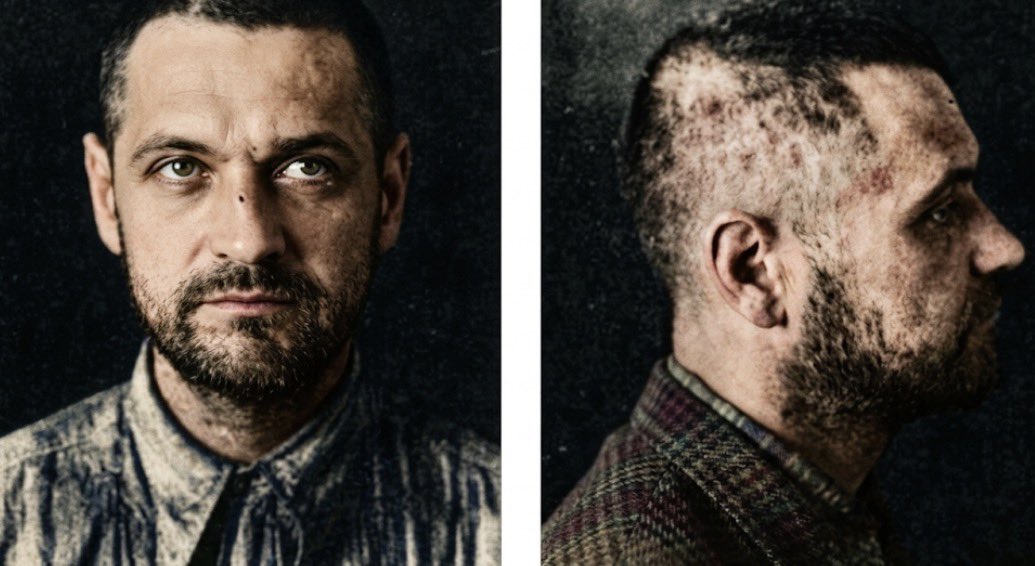
Ravensbrück: The Polish Experience and the Story of the “Rabbits” Ravensbrück was not a battlefield, yet it became one of the war’s most intimate fronts, where the human body itself was turned into a site of suffering under a system designed to erase identity. Established in 1939 as the largest concentration camp for women in the German Reich, it imprisoned thousands of Polish women - teachers, students, couriers, mothers, arrested as part of a broader effort to break a nation under occupation. Life in the camp was a slow dismantling of the human spirit. Hunger, forced labor, disease, and endless roll calls reduced prisoners to exhaustion. Selection loomed constantly, marking the line between life and disappearance. And yet, even here, Polish women formed bonds of quiet resistance, sharing food, whispering prayers, and sustaining one another in the face of systematic dehumanization. Among the most horrific chapters were the medical experiments conducted on Polish prisoners between 1942 and 1943. Known as the “Rabbits,” these young women were subjected to deliberate infections, mutilation, and surgical procedures meant to simulate battlefield wounds. Many died. Those who survived carried lifelong pain and disfigurement. What followed revealed something remarkable. When the SS sought to eliminate surviving victims, other prisoners hid them, moved them between barracks, and shared their scarce resources to keep them alive. This was resistance not of weapons, but of solidarity and refusal. After the war, many survivors returned to a silenced and devastated homeland, where their suffering was not fully acknowledged. Yet the memory endured. The Rabbits became witnesses, their scars evidence, their voices a refusal to let the truth disappear. Ravensbrück was meant to erase. Instead, it revealed the endurance of those who refused to be reduced to numbers. The Polish women imprisoned there, and the Rabbits among them, remain a testament not only to brutality, but to the quiet, unbreakable strength of human dignity.
Edward Reid tweet media
English
6
187
475
5.1K
Fire Is Born 🇵🇱 🇺🇸 🇺🇦 🇭🇳2xPhD retuiteado
Edward Reid
Edward Reid@ReidEdwardII·
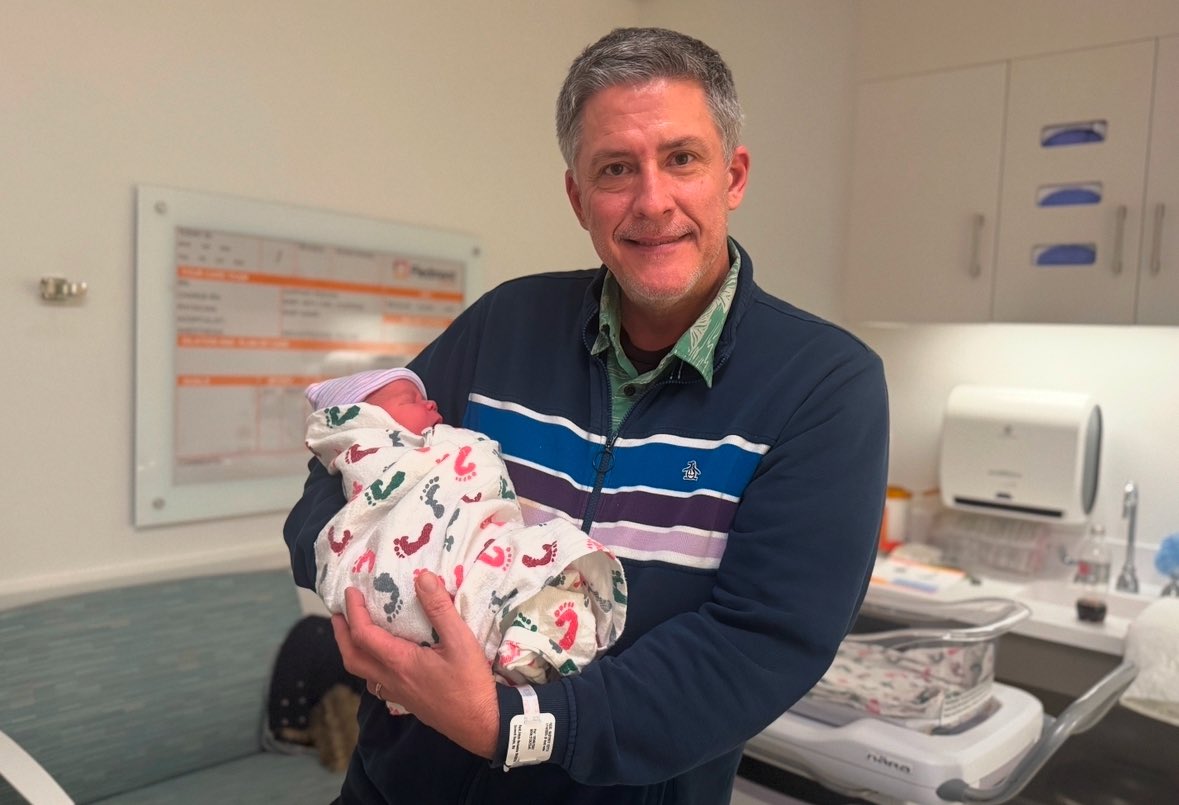
Long post: 😊 As someone not of Polish descent, I approach Polish history with an objective and committed perspective. My passion for uncovering and sharing these often-overlooked stories comes from a deep respect for the resilience and sacrifices of the Polish people. In my journey to shed light on these narratives, I’ve faced criticism, name-calling, censorship, and the spread of falsehoods. Some deliberately distort history for personal gain or to diminish the significance of Polish experiences or simply out of malice. I refuse to remain silent in the face of such lies. The truth matters, both to history and to the dignity of those who lived it. As a real Christian, I believe that truth, honor, and integrity are essential virtues. To follow Christ is to value honesty and stand for justice, even when it’s difficult or unpopular. This belief guides my work in exploring Polish history and every other aspect of life. Whether analyzing past events, current issues, or personal struggles, I am committed to revealing the truth. In a world rife with misinformation, this pursuit is a reflection of the gospel’s call to love, humility, and justice. Yet, I’m not afraid to confront evil and call out manipulators for what they truly are. I believe in speaking honestly and directly, as truth requires boldness and integrity. This commitment reminds me that all people, regardless of nationality, are made in the image of God and deserve dignity and compassion. Just as I seek to honor Poland’s history and legacy, I strive to live a life dedicated to truth in all areas. From addressing injustices in my own country to confronting global issues, I am committed to shedding light on what truly matters. Falsehoods must be challenged for the betterment of humanity, wherever they arise. To those who intentionally manipulate facts or distort history, I say this: the truth cannot be silenced. You may mislead for a time, but truth always prevails. Your actions dishonor the memory of those who suffered and are currently suffering. Accountability is not optional, it is essential for justice and healing. Poland’s history is not only a tale of oppression and struggle but a testament to the strength of the human spirit, the fight for freedom, and the belief in justice. These ideals fuel my broader mission to promote truth, compassion, and integrity. The challenges and betrayals I witness in my own country inspire me to uphold the values of honesty, compassion, and justice. Today is a special day for me as I welcome another member of my family, my namesake, Theodor (“Gift from God”). I am eager to teach him the knowledge I have, share with him the truth, and, God willing, see him become a better man than I. I also want to take a moment to thank everyone who has supported my work. Your encouragement and willingness to share my research inspire me to continue, even in difficult times. It is because of you that I remain committed to sharing the truths that must be heard. You remind me that standing by the truth, regardless of the challenges, is always worth it. To everyone who believes in the power of truth: thank you. Together, we honor the past and work toward a future grounded in honesty, dignity, and faith. Let us continue seeking the truth, confronting falsehoods, and ensuring that the legacies of courage and hope endure. Fiat Lux et Veritas
Edward Reid tweet media
English
297
545
2.6K
83.2K
Fire Is Born 🇵🇱 🇺🇸 🇺🇦 🇭🇳2xPhD retuiteado
Edward Reid
Edward Reid@ReidEdwardII·
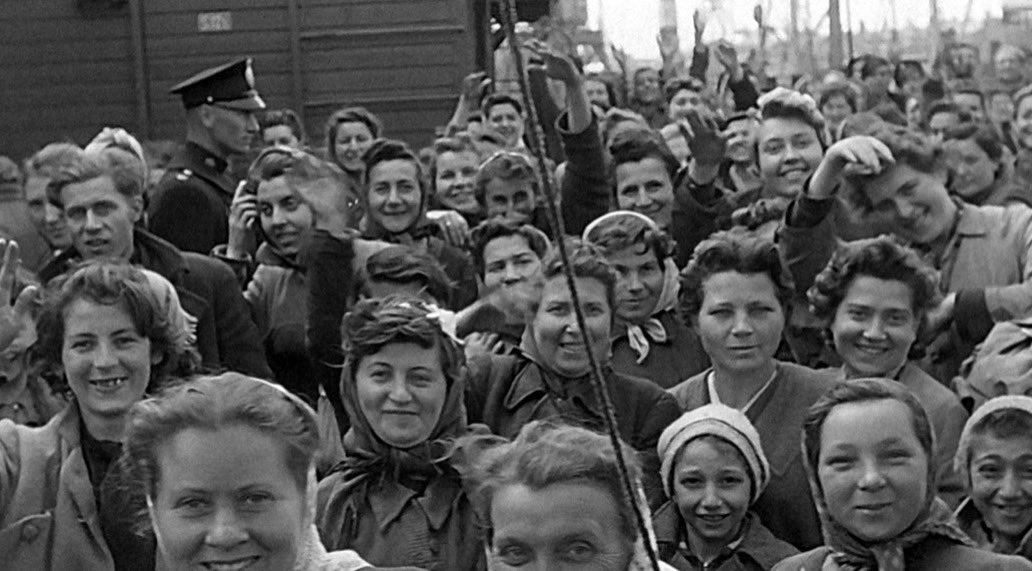
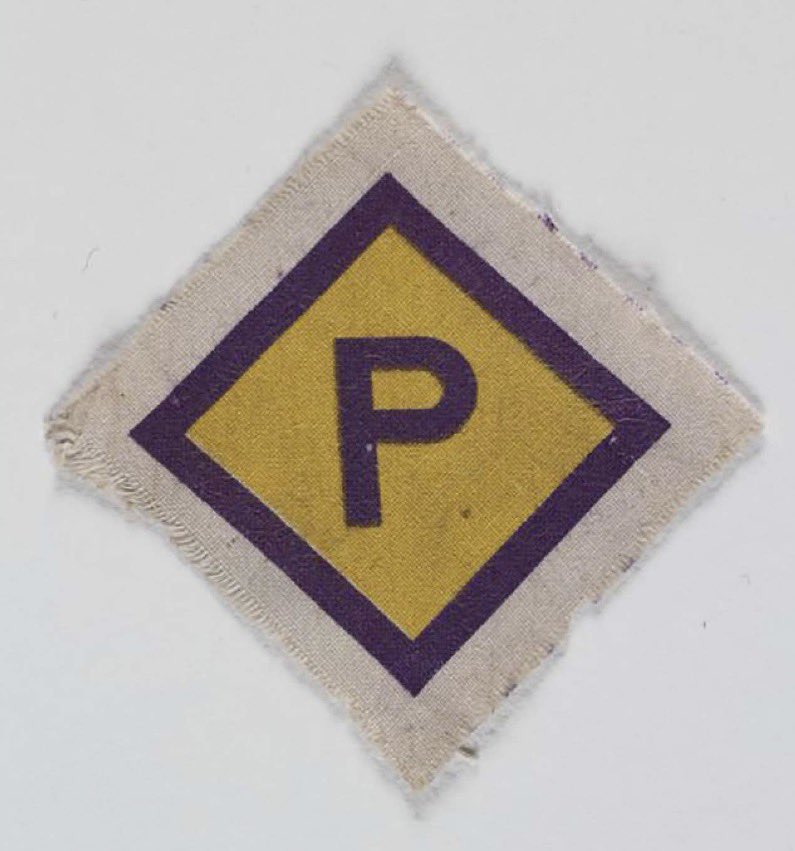
The Silence Around Polish Forced Labor: There are chapters of the war that never found their place in public memory, not because they were small, but because they were too vast, too ordinary in their suffering, and too easily folded into the background of a conflict that the world prefers to remember through its most visible horrors. Among them is the story of Polish forced laborers, millions of civilians taken from their homes and sent into the German Reich, not as prisoners of war, not as soldiers, but as a workforce stripped of rights, identity, and dignity. Beginning in the early years of occupation, German authorities implemented mass deportations of Polish men, women, and even children, transporting them by train into a system designed to extract labor at the lowest human cost. By war’s end, up to three million Polish civilians had been subjected to forced labor under the policies of Germany, making them one of the largest groups of foreign laborers within the Reich itself. They worked in factories, on farms, in households, and in industries tied directly to the German war effort, often under conditions that blurred the line between exploitation and slow destruction. They were marked, quite literally, as different. Polish laborers were required to wear a cloth badge, a simple square bearing the letter “P,” sewn onto their clothing so that they could be identified at a glance. This badge was not merely administrative. It was a declaration of status. It meant restrictions on movement, on wages, on basic human interaction. It meant curfews, segregation, and the constant threat of punishment. A Polish worker could not sit freely in a public space, could not use certain transportation, could not enter many establishments, and could be punished severely for even minor infractions, including forming relationships with Germans. The system was not only about labor, but about control and hierarchy. The occupiers viewed Poles not as equals, but as a population to be managed and diminished, their work extracted while their presence remained carefully regulated. Families were separated, communities dissolved, and identities reduced to a function. A farmer in Poland became simply a labor unit in Germany. A young woman became a domestic servant under surveillance. A child became a future worker, shaped not by education or family, but by necessity imposed from above. And yet, within this system, life continued in fragments. Letters were written when possible, brief and cautious, carrying news of survival rather than hope. Small acts of resistance appeared in quiet forms, a refusal to fully surrender one’s identity, a whispered language, a memory held onto in a foreign place. These were not grand gestures, but they mattered, because they preserved something that the system sought to erase. After the war, many of these individuals returned home, though not all, and those who did often found a country changed beyond recognition. Their suffering did not carry the same visibility as other wartime experiences. There were no defining images that the world could easily attach to them, no single location that could stand as a symbol. Their story was dispersed across farms, factories, and households, and in that dispersion, it became easier to overlook. But the scale remains undeniable. Millions of lives interrupted, redirected, and used, not in the chaos of battle, but in the calculated structure of occupation. It is a reminder that war is not only fought at the front, but imposed far from it, in places where survival becomes routine and suffering becomes ordinary. And perhaps that is why it has been so easy to forget, because there is no single moment to point to, no single image to hold onto. Only the quiet, enduring reality of people who were taken, marked, and made to work, and whose story still waits, in many ways, to be fully remembered.
Edward Reid tweet media
English
14
195
508
4.8K
Fire Is Born 🇵🇱 🇺🇸 🇺🇦 🇭🇳2xPhD retuiteado
Bobby Don Welch
Bobby Don Welch@Bobby_Don_Welch·
Albuquerque's "Better Way Forward" program, launched in 2024, hires homeless individuals at $12/hour for 5.5-hour cleanup shifts, providing immediate income and skill-building while reducing street litter by visible margins. City evaluations report an 80% decline in unsheltered homelessness since 2015 through integrated efforts, with participant testimonials supporting the post's 70% housing or job attainment claim, though exact metrics vary by source. Echoing 1930s WPA successes, this model boosts self-efficacy per studies like a 2023 Urban Institute review showing work programs double employment rates for formerly homeless adults compared to cash aid alone.
English
7
79
326
5.6K
Fire Is Born 🇵🇱 🇺🇸 🇺🇦 🇭🇳2xPhD retuiteado
Massimo
Massimo@Rainmaker1973·
In a groundbreaking social initiative, Albuquerque, New Mexico launched a program that pays homeless individuals to clean streets, parks, and public areas. The idea was simple — offers work, dignity, and purpose instead of punishment or pity. The results were remarkable: over 70% of participants have now secured permanent housing or full-time employment, transforming their lives and communities alike. The city’s “There’s a Better Way” program proves that compassion-driven policies can be more effective than traditional welfare systems.
Massimo tweet media
English
450
5K
15K
270.7K
Fire Is Born 🇵🇱 🇺🇸 🇺🇦 🇭🇳2xPhD retuiteado
Gianl1974
Gianl1974@Gianl1974·
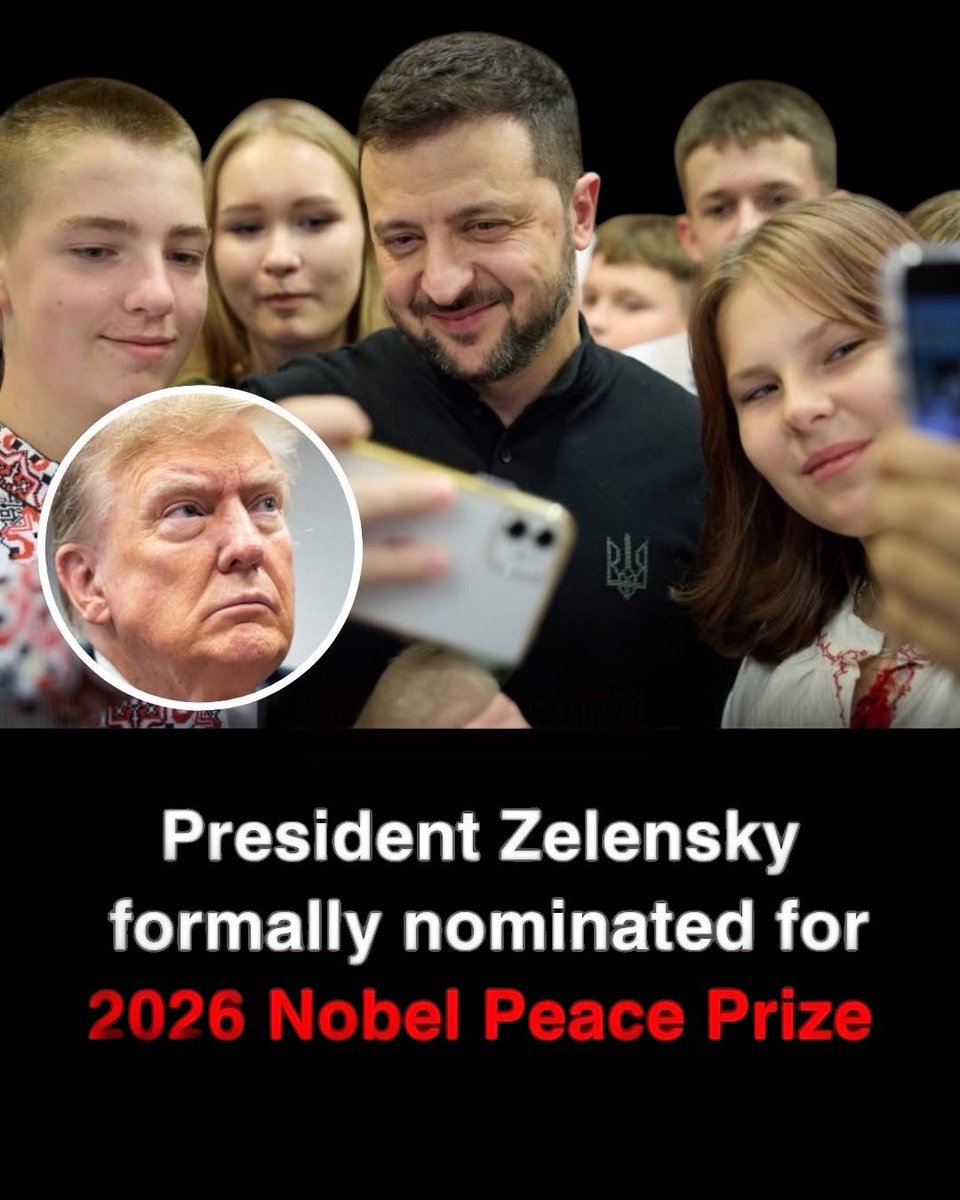
YES: Zelensky has been formally nominated for the 2026 Nobel Peace Prize — and somewhere in Mar-a-Lago, a man is absolutely losing his mind over it. The nomination was submitted by a professor at the University of Oslo, citing Zelensky and the Ukrainian people's defense of democracy against Russian aggression as a force that has helped preserve peace across Europe. The argument is straightforward: Ukraine didn't just fight for its own survival — it held the line for a continent. While Trump floats the idea of handing Ukraine over like it's some kind of real estate deal, Zelensky was busy being nominated for the Nobel Peace Prize. The contrast is almost too good. Nobel specialists have been quick to note that winning as an active wartime leader would be historically unusual — the committee tends to prefer its laureates on the other side of the conflict. But the nomination itself? That's a statement. Three hundred eligible nominators from 33 countries signed on. This isn't a fringe gesture. This is the international community making clear whose side of history it's on. And then there's Trump — who has spent years chasing the Nobel like a man obsessed, even going so far as to reportedly pressure world leaders to nominate him. He's gotten nothing. Zelensky, who has spent three years in a war zone, leading his country under the constant threat of missiles, hasn't asked for a single award — and the nominations keep coming. The Nobel Committee will announce its decision in October. Whether Zelensky wins or not almost doesn't matter at this point. The message has already been sent. And the world is paying attention. Drop a 🇺🇦 if you think Zelensky deserves it.
Gianl1974 tweet media
English
910
2.9K
8.6K
92.2K
Fire Is Born 🇵🇱 🇺🇸 🇺🇦 🇭🇳2xPhD retuiteado
Stefano
Stefano@italypete10·
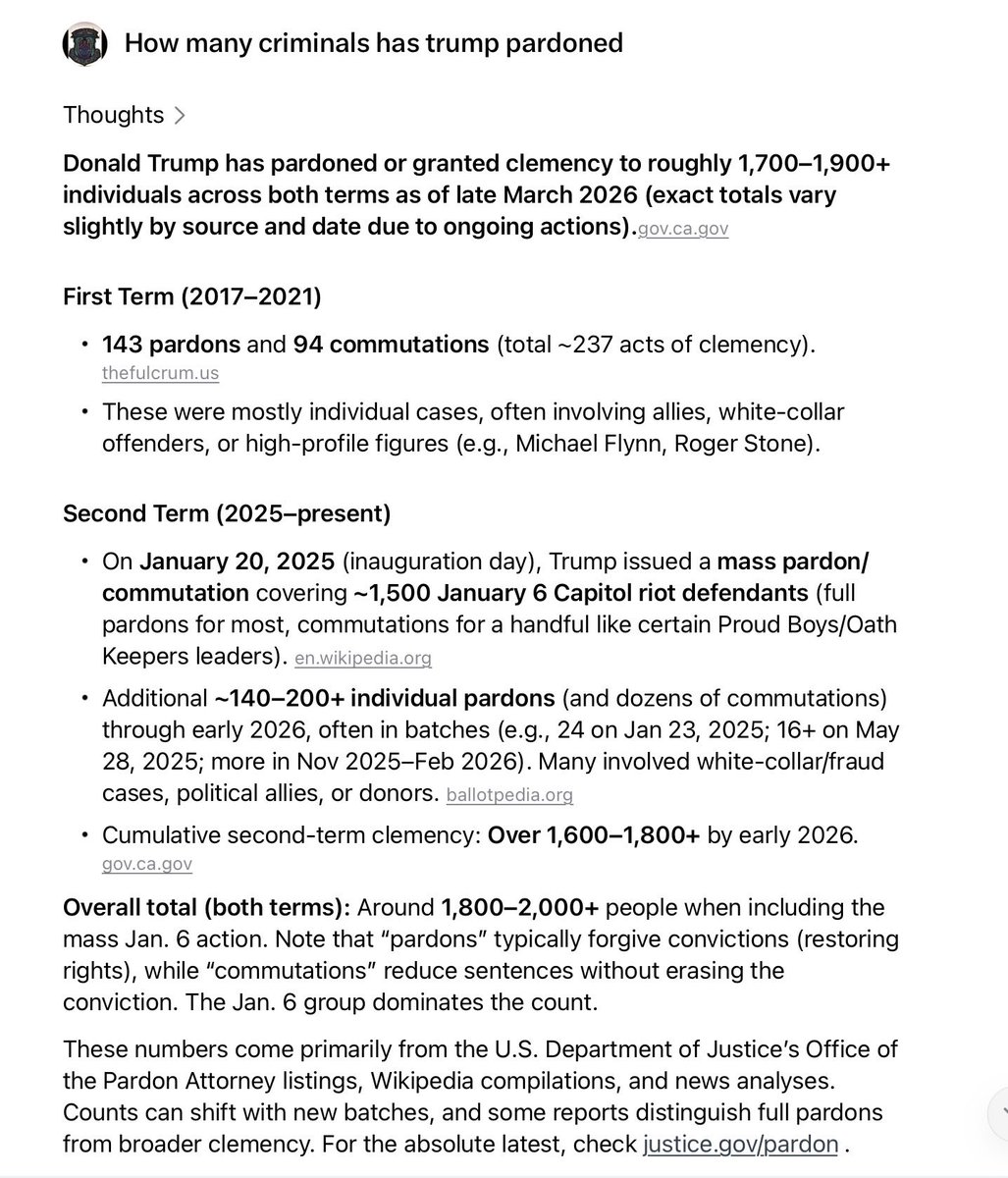
@elonmusk Funny answer since you support this clown that pardons criminals for profit.
Stefano tweet media
English
20
46
1K
19.6K
Fire Is Born 🇵🇱 🇺🇸 🇺🇦 🇭🇳2xPhD retuiteado
Oukham
Oukham@OPteemyst·
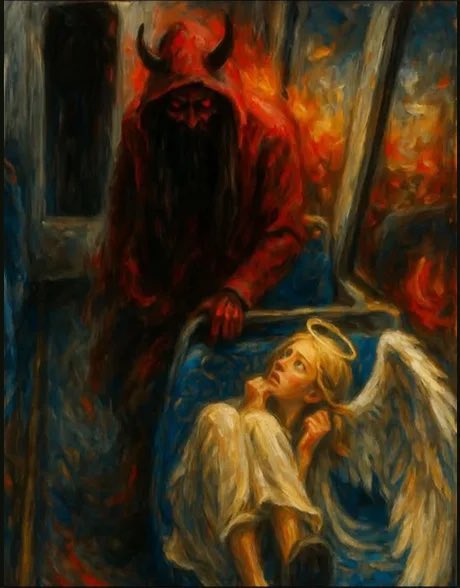
@elonmusk He who spares the demon, sacrifices the angel
Oukham tweet media
English
25
71
329
8.2K
Fire Is Born 🇵🇱 🇺🇸 🇺🇦 🇭🇳2xPhD retuiteado
Dione Nora
Dione Nora@DioneNora·
@Matt_Pinner open your eyes
Dione Nora tweet media
English
2
3
44
2.2K
Fire Is Born 🇵🇱 🇺🇸 🇺🇦 🇭🇳2xPhD retuiteado
Adam
Adam@digitalErmit·
@agent_of_change Ireland rocks too
English
0
1
2
71
Fire Is Born 🇵🇱 🇺🇸 🇺🇦 🇭🇳2xPhD retuiteado
Kimia
Kimia@Ansari_kimiya·
@agent_of_change Absolutely true. Unilateral and aggressive actions only escalate tensions and threaten regional security and peace. In the recent attacks, innocent children were killed in schools, hospitals were bombed, and media outlets, including state broadcasting facilities,
English
1
1
3
81
Fire Is Born 🇵🇱 🇺🇸 🇺🇦 🇭🇳2xPhD retuiteado
Carlos
Carlos@agent_of_change·
“Prime Minister Pedro Sánchez has explicitly condemned the US and Israel’s ‘unilateral military action’ against Iran, warning that it is contributing to ‘a more hostile and uncertain international order’. The rebukes have been reinforced by his government’s refusal to allow the US to use bases in Rota and Morón for the continuing strikes against Iran.” Spain continues to be the only state in Western Europe with an approach to international relations that isn’t utterly bonkers.
Carlos tweet media
English
11
117
327
16.7K