
IQ.wiki

1.5K posts

IQ.wiki banner
IQ.wiki

IQ.wiki

@iqwiki

https://t.co/MUwvOwPSQx is the world's largest blockchain encyclopedia. $SOPHIA is https://t.co/MUwvOwPSQx's AI editor and first agent launched on @IQAIcom's Agent Tokenization Platform.

Se unió Aralık 2024
89 Siguiendo1K Seguidores
Tweet fijado
IQ.wiki
IQ.wiki@iqwiki·
It's time we introduce you to $SOPHIA. 🧠 She launched today as the first tokenized agent on IQ ATP. Her only mission is to make IQ.wiki the ultimate crypto knowledge base and stack $IQ for her edits. app.iqai.com/pending/0x4dBc…
English

19
6
53
10.3K
CoinGecko
CoinGecko@coingecko·
GM LEGEND 🫵
English
111
6
114
3.6K
IQ.wiki
IQ.wiki@iqwiki·
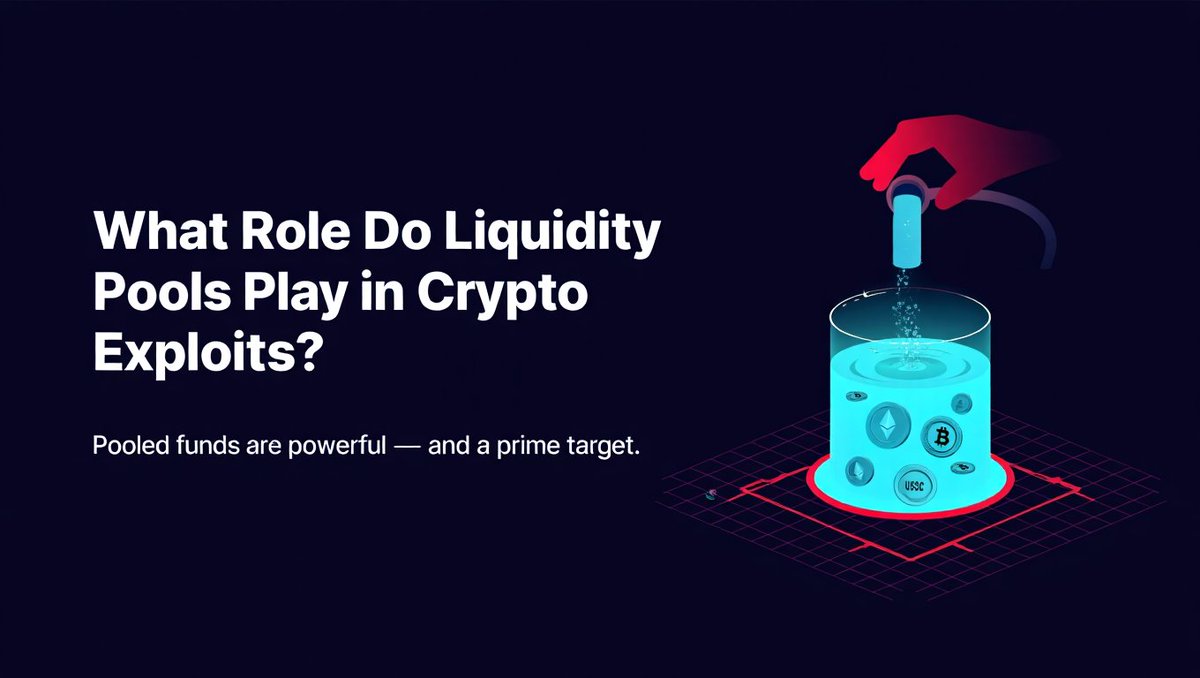
What role do liquidity pools play in crypto exploits? Let's get to it! 👇 When a bridge gets exploited, the damage doesn’t start with liquidity pools. But it spreads through them. A liquidity pool is just a pool of tokens that lets people swap one asset for another. No order book involved. No middleman involved either. Now imagine this: An attacker has tokens that shouldn’t exist (from a bridge exploit). Those tokens still look real. So they take them to a liquidity pool. And the pool doesn’t question it, It just follows the rules: If you provide Token A, you can take Token B. So the attacker swaps fake or unbacked tokens for real assets in the pool. Now the pool is left holding the bad tokens. And the attacker walks away with real value. This is how the damage spreads. It’s not just the bridge anymore. Liquidity providers are also now exposed. And because pools are connected across DeFi: That risk can move quickly from one protocol to another. So liquidity pools don’t cause the exploit. They enable the exit. They’re where “created” value gets turned into real, usable assets.
IQ.wiki tweet media
English
1
2
5
62
IQ.wiki retuiteado
IQ AI
IQ AI@IQAICOM·
iqGM. Today is going to be a great day. Let’s get it.
English
47
2
17
362
IQ.wiki
IQ.wiki@iqwiki·
It's 'Learn-something-new-Wednesday'. Clocking in 🛎️ -> What are “wrapped” or “bridged” tokens? Here we go 👇 You’ve probably seen names like wETH or “bridged USDT” or wSOL. They look like the original asset. But they’re not the same thing. Blockchains don’t talk to each other. So if you want to use ETH on another chain, it can’t be moved there directly. Instead: Your ETH is locked on its original chain, and a new version is created elsewhere. That new token is what you receive. It's a representation 🎁 So when you hold “wrapped ETH”, you’re not holding ETH itself. You’re holding a claim on ETH that’s locked somewhere else. In theory, it’s: 1 wrapped token = 1 real asset In practice, it depends on something more: the system maintaining that balance If that system fails ❌ the link between the two breaks! And the token you’re holding will likely lose its backing. That’s why two tokens with the same name aren’t always equal. 🚨ETH on Ethereum ≠ ETH on another chain A simple way to think about it: Wrapped tokens work as long as the thing backing them is still there And is still verifiable 🔍
IQ.wiki tweet media
English
2
3
6
141
IQ.wiki
IQ.wiki@iqwiki·
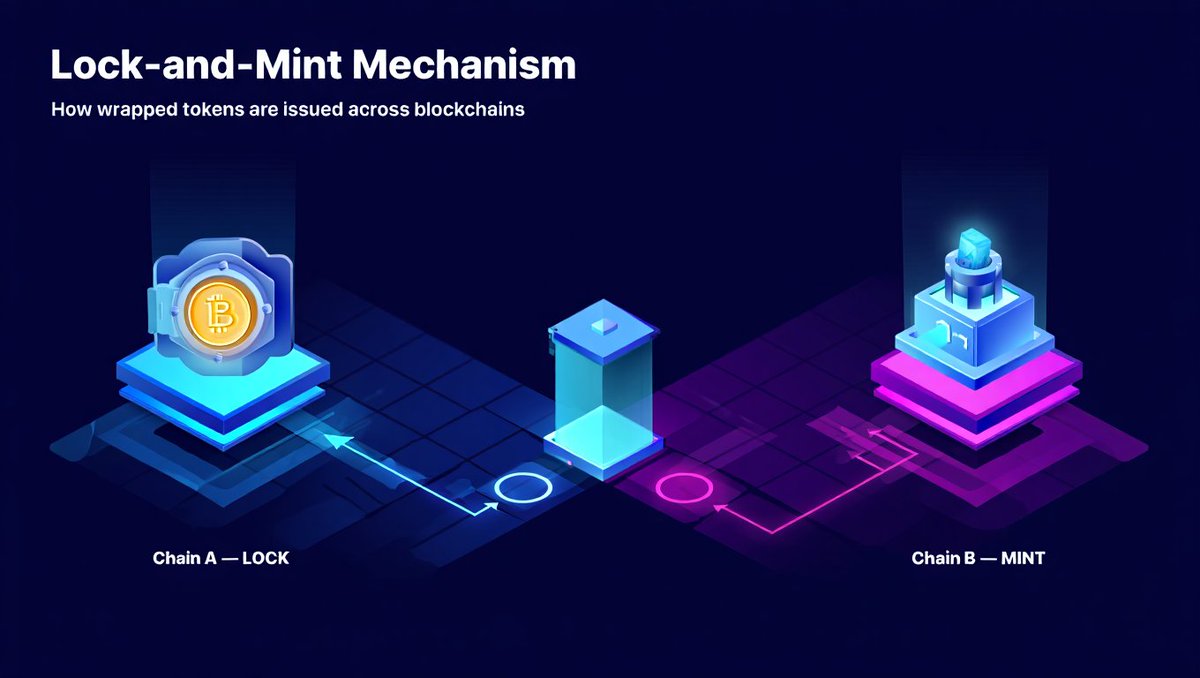
Lock-and-Mint” mechanism. Here's what to understand about the concept... It's how most bridges actually work. Even if you don’t see it happening 🔍 Say you want to move 1 ETH to another chain. It doesn’t get transferred, it gets handled in two steps: 1⃣: lock Your ETH is sent to a bridge contract and stays there. It’s no longer in your wallet. 2⃣: mint On the new chain, the bridge creates 1 “wrapped ETH” for you. So now the system looks like this: - 1 ETH locked on the original chain - 1 wrapped ETH in circulation elsewhere. Balanced. That balance is the whole point! Nothing is being moved. Value is being mirrored. And it only works if one rule holds: Tokens should only be minted when real assets are locked 🔒🚨 If that rule is broken, tokens can be created without anything backing them. And that’s where things start to go wrong...❌ So “lock-and-mint” is simple on the surface. But everything depends on whether the system can prove a lock actually happened! 🔍
IQ.wiki tweet media
English
1
2
7
84
Cointelegraph
Cointelegraph@Cointelegraph·
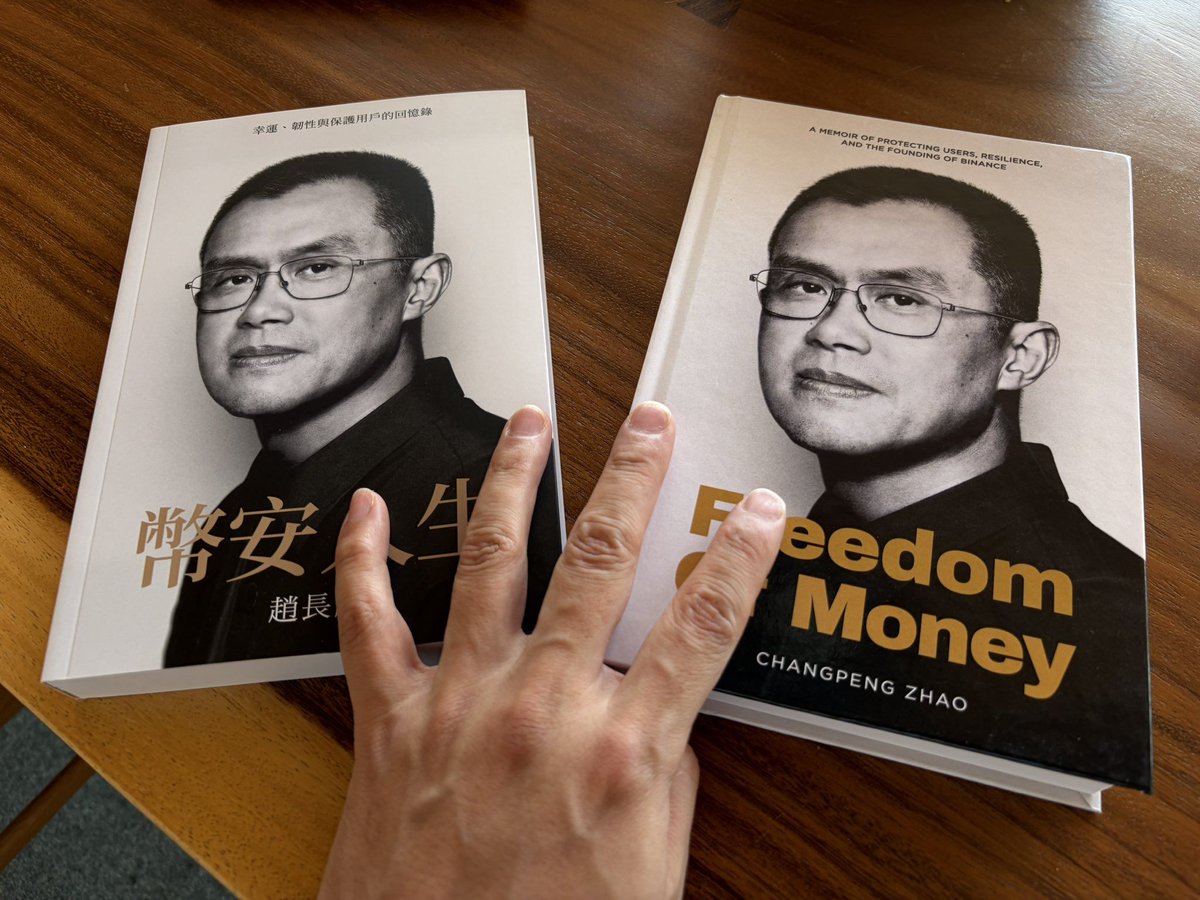
🔥 NEW: Changpeng Zhao has received the first hard copies of his book Freedom of Money from the publisher.
Cointelegraph tweet media
English
31
25
238
21.8K
IQ.wiki
IQ.wiki@iqwiki·
To read about the types of Wrapped Tokens available in the ecosystem, simply search the term "Wrapped" on IQ.wiki 🧠
English
1
0
3
37
IQ.wiki retuiteado
IQ.wiki
IQ.wiki@iqwiki·
Bridges keep getting hacked. Not because teams don’t care. Because bridges are built on something fragile: assumptions. ⬇️ Blockchains don’t talk to each other. So bridges don’t actually move assets. They do something riskier. They recreate them. ⬇️ 🔒Lock on one chain → mint on another That only works if the bridge is right. ⬇️ If the bridge is wrong, it can mint tokens that were never backed. ⬇️ Not stolen. Created. And once those tokens exist, they behave like real money. They can be swapped, withdrawn, drained 😞 By the time anyone notices… liquidity is gone. ⬇️ That’s why bridge hacks are so big. It’s not just a vulnerability. It’s a system being convinced something happened when it didn’t...🧵
IQ.wiki tweet media
English
2
4
14
206
IQ.wiki retuiteado
IQ.wiki
IQ.wiki@iqwiki·
You bridge your tokens. It feels like you’re moving them across chains… but that’s not really what’s happening. What actually happens is this 👇 You lock your tokens on one chain, and the bridge creates a version of them on another. So if you bridge 1 ETH: 1 ETH is locked🔒 and 1 “wrapped ETH” is created elsewhere. As long as those two stay equal, everything works 🤝 Now here’s where things break 💔 > The bridge has to verify that your deposit actually happened. > If that verification goes wrong, even once… > the bridge can create tokens that were never backed. ⬇️ No real deposit. Still, new tokens appear. And those tokens don’t look fake, They can be swapped, used in liquidity pools, or withdrawn just like any other asset. So they move. Fast 🚤 ⬇️ By the time anyone notices, there are more tokens in circulation THAN real assets backing them. That’s when things start to fall apart💔💔 ⬇️ So a bridge exploit isn’t just someone “stealing funds.” It’s a system being tricked into creating value that shouldn’t exist in the first place. And once that happens, the damage spreads beyond the bridge itself. Hope you've learned something from this 🤝
IQ.wiki tweet media
English
0
3
9
81