
Michigan Advanced Biofuels Coalition

1.5K posts

Michigan Advanced Biofuels Coalition banner
Michigan Advanced Biofuels Coalition

Michigan Advanced Biofuels Coalition

@MiBiofuels

MiABC helps support energy security and improve air and environmental quality in Michigan by promoting the use of renewable advanced biofuels!

St Joseph, MI Se unió Haziran 2022
333 Siguiendo244 Seguidores
Tweet fijado
Michigan Advanced Biofuels Coalition
New here? Welcome! The Michigan Advanced Biofuels Coalition (MiABC) supports energy security and improved air and environmental quality in Michigan by promoting the domestic use and production of advanced biofuels like biodiesel, renewable diesel, and sustainable aviation fuel!
Michigan Advanced Biofuels Coalition tweet media
English
0
0
0
316
Michigan Advanced Biofuels Coalition
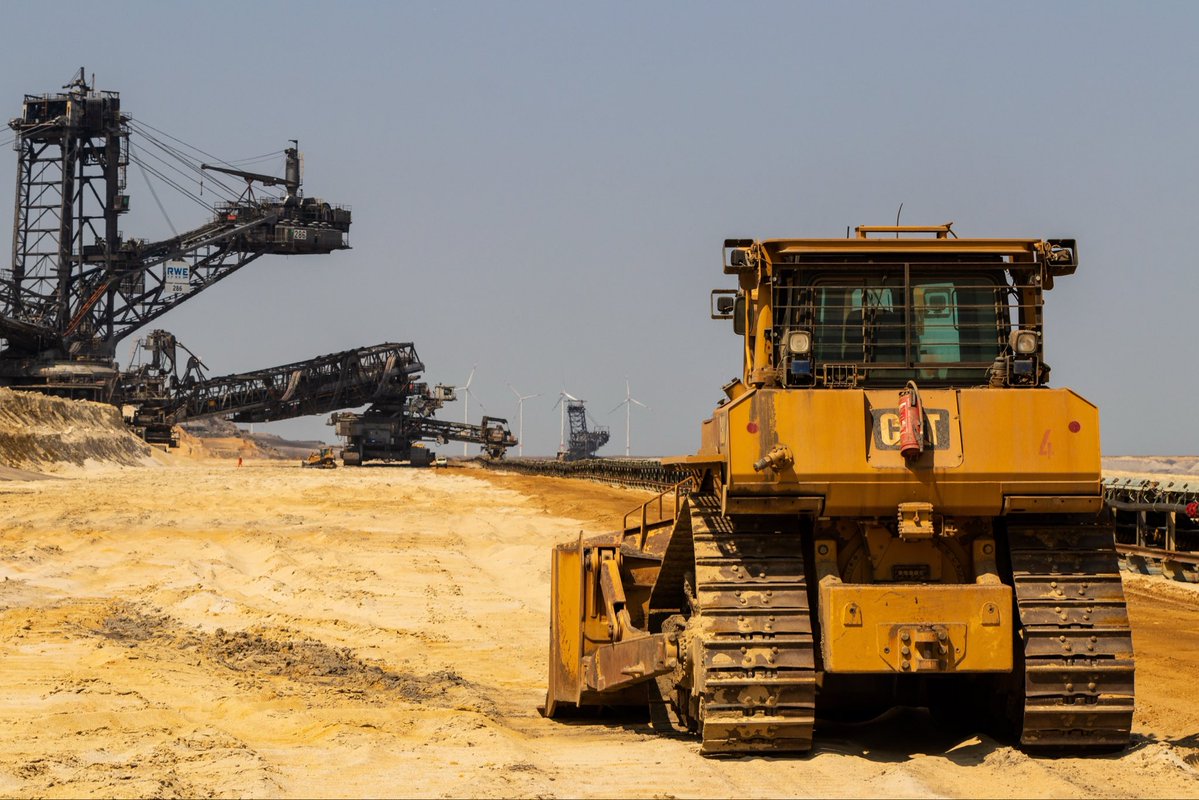
Biodiesel is proving to be a practical, ready-now solution for mining and heavy equipment—delivering immediate air quality benefits while working in the machines companies rely on. In mining environments where operators spend long hours around idling and high-load equipment, switching to biodiesel can significantly reduce harmful emissions like particulate matter (PM), carbon monoxide (CO), and hydrocarbons (HC), helping create healthier worksites without waiting on new technology or fleet turnover. Importantly, support for biodiesel isn’t limited to one or two manufacturers—it’s recognized across the heavy-duty and off-road equipment industry. Global leaders like Caterpillar, John Deere, Komatsu, Volvo Construction Equipment, and AGCO have all publicly acknowledged the role of biodiesel and other renewable fuels in reducing emissions and supporting customer sustainability goals. This broad industry alignment reflects a key reality: biodiesel works with the existing diesel platform that dominates mining, construction, and industrial operations. Even more, many older diesel units—especially pre-Tier 4 equipment—often operate on higher blends like B50 and B100—reducing carbon emissions by more than 70% on average. That creates an immediate opportunity for fleets to maximize emissions reductions today, using the equipment they already own. With strong industry backing, proven compatibility, and real-world performance in demanding environments, biodiesel offers a scalable path to cleaner air, improved worker health, and lower lifecycle emissions across the mining sector—right now, not years down the road.
Michigan Advanced Biofuels Coalition tweet media
English
0
0
0
3
Michigan Advanced Biofuels Coalition
Monday morning, a fresh start—and the perfect time to consider what’s next. As the world shakes off winter and prepares for a new season, it’s a chance to take that first step toward a cleaner, more sustainable operation. Whether it’s switching to biobased diesel fuels like biodiesel or renewable diesel, or exploring safer, high-performing biobased products, small changes today can create meaningful impacts on air quality, public health, and your bottom line. New season. New momentum. Why not make this the week you begin your biobased journey? When you're ready, we're here to help!
English
0
0
0
14
Michigan Advanced Biofuels Coalition
Across Michigan, school districts are exploring ways to protect student health, reduce emissions, and manage costs — and biodiesel combined with advanced clean diesel engines provides solutions for all three. School buses operate near children, so air quality is essential. Biodiesel blends like B20 cut harmful emissions such as particulate matter, carbon monoxide, and hydrocarbons compared to petroleum diesel — helping to create cleaner air around bus stops and schools. Equally important, biodiesel is compatible with existing diesel engines, enabling districts to lower emissions right away without expensive fleet upgrades or new infrastructure. When paired with advanced clean diesel technologies, emissions can be reduced by upwards of 98% compared to older diesel engines. That’s a significant achievement! Leaders like Cook-Illinois Corporation, a national leader in school bus decarbonization, have already demonstrated what’s possible, using B20 across their diesel fleet for years. Their success illustrates how fleets can take meaningful steps toward decarbonization today without sacrificing performance or your bottom line. For Michigan schools, biodiesel offers a practical, scalable solution that promotes cleaner air, stronger communities, and support for local agriculture. Learn more: MiAdvancedBiofuels.com
Michigan Advanced Biofuels Coalition tweet media
English
0
1
2
23
Michigan Advanced Biofuels Coalition
The Detroit Wayne County Port Authority is taking meaningful steps to cut emissions and improve air quality across one of the Great Lakes region’s key transportation hubs—showing that decarbonization doesn’t have to wait. Through a collaborative planning and outreach effort, Port Detroit has partnered with Tunley Environmental and Southwest Detroit Environmental Vision (SDEV) to develop and implement strategies that focus on both environmental progress and community health. This work reflects a strong commitment to engaging local stakeholders while advancing practical, scalable solutions. A key part of that strategy is the use of biodiesel—an immediately available, lower-carbon fuel that works with today’s engines and infrastructure. By promoting the use of biodiesel blends in marine and land-based operations, the Port demonstrates how ports can lower greenhouse gas emissions, reduce particulate matter, and improve air quality without costly equipment overhauls. The Port has also worked with the Michigan Advanced Biofuels Coalition, Warner Petroleum Corporation, and Waterfront Petroleum Terminal to support education initiatives and ensure reliable access to biodiesel. These partnerships help build the supply chains and technical knowledge needed to expand adoption across the region. As ports nationwide look for ways to meet sustainability goals, Port Detroit proves that solutions like biodiesel can have an immediate impact—supporting cleaner air, stronger supply chains, and a more resilient energy future today.
Michigan Advanced Biofuels Coalition tweet media
English
0
0
0
16
Michigan Advanced Biofuels Coalition retuiteado
Clean Fuels Alliance America
Clean Fuels Alliance America@CleanFuelsAA·
📢 There's still time to register for the 2026 Sustainability Workshop! This year's workshop takes a bold step forward, tackling the critical questions shaping the future of #biodiesel, #renewablediesel and #SAF. We're diving deep into the frameworks and methodologies that will define how we measure, verify and advance environmental sustainability in the years ahead. Whether you're working to streamline environmental accounting, improve transparency or identify cost-effective pathways to decarbonize, this is the event where the biomass-based diesel community comes together to tackle the toughest questions and advance sustainable solutions. Don't miss this opportunity to be part of the conversation shaping the future of #cleanfuels. 📍 Kansas City, Missouri 📆 April 27-29 Learn more about the workshop and find the registration link here: bit.ly/3NFYJ3e
English
0
2
3
155
Michigan Advanced Biofuels Coalition retuiteado
Clean Fuels Alliance America
Clean Fuels Alliance America@CleanFuelsAA·
Biodiesel can be used in existing diesel equipment delivering carbon reductions now, not years from now. For heavy-duty vehicles like school buses, #biodiesel enhances performance with better engine lubricity, smoother operation and reduced wear—helping fleets run reliably while cutting emissions for students and drivers. Visit cleanfuels.org to learn how #cleanfuels are providing cleaner air for our communities. #BetterCleanerNow
English
1
6
7
287
Michigan Advanced Biofuels Coalition
While April Fools’ Day may be over, misinformation about biodiesel continues. We're here to clear things up! Today's biodiesel is proven, reliable, and ready to perform. Biodiesel offers superior lubricity and higher cetane levels compared to petroleum diesel. These qualities can improve engine performance and extend engine life—while also helping to cut emissions that impact public health. Beyond the engine, these fuels increase energy security by reducing dependence on imported petroleum and diversifying our fuel supply with domestically produced, renewable sources. They also support farmers and keep energy dollars circulating within local economies. No tricks, no "gotcha!" moments—just real-world solutions available today!
Michigan Advanced Biofuels Coalition tweet media
English
0
0
0
18
Michigan Advanced Biofuels Coalition
The final Renewable Fuel Standard (RFS) Renewable Volume Obligations (RVOs) from the US EPA are officially set—providing much-needed certainty to fuel producers, farmers, and fleets. The updated RVOs highlight the importance of biodiesel, renewable diesel, and other low-carbon fuels as accessible, locally produced solutions available today. These fuels support domestic agriculture, bolster energy independence, and help decrease harmful emissions—enhancing air quality and public health. It sends a strong signal that cleaner, locally-produced fuels remain vital to our energy future. Learn more: miadvancedbiofuels.com/2026/03/epa-re…
English
0
0
0
20
Michigan Advanced Biofuels Coalition
The Michigan Advanced Biofuels Coalition (MiABC) brings together farmers, fuel providers, fleets, and decision-makers to expand the use of biodiesel, renewable diesel, and sustainable aviation fuel (SAF) across the state. Why it matters: 🌱 Strengthens Michigan’s soybean economy 🚛 Helps fleets cut lifecycle carbon emissions today ⛽ Supports in-state production and value-added processing 🌎 Delivers cleaner air without requiring new infrastructure Biofuels aren’t a future concept — they’re a practical, scalable solution working right now in Michigan. If you’re ready to be part of the movement, let’s connect!
Michigan Advanced Biofuels Coalition tweet media
English
0
0
1
28
Michigan Advanced Biofuels Coalition
Happy National Agriculture Day! 🚜 Today, we celebrate the farmers, producers, and agricultural innovators who keep America running. From the food on our tables to the fuel in our tanks, agriculture plays a vital role in powering our economy and our communities. One of the most exciting connections between agriculture and energy is advanced biofuels. Ag products and by-products are used to produce high-quality biodiesel, renewable diesel, and sustainable aviation fuel (SAF)—cleaner-burning fuels that reduce emissions, strengthen domestic energy security, and create new markets for farmers. Every gallon of renewable fuel used helps support rural economies while turning homegrown harvests into practical solutions for transportation and industrial uses. For soybean farmers in particular, the growing demand for biodiesel, renewable diesel, and SAF is opening new opportunities and adding value across the entire supply chain—from the farm field to truck fleets, ships on the Great Lakes, and even airplanes. As we celebrate National Agriculture Day, it’s a great reminder that America’s farmers aren’t just feeding the world—they’re helping fuel it too! Learn more: MiAdvancedBiofuels.com
Michigan Advanced Biofuels Coalition tweet media
English
0
1
1
22
Michigan Advanced Biofuels Coalition retuiteado
Clean Fuels Alliance America
Clean Fuels Alliance America@CleanFuelsAA·
Biodiesel can be used in existing diesel equipment to provide immediate carbon reductions and cleaner air for our communities. Given its higher lubricity, #biodiesel is safer to transport and easier on your engine’s daily wear and tear, making it the most cost-effective option for reducing emissions now. Learn more about the benefits: cleanfuels.org/biodiesel-tool… #BetterCleanerNow
Clean Fuels Alliance America tweet media
English
0
3
7
275
Michigan Advanced Biofuels Coalition
Happy National Biodiesel Day! What better way to celebrate a fuel that started as an agricultural innovation and became a vital part of America’s clean energy mix than on the birthday of Rudolf Diesel, the inventor of the diesel engine? It's widely known that Diesel's original engine design in the late 1800s was meant to run on peanut oil—an idea that, in many ways, laid the foundation for today's biodiesel industry. In the United States, biodiesel’s growth has largely been driven by farmers. Through investments made with soybean checkoff dollars beginning in the late 1980s and early 1990s, soybean growers funded key research, engine testing, and fuel quality enhancements that helped turn biodiesel from an idea into a commercially available fuel. What began as small pilot projects has expanded into a national network of dozens of commercial biodiesel plants producing nearly 2 billion gallons annually—with room to grow. Biodiesel is now used by fleets, municipalities, farmers, and fuel distributors across the country to improve energy security, lower emissions, and boost performance. Thanks to decades of innovation, collaboration, and farmer-led efforts, biodiesel has become one of the most successful advanced biofuels in the United States. It supports American agriculture, enhances domestic energy production, and supplies fleets with a cleaner-burning fuel that works with existing diesel engines. So, on National Biodiesel Day, we celebrate the farmers, researchers, fuel producers, fleets, and advocates who have built this industry—and continue to drive it forward each and every day!
Michigan Advanced Biofuels Coalition tweet media
English
0
3
5
124
Michigan Advanced Biofuels Coalition
Happy St. Patrick’s Day! 🍀 While St. Patrick’s Day is often associated with celebrations and wearing green, it also serves as a powerful reminder that our daily choices can help create a greener, healthier future. One way to do this is to opt for biobased fuels and products made from natural materials, which are better for the environment and the air we breathe! Around the world, biobased fuels and products are helping fleets, businesses, and communities make more sustainable choices every day. Fuels like biodiesel and renewable diesel—produced from renewable resources such as excess soybean oil and used cooking oil—reduce lifecycle greenhouse gas emissions and harmful pollutants compared to petroleum diesel. This results in cleaner air and healthier communities. Biobased products further extend that positive impact. From lubricants and cleaners to tires, foams, plastics, and asphalt additives, items made from renewable agricultural materials help lessen dependence on fossil resources while supporting farmers and rural economies. So, this St. Patrick’s Day, remember that the most environmentally friendly choices are those that protect our air, support our economy, and foster a more sustainable future! 🌱 Cleaner 🌱 Healthier 🌱 Renewable 🌱 Reliable That’s the kind of green worth celebrating!
Michigan Advanced Biofuels Coalition tweet media
English
0
0
2
19
Michigan Advanced Biofuels Coalition
A recent article in Seaway Review highlights how biodiesel and other renewable fuels are gaining traction as drop-in solutions to help decarbonize maritime operations across the Great Lakes region. The piece explores the opportunities, challenges, and policy landscape shaping the future of cleaner marine fuels. If you’re interested in the intersection of shipping, energy, and sustainability in the Great Lakes, this is a great read. 👉 Read the full article: seawayreview.com/the-path-forwa…
Michigan Advanced Biofuels Coalition tweet media
English
0
0
1
16
Michigan Advanced Biofuels Coalition retuiteado
Clean Fuels Alliance America
Clean Fuels Alliance America@CleanFuelsAA·
A new study shows that Low Carbon Fuel programs are not the costly burden critics claim—they are a smart, market-based policy that deliver more value than predicted. Learn more from Clean Fuels Director of State Regulatory Affairs, Cory-Ann Wind: cleanfuels.org/low-carbon-fue…
English
0
2
1
183