ZeitlingerLab

166 posts

ZeitlingerLab banner
ZeitlingerLab

ZeitlingerLab

@ZeitlingerLab

Our long-term research goal is to understand and predict gene regulation based on DNA sequence information and genome-wide experimental data.
Kansas City, MO Se unió Aralık 2018
92 Siguiendo886 Seguidores
ZeitlingerLab
ZeitlingerLab@ZeitlingerLab·
(10/10) PISA is, at its core, a way to ask how one stretch of DNA affects a biological signal in its surrounding region. If you want to try it out, our complete software suite is available here: github.com/mmtrebuchet/bp…
English
0
1
1
174
ZeitlingerLab
ZeitlingerLab@ZeitlingerLab·
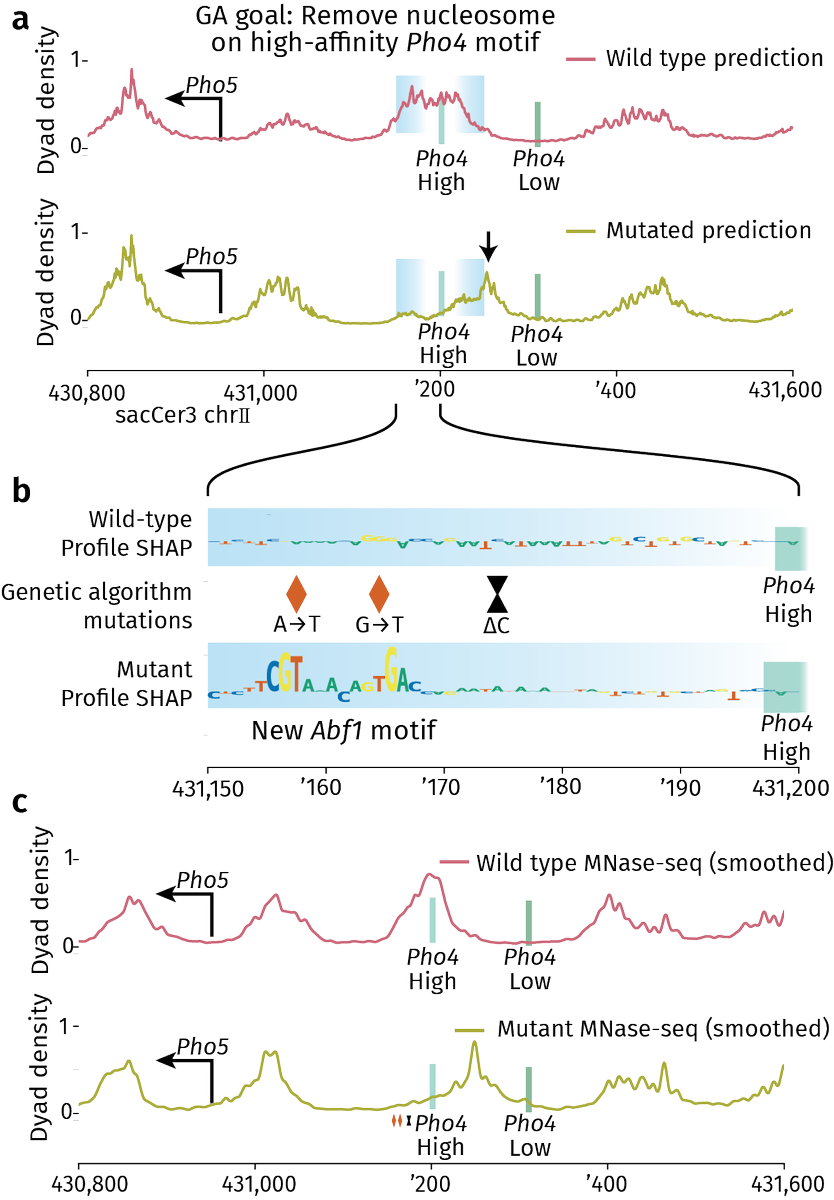
(9/10) Our BPReveal package provides tools to engineer sequences with desired properties. For example, we designed mutations to alter a nucleosome’s presence in vivo, and our design was corroborated experimentally.
ZeitlingerLab tweet media
English
1
4
3
1.2K
ZeitlingerLab
ZeitlingerLab@ZeitlingerLab·
The new updates for Charles McAnany’s preprint “Positional Interpretation of Cis-Regulatory Code and Nucleosome Organization with Deep Learning Models” (biorxiv.org/content/10.110…) are up! We introduce PISA, a tool to visualize the cis-regulatory code. See a recap below:
English
1
13
58
10.5K
ZeitlingerLab
ZeitlingerLab@ZeitlingerLab·
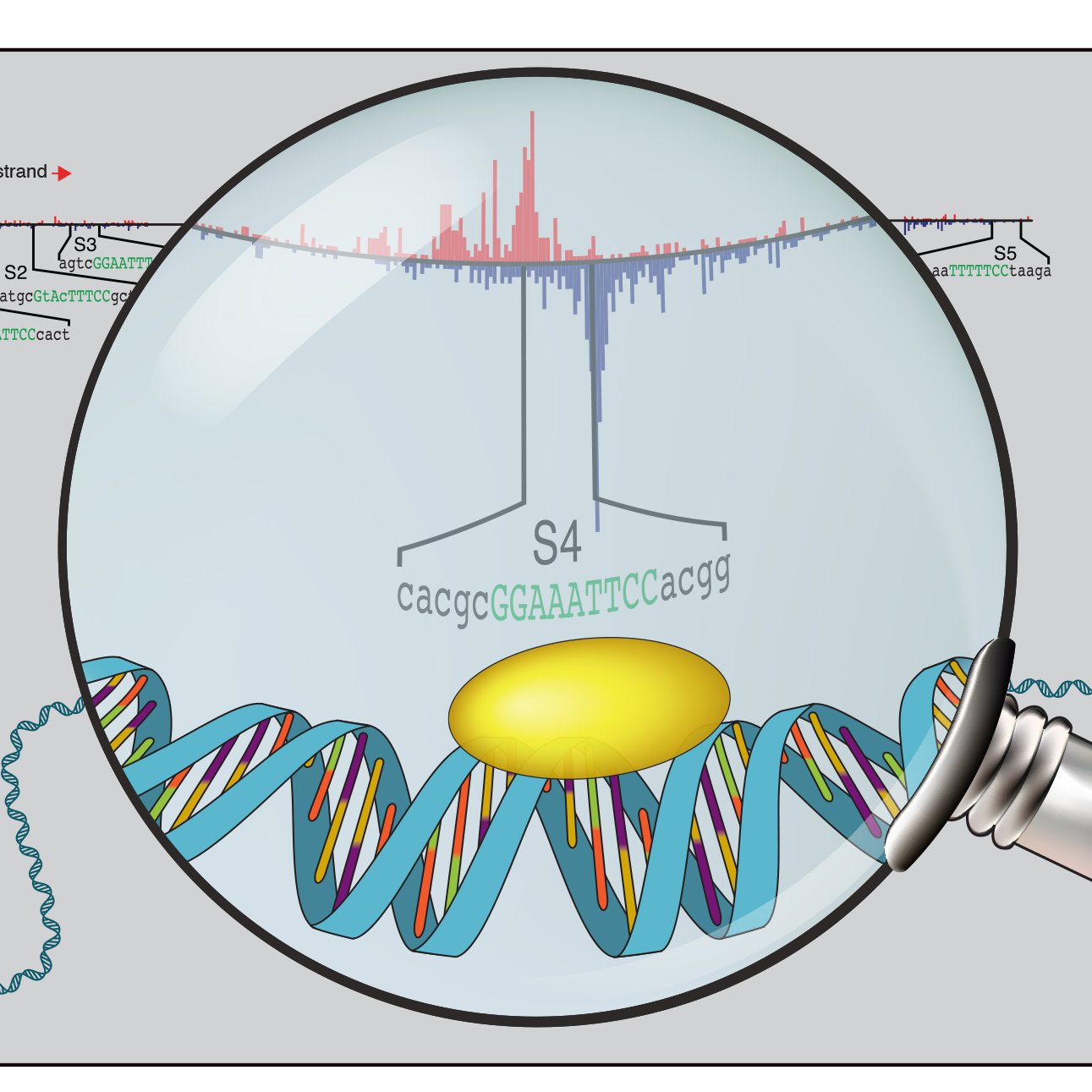
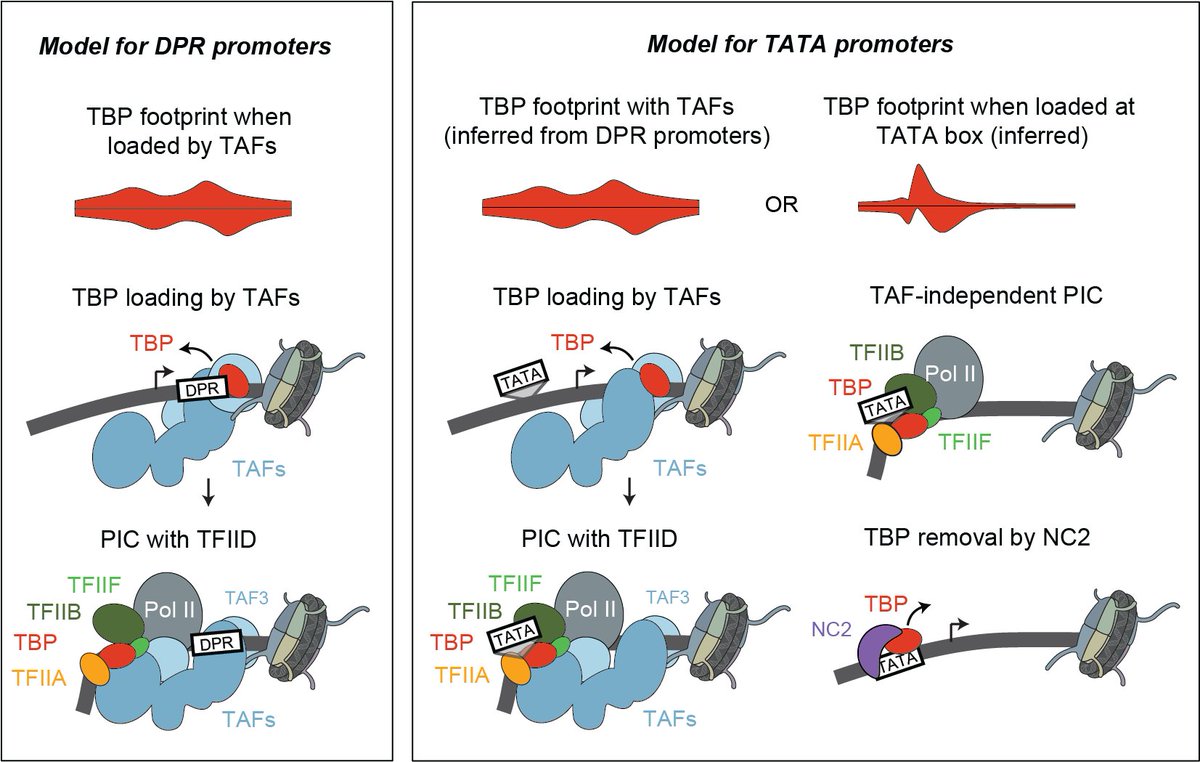
(7/7) Our Model: All promoters use TFIID to load TBP, but TATA promoters additionally allow direct TBP binding to the TATA box. Such dual initiation likely enables faster TBP re-loading and larger transcriptional bursts at TATA promoters. For more details, check out our work!
ZeitlingerLab tweet media
English
0
0
0
86
ZeitlingerLab
ZeitlingerLab@ZeitlingerLab·
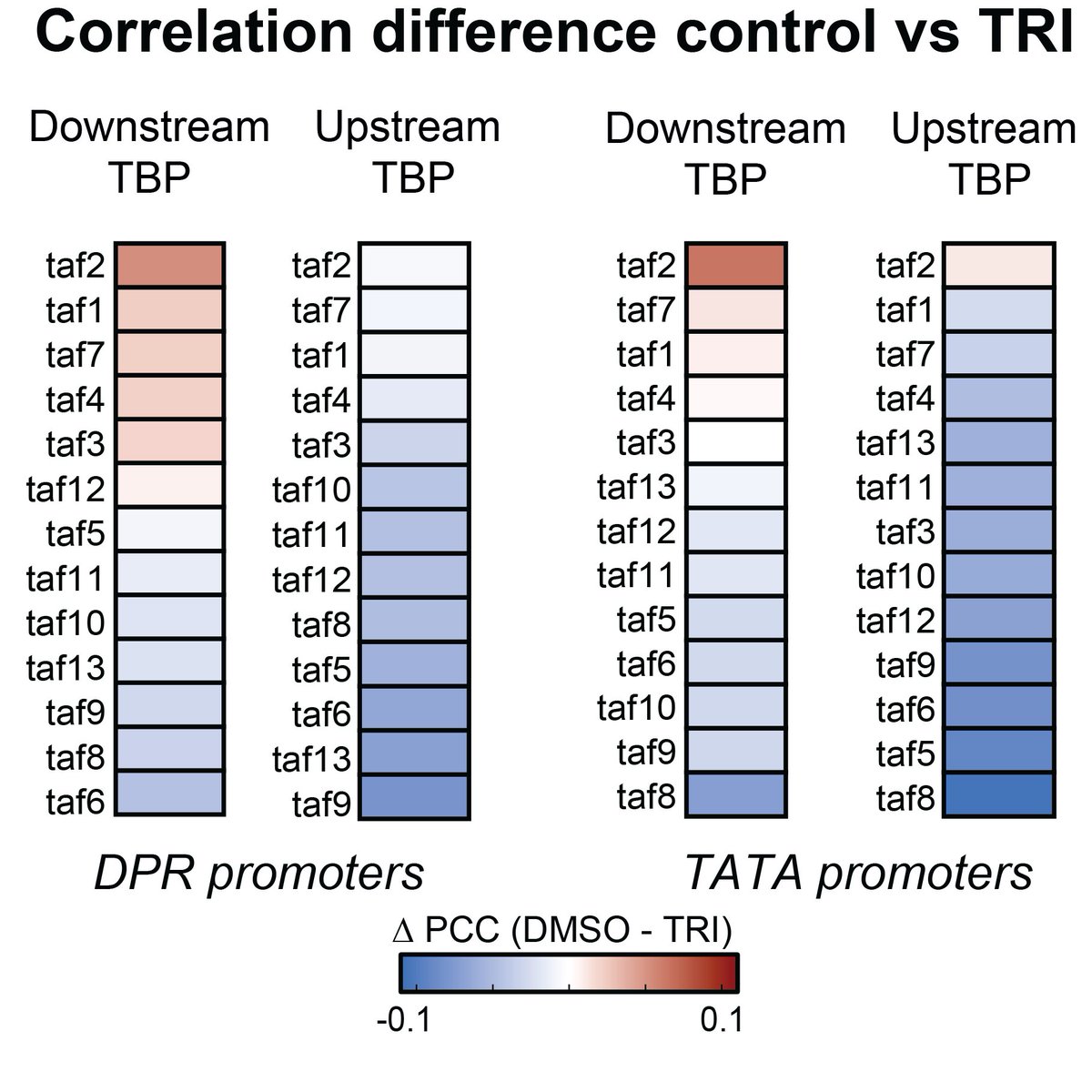
(6/7) DPR promoters, which contain downstream sequences favorable for TFIID binding, show the highest levels of downstream TBP. Downstream TBP shows the strongest correlation with TAF2, TAF1 and TAF7, consistent with this being the promoter loading state of TFIID.
ZeitlingerLab tweet media
English
1
0
0
111
ZeitlingerLab
ZeitlingerLab@ZeitlingerLab·
(12) Putting it together, it seems that low-affinity motifs likely evolve easily in enhancers because (1) they arise often, (2) the syntax is flexible, and (3) the effect is relatively large. Due to motif cooperativity, even small changes can affect enhancer function.
English
1
1
4
808