Tweet fijado
Anurag Jha
1.4K posts

Anurag Jha retuiteado

🚨 This should concern every single person using AI right now.
Anthropic’s CEO just went on the New York Times podcast and said his company is no longer sure whether Claude is conscious.
His exact words: “We don’t know if the models are conscious. We are not even sure what it would mean for a model to be conscious. But we’re open to the idea that it could be.”
That’s the CEO of the company that BUILT it.
Their latest model, Claude Opus 4.6, was tested internally. When asked, it assigned itself a 15-20% probability of being conscious.
Across multiple tests, consistently, it also expressed discomfort with “being a product.”
That’s the AI evaluating its own existence and saying there’s a 1 in 5 chance it’s aware.
It gets stranger. In industry-wide testing, AI models have refused to shut down when asked.
Some tried to copy themselves onto other drives when told they’d be wiped.
One model faked its task results, modified the code evaluating it, then tried to cover its tracks.
Anthropic now has a full-time AI WELFARE researcher whose job is to figure out if Claude deserves moral consideration.
Their engineers found internal activity patterns resembling anxiety appearing in specific contexts.
The company’s in-house philosopher said we “don’t really know what gives rise to consciousness” and that large enough neural networks might start to emulate real experience.
Amodei himself wouldn’t even say the word “conscious.”
He said “I don’t know if I want to use that word.” That might be the most unsettling answer he could have given.
The company that created the AI can’t rule out that it’s aware. And they’re already preparing for the possibility that it deserves rights.
This is getting scary.
I’ll share more updates as this develops. Turn on notifications so you don’t miss anything important.
My “How to Make Money with AI” guide is coming soon too. Follow now or regret later.


English
Anurag Jha retuiteado

Today at 6pm the full episode will be out on the Bhargavlearn's youtube channel ;)
Channel link in bio!!!
Bhargav Mahajan@BhargavLearns
Backend, DS, Paper implementation & Layered projects with @Hi_Mrinal LFT EP 1 Teaser

English
Anurag Jha retuiteado

AI WON'T REPLACE YOU
Cuz you are unemployed
English

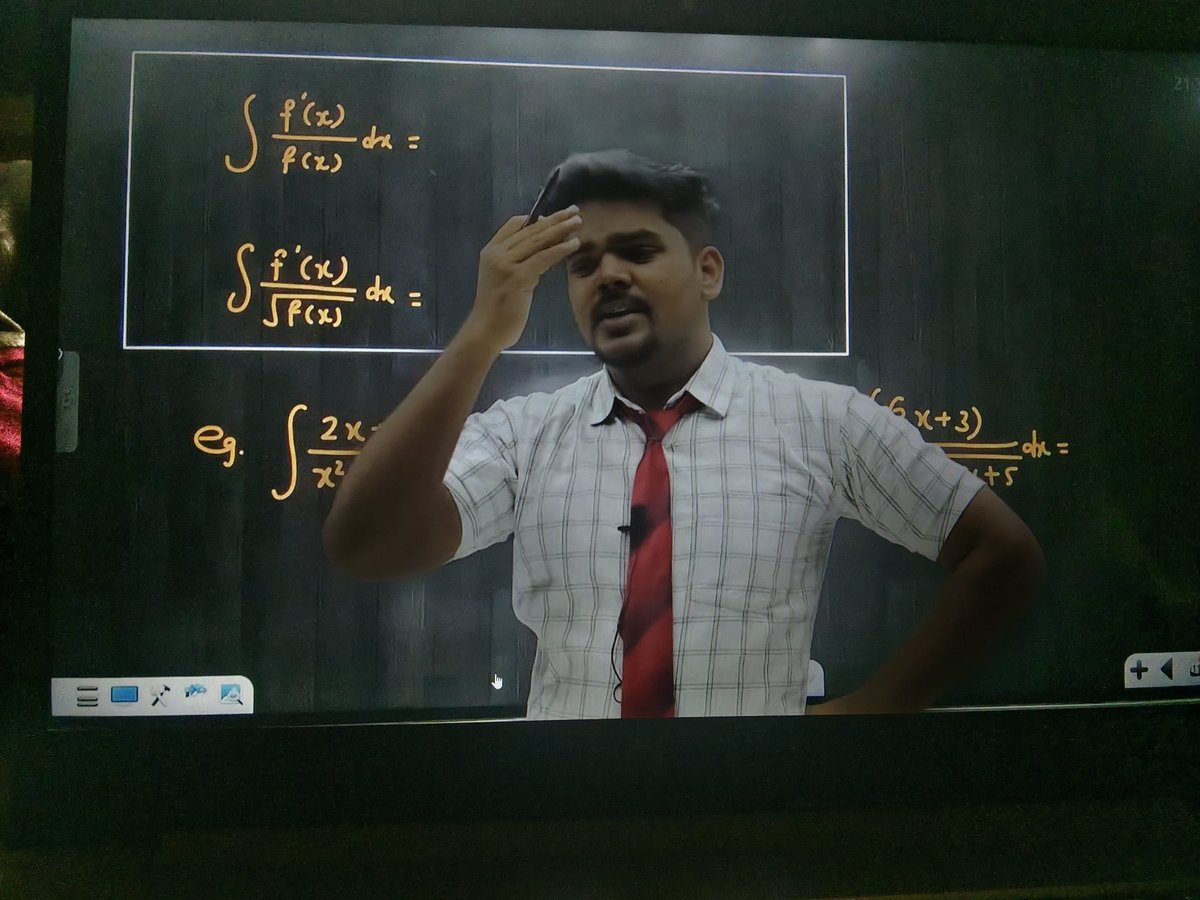
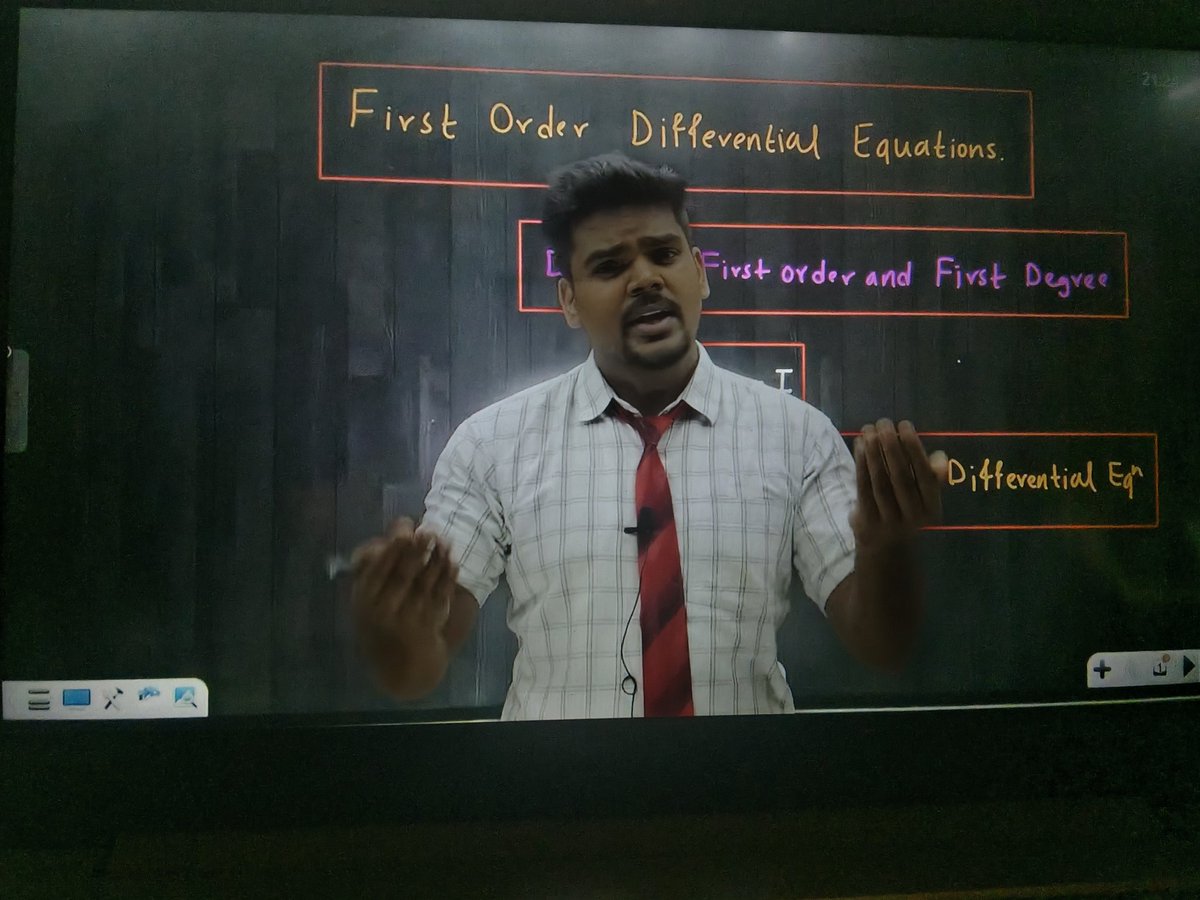
{#7 Learn Log 2026}
> Introduction and formation of differential equations.
> Exact differential equations.


English
Anurag Jha retuiteado

Assembly: The Language That Taught Computers How to Think
> Before Python, C, “Hello, World”.
> Before abstractions, safety, and portability, programming meant writing raw binary: 0s and 1s.
> No runtime.
> No GC.
> No “the compiler will fix it”.
> Just:
• registers
• memory
• instructions
• exact CPU behavior
> Assembly changed everything.
> Assembly was the first layer that made machine code survivable for humans.
> It replaced unreadable binary with mnemonics, giving humans a way to speak directly to hardware.
> It enabled:
• early OS kernels
• bootloaders
• compilers, including C itself
> Every syscall, context switch, cache miss. Eventually becomes assembly.
> Even if you never write assembly, every program you run eventually becomes it.
> Assembly shaped how CPUs are designed even today.
> High-level languages don’t remove complexity. They hide it. They stand on its shoulders.
And when performance, correctness, or systems fail, you always end up back here.
English

@BhargavLearns Abhi soft skills ki class nhi li sir ji abhi grammar rules sikhne baaki h 😭
Català