CITE

406 posts

CITE banner
CITE

CITE

@citemakbme

Centre of Design, Innovation & Translational Excellence (CITE) Focuses on translation of local innovations at @Makerere in Collaboration with @EdinburghUni

Mulago, Kampala Uganda Se unió Kasım 2021
617 Siguiendo274 Seguidores
CITE
CITE@citemakbme·
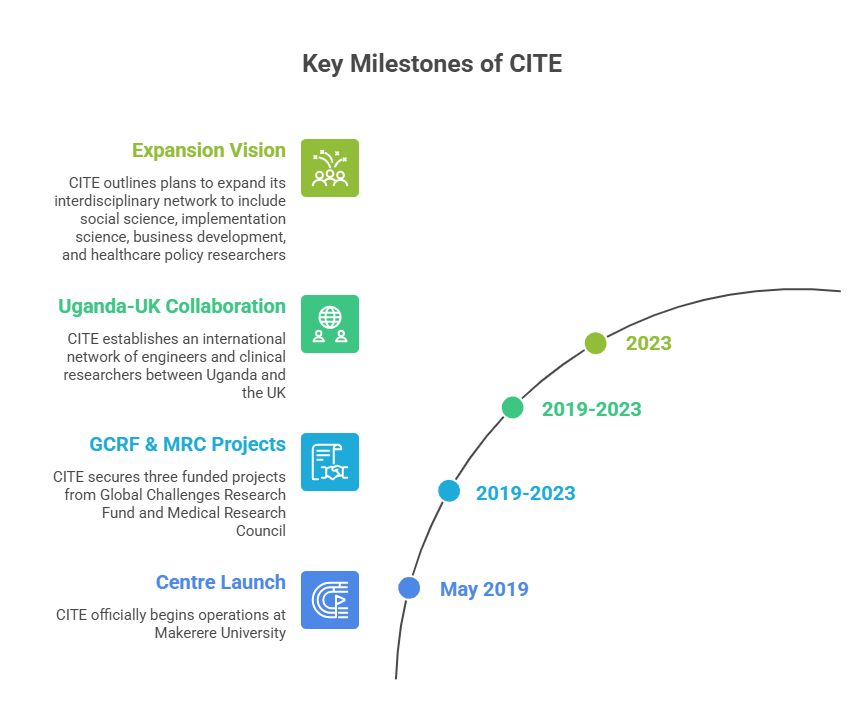
CITE @Makerere is building a hub for biomedical engineering innovation in Sub-Saharan Africa. Since 2019, CITE has secured GCRF & MRC funding, strengthening Uganda–UK collaborations to drive cost-effective, sustainable maternal & neonatal health solutions—and beyond.
CITE tweet media
English
0
1
2
42
CITE
CITE@citemakbme·
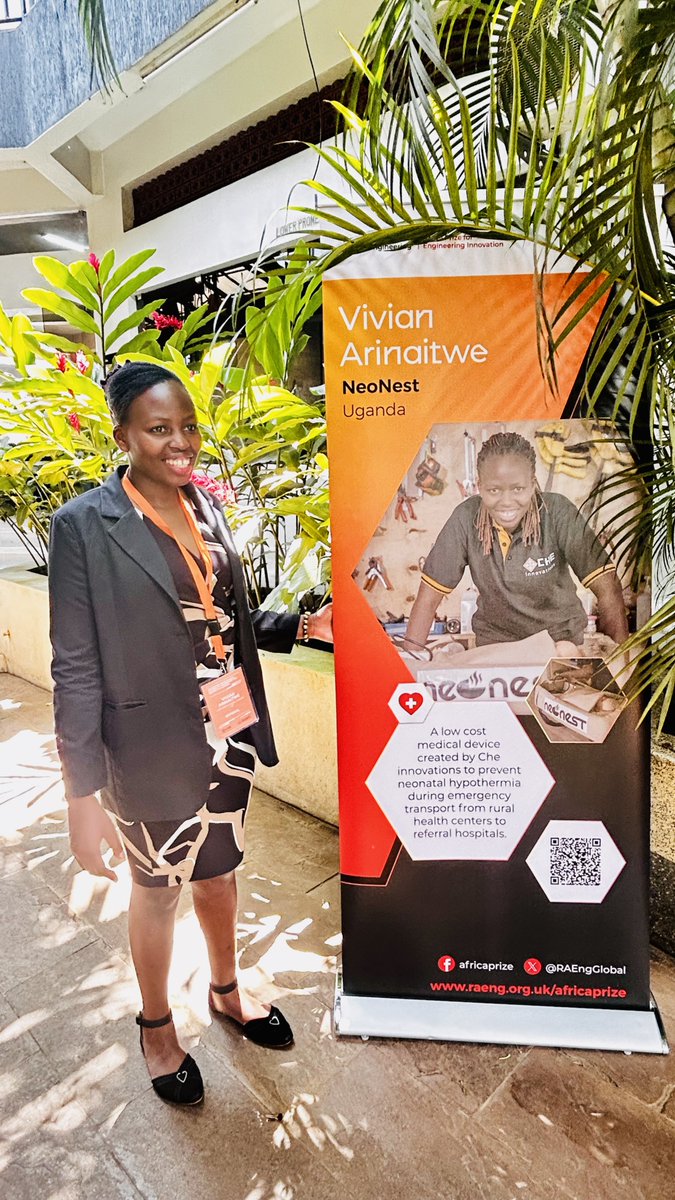
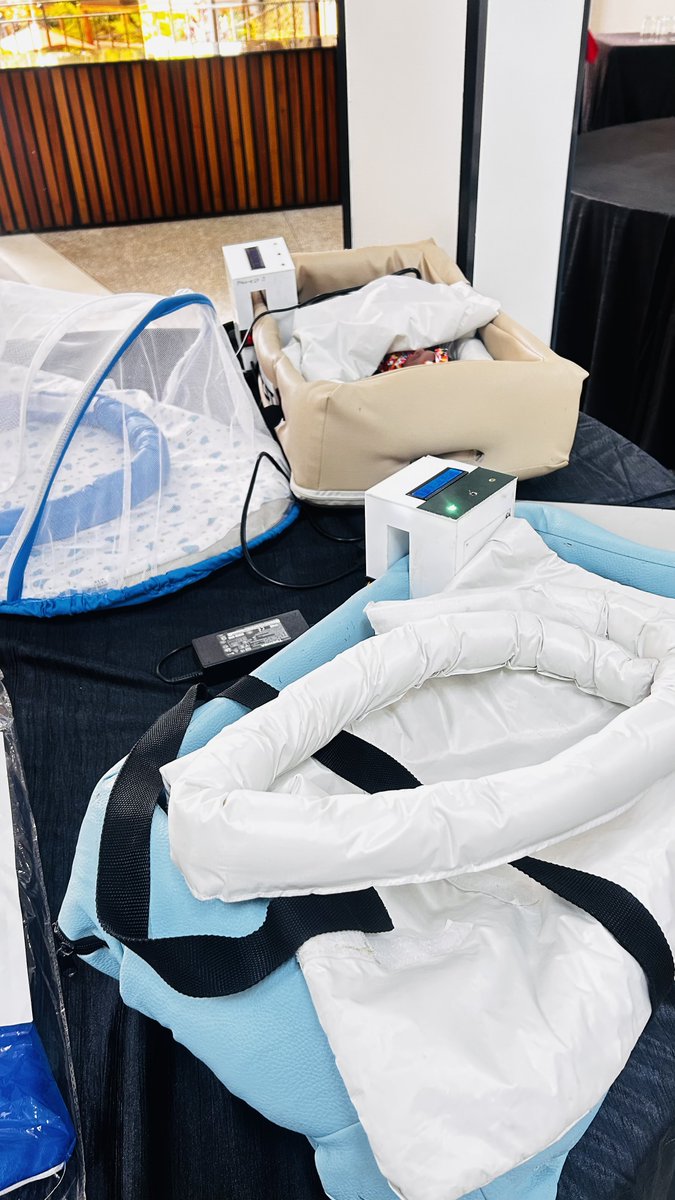
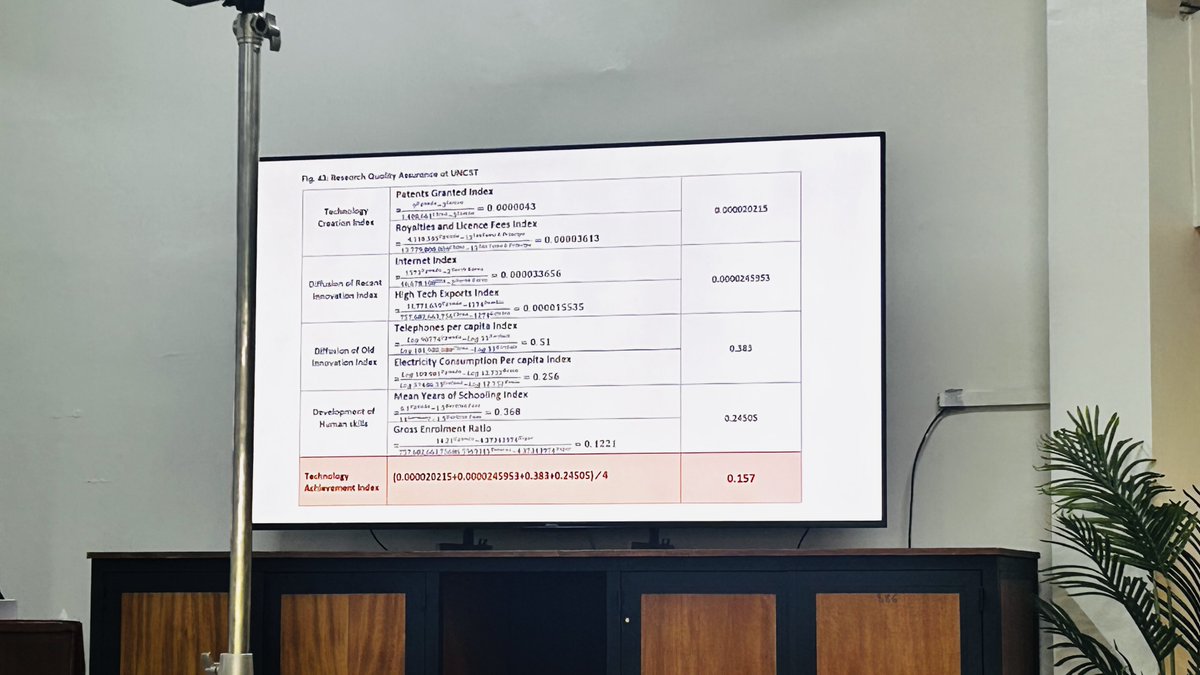
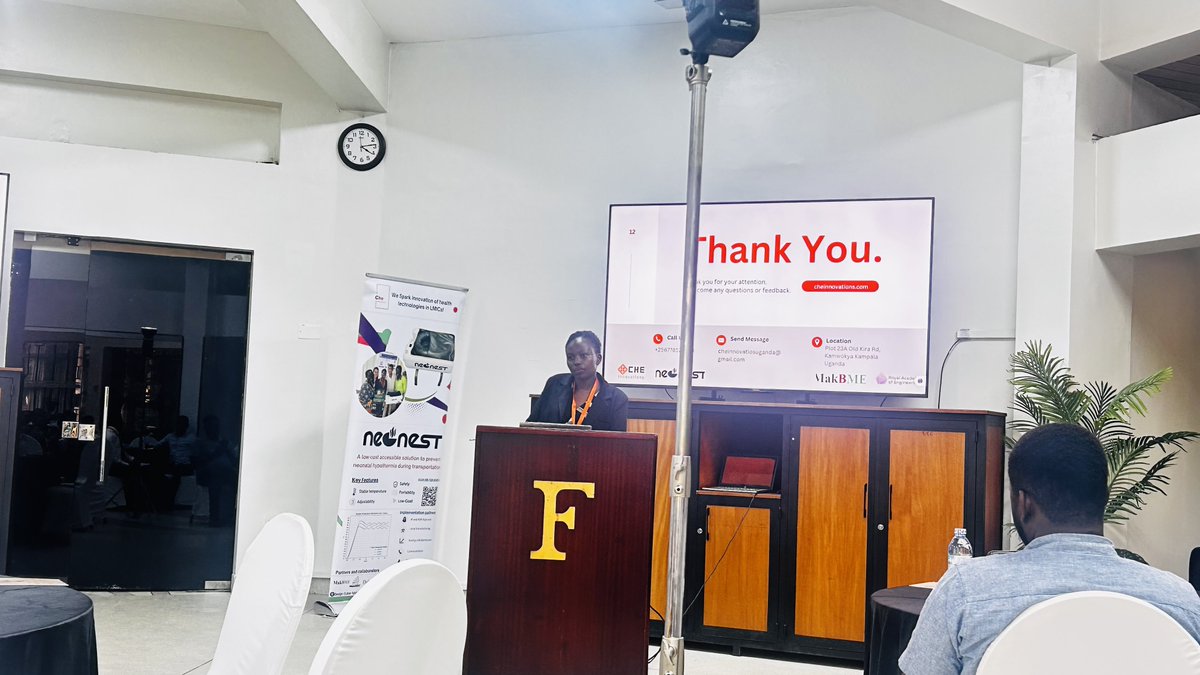
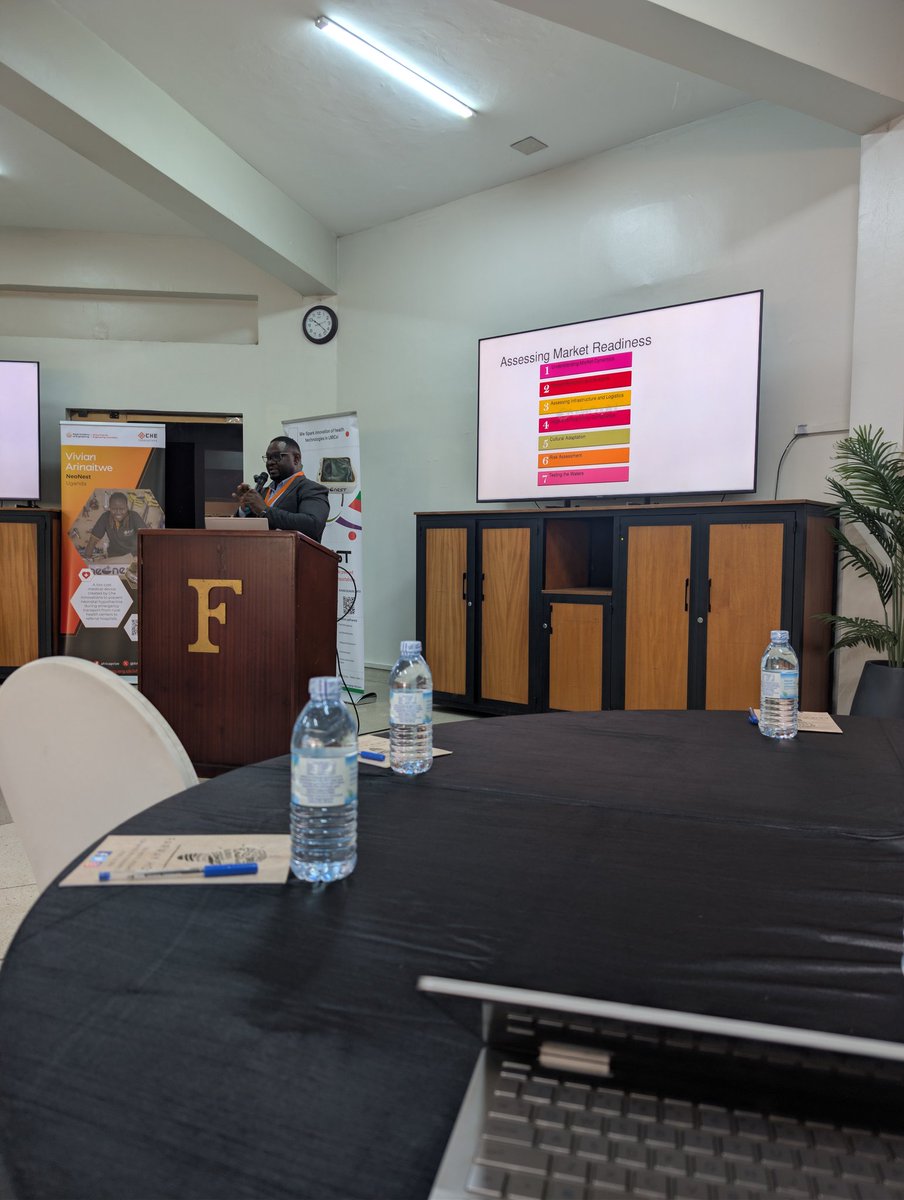
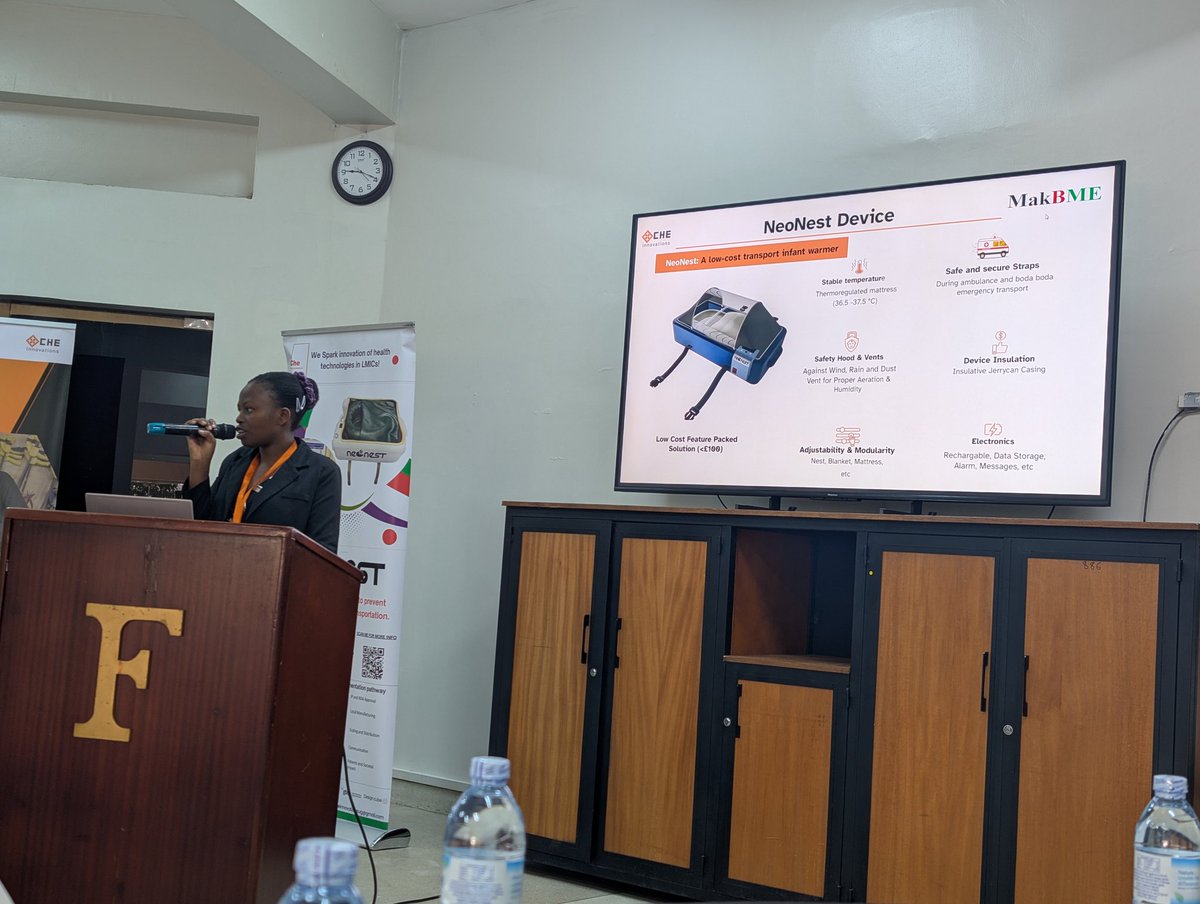
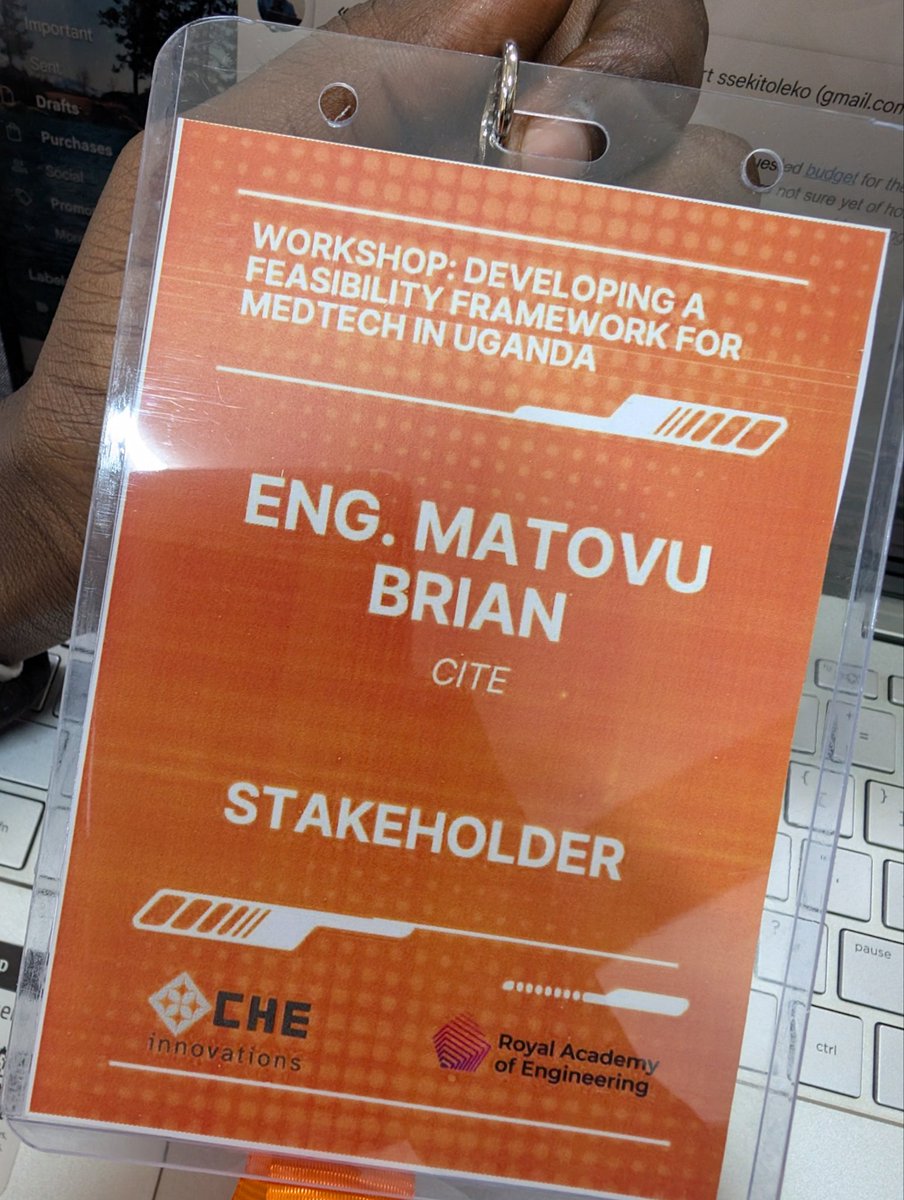
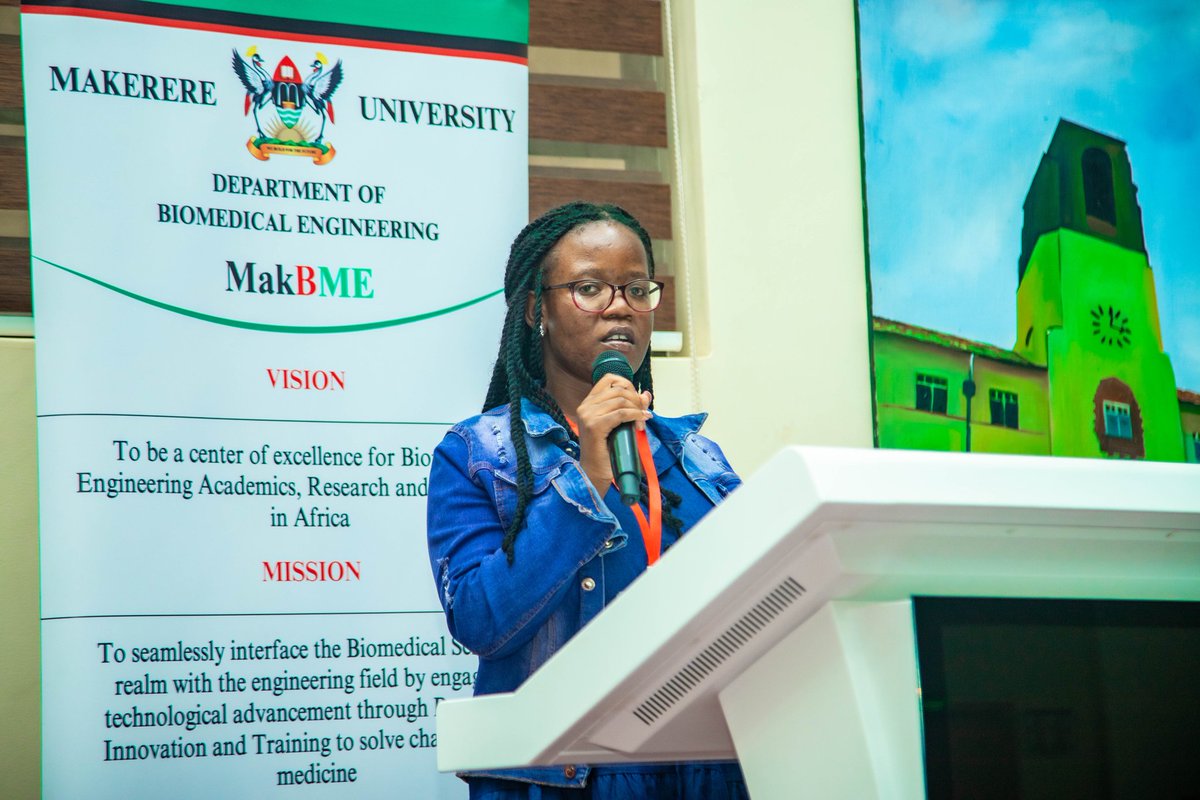
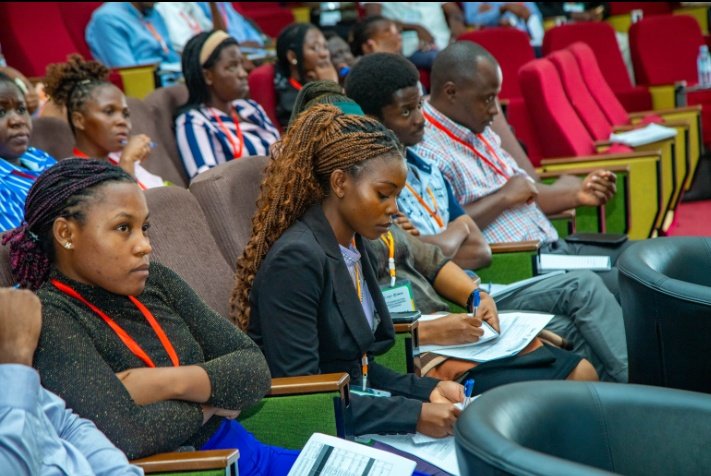
Dr @sseki_biomed_en giving a talk on creating market readiness for medical device innovations
CITE tweet mediaCITE tweet mediaCITE tweet mediaCITE tweet media
English
0
1
1
17
CITE retuiteado
Fischell Institute for Biomedical Devices
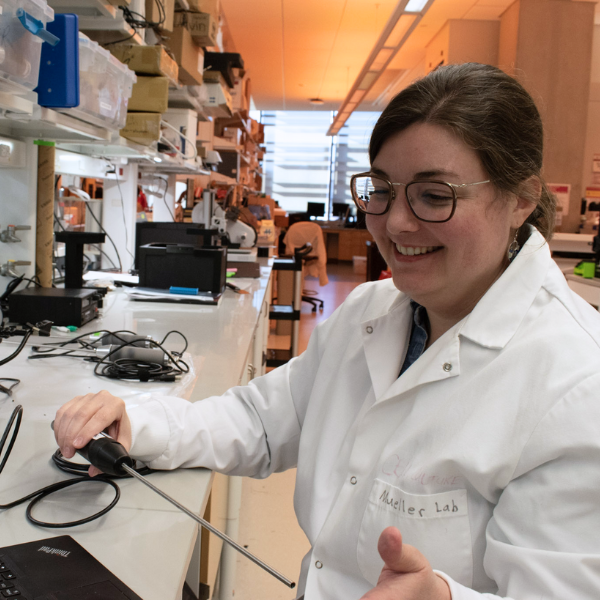
Fischell Institute Affiliate Fellow @jennamueller711, with engineers John Rzasa and Kevin Aroom, was featured in Maryland Today for the Key Scope Device, a reusable laparoscope for low and middle income countries. Watch the video and read the article ⤵️ go.umd.edu/25bd
Fischell Institute for Biomedical Devices tweet media
English
0
2
3
252
CITE retuiteado
Makerere University CEDAT
Makerere University CEDAT@MakCEDAT·
Join us for Nurturing Holistic Engineering Professionals for a Sustainable Future on 26 November 2025 at the Board Room, New Building.
Makerere University CEDAT tweet media
English
0
4
6
740
CITE
CITE@citemakbme·
“If you have an idea in your head and we need to make it into a physical product, the Design Cube helps you to at least get those ideas out your head onto something that is tangible,” Ssekitoleko says. @MakBME @DukeU kenan.ethics.duke.edu/designing-heal…
English
0
0
0
27
CITE retuiteado
Dr. Prosper Ahimbisibwe
Dr. Prosper Ahimbisibwe@DrAhimbisibweP·
98% of pregnant mothers in Uganda attend at least one antenatal care (ANC) visit with around 55% attending their 4th ANC visit. Only 28% of pregnant mothers receive an antenatal/obstetric ultrasound scan! A lot to be done and achieved for our pregnant mothers. #NSMC #UHC
Dr. Prosper Ahimbisibwe tweet media
English
1
3
3
180
CITE retuiteado
BIO-CIRCUIT TECHNOLOGY
BIO-CIRCUIT TECHNOLOGY@BrandyBcathy·
Got a chance to present at the 3rd UNBEC conference lt was an exciting and encouraging step for my journey in the Biomedical Engineering field 🙂🙂
BIO-CIRCUIT TECHNOLOGY tweet media
Kampala, Uganda 🇺🇬 English
0
1
4
107
CITE retuiteado
Adah Kesiime
Adah Kesiime@AKesiime·
The @UNBEC2025 is ongoing, Am glad to be a participant. Connections with the seniors in the Biomedical Engineering field is a very nice experience. Learning about existing innovations and technologies at hand. Thanks @MakBME for hosting the conference.
Adah Kesiime tweet media
English
0
5
7
140
CITE
CITE@citemakbme·
Interesting work done. We see great application in Uganda and other similar settings where motor cycle accidents are so prevalent...
ABME@ABMEjournal

Helmets are essential for equestrian safety, but current standards only require helmets to pass a minimum threshold – not to excel at protecting against concussion. In the largest published equestrian helmet study to date, researchers conducted 720 impact tests across 45 helmet models using both traditional linear pendulum impacts and more realistic oblique drop tests. The results showed that peak rotational acceleration – a key factor in concussion risk – was not reliably predicted by standard tests. Incorporating both linear-driven and oblique impact methods into the updated Equestrian STAR rating system revealed that the worst-performing helmet carried nearly four times the concussion risk of the best, offering riders and manufacturers a clearer benchmark for performance. Real-world impact testing reveals how helmet design influences concussion risk in ways standard methods may miss. 𝗥𝗲𝗮𝗱 𝗺𝗼𝗿𝗲: link.springer.com/article/10.100… 𝗦𝘁𝘂𝗱𝘆: Equestrian STAR: Development of an Experimental Methodology for Assessing the Biomechanical Performance of Equestrian Helmets 𝗔𝘂𝘁𝗵𝗼𝗿𝘀: Lauren A. Duma, Mark T. Begonia, Barry Miller, Caitlyn Jung, Matthew Wood, Brock G. Duma, and Steve Rowson @virginia_tech @vtengineering @BEAMvt @VTHelmetRatings 𝗦𝘂𝗯𝗺𝗶𝘁 𝘆𝗼𝘂𝗿 𝗺𝗮𝗻𝘂𝘀𝗰𝗿𝗶𝗽𝘁: link.springer.com/journal/10439

English
0
0
3
64
CITE retuiteado
ABME
ABME@ABMEjournal·
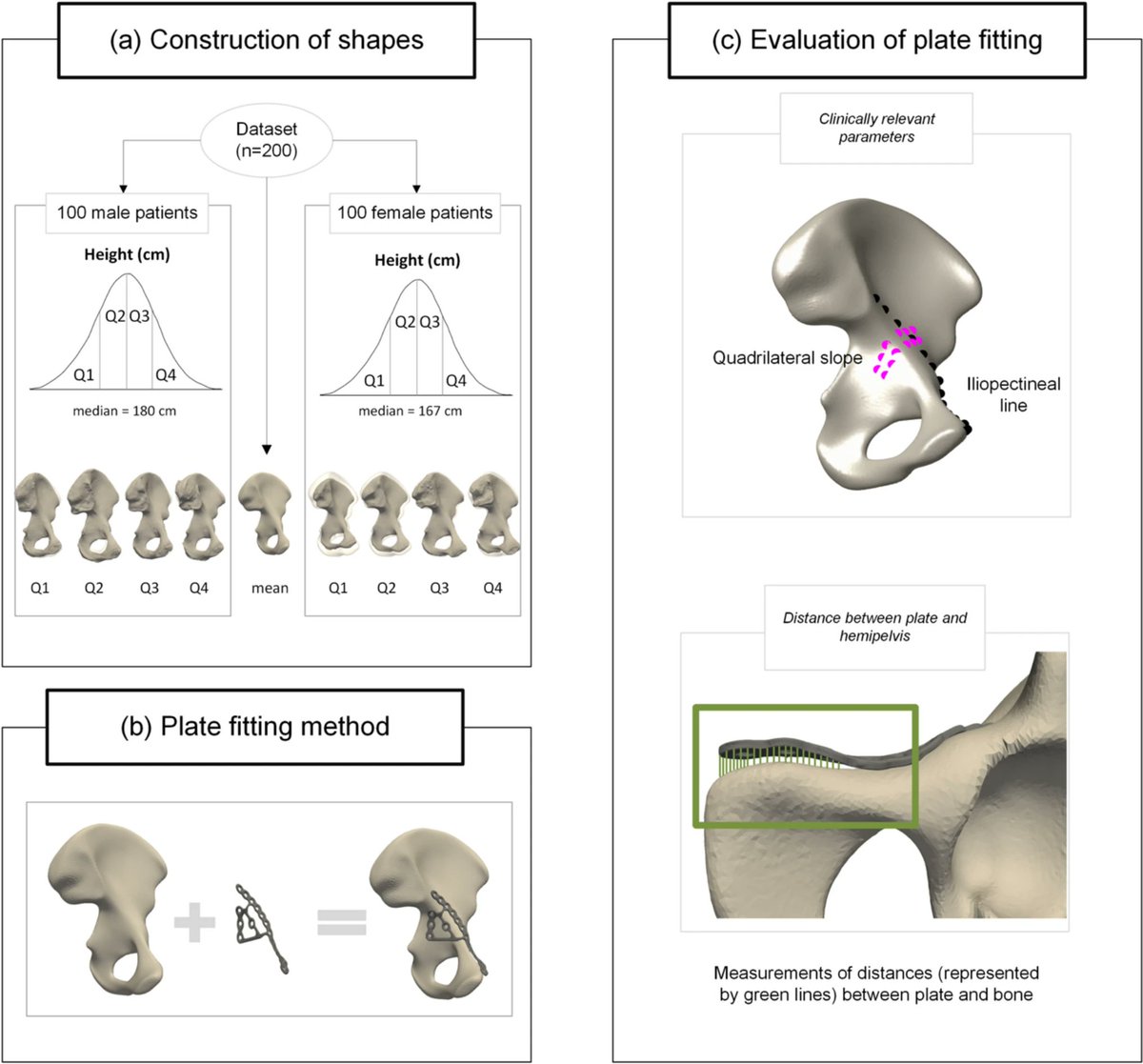
A one-size-fits-all approach to surgical implants may be putting some patients at risk of poor fracture repair. Scientists examined how well a commonly used pre-contoured suprapectineal plate fits the anatomy of different pelvic shapes. Using 3D computed tomography models from 200 patients, they assessed fit quality across subgroups defined by sex and height. They found: 🔹 All female pelvis models showed only moderate fit due to plate overextension or misalignment. 🔹 Smaller male pelvises also showed moderate fit, while most larger male pelvises had good fit. 🔹 Quantitative metrics like root mean square distance (RMSD) confirmed areas where the plate deviated from the pelvic surface. These results point to a pressing need for more anatomically diverse implant designs in acetabular fracture surgery. 𝗥𝗲𝗮𝗱 𝗺𝗼𝗿𝗲: link.springer.com/article/10.100… 𝗦𝘁𝘂𝗱𝘆: Pre-contoured Plate Fit Assessment for Acetabular Fractures 𝗔𝘂𝘁𝗵𝗼𝗿𝘀: Willemina A. van Veldhuizen, Nick Assink, Richte C. L. Schuurmann, Reza Firoozabadi, Kaj ten Duis, Jean-Paul P. M. de Vries, @jelmerwolterink, and Frank F. A. IJpma @univgroningen @umcg @researchumcg @poftwente @harborviewmc 𝗦𝘂𝗯𝗺𝗶𝘁 𝘆𝗼𝘂𝗿 𝗺𝗮𝗻𝘂𝘀𝗰𝗿𝗶𝗽𝘁: link.springer.com/journal/10439
ABME tweet media
English
0
1
2
146