Tweet fijado
Cercle numismatique de Nice
2.7K posts
Cercle numismatique de Nice
@cnumisnice
Le fil d'actualité du Cercle numismatique de #Nice06 Recherche, conférences, publications, expositions. Rencontres numismatiques nationales le 23 novembre 2025
Nice Se unió Şubat 2013
259 Siguiendo667 Seguidores
Cercle numismatique de Nice retuiteado

🦃Recette: pour obtenir une belle patine de #monnaie, prenez un dindon... la suite à lire dans le pressé d'antique!
😉😇Tous nos voeux de bonne année aux collègues et contributeurs numismates de l'#Antiquté @laBnF #numismatics ➡️ antiquitebnf.hypotheses.org/27996
Français
Cercle numismatique de Nice retuiteado

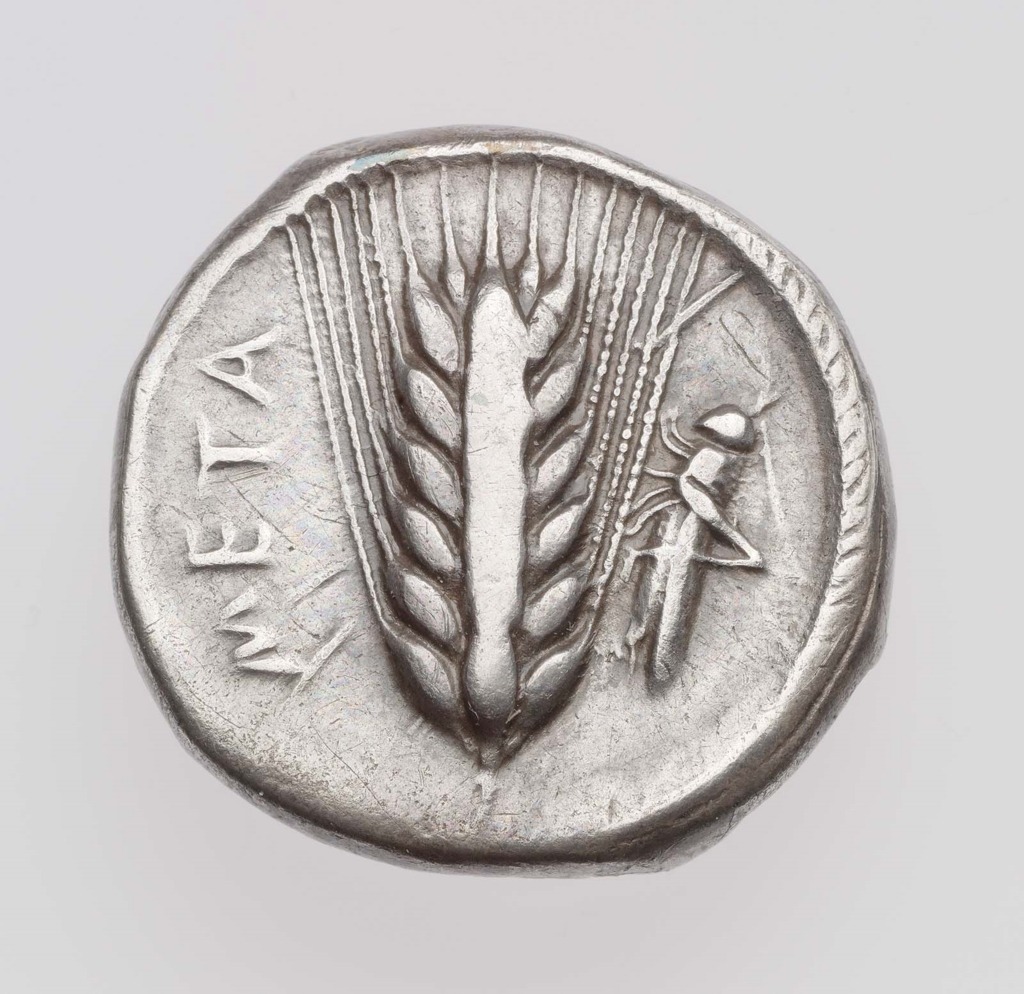
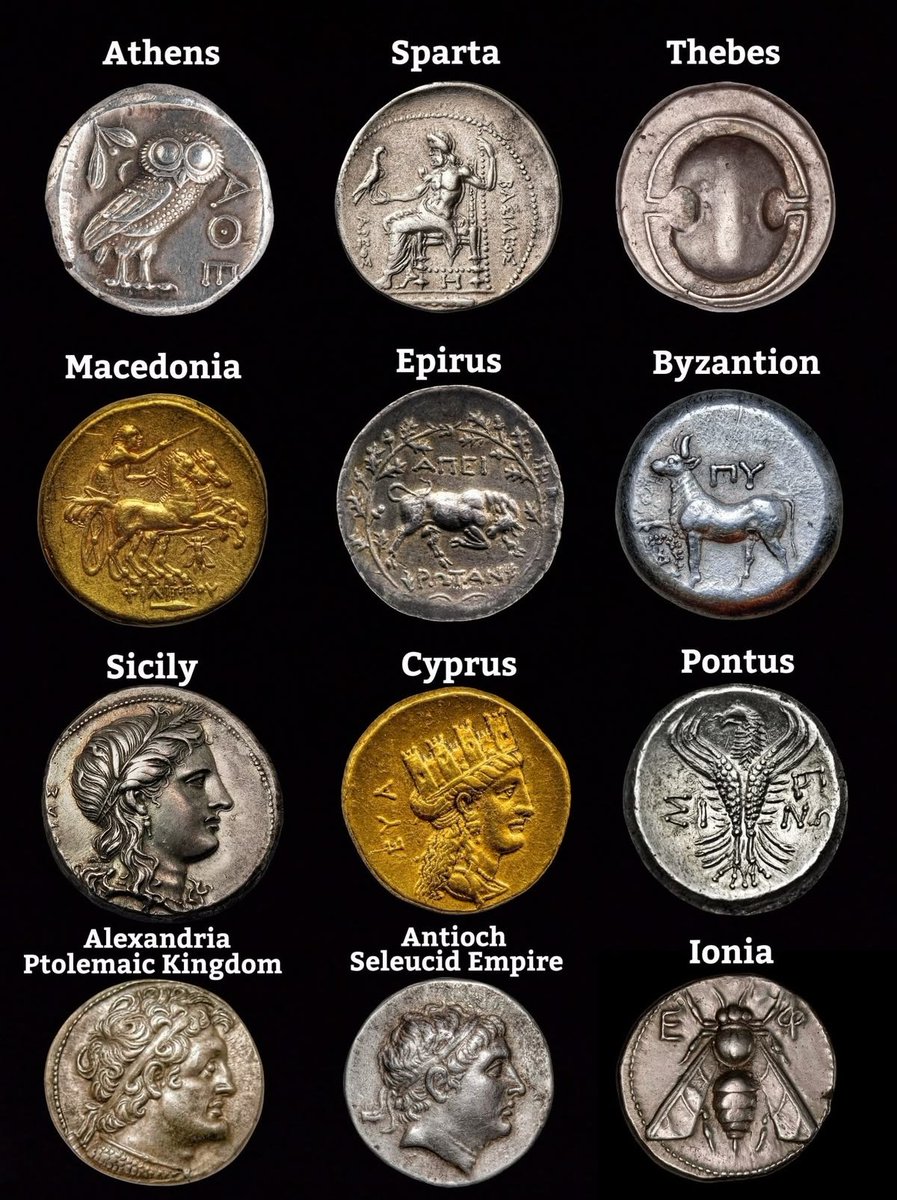
History of Ancient Greek Coins :
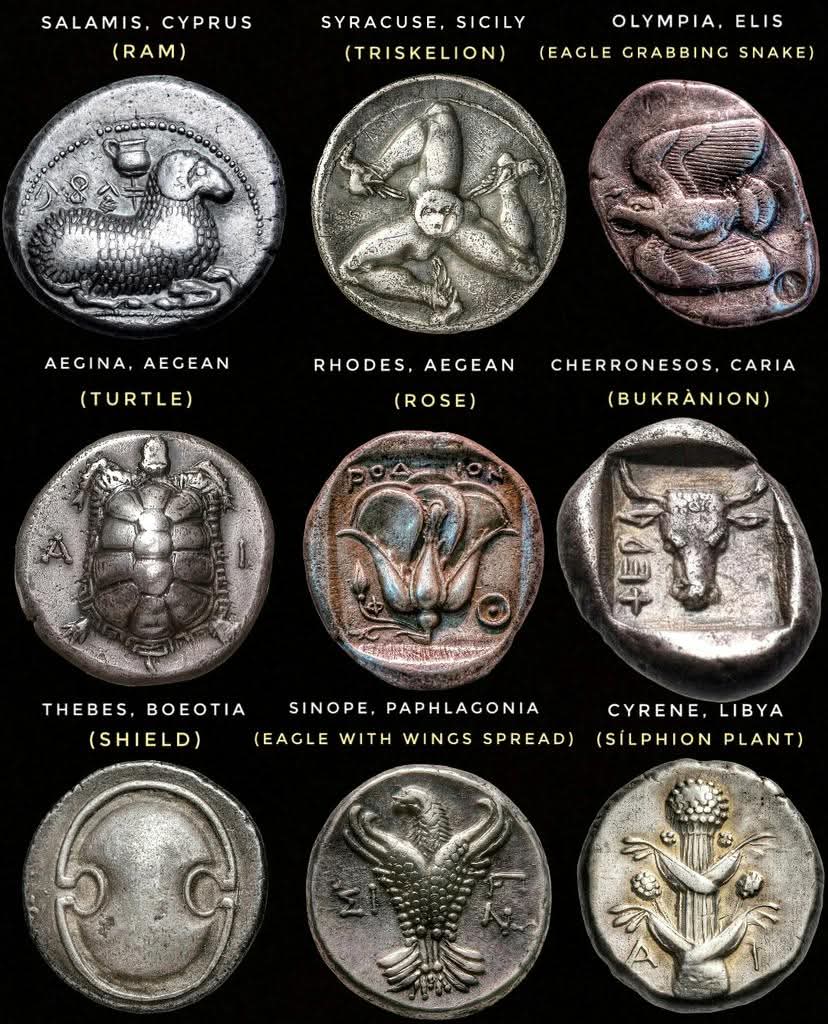
The history of ancient Greek coins is a fascinating tale of innovation, politics, art, and culture. Coinage played a pivotal role in shaping the economic and political landscapes of the Greek world, serving not only as a medium of exchange but also as a means of propaganda, artistry, and religious expression.
• The Beginnings of Coinage (7th Century BC) :
The first known Greek coins were minted in the region of Lydia, located in modern-day Turkey, around 600 BC. These early coins were made of electrum, a naturally occurring alloy of gold and silver. King Croesus of Lydia (reigning from 595-546 BC) is often credited with introducing the first pure gold and silver coins, which became highly influential in the ancient world.
However, the idea of coinage soon spread to the Greek city-states, and by the 7th Century BC, the Greek world began producing their own coins. The city-state of Aegina (located in the Saronic Gulf) is thought to have been one of the first to mint coins. The Aeginetan stater, featuring a turtle symbol, became a widely circulated and recognized coin throughout the Mediterranean.
2. The Rise of City-State Coinage (6th-5th Century BC) :
By the 6th Century BC, many Greek city-states began minting their own coins. This was a revolutionary development, as it gave city-states greater control over their economies and allowed them to express their unique identity through the symbols depicted on the coins. Athens was one of the most famous early coin producers, with the Athenian owl coin (featuring the goddess Athena and an owl) becoming an iconic symbol of the city and widely circulated across the Greek world.
Each city-state had its own minting system, with designs that often featured local gods, heroes, or symbols of power. For instance:
Corinth minted coins featuring the Pegasus, the winged horse, which was a symbol of the city.
Syracuse on the island of Sicily, under the rule of Dionysius I, minted magnificent coins featuring images of Arethusa, the nymph, along with dolphins.
Ephesus featured the goddess Artemis on its coins, showcasing her importance in the city's religious life.
The stater (a gold or silver coin) became the standard unit of currency in many city-states. Coins helped facilitate trade, as they provided a standardized form of money that could be used across regions, contributing to the expansion of commerce and exchange between Greek city-states and foreign powers, such as the Persians, Egyptians, and Phoenicians.
• The Classical Period and Expansion of Coinage (5th-4th Century BC) :
The 5th Century BC marked a golden age for Greek coinage, especially with the rise of Athens after its victory in the Persian Wars (490–479 BC). Athens, with its rich silver mines at Laurion, began minting massive quantities of coins, notably the Athenian tetradrachm, which became one of the most important and widely circulated coins of the ancient world. These coins depicted the head of Athena on the obverse and the owl on the reverse, symbolizing wisdom and the city’s power.
Coinage during this period was also a reflection of the political and cultural power of the city-states. Coins were used not only in trade but also as propaganda, reinforcing the authority of rulers and the prestige of the cities. The designs often depicted deities, heroes, and events related to the city’s triumphs or divine patronage.
During this time, the use of coins in warfare became more significant. Armies began paying soldiers in coinage, and mercenaries were often compensated with coins rather than land or goods. This facilitated the expansion of Greek influence, particularly through the use of mercenary forces in campaigns across the Mediterranean and beyond.
#archaeohistories

English
Cercle numismatique de Nice retuiteado

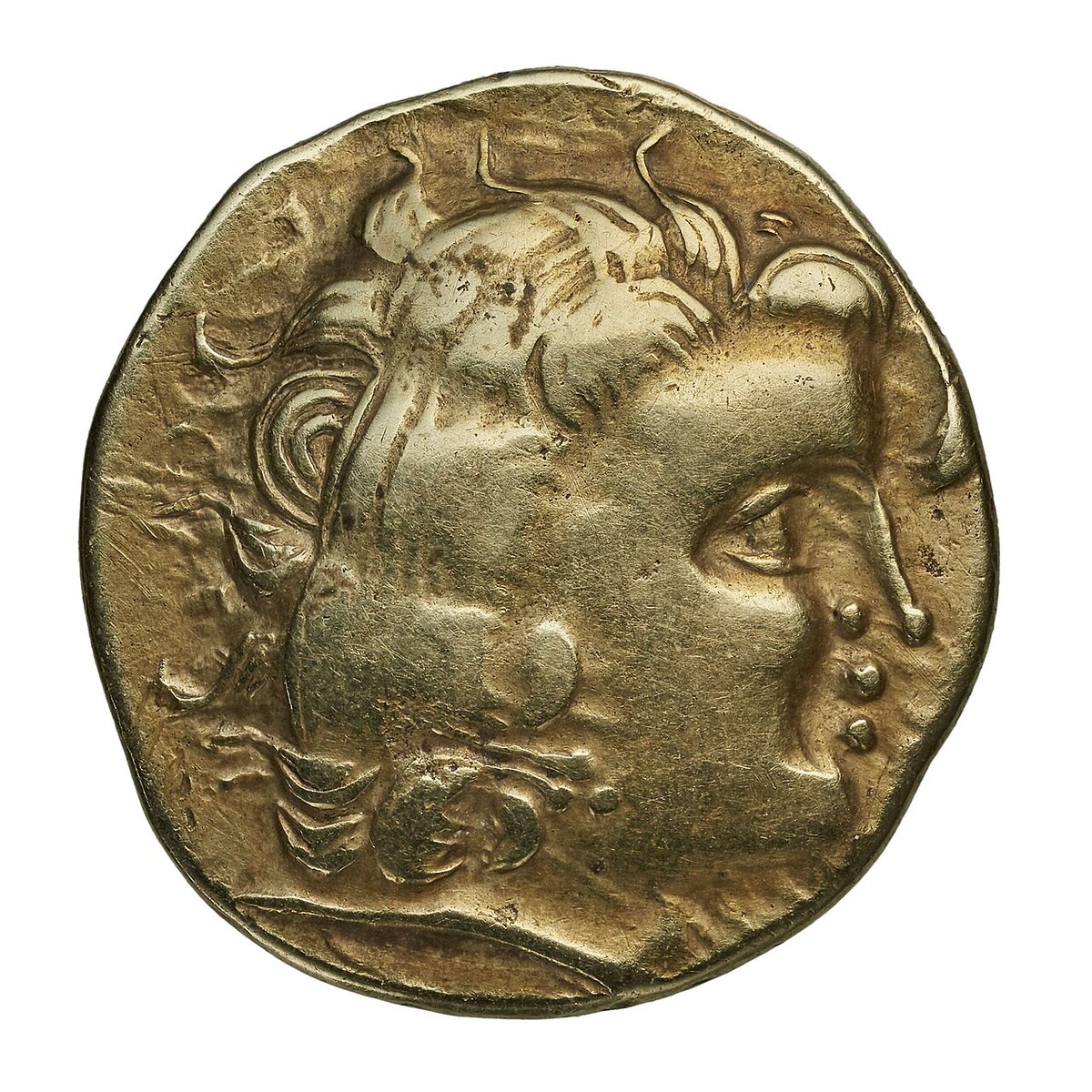
Gold medallion with Alexander the Great king of Macedonia. Minted in early 3rd C AD during Roman times probably in Veria/Veroia, Macedonia, Greece. Found with 19 other medallions, 600 gold coins and 20 gold ingots in Aboukir, Egypt in 1902. Gulbenkian Museum in Lisbon, Portugal

Lisbon, Portugal 🇵🇹 English
Cercle numismatique de Nice retuiteado

🪙✨Une pièce bimétallique = faite de deux métaux.
Durant une pénurie de cuivre en Grande-Bretagne du temps de Charles II, les farthings comme celui-ci étaient frappés en étain, avec un petit morceau de cuivre au centre pour déjouer les faussaires.
#FaitAmusantDuVendredi

Français

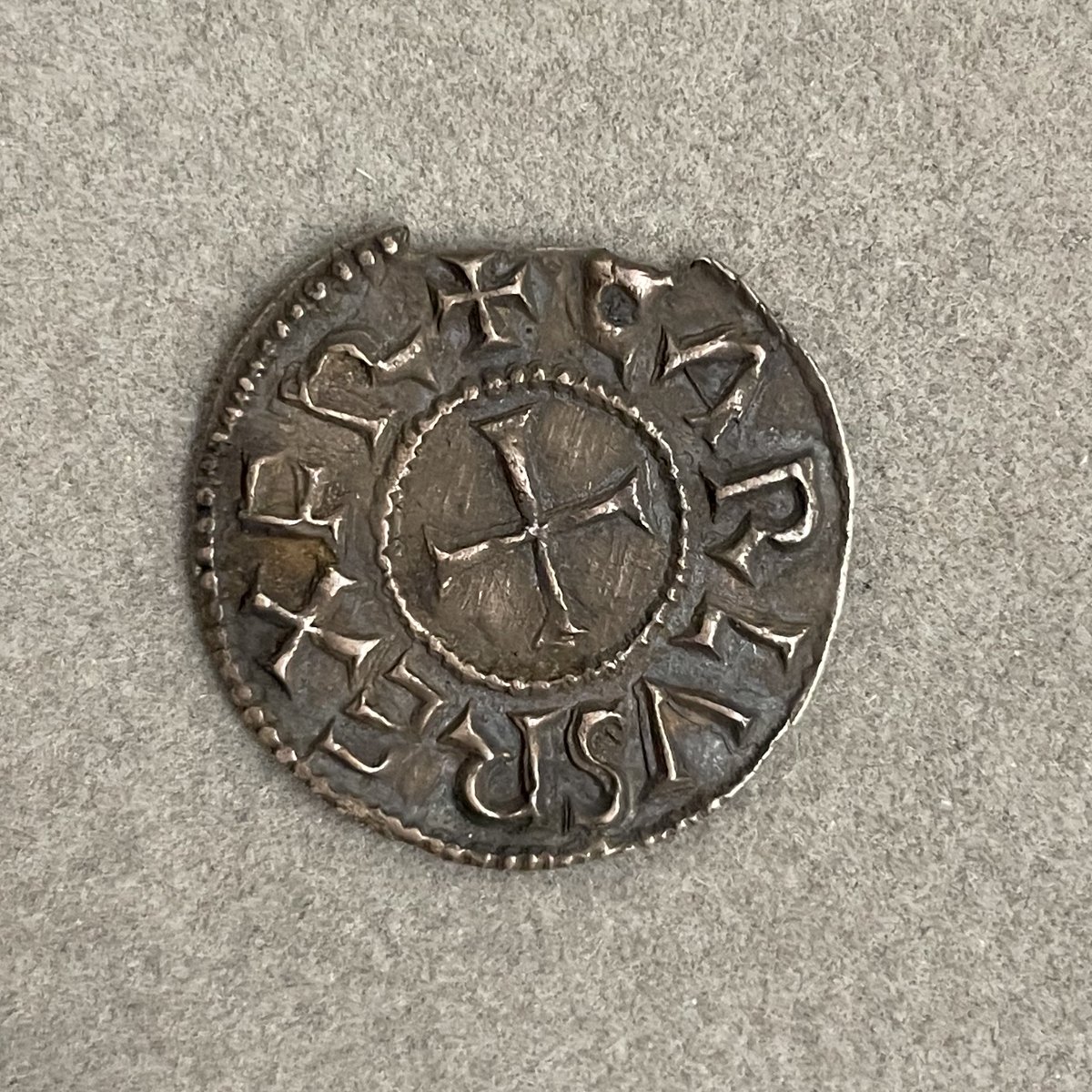
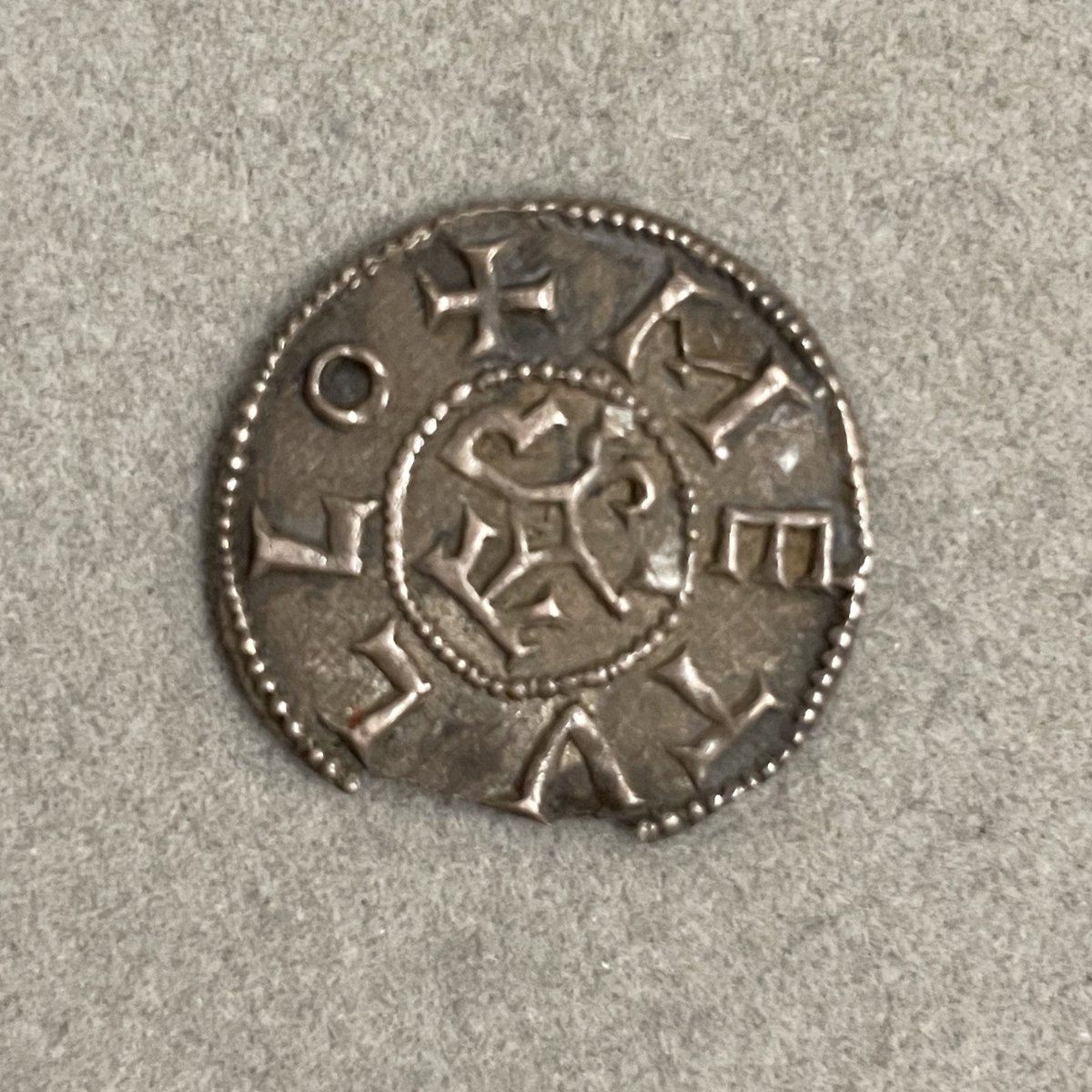
@CMaclean96 Could you tell us why these pretty coins have holes?
English

Cercle numismatique de Nice retuiteado

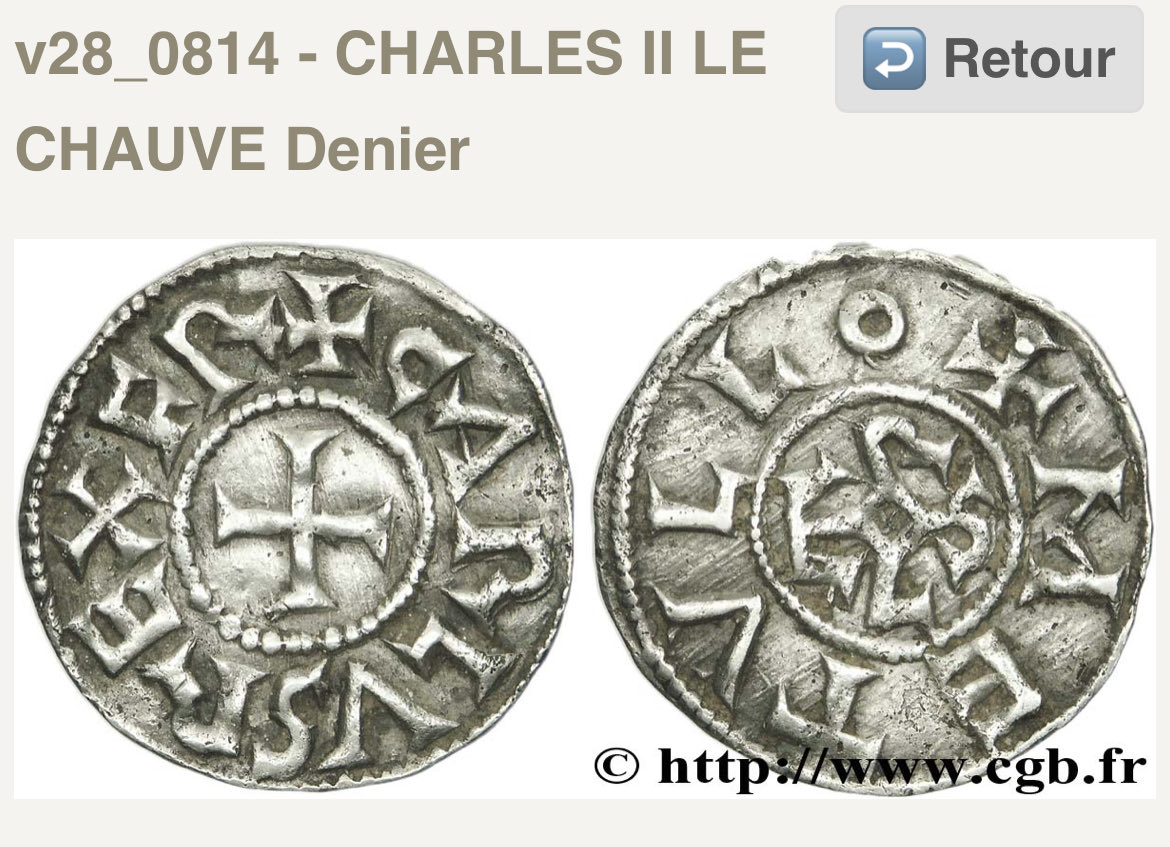
@CMaclean96 @HorneSupremacy But most French numismatic professionals attribute this coin to Charles the Bald


English

@CMaclean96 @HorneSupremacy According to Simon Coupland, the cross at 1 o'clock on the reverse would be for Charlemagne (“The coins of Melle during the reign of Charles the Bald (840-877). A state of knowledge”, Bulletin of the French Numismatic Society, February 2014).


English

@HorneSupremacy I found this old photo of a Carolingian monogram denier from William Hunter’s collection. It might be of Charlemagne.


English
Cercle numismatique de Nice retuiteado

🚨 New Release: Monnaies Françaises 2025 is HERE! 🇫🇷
The celebrated work, "Monnaies Françaises – De la Révolution à nos jours," returns in its highly anticipated 2025 edition!
Public Price: 39 €
Order Today: gadoury.com
Français
Cercle numismatique de Nice retuiteado