Tweet fijado
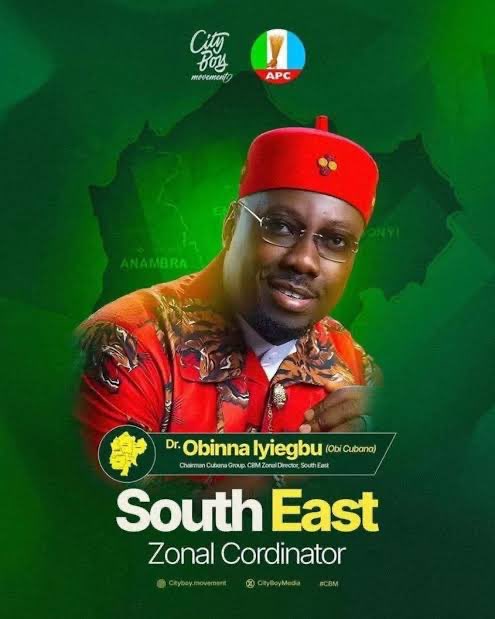
People criticising Obi Cubana and other young entrepreneurs for associating with government officials are missing a bigger point.
Nigeria is not a perfect democracy. Like many African and Asian countries, political power often outweighs economic power. Governments can witch-hunt businesses, silence critics, freeze accounts, revoke licenses, frustrate operations, or unleash regulatory agencies on anyone perceived as an enemy.
In such a system, neutrality is dangerous and opposition can be expensive.
That is why most big businessmen in Nigeria—like Aliko Dangote (@AlikoDangote) and Femi Otedola (@realFemiOtedola)—maintain relationships with every government in power, no matter how terrible the president is. It is not always about loyalty or ideology. It is about survival and protecting investments that employ thousands of people.
Look at China. Jack Ma challenged the system, and shortly after, his Ant Group IPO was suspended, his companies faced heavy regulations, and his influence shrank drastically. The message was clear: in some systems, billionaires are not more powerful than the state.
Across Africa, businessmen who openly fund opposition or challenge governments have lost contracts, faced tax probes, asset seizures, and regulatory attacks. Nigeria is not different. When the state feels threatened, businesses often pay the price.
So when young entrepreneurs choose diplomacy over confrontation, it is not cowardice. It is strategy.
The real problem is not businessmen who align with governments.
The real problem is a system where businesses must align with power to survive.
Until we fix that system, expecting entrepreneurs to behave like activists is unrealistic.
English