Hit4Average

6.5K posts

Hit4Average

Hit4Average

@hit4average

Retired. Carried a gun and a badge for a lot of years. Military Family. God bless our troops and St. Jude Children’s Research Hospital. #MAGA #MAHA

Rural Western NY Se unió Ocak 2016
7.3K Siguiendo6.6K Seguidores
Tweet fijado
Hit4Average
Hit4Average@hit4average·
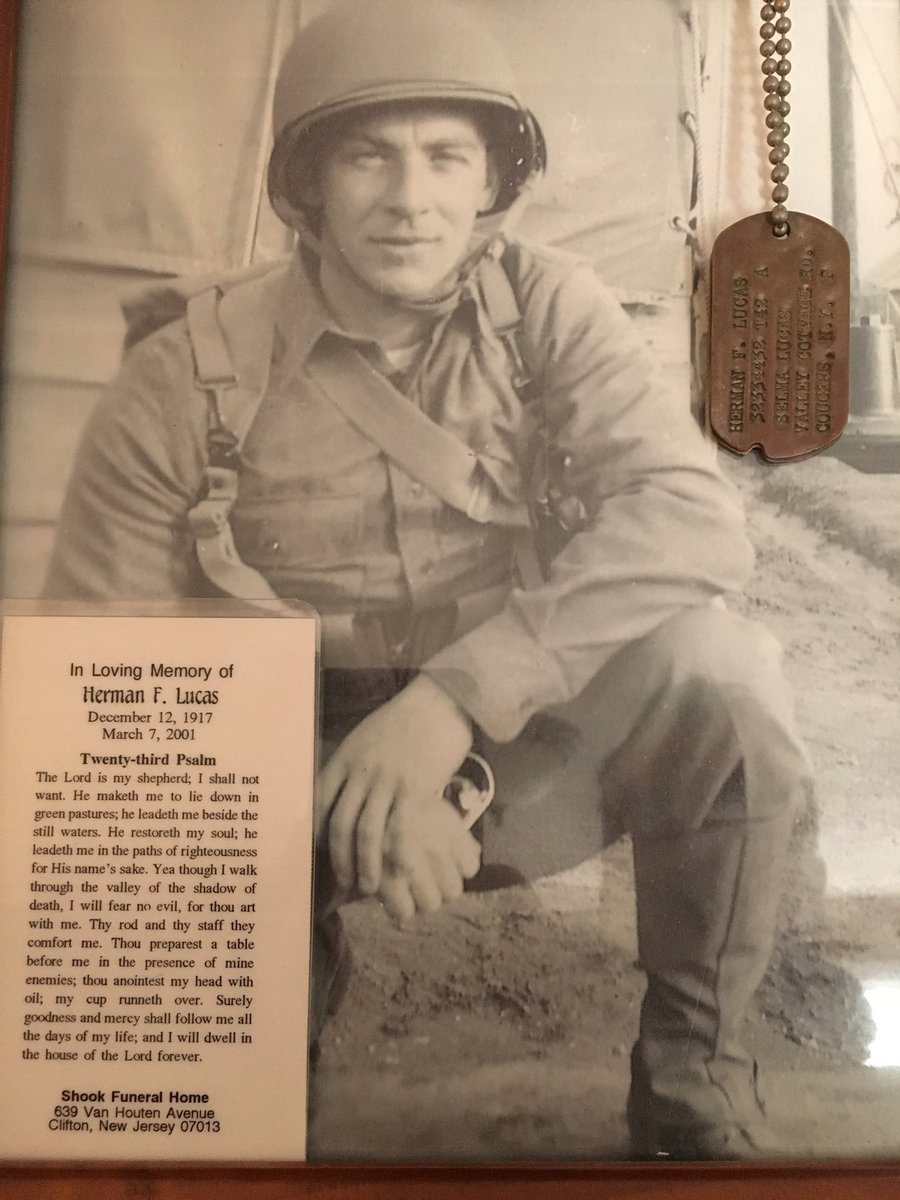
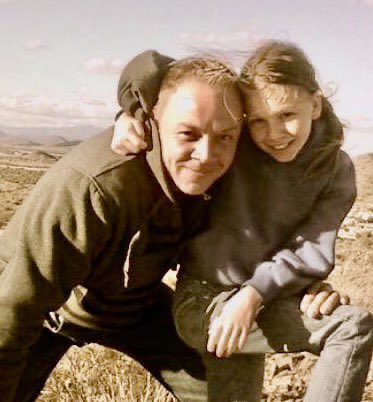
@AGrumpyOldVet @usmc1940 There’s nothing on earth like the bond between a father and a son. Losing your Dad is sad beyond words. Speak about your Dad often and hang pictures of him around the house. I lost Pop in 2001 and make it a point to look at this picture of him on my dresser each day. RIP Marine.
Hit4Average tweet media
English
52
87
432
0
Hit4Average retuiteado
The Husky
The Husky@Mr_Husky1·
He was already dying when he fired the shot. Three bullets in his body. Blood spreading across his uniform. His guard booth shattered around him. And the man moving toward the President was still coming. It was November 1, 1950, in Washington, D.C. President Harry S. Truman was upstairs at Blair House, resting while the White House was under renovation. Outside, a small group of officers stood watch. One of them was Leslie Coffelt. At around 2:20 PM, two armed men approached from opposite directions. Oscar Collazo and Griselio Torresola opened fire without warning. The street turned into a gunfight. Torresola moved fast. Precise. Advancing toward the entrance, firing as he went. Officers were already down. The path to the President was closing. Coffelt was inside his booth when the bullets came through. Chest. Abdomen. Another shot. Wounds doctors would later say he could not survive. He went down. Then he moved. Dragging himself out of the booth, bleeding, barely conscious — but still holding his revolver. Torresola was twenty feet away. Still advancing. Coffelt raised his weapon. And fired once. The shot struck Torresola in the head. The attack ended. Coffelt collapsed. He was taken to the hospital. Doctors worked for hours. He died about four hours later, never fully regaining consciousness. His last action — the final thing his body managed — was stopping the man who would have reached the President. Upstairs, Truman had heard the gunfire and gone to the window. Agents pulled him back. He lived. Because of what happened below. Collazo was captured, later sentenced, and eventually pardoned years later. Coffelt was buried at Arlington National Cemetery. Truman wrote to his widow. Attended memorials. Honored him as best he could. But there’s no way to balance that exchange. A man doing his job — someone the President may have passed without a second thought — gave his life so the President could keep living his. In the years that followed, the story faded. A plaque remains at Blair House. Most people walk past it. Coffelt is still the only White House Police officer ever killed protecting a sitting president. If you’ve ever seen something extraordinary happen quietly… and watched the world move on… you understand this story. He didn’t go to work expecting to die. He went to stand his post. Something happened. He made sure it ended. One shot. The President lived. The officer did not. And most people passing that plaque today… don’t know his name.
The Husky tweet media
English
29
280
1.4K
28K
Hit4Average retuiteado
Mr PitBull
Mr PitBull@MrPitbull07·
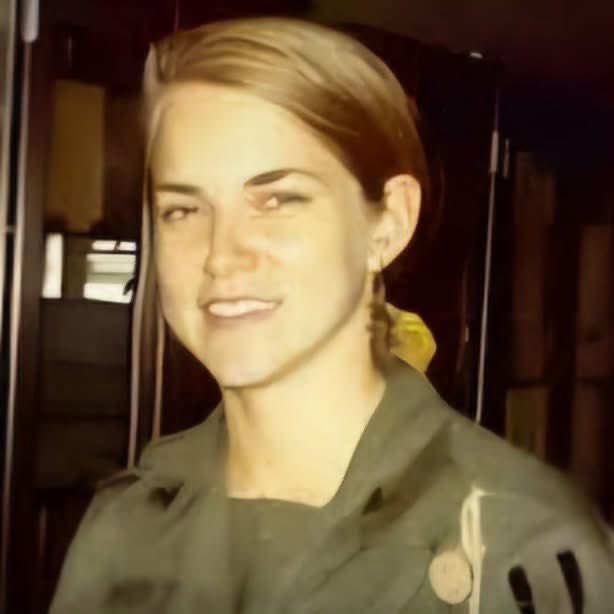
At 21, she skipped her graduation party to save dying soldiers in Vietnam. History forgot her name. Her grandchildren didn't. The day after graduating nursing school, Cindy Mason Young made a choice that would haunt and define her. While her classmates celebrated, she put on an Army Nurse Corps uniform. She wanted to see the world and make a difference. Vietnam answered that wish in the hardest way possible. Cindy was assigned to the 24th Evacuation Hospital in Long Binh, working the neurosurgical unit. These were not minor cases. Head wounds from sniper fire. Spinal cord injuries from explosions. Soldiers arriving with legs that would never walk again, faces she would never forget. She was 21 years old. The same age as the men screaming on her operating table. There were no textbooks for this. No training that could prepare her to decide who would live, who would walk, who would spend the rest of their lives in a wheelchair. She learned by doing. By making impossible choices under impossible pressure. By working 18-hour shifts and watching boys die despite every effort. While her friends back home were starting careers and families, Cindy was holding pressure on wounds that wouldn't stop bleeding. Making split-second decisions that determined whether a soldier would see his children again. No cameras documented those nights. No reporters told her story. The work was too raw, too real, too far from what America wanted to hear about the war. When her service ended, Cindy did not seek recognition. She stayed in the Army, building a full career, eventually retiring as a Major. The war became something the nation wanted to forget. Nurses like Cindy faded quietly into the background of history. But her impact did not fade. Today, Cindy Mason Young is a grandmother to 5 grandchildren and 4 great-grandchildren. Generations exist because she chose service over comfort. Because she had steady hands when it mattered most. Because she carried wounds—both visible and invisible—that never fully heal. History rarely says her name. That silence does not measure her worth. The lives she saved went on to become fathers, husbands, teachers, neighbors. Their children had children. Her legacy lives not in monuments or medals, but in the quiet continuation of lives that almost ended. Cindy Mason Young helped save lives when the world was falling apart. She did it without applause, without recognition, without expecting gratitude. That is what real heroism looks like.
Mr PitBull tweet media
English
133
703
2.8K
29.2K
Hit4Average retuiteado
The Husky
The Husky@Mr_Husky1·
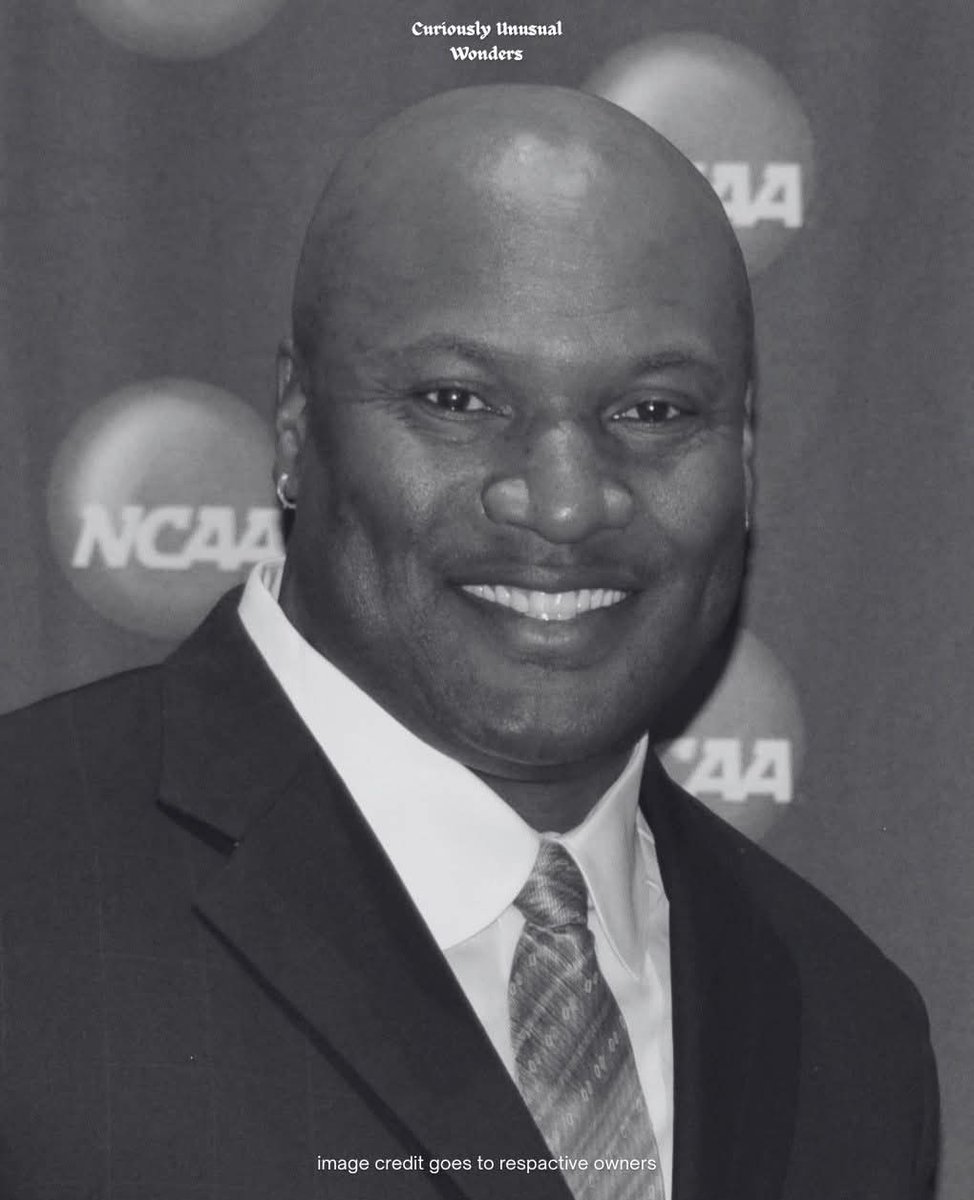
It started with a private jet and a lie. In early 1986, Bo Jackson was a senior at Auburn University — the reigning Heisman Trophy winner and a rare athlete dominating both football and baseball. The Tampa Bay Buccaneers, holding the first overall pick in the 1986 NFL Draft, wanted him badly. Owner Hugh Culverhouse arranged a private jet to bring him to Tampa. He told Jackson the trip had been cleared by the NCAA. It hadn’t. When Jackson returned, he was ruled ineligible for the rest of his senior baseball season. A season taken from him. He believed it wasn’t a mistake. He told Culverhouse: draft me if you want—you’ll waste the pick. They drafted him anyway. First overall. Offered him $7.6 million. He said no. Instead, he signed with the Kansas City Royals for $1.07 million and went to the minor leagues. Bus rides. Empty seats. No guarantees. From the outside, it looked irrational. From the inside, it was principle. On November 30, 1987 — his 25th birthday — Jackson lined up for the Los Angeles Raiders on Monday Night Football against the Seattle Seahawks. Linebacker Brian Bosworth had promised to stop him. He didn’t. Jackson took a handoff, broke outside, and ran 91 yards for a touchdown — past defenders, past the sideline, straight into the tunnel. Later, he ran straight through Bosworth at the goal line. 221 rushing yards. His fifth NFL game. Then baseball came. In 1989, he was named MVP of the MLB All Star Game — chasing down impossible plays and hitting a home run off Rick Reuschel that traveled nearly 450 feet. Two sports. Two leagues. One athlete. But the most remarkable thing about Bo Jackson wasn’t the speed or the power. It was the refusal. He refused to reward dishonesty. He refused to let money erase what had been done to him. He chose a bus ride over millions because some things matter more than numbers. His career ended too soon — a devastating hip injury in 1991 changed everything. But his legacy didn’t. Bo Jackson remains the only athlete ever named an All-Star in both Major League Baseball and the National Football League. And that legacy began with a decision. A 22-year-old sitting on the ground in Auburn, his baseball season gone, choosing not to bend. He didn’t break. The world adjusted around him.
The Husky tweet media
English
110
729
4.4K
492.3K
Hit4Average retuiteado
Crazy Vibes
Crazy Vibes@CrazyVibes_1·
When Jane Fonda went political with her speech at the National Audubon Society, she probably didn't expect to be heckled...by Kelsey Grammer. "I'm sorry, Jane," Grammer said as he interrupted her monologue about Trump, "But this banquet is about birds and people who wish to donate money to protect them. Do you think you could stay on topic?" Fonda answered by reminding him that she has a history of using public platforms for politics. "Which is why I'm amazed that anyone invites you anywhere," Grammer fired back, "It's getting a little bit old."
Crazy Vibes tweet media
English
1.4K
6.7K
40.7K
833.2K
Hit4Average retuiteado
The Husky
The Husky@Mr_Husky1·
He was 32 years old. He was a husband, a father of two, and about to become a father for the third time. In those final moments, knowing he would never meet his daughter, he could have begged for mercy. Instead, he made a different choice. He organized a resistance, prayed with a stranger… and spoke two words the world would never forget. It was September 11, 2001. United Airlines Flight 93 took off from Newark at 8:42 a.m., bound for San Francisco. There were 44 people on board. Among them was Todd Beamer, traveling for work, planning to surprise his pregnant wife for her birthday. At 9:28, chaos. The hijackers took control. Screams, panic, the plane diverted toward Washington. The pilots were gone. Todd picked up the seat phone. He didn’t call home. He didn’t call a friend. He spoke to an operator, Lisa Jefferson. That call lasted thirteen minutes—thirteen minutes that entered history. With clarity, he described everything: the terrorists, the weapons, the situation. Meanwhile, from other calls, the truth emerged. The Twin Towers had been hit. The Pentagon attacked. This was not an ordinary hijacking. It was a suicide mission. Todd understood immediately. Staying still meant dying— and allowing others to die. He asked for only one thing: if he didn’t make it, someone had to tell his family how much he loved them. He was afraid. But he didn’t stop. Together with other passengers, they looked each other in the eyes. They talked. They weighed everything. They knew they would probably not survive. But they also knew something else: they could stop it. Before taking action, Todd made one last request. He prayed over the phone. At thirty thousand feet, facing the end, he found strength in his faith. Then he returned to the others. “Are you guys ready?” “Okay.” “Let’s roll.” Shouts. Movement. Struggle. At 10:03 a.m., the plane crashed into a field in Pennsylvania. No one survived. But that plane never reached its target. According to investigations, it was headed for the Capitol or the White House. Because of them, that attack never happened. That day, ordinary people did something extraordinary. The 9/11 Commission called it the first true counterattack. Not soldiers. Not movie heroes. Ordinary people who chose not to stand by. Todd’s daughter was born a few months later. She grew up with a powerful truth: Courage is not the absence of fear. It is moving forward despite it. Today, at the crash site, stands the Flight 93 National Memorial. Forty names carved in stone. Forty stories. Forty choices. “Let’s roll” has become much more than a phrase. It has become a symbol. Of responsibility. Of sacrifice. Of choosing to act… when the cost is everything. Todd Beamer boarded that plane expecting an ordinary day. He left it as a man who changed history. And without knowing it, he showed the world what it truly means to be a hero. 💭
The Husky tweet media
English
58
310
1.3K
31.3K
Hit4Average retuiteado
Gary Sinise
Gary Sinise@GarySinise·
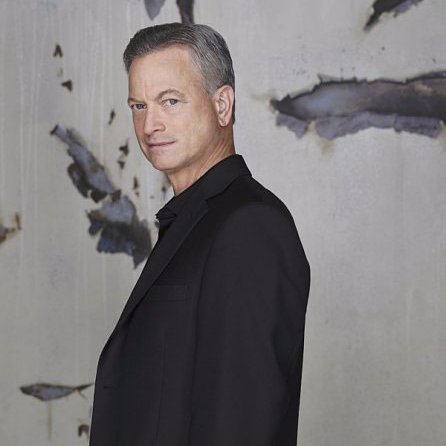
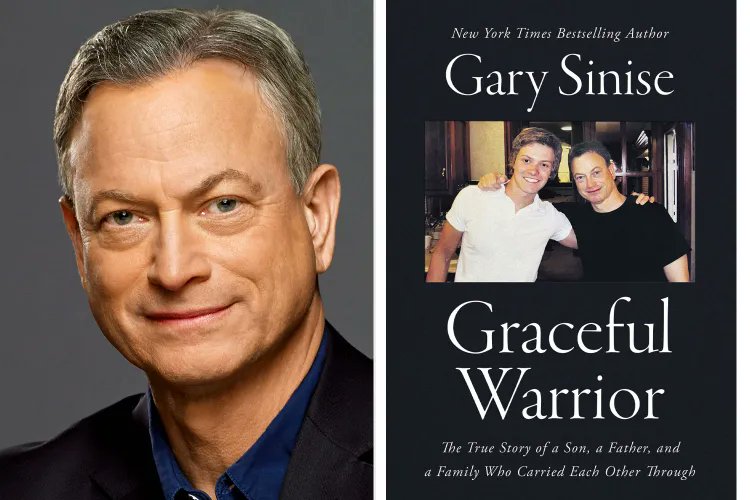
Hey folks, today I’d like to take a moment to share something deeply personal with you. Over the past few years, my family has walked through a season of profound love and loss. My son Mac was a remarkable young man, full of talent, heart, and purpose. An incredible musician and composer, in 2018 Mac was diagnosed with a rare bone cancer and our family entered a journey that none of us could have prepared for. A little over two years ago I went to work writing my second book, sharing his story, as well as challenges and blessings our family experienced along the way, the love that held us together, the faith that sustained us, the grief that changed us, and how we continue to move forward daily with a strength we didn’t know we had. And now Thomas Nelson and @People Magazine begin the next part of this journey. This book is for Mac. It’s also for anyone who has faced loss, uncertainty, or hardship, and is searching for a line of hope in the middle of it. Something I feel I needed to do to help with my own healing. I’m thankful to People for sharing the launch of our presale today. Graceful Warrior: The True Story of a Son, a Father, and a Family Who Carried Each Other Through is now available for preorder and will officially be released on Mac’s birthday, Nov 10th. Thank you for your consideration. Read the full People article: bit.ly/4ms63wi Preorder today: bit.ly/4ekoVLk
Gary Sinise tweet media
English
1K
7.3K
51.8K
1M
Hit4Average retuiteado
Stefan Moore ★
Stefan Moore ★@2StefanMoore·
There was a time I thought I understood grief. I was so wrong. I offered clichés instead of compassion… until my Child died. 💔 You can’t comprehend the pain of burying your own Child unless you’ve received that shattering phone call, chosen their casket, written their obituary, planned their funeral & now spend their birthdays wishing you could hug them. 💔 The “unlesses” are endless. Child loss grief is in a category of its own, insidious & unrelenting. Yet every bereaved parent is grateful you’ll never know this pain. So please: don’t make us defend our grief. Just pray for us & stay near. The “unlesses” never end. Neither does the weight we carry. Your support & follows mean more than you will ever know. Thank you for making life without my Daughter a little easier & helping me become a mighty voice for our #ChildhoodCancer Warriors. 🙏🏻 ❤️ Ashley ❤️ #Forever13
Stefan Moore ★ tweet media
English
149
153
1.3K
17.3K
Hit4Average retuiteado
I Am Robert E L Bowman I Am
I Am Robert E L Bowman I Am@RobertELBowman·
I grew up in Kingsport, TN and I never once questioned my Father’s or Mother's income. It was never a discussion. We never once discussed how people voted or for who. We ate homemade meals consisting of meat, potatoes, and vegetables. We never touched anything that did not belong to us. We never opened a refrigerator at anyone's house unless asked to do so. We were taught to respect other peoples property. And we were rewarded for acting properly. We grew up during a time when we mowed lawns, pulled weeds, babysat, helped with all chores. We, by no means, were given everything we wanted. We were not allowed to stay in our bedrooms all day and we were not allow to sit on the bed during the day. We went outside a lot to play, run with friends, play hide and seek, or went bike riding. We rarely just sat inside. Bottled water was unheard of, if we wanted water we drank straight from the faucet or hose. If we had a soda, it was in a glass bottle, and we didn’t break the bottle when finished. We saved the bottle for the return money. And, we collected the bottles for the nickel for our next purchase. We had to tell our parents where we were going, who we were going with, and be home before dark. You 𝑳𝑬𝑨𝑹𝑵𝑬𝑫 from your parents instead of disrespecting them and treating them as if they knew absolutely nothing. What they said was 𝑳𝑨𝑾 and you did not question it and you had better know it! We watched what we said around our elders and neighbors because we knew if we 𝑫𝑰𝑺𝑹𝑬𝑺𝑷𝑬𝑪𝑻𝑬𝑫 any grown-up, we would get a real good whooping, it wasn't called abuse, it was called discipline! We held the doors for others and carried the shopping into the house. We gave up our seat for an older person without being asked. You didn't hear swear words on the radio in songs or on TV. "Please and Thank you", were part of our daily vocabulary! The world we live in now is just so full of people who hate and disrespect others. Friends, consider re-posting if you're thankful for your childhood. I will 𝑵𝑬𝑽𝑬𝑹 𝑭𝑶𝑹𝑮𝑬𝑻 where I came from and only wish children and people nowadays had half the chance at the fun and respect for real life we grew up with! And we were never bored!
English
191
1K
2.5K
44K
Remember The Fallen
Remember The Fallen@44MagnumBlue1·
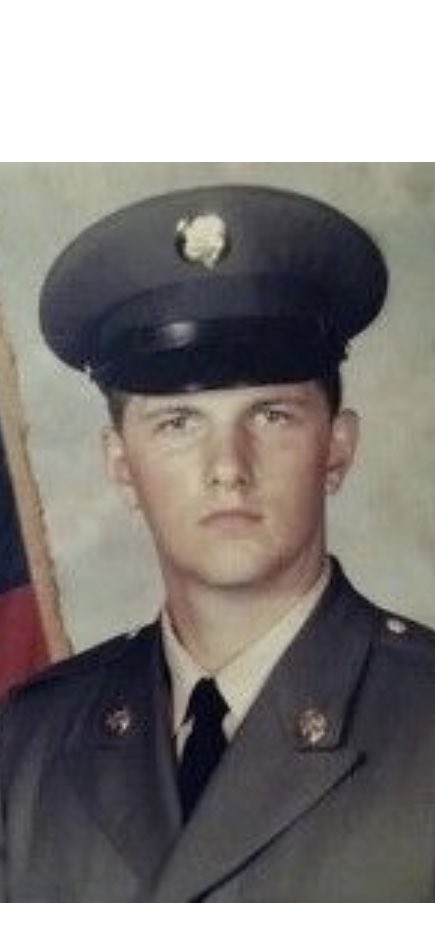
United States Army Corporal Jackie Lee Ratcliff was killed in action on April 10, 1969 in Dinh Tuong Province, South Vietnam. Jackie was 20 years old and from Birmingham, Alabama. 9th Infantry Division. Remember Jackie today. American Hero.🇺🇸🎖
Remember The Fallen tweet media
English
69
200
718
0
Remember The Fallen
Remember The Fallen@44MagnumBlue1·
United States Marine Corps Private First Class Daniel Scott Keith was killed in action on April 10, 1969 in Quang Tri Province, South Vietnam. Daniel was 18 years old and from Livonia, Michigan. 2nd Battalion, 4th Marines. Remember Daniel today. Semper Fi. American Hero.🇺🇸
Remember The Fallen tweet media
English
34
93
401
0
Remember The Fallen
Remember The Fallen@44MagnumBlue1·
United States Army Private First Class Phillip Michael Long was killed in action on April 10, 1970 in Quang Tri Province, South Vietnam. Phillip was 20 years old and from Radford, Virginia. 1st Battalion, 44th Artillery, C Battery. Remember Phillip today. American Hero.🇺🇸
Remember The Fallen tweet media
English
71
164
607
0
Remember The Fallen
Remember The Fallen@44MagnumBlue1·
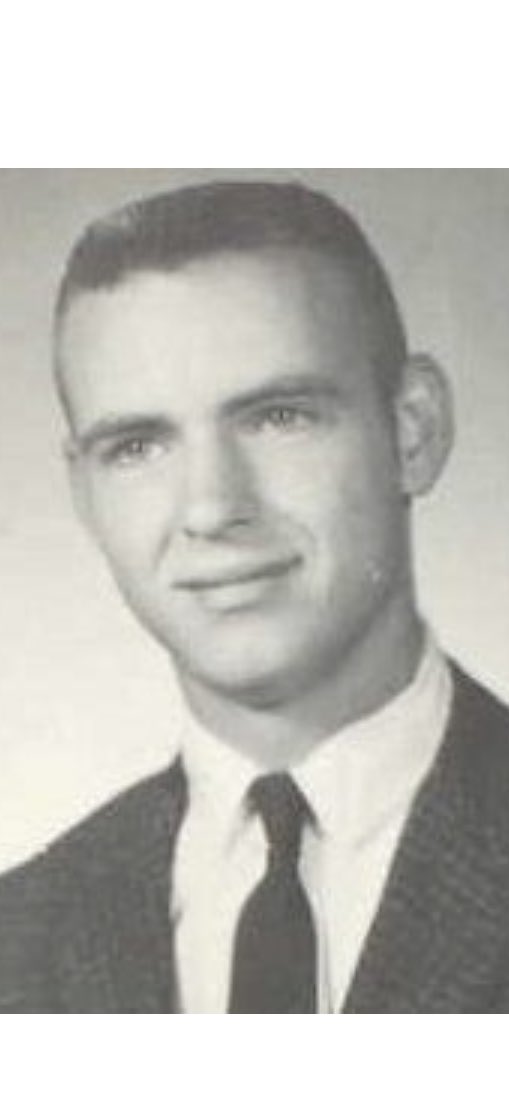
United States Army Specialist Four Donald Eugene Long was killed in action on April 10, 1967 in Dinh Tuong Province, South Vietnam. Donald was 20 years old and from Dunnegan, Missouri. 9th Infantry Division. Remember Donald today. American Hero.🇺🇸
Remember The Fallen tweet media
English
36
110
396
0
Hit4Average retuiteado
G-PA
G-PA@IndianaGPA·
🙏🇺🇸🙏 HERO 🇺🇸 When Navy sailor Douglas Hegdahl was captured during the Vietnam War in 1967 and dragged into the notorious Hanoi Hilton prison, he made a split-second decision that would alter the course of hundreds of lives. He would play dumb. Not just a little slow. Full-blown, helpless, harmless fool. Hegdahl acted confused, clumsy, simple-minded. He stumbled over his words. He pretended not to understand basic instructions. He smiled vacantly when guards barked orders. His captors ate it up. They mocked him. They called him names. And crucially—they stopped watching him closely. To them, he was too stupid to be dangerous. They were catastrophically wrong. While shuffling around the compound looking lost, Hegdahl was quietly sabotaging their war effort—pouring dirt and debris into enemy truck fuel tanks, disabling vehicles, creating chaos that looked like mechanical failure. But his most dangerous act was completely invisible. The North Vietnamese were hiding the truth about American POWs—denying some existed, refusing to release names, keeping families in agonizing uncertainty. So Hegdahl began collecting intelligence the only way he could: by memorizing everything. Every fellow prisoner he encountered—their names, ranks, capture dates, physical conditions, injuries. Every detail the enemy wanted buried. 256 names. 256 men. 256 families back home who deserved to know their sons, husbands, and fathers were still alive. But how do you remember 256 detailed records without writing anything down, in a prison where guards searched constantly? Hegdahl set them to music. He used the tune of '''Old MacDonald Had a Farm''' turning military data into verse, singing it silently in his head day after day, drilling the information into his memory until it was unshakeable. ''''Old MacDonald had a farm, E-I-E-I-O, and on that farm he had a... Lieutenant Commander John Smith, captured March 1966..."' Over and over. Every day. While his captors thought he was too simple to even remember his own name. In 1969, the North Vietnamese decided to release a small group of POWs as a propaganda move-a show of ''"mercy''' to improve their international image. Hegdahl was selected because they believed he was a harmless fool who'd embarrass the U.S. military. His fellow prisoners, including senior officers, ordered him to accept the release. They knew what he carried in his head was too valuable to risk. He initially refused—he didn't want to abandon his brothers. But they insisted. ''''Get that list home,"'' they told him. '''Tell the world we're here.'' The moment Hegdahl touched American soil, he delivered everything. Every name. Every detail. Every piece of intelligence his photographic memory had stored. 256 prisoners were confirmed alive-men the enemy claimed didn't exist. Families received proof their loved ones hadn't vanished into the void. The U.S. government now had documented evidence to demand accountability. The ''stupid"'' sailor had just pulled off one of the most successful intelligence operations of the Vietnam War. Hegdahl didn't carry a weapon. He didn't stage a dramatic escape. He didn't overpower guards. He simply understood that sometimes the most powerful weapon isn't strength—it's making your enemy believe you're no threat at all. The North Vietnamese thought they were releasing a fool who'd embarrass America. Instead, they released the one man who could expose their lies to the world. Douglas Hegdahl returned home a hero—not because he fought the hardest, but because he was smart enough to let them think he couldn't fight at all. And somewhere in a field, '''Old MacDonald"" still has a farm. But now, that silly children's song carries a legacy of 256 men who came home because one sailor had the courage to be underestimated 🙏🇺🇸🙏
G-MA & G-PA@GPAIndiana

🙏🇺🇸🙏 On May 6, 1942, on Corregidor Island in the Philippines, General Jonathan Wainwright faced one of the most brutal decisions a commander can make. Surrounded by overwhelming Japanese forces, with no reinforcements, no supplies, and thousands of exhausted American and Filipino soldiers under his command, he was given a choice that wasn't really a choice at all. Continue fighting and watch his remaining men be annihilated, or surrender and save their lives. It meant ordering the largest surrender in American military history, over 80,000 troops, and risking being remembered as the general who gave up. He chose their lives. In that moment, he believed he had destroyed his own legacy. What followed was three years of captivity in brutal prisoner-of-war camps, where he endured starvation, isolation, and constant psychological torment. But the hardest part wasn't the physical suffering, it was the belief that he had failed his country. With no news from home, he lived with the weight of that decision, replaying it again and again, convinced he would never be forgiven. What he didn't know was that back in the United States, leaders and citizens saw something completely different. They saw a man who made an impossible decision to save tens of thousands of lives. When he was finally liberated in 1945 and asked how America viewed him, the answer shocked him: he was a hero. He was awarded the Medal of Honor, promoted, and welcomed home with national recognition. The man who thought he had disgraced himself had actually done something far rarer. He chose responsibility over pride, lives over legacy, and humanity over symbolism. His story is a reminder that courage is not always found in fighting to the end, but sometimes in knowing when to stop, even if the world might misunderstand you 🙏🇺🇸🙏

English
20
212
1.1K
269.2K
Hit4Average retuiteado
Patriot🇺🇸Newswire
Patriot🇺🇸Newswire@NewswirePatriot·
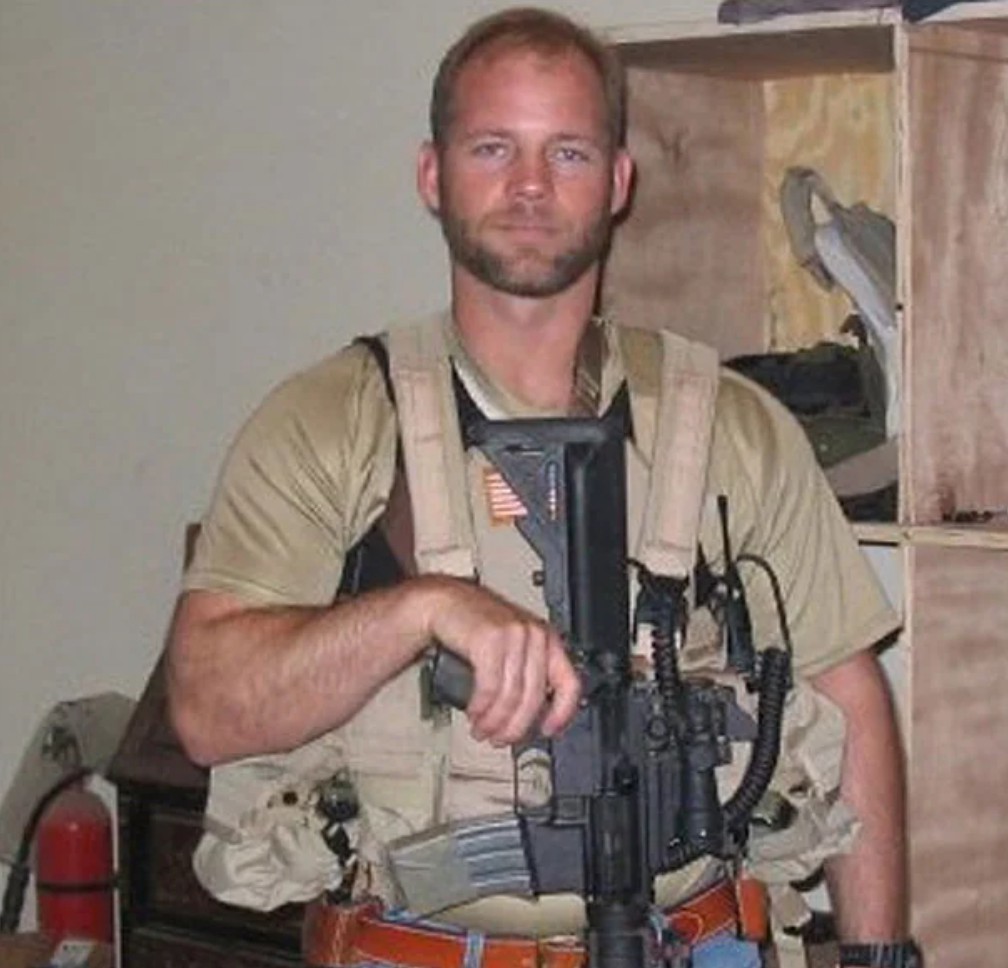
In April of 2006, Navy Seal Michael Day was shot 28 times, but it didn't stop him. He was shot everywhere on his body but his head, and continued to fight with his Sig 9MM pistol even after the pistol grips and his thumb was shot off. With that handleless pistol he killed the three more remaining bad guys. He only walked to a Medevac helicopter when the job was done. Athletes shouldn't be revered as heroes, men like this should be. Yes, Mike survived.✝️🙏 God bless Michael Day! 🇺🇲
Patriot🇺🇸Newswire tweet media
English
2K
14.1K
69K
792.4K