ایک مدت کی ریاضت سے کمائے ہوئے لوگ
کیسے بچھڑے ہیں مرے دل میں سمائے ہوئے لوگ
تلخ گوئی سے ہماری تُو پریشان نہ ہو.
ہم ہیں دنیا کے مصائب کے ستائے ہوئے لوگ
تجھ کو اے شخص کبھی زیست کی تنہائی میں
یاد آئیں گے ہم عجلت میں گنوائے ہوئے لوگ 🖤
It's ironic how the loudest voices accusing Iran of oppressing women are often the very same circles who are accused of some of the heinous crimes.
World is waking up !!
Khadija رضي الله عنها passed away on 10th Ramadhan, three years before the Hijrah.
She was the beloved first wife of the Prophet Muḥammad ﷺ, the first believer in Islam, who supported him with her wealth and unwavering loyalty. They were married for about 25 years, and during that entire time he ﷺ never married another woman.
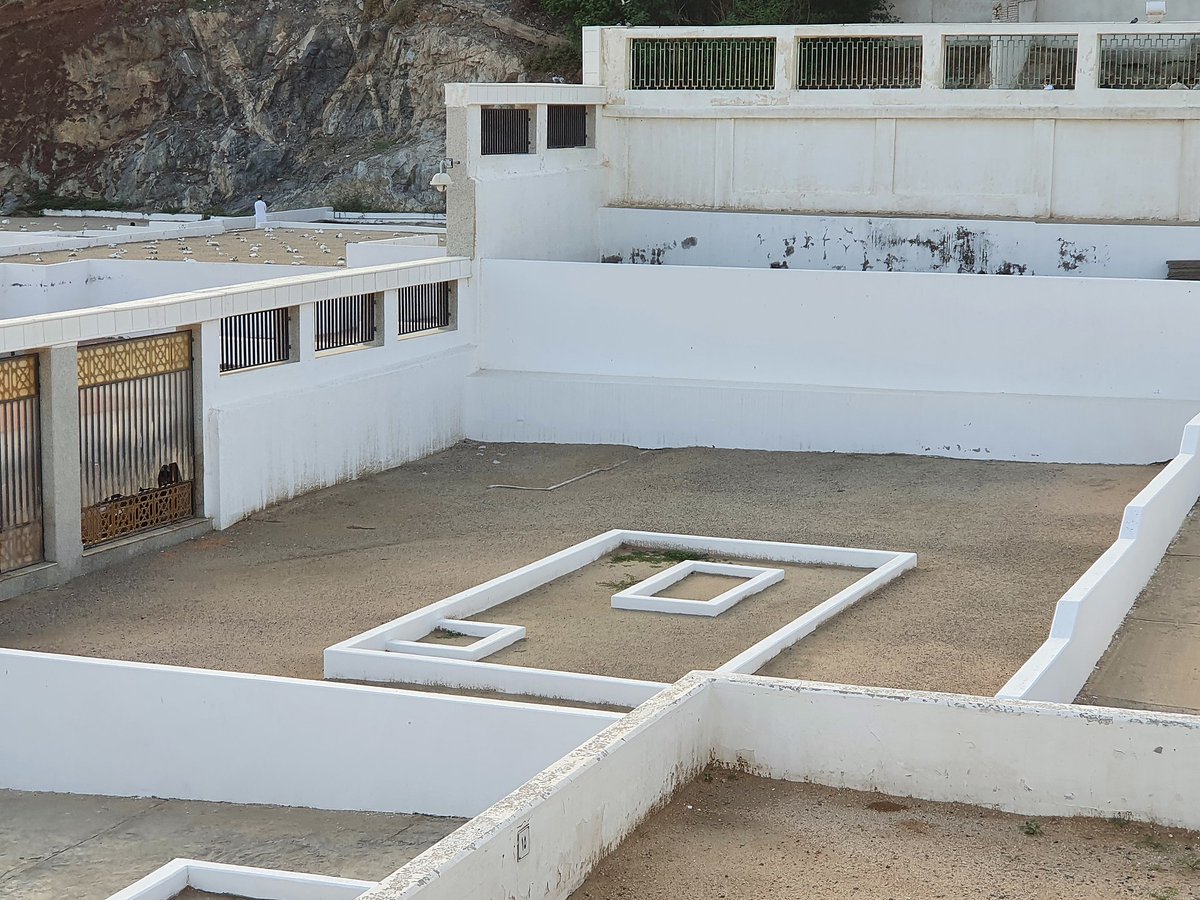
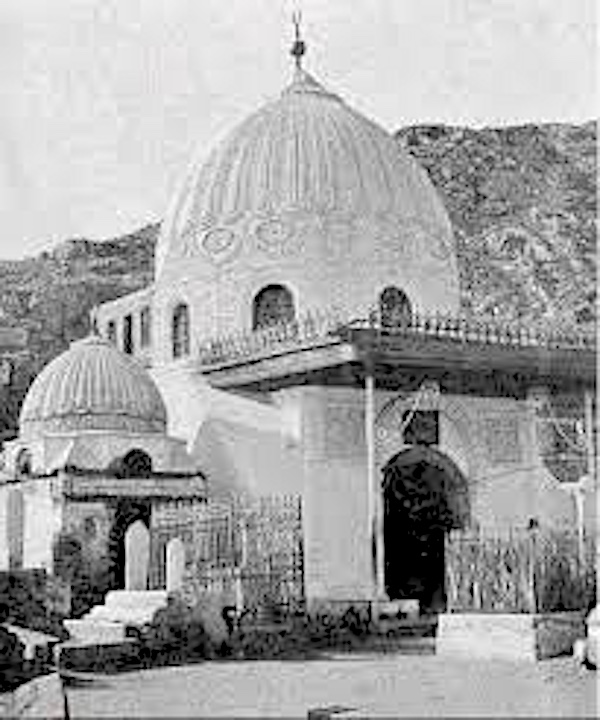
Her grave is in Jannat al-Mu'alla cemetery in Makkah, alongside their infant eldest son Qasim. A domed structure used to house her resting place but this was levelled in the 1920s.
VAGINISMUS:
THIS HAS DESTROYED MANY HOMES.
NO, SHE'S NOT PRETENDING.
READ, SHARE AND REPOST.
Dear Women and Men, come and learn...,
When the Body Says No: Vaginismus, Silence, and the Myth of a Closed Door
They come quietly, these messages, and they often begin the same way, Dear Doc, and then a confession wrapped in confusion, and sometimes shame. I married my wife as a virgin, and yet it feels like something is blocked, and I can touch her, and we can linger in foreplay, but when it is time for intercourse, the door closes. And in that sentence, a woman is almost turned into a riddle, and sometimes into a suspect. As though her body has decided to be wicked. As though pain is rebellion. As though fear is witchcraft.
But let us say this clearly, and say it gently, and say it loudly enough to undo years of silence: this is not witchcraft. She is not wicked. Her body is not conspiring against love.
This is called vaginismus, and it is far more common than we admit, and far more human than we allow.
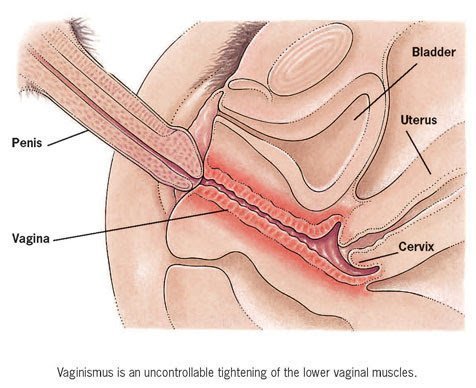
Vaginismus is the body tightening when it should soften, and closing when it should welcome, and doing so without permission from the mind. It is an involuntary spasm of the vaginal muscles during penetration, during sex, during examinations, sometimes even during the thought of penetration.
Many women say, my vagina is blocked or I am too small, and what they are really saying is that their body has learned fear. And this fear does not belong only to first-timers, although many first sexual experiences are marked by it. It belongs also to women who have had sex before, and to women who have known trauma, and to women whose bodies remember pain from surgery, from radiotherapy, from infections, from stories whispered by aunties about how sex is suffering and womanhood is endurance. It belongs to women who were assaulted, and to women who grew up learning that sex is danger dressed as desire.
And yes, vaginismus has broken hearts, and strained marriages, and turned bedrooms into battlegrounds of guilt and misunderstanding. But it is not a moral failure. It is not stubbornness. It is not punishment. It is the body doing what bodies do when they feel unsafe, protecting itself.
So what do we do, when the body says no?
We begin with belief, belief in the woman, and belief that healing is possible. We begin with counselling, especially when there has been sexual trauma, because the body listens closely to the mind. We seek help not from one person, but from a team, the gynaecologist, and the psychologist, and the counsellor, and the physiotherapist, and the specialist nurse, because vaginismus is not a single story and cannot be solved by a single voice. We talk about lifestyle, and hydration, and the quiet power of pelvic floor exercises like Kegels, and we talk about lubricants, yes, generously, and some that soothe pain as they ease entry. We talk about patience, and vaginal massage, and gentle exploration, sometimes guided, sometimes slow, sometimes awkward, and always kind.
We talk about foreplay, not as a prelude, but as a language of reassurance. And sometimes, when anxiety refuses to loosen its grip, we use medication to help the body learn calm again. Vaginal dilators may be used, slowly and consistently, not to force the body open, but to teach it that opening does not equal harm. Surgery, we say clearly, is rare, and only for true physical obstruction, not for fear, not for memory.
This is a big issue, yes, and it can unmake intimacy if left alone in the dark. But it is also a treatable one. Help exists. Compassion works. Conversations heal.
And so, if your body has been saying no, listen to it, not with anger, but with curiosity. Seek help. Book consultations. Treat infections. Drink water. Be patient. Be gentle. Because sometimes the door is not locked.
Sometimes, it is only afraid.
Former Governor of Balochistan, Nawab Zulfiqar Khan Magsi's interview is probably my favourite interview from Pakistan. This also holds true for India.