
Tweet fijado

FᄂYIПG ƧPΣΣD
18.5K posts

@machineheadz
hikikomori 🔻



Breaking News !!! Banyak Pemda akan merumahkan PPPK & PPPK PW, akibat kondisi keuangan Daerah yang memilukan. here we go !! CPNS tidak dibuka PPPK di rumahkan bayangkan ini terjadi di pada guru di provinsi dan Kabupaten. Siapa tuh yang bakal ngajar anak-anak kita. ABRI kah?

Tanda bahaya sudah dinyalakan 🚨




Seen in Tel Aviv today. What’s this bird called?








YAZID BIN MU'AWIYAH RAHIMAHULLAH [60 H-64 H) Yazid bin Muawiyah bin Abi sufyan bin Shakr bin Harb bin Umayyah Kunyahnya adalah Abu Khalid Al Umawy. Di ba'iat sebagai khalifah Amirul mukminin ketika ayahnya masih hidup untuk kemudian memegang urusan pemerintahan sepeninggalnya.

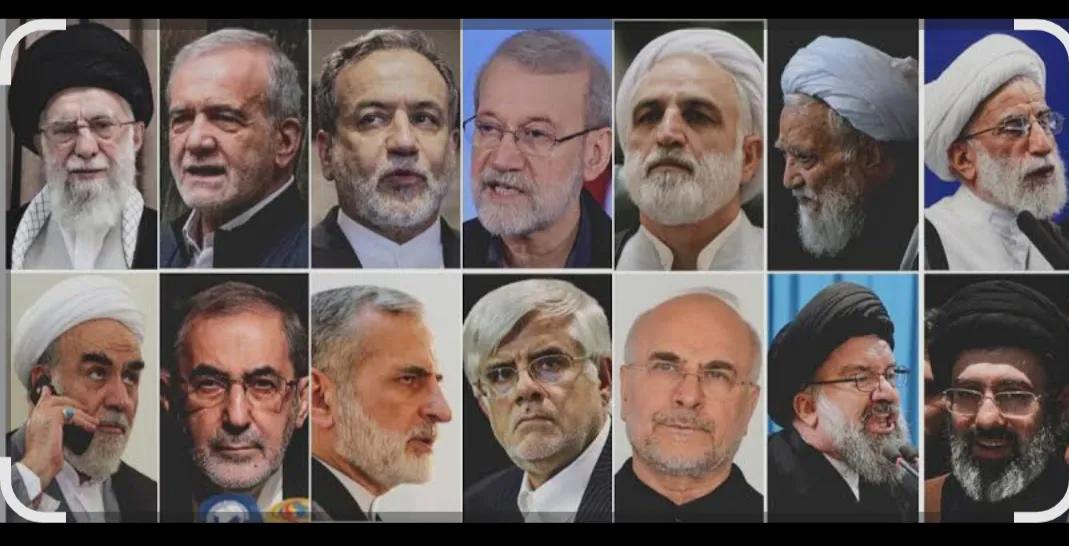
"When the United States and Israel struck Tehran in late February, Jakarta’s response was conspicuously muted, echoing the unusually quiet corridors of diplomacy in Pejambon, typically alive with sovereignty-laden rhetoric. As “Operation Epic Fury” unfolded on February 28, 2026, unleashing precision-guided missiles and reportedly eliminating Iran’s Supreme Leader, Ayatollah Ali Khamenei, the world expected a forceful reaction from Indonesia, home to the largest Muslim population globally. Instead, what emerged was a tepid expression of “deep regret,” devoid of direct condemnation of Washington or Tel Aviv, and notably absent of any immediate official condolence from the presidential palace. The contrast sharpened as domestic political dynamics took center stage. Former president Megawati Soekarnoputri stepped into the vacuum left by the state’s restrained posture. She issued condolences for Khamenei’s death and, shortly thereafter, extended congratulations to Mojtaba Khamenei following his succession through the Assembly of Experts on March 10, 2026. This was no mere personal gesture. It amounted to a form of “shadow diplomacy,” evoking the legacy of the 1955 Bandung Conference at a moment when the central government appeared strategically hesitant. For Jakarta, this was nothing short of an existential threat. Labour-intensive sectors such as textiles, footwear, and rubber, employing between four and five million workers, are heavily reliant on the US market. Why did Indonesia appear so constrained, almost paralyzed, in responding to the Iran crisis? The most candid answer lies in the evolving geo-economic and geopolitical architecture shaped by Donald Trump, into which Indonesia had just been drawn days before the strikes began. On February 19, 2026, Jakarta signed the Agreement on Reciprocal Trade (ART) in Washington, marketed as a “Golden Era” pact, yet in practice functioning as a gilded cage for Indonesia’s foreign policy autonomy." #Opinion by Dr Jannus TH Siahaan middleeastmonitor.com/20260323-how-i…

