
Tweet fijado
afonso
46.2K posts

afonso
@nylundd
(e)sports lover, run hitter 🥎
lisboa / porto Se unió Ağustos 2016
381 Siguiendo540 Seguidores
afonso retuiteado

La musique que j’ai le plus de mal à réécouter, vrmt je préfère me taper 4h de remix expérimental de bruit de chantier plutôt que ce piano qui m’arrache le cœur de nostalgie en me faisant miroiter l’enfance que je ne pourrai plus jamais revivre
WAV Archive@WAVArchive
Sweden — C418 (2011)
Français
afonso retuiteado

.@sawggofficial preparam primeira viagem internacional com novo lineup
#Overfrag #Esports #CS2 overfrag.pt/noticias/saw-p…
Português
afonso retuiteado
.@BetBoomTeam sagra-se campeã da @rmnimperiumcup VII
#Overfrag #Esports #CS2 overfrag.pt/noticias/betbo…
Português
afonso retuiteado

Here’s the difference between being a GOAT and just a leader with Mouz, Falcons or Spirit...
CS2 NEWS@CS2News_EN
apEX aura farming in TeamSpeak 😭😭😭
English
afonso retuiteado

afonso retuiteado

afonso retuiteado

afonso retuiteado

afonso retuiteado




afonso retuiteado

Counter-Strike players begging for meaningful updates and then having a fucking meltdown the instant the devs make an actually meaningful gameplay tweak, before even trying it 🥀💔
CS2@CounterStrike
For your consideration, an update pertaining to Guns, Guides, and Games: steamcommunity.com/games/CSGO/ann…
English
afonso retuiteado

Every additional minute your toddler spends on a screen, they hear about 7 fewer words from you. By age 3, they also make 5 fewer attempts to talk back and lose one back-and-forth exchange with a parent. That’s from a 2024 JAMA Pediatrics study that put speech-recognition recorders inside actual homes across Australia.
The 49% stat in this tweet is real. It comes from a 2017 study at SickKids Hospital in Toronto that tracked 894 children aged 6 to 24 months. For every 30 minutes of handheld screen time per day, the risk of a child being slow to form words and sentences increased by 49%. But only the speech output was affected. Gestures, body language, and social interaction were all fine.
The mechanism is displacement. A toddler’s brain learns language through something researchers call “serve and return”: baby babbles, parent responds, baby tries again. That loop is how the brain’s language wiring gets built. When a screen is on, that exchange drops off.
And we can now see it on brain scans. A 2020 JAMA Pediatrics study at Cincinnati Children’s Hospital scanned the brains of 47 kids aged 3 to 5. Kids with more screen time had weaker white matter, the insulation around nerve fibers that helps different parts of the brain talk to each other. The weak spots were in the exact areas that control language and early reading.
A 2023 study at Tohoku University in Japan followed 7,097 children from birth. More screen time at age 1 was associated with higher rates of communication delays at ages 2 and 4. Each additional hour widened the gap.
The AAP recommends zero screen time for children under 18 months, except for video calls. The average child under 2 already gets over an hour a day. But a 2023 systematic review found that when kids with speech delays stopped using devices for six months, 36.7% showed measurable improvement. The word in the tweet is “destroys.” The data says it’s closer to “delays,” and in many cases, delays that respond when the screens come off.
All day Astronomy@forallcurious
🚨: Screen time destroys toddler's brains. For every 30 minutes, the risk of speech delay increases 49%.
English

Preciso de mais RAM mas não me apetece pedir um empréstimo ao banco.
O que faço?
Português
afonso retuiteado
afonso retuiteado


afonso retuiteado
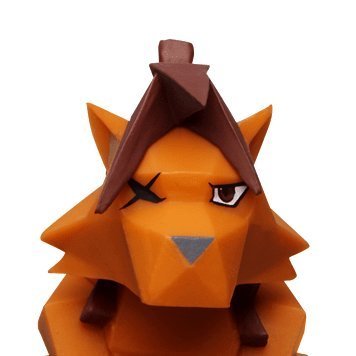
New photos of anime Director Hayao Miyazaki with Evangelion creator Hideaki Anno!
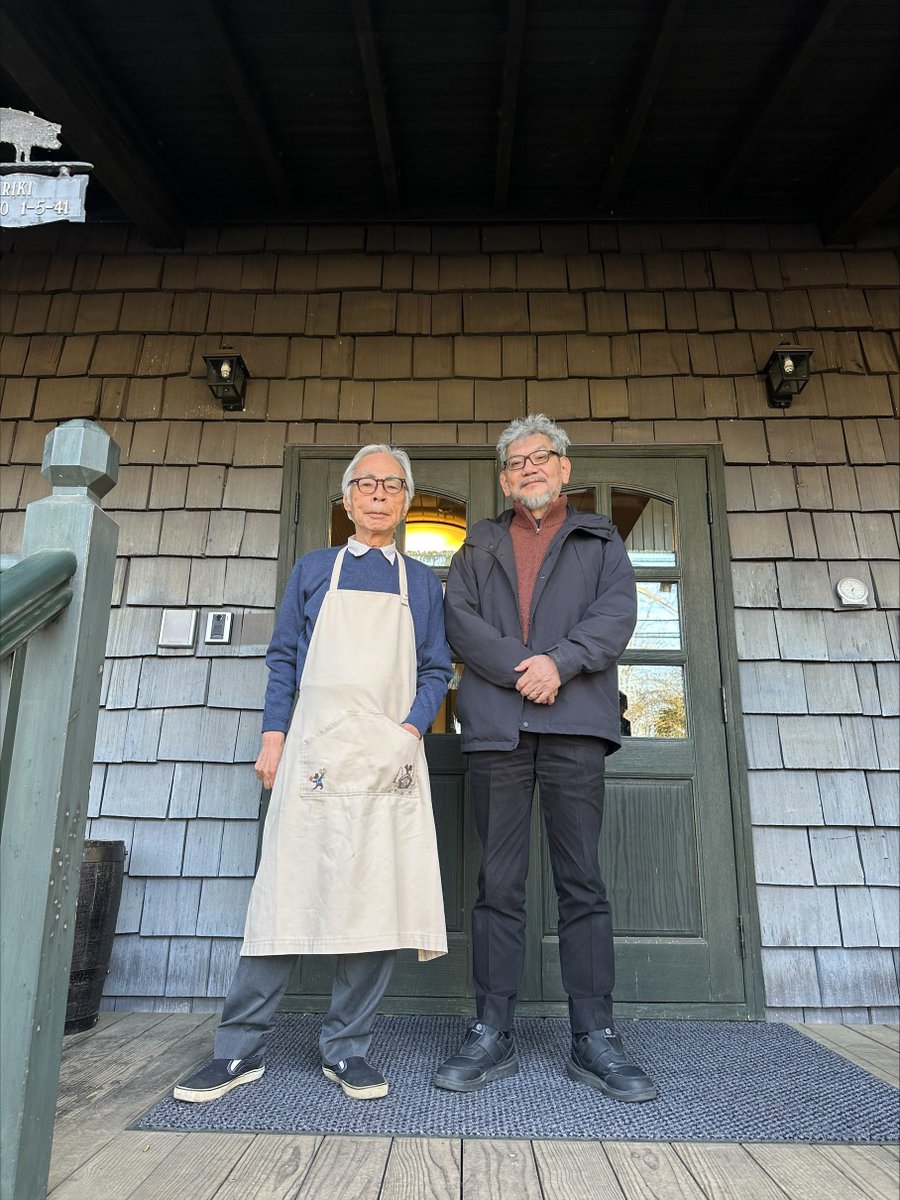

(株)カラー 2号機@khara_inc2
先日、1年ぶりに二馬力を訪ねました。 宮さん(宮﨑駿氏)は今も元気に好きな「絵」を自由に書いてました。凄い人です。 今回も写真はナウシカからの歴戦のスタッフさんに撮ってもらいました。 最後のは途中まで見送ってくれた宮さんから「握手しよう」と言われて撮ってもらった写真です。穏やかになったなぁ。 コメント 庵野秀明
Filipino
afonso retuiteado

donk put up the 2 best statistical years in counter-strike history back-to-back because of game sense, communication and nades!
Every day I watch donk and think, this guy hits the luckiest shots. Every single round for 2 years.
CS2 NEWS@CS2News_EN
Dosia played in our CS:GO Nostalgia Cup and shared his thoughts. Well… for now we can only miss that hitreg 🙏
English