PatternAtlas

810 posts

PatternAtlas banner
PatternAtlas

PatternAtlas

@patternatlas

Catalog of pattern of patterns. Authored by @Prabros

Up and about Se unió Mayıs 2020
4 Siguiendo1.3K Seguidores
PatternAtlas retuiteado
Prathyush
Prathyush@prathyvsh·
Negarchy is this political theory concept that I learnt in somewhere around 2023 that explains so much dynamics around me. It translates roughly into a gridlock because of mutual constraints imposed by the power struggle of competing/cooperating agents: en.wikipedia.org/wiki/Negarchy
English
1
1
4
462
PatternAtlas retuiteado
Prathyush
Prathyush@prathyvsh·
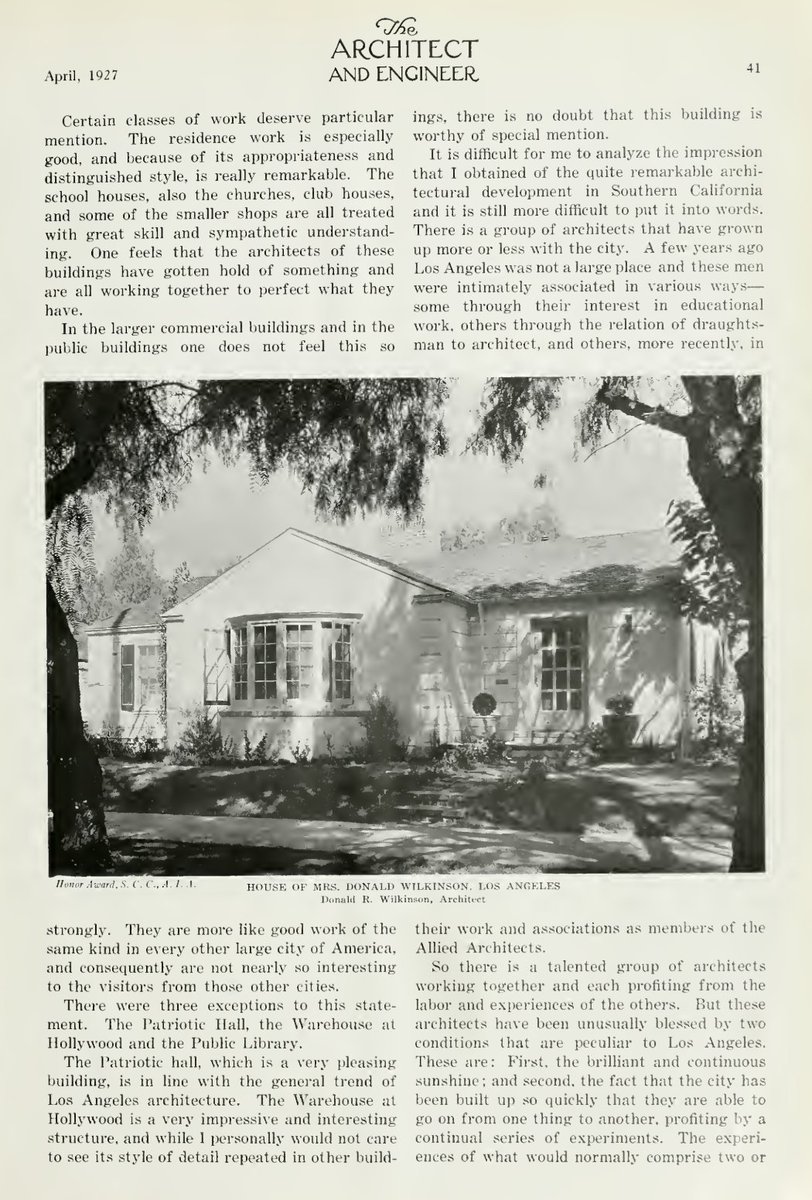
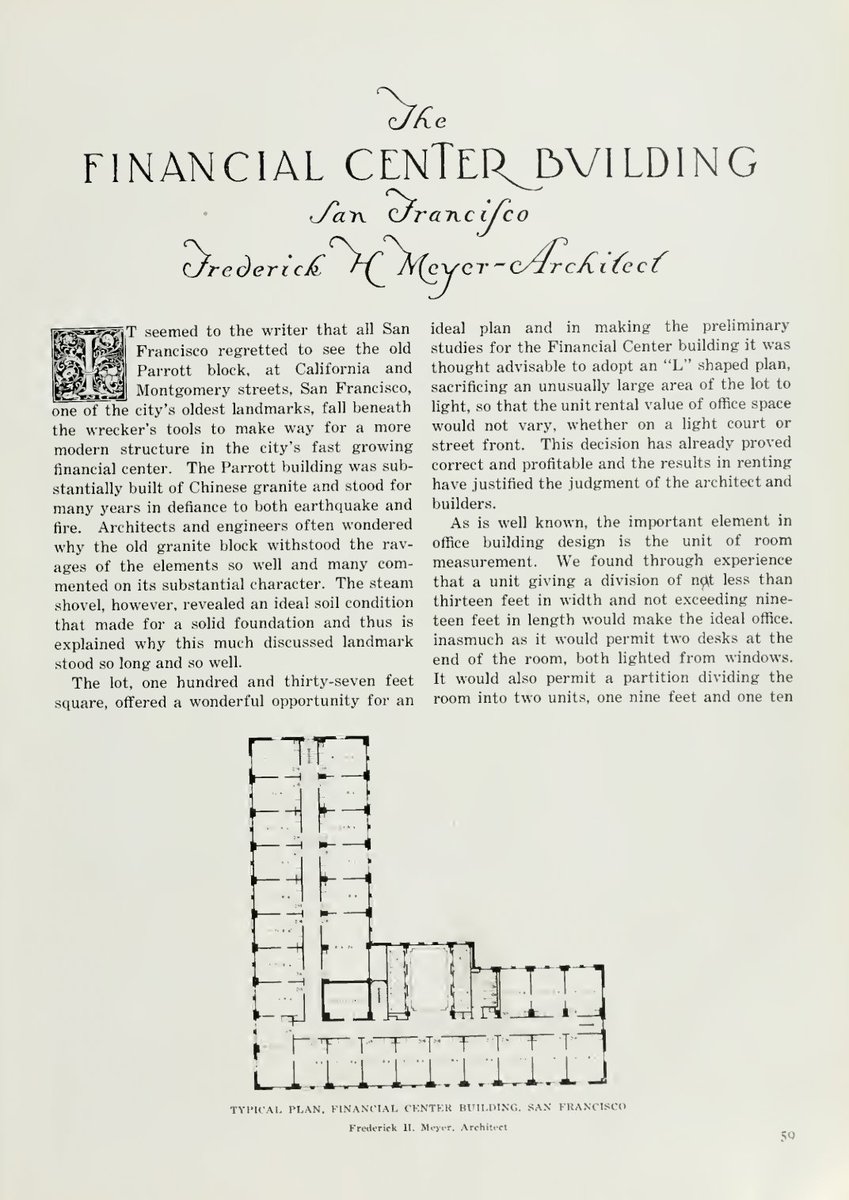
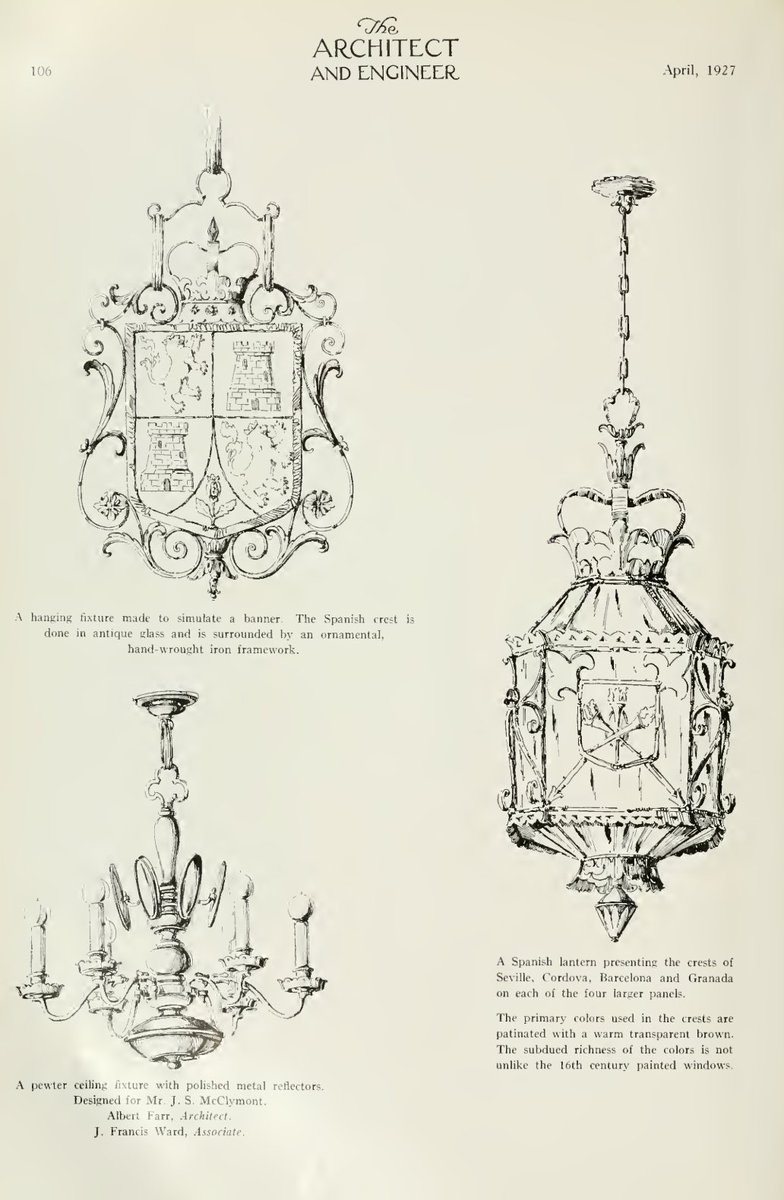
I am enamoured by the typefaces, layouts, photography, and illustrations in “The Architect and Engineer” magazine from 1927: usmodernist.org/AECA/AECA-1927…
Prathyush tweet mediaPrathyush tweet mediaPrathyush tweet media
English
0
3
10
554
PatternAtlas retuiteado
Prathyush
Prathyush@prathyvsh·
Discovered this interesting book about the cultural aspects of map making by David Turnbull.
Prathyush tweet media
English
1
1
6
459
PatternAtlas retuiteado
Prathyush
Prathyush@prathyvsh·
Was researching the history of spreadsheets and tables and ran across a bunch of cool books on the history of bookmaking.
Prathyush tweet media
English
2
2
13
819
PatternAtlas retuiteado
Prathyush
Prathyush@prathyvsh·
Book discovery of the day: Ancient Knowledge Networks — A free access book by Assyriologist by Eleanor Robson on how “networks of knowledge enabled cuneiform intellectual culture to adapt over the course of 5 world empires until its eventual demise in the mid-first century BC.”!
Prathyush tweet media
English
2
8
19
1.1K
PatternAtlas retuiteado
Prathyush
Prathyush@prathyvsh·
Researching the history of spreadsheets these days and ran across two rather niche books that talk about the evolution of the table/grid structure. The Grid Book by Hannah Higgins: amzn.to/42PbaNQ
Prathyush tweet media
English
1
23
119
4.9K
PatternAtlas retuiteado
Prathyush
Prathyush@prathyvsh·
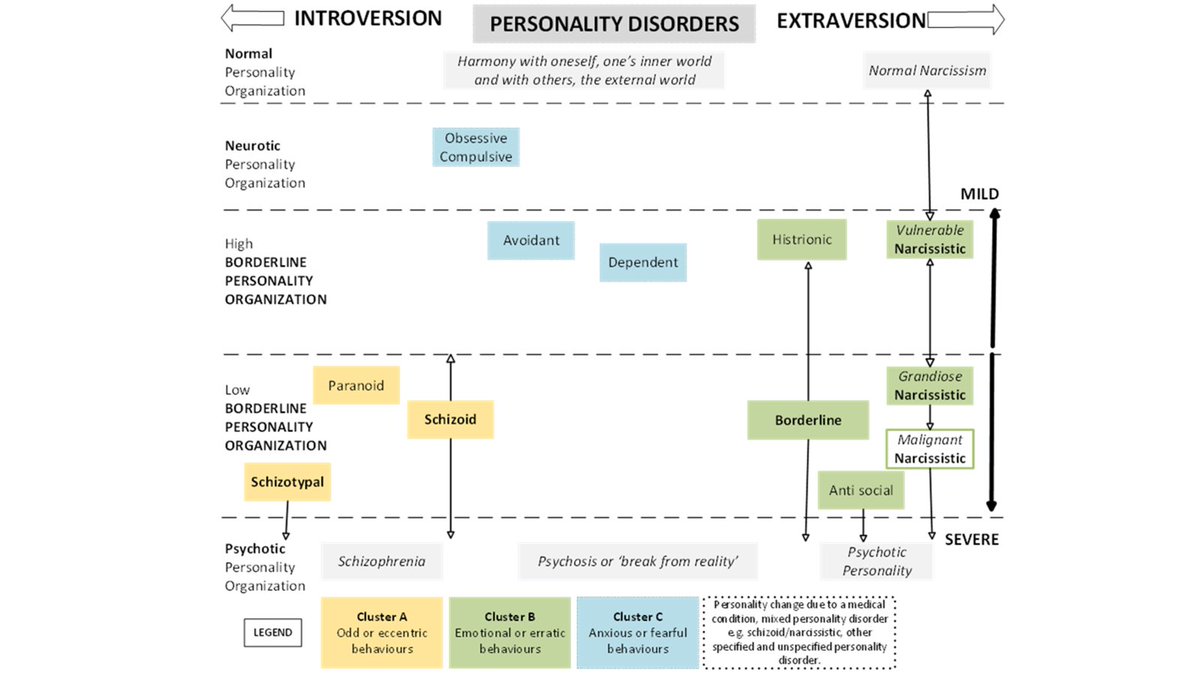
TIL about the psychological equivalent of Conway’s Law for organizations — neurotic styles of top executives as determining the nature of organizational dysfunctions! Curious to learn this hierarchy of clusters A/B/C of personality disorders maps onto the organization level.
Prathyush tweet media
English
1
4
15
1.2K
PatternAtlas retuiteado
Prathyush
Prathyush@prathyvsh·
Two books that I found during my spelunking into the computer history lore recently. 1/ The Friendly Orange Glow: How the lesser known PLATO computers from 1960s revolutionized computing: goodreads.com/book/show/3437… Curious to learn they introduced public/private discussion forums.
Prathyush tweet media
English
2
5
26
1.9K
PatternAtlas retuiteado
Prathyush
Prathyush@prathyvsh·
Finished reading Geist in the Machine by @deontologistics. It is a pretty good essay that provides a synopsis of the kind of concepts that are conflated in debates about AI and outlines his position on how to develop the discourse.
English
1
1
4
669
PatternAtlas retuiteado
Prathyush
Prathyush@prathyvsh·
Was looking through some @joeerl tweets — it is amazing how much timeless wisdom his words hold — and came across this Niklaus Wirth paper on keeping the software’s footprints low. Feel it is a key paper in today’s time with all the AI slop bloat: people.inf.ethz.ch/wirth/Articles…
Prathyush tweet media
English
0
2
16
542
PatternAtlas retuiteado
Prathyush
Prathyush@prathyvsh·
This might sound paradoxical, but I think it is more dangerous to suppress one’s hatred by putting on a nice guy mask than letting the hate flow through you. The realization is dawning on me that it might not be a problem of you being an outlet for hatred to flow through.
GIF
English
2
5
8
907
PatternAtlas retuiteado
Prathyush
Prathyush@prathyvsh·
Why would anyone want to have such ‘research’ databases they haven’t spent the effort to understand? A main idea of researching is to widen your attention into the sources and then apply discernment in curating the relevant bits. What’s the point of a machine doing it for you?
Andrej Karpathy@karpathy

LLM Knowledge Bases Something I'm finding very useful recently: using LLMs to build personal knowledge bases for various topics of research interest. In this way, a large fraction of my recent token throughput is going less into manipulating code, and more into manipulating knowledge (stored as markdown and images). The latest LLMs are quite good at it. So: Data ingest: I index source documents (articles, papers, repos, datasets, images, etc.) into a raw/ directory, then I use an LLM to incrementally "compile" a wiki, which is just a collection of .md files in a directory structure. The wiki includes summaries of all the data in raw/, backlinks, and then it categorizes data into concepts, writes articles for them, and links them all. To convert web articles into .md files I like to use the Obsidian Web Clipper extension, and then I also use a hotkey to download all the related images to local so that my LLM can easily reference them. IDE: I use Obsidian as the IDE "frontend" where I can view the raw data, the the compiled wiki, and the derived visualizations. Important to note that the LLM writes and maintains all of the data of the wiki, I rarely touch it directly. I've played with a few Obsidian plugins to render and view data in other ways (e.g. Marp for slides). Q&A: Where things get interesting is that once your wiki is big enough (e.g. mine on some recent research is ~100 articles and ~400K words), you can ask your LLM agent all kinds of complex questions against the wiki, and it will go off, research the answers, etc. I thought I had to reach for fancy RAG, but the LLM has been pretty good about auto-maintaining index files and brief summaries of all the documents and it reads all the important related data fairly easily at this ~small scale. Output: Instead of getting answers in text/terminal, I like to have it render markdown files for me, or slide shows (Marp format), or matplotlib images, all of which I then view again in Obsidian. You can imagine many other visual output formats depending on the query. Often, I end up "filing" the outputs back into the wiki to enhance it for further queries. So my own explorations and queries always "add up" in the knowledge base. Linting: I've run some LLM "health checks" over the wiki to e.g. find inconsistent data, impute missing data (with web searchers), find interesting connections for new article candidates, etc., to incrementally clean up the wiki and enhance its overall data integrity. The LLMs are quite good at suggesting further questions to ask and look into. Extra tools: I find myself developing additional tools to process the data, e.g. I vibe coded a small and naive search engine over the wiki, which I both use directly (in a web ui), but more often I want to hand it off to an LLM via CLI as a tool for larger queries. Further explorations: As the repo grows, the natural desire is to also think about synthetic data generation + finetuning to have your LLM "know" the data in its weights instead of just context windows. TLDR: raw data from a given number of sources is collected, then compiled by an LLM into a .md wiki, then operated on by various CLIs by the LLM to do Q&A and to incrementally enhance the wiki, and all of it viewable in Obsidian. You rarely ever write or edit the wiki manually, it's the domain of the LLM. I think there is room here for an incredible new product instead of a hacky collection of scripts.


English
46
15
382
163.6K
PatternAtlas retuiteado
Prathyush
Prathyush@prathyvsh·
“I feel like your problem is you are trying to judge all these things in the abstract before you do them.” This advice from Ira Glass on how to find your line of work goes hard.
English
1
2
11
1.2K
PatternAtlas retuiteado
Prathyush
Prathyush@prathyvsh·
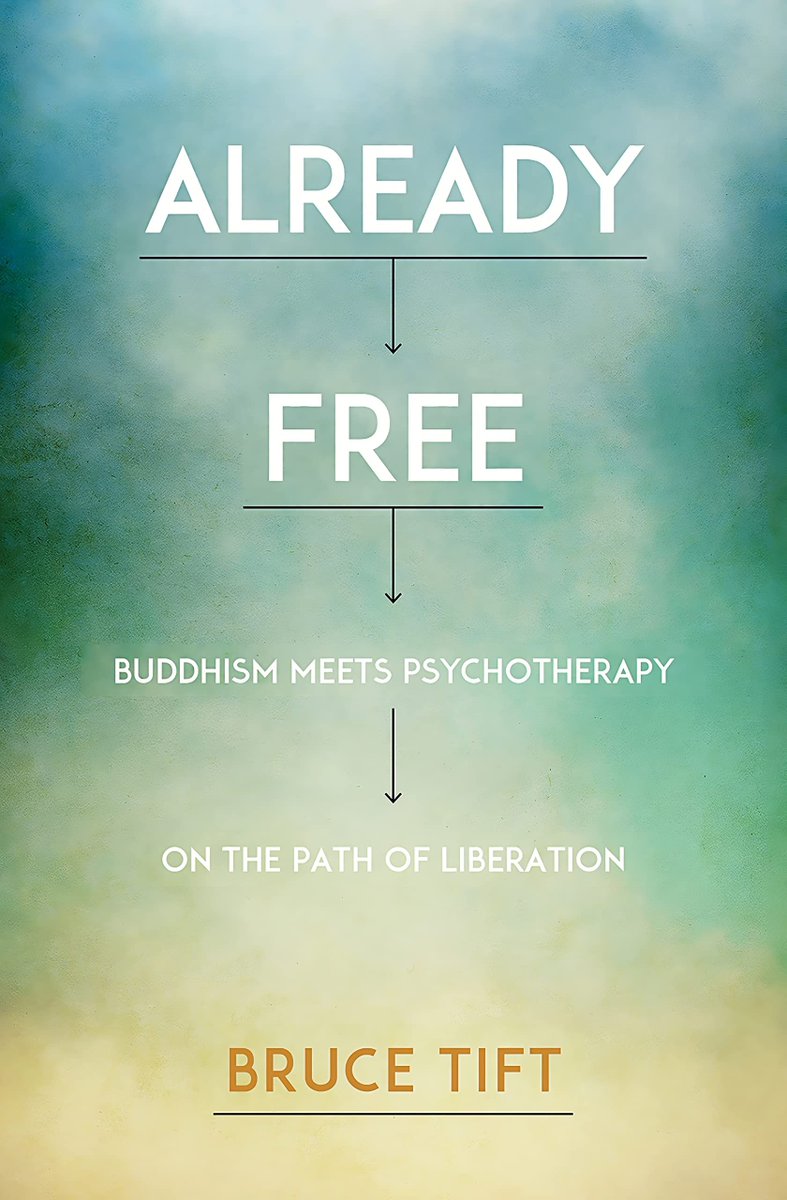
I can’t recommend this book highly enough. Only like 40 pages deep and already wondering why it isn’t more popular in tech circles. Already Free is one of those books with the least amount of fillers and actionable, perspective shifting insight running throughout its pages!
Prathyush tweet media
English
1
3
22
1.4K
PatternAtlas retuiteado
Prathyush
Prathyush@prathyvsh·
A good way to find out where your vocation lies is to find a domain where you can conduct experiments not bothered about the outcomes. Getting energized from the learnings and being able iterate with these new findings is a great signal as it fosters compounding of knowledge.
English
1
2
10
740
PatternAtlas retuiteado