
BioCatch

4K posts

BioCatch banner
BioCatch

BioCatch

@BioCatch

We fight to make banking safer every day.

New York, US Inscrit le Haziran 2014
471 Abonnements1.5K Abonnés
Tweet épinglé
BioCatch
BioCatch@BioCatch·
Traditional device identification has grown increasingly unreliable. Criminals utilize emulators, spoofed devices, cloaked browsers, and other evasion techniques to repeatedly attack financial institutions from the same physical devices. At the same time, agents, deepfakes, and other AI tools are poised to very soon start interacting with digital banking platforms at unprecedented scale, testing the limits of traditional fraud detection and prevention strategies. Today, BioCatch introduces DeviceIQ, a new product to help financial institutions not only reliably recognize devices in this environment, but also evaluate real-time device health, re-determining for every digital banking session whether a device (recognized or not) can be trusted. The depth and richness of these device insights allows banks to more accurately detect fraud risk earlier in every digital banking journey. DeviceIQ enables banks to: • Recognize legitimate device upgrades and app reinstalls without unnecessary friction for genuine customers • Identify compromised or manipulated devices before login • Draw on network intelligence from across the BioCatch customer ecosystem to detect risky devices seen at other banks • Distinguish between human-led sessions, AI agent-led sessions, and hybrid sessions Learn more: okt.to/VOhrt8 #FinancialCrime #FraudPrevention #BankingIndustry

BioCatch tweet media
English
0
0
1
32
BioCatch
BioCatch@BioCatch·
A recent opinion from the advocate general of the Court of Justice of the European Union interprets PSD2 as requiring banks to immediately refund victims of unauthorized transactions, including those resulting from phishing or social engineering attacks. Our Jonathan Frost unpacks what this signals for EU financial institutions and how the opinion supports the case for behavioral intelligence in account takeover detection. Read his complete blog here: okt.to/Nseotc #FinancialCrime #FraudPrevention #BankingIndustry
English
0
0
1
10
BioCatch
BioCatch@BioCatch·
Since the 1959 invention of the modern three-point seatbelt, motor vehicle fatalities per 10,000 cars on the road have declined by more than a factor of three, from 5.26 in 1959 to 1.57 in 2023. In a new blog on tax scams, our Sharell Barshishat compares early resistance to seatbelts to current resistance among U.S. financial institutions to APP scam intervention. Read his complete piece here: okt.to/a8hVUD #FinancialCrime #FraudPrevention #BankingIndustry
English
0
0
2
18
BioCatch
BioCatch@BioCatch·
We’re excited to partner with Nick Stapleton on his second season of Scam Clinic. This season’s structured a little differently than the last: Eight episodes, one story, one investigation, one business suspected of scamming consumers.  The first episode is out today. You can listen here: • Apple Podcasts: okt.to/u0Uzh4 • Spotify: okt.to/BYiXaD We’d like to draw particular attention in this first ep. to Nick’s chat with Chris Ainsley, head of fraud risk management at Santander UK. Chris joins the pod at around 22:20 to discuss the scammer tactic of window dressing.
BioCatch tweet media
English
0
0
1
21
BioCatch
BioCatch@BioCatch·
BioCatch is participating in the @UNODC Global Fraud Summit 2026 in Vienna, Austria, alongside governments, financial institutions, and industry leaders. Fraud has grown beyond a financial crime issue. It now carries broader economic and national security implications. Addressing it requires coordinated action across institutions, sectors, and borders. As part of the summit, BioCatch has submitted a formal pledge to support the Global Fraud Summit’s efforts to strengthen collaboration and action against fraud. Jonathan Frost, director of global advisory, and Mathias Schollmeyer, pre-sales consultant, are representing BioCatch at the summit this week. #GlobalFraudSummit
BioCatch tweet media
English
0
0
0
26
BioCatch retweeté
Jason Knowles
Jason Knowles@KnowlesABC7·
SOCIAL SCRAPING: The new way scammers are trolling your social media for personal information…all to carry out crimes. @BioCatch
English
0
1
1
58
BioCatch
BioCatch@BioCatch·
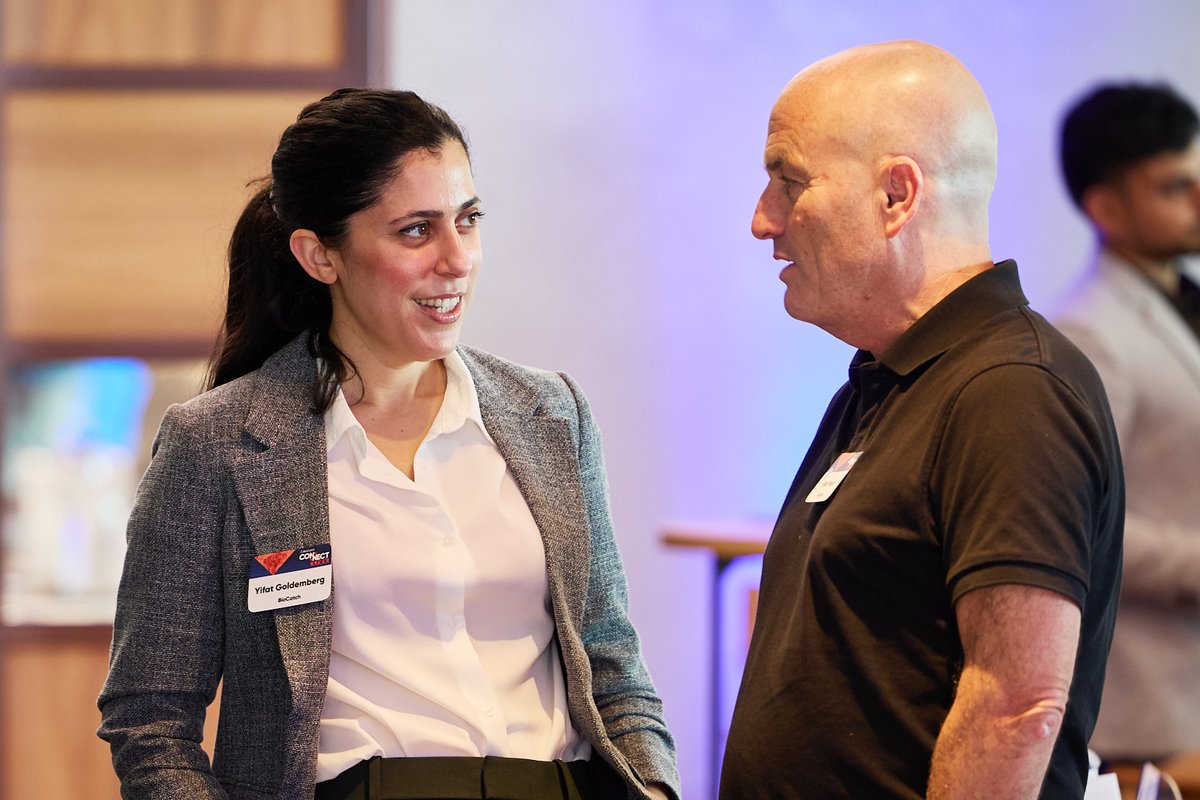
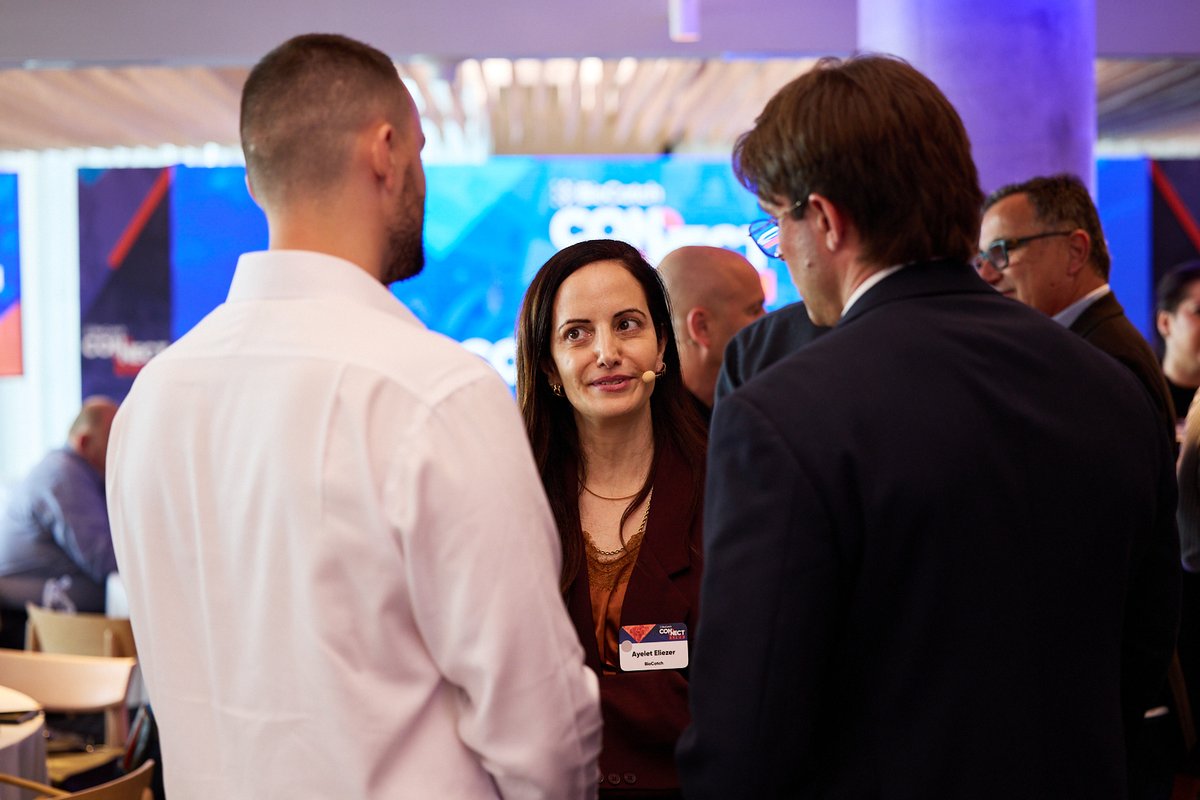
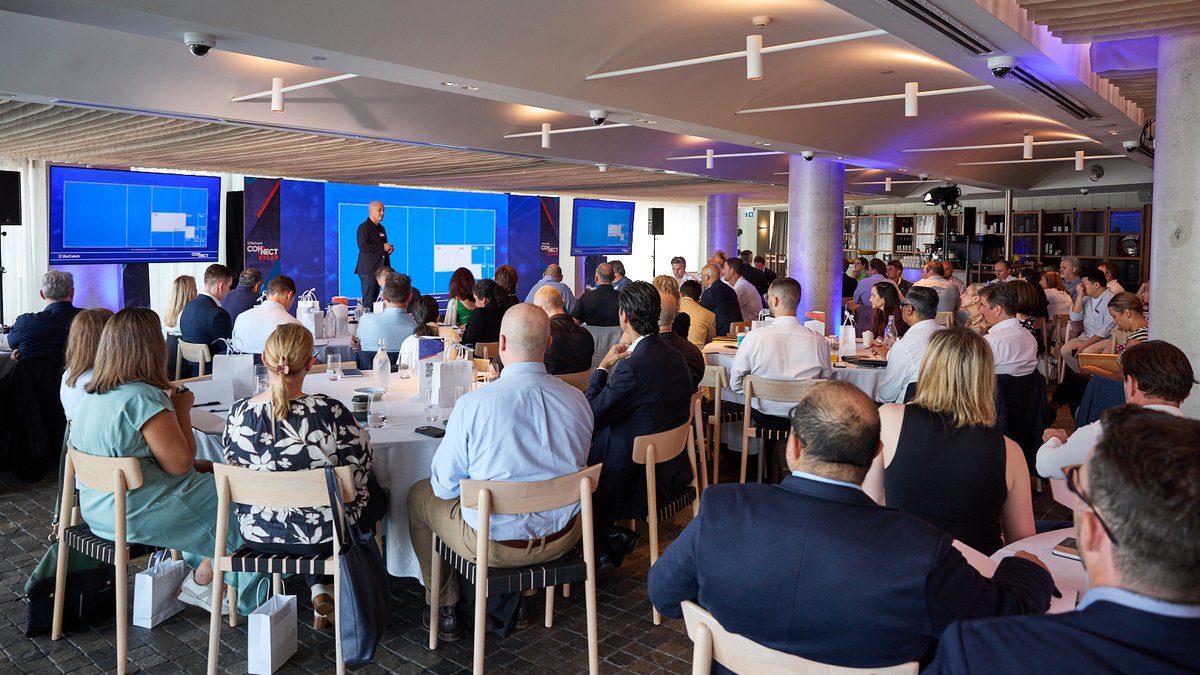
Fraud leaders from across the Asia-Pacific region gathered at ConnectLIVE Australia in Sydney to discuss the speed at which fraud today both transpires and evolves, how AI tools are accelerating everything, and what financial institutions can do to keep pace. Thanks to everyone who joined us. See you at the next one. #ConnectLIVE #FinancialCrime #BankingIndustry
BioCatch tweet mediaBioCatch tweet mediaBioCatch tweet mediaBioCatch tweet media
English
0
0
0
25
BioCatch
BioCatch@BioCatch·
While mule accounts have long been a recognized problem within the world's largest banks, in the U.S. we saw a 130% spike in reported mule activity at mid-market financial institutions last year. Concerningly, our data shows more than 40% of those money mules were younger than 30. In a new blog post, threat analyst Justin Hochmuth explores this youth movement and what financial institutions can do to recognize and shut down these accounts: okt.to/WqtHnv #FinancialCrime #FraudPrevention #BankingIndustry
English
0
0
1
15
BioCatch
BioCatch@BioCatch·
Scams have outgrown traditional fraud playbooks. Banks are starting to treat scam risk as its own discipline. Join us on March 12 to discuss how financial institutions are building stronger scam risk management programs. Hear from: • Trace Fooshée, strategic advisor at Datos Insights • Kevin Purkiss, former VP of fraud management at RBC • Alex Robinson, director of global advisory at BioCatch They’ll cover: • Why scams need their own risk framework • The core elements of a scam risk program • How banks are aligning teams, metrics, and execution Register here: okt.to/jxwPm1 #FinancialCrime #FraudPrevention #BankingIndustry
BioCatch tweet media
English
0
0
0
20
BioCatch
BioCatch@BioCatch·
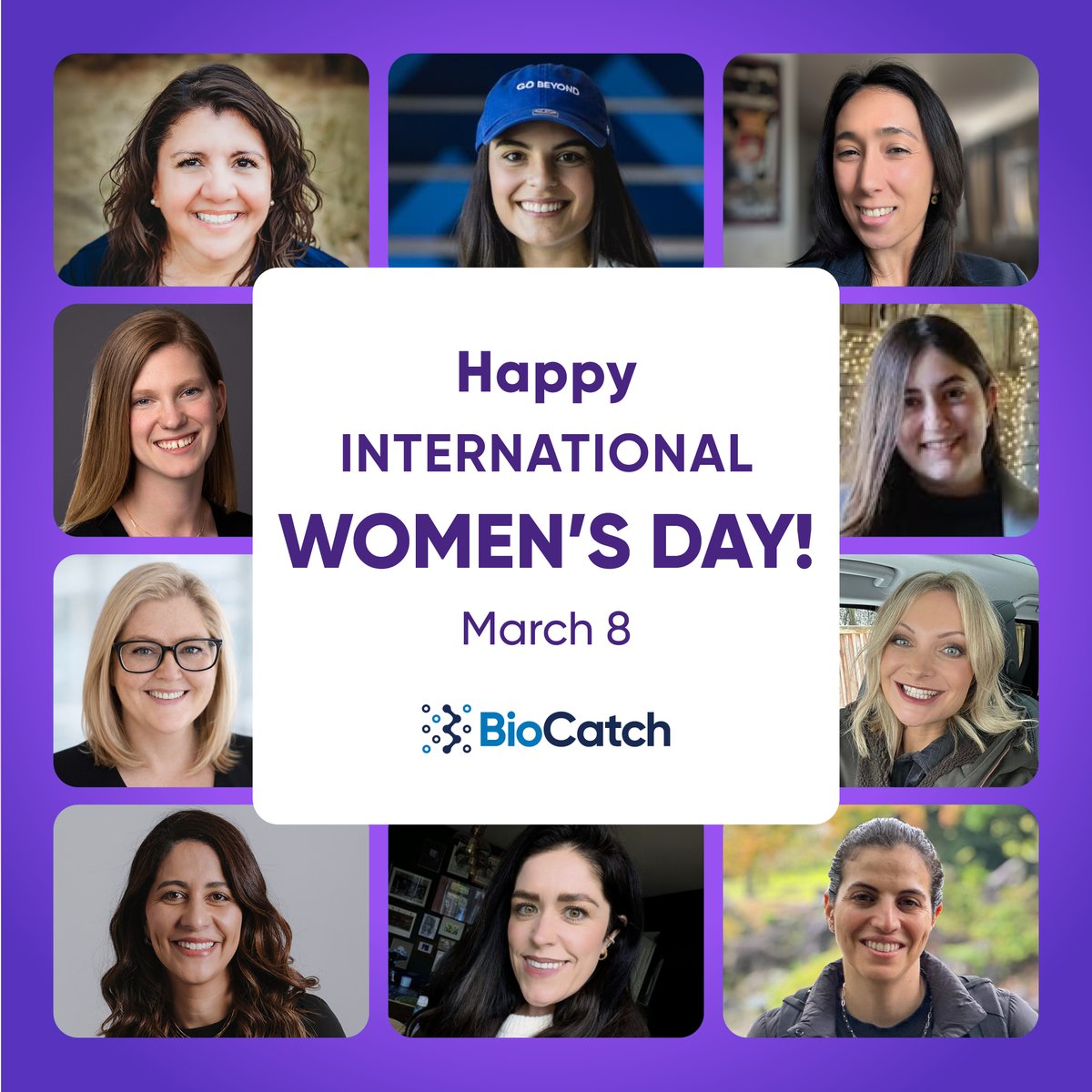
Every day, women across BioCatch help fight fraud and make banking safer. Data scientists, engineers, threat analysts, global advisors, engineers, marketers, recruiters, and many others, all around the world, all work together to stop fraud and financial crime. Today and every day, thank you for the impact you make. Happy International Women’s Day! 💙 #InternationalWomensDay #IWD2026
BioCatch tweet media
English
0
0
0
10
BioCatch
BioCatch@BioCatch·
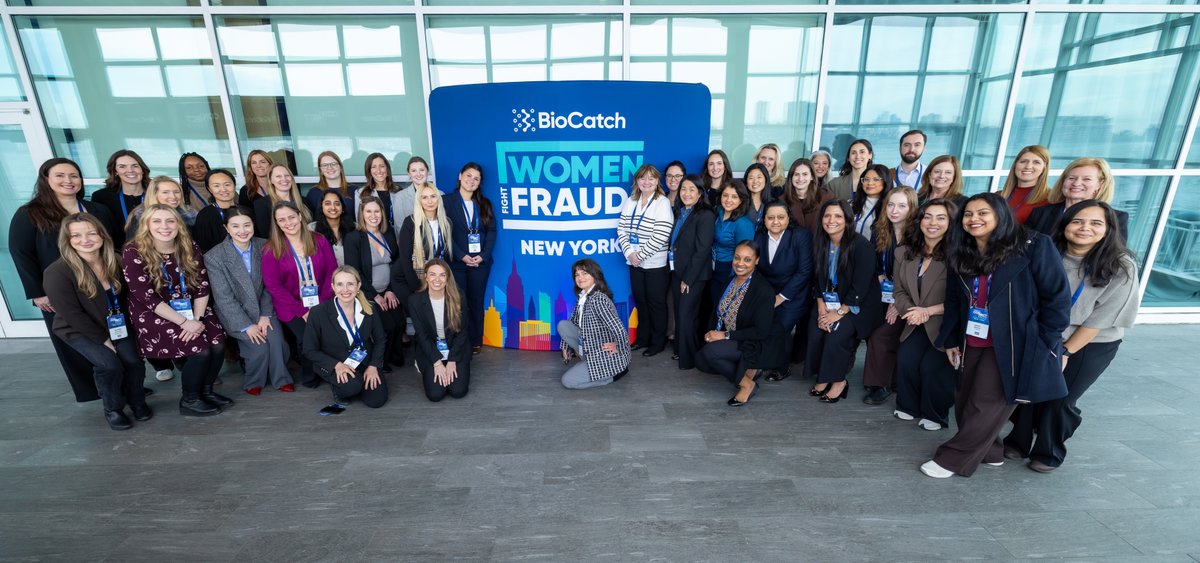
Fraud and financial crime team leaders from financial institutions across the U.S. and Canada gathered in New York to share insights and discuss the future of fraud prevention. Our keynote speaker, Brett King, host of the world’s No. 1 fintech podcast, Breaking Banks, shared his perspective on the global scam economy and how emerging banking trends will shape the future of fraud. The Women Fight Fraud program also brought together leaders from across the industry for conversation, mentorship, and connection. Thank you to everyone who joined us for ConnectLIVE New York. #ConnectLIVE #FinancialCrime #BankingIndustry
BioCatch tweet mediaBioCatch tweet mediaBioCatch tweet mediaBioCatch tweet media
English
0
0
0
40
BioCatch
BioCatch@BioCatch·
The latest Payment Systems Regulator (PSR) data shows UK banks are now reimbursing 88% of in-scope scam losses. That's a 47% increase from before the rule change took effect. But we also see that the majority of scam payments still originate from accounts at large, established banks, while accounts at smaller fintechs disproportionately receive those scam payments. In his latest blog, our Jonathan Frost unpacks this structural imbalance and how the UK might fix it: okt.to/gPeud9 #FinancialCrime #FraudPrevention #BankingIndustry
English
0
0
0
16
BioCatch
BioCatch@BioCatch·
Our survey of German banking leaders showed that while nearly three-quarters of respondents rated their institution's fraud controls as effective, half of respondents said fraud losses at their organization were increasing. Two-thirds estimated their bank's annual losses exceeded $10 million. Our director of global fraud intelligence (Thomas Peacock) breaks down survey data on manual case reviews and adoption of machine learning models, and explains why German banks need to accelerate their shift toward modern, scalable fraud defenses. Read his complete analysis here: okt.to/ZKeYpb #FinancialCrime #FraudPrevention #BankingIndustry
English
0
0
0
14
BioCatch
BioCatch@BioCatch·
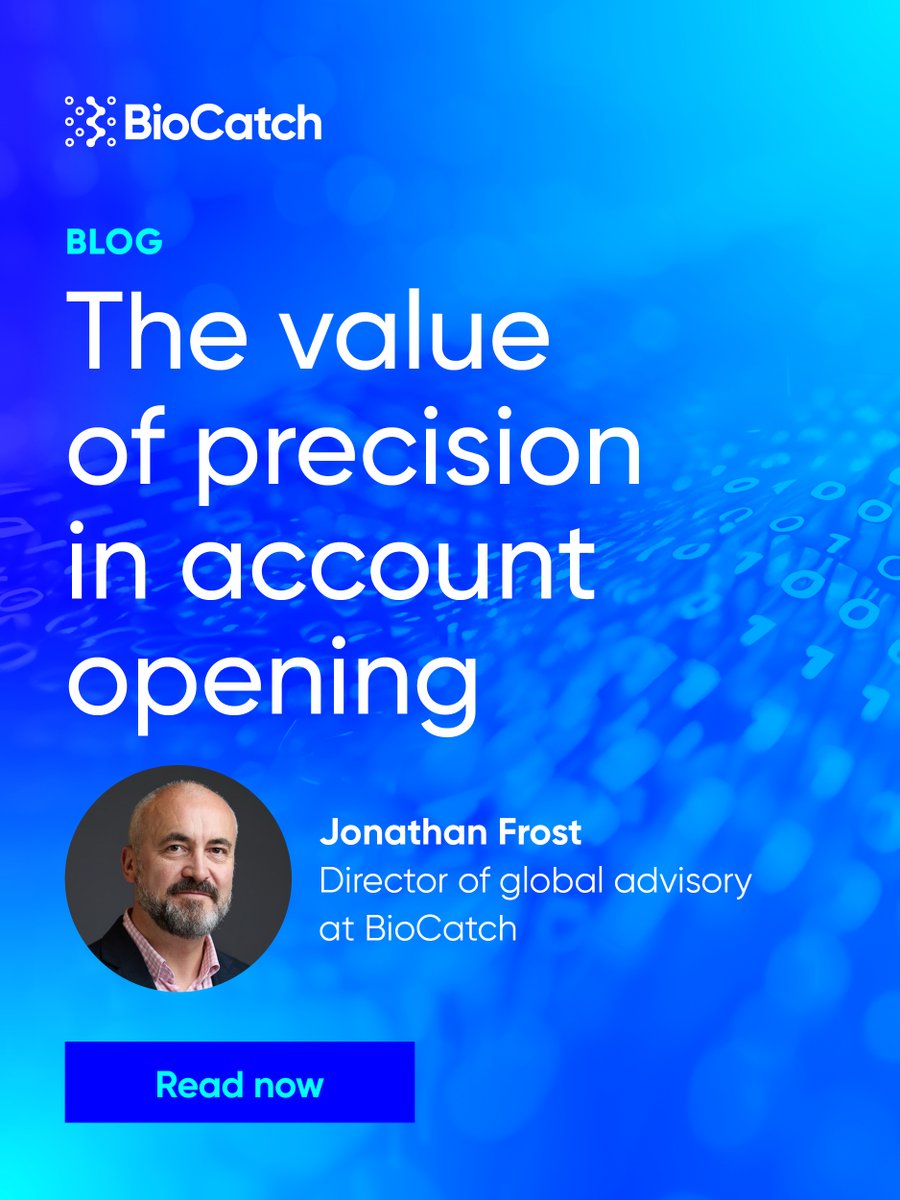
Precisely applied friction during account opening not only more efficiently reduces the number of fraudulent accounts at a bank. It also disrupts the entire fraud chain, denying fraudsters the mule accounts they use to launder their proceeds. Crucially, as false positives decrease, so too do operational expenses, allowing review teams to focus on real risks, while genuine customers enjoy a smoother onboarding experience. In this first in a series of blogs exploring the value of precision, our Jonathan Frost examines precise friction in account opening: okt.to/GdxL0s #FinancialCrime #FraudPrevention #BankingIndustry
BioCatch tweet media
English
0
0
0
28
BioCatch
BioCatch@BioCatch·
Real-time SEPA payments have transformed the customer experience in Germany, but they’ve also accelerated fraud. In our survey of German banking leaders, 54% of those on fraud teams at German banks reported an increase in fraud attempts since SEPA’s introduction, compared with only 21% who saw a decline. With PSD3/PSR on the way, our Thomas Peacock takes a look at the state of scam reimbursement in Germany today and whether regulation in the country is right now causing more harm than good. Read his complete piece here: okt.to/h4QtaF #FinancialCrime #FraudPrevention #BankingIndustry
English
0
0
0
26