
Tweet épinglé
Blue
4.2K posts


Blue
@BlueShadowDemon
21 yo 3d artist, models/animations/3d prints i do it all! -looking for graphics design work-
under your bed Inscrit le Kasım 2018
375 Abonnements324 Abonnés

Blue retweeté


@ElvisTheAlienTV I take it this is the sacrifice that move the budget to the last episodes fight
English




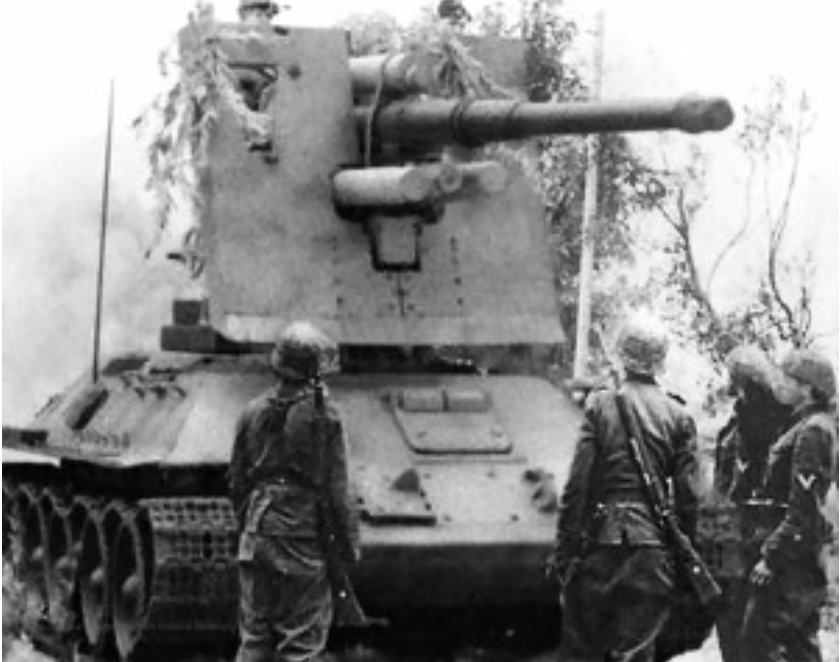
tanks-encyclopedia.com/ww2/germany/t-…
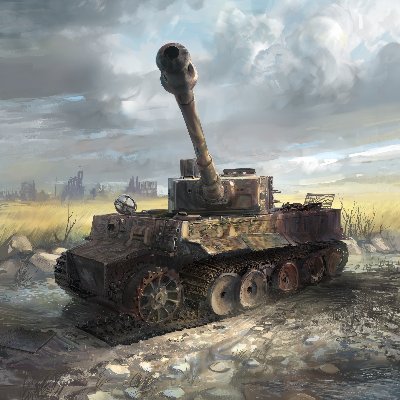
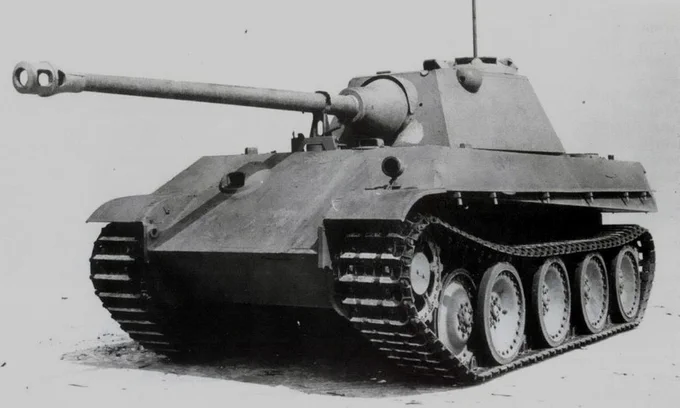
For years, a captured Soviet T-34, allegedly refitted with an 88 mm gun – either an 8.8 cm KwK 36 or a Flak 36 anti-aircraft gun – was a widely recognised vehicle due to its popularity as a plastic model or an online game vehicle.
English
Blue retweeté

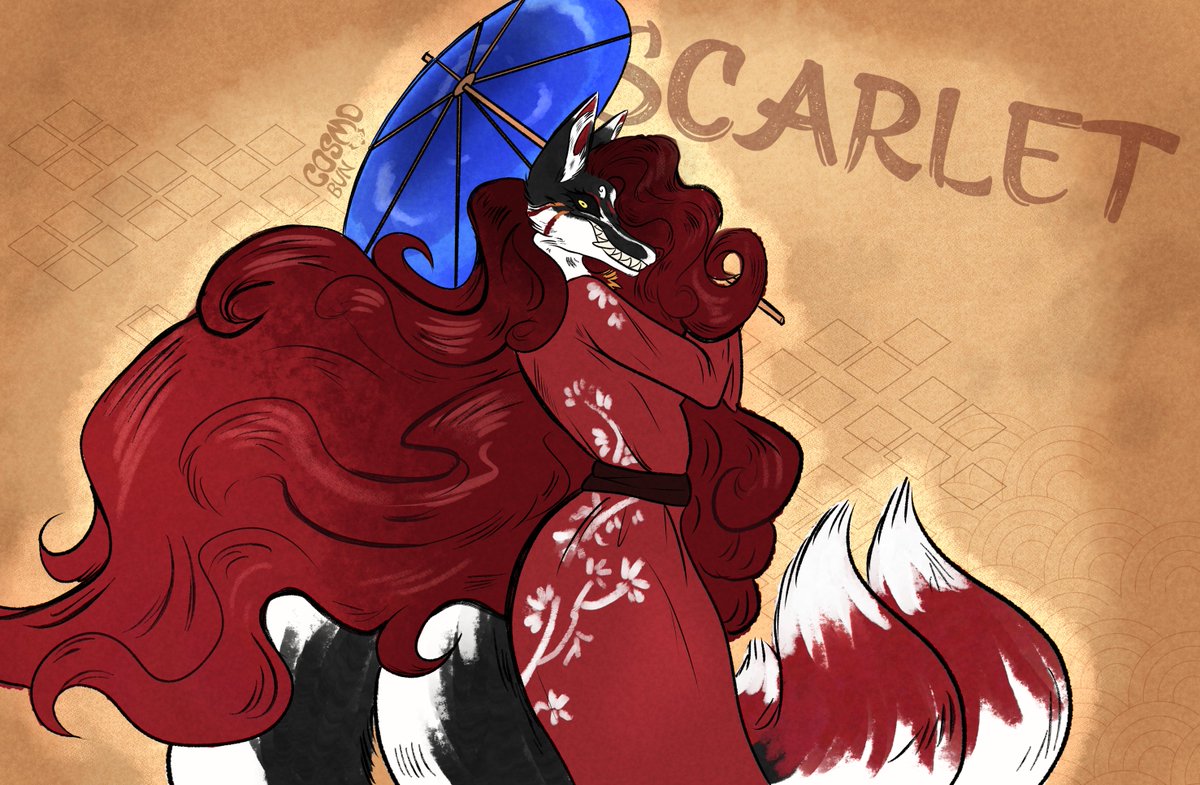
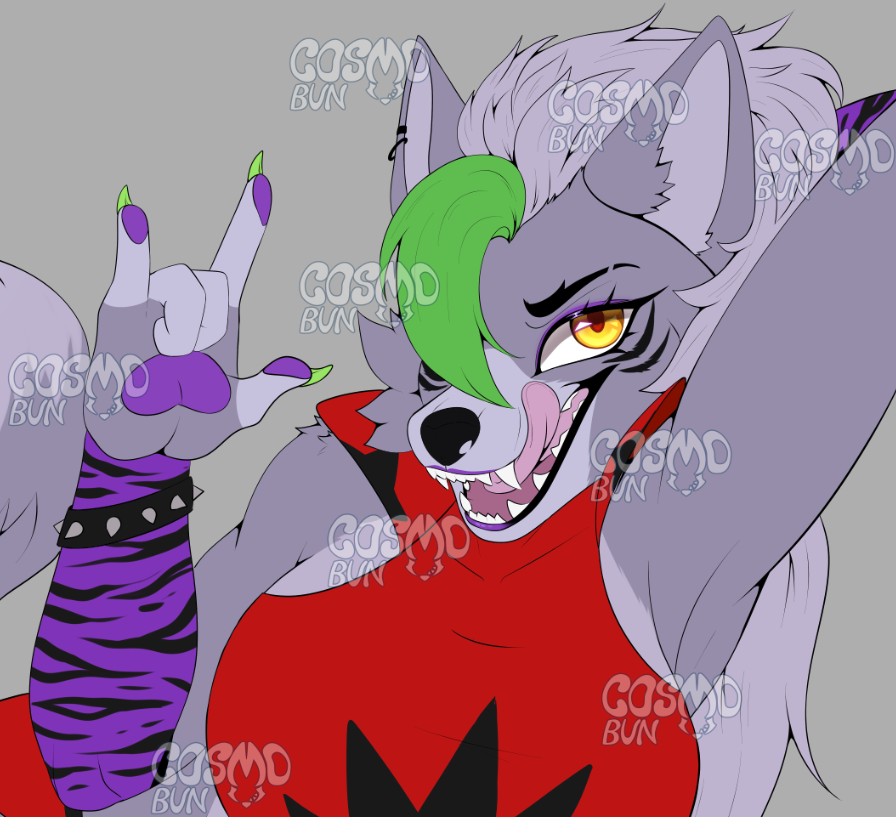
WIP!
Anybody expecting to have cool Roxanne merch? 👀
English
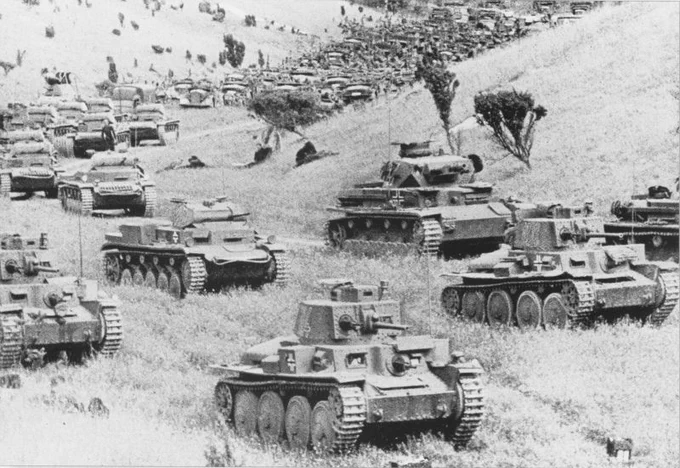
@Tank_Archives @StevenCarleton9 well, basically they made deal with the slovak part of czechoslovakia so theyd split up and basically turned slovakia into a satelite state and then they annexxed czechia
English
@StevenCarleton9 I know it was called Czechoslovakia. Germany never annexed Slovakia, only Czechia.
English

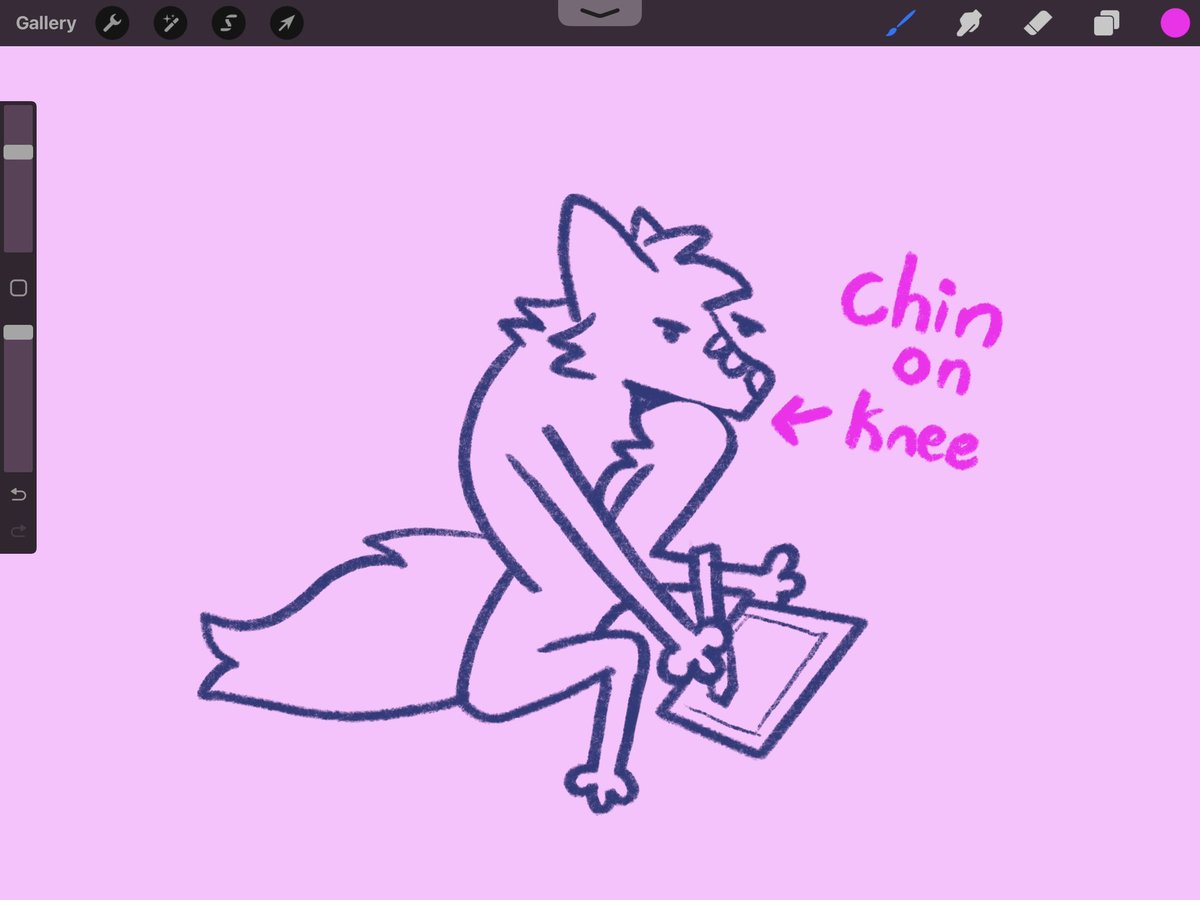
@LuckFoxo33 im glad im not the onyl wierdo doing unnatural poses haha
English

@AdeptusArkain Interesting, i thought they were developed much later since they saw use during operation danube in 1968, tho i assume that was one of the last instances of its use?
English

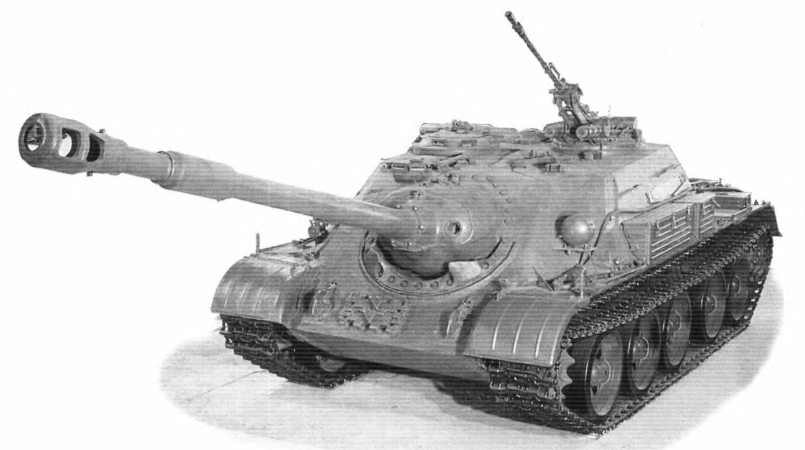
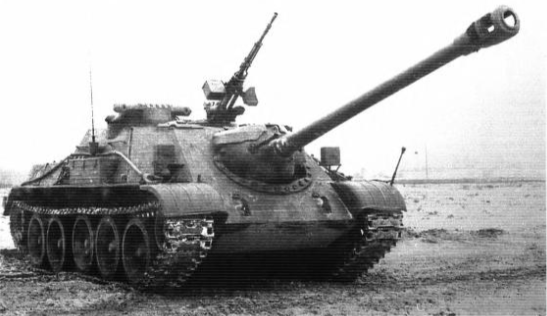
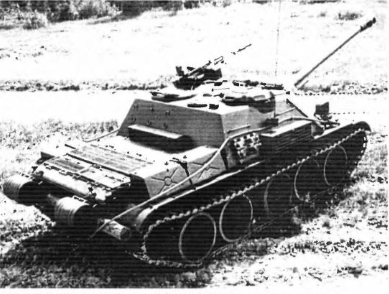
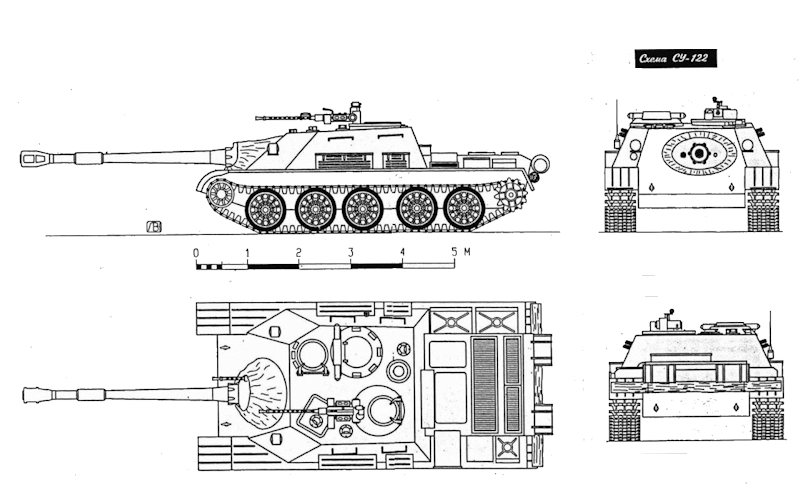
The 🇷🇺 Soviet SU-122-54 (Object 600)
Developed in the late 1940s as a successor to wartime Soviet tank destroyers, the SU-122-54 was the last Soviet serial self-propelled gun of special purpose built on a tank chassis. Work began in 1949, and the vehicle was officially accepted into service in 1954. Limited production took place between 1955 and 1956 before the concept was overtaken by newer anti-tank technologies.
The vehicle was built using components of the T-54A, with a heavily modified hull and a fixed armored casemate instead of a rotating turret. The welded hull was constructed from rolled armor plates arranged at steep angles, with the unified frontal plate of the hull and fighting compartment sloped at 51 degrees for improved ballistic protection. The driver and fighting compartment were combined, while the engine remained in the rear of the vehicle.
The main armament was the 122 mm D-49 cannon, mounted in the frontal casemate and protected by a cast gun mantlet. The weapon shared internal construction, ballistics, and ammunition with the gun used on the IS-2 and IS-3, utilizing separate-loading ammunition. An electromechanical rammer assisted the loading process, allowing a rate of fire of approximately 5–6 rounds per minute. Early vehicles used a compressed-air barrel-clearing system, later replaced by an ejector. Gun traverse was limited to 16° horizontally, with elevation from +16° to −4°.
Secondary armament consisted of two 14.5 mm KPVT machine guns one coaxial and one mounted on the commander’s cupola for anti-aircraft defense. The commander’s cupola also carried the TKD-09 rangefinder, improving target engagement capability. The vehicle carried 35 rounds of 122mm ammunition and 600 rounds for the machine guns.
Armor protection was considerable for a self-propelled gun of the period. The frontal armor of the hull and casemate reached 100mm, while the sides of the casemate were 80mm thick. The vehicle weighed approximately 36.3 tons and was powered by a V-54 12-cylinder diesel engine producing 520hp, giving a maximum road speed of about 48 km/h and a range of roughly 400 km. The running gear used a torsion-bar suspension with five double road wheels per side and hydraulic shock absorbers on the first and fifth stations.
Although the SU-122-54 was considered a capable vehicle for the 1950s with powerful armament, strong armor, and good mobility—its production remained limited. Records suggest that 95x D-49 guns were produced in 1955-1956, indicating a similarly small number of vehicles built. The emergence of first-generation anti-tank guided missiles (ATGMs) soon made traditional heavy tank destroyers less attractive, effectively ending further production.
By the mid-1960s, the armor-piercing blunt-nose BR-471B shell proved insufficient against newer Western tanks such as the M60 Patton, M48 Patton, and Chieftain. New sub-caliber and HEAT ammunition improved penetration, but the concept of a heavy casemate tank destroyer was already obsolete.
During the late 1960s, most SU-122-54 vehicles were withdrawn from combat units, disarmed, and converted into MTP-3 armored recovery and technical support vehicles, marking the end of the final Soviet tank-based dedicated self-propelled gun design lineage that had begun during the Second World War.
English
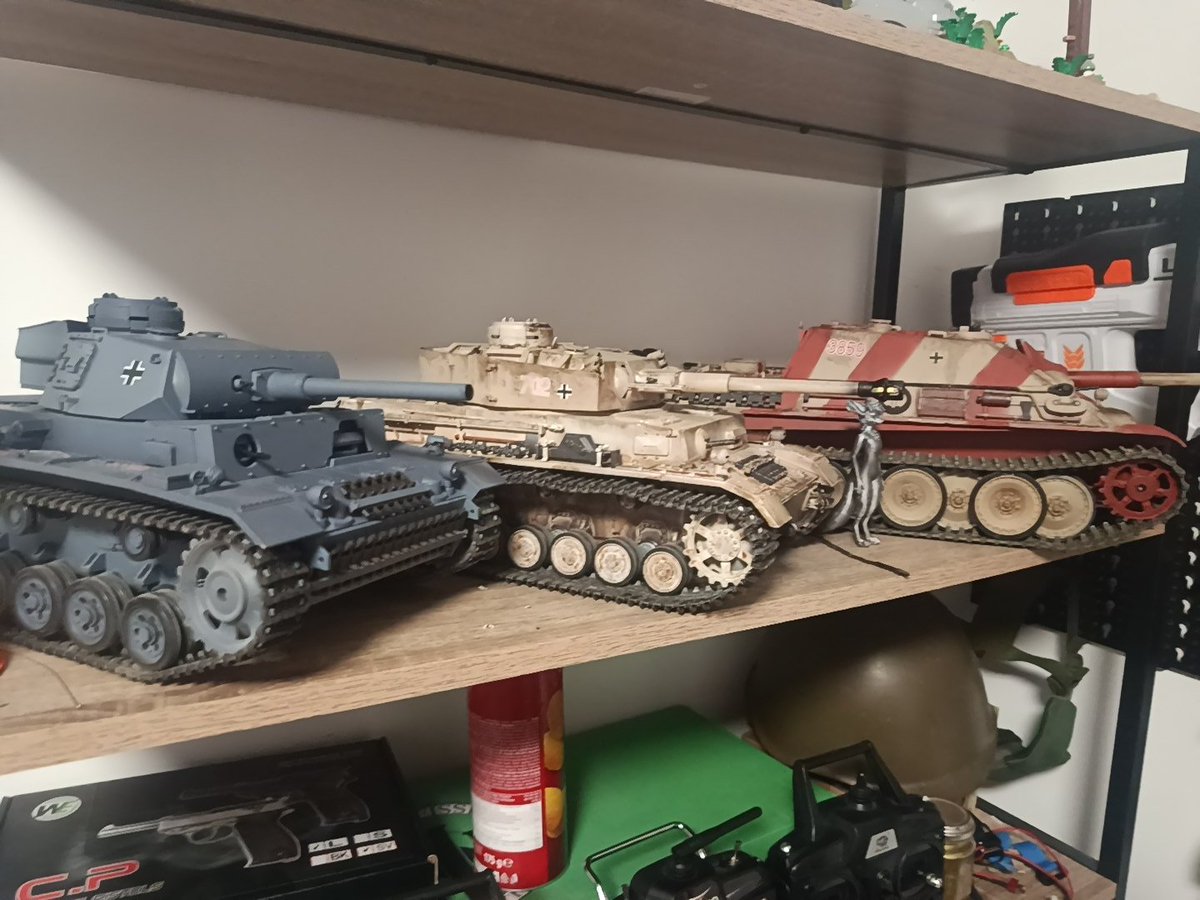

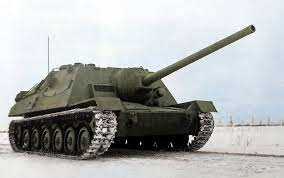
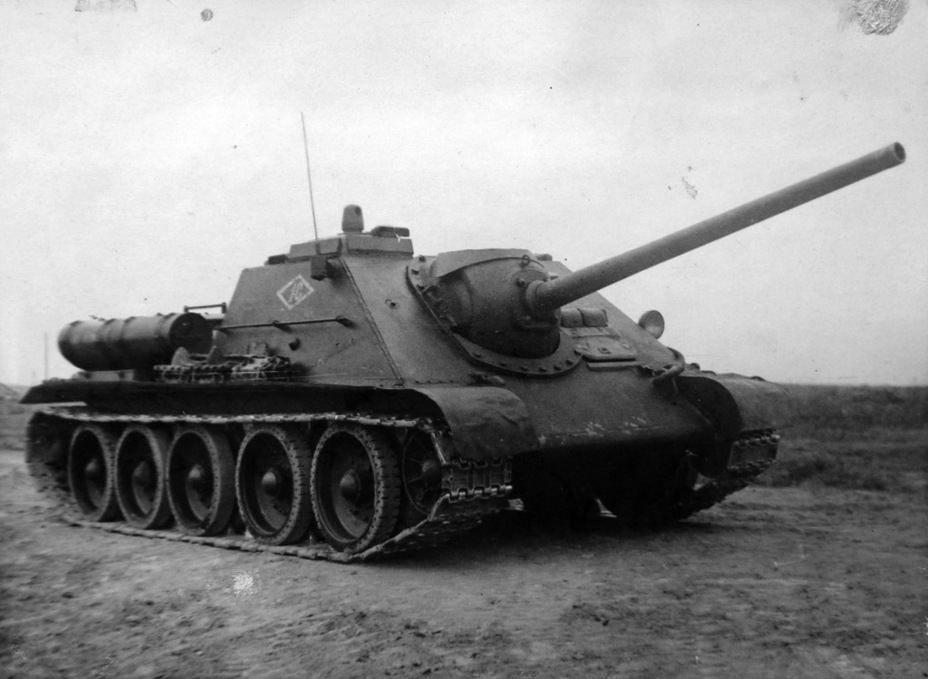
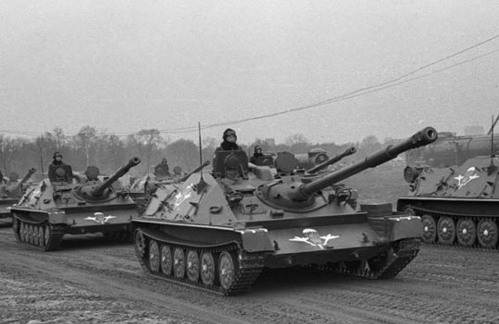
@KrypTanko nonestly no clue about the first one but the second is the SU-85 and the last one is ASU-85
English


@BlueShadowDemon Thank youu!! And she has leds, so yeah, she can change them :D
English
