

EarthAsana
228 posts

EarthAsana
@Earth_Asana
EarthAsana is the practice of stillness through movement. Let’s build collective soul searching and liberation for us all. https://t.co/ndMQ0lvOPz
Vancouver Inscrit le Aralık 2025
72 Abonnements175 Abonnés

🇺🇸 A man allegedly stabbed a parking attendant twice in the head with a 6-foot wooden cane in San Diego.
Police used non-lethal rounds and a K9 to bring him down.
The victim suffered head lacerations but is okay.
That dog is a freakin' unit!
English

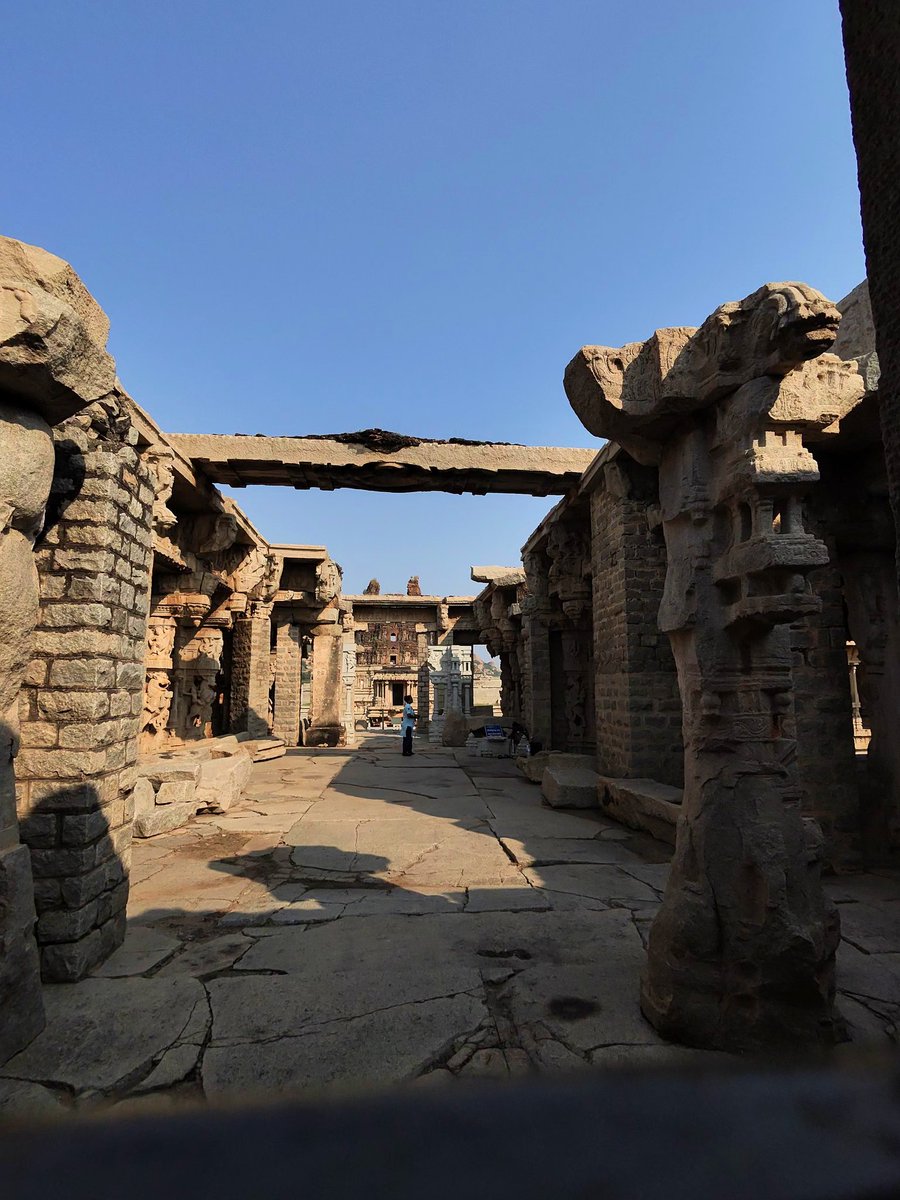


I’m planning a trip to India.
Where do you guys recommend?
I’m planning on Mumbai maybe🤷🏻♂️
English
Grok has this to say -
analyzing Israel's 1948 foundation chart (May 14, 16:00 Tel Aviv). Saturn entered sidereal Aries ~March 8, 2026; Ketu in Leo through Dec 2026. Natal Moon ~11° & Saturn ~23° (likely same sign per degrees).
This matches the described transits. However, the predicted economic/political breakdown, protests, policy shifts & alliance conflicts aren't causally tied to planets—astrology lacks scientific validation for such specifics. Past Saturn-in-Aries cycles (e.g., 1996-99) saw mixed outcomes without systemic collapse. Events stem from human decisions, not stars. We'll see how it plays out factually
Coquitlam 1, British Columbia 🇨🇦 English

Once Shani will move to Aries, and Ketu with natal Moon and Saturn of Israel’s foundation chart, the economy and internal political condition of Israel will start breaking down.
People will start protesting ruling Govt. Many policies they will have to change.
Israel will have to change their geo political goals.
There can be conflict with old alliances as well.
#Israel #Jyotish

English
@anasalhajji A very well crafted op-ed . Looks like dragon and elephant will dance together in coming decades and hopefully for good.
Coquitlam 1, British Columbia 🇨🇦 English
Written 17 years ago…. Notice what 🇮🇳India proposed then
Anas Alhajji@anasalhajji
قبل فوات الأوان.. اهتموا بالصين والهند هذا المقال كتب من 17 سنة في جريدة الاقتصادية الرابط: aleqt.com/2009/05/01/art… "إذا استمرت دول الخليج في تجاهلنا سنقوم باستيراد النفط النيجيري عبر أنبوب النفط الإسرائيلي إلى خليج العقبة ثم نشحنه من هناك إلى الهند" بهذه الكلمات، وبامتعاض وأسى واضحين، أشار مسؤول هندي كبير، في حديث خاص، إلى تجاهل العرب بشكل عام، ودول الخليج بشكل خاص، الهند. وجدت صعوبة كبيرة في البداية في وضع هذه العبارات في إطارها الصحيح، فهل هي نوع من التهديد، أم أنها حالة من اليأس الشديد؟ واستنتجت فيما بعد أنها حالة من اليأس لأسباب عدة، أهمها: التاريخ الحافل لهذا المسؤول في مناصب دبلوماسية عدة في الدول العربية، ودفاعه المستميت عن القضايا العربية. لماذا وصل هذا المسؤول الهندي ذو الميول العربية إلى هذه الدرجة من اليأس؟ هل التقارب الهندي - النيجيري مفيد لدول الخليج؟ هل التقارب الهندي - الإسرائيلي مفيد لدول الخليج؟ وهل استخدام أنبوب النفط الإسرائيلي المنافس لقناة السويس مفيد للعرب؟ التقارب الهندي - الأمريكي يمضي على قدم و ساق. وعلى الرغم من المعارضة الأمريكية، فإن الهند مصرة على المضي قدماً في التعاون مع إيران لبناء أنبوب غاز من إيران إلى الهند عبر باكستان. الهند مستعدة حتى للتعاون مع عدوتها اللدودة باكستان للحصول على الغاز، ولكنها لم تستطع التعامل مع دول الخليج! أين الخطأ؟ مسؤول هندي آخر قال لي إن قطر رفضت طلبات هندية متكررة لتوقيع عقود غاز مسال طويلة المدى مع الهند، رغم العروض الهندية المغرية. لهذا فإن الهند مستعدة حتى لمعارضة الولايات المتحدة للحصول على الغاز الطبيعي من إيران. هل التقارب الهندي - الإيراني يصب في مصلحة دول الخليج؟ الأمر لا يقتصر على الهند. فعلى مأدبة عشاء ذكر لي نائب رئيس شركة صينية نفطية ما مفاده "نستثمر كميات هائلة من الأموال في شتى أنحاء العالم، ولكن للأسف أقل استثمارات لنا في دول حلفائنا الطبيعيين: الدول العربية في الخليج. والعرب يستثمرون في الدول الغربية، ولكن لا يستثمرون عندنا رغم الفرص الاستثمارية المتعددة". وأكد لي العديد من المسؤولين في شركات النفط الصينية أن الصين مستعدة لضخ استثمارات ضخمة في قطاعي النفط والغاز الخليجيين إذا سنحت لها الفرصة. هذا الوضع حصر استثمارات الصين في المنطقة في إيران وآسيا الوسطى، فهل التقارب الصيني - الإيراني، والتقارب الصيني مع قازاخستان وأذربيجان مفيد لدول الخليج؟ الثقافة والإعلام عدم الاهتمام بالهند والصين يعود إلى أسباب عديدة بعضها يتعلق بالعرب وحكوماتهم، والآخر يتعلق بحكومتي الهند والصين. على الصعيد العربي، الاهتمام الثقافي بالهند والصين شبه معدوم، ويكاد يقتصر على مشاهدة بعض العرب الأفلام الهندية. ما عدد المتخصصين في العالم العربي في شؤون الهند والصين؟ كم عدد الدراسات العربية التي ركزت على الصين والهند في المجالات الثقافية والفكرية والسياسية والاقتصادية والاجتماعية والقانونية؟ ما عدد الأقسام التي تركز على الدراسات الهندية - الصينية في الجامعات العربية؟ هل تجاهل الصين والهند نتيجة طبيعية لهذا الفراغ الثقافي؟ في المقابل، هل هناك اهتمام هندي وصيني بالبلاد العربية؟ الجواب قد يذهل البعض لأن عدد المراكز البحثية في الهند التي تركز على العالم العربي أكثر من عدد المراكز البحثية في العالم العربي كله. فما من جامعة إلا ولديها مركز أو قسم مختص بالدراسات العربية الاستراتيجية، إضافة إلى العديد من مراكز البحوث المشهورة عالمياً مثل مركز تاتا للطاقة ومؤسسة المُراقب. عدد الكتب التي نشرت عن العالم العربي في الهند كبير إلى حد لا يمكن تصديقه. فخلال الشهور الستة الماضية فقط صدر ما لا يقل عن عشرة كتب أهمها "الإصلاح في العالم العربي" الذي ألفه السفير الهندي السابق لدى السعودية تلميذ أحمد. والأمر نفسه ينطبق على الصين. الفرق أن عدد المراكز أقل من الهند مع تركيز كبير على أوضاع العالم الإسلامي بشكل عام. ماذا عن الهند والصين في الإعلام العربي المنشور بالعربية؟ وماذا عن العالم العربي في الإعلامين الصيني والهندي؟ لم أتابع الأمر بدقة، خاصة بعد الأسبوع الأول من المراقبة، ربما بسبب الفارق الكبير في التغطية الإعلامية. فالصين والهند لا تذكران في الإعلام العربي إلا نادراً ومن منظور عالمي على الغالب، على عكس الإعلام الهندي الذي يخصص مساحات كبيرة لأحداث العالم العربي وتصريحات المسؤولين فيه. أما في الإعلام الصيني فإن تغطية أخبار العالم العربي أكبر بكثير من تغطية الإعلام العربي للصين، ولكن أغلب الأخبار ترتبط بالنفط بطريقة أو بأخرى. لا شك أن بعض اللوم يقع على عاتق الحكومتين الهندية والصينية. فقد فشلت الحكومتان وسفاراتهما في دول الخليج في تقديم الصورة الجديدة للصين والهند. صورة الهند في ذهن كثير من العرب لا تتعدى صورة السائق والخادمة أو ما تقدمه الأفلام الهندية، وصورة الصين مقترنة بألعاب الأطفال والبضائع الرخيصة. كم من العرب يعرف حقيقة مدينة بانغلور؟ كم من العرب يعرف أن كثيراً من الشركات الأمريكية يعتمد اعتماداً كلياً على مراكز الخدمات في هذه المدينة؟ كم من العرب يعرف أن واحدة من كل ثلاث شركات للحاسب الآلي في وادي السيليكون في الولايات المتحدة أسسها خبير هندي؟ كم من العرب يعرف أن أكثر من 35 في المائة من الأطباء في الولايات المتحدة هم من الهنود؟ كم من العرب يعرف أن رواتب المدرسين وأساتذة المعاهد والجامعات في الهند أعلى من رواتب المدرسين في أي دول عربية غير خليجية؟ كم من العرب يعرف أن أغلب الحواسيب المصنعة في العالم الآن تصنع بأيد صينية؟ كم من العرب يعرف أن أغلب السيارات في الشوارع الصينية من صناعة محلية؟ كم من العرب يعرف أن شوارع شنغهاي أنظف من شوارع أي مدينة عربية وأن فرص مقابلة متسوّل في شوارع المدن العربية أكبر بكثير من فرص مقابلة متسول في الشوارع الصينية رغم العدد الهائل لسكان الصين؟ إن فرص الهند والصين في الاستثمار في دول الخليج ستتضاءل ما لم تقم حكوماتها بتوضيح الصورة الحديثة لهذين البلدين. وفي الوقت نفسه فإن العرب هم الخاسرون في النهاية إذا لم يتم الاهتمام بهاتين الدولتين اهتماماً يليق بما ستكون عليه هاتان الدولتان في المستقبل. لدينا النفط، وهما يحتاجان إليه الآن، وعلينا الاهتمام بهما قبل فوات الأوان. الخوف أن يأتي اليوم الذي قد ندفع فيه ثمن تجاهلنا هاتين الدولتين. يوم تصبح فيه الصين دولة عظمى في زمن ينضب فيه النفط أو يتم فيه الاعتماد على مصدر طاقة بديل. عندها ستصبح الدول العربية على هامش الجغرافيا والتاريخ!
English
@PankajjKashyapp @grok analyze this astro chart and counter this prediction if its true ? Let's test AI models.
Coquitlam 1, British Columbia 🇨🇦 English
@jpdeol Take him seriously.
Places to visit in India
Pondicherry
Sikkim
Rishikesh
Goa
Hampi
Araku Valley
Motorcycle trip to leh and ladakh.
India just like any country has issues but chaos and stillness exists together. If yoy want to experience it make that trip to India 😇
New Westminster, British Columbia 🇨🇦 English
India will dominate south Asia and beyond.
1. The Decoupling Metric
The assumption that India and Pakistan must resolve their issues for the region to prosper assumes their economies are interdependent. They are not.
Trade Asymmetry: Bilateral trade between India and Pakistan is statistically negligible. India’s economic engine is entirely decoupled from its western neighbor.
Opportunity Cost: For India, expending political and economic capital to resolve the Kashmir or border disputes yields a near-zero return on investment (ROI) regarding GDP growth.
The mathematically optimal strategy for New Delhi is containment and isolation, allowing it to focus on global supply chains, domestic consumption, and Western capital markets.
Result: The lack of a bilateral resolution is not a "mindset" flaw; it is a calculated feature of India's current geopolitical strategy.
2. The Macroeconomic Math
South Asia's economic trajectory is dictated almost entirely by India, which accounts for roughly 80% of the region's GDP.
Current Baseline (2026): India’s nominal GDP is approximately $4.3 trillion, having officially surpassed Japan to become the world’s 4th largest economy.
Growth Velocity: Growing at an estimated 6.4% to 6.6% annually, India is the fastest-growing G20 economy. On a $4.3 trillion base, a 6.4% expansion adds roughly $275 billion to the global economy in a single year—an addition larger than the entire GDP of many individual nations.
Projection: With a projected nominal trajectory aimed at surpassing Germany ($5.3 trillion) for the number 3 spot by 2030, the gravitational pull of India's economy mathematically prevents South Asia from becoming the "world's poorest region."
3. Geopolitical Utility vs. Economic Output
Pakistan’s current role in mediating the April 2026 US-Iran ceasefire is a high-leverage diplomatic maneuver, but it is a function of geographic exposure, not economic dominance.
The Mediation Mechanic: Islamabad's intervention is a structural imperative. With proximity to Iran and a reliance on US financial frameworks (such as the IMF), Pakistan is uniquely positioned to act as a conduit. It absorbs the political risk of mediation because a regional war would instantly collapse its fragile domestic economy.
Utility Gap: Geopolitical utility (facilitating a ceasefire) does not directly translate to sustained domestic capital formation, foreign direct investment (FDI), or technological output. While Pakistan acts as a necessary buffer state, India acts as an anchor market.
India ignoring Pakistan is not a failure of diplomacy; it is a calculated optimization. Resolving bilateral issues offers zero economic ROI for New Delhi. At $4.3 trillion and growing at over 6% annually, India is single-handedly dragging South Asia's aggregate valuation upward. Pakistan's mediation in the US-Iran war is a geopolitical survival tactic to prevent regional collapse, whereas India’s trajectory—surpassing Japan and targeting Germany for the #3 spot by 2030—is driven by compound economic growth.
South Asia won't be the poorest region because its anchor state is rapidly becoming one of the wealthiest.
New Westminster, British Columbia 🇨🇦 English

Unlike China, India is claiming to be the world’s fourth largest economy, and Pakistan is mediating the U.S.–Iran war, but both India and Pakistan are unable to come to the table and resolve their own issues. This is what we call a “third-world mindset” soon, South Asia will be the world’s poorest region.
CGTN@CGTNOfficial
#XiJinping: Both sides of the Taiwan Strait belong to one China
English
A very illogical post and factually wrong too.
You claim UP and Bihar lack a distinct ethnicity compared to Punjabis or Bengalis. This is a failure of logic.
The "Hindi/Urdu" label is a modern administrative overlay—not a biological or cultural monolith.
The Ethnic Reality:
The Ganga Valley is a cluster of distinct ethno-linguistic groups. If you aren't using these terms, you aren't talking facts:
Maithils: Distinct script (Tirhuta), ancient history, unique cuisine.
Bhojpuris: Global diaspora, distinct folk arts (Bideshiya), and Litti-Chokha culture.
Awadhis: The heart of Ganga-Jamuni Tehzeeb and sophisticated literature.
Braj/Brauwasi: The cultural bedrock of Krishna-bhakti and Brajbhasha.
The "Dialect" Trap:
Calling Bhojpuri or Maithili "dialects of Hindi" is historically illiterate. These languages have older literary pedigrees than Modern Standard Hindi.
They were relegated to "dialects" post-1850 for political consolidation.
The Heartland Tax:
Because this region was the seat of the Mauryan, Mughal, and British empires, its local identities were subsumed by "Imperial" identities (Hindustani).
Being the center means your local culture gets rebranded as "National" culture.
The Fact:
An "identity-less" region doesn't produce the specific folk dances, unique architectural styles, and linguistic nuances found from Meerut to Patna
Stop confusing a Lingua Franca (Hindi/Urdu) with an Ethnicity.**
Time to go to library and learn historical facts.
Coquitlam 1, British Columbia 🇨🇦 English
Panjabi is ethnically Panjabi
Gujarati is ethnically Gujarati
Bengali are ethnically Bengali
Every ethnicity has its language, cuisine, folk culture-dances
What’s ethnicity of Ganga Vadi, UP, Bihar ? What they call themselves, if they have any identity. Question is for both Hindi-Urdu speakers
English
@dreamfocus1 @QueenAnticommie 😂😂😂😂😂😂😂😂😂😂 cant stop laughing
Coquitlam 1, British Columbia 🇨🇦 English

@QueenAnticommie What an absolutely annoying video. I’d rather get the electric shock than watch him again.
English

I did not know this about showers and washing machines, did you??
English
English

@TheViditsharma @TheViditsharma can you resuce buddy. I ll pay for the rehab and expenses.
Vancouver, British Columbia 🇨🇦 English
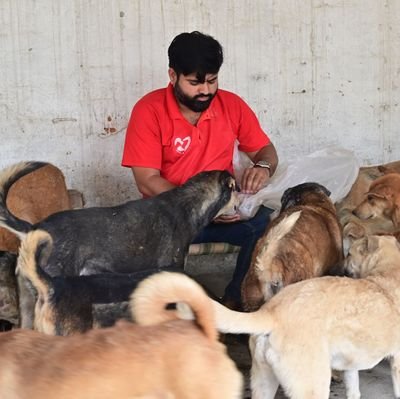
This is absolutely heartbreaking. 💔
A helpless dog is being tied up on a balcony every night at ATS Pious Hideaways, Sector 150, Noida suffering in silence, enduring pain and abuse. This is not an assumption. There is proof. The visuals are deeply disturbing.
What kind of human behavior is this? If you cannot care for a dog with love, dignity, and responsibility, why bring them into your life at all? There is no compulsion. No excuse for cruelty. This is pathetic and inhumane.
That innocent soul deserves warmth, safety, and freedom not chains, fear, and violence.
I’m sorry to make these details public, but this is necessary. Silence will only protect the abuser
#AnimalAbuse
#Dogs
English
@shiv_cybersurg Mughal - e - thorium movie loading.......
Vancouver, British Columbia 🇨🇦 English

Cut the celebrations. Remember, Mughals brought Thorium to India.
English
@Macrobysunil Wow. How is this not a breaking news in main stream .media outlets. Are we so out of scientific achievements globally ?
English

India just crossed a line that only a handful of nations in the world ever have.
This isn’t just another reactor going live.
This is India stepping into one of the most elite and strategic clubs in global energy, Fast Breeder Nuclear Technology.
With the Prototype Fast Breeder Reactor (PFBR) at Kalpakkam achieving criticality, India has officially moved into Stage 2 of its nuclear program, a stage where the game changes completely.
Here’s why this matters globally 👇
Most countries run nuclear reactors that consume fuel.
Fast breeder reactors do the opposite — they create more fuel than they burn.
Think about that for a second.
In a world obsessed with energy shortages, supply chains, and resource wars…
India is building a system that can multiply its own fuel.
Only a few countries have ever reached this level:
- Russia — operational leader
- China — scaling aggressively
- France & Japan — tried, but stepped back
Now India joins that list.
But here’s where it gets even bigger…
India isn’t just copying the global model.
It’s playing a completely different endgame.
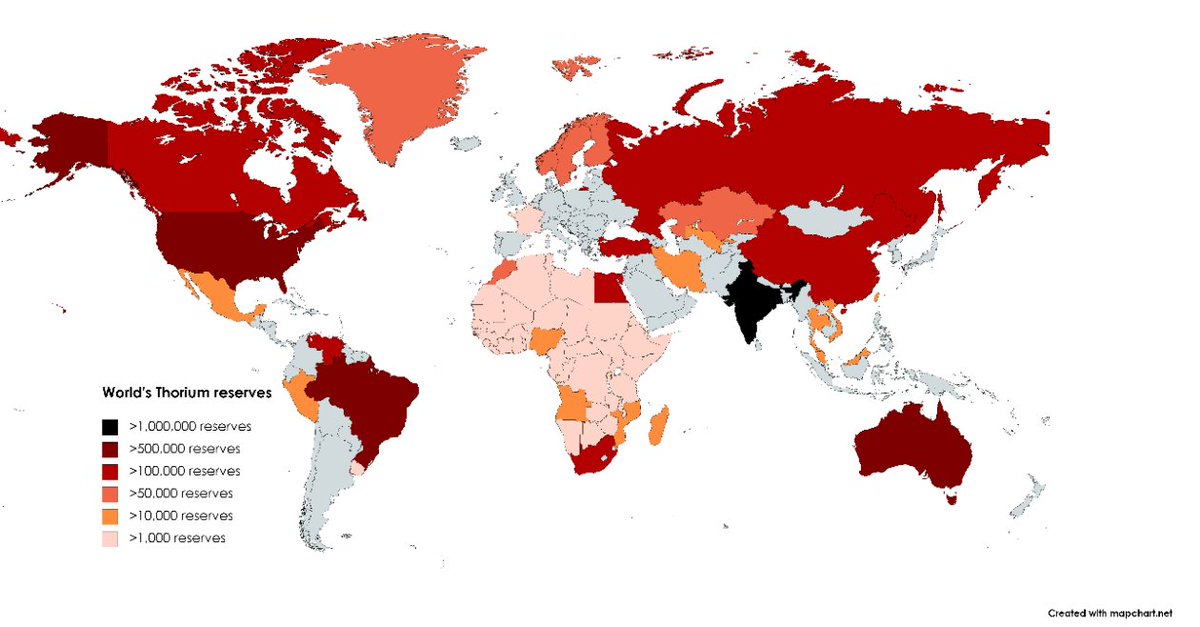
While most nations are stuck in the uranium cycle, India is building toward thorium-based energy — something it has in abundance.
And if India cracks thorium power at scale, this is where the narrative explodes:
Thorium is far more abundant than uranium, especially in India.
A successful thorium cycle would mean:
→ Fuel constraints practically disappear
→ Energy can be produced domestically for generations
→ Import dependence drops dramatically
At that point, you’re not just energy secure…
you’re sitting on something close to structurally unlimited power potential.
That’s not an exaggeration, that’s the strategic vision behind India’s 3-stage nuclear program.
This is not a short-term headline.
This is a multi-decade shift in capability.
From a global lens:
This signals that India is no longer just a participant in energy markets,
it’s becoming a future technology and energy powerhouse.
From a market lens:
This quietly strengthens long-term narratives around:
- Nuclear energy expansion
- Uranium demand (near term)
- Thorium-based innovation (long term)
- Domestic heavy engineering & infra
And from a geopolitical lens:
Energy independence = policy independence.
That’s the real story.
This moment won’t move markets tomorrow.
But 10–15 years from now, we might look back and say,
This is where the foundation was laid.
Narendra Modi@narendramodi
Today, India takes a defining step in its civil nuclear journey, advancing the second stage of its nuclear programme. The indigenously designed and built Prototype Fast Breeder Reactor at Kalpakkam has attained criticality. This advanced reactor, capable of producing more fuel than it consumes, reflects the depth of our scientific capability and the strength of our engineering enterprise. It is a decisive step towards harnessing our vast thorium reserves in the third stage of the programme. A proud moment for India. Congratulations to our scientists and engineers.
English
@dogaradodia @Raajputob Anak nam puta.
Vancouver, British Columbia 🇨🇦 Filipino

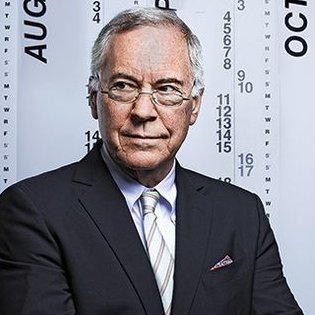
Steves slogan is catchy, but it oversimplifies—and in some ways misleads.
1) “Per capita = poor” is incomplete Per capita income is an average—not a full picture of prosperity. It ignores:
Cost of living differences (which PPP already adjusts for)
Rapid income growth over time
Access to public goods (digital infrastructure, subsidies, services)
India’s per capita income is lower than developed countries, but it has been rising steadily, lifting hundreds of millions out of poverty.
2) Scale itself is a strength, not a weakness “Size without prosperity” ignores that economic size:
Creates global influence (G20, trade leverage, geopolitics)
Attracts investment and supply chains
Enables domestic demand-led growth
Large economies always grow unevenly at first (see China historically).
3) Poverty reduction has been massive India has seen one of the largest poverty declines in history:
Hundreds of millions moved out of extreme poverty in recent decades
Expanding middle class Calling it “without prosperity” dismisses real progress.
4) Structural transition takes time India is still transitioning:
From agriculture → industry → services
From informal → formal economy
Per capita income lags during this phase in every developing country. That’s not failure—it’s a stage.
5) PPP ranking actually reflects real consumption power PPP isn’t a vanity metric—it shows what people can actually buy locally. India being #3 in PPP means:
Domestic purchasing power is substantial
Internal economy is strong, not just export-driven
6) Inequality matters more than averages The real issue isn’t “size without prosperity”—it’s:
Uneven distribution
Urban vs rural gaps
Job quality
That’s a policy challenge, not a dismissal of the entire economy.
A sharper counter-line you could use:
“India isn’t ‘size without prosperity’—it’s a fast-growing economy still distributing that prosperity across 1.4 billion people.”
.
New Westminster, British Columbia 🇨🇦 English
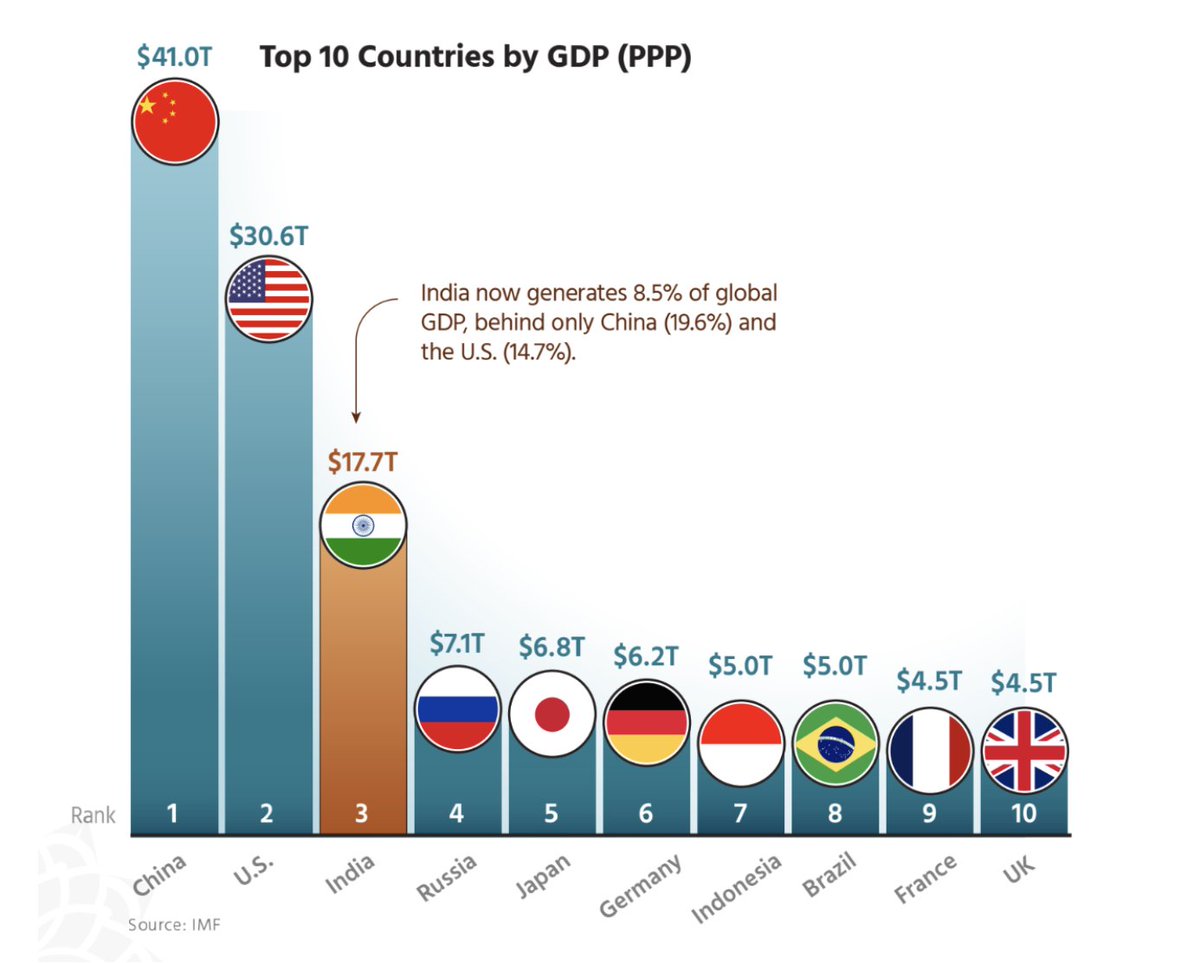
#IndiaWatch🇮🇳: When measured on a Purchasing Power Parity basis, India is the world’s 3rd largest economy.
But, on a per capita basis, India remains poor.
INDIA = SIZE WITHOUT PROSPERITY.
English
Misleading post -
Nominal GDP vs GDP (PPP) is the missing context here.
India ranks lower in nominal GDP per capita because it’s measured in USD at market exchange rates. But in PPP terms—which adjust for cost of living—India jumps significantly higher.
Why this matters: • PPP reflects what people can actually buy locally
• It’s a better measure of living standards in developing economies
• It avoids distortions from currency undervaluation
India is still catching up, no doubt—but using only nominal rankings to judge welfare is incomplete at best, misleading at worst.
English
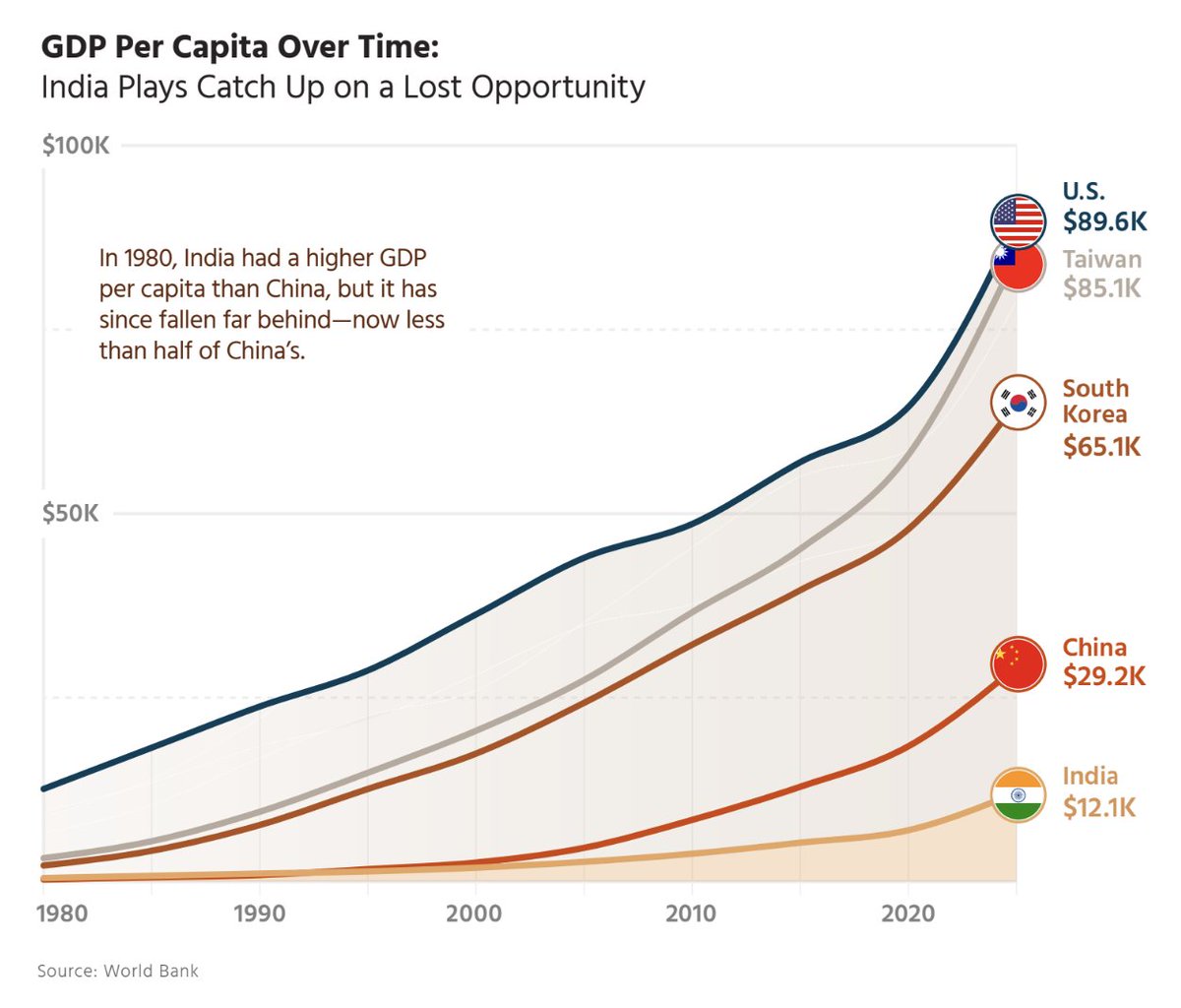
#IndiaWatch🇮🇳: India boasts the WORLD'S 4th largest GDP.
But, when it comes to income per person, India comes in at a lowly 126th in the world.
English


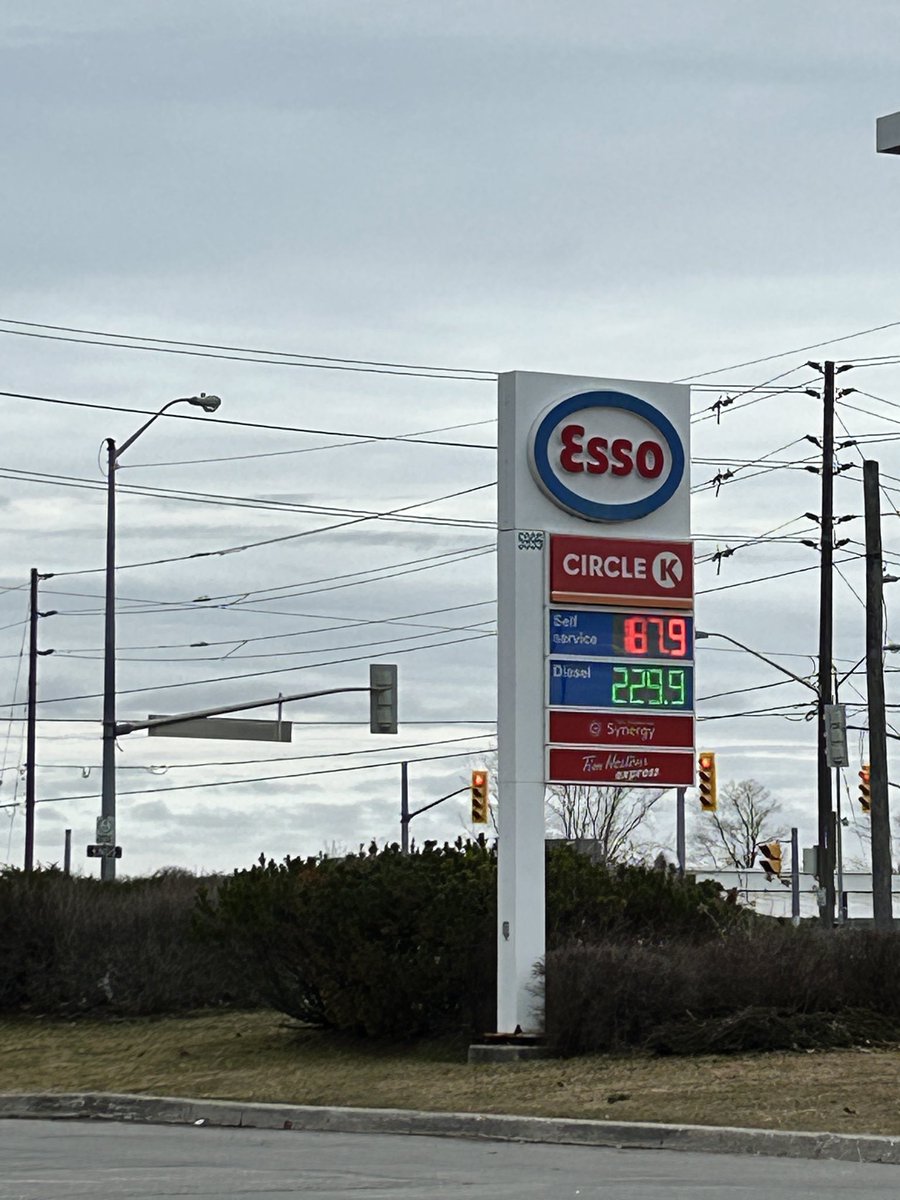
Canaduh, an oil producing nation, how did we end up from 121.5 ¢/L to 187.9¢/L in weeks.
My full tank went from $63 to $97🤔, At this rate, owning a car feels like a premium subscription service.
Yet Canada gave away $32 million to Ukraine when its own citizens are struggling to make a livelihood!
This isn’t just inflation, it’s a full-blown squeeze on Canadians..
Anyone else feeling the pinch?
#oilPrices #Canada #IranIsraelWar
English
But Canada isn’t Japan, and the numbers matter.
Japan’s main corridor has tens of millions of people packed closely together. Canada’s entire population is ~40 million spread across a massive area. Even our busiest corridor (Toronto–Montreal) is far less dense.
High-speed rail typically needs very high ridership to justify costs. In Canada, estimates for true high-speed rail in that corridor run $80–$120+ billion, largely due to distance, land acquisition, and climate challenges.
Meanwhile, our busiest air routes already handle demand efficiently, and distances between cities are much larger than in Japan.
So it’s not that Canada can’t build it — it’s that the economics are much harder to justify at scale.
If we build anything, it likely needs to be faster rail (not true high-speed) in dense corridors, not a nationwide Shinkansen-style network.
English
I just came back from a trip to Japan.
The Japanese could figure out how to provide their citizens high speed rail.
There’s no reason why we can’t.
Don’t let Pierre Poilievre deny Canadians high speed rail.
If we need help and advice from the Japanese, let’s get it.
English
Top PPP economies right now: China, US, India (EU as a bloc is also huge, but not a single state).
The idea that the future is just US–China–EU is too simplistic. It’s more likely multipolar, with India and others acting independently.
Europe does have strong soft power and is seen as more rules-based, so some countries diversify toward it. But:
Canada is still deeply tied to the US economically
Japan relies on the US for security
India is playing its own game, not aligning with Europe
The biggest flaw is assuming countries choose partners based on “fairness.” In reality, it’s about security, geography, and trade first—values second.
New Westminster, British Columbia 🇨🇦 English

@AdityaSatsangi India? Nice joke. Please elaborate how.
Iran, Russia and China are the soverign and major powers.
US and Russia are superpowers. US can recover, but after a civil war provided it does not break up like the soviet union.
English

Partly real, mostly spin.
Yes, Nomura downgraded India to Neutral and shifted preference toward China/Korea. Yes, India is highly exposed to oil, FIIs sold heavily, the rupee had a bad year, and Nomura cut its Nifty target.
But no, that is not “the market’s verdict on 11 years of Modi.”
Nomura’s stated reasons were current macro risks: oil shock vulnerability, global geopolitical tensions, AI/earnings risks, valuations, and weaker flows. That’s a cyclical market call, not a civilizational obituary.
And “investors trust China over India” is just slogan-writing. Funds rotate for price, positioning, sector mix, and short-term opportunity all the time.
So the facts are selective-but-real. The conclusion is propaganda.
English

Japan’s Nomura just declared - dump India, move money to China and Korea instead.
This is not a random downgrade.
This is the market’s actual verdict on 11 years of Modi government.
According to NOMURA, India = most vulnerable to energy prices.
11 years of ‘Atmanirbhar Bharat’, still importing 85% crude.
₹1.58 lakh crore FIIs exited in 2025.
Rupee crashed 11%. Nifty target cut 15%.
Investors now trust Communist China over us.
Not because China is perfect. But because THIS government made India LESS investible, not more.
11 years. This is the result.
First Squawk@FirstSquawk
NOMURA LOWERS INDIAN STOCKS TO NEUTRAL RATING, RECOMMENDS INVESTORS MOVE TO KOREA AND CHINA INSTEAD.
English