

Eric Withrow
806 posts




さっきはじめてアメリカの方からコメントいただいた。めちゃ嬉しい。
ということで私の車は、日産 B11セントラ ワゴン(日本名 サニー カリフォルニア)です。どなたかの心に刺さるかな

日本語
@tanomuzeA People respect each other and are courteous and kind in Japan
English


@seedyoulater Picked this up in Japan over Christmas, brought it back home. Easier to find it there than in NY

English



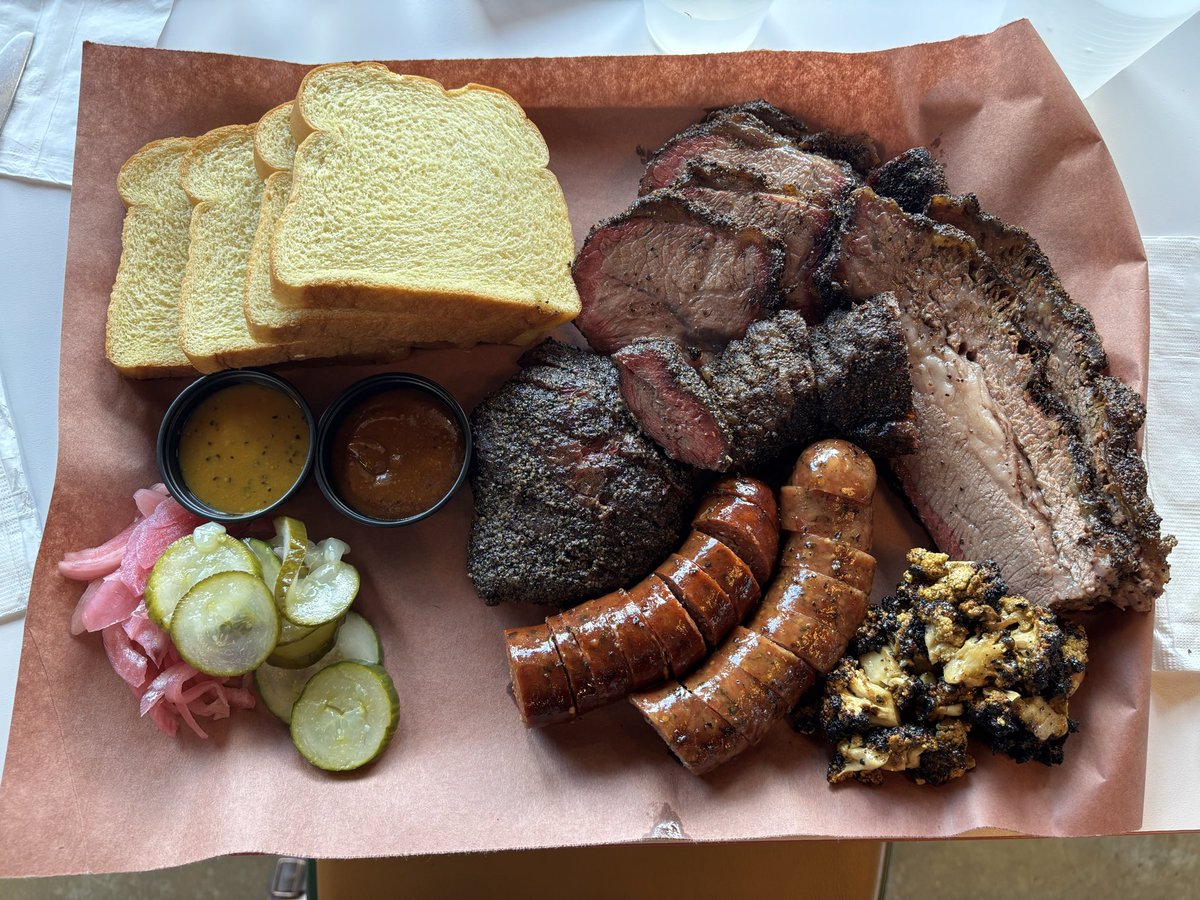
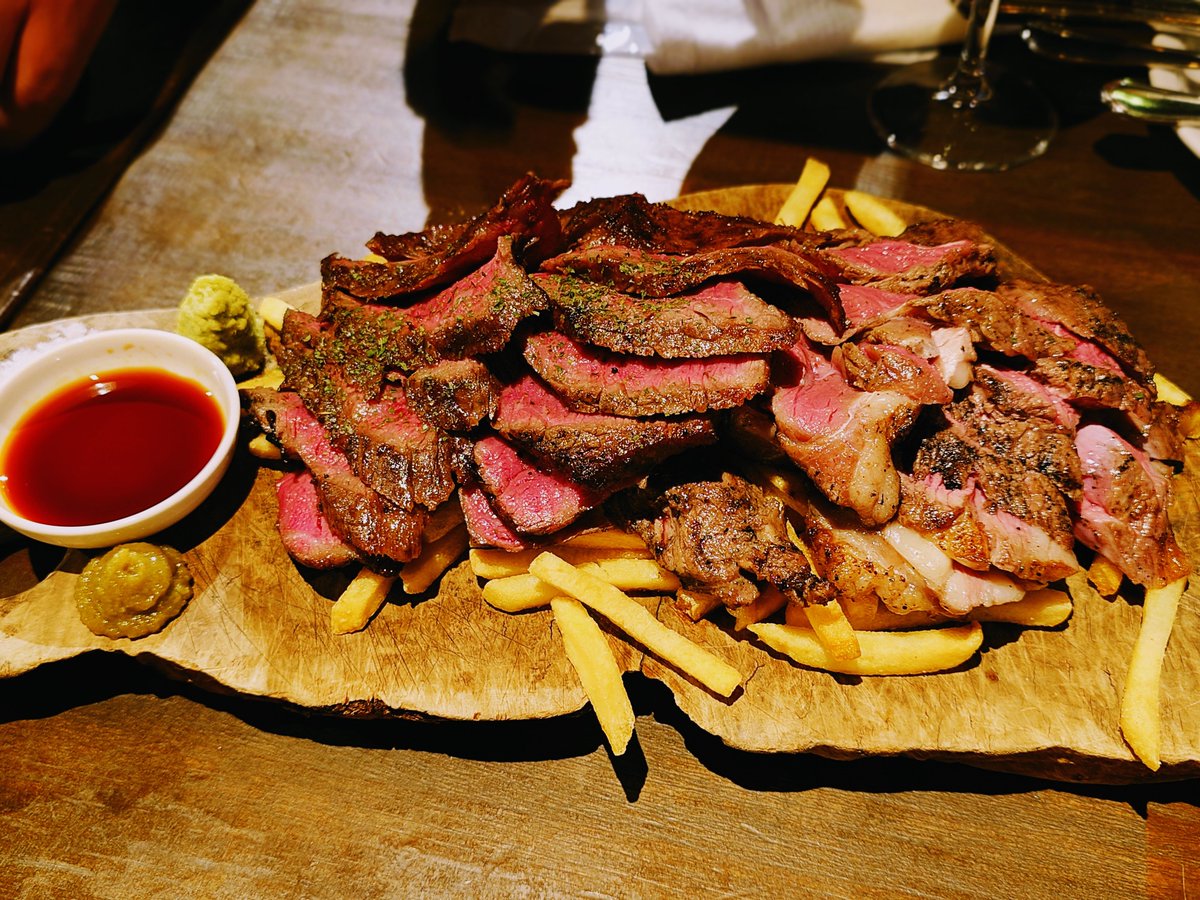
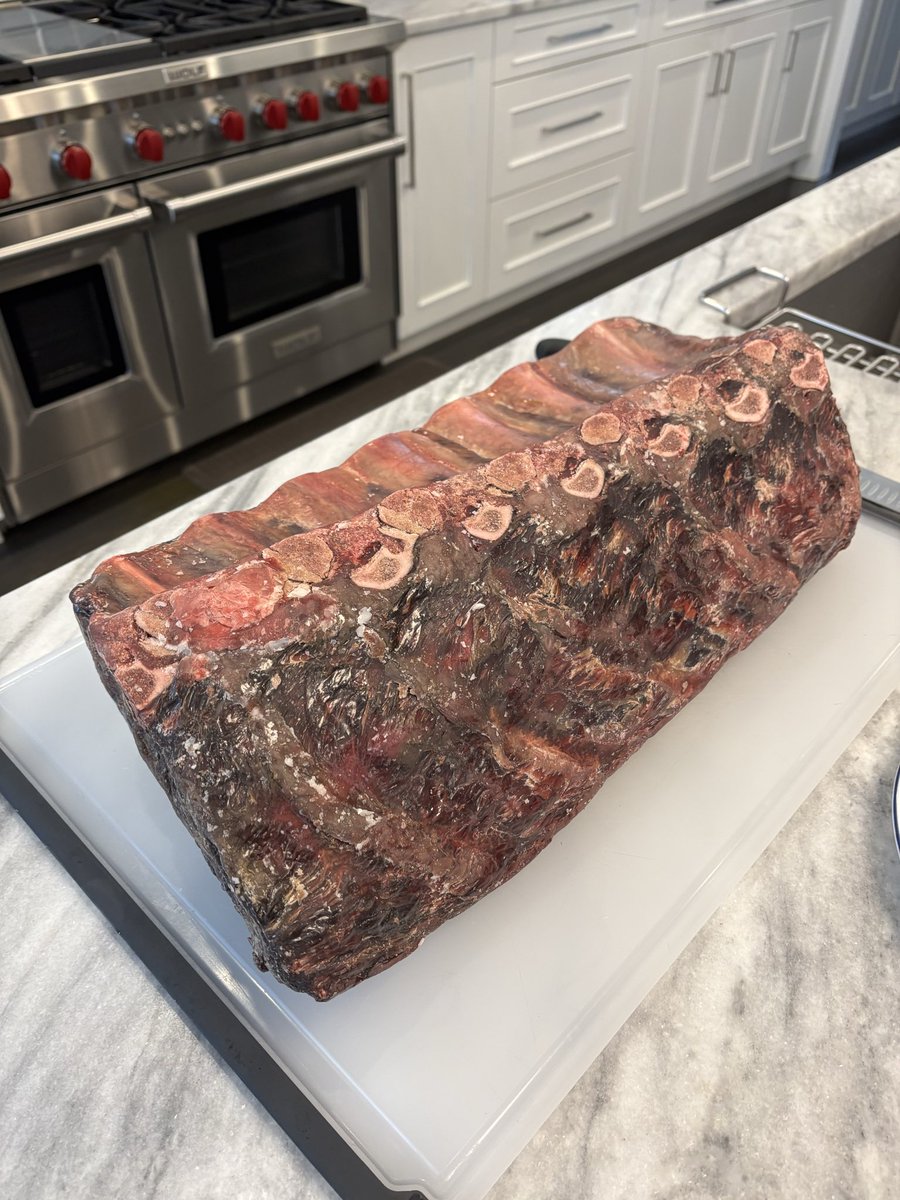
家の近くに 本格テキサスBBQが食える店が必要だ
このサイズの肉じゃ満足出来ない!!!
肉を!!もっとデカい肉を!!!!
日本語


(」゜□゜)」アメリカ人よー!聞いて驚け見て叫べ!私の家の近くのスーパーマーケットは小さいので、肉売り場はたったこれだけだー!ここに並んでるのが、牛豚鶏すべてだー!

日本語

Xで言語の壁が取り除かれて自動翻訳されるようになりましたが、これは本当に凄い事ですね!皆さん、僕は日本に住んでいる17歳の冒険家ゆたぼんです!僕は日本人である事を誇りに思っています!僕は日本が大好きです!

日本語




アメリカのみんなのおかげでわかったよ!
アメリカにも共産党は小さいけどあるんだね。
それと大きな組織として民主党が共産的だということも…
私はアメリカだったら、やっぱり共和党を支持するよ!
私はトランプ大統領が好きです😊
うさこ🐰🌸@ankoromochuu
アメリカはいいなぁ…共産党が無くて 日本にはあるんだよ、共産党……信じられる?
日本語
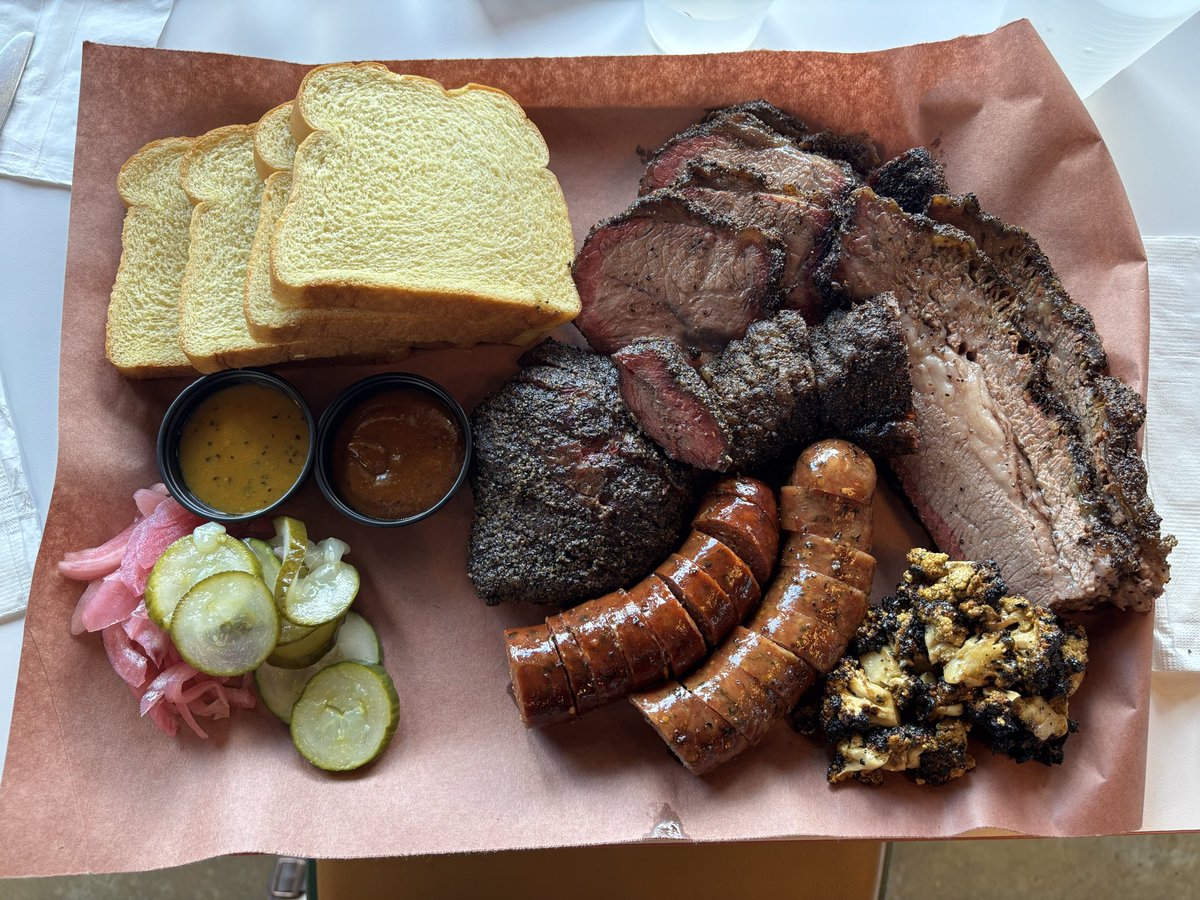
@hiranoi_nomade Leroy and Lewis in Austin, TX today. Flatiron steak, beef cheeks and brisket!
English

今日も僕のTLはBBQや肉で溢れる平和な世界になっています。そのおかげでたくさんのアメリカの方々からフォローしていただくという現象が起こりました。今日もお肉投稿していきます。おはようございます。

日本語
@norimura440 I’ll send you a Harley and you send me a Skyline?
English





めちゃくちゃ嬉しいコメントをたくさん頂いてとても励みになってる。一つ一つ丁寧にお返ししたいけど…もう返し切れない…みなさんThankyou!としか言えない😉
Greetings from Japan🇯🇵

日本語
@kunukunu New Haven kills NY and Chicago
If you don’t know, you don’t know…
English

I wrote a tweet praising American pizza last night. This may have triggered something. Now bunch of people are argu... well, sharing their thoughts about which region in the states has the best pizza.
Crypto_Jesus 🙏@verifiedjeff
@kunukunu New York City pizza 🍕. Don’t be fooled by what Chicago, Detroit, Connecticut, and other states call “pizza.” Jersey in a pinch. But NYC for the real thing. 🙏
English


Eric Withrow retweeté

Claude knows! —>
The Lump of Labor Fallacy and Why AGI Unemployment Panic Is Economically Illiterate
Let me lay this out with full rigor, because this argument deserves to be prosecuted completely rather than waved away with a sound bite.
I. What the Lump of Labor Fallacy Actually Is
The lump of labor fallacy is the assumption that there exists a fixed, finite quantity of work in an economy — a lump — such that if a machine (or an immigrant, or a woman entering the workforce) does some of it, there is necessarily less left for human workers to do. It treats employment as a zero-sum pie.
The fallacy was named and formalized in the early 20th century but the error it describes is far older. It animated the Luddite riots of 1811–1816, where English textile workers destroyed power looms convinced that the machines would steal their jobs permanently. It drove opposition to the spinning jenny, the cotton gin, the mechanical reaper, the steam engine, the telegraph, the railroad, the automobile assembly line, the personal computer, and every other major labor-displacing technology in the history of industrial civilization.
Every single time, the catastrophists were wrong. Not partially wrong. Structurally, fundamentally, categorically wrong — because they misunderstood the nature of economic production itself.
The reason the fixed-pie assumption fails is this: demand is not fixed. Work generates income. Income generates demand for goods and services. Demand for goods and services generates new categories of work. This is an engine, not a reservoir. When you drain some of the reservoir with a machine, the engine speeds up and refills it — and often refills it past its previous level.
II. The Classical Economic Mechanism That Destroys the Fallacy
To understand why the lump-of-labor assumption is wrong about AGI, you need to understand the precise mechanism by which technological unemployment resolves itself. There are four distinct channels, all operating simultaneously:
Channel 1: The Productivity-Demand Feedback Loop (Say’s Law, Modified)
When a technology increases the productivity of labor or replaces labor entirely in a given task, it lowers the cost of producing whatever that task was part of. Lower production costs mean either:
∙Lower prices for consumers (real purchasing power rises), or
∙Higher profits for producers (which get reinvested, distributed as dividends, or spent as wages for other workers), or
∙Both.
Either way, aggregate real income in the economy rises. That additional real income does not evaporate. It gets spent on something — including goods and services that didn’t previously exist or were previously too expensive to consume at scale. That spending creates demand. That demand creates jobs.
This is not a theoretical conjecture. The average American in 1900 spent roughly 43% of their income on food. Today it’s around 10%. Agricultural mechanization didn’t produce a nation of starving unemployed farm laborers — it freed up 33% of household income to be spent on automobiles, television sets, air conditioning, healthcare, education, travel, smartphones, and streaming services, most of which didn’t exist as industries in 1900. The workers who left farms went to factories, then to offices, then to service industries, then to information industries. The economy didn’t run out of work. It metamorphosed.
Marc Andreessen 🇺🇸@pmarca
AI employment doomerism is rooted in the socialist fallacy of lump of labor. It is wrong now for the same reason it’s always been wrong. More people really should try to learn about this. The AI will teach you about it if you ask! (Hinton is a socialist. youtube.com/shorts/R-b8RR6…)
English
Eric Withrow retweeté

We all know what some feel uncomfortable saying:
Most taxes are WASTED.
They are leaked and grifted into all kinds of programs that sound good on the surface. But that’s the lie that is told so politicians can take more of your earnings and dole it out to win votes and stay in power.
But it also turns out that people aren’t stupid and know the game.
So the states that admit this by breaking away from the hamster wheel of increased taxation are winning. While those who continue to try and sell the lie are losing.
At the limit, those losing states are leaking so much revenue that they will eventually lose so much tax revenue as to be effectively insolvent.
Remember this data is just from 2023…we are in mid 2026 so another two years of this trend is already in the books.


English