PSX Investor/Swing Trader
1.3K posts

@FVTechStallion
Passionate about blending Technical and Fundamental analysis in stock markets. Navigating through market chaos with my own charts.📈🔍Opinions are solely mine!


🔴The Strait of Hormuz closure is the biggest OIL SUPPLY SHOCK the world has ever seen: The initial loss of oil supply from the closure reached ~10 million barrels per day. This is larger than any disruption caused by the Iranian revolution, the Arab oil embargo, the invasion of Kuwait, or the Iran-Iraq war. This comes as tanker traffic through the Strait collapsed from ~60 vessels per day to near zero, cutting off ~20 million barrels per day of gross supply from global markets. Alternative sources, including OPEC spare capacity, pipelines, inventory releases, and sanctioned oil in transit, can cover most of the shortfall in the short term, leaving a potential supply gap of ~4.6 million barrels per day, or just over 4% of global consumption. However, inventories cannot be drawn down indefinitely, and if the closure persists, the effective shortfall could rise toward 8% of global consumption. The world cannot afford the Strait closure for too long.

🚨 I Want To Tell The People Of 🇵🇰 Pakistan A Very Bad News: The Government Is Going To Increase The Prices Of Petroleum Products By 24%. - Muneeb Farooq.


If you tally this govt’s energy blunders from just the past few months, the list is staggering: • Premature fuel price hikes → Rs 87bn windfall to OMCs • Faulty diesel pricing → windfall gains for refineries • LNG cargoes cancelled… then panic-buying expensive spot cargoes • Up to 12 hours of loadshedding in cities due to mismanagement • New gas connections approved while even 10% of existing demand isn’t met • Anti-solar policies introduced, then partially rolled back after backlash • Claims of reduced circular debt—contradicted by their own data And that’s not even the full picture. This isn’t governance. It’s a pathetic circus the entire country is forced to endure.


BREAKING: 🇯🇵 Japan's 10-year government bond yield rises to 2.52%, the highest since 1997.


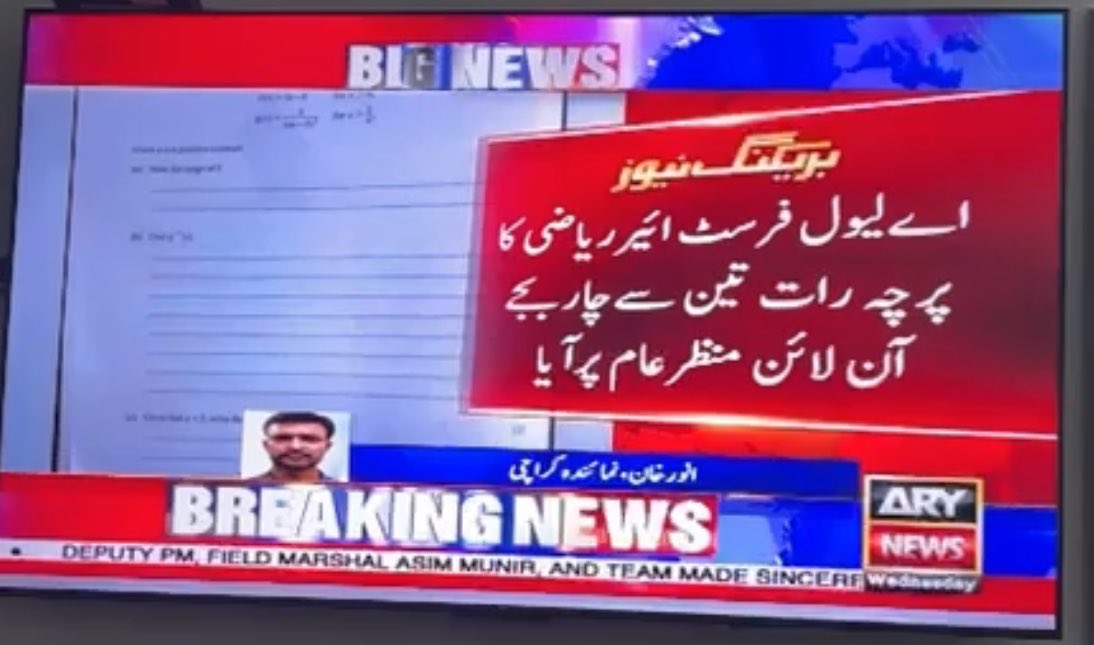
In other news, an estimated 25000 students of Pakistan paid almost 50k to the British council to appear for A levels math exam and two hours prior to the exam the paper got leaked. Countless hours of prep, hundreds of thousands paid in tuition fees over the year, all gone to waste. Bear in mind this is the same educational board that funnels 50 billion out of Pakistan each year. Yet this is the third consecutive year they've failed to secure the paper. The students can't be compensated in any way.

جیسے جیسے گندم کا ایک اور موسم اپنے اختتام کو پہنچ رہا ہے، ہم یہ دیکھنے پر مجبور ہیں کہ کس طرح ایک بھرپور زرعی شعبہ — جو چند سال پہلے تک ریکارڈ پیداوار دے رہا تھا — پی ایم ایل این کے چار سالہ دورِ حکومت میں پے در پے پالیسی ناکامیوں کی بھینٹ چڑھ کر تباہی کے دہانے پر آ کھڑا ہوا ہے۔ کسان کارڈ ہولڈرز سے تین ہزار پانچ سو روپے فی من کے حساب سے تیس لاکھ ٹن گندم “اسٹریٹجک ریزرو” کے طور پر خریدنے کا وعدہ کیا گیا — ایک ایسے نئے نظامِ خریداری کے تحت جو نہ مکمل طور پر مارکیٹ پر مبنی ہے اور نہ ہی خالص سرکاری۔ لیکن زمینی حقائق یہ ہیں: ابھی تک ایک من تو کیا، گندم کا ایک دانہ بھی نہیں خریدا گیا۔ یہ المناک صورتحال کچھ یوں سامنے آئی: 1۔ حکومت نے تیس لاکھ ٹن گندم کے لیے تین ہزار پانچ سو روپے فی من سپورٹ پرائس کا اعلان کیا۔ 2۔ ساتھ ہی یہ بھی کہا کہ خریداری خود کرنے کی بجائے گیارہ نجی کمپنیوں کو یہ ذمہ داری سونپی جائے گی۔ 3۔ نہ پی پی آر اے، نہ ٹینڈر، نہ کوئی شفافیت۔ آج تک کسی کو نہیں معلوم کہ یہ کمپنیاں کس بنیاد پر چنی گئیں اور انہیں درحقیقت کیا شرائط طے کر کے دی گئیں۔ 4۔ ان کمپنیوں سے وعدہ کیا گیا کہ انہیں بینکوں سے KIBOR minus 1% پر سرکاری ضمانت کے ساتھ قرضے ملیں گے، سرکاری گوداموں میں مفت ذخیرہ اندوزی کی سہولت دی جائے گی، اور ستمبر تا مارچ مناسب منافع بھی یقینی بنایا جائے گا۔ 5۔ جنوبی پنجاب میں گندم کی کٹائی مکمل ہوئی مگر خریداری کا کہیں نام و نشان نہ تھا۔ حکومت کی طرف سے مکمل خاموشی چھائی رہی۔ 6۔ پھر سنٹرل اور ناتھ پنجاب کے کسانوں نے بھی کٹائی شروع کر دی۔ کسان کارڈ ہولڈرز — جو سب سے چھوٹے اور کمزور زمیندار ہیں — مزید انتظار کی سکت نہ رکھتے ہوئے مجبوراً سپورٹ پرائس سے کم قیمت پر مڈل مین کے ہاتھ گندم بیچنے لگے۔ 7۔ اسی موقع پر اصل کہانی منظرِ عام پر آئی — ان گیارہ کمپنیوں کے لیے بینک قرضے منظور ہی نہیں ہوئے تھے۔ خریداری کے لیے آج بھی سرکاری خزانے میں ایک پیسہ موجود نہیں۔ 8۔ حکومت بدستور گہری خاموشی میں ڈوبی ہوئی ہے، جبکہ اندرونی ذرائع نے میڈیا کو بتایا کہ یہ پوری پالیسی “ادھوری سوچ اور مغرورانہ رویے کا شاخسانہ” تھی۔ 9۔ اب حکومت فنڈز کے لیے ہاتھ پاؤں مار رہی ہے، مگر اب یہ کوشش بے کار ہے کیونکہ زیادہ تر گندم پہلے ہی فروخت ہو چکی ہے۔ یہ بے حسی اور لاپروائی سراسر ناقابلِ معافی ہے۔ ایک مسلط کردہ وزیرِ اعلیٰ — جن کی دلچسپی کا محور ان کی اپنی ظاہری نمود اور ذاتی تصاویر ہیں — نے بار بار یہ ثابت کیا ہے کہ وہ کسی بھی سرکاری منصب کی اہل نہیں ہیں۔ یہ قرضوں کی اسکیم، جو بنیاد ہی سے کھوکھلی تھی، جنوری میں انہی کے ذہنِ رسا کی پیداوار تھی۔ زمینی حقائق سے مکمل طور پر بے خبر، انہوں نے ایک لمحے کے لیے بھی یہ نہ سوچا کہ بینک ان کی بے ڈھنگی پالیسی کو مسترد کر سکتے ہیں۔ وہ یہ بھول گئیں کہ یہ بینک ہیں، فارم سینتالیس کے ریٹرننگ افسر نہیں — جو آنکھیں بند کر کے ہر حکم بجا لائیں۔ لیکن انہیں کیا فکر؟ کیا انہیں کبھی عوام کی ذرہ بھر پروا رہی ہے؟ آخر انہیں عوام نے ووٹ دے کر بھیجا بھی تو نہیں۔

Let’s be very clear. Pakistan today is in a far stronger position than it was during the crises of 1998 or 2008. In 1998, sanctions hit overnight. Financing dried up. Reserves collapsed to survival levels. The system was effectively shut out. In 2008, it was chaos. A full-blown balance of payments crisis, runaway inflation, collapsing reserves, and an emergency IMF bailout just to stay afloat. Today is different. The current account is under control. The exchange rate, after a painful adjustment, has stabilised. The banking system is intact and liquid. And most importantly, there is an IMF-backed framework in place, a discipline that was missing when past crises spiralled out of control. Is everything perfect? Of course not. Growth is weak. Debt is high. Structural issues remain. But this is not a crisis driven by denial or mismanagement. This is a system that has already absorbed the shock and adjusted. Bottom line: Pakistan is not where it wants to be, but it is far better prepared, far more stable, and far less vulnerable than in the crises that once pushed it to the brink.

Stockifyy One-on-One Advisory. Diamond Category Dr. Masood Rashid Rs. 30,000 for 90 minutes. Via Zoom 👇WhatsApp at 0317-1405501 to book your slots.