@SandyofCthulhu So, Iran tested Chinese missiles and paid for it?
English
Фунабута на хвилях Канаґавського моря
57.5K posts

@HellTrafficker
フナ豚, твітерський. Перекладач (KCD2), поціновувач гарних книг, трохи програміст. Маю канал в Телеграмі. Фунабуті на каву: https://t.co/tETCWdchMP



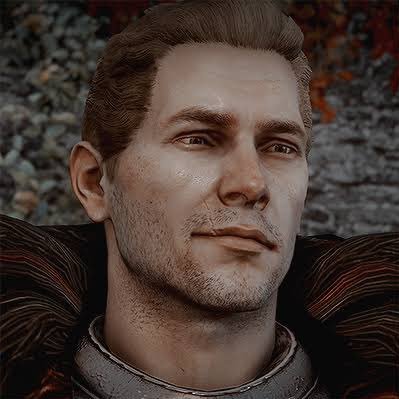
Kingdom Come: Deliverance 2 director defends DLSS 5: 'No way haters will stop this' pcgamer.com/software/ai/ki…



Приєднуюсь до збору «Не сьогодні 2.0» від фонду @YourFutureUA Збираємо на 75 медичних сумок CLS BAGS 3-денний курс навчання для 75 стрільців-санітарів за рівнем CLS (Combat Life Saver) Мета: 20 000 грн send.monobank.ua/jar/4S53begsQS

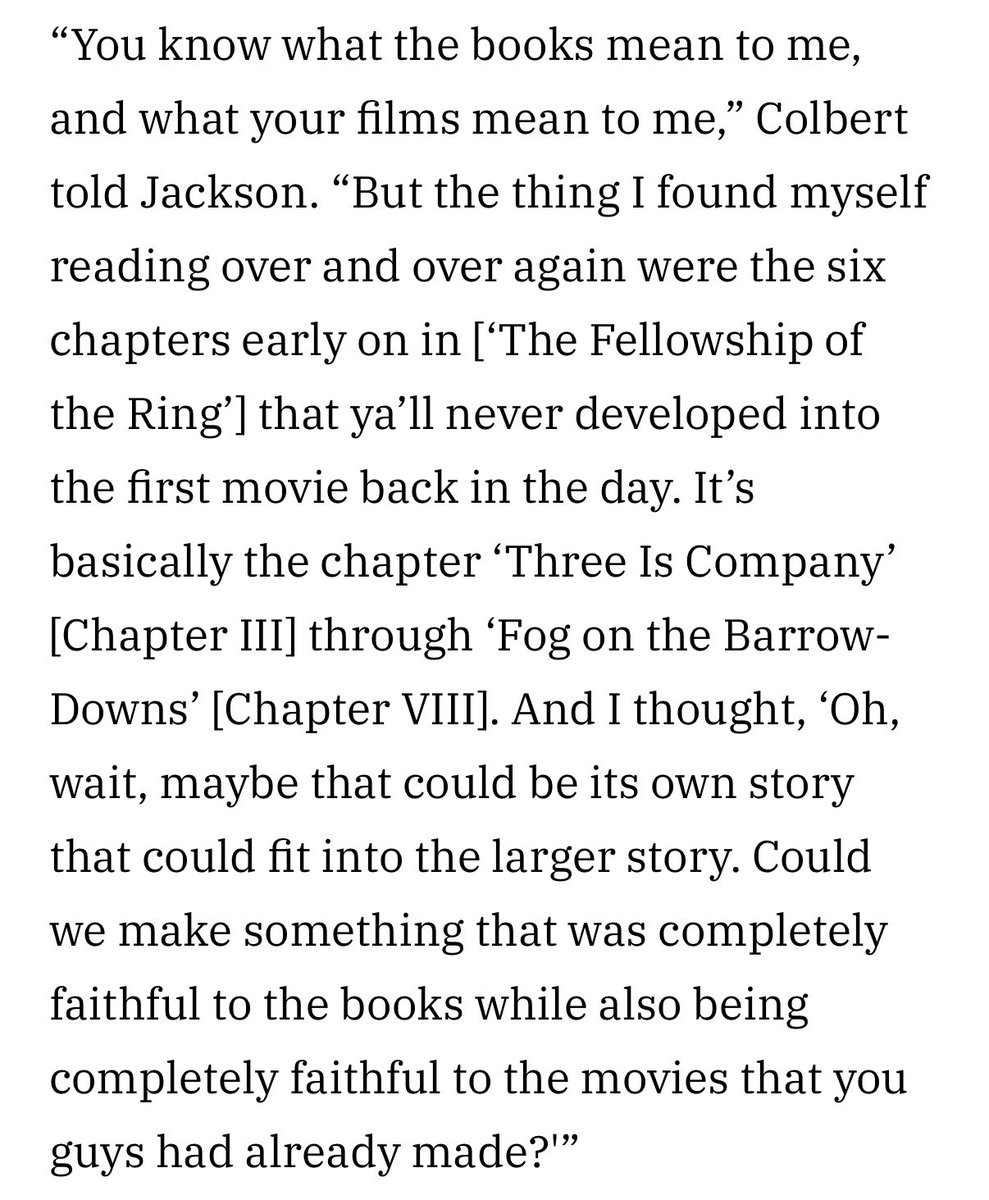
A sequel movie to the ‘LORD OF THE RINGS’ trilogy is officially in the works. Plot synopsis — 14 years after the passing of Frodo, Sam, Merry, and Pippin set out to retrace the first steps of their adventure. Meanwhile, Sam’s daughter, Elanor, has discovered a long-buried secret and is determined to uncover why the War of the Ring was very nearly lost before it even began. Stephen Colbert is co-writing the script.



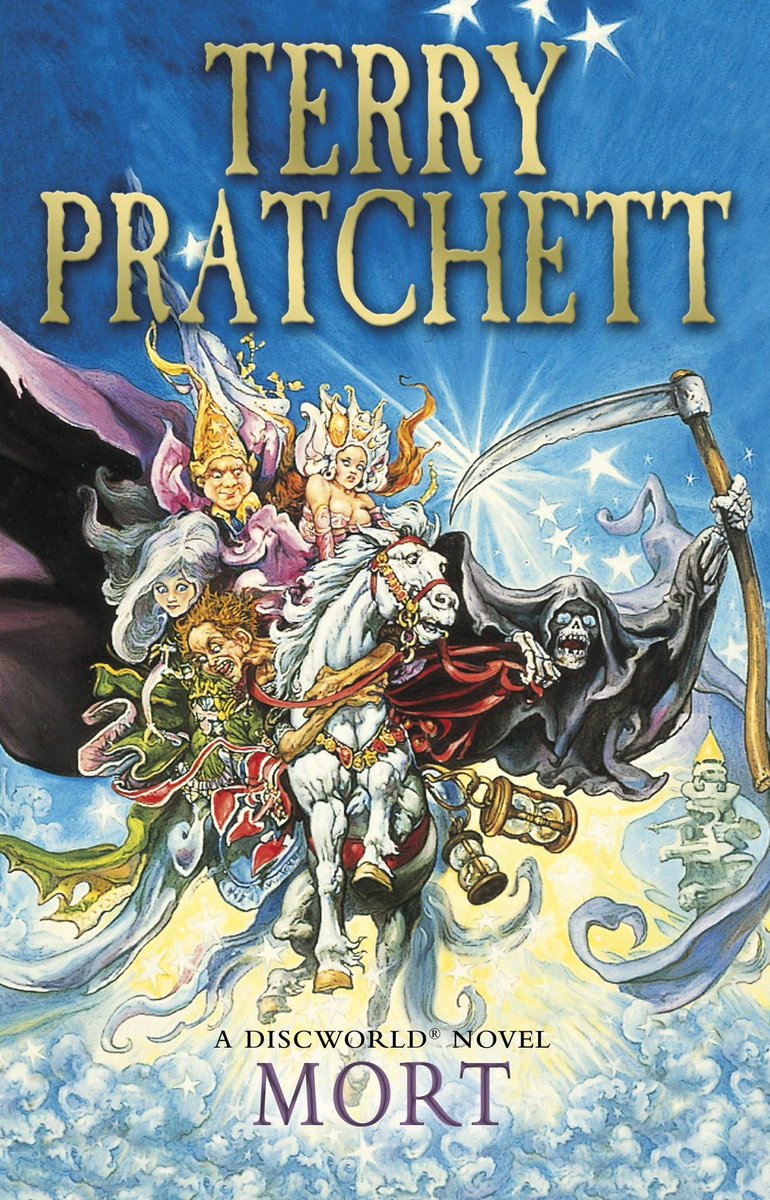
What are good fun books to get out of a reading slump

на минулому тижні сіла за написання книги, ідею для якої виношувала десь більше 10 років. аж цікаво наскільки вистачить натхнення та запалу, чи зможу завершити хоть щось справді обʼємне. госпаді дапамажі 📝



⚕️Збір «Не сьогодні» від фонду @YourFutureUA ⚕️ ◾️75 CLS BAGS (Combat Lifesaver Bag) ◾️3-денний курс навчання для 75 стрільців-санітарів за рівнем підготовки CLS (Combat Life Saver) 🎯 моя: 10 000 грн 🎯 загальна: 2 000 000 грн 🫙: send.monobank.ua/jar/stYSoxkF1